Fargo
Directed by Coen Brothers
1996
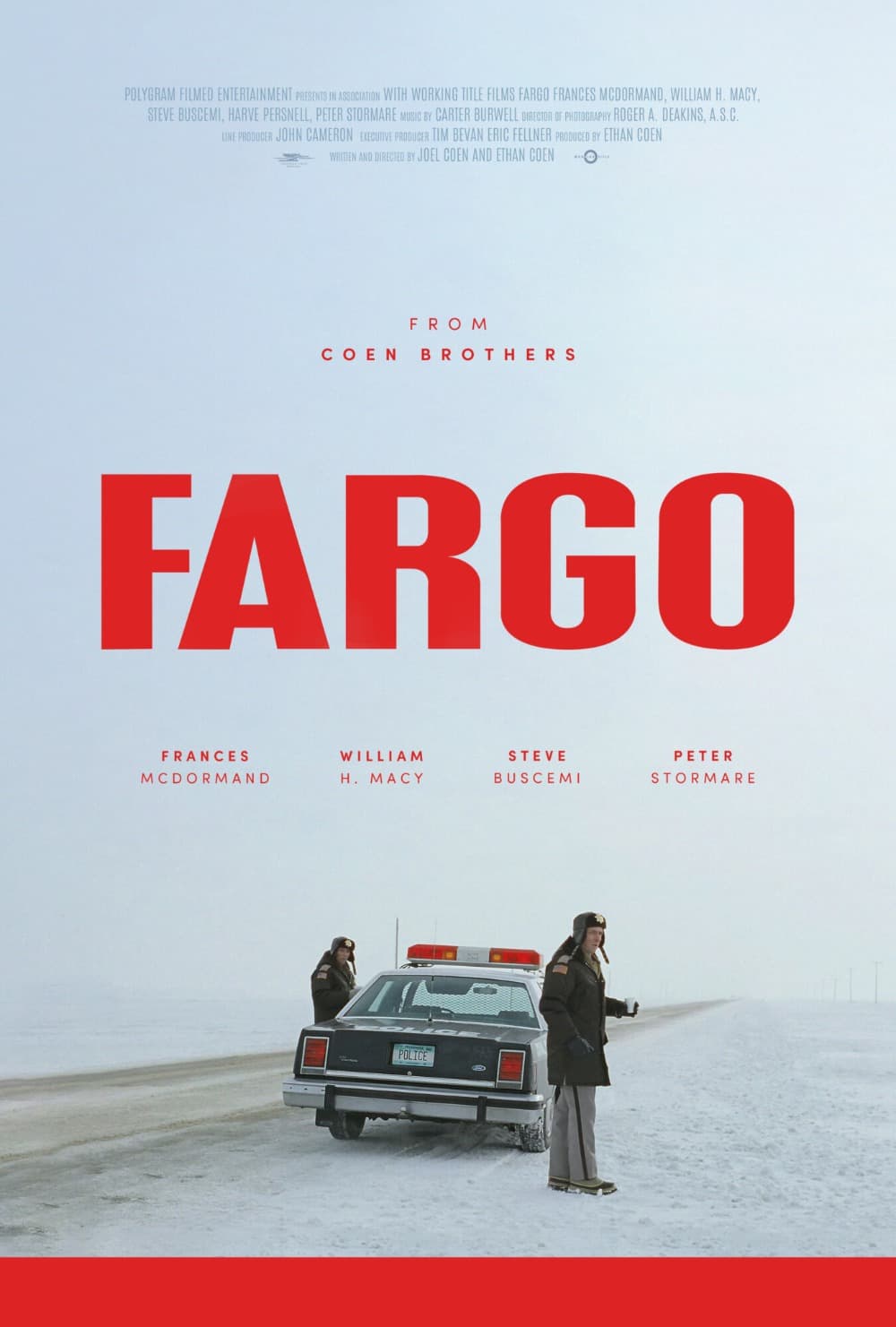
Marge Gunderson is the warmest character the Coens ever wrote, and the reason this one lasts: a kidnapping goes wrong in the snow and she is the only calm person in it.
★ 8.8
 skopia
Marge Gunderson is the warmest character the Coens ever wrote, and the reason this one lasts: a kidnapping goes wrong in the snow and she is the only calm person in it.
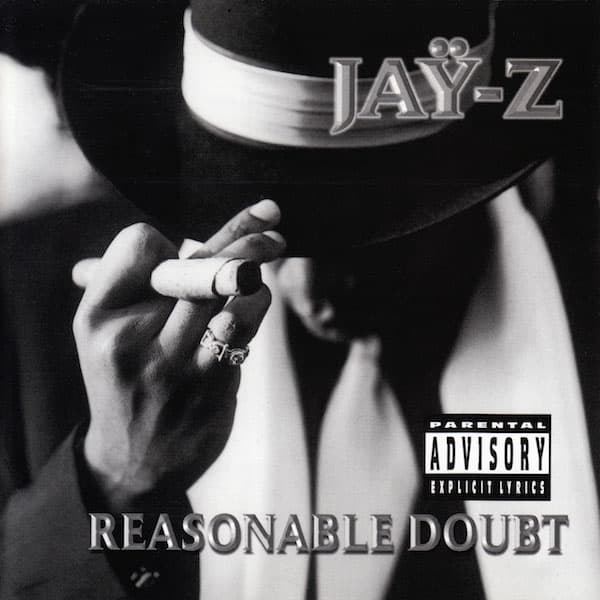
No label would sign him, so Jay-Z started his own with two friends and sold the CDs out of the trunk of a car.
Teddy Riley sang lead because none of his group liked it, then it ended Macarena's fourteen weeks on top.
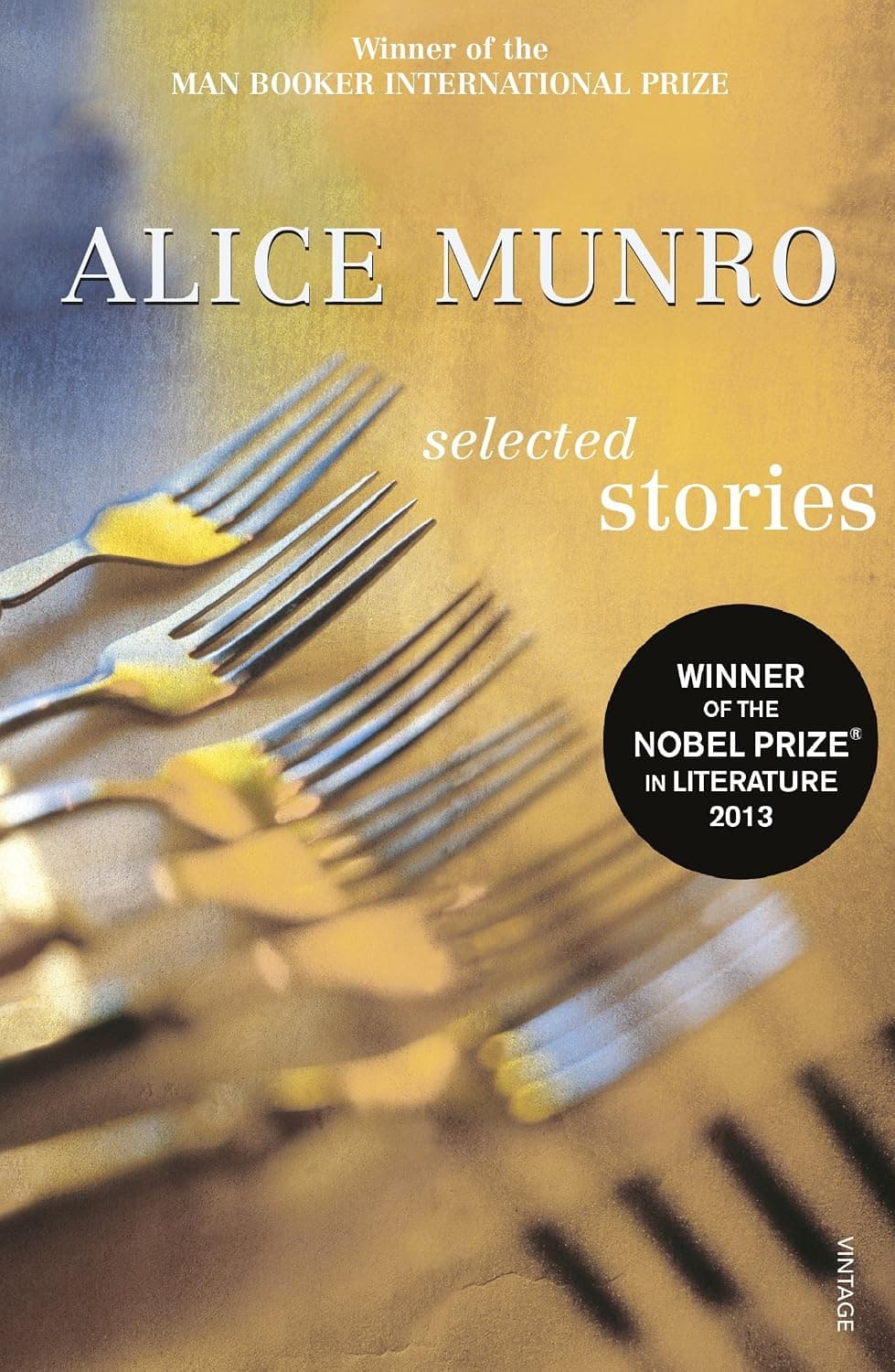
Munro set her stories in Ontario towns where a woman's life can turn on something said at a kitchen table. She fits more into forty pages than most novelists get into a novel.

Somewhere there is a film so entertaining that anyone who watches it stops eating. Wallace chases it through a tennis academy and a halfway house full of addicts he writes with real love.
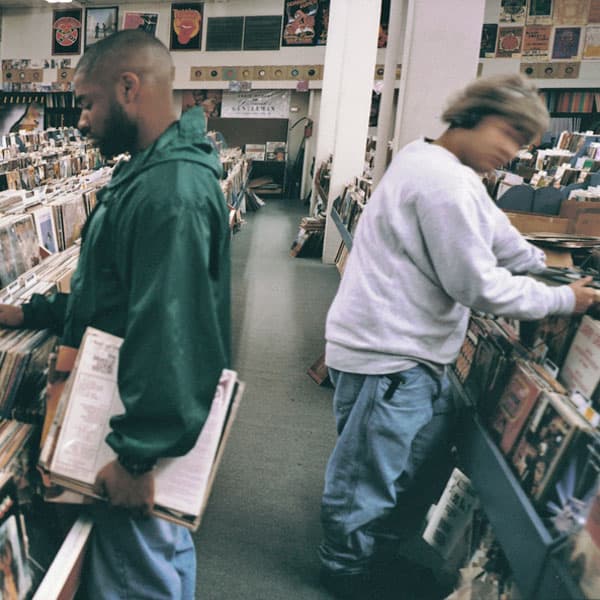
Built entirely out of other people's records, on a single sampler, in the basement of a Sacramento record shop full of unsorted vinyl.
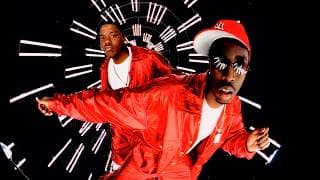
Kelly Price sang the hook uncredited over Stevie J's flip of I'm Coming Out, a posthumous number one.
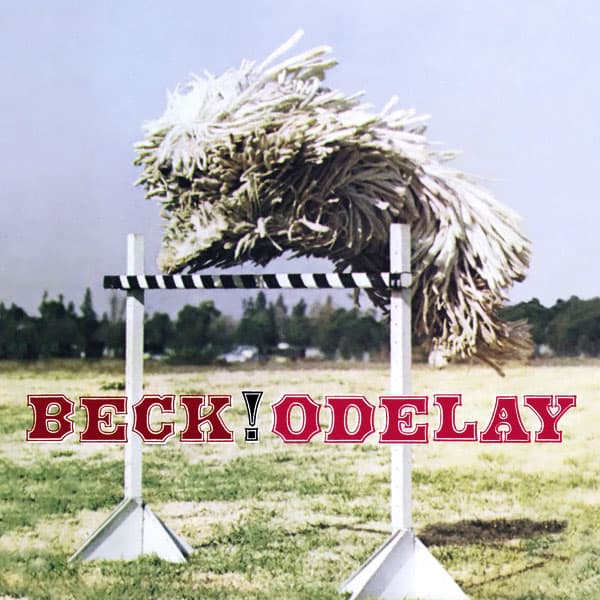
The Dust Brothers spent two years layering it out of junk-shop records. The dog on the cover is a Komondor caught mid-jump.
Pras suggested the cover, the beat lifts Tribe's Bonita Applebum, and Hill sings it like she wrote it herself.
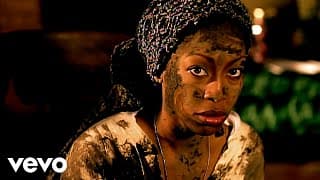
Five-Percenter numerology over a bassline that barely moves, Badu's debut single, and a Grammy at the first attempt.
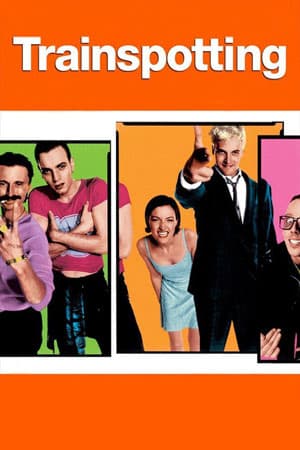
It made a heroin film feel like a night out without ever pretending the squalor was not there: Boyle cut the whole thing to a soundtrack that never sits still.
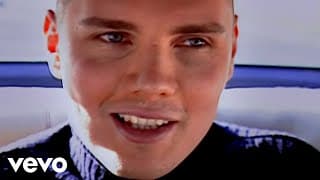
Flood said it wasn't good enough, so Corgan rewrote it that night and got the band's biggest hit.
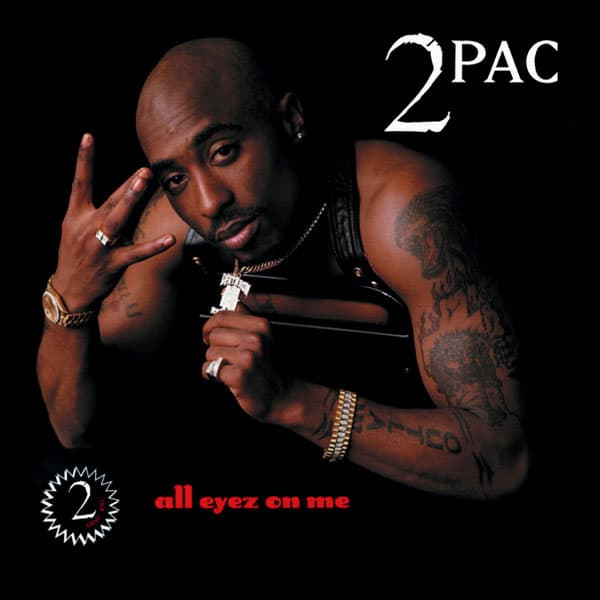
Recorded in a hurry after Suge Knight bailed him out of prison, hip hop's first great double album. He was dead within the year.
Ski looped Lonnie Liston Smith under a Nas vocal, and Jay-Z made money sound like a weary confession.
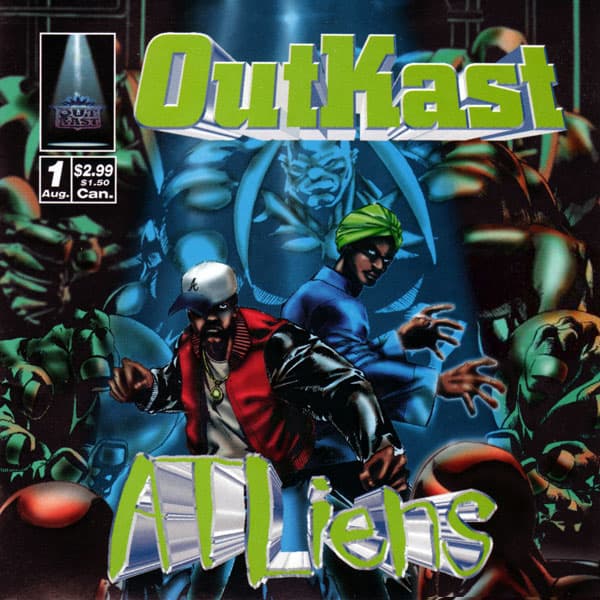
André 3000 had stopped drinking and eating meat, and the change shows: the record is cooler and stranger than anything Atlanta had made before.
The Dust Brothers built it around a Mantronix sample, and Beck's two turntables and a microphone became a catchphrase.
An Akai MPC60, a Technics turntable, and David Axelrod's mournful piano lifted into the warmest track on Endtroducing.

Seven weeks at UK number one for a debut single, and a chorus that puts her friends before any suitor.
Uncleared, the Enya sample nearly brought a lawsuit; she heard the finished record and chose to settle instead.
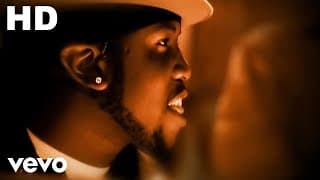
OutKast were booed at the 1995 Source Awards and answered with a title splicing Atlanta and aliens over echo-heavy dub.
A Jeremy Storch piano loop, a drummer's interview about rhythm, and an MPC60 doing the work of a band.

McCourt's father drank the wages and his mother begged for coal in a Limerick lane, and three of his siblings died before he turned seven. He tells it laughing.
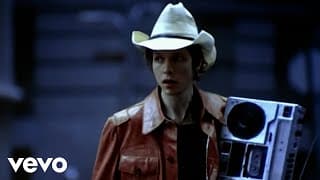
Beck cut that riff himself through a broken twenty-watt amp while the Dust Brothers stacked Purdie drums beneath it.
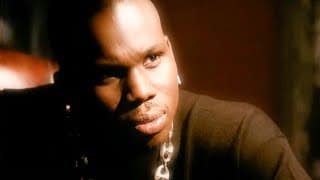
Tom Tom Club's Genius of Love beat rebuilt as smooth British R&B, and Morrison sounding utterly unbothered about being wronged.
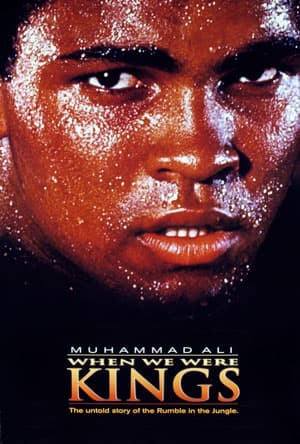
Leon Gast shot the footage in 1974 and could not finish the film for twenty-two years: Ali in Kinshasa, talking constantly, in the weeks before the biggest fight of his life.
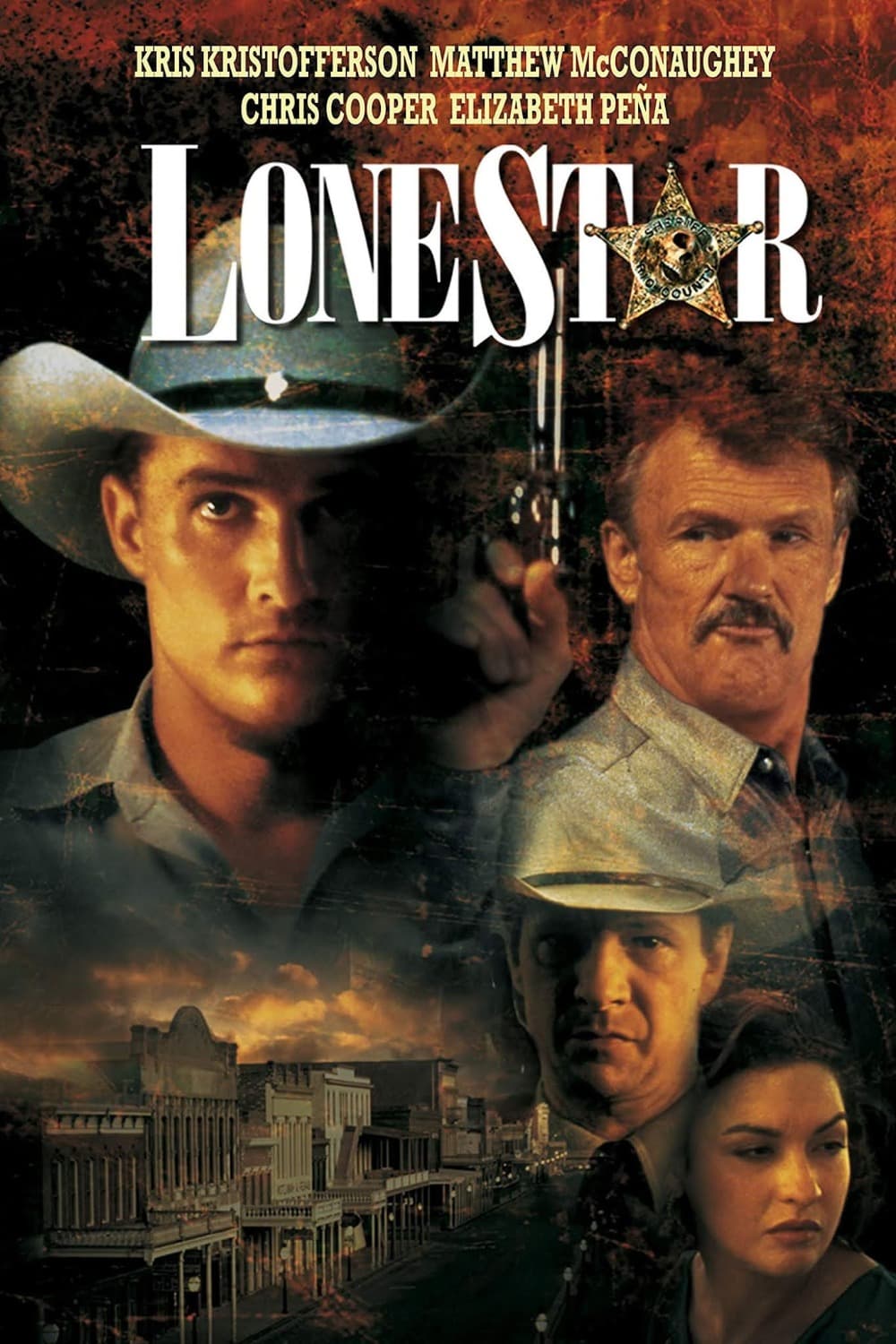
Sayles moves between past and present without a cut, panning from one decade into another: a Texas border town excavates a forty-year-old murder and finds the whole town's history attached.

Figes runs the Russian Revolution from the 1891 famine to Lenin's death in 1924, following peasants, soldiers, and the writer Gorky. He shows the terror arriving with the Bolsheviks, not after them.
Glazer put the set on wheels and never moved the floor; four VMAs followed, Video of the Year among them.
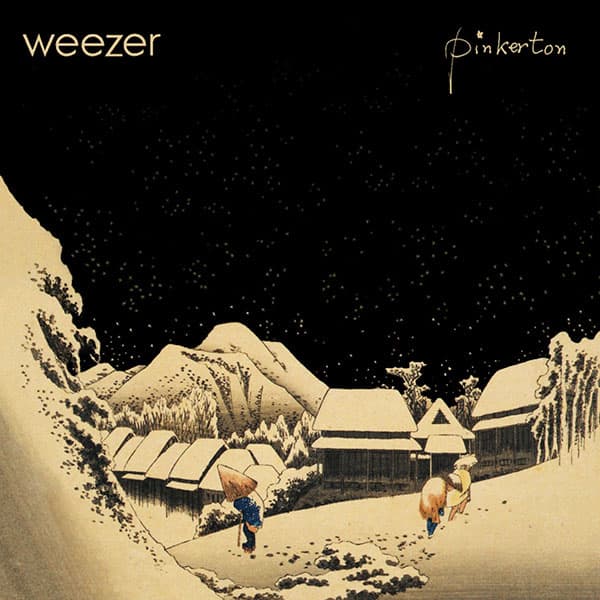
Named after a character in Madame Butterfly. It failed so badly that Rivers Cuomo disowned it for a decade before everyone decided it was great.
Half Pint's Loving supplies the chorus, Lady Madonna the verse melody, and Nowell was gone two months before the album.
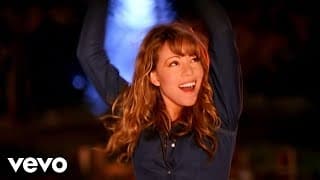
Carey stacked her own harmonies with Kelly Price behind them, and Jermaine Dupri's shuffle carried her eleventh number one.
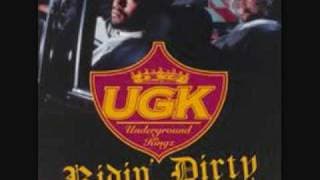
Pimp C built it on an Isley Brothers loop, Ronnie Spencer sings the hook, and Texas rap found its elegy.
Dilla looped Ahmad Jamal's "Swahililand" into a warning shot at where hip hop was heading in 1996.
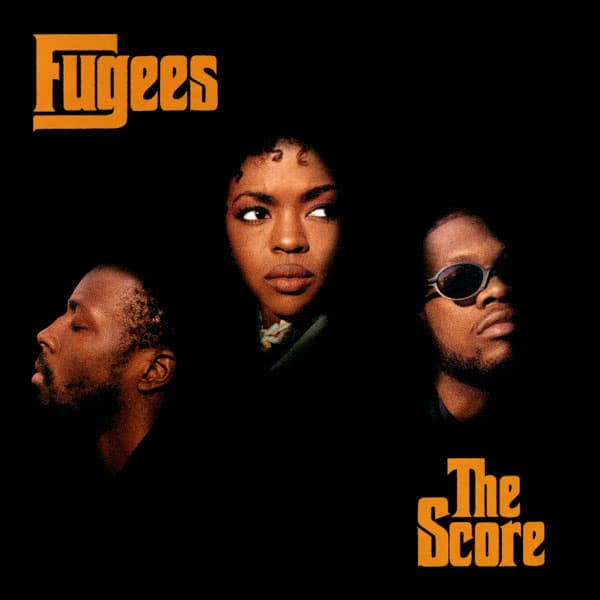
Recorded in a basement studio in New Jersey for about a hundred thousand dollars, and Killing Me Softly was a Roberta Flack hit from 1973.
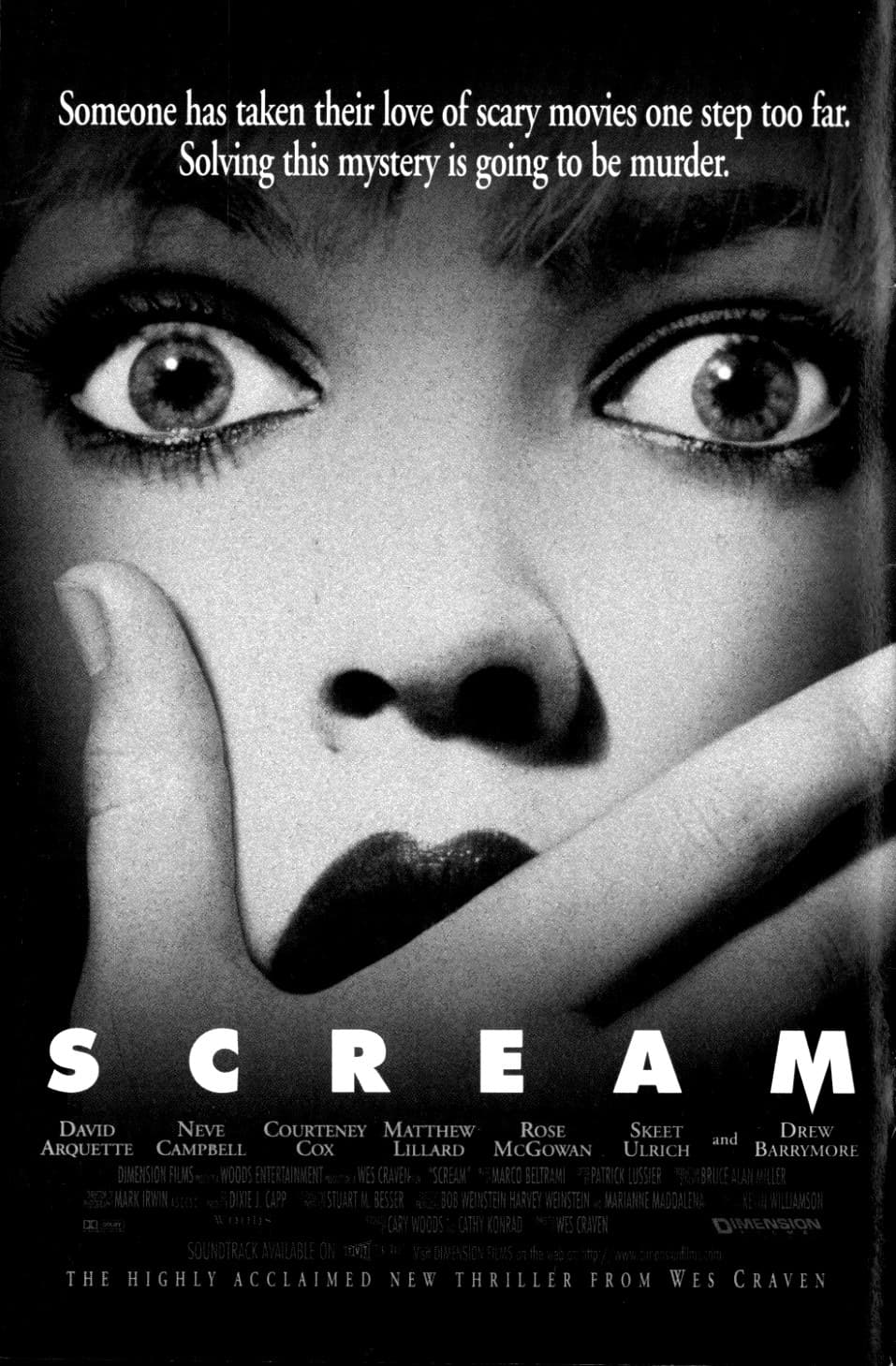
Wes Craven revived a dead genre by having the characters name its rules out loud: the opening twelve minutes tell you this film knows every slasher convention and intends to use them anyway.
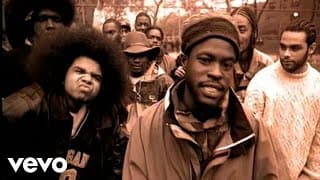
Charles Stone III's video walks the group through every rap-video cliche, which is exactly what the record is arguing.
A bossa nova sketch until the drummer swapped in a disco beat, and Persson made pleading sound like sunshine.
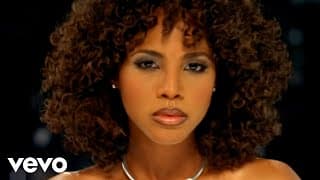
Diane Warren built it from the title alone, Braxton resisted recording it, then held number one eleven weeks.
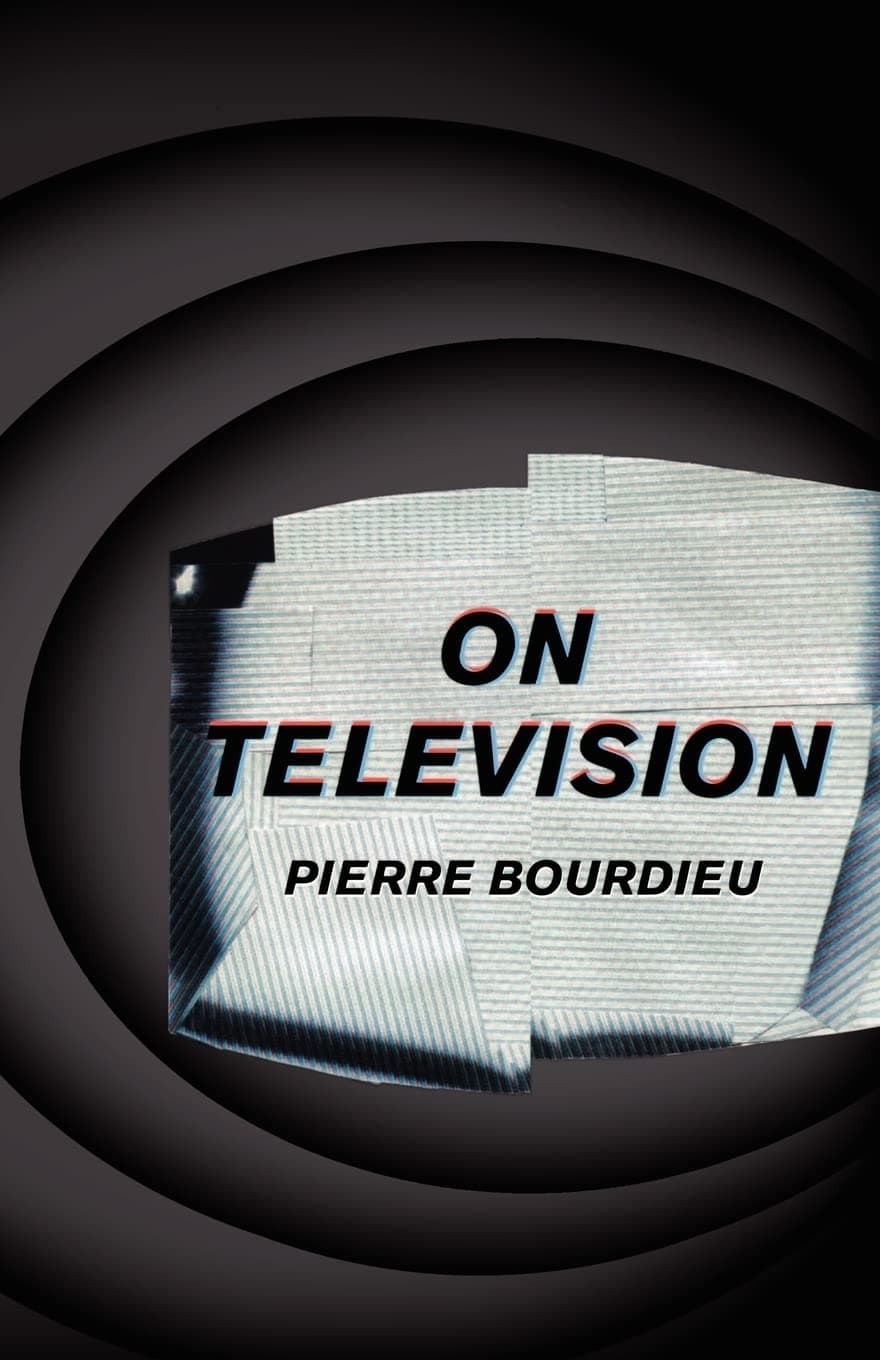
Television censors without a censor, Bourdieu argues: the clock and the ratings guarantee that only fast thinkers trading in received ideas can speak, and journalism drags politics and scholarship down with it.
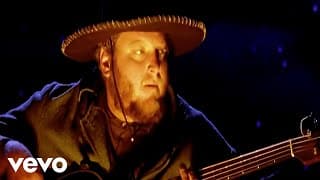
Built on a bassline lifted from a Robbin' the Hood dub, and issued months after Nowell's death.
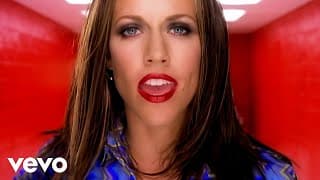
Jeff Trott's hook arrived first, the country arrangement went out, and Crow won a Grammy singing her own backlash.
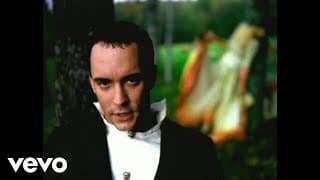
Desire watched from a distance, an acoustic figure circling, and Steve Lillywhite catching all of it at Bearsville.
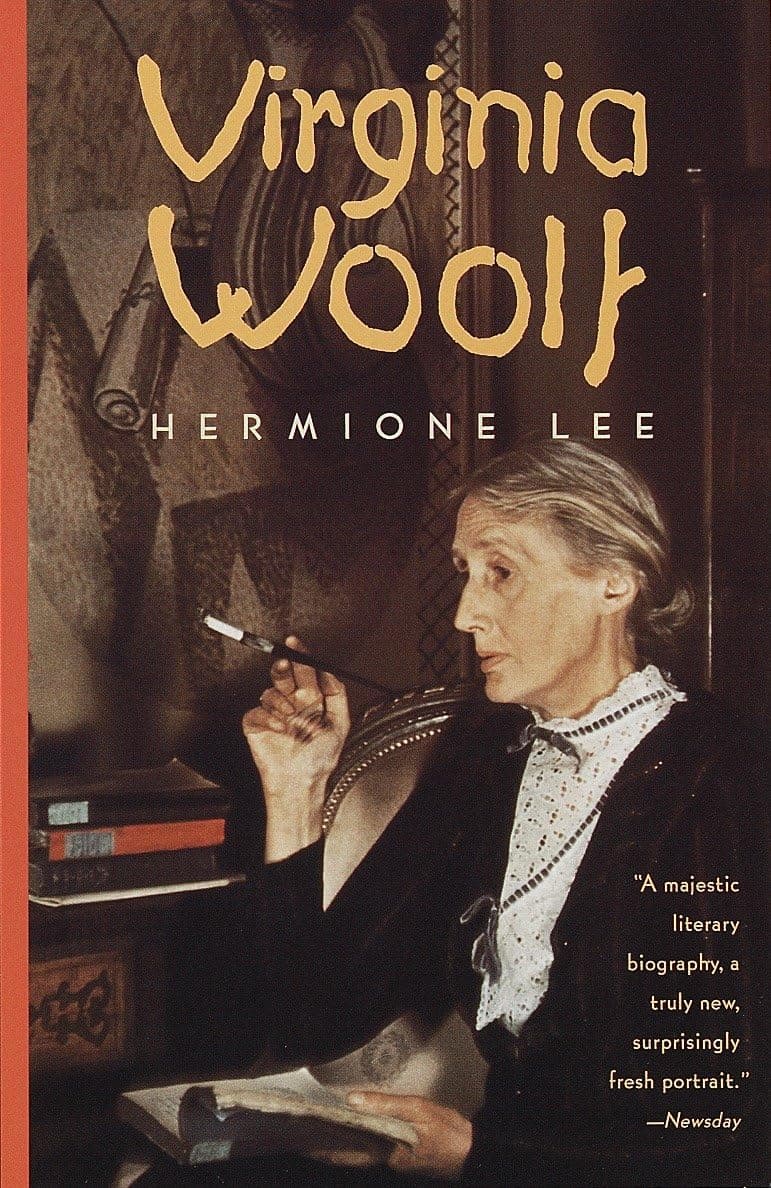
Lee refuses the fragile madwoman of legend and gives back a working writer: funny, ambitious, hard on her friends. She holds the breakdowns and the novels together and lets neither explain the other.
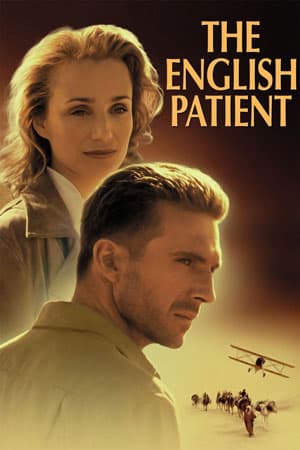
Minghella turned an unfilmable novel into the last great studio romance: a burned man in an Italian monastery remembers North Africa, and the desert photography is worth the length by itself.
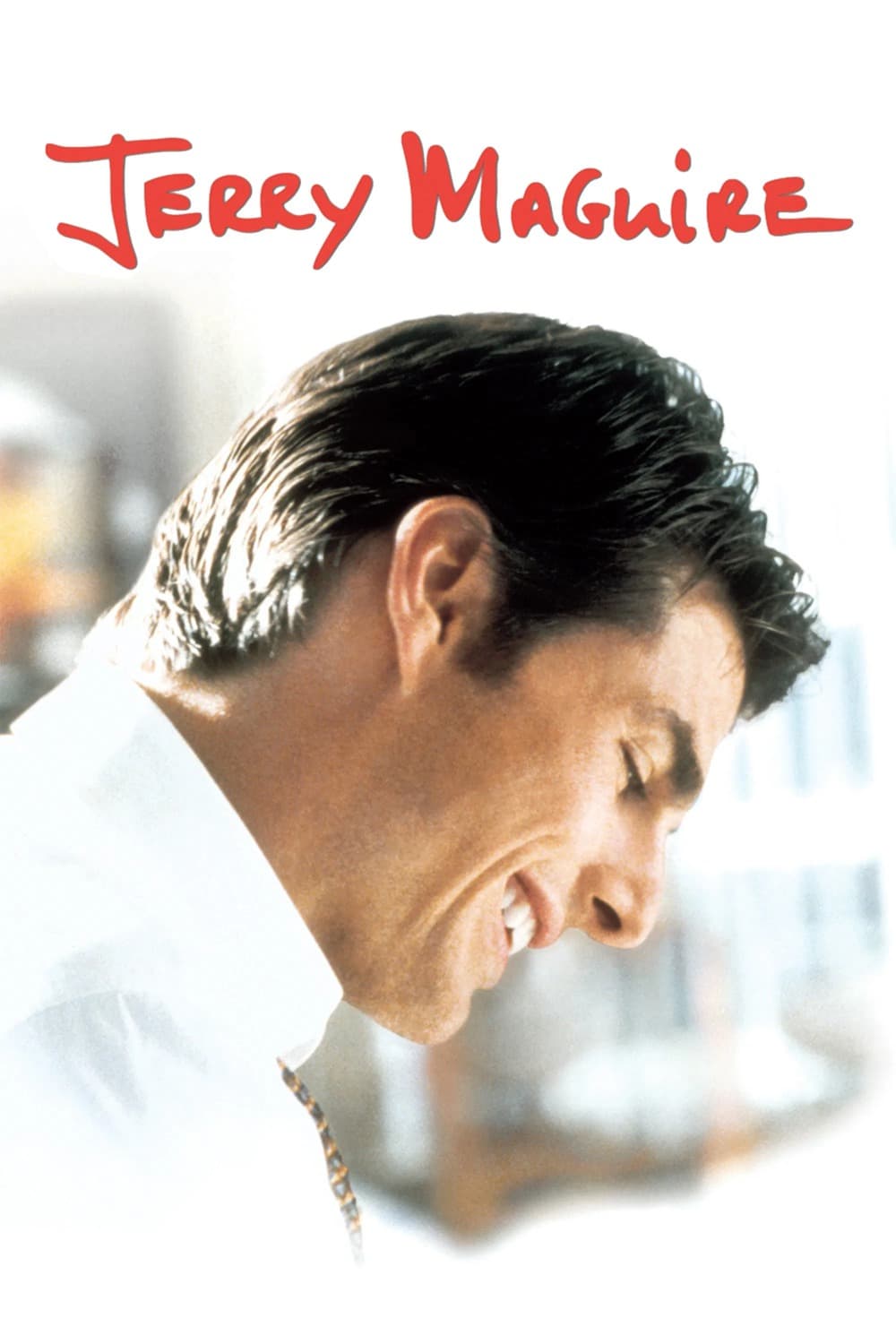
Cameron Crowe wrote a sports movie that is really about whether you can do a job decently: three catchphrases entered the language, and Tom Cruise has never been more likable.
Guitarist Greg Brown wrote it, McCrea narrates deadpan over trumpet, and the driver keeps racing long after everyone left.
Written for Space Jam, Paul Riser's strings taped in Detroit, the Luv Club Choir massed behind the vocal.
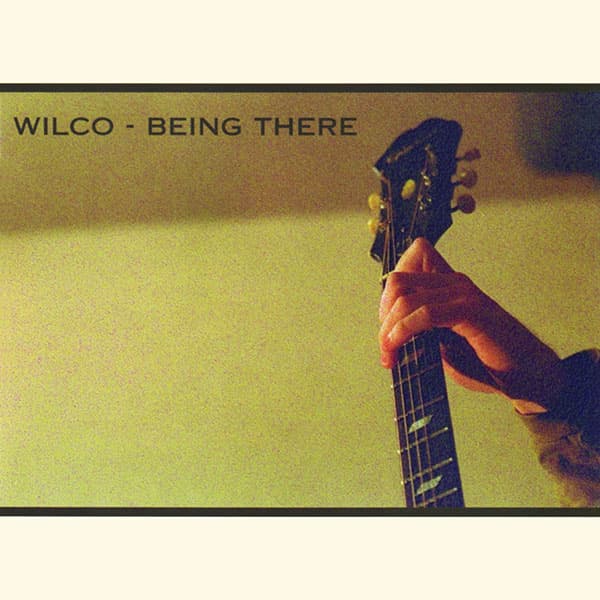
Singer Jeff Tweedy asked the label to sell the double album at single-album price and took the royalty cut himself so people could afford it.
Judd Lander, the harmonica player from Karma Chameleon, gives the record its Stevie Wonder swing over Absolute's production.
Built for Biggie, sold to Def Jam instead: Rashad Smith's beat rides a Grace Jones sample, LeShaun trading verses.
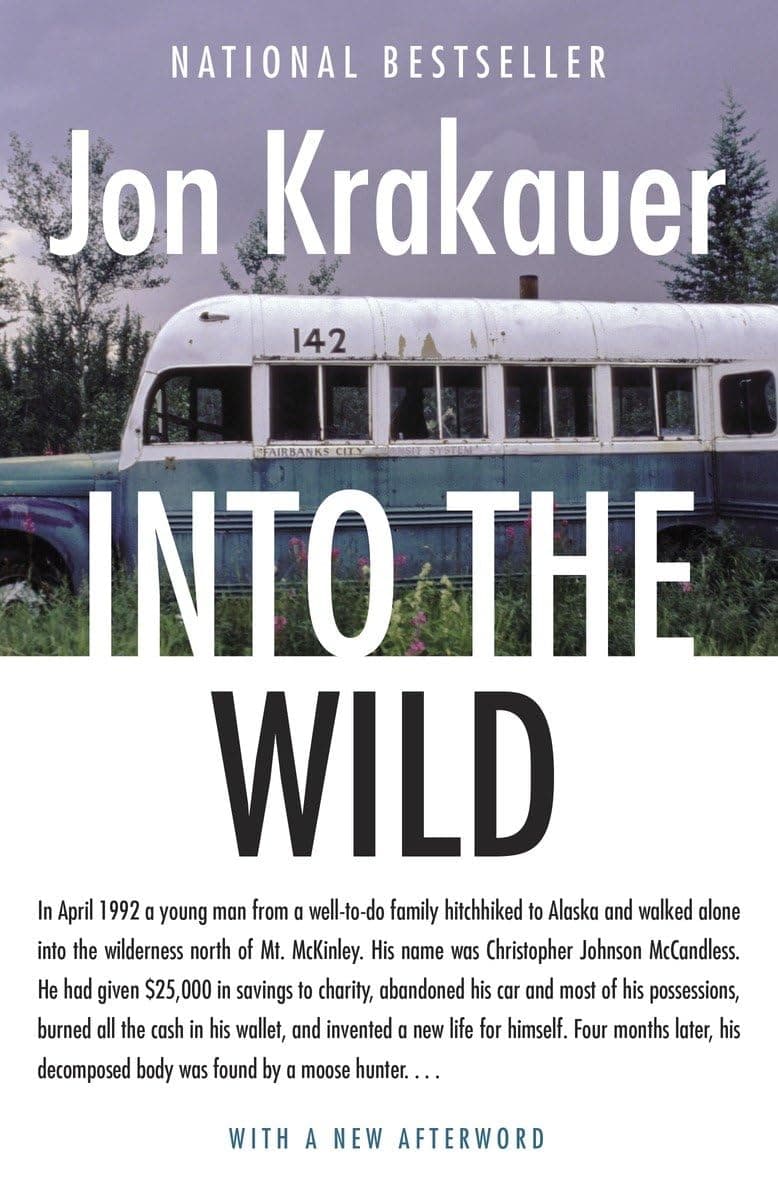
Chris McCandless gave his savings to charity, burned the cash in his wallet, and walked into the Alaskan bush in April 1992. Krakauer refuses to file him under either fool or saint.
There were no singles and no videos, and it sold on word of mouth across the South while nobody in New York noticed.
Duritz wrote it before dawn while a friend lay in hospital, and the band cut it almost entirely live.

Ideology no longer divides the world, Huntington argued: culture does, along fault lines between seven or eight civilizations. After 9/11 nobody could discuss the West and Islam without answering him.
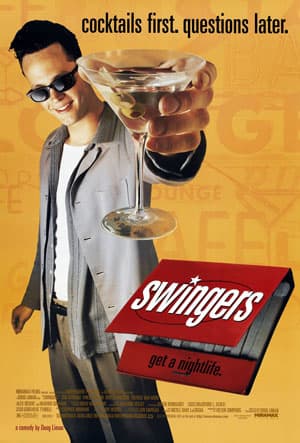
Jon Favreau wrote it about his own bad year and they shot in real bars without permits: two hundred thousand dollars total, and the answering machine scene is unbearable in the best way.
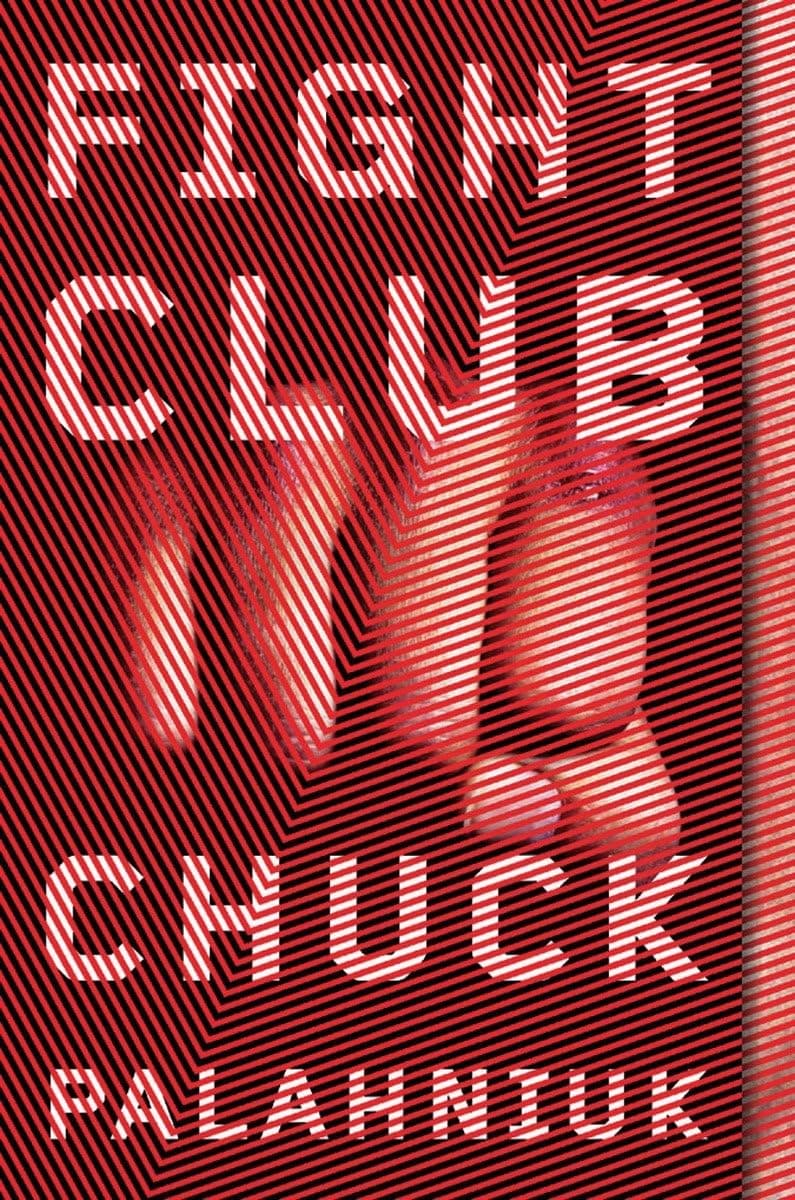
Men beat each other in basements because nothing else in their lives is real. Palahniuk's narrator fakes illness for the support groups, meets the soap salesman Tyler Durden, and builds an army.
Steinman wrote it out of Wuthering Heights for Pandora's Box in 1989, and Dion made it enormous.
Two million US copies, a Stockholm session from 1995, and a vocal Nick Carter recorded once his voice settled.
Thomas drew on his mother's cancer fight, and his earlier band Tabitha's Secret put it on record first.
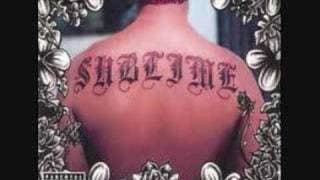
Nowell sings the wrong date, April 26, and the band kept the take anyway; he died before the album arrived.

From Aleppo and Samarkand to Vilna and New York, Roden gathered eight hundred recipes and the histories that traveled with them. She was born into Cairo's Jewish community and expelled along with it.
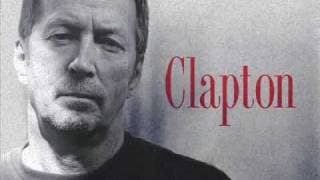
Wynonna Judd cut it first as country; Babyface gave Clapton a soul groove and the Grammys gave back three.
Jon Blondell's trombone solo quotes Rhapsody in Blue over a ska bounce carrying Nowell's bleakest subject.
Eric Carmen's verse borrowed from Rachmaninoff's Second Concerto, and Dion nailing the high F Foster dared her to try.
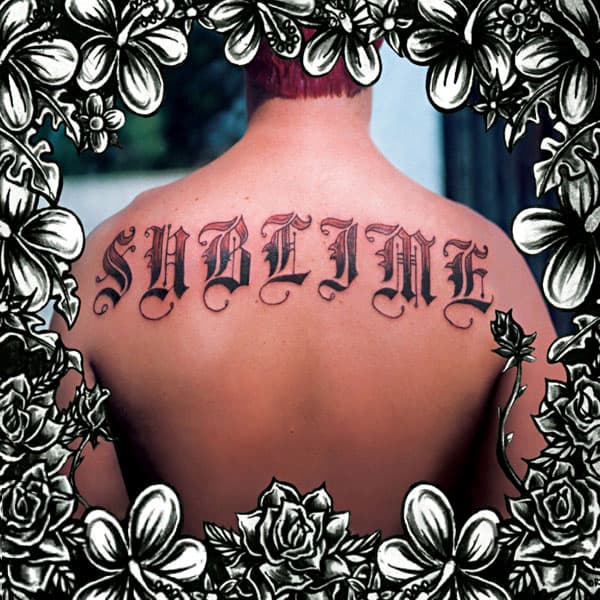
Bradley Nowell's dalmatian appears on the cover and in half the songs. He died two months before the record came out.
Bud'da's beat, Ice Cube, Mack 10 and WC in formation, a West Coast declaration that topped the rap chart.
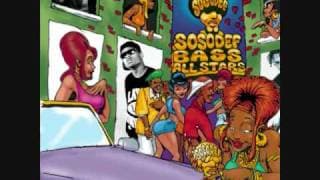
Bass from Atlanta, an R&B vocal on top, and a 2016 dance craze that beat its 1996 chart peak.
Jesse Valenzuela had the chords by the time the sessions ended; the double A-side climbed to number nine.
Eric McCaine and Sweat cut the track together, Athena Cage answering him line for line, his biggest pop hit.
Cut live at Philadelphia's Bahama Bay over The 45 King's saxophone loop, the crowd doing half the work.
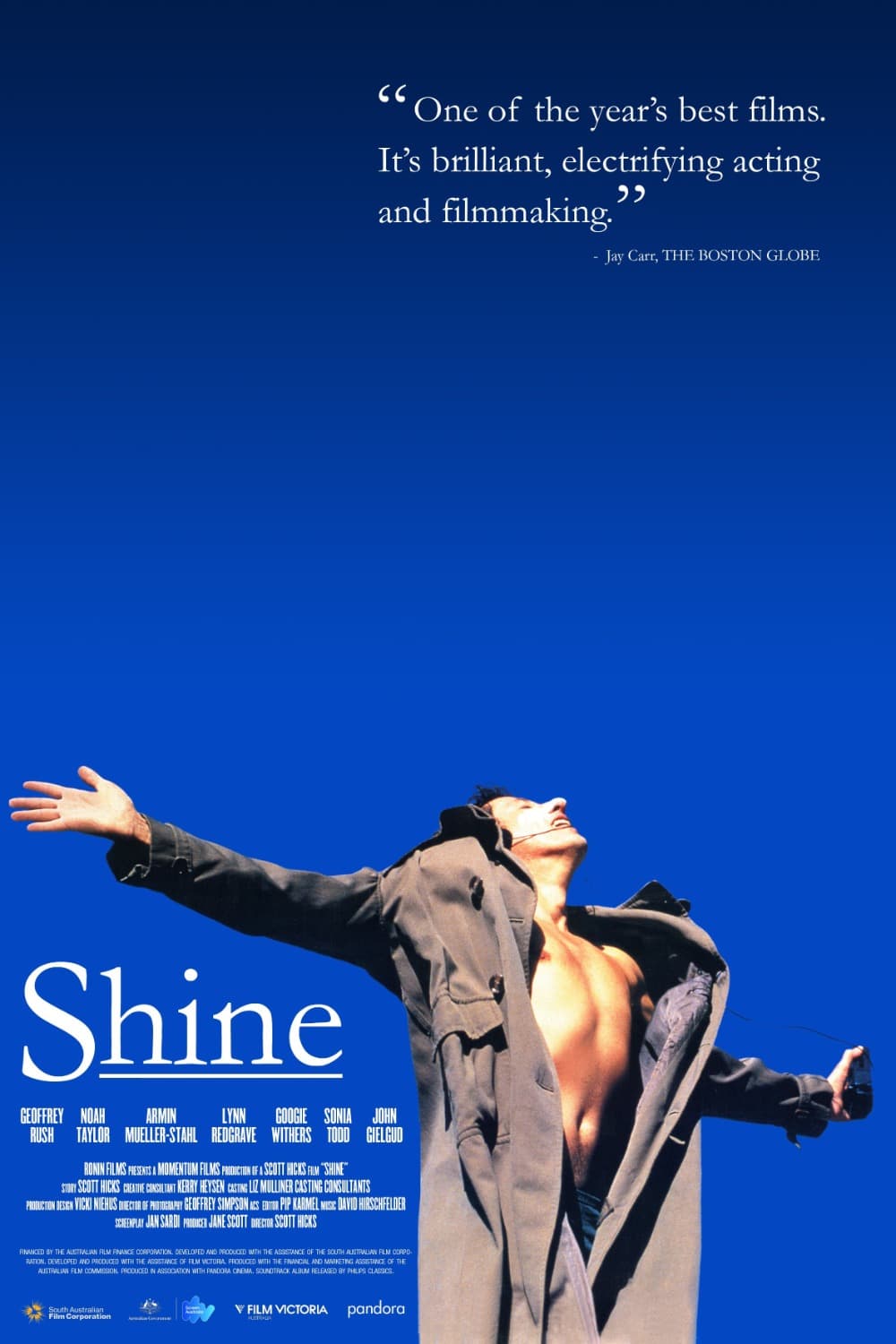
Geoffrey Rush learned the Rachmaninov himself so the hands would be right: the pianist David Helfgott, filmed across three ages, and a father who cannot let a prodigy leave home.