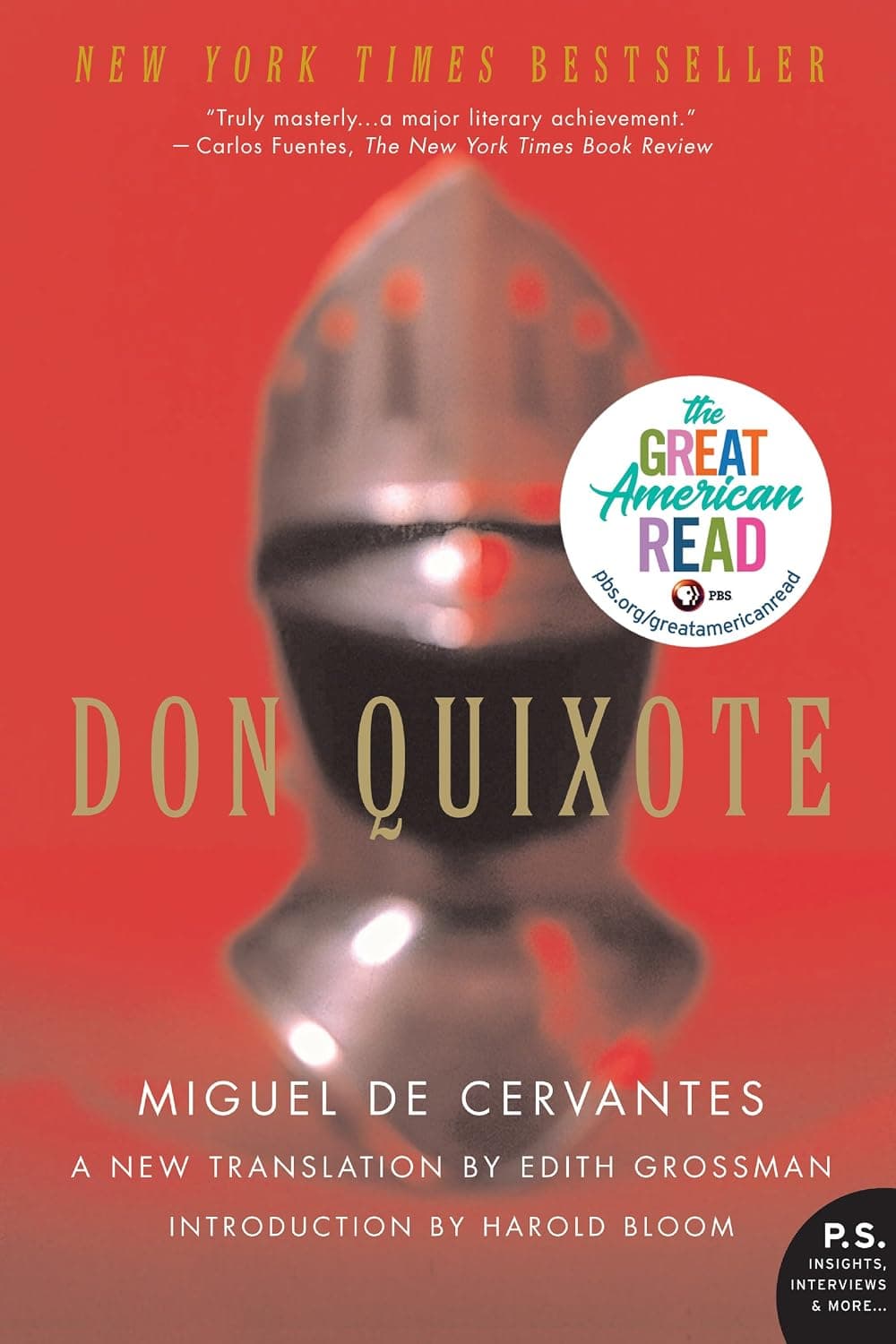
Don Quixote
1605 · 940 pages
An old man reads himself mad on chivalry, names himself a knight, and rides out with a farmer for a squire. Four hundred years on the book is still hilarious and still heartbreaking.
★ 9.7
 skopia
An old man reads himself mad on chivalry, names himself a knight, and rides out with a farmer for a squire. Four hundred years on the book is still hilarious and still heartbreaking.
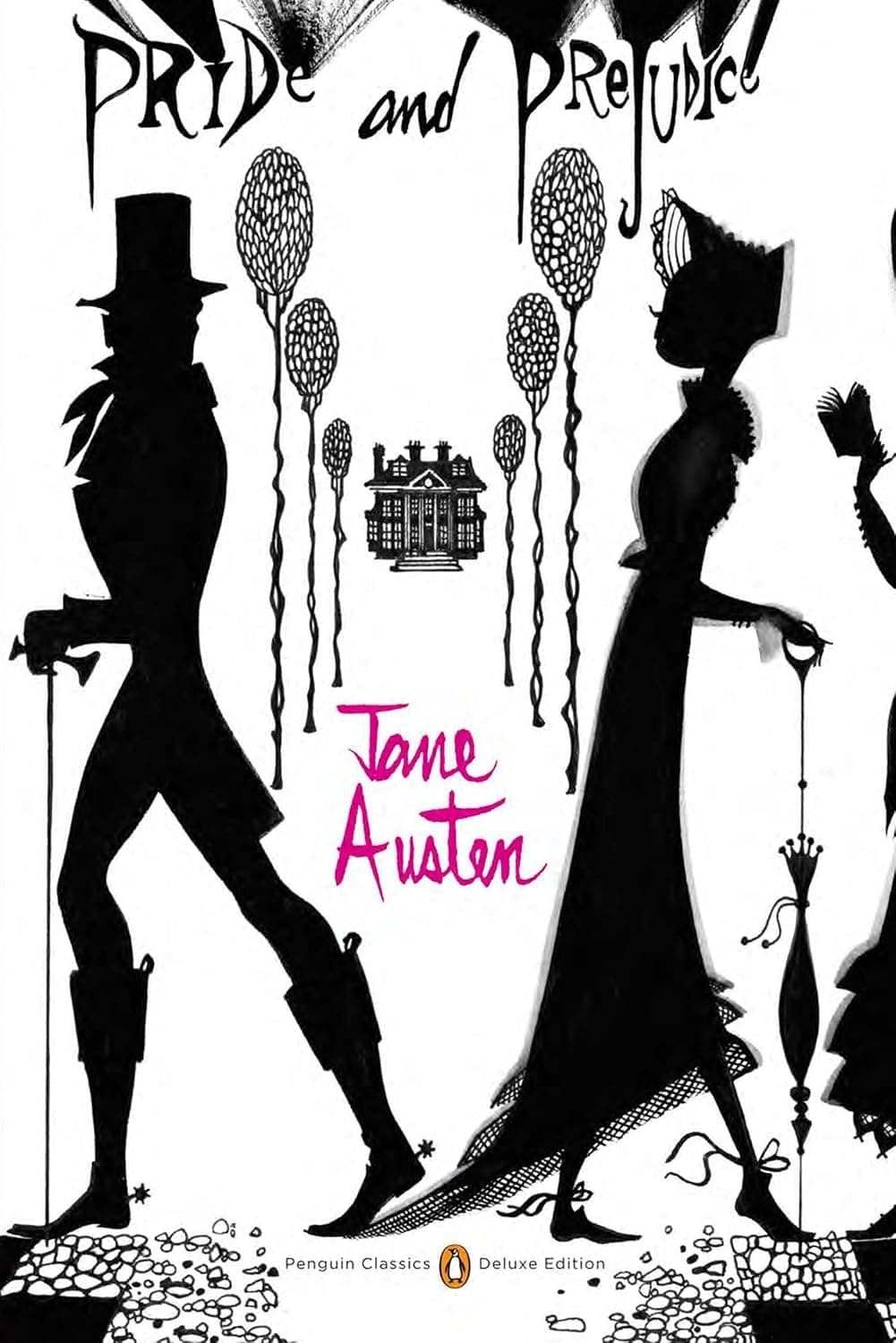
Elizabeth Bennet and Darcy dislike each other on sight and spend the novel being wrong. Austen wrote conversation better than anyone in English, and readers return to it their whole lives.

Huck runs off down the Mississippi with Jim, who is escaping slavery, and the moment he decides he would rather go to hell than turn him in is the hinge of American fiction.
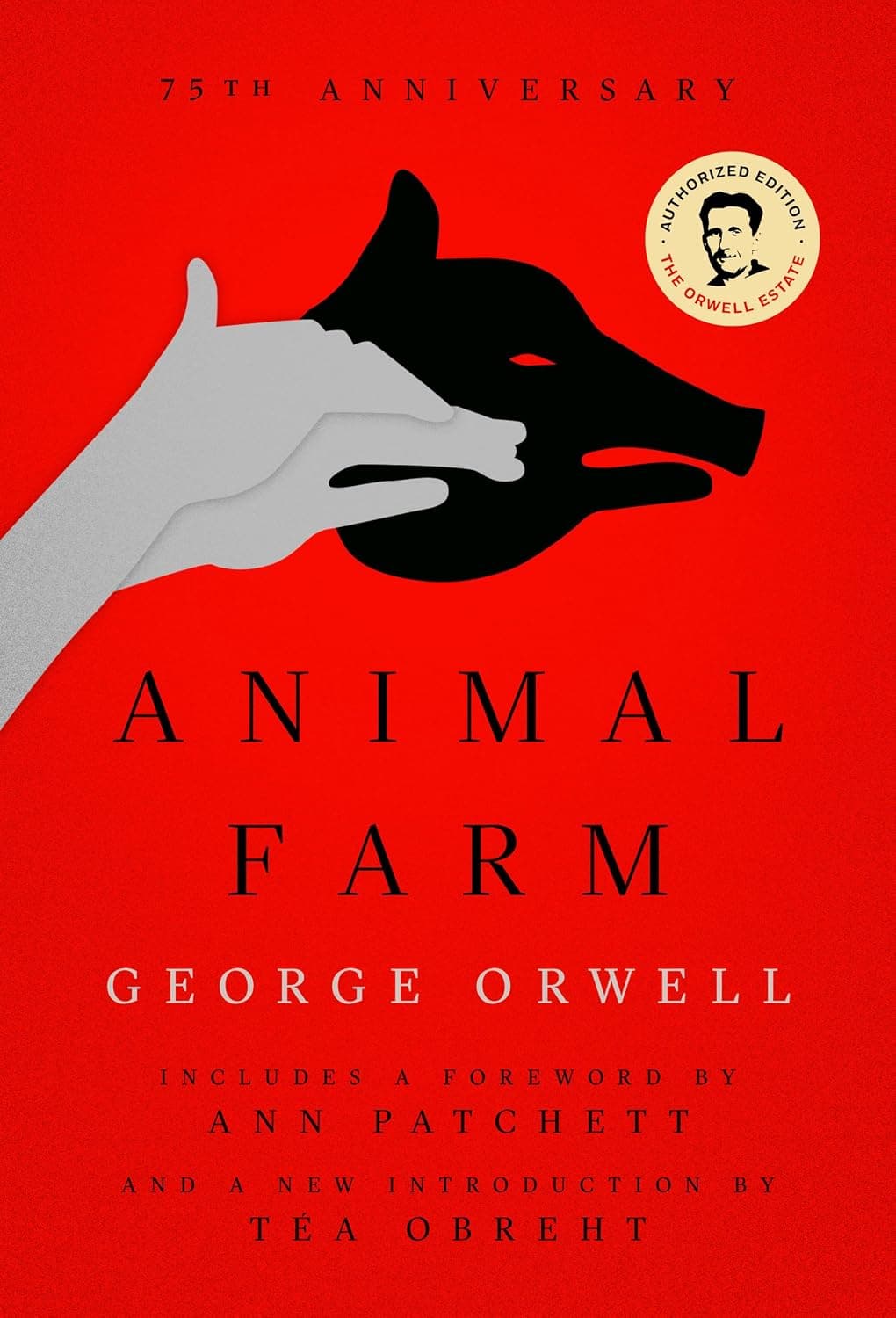
The animals drive out the farmer and run the place themselves, until the rules painted on the barn wall start changing. Orwell reduced the Russian Revolution to a fable no adult forgets.

The devil arrives in Stalin's Moscow with a retinue that includes an enormous talking cat, and the literary bureaucrats never recover. Threaded through it runs a stark short novel about Pontius Pilate.
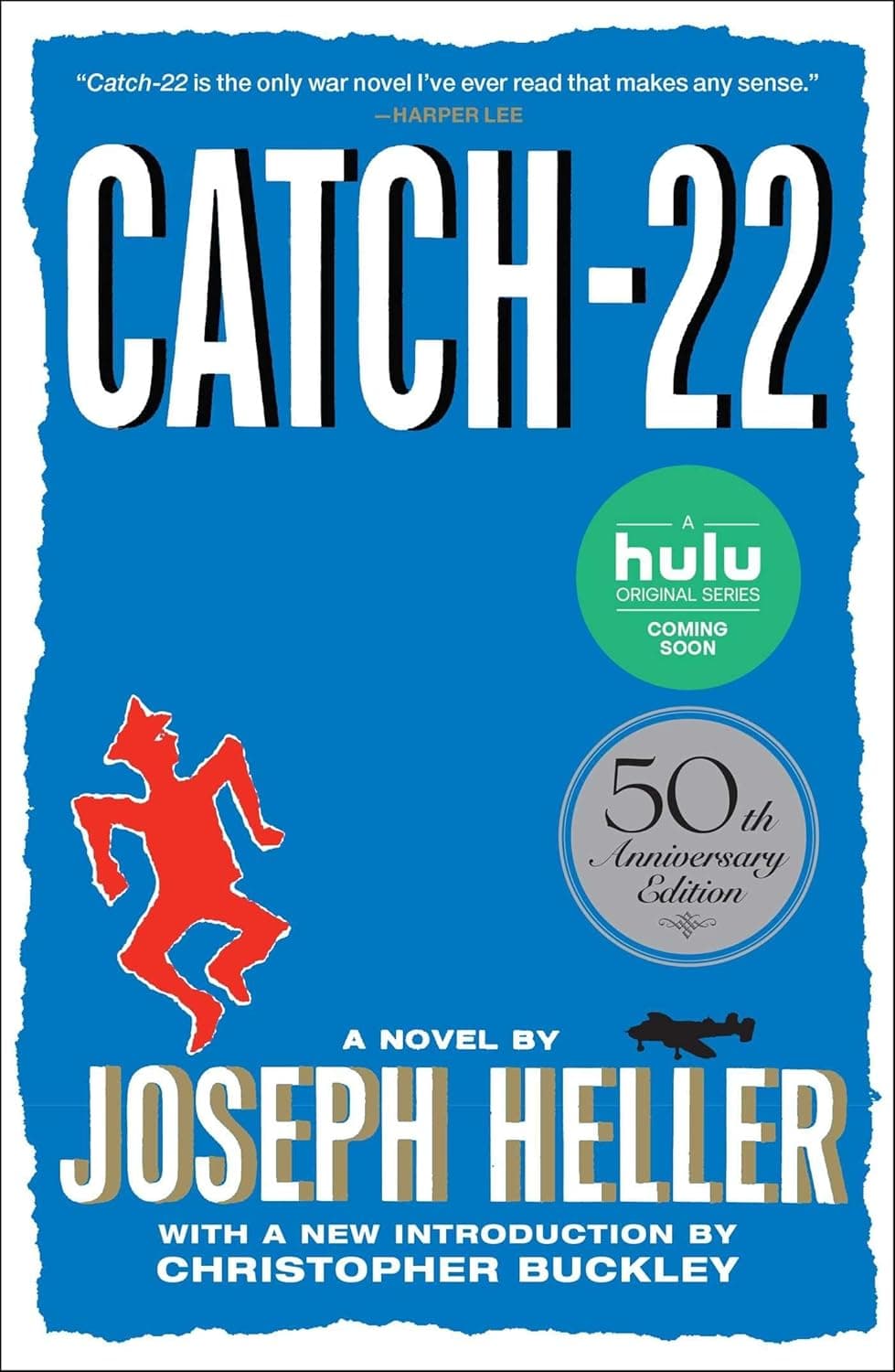
Trying to get grounded for insanity, a bombardier learns that asking to be grounded proves he is sane. Heller runs that loop through a whole war until the deaths stop being funny.
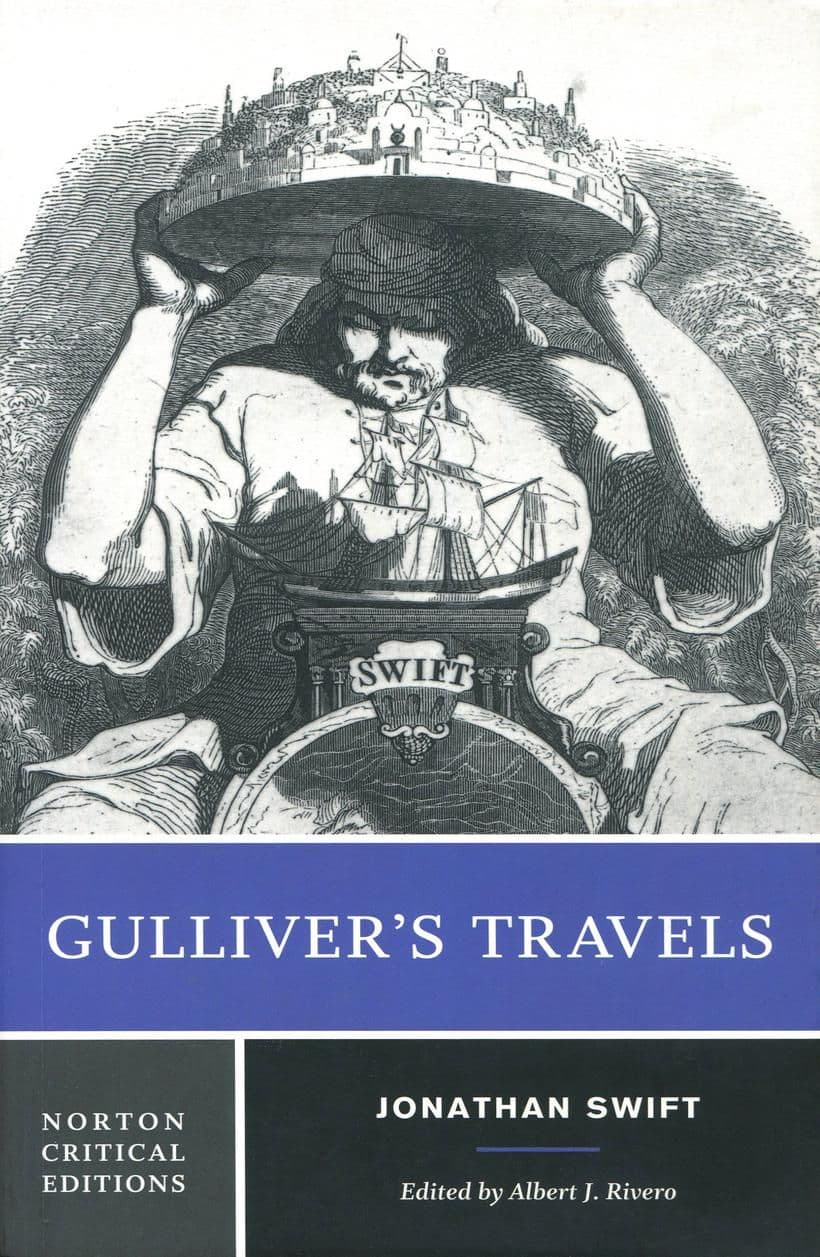
Swift's ship's surgeon washes up among people six inches tall, then among giants, then among rational horses who find humans repulsive. Each voyage is funnier than the last and angrier about us.
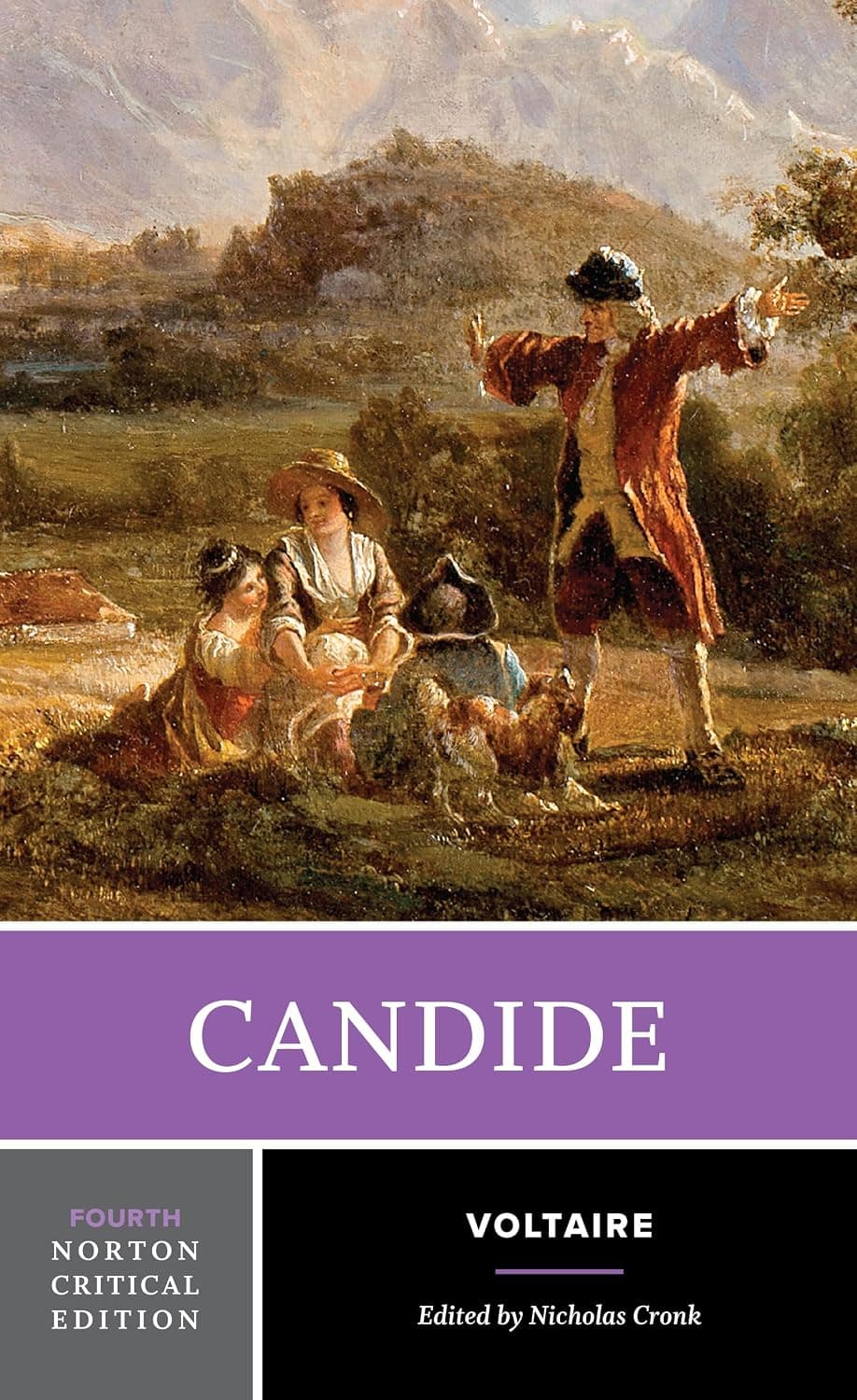
Voltaire sends an innocent young man taught that this is the best of all possible worlds through war, earthquake, and the Inquisition. The comedy is savage and the optimism does not survive.
Traveling the Russian provinces, a charming stranger buys serfs who have died but still count on the tax rolls. Gogol's landowners are grotesque and hilarious, and then the laughter turns on you.

Wilde gives two idle men imaginary people, a wicked brother and an invalid friend, to escape their obligations, then sets them courting women who will marry no one but a man named Ernest.

Somewhere there is a film so entertaining that anyone who watches it stops eating. Wallace chases it through a tennis academy and a halfway house full of addicts he writes with real love.
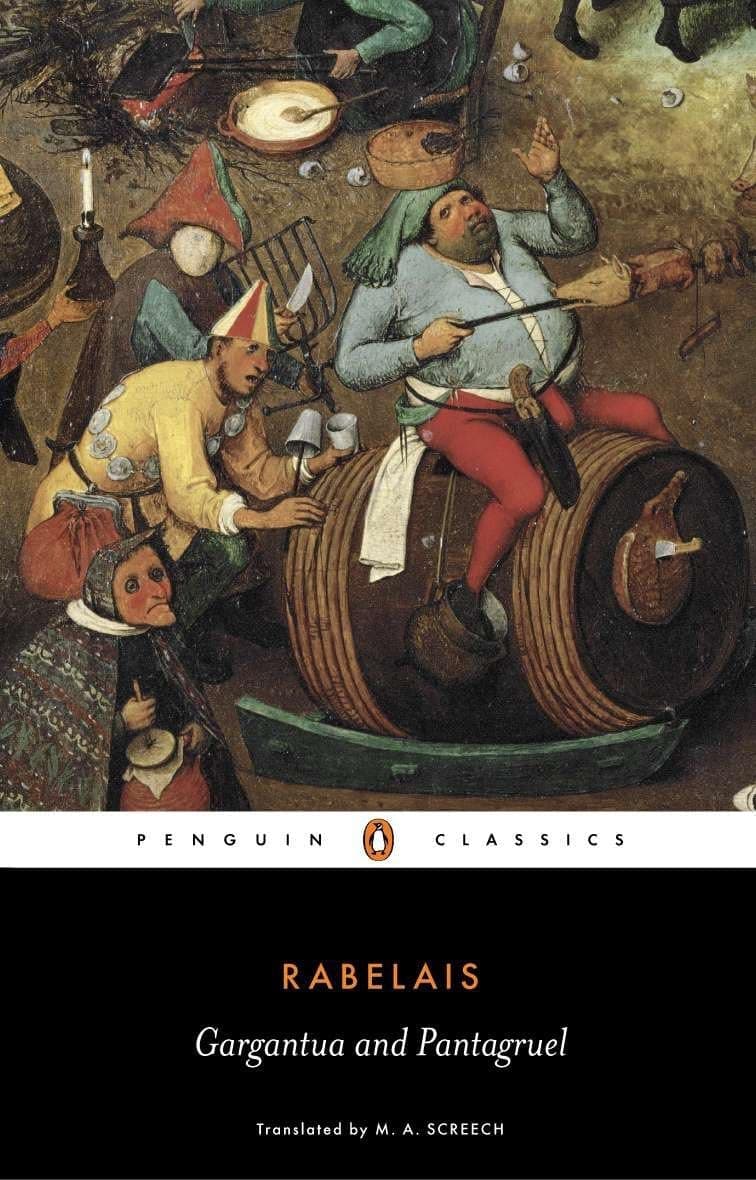
Two giants eat, drink, and study their way across Renaissance France while a monk and a scoundrel debate marriage. Rabelais packed in so much filth and learning that his name became an adjective.

Nothing in fiction gets nearer to dying. Ivan Ilyich knocks his side hanging a curtain, and his family and his doctors keep up the pretense while a peasant servant tells the truth.

Samuel Johnson pronounced this book already dead. Two hundred and sixty years on, Tristram is still failing to get himself born, derailed by his father's theories and his uncle's toy fortress.

Becky Sharp leaves school with no money and claws her way through English society while her friend Amelia wastes her love on a worthless man. Thackeray spares nobody, and Becky is magnificent company.

George Babbitt sells real estate in a booming midwestern city, loves his car, and believes whatever his club believes. When he finally tries to break out, Lewis is merciless and then unexpectedly kind.

Modern Chinese literature begins here. Ah Q, a village laborer, turns every beating into a spiritual victory, and a madman reads the Confucian classics until the words eat people surface between the lines.
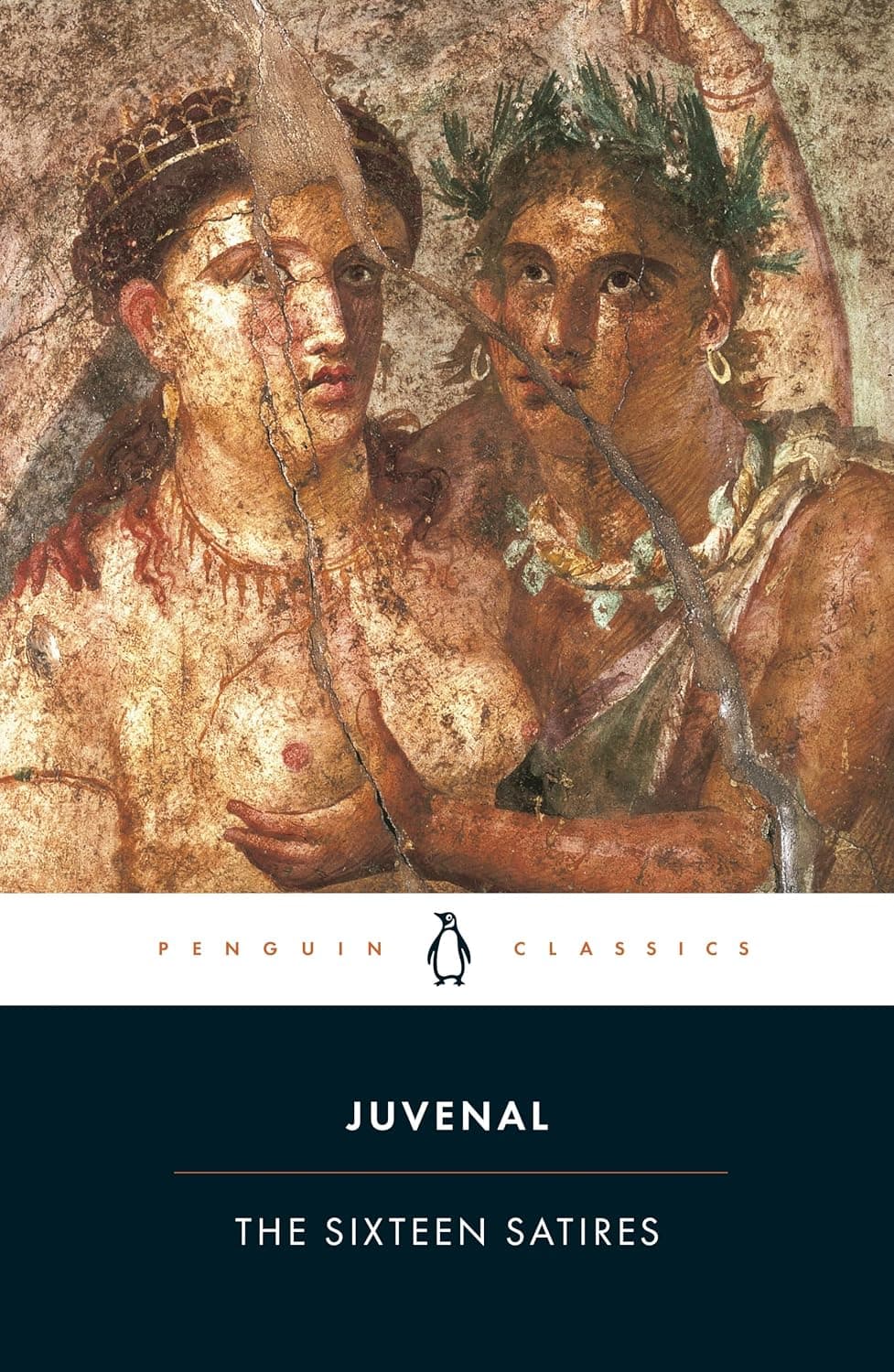
Bread and circuses came from here, and so did the line about guarding the guards. Juvenal turns sixteen poems of fury on imperial Rome, where an honest man cannot afford to live.

Alceste cannot tell a lie and is destroying himself over a woman who lives on flattery. Tartuffe, the fake holy man eating his host's house, is hypocrisy caught whole and played for laughs.
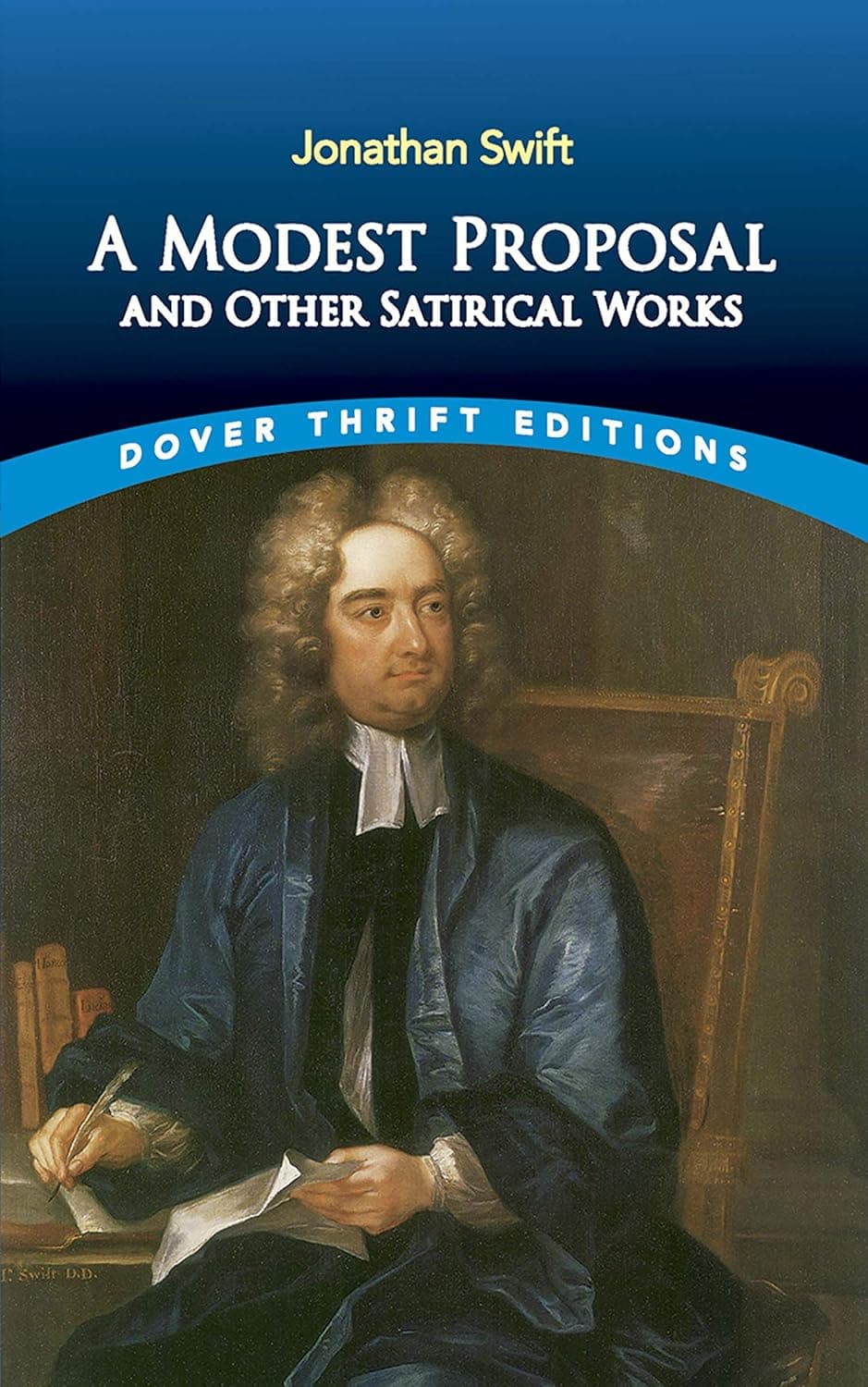
No other satire cuts this cleanly. A reasonable gentleman proposes that the infants of the Irish poor be fattened and sold as food to landlords, and calculates the savings to the shilling.