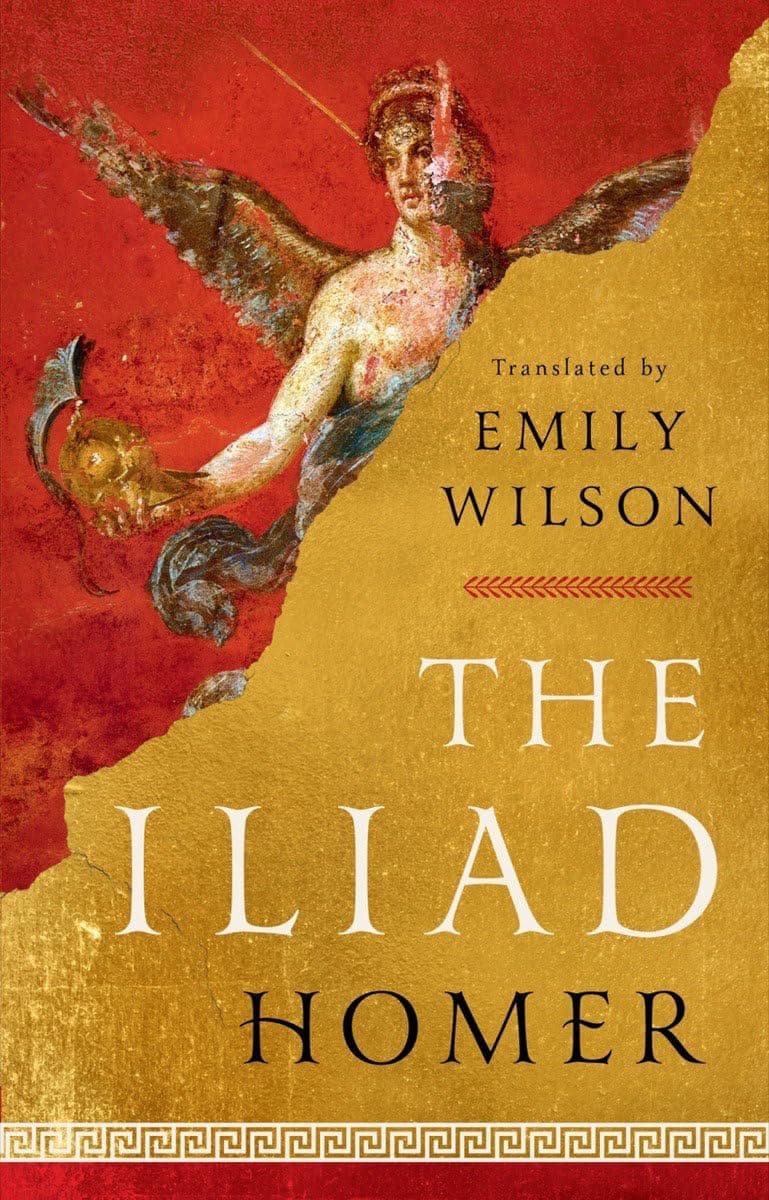
The Iliad
750 BC · 848 pages
Achilles withdraws from the fighting over a stolen prize and his friends die outside Troy for it. Nothing written about war since has matched Homer's fury, or the mercy of the final scene.
★ 9.9
 skopia
Achilles withdraws from the fighting over a stolen prize and his friends die outside Troy for it. Nothing written about war since has matched Homer's fury, or the mercy of the final scene.

Hamlet's father appears as a ghost and demands revenge, and the prince spends the play failing to take it. Four centuries of readers have found their own divided minds in his hesitation.
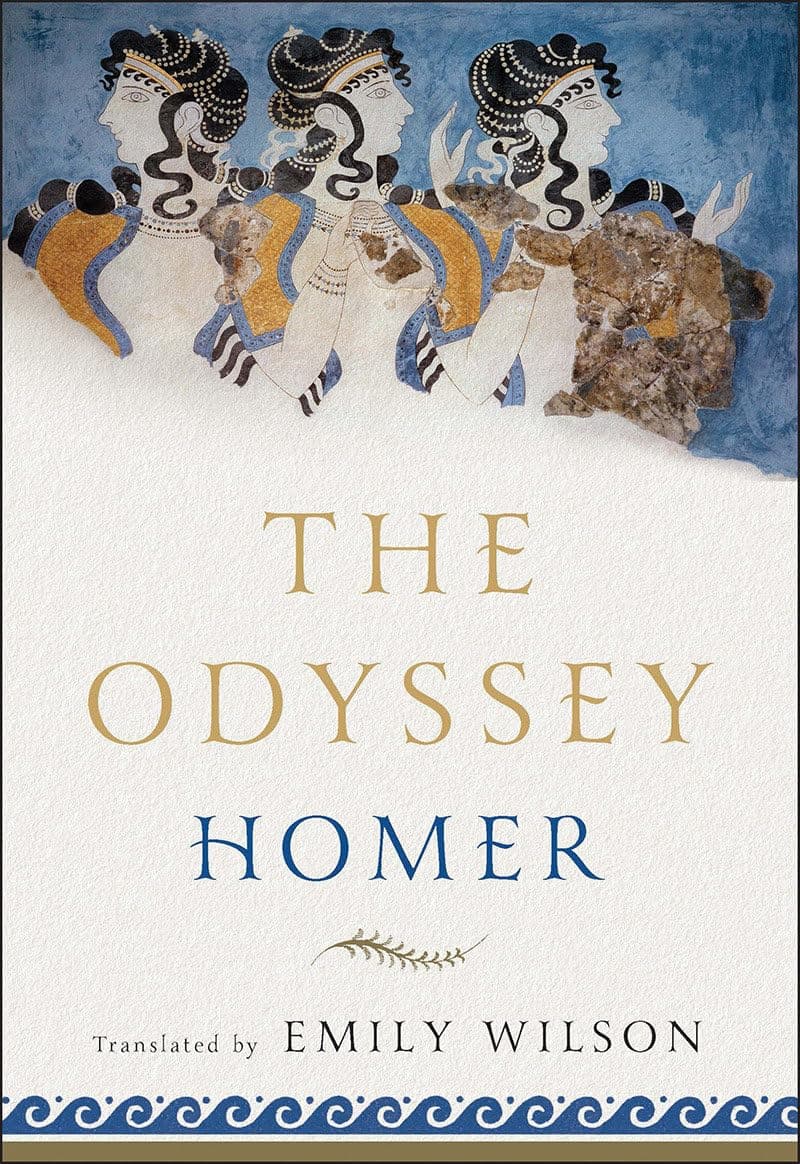
Ten years of storms, monsters, and a goddess who will not let him go stand between a soldier and his own front door. Every adventure story since descends from Odysseus.
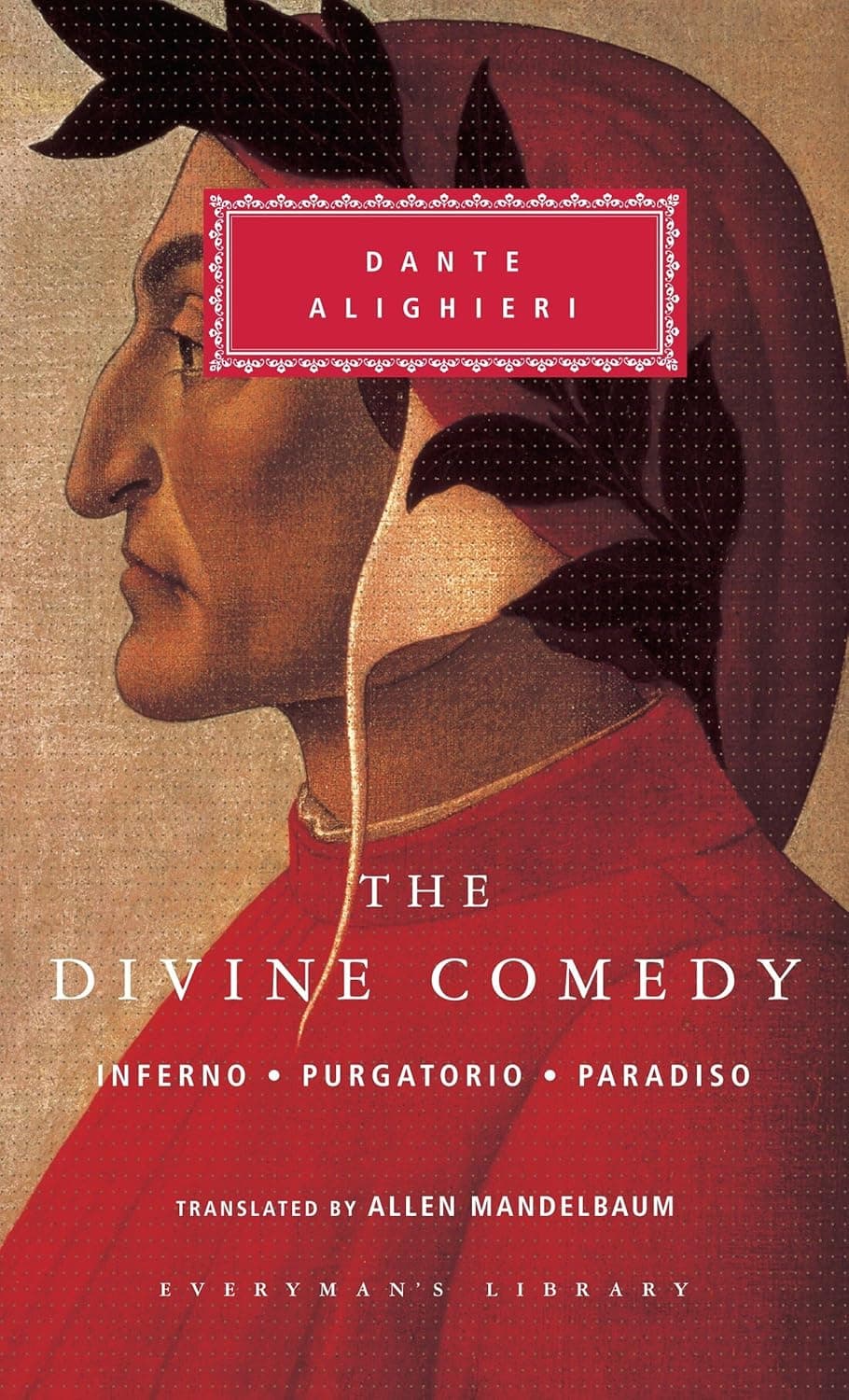
No poem has reached higher. Dante goes down through hell, up the mountain of purgatory, and into the light of God, settling scores with real Florentines and arriving where Beatrice waits.

Five families carried through Napoleon's invasion of Russia, with battle, marriage, farming, and a theory of history held in one design. You finish it knowing these people better than your own friends.
An old king divides his kingdom by asking his daughters how much they love him, and the truthful one says least. Shakespeare wrote nothing bleaker, and the last scene is unbearable.
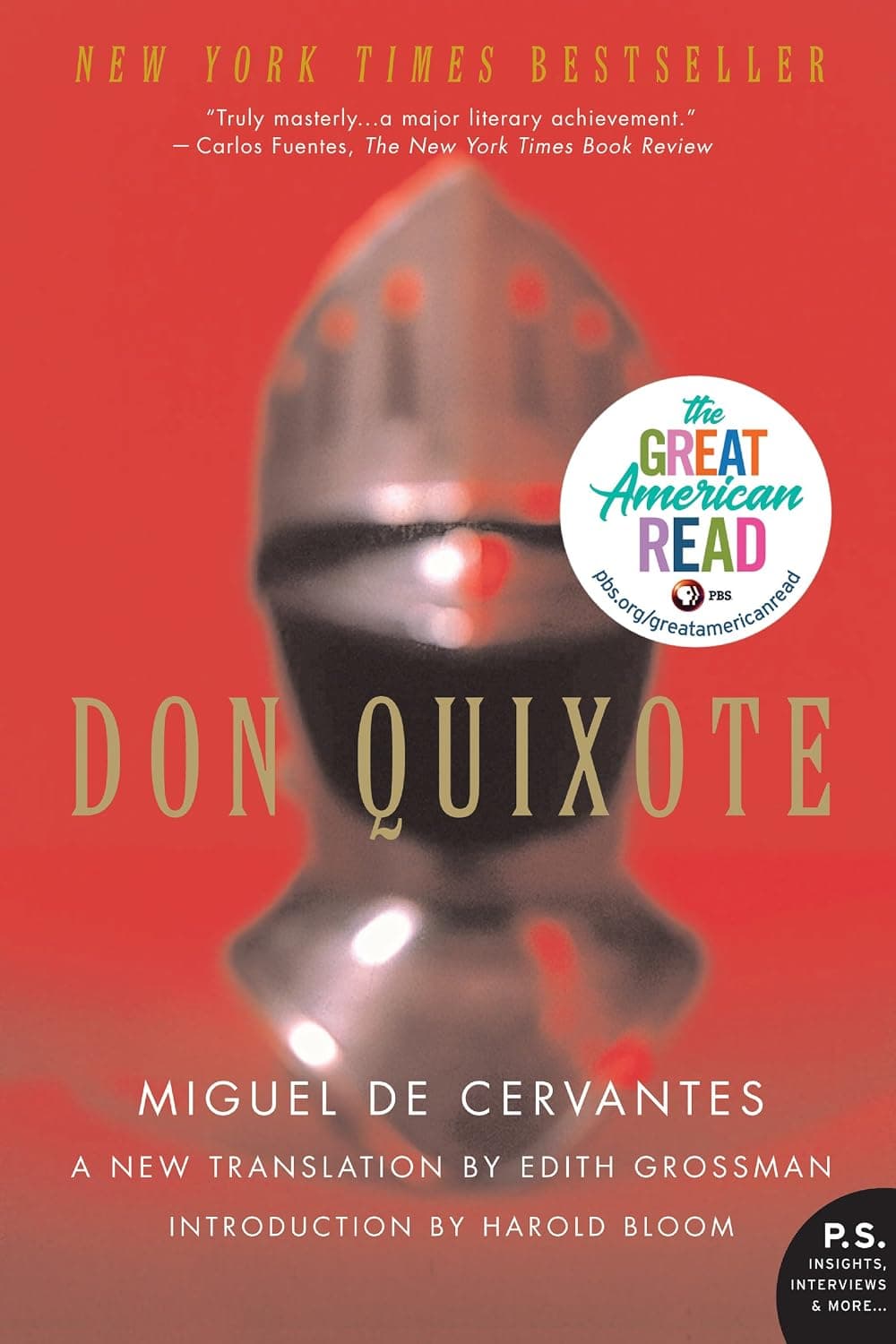
An old man reads himself mad on chivalry, names himself a knight, and rides out with a farmer for a squire. Four hundred years on the book is still hilarious and still heartbreaking.
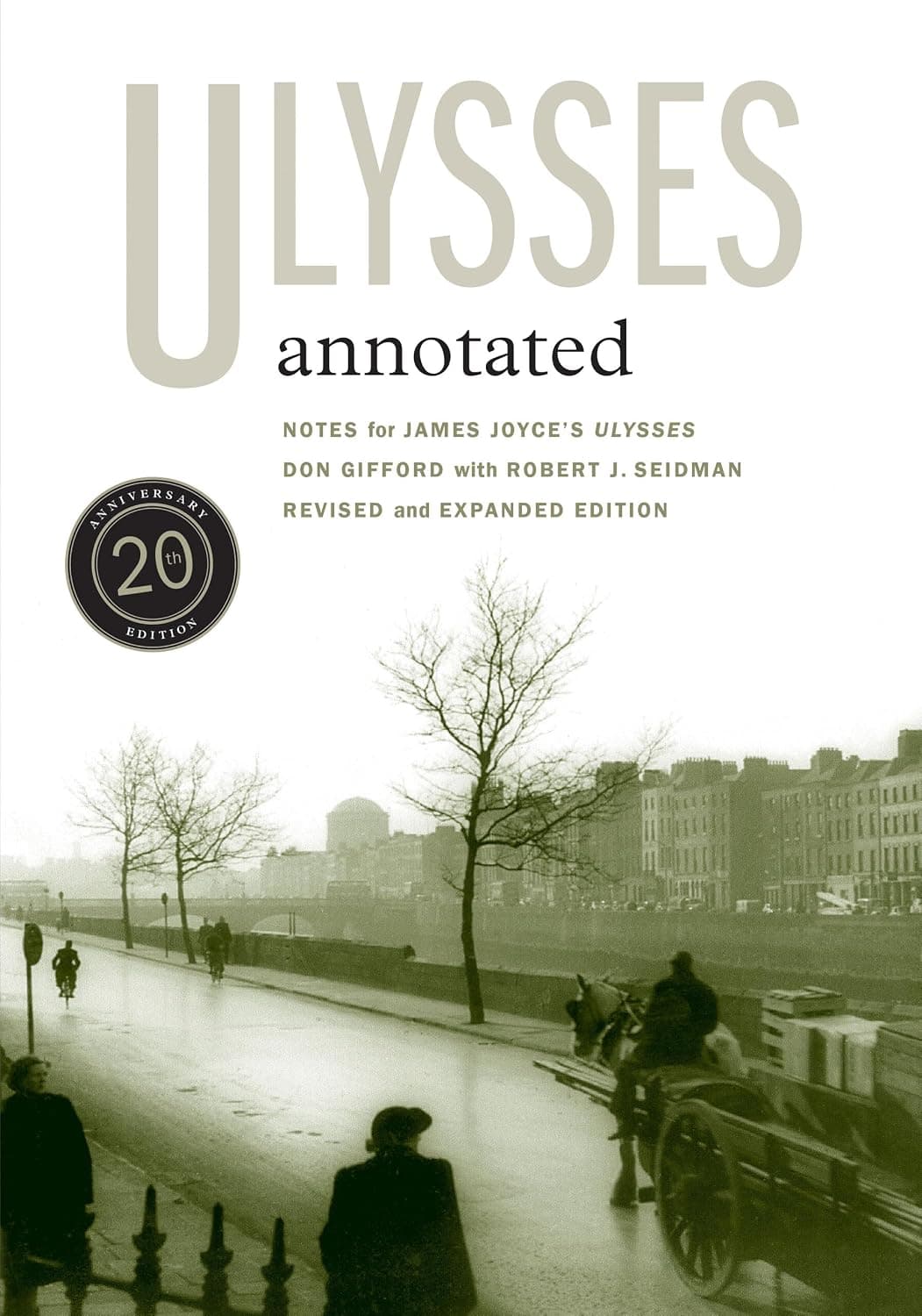
Leopold Bloom walks Dublin for one day in June 1904, and Joyce pours the whole English language into it. Bloom, advertising canvasser and cuckold, is the kindest man in fiction.

The most complete account of memory ever written. A man tastes a madeleine, and three thousand pages of remembered love, jealousy, and vanished aristocrats change permanently how you look at your own past.

Old Karamazov is murdered and each of his three sons had reason. Around the crime Dostoevsky stages the fiercest argument fiction has ever made about God and the suffering of children.
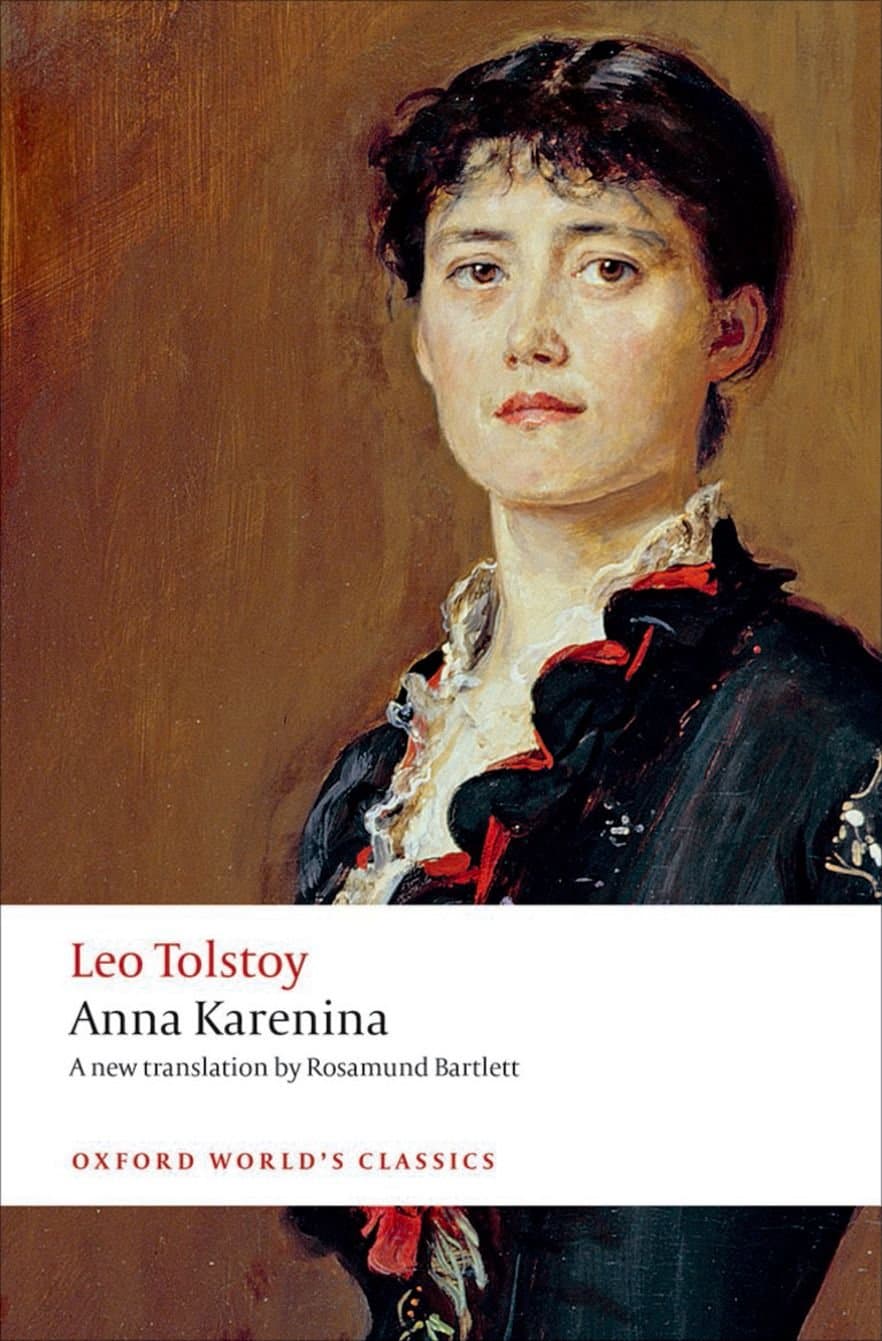
Anna leaves her husband for a young officer while, in the other half of the book, Levin farms and marries and worries about God. Tolstoy gives both lives the same total sympathy.

Raskolnikov murders a pawnbroker to prove he stands above ordinary morality, then comes apart as a magistrate circles him. It reads like a thriller and works like a confession.
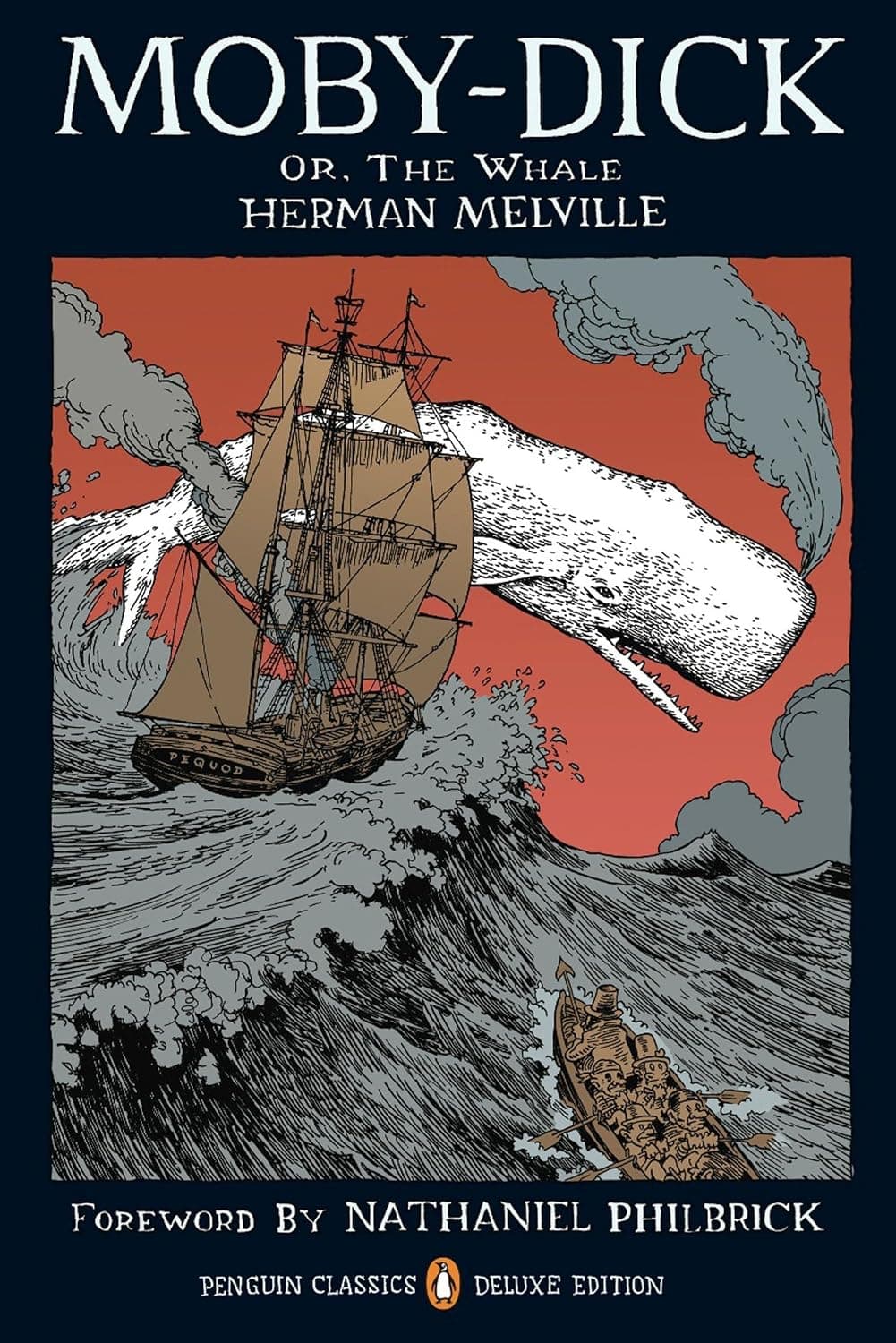
American fiction has attempted nothing bigger. Ahab drags a whaling crew across the world after the whale that took his leg, and Melville keeps stopping the hunt to explain whales.
Dorothea Brooke marries a dry scholar for the wrong reasons and a gifted doctor lets small compromises close around him. Eliot knows more about how people actually fail than any English novelist.

Seven generations of one family in Macondo, where insomnia comes as a plague and the rain lasts four years. García Márquez reports the impossible as plain fact.
Aeneas carries his father out of burning Troy and is sent to found Rome, abandoning the queen who loves him. Duty wins, and Dido's grief is the greatest passage in Latin poetry.
Satan rebels in heaven, loses, and comes for the first two people. Milton meant to justify God and produced a devil so magnificent he nearly walks off with the greatest poem in English.
Elizabeth Bennet and Darcy dislike each other on sight and spend the novel being wrong. Austen wrote conversation better than anyone in English, and readers return to it their whole lives.
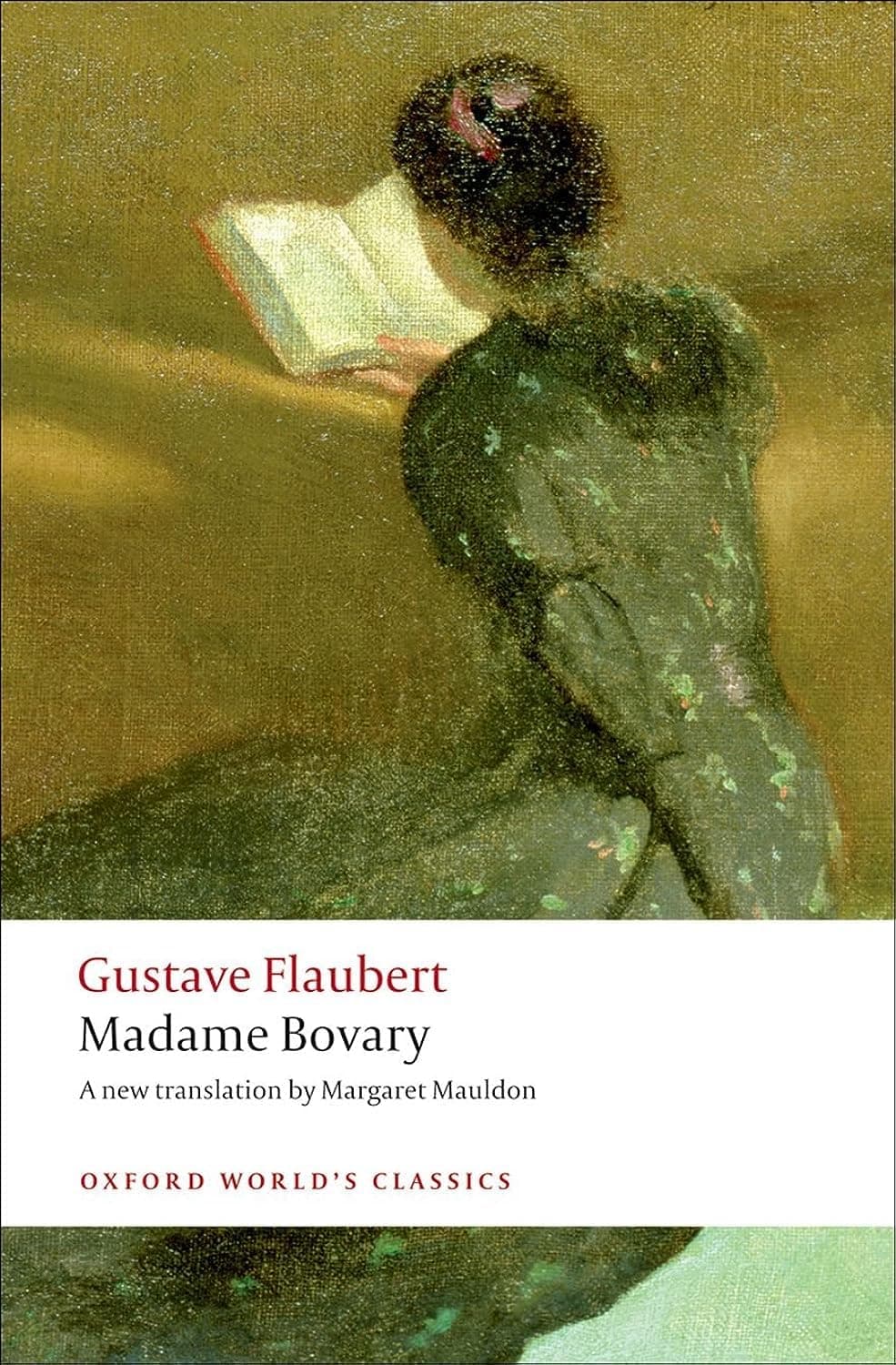
Emma Bovary reads romances, takes lovers, and runs up debts trying to feel something in a provincial town. Flaubert weighed every sentence, and modern fiction's idea of style begins with him.

Gatsby throws enormous parties hoping the woman he loved will wander into one. Fitzgerald made the Jazz Age America's myth of itself, and the last page is the most beautiful in American writing.