Ulysses
1922 · 694 pages
Leopold Bloom walks Dublin for one day in June 1904, and Joyce pours the whole English language into it. Bloom, advertising canvasser and cuckold, is the kindest man in fiction.
★ 9.7
 skopia
Leopold Bloom walks Dublin for one day in June 1904, and Joyce pours the whole English language into it. Bloom, advertising canvasser and cuckold, is the kindest man in fiction.

The most complete account of memory ever written. A man tastes a madeleine, and three thousand pages of remembered love, jealousy, and vanished aristocrats change permanently how you look at your own past.

Gatsby throws enormous parties hoping the woman he loved will wander into one. Fitzgerald made the Jazz Age America's myth of itself, and the last page is the most beautiful in American writing.
April is the cruellest month, and from that line Eliot assembles a ruined Europe out of voices, tarot cards, and pub talk. The fragments lodge in the memory for good.
At a summer house by the sea a trip to the lighthouse keeps being postponed, and Woolf gets so close to how a mind works that years pass and grief arrives in passing.

Four sections circle one Mississippi family's ruin, and the first belongs to a brother who cannot speak or keep time in order. Faulkner makes confusion itself carry the weight of grief.
Hans Castorp goes to a Swiss sanatorium to visit his tubercular cousin for three weeks and stays seven years. Time comes loose there while the patients debate everything and Europe drifts into war.
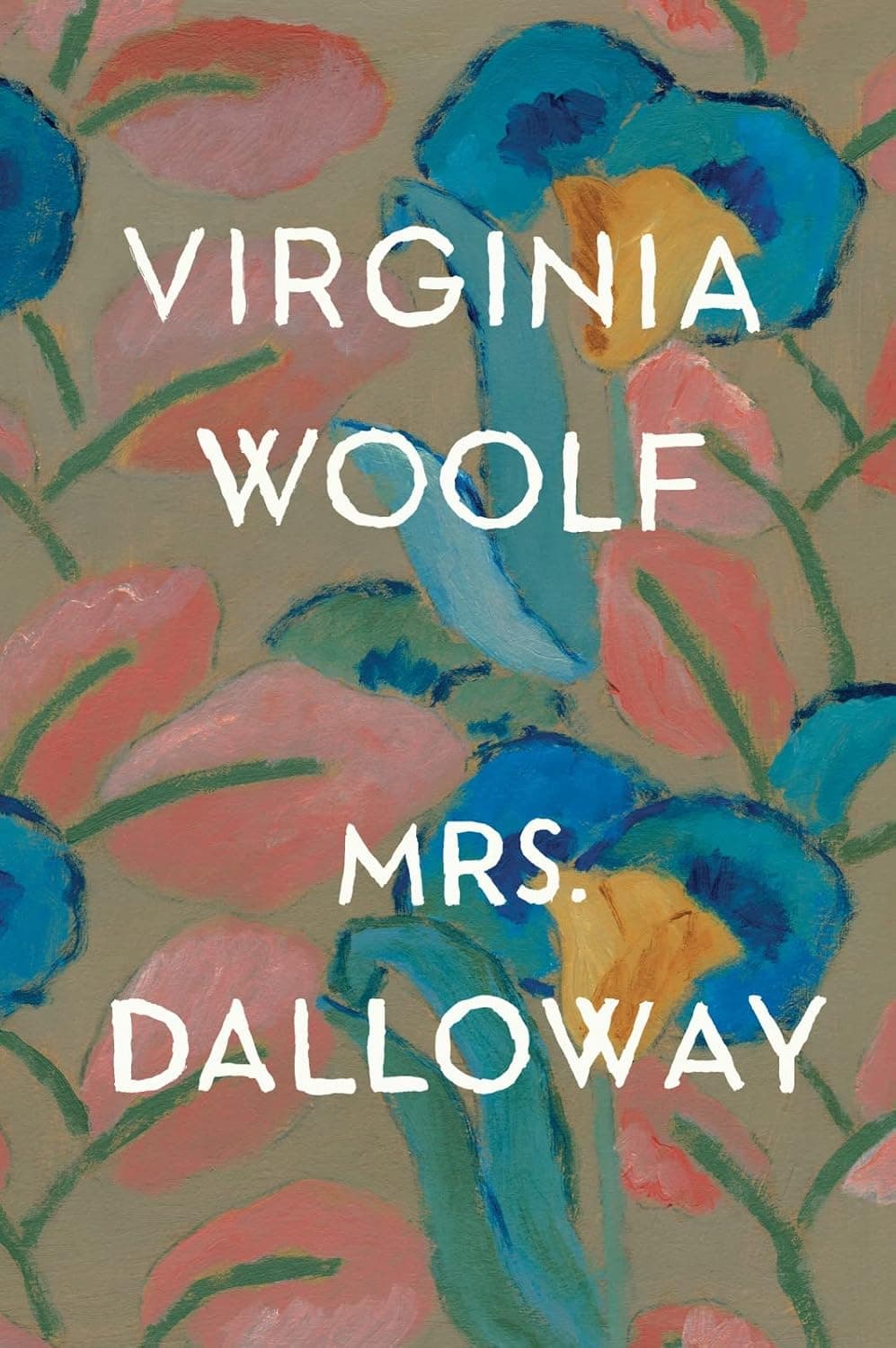
Clarissa Dalloway buys the flowers herself and gives a party, one June day in London, while a veteran wrecked by the war comes apart nearby. Woolf moves between strangers' minds without warning.
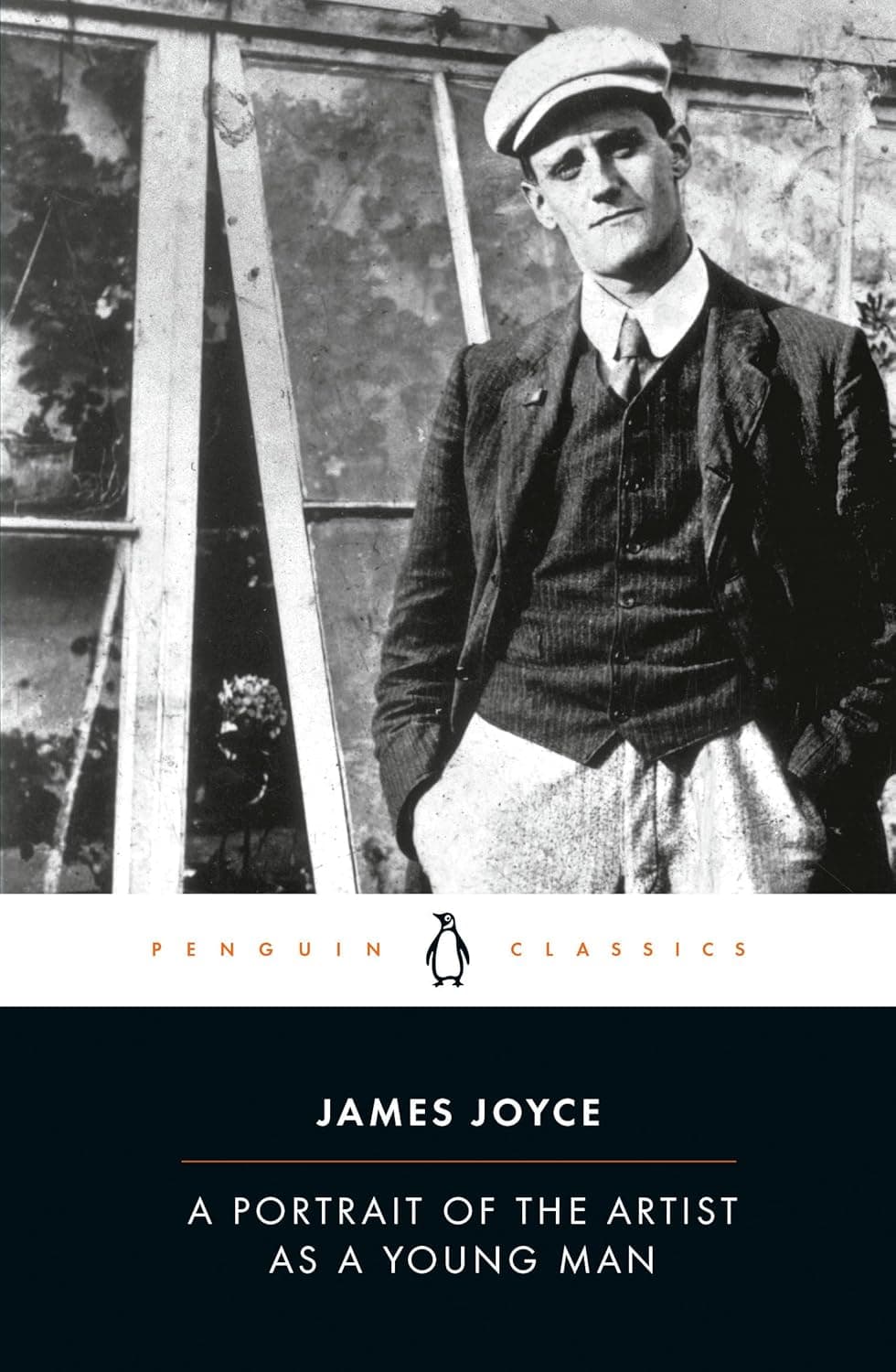
Stephen Dedalus grows from a small boy into a young man set on leaving Ireland to make art. The prose matures sentence by sentence with him, from baby talk to fierce argument.
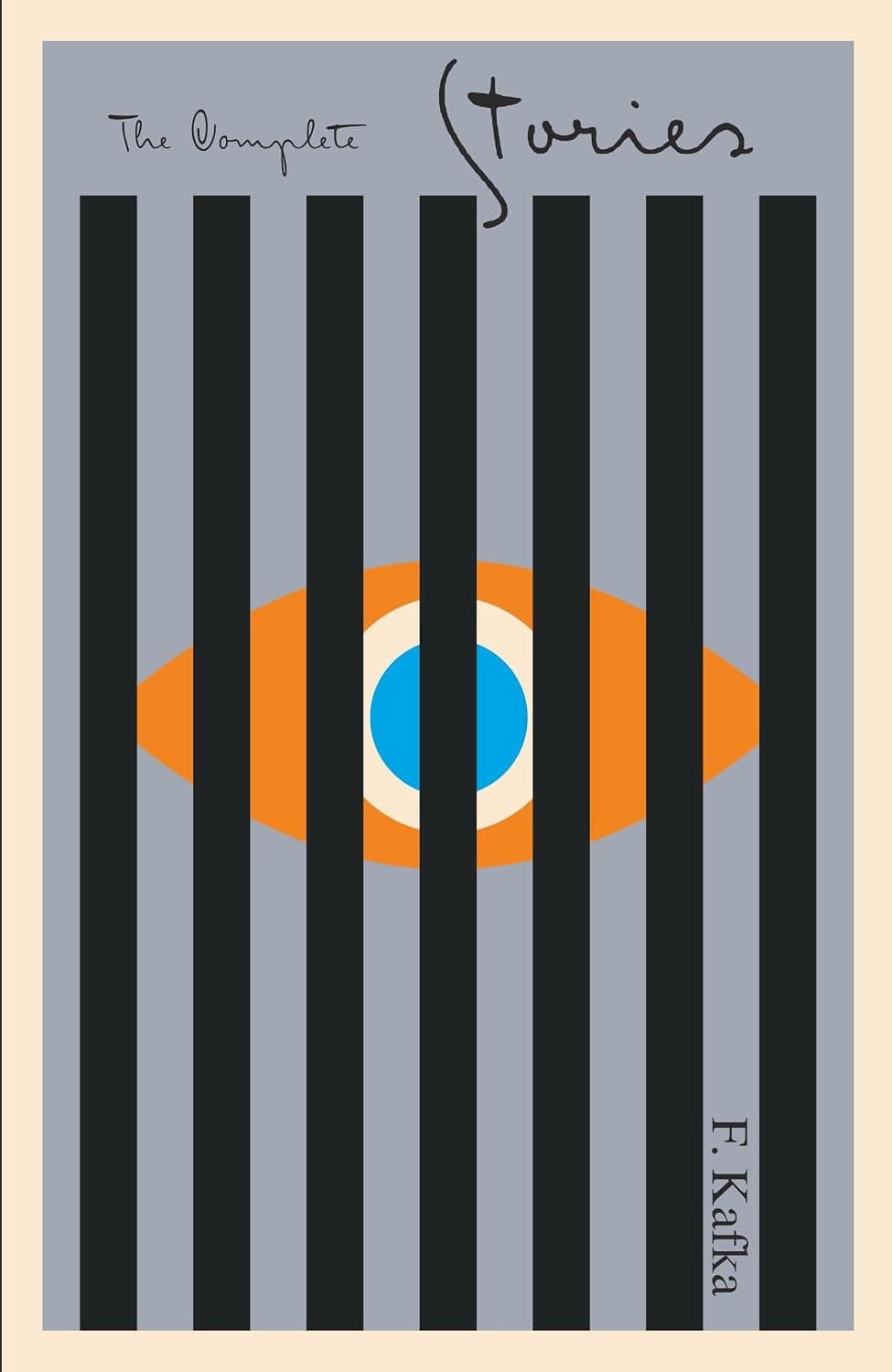
An officer demonstrates his execution machine with love, and a hunger artist starves himself before crowds that have stopped watching. Kafka's imagination runs at full strength in the short forms.

Stevens sold insurance in Hartford and wrote sumptuous poems about what the imagination makes once God is gone. Read "The Emperor of Ice-Cream" aloud and the sound arrives before the sense.
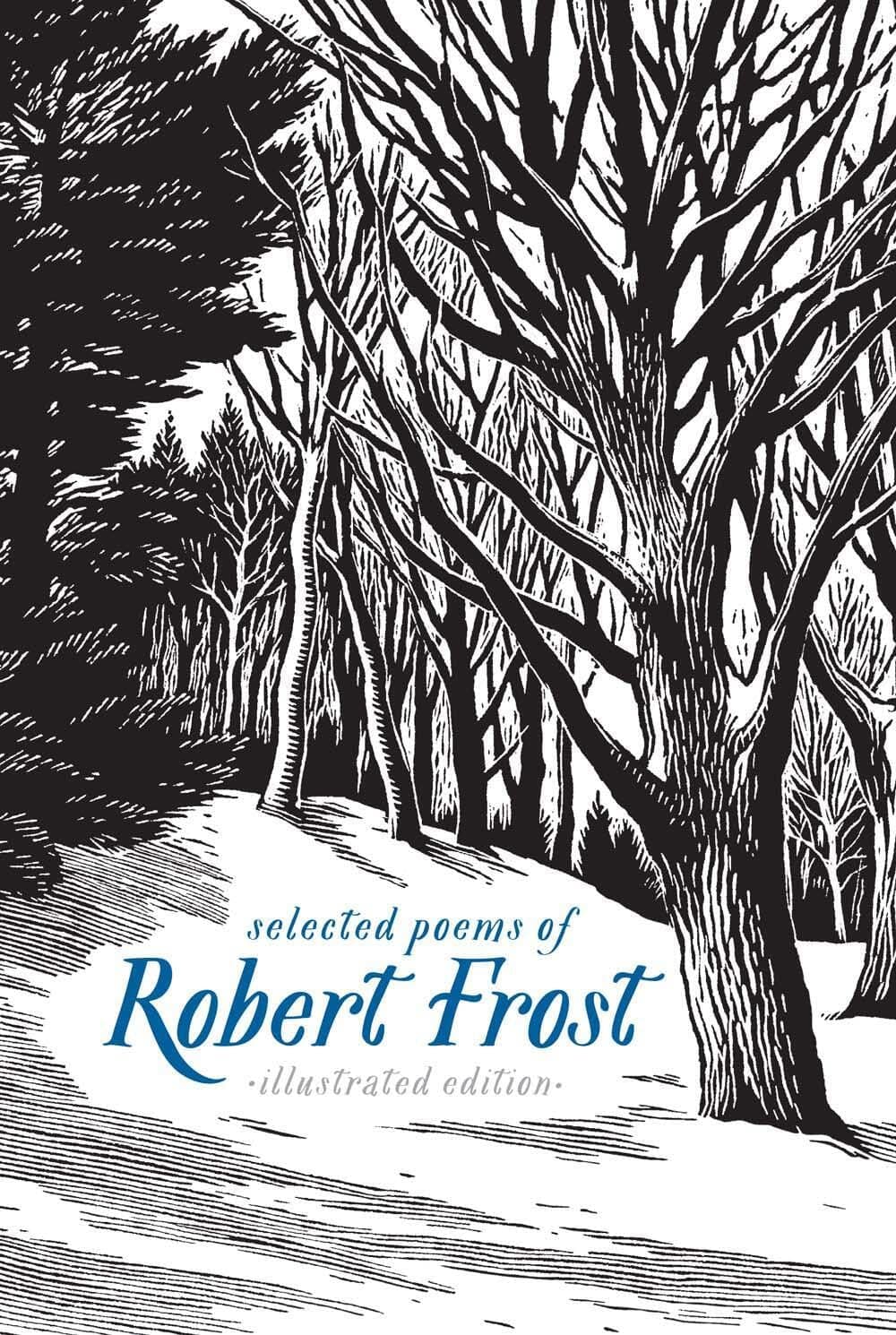
Frost's New England of stone walls and deep snow arrives in plain talk held to strict meter, with something much colder underneath. Stopping by Woods on a Snowy Evening offers no comfort.
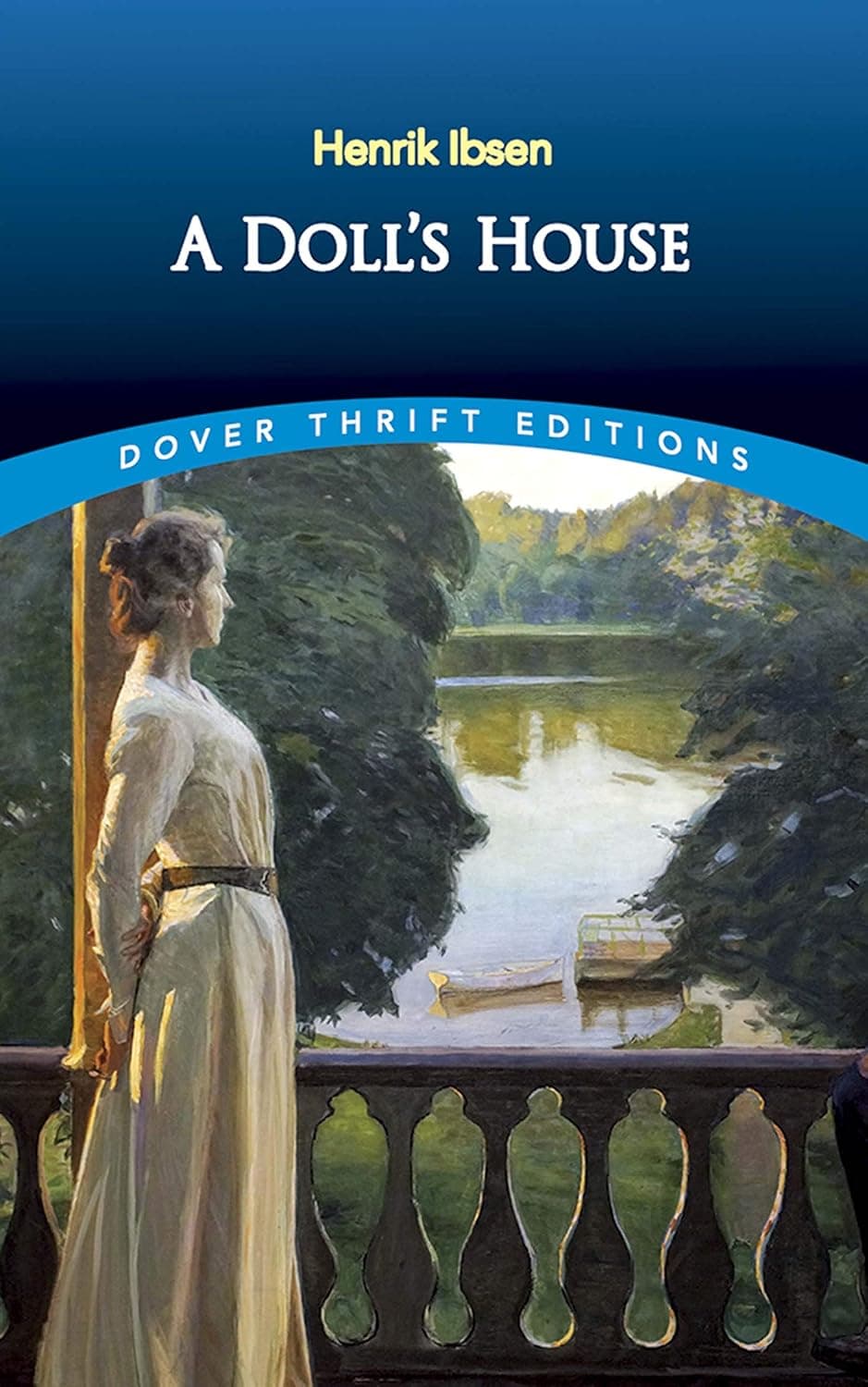
Nora Helmer forged a signature to save her husband's life and has been paying the debt in secret ever since. The play ends on a closing door that modern theater still hears.

Addie Bundren dies and her family hauls the coffin across Mississippi through flood and fire. Fifteen voices tell it, and you laugh at people whose misery you can feel.

From the cafes of Paris to the bullring at Pamplona, expatriates drink and travel and love the wrong people. Hemingway leaves the wound unnamed, and what nobody says sits under every line.

Bishop looks at a fish, a filling station, a moose in the road, and never tells you what to feel. In "One Art" she calls losing things an art you can master.
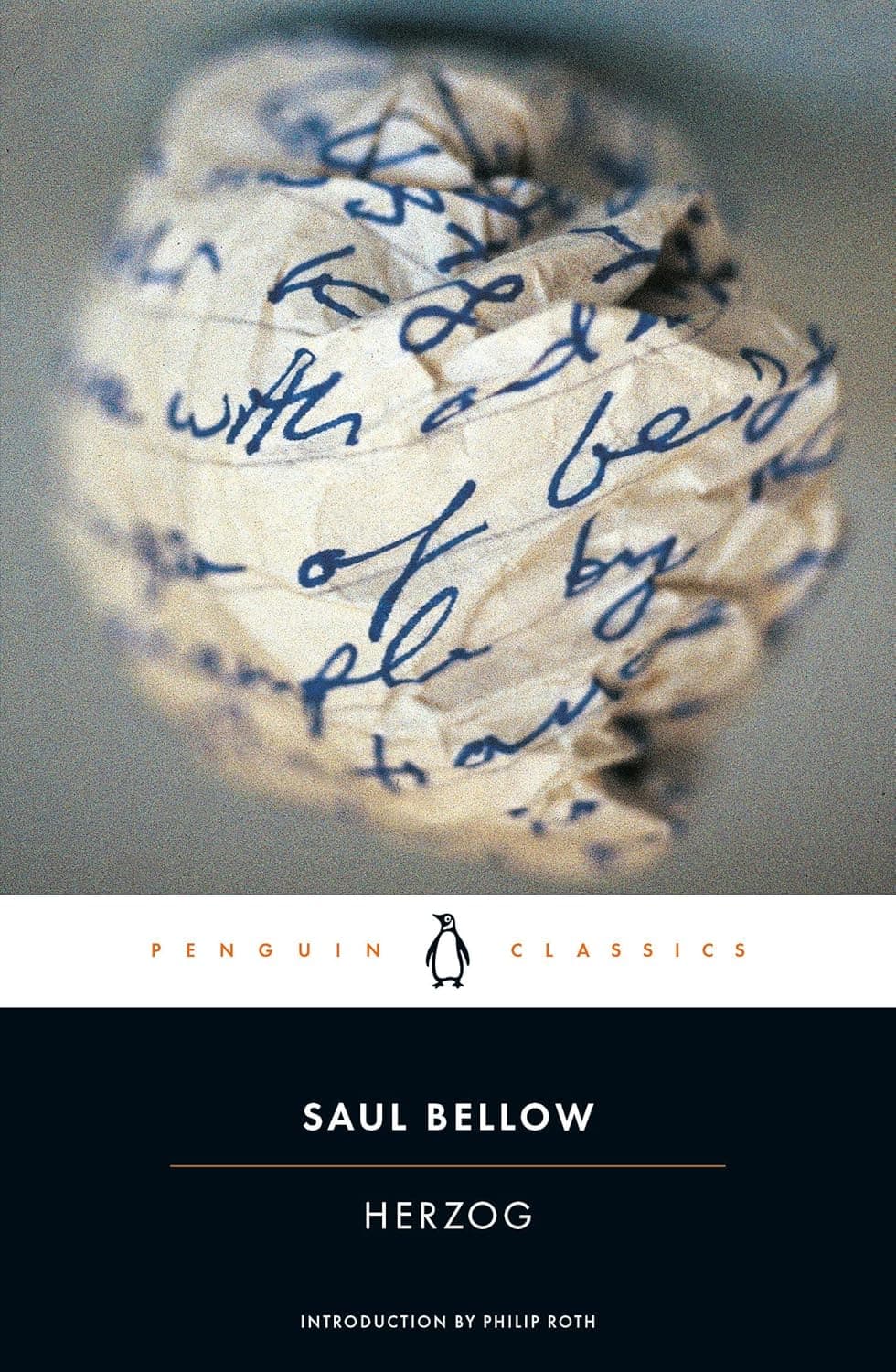
Moses Herzog, a professor whose wife left him for his closest friend, comes apart and writes furious unsent letters to philosophers, ex-wives, and the dead. Bellow makes a breakdown enormous fun.
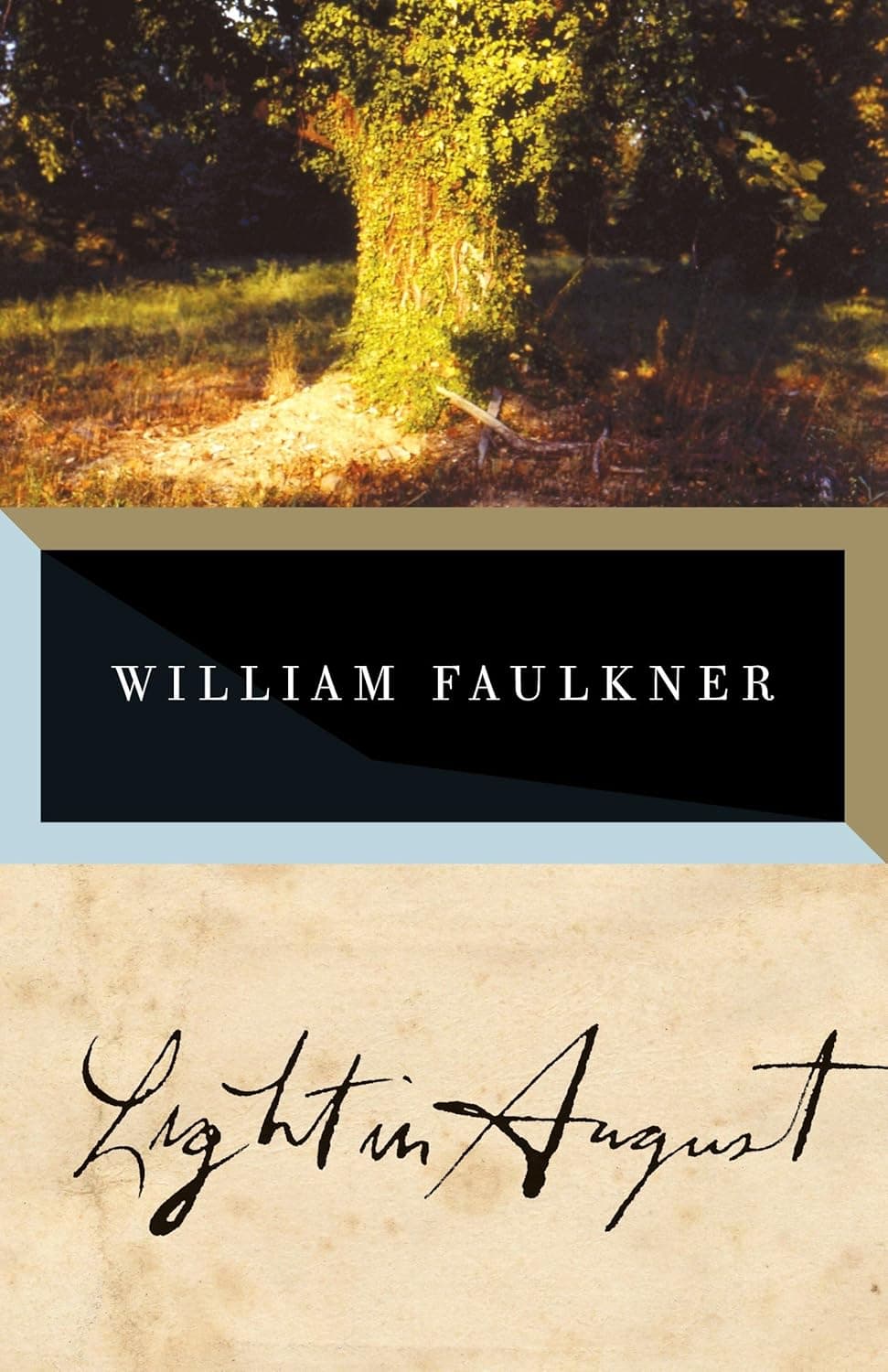
Pregnant and walking from Alabama, Lena Grove looks for the man who left her. Nearby a man who cannot say whether he is black or white is running out of room.
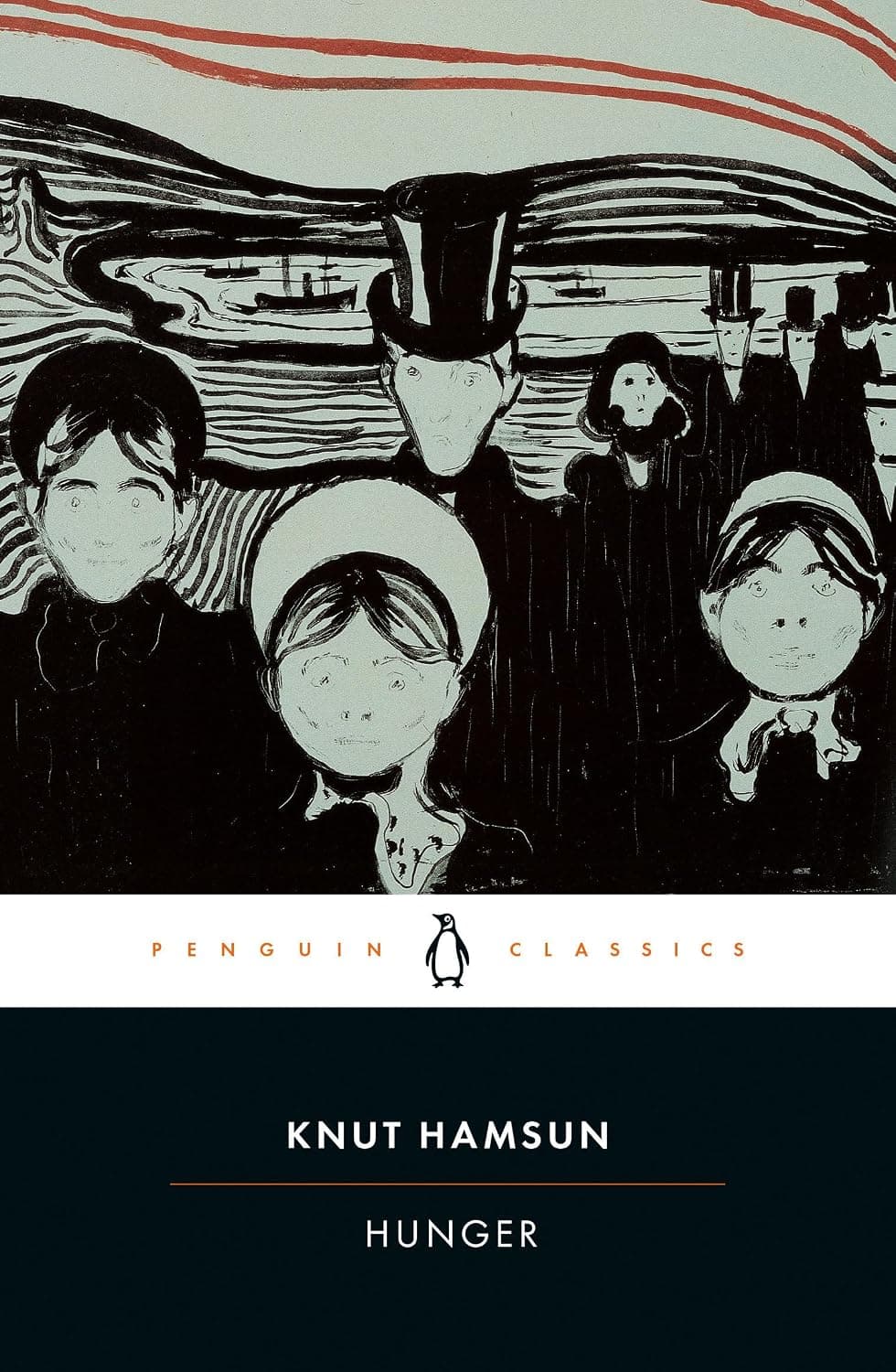
Starving in Kristiania, the city that became Oslo, a young writer gives away money he lacks and refuses food when offered. Hamsun tracks a mind sliding toward derangement, and modern fiction followed.
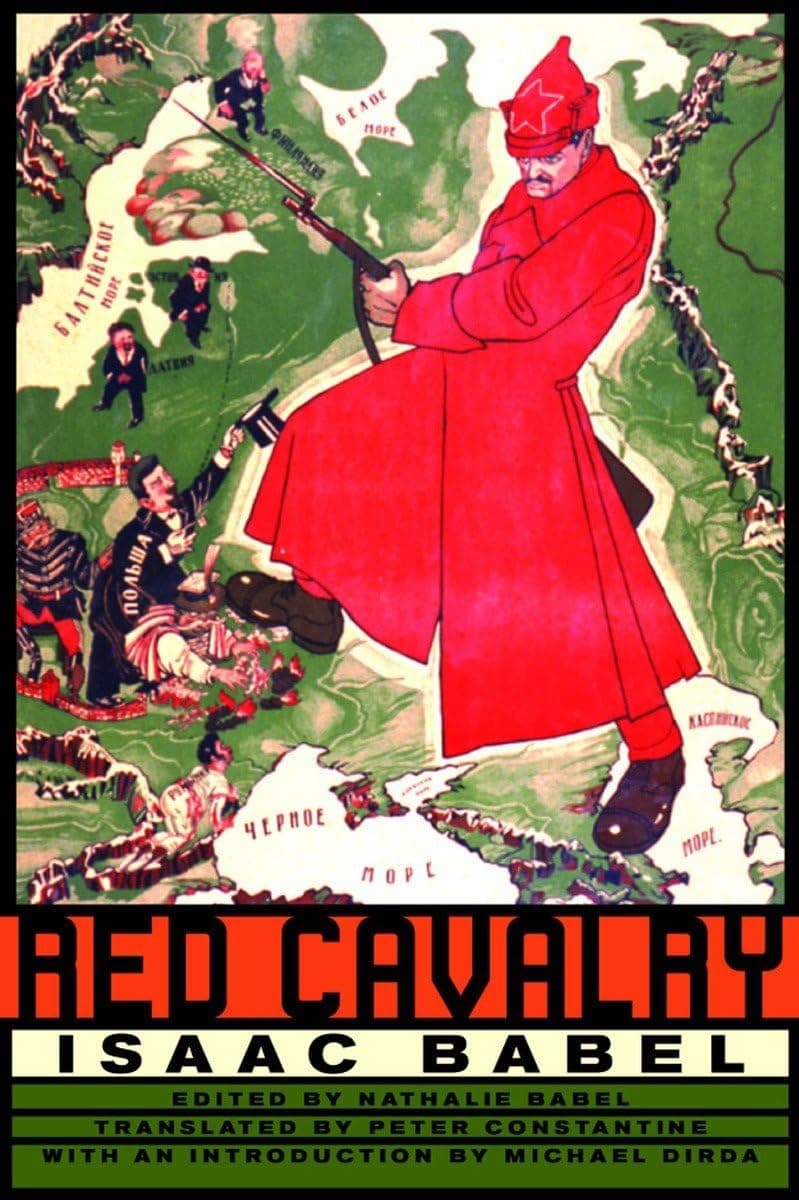
Riding with Bolshevik Cossacks through Poland in 1920, a Jewish intellectual watches them sack towns and kill prisoners. Babel writes the atrocity in sentences so beautiful that the effect is obscene.