
War and Peace
1869 · 1392 pages
Five families carried through Napoleon's invasion of Russia, with battle, marriage, farming, and a theory of history held in one design. You finish it knowing these people better than your own friends.
★ 9.8
 skopia
Five families carried through Napoleon's invasion of Russia, with battle, marriage, farming, and a theory of history held in one design. You finish it knowing these people better than your own friends.
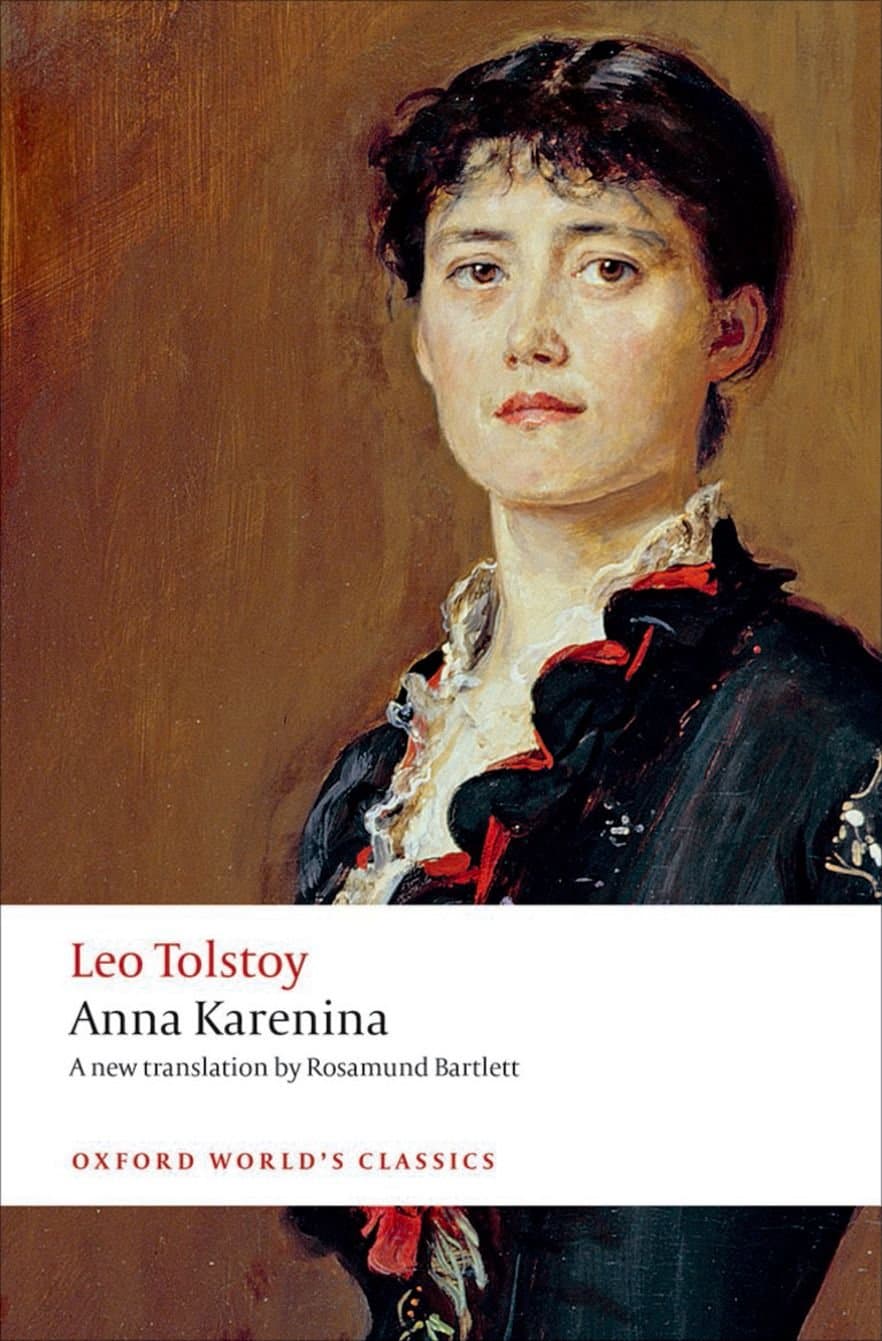
Anna leaves her husband for a young officer while, in the other half of the book, Levin farms and marries and worries about God. Tolstoy gives both lives the same total sympathy.
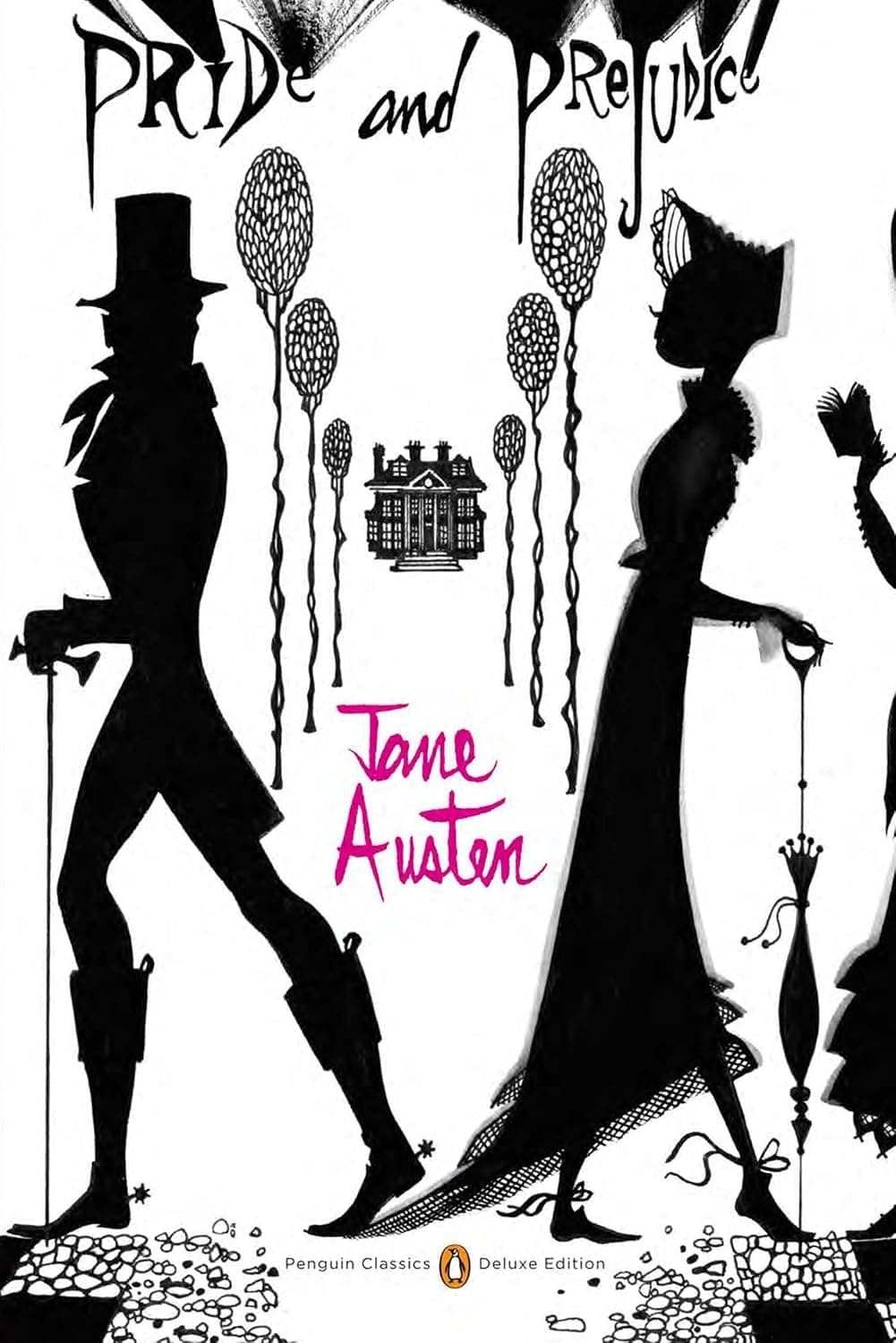
Elizabeth Bennet and Darcy dislike each other on sight and spend the novel being wrong. Austen wrote conversation better than anyone in English, and readers return to it their whole lives.
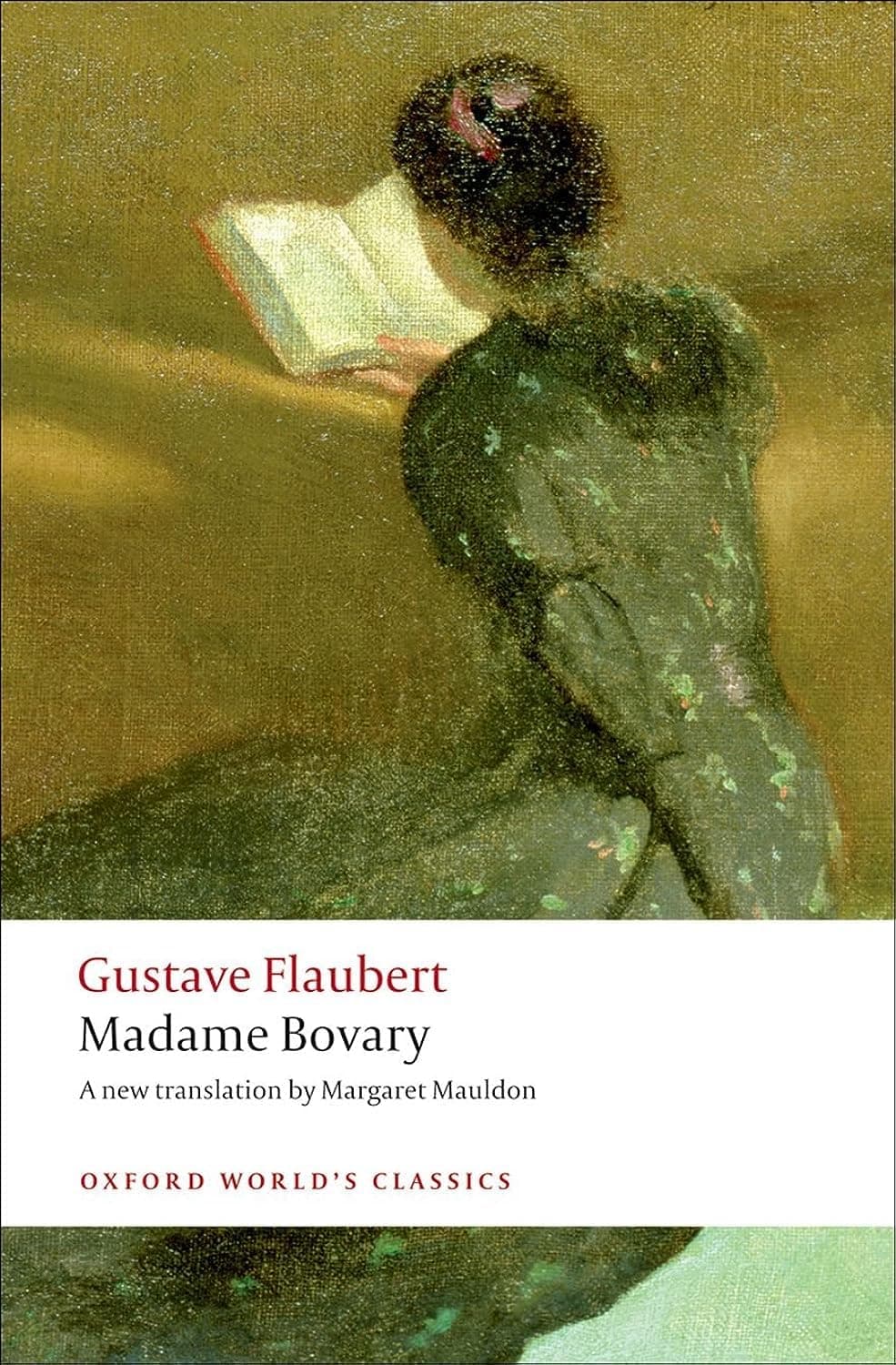
Emma Bovary reads romances, takes lovers, and runs up debts trying to feel something in a provincial town. Flaubert weighed every sentence, and modern fiction's idea of style begins with him.
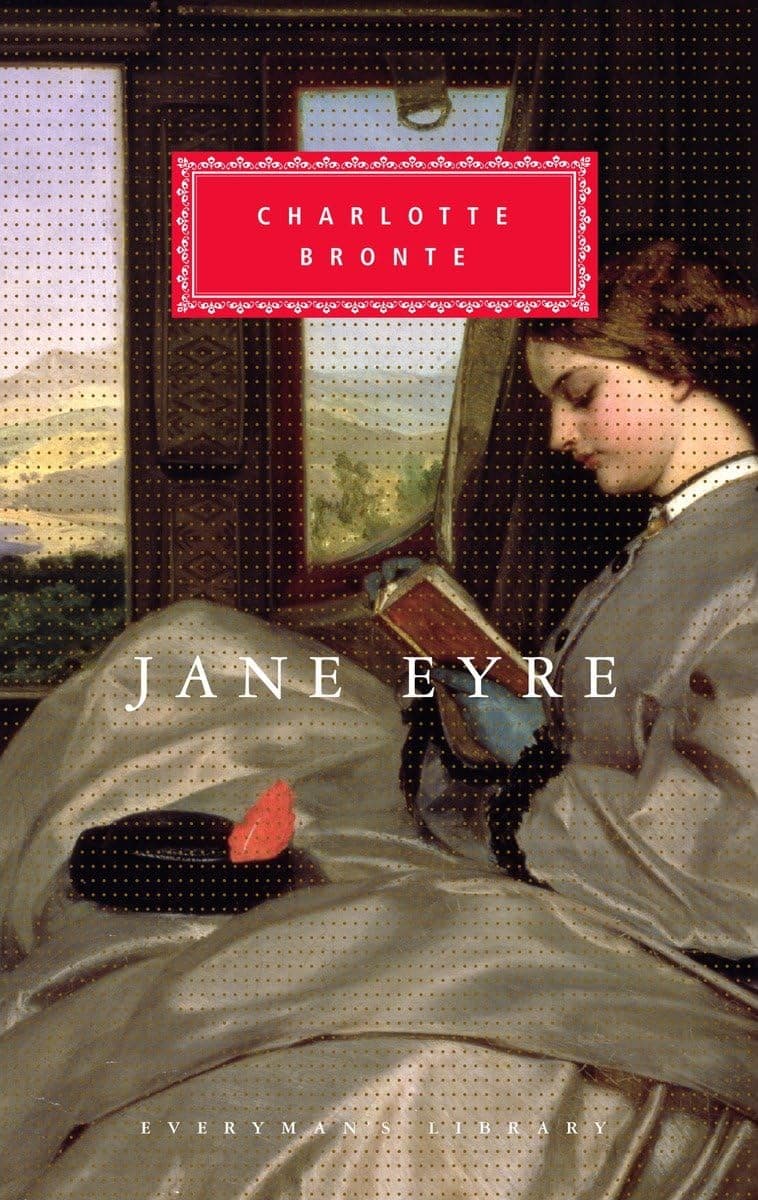
English fiction found its first fierce female voice in Jane, plain and poor and conceding nothing. She survives a brutal charity school, becomes a governess, and loves an employer with a secret.
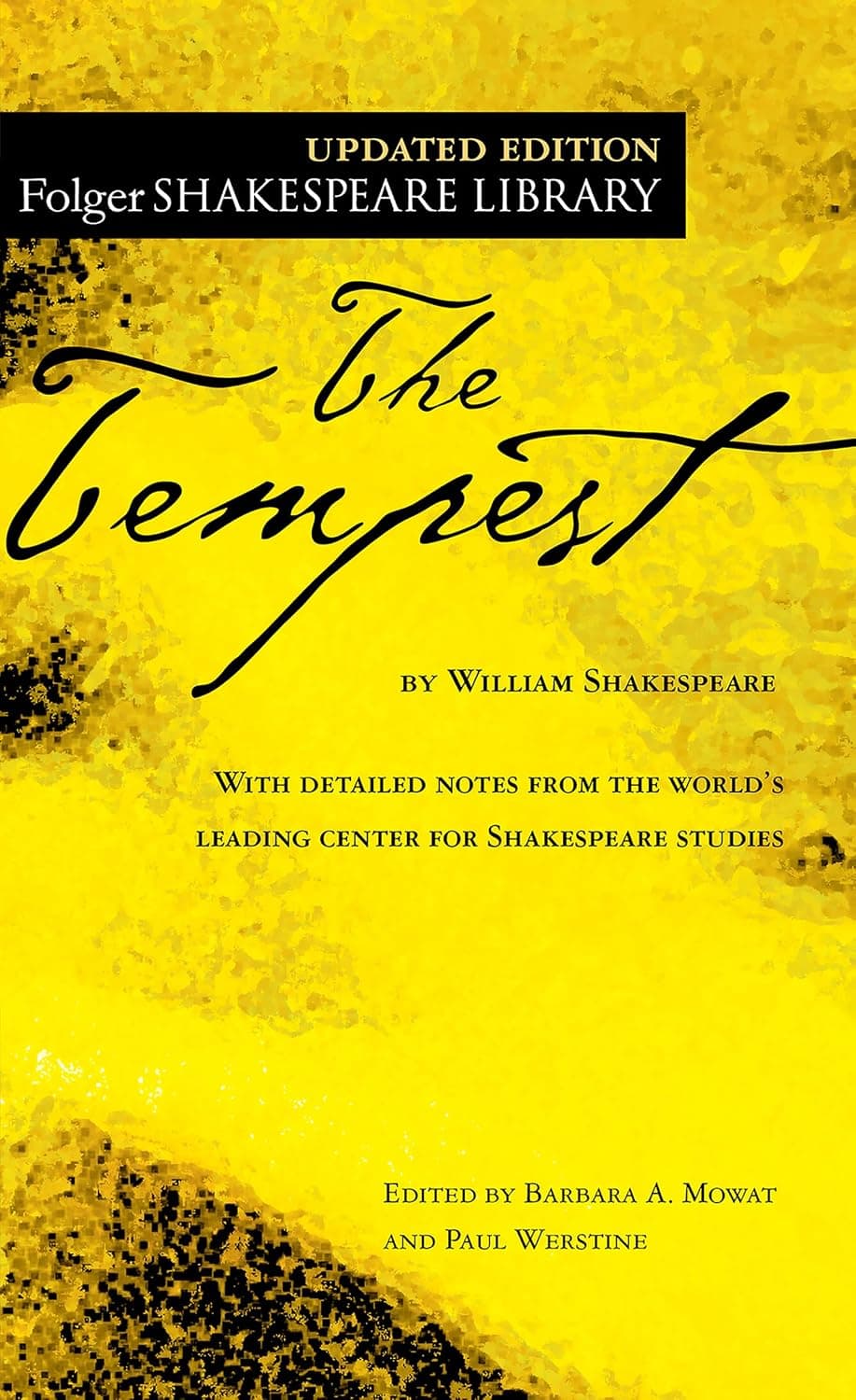
Prospero raises a storm to strand the men who stole his dukedom on an island where a spirit and a monster obey him. What he does with that power reads as Shakespeare's farewell.

Turned down as a young man, Florentino Ariza waits fifty-one years for the woman he loves to be widowed. García Márquez makes old age more erotic than youth.

At a party in Verona two teenagers from feuding families meet, marry the next day, and are gone inside a week. Everything they say to each other still sounds newly invented.

Isabel Archer, an American with opinions and a sudden fortune, turns down good proposals and marries badly in Italy. James stays so close inside her mind that her mistakes feel like your own.
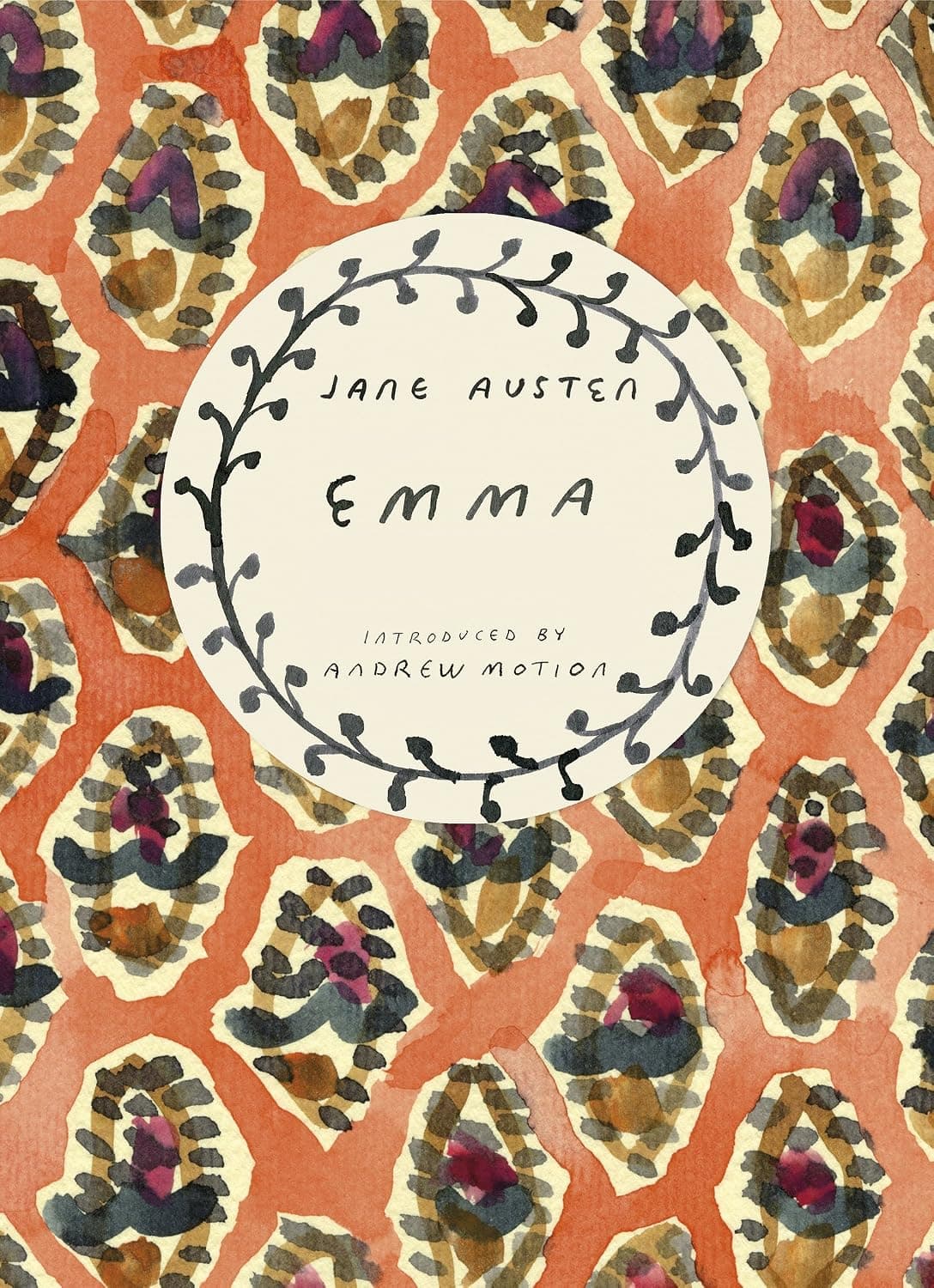
Emma Woodhouse is rich, clever, and sure she knows what everyone needs, so she arranges marriages and ruins them. Austen puts you inside her head until you miss what she misses.

Puritan Boston fastens a red letter to Hester Prynne's dress for adultery, and she refuses to name the child's father. Hawthorne turns public shame into something you feel in your body.

At Arthur's Christmas court a huge green man offers his neck to anyone willing to take the same blow a year later. Gawain swings, and the real test waits in a bedroom.
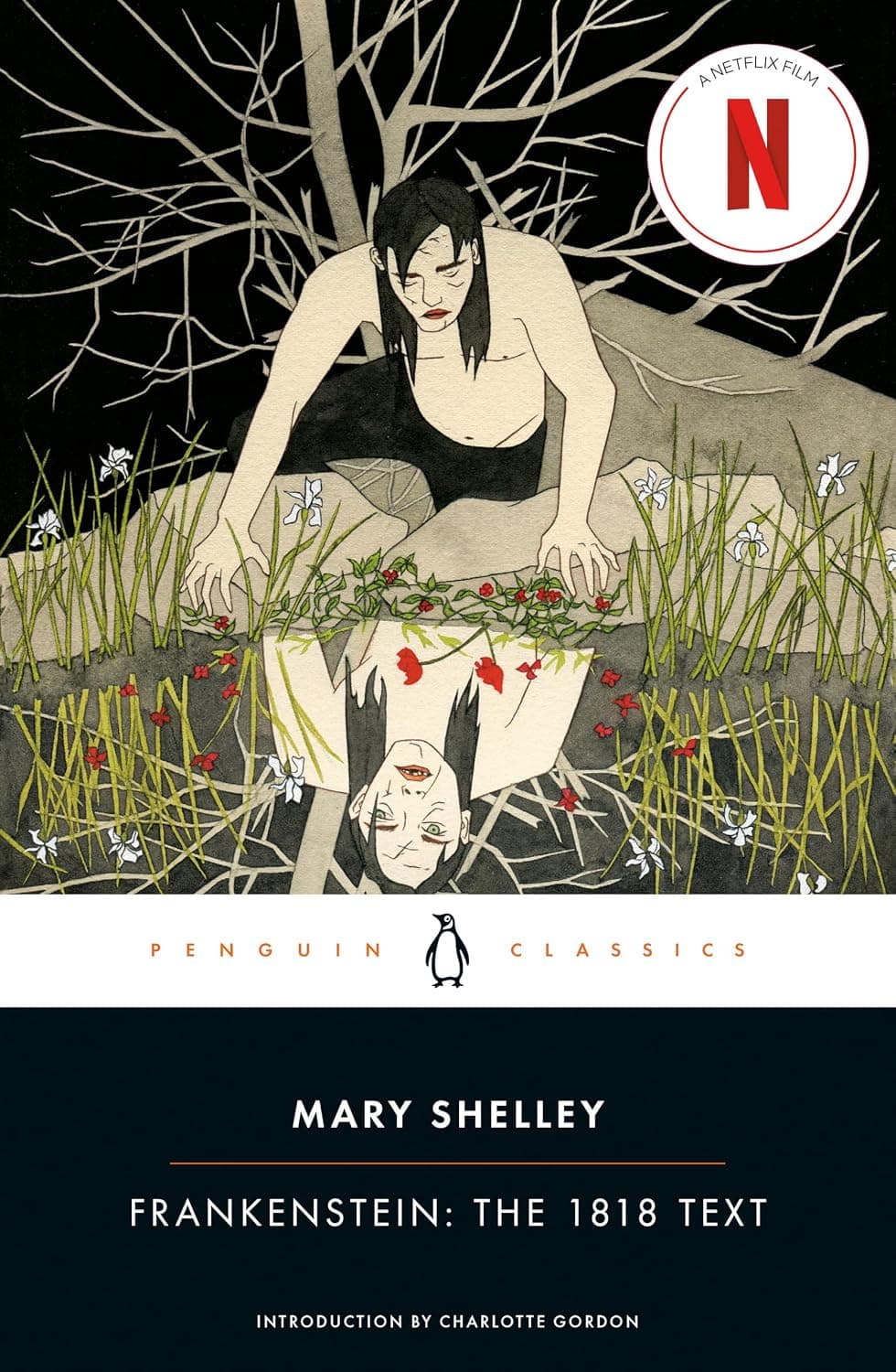
Victor Frankenstein builds a man from corpses and flees when it opens its eyes. The creature teaches itself to read, then comes back to bargain with its horrified maker for one companion.
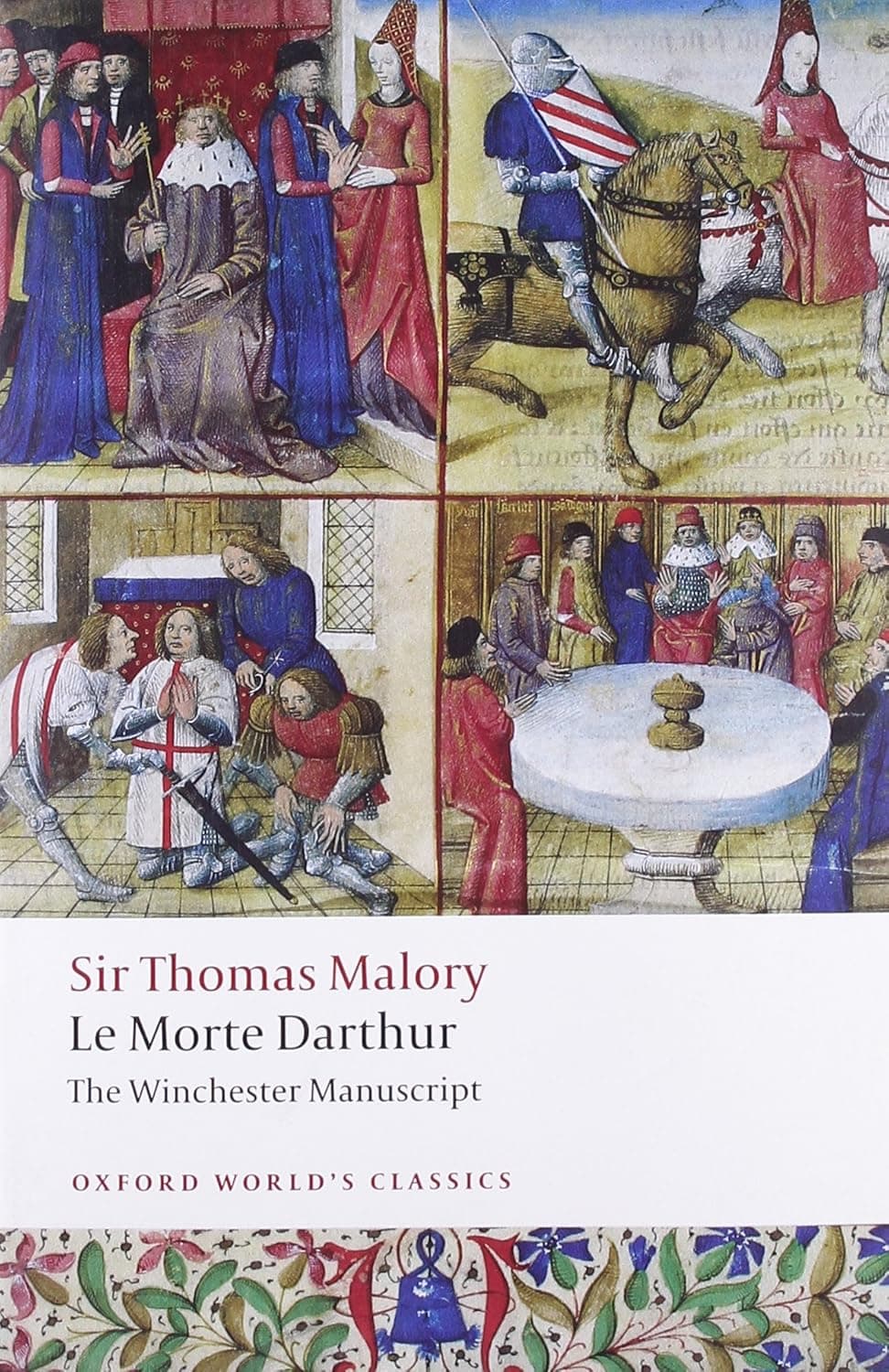
Arthur pulls the sword from the stone and the finest knights come to his table, until his wife's love for Lancelot brings it down. Every Camelot since comes from Malory.

Left poor by their father's death, Elinor Dashwood hides her heartbreak while her sister Marianne broadcasts hers. Austen weighs the two ways of feeling and gives the sisters the real love story.

Lucy Honeychurch is kissed among violets on a hillside outside Florence, and Forster makes the rest a sunlit comedy about whether English respectability is worth the lie it demands of her.

Snowbound on a failing Massachusetts farm, Ethan Frome works beside a wife who is perpetually ill and the young cousin he has fallen for. Wharton makes poverty and duty feel like weather.

Bai Liusu, a divorcee her Shanghai family treats as a disgrace, follows a rich bachelor to Hong Kong. Chang writes their courtship as cold accounting until the Japanese bombardment reaches the city.

Sixteen years old and landless, John Grady Cole rides into Mexico in 1949 and finds work breaking horses on a great hacienda. McCarthy writes horses and hard country better than any American novelist.

Korea's supreme classical novel banishes a young monk, undone by eight fairies on a bridge, into a life of examinations, armies and love, granted in full so it can be seen through.