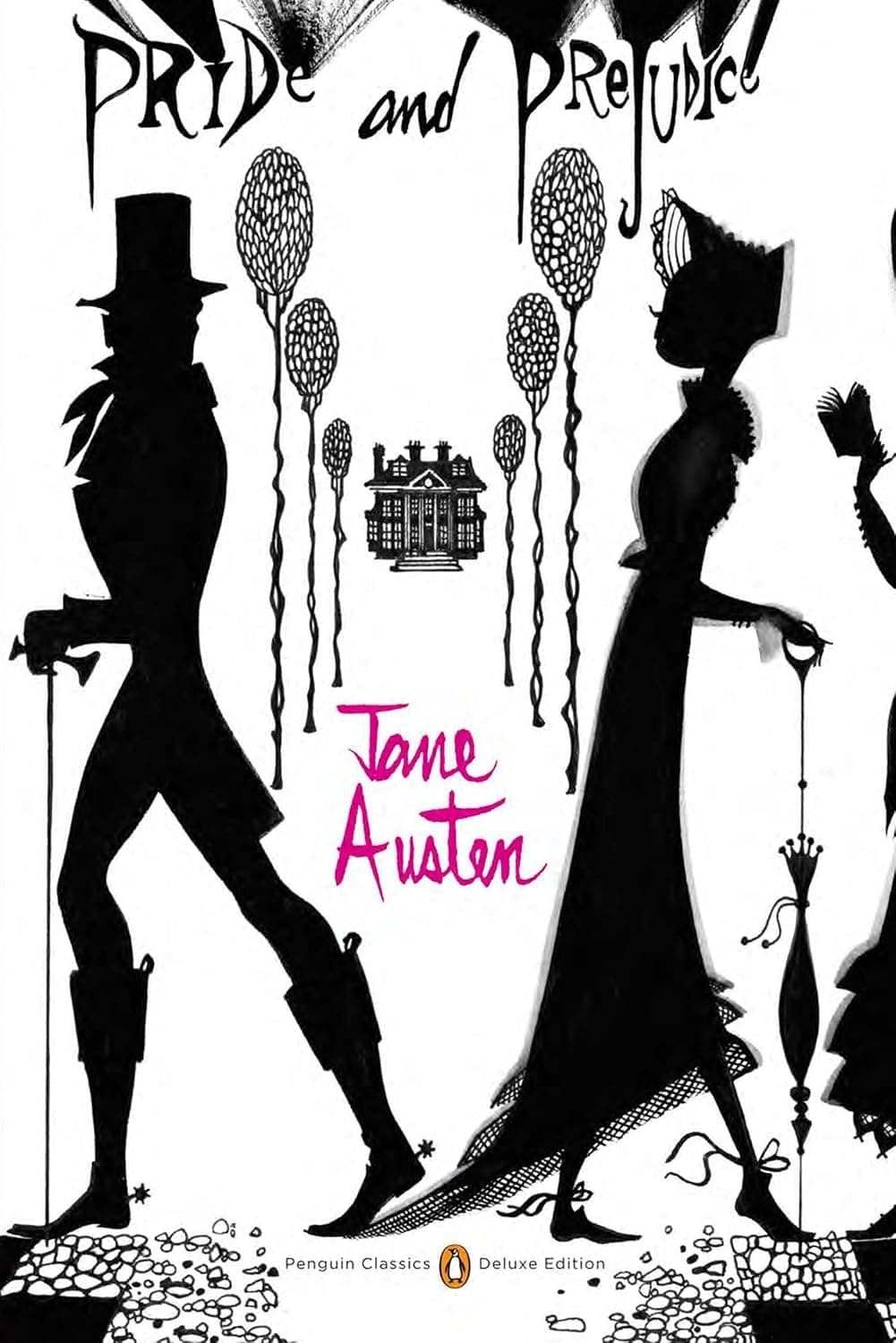
Pride and Prejudice
1813 · 352 pages
Elizabeth Bennet and Darcy dislike each other on sight and spend the novel being wrong. Austen wrote conversation better than anyone in English, and readers return to it their whole lives.
★ 9.5
 skopia
Elizabeth Bennet and Darcy dislike each other on sight and spend the novel being wrong. Austen wrote conversation better than anyone in English, and readers return to it their whole lives.
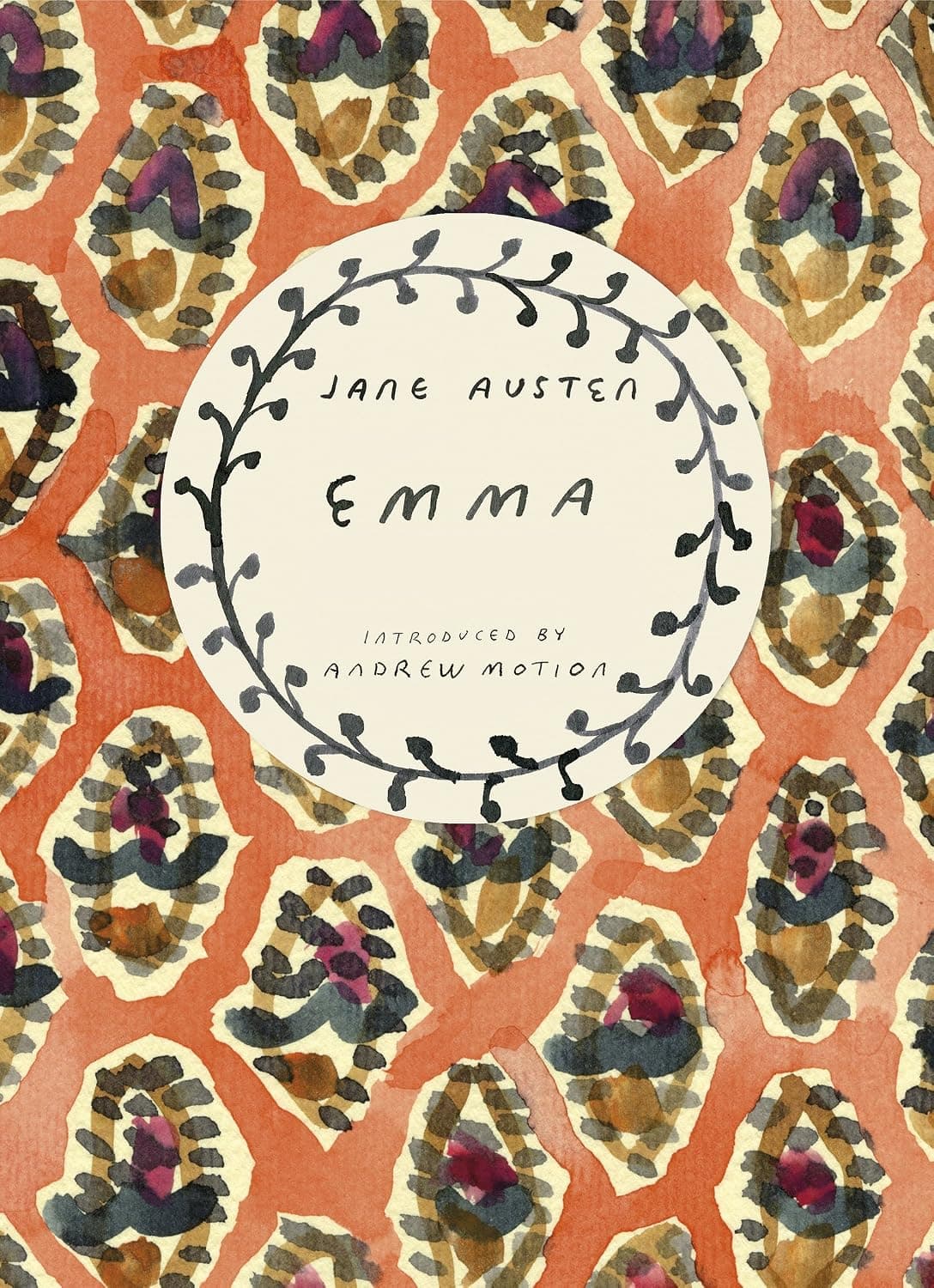
Emma Woodhouse is rich, clever, and sure she knows what everyone needs, so she arranges marriages and ruins them. Austen puts you inside her head until you miss what she misses.

Wilde gives two idle men imaginary people, a wicked brother and an invalid friend, to escape their obligations, then sets them courting women who will marry no one but a man named Ernest.

Driving across England in 1956 to see the housekeeper he worked beside, a butler remembers the Nazi sympathizer he served with pride. What he cannot bring himself to say is the whole novel.

Four Athenians run into the woods to escape a forced marriage, a fairy potion lands on the wrong eyelids, and a weaver acquires a donkey's head. Shakespeare makes desire look gloriously stupid.

Found as a baby in a squire's bed, Tom grows up generous and reckless, loses his home, and follows Sophia Western to London. Coleridge ranked the plot beside that of Oedipus.

Samuel Johnson pronounced this book already dead. Two hundred and sixty years on, Tristram is still failing to get himself born, derailed by his father's theories and his uncle's toy fortress.

Left poor by their father's death, Elinor Dashwood hides her heartbreak while her sister Marianne broadcasts hers. Austen weighs the two ways of feeling and gives the sisters the real love story.

In Venice a merchant borrows from Shylock, a Jewish moneylender he has spat on, pledging a pound of his flesh. Shylock asks whether a Jew does not bleed, and the comedy never recovers.

Banished from court, Rosalind hides in the Forest of Arden in men's clothes and coaches the man she loves in how to court her. She talks rings around everyone in Shakespeare.
Beatrice and Benedick insult each other so expertly that their friends trick each into believing the other is secretly in love. Their war of words gave English comedy its model for courtship.
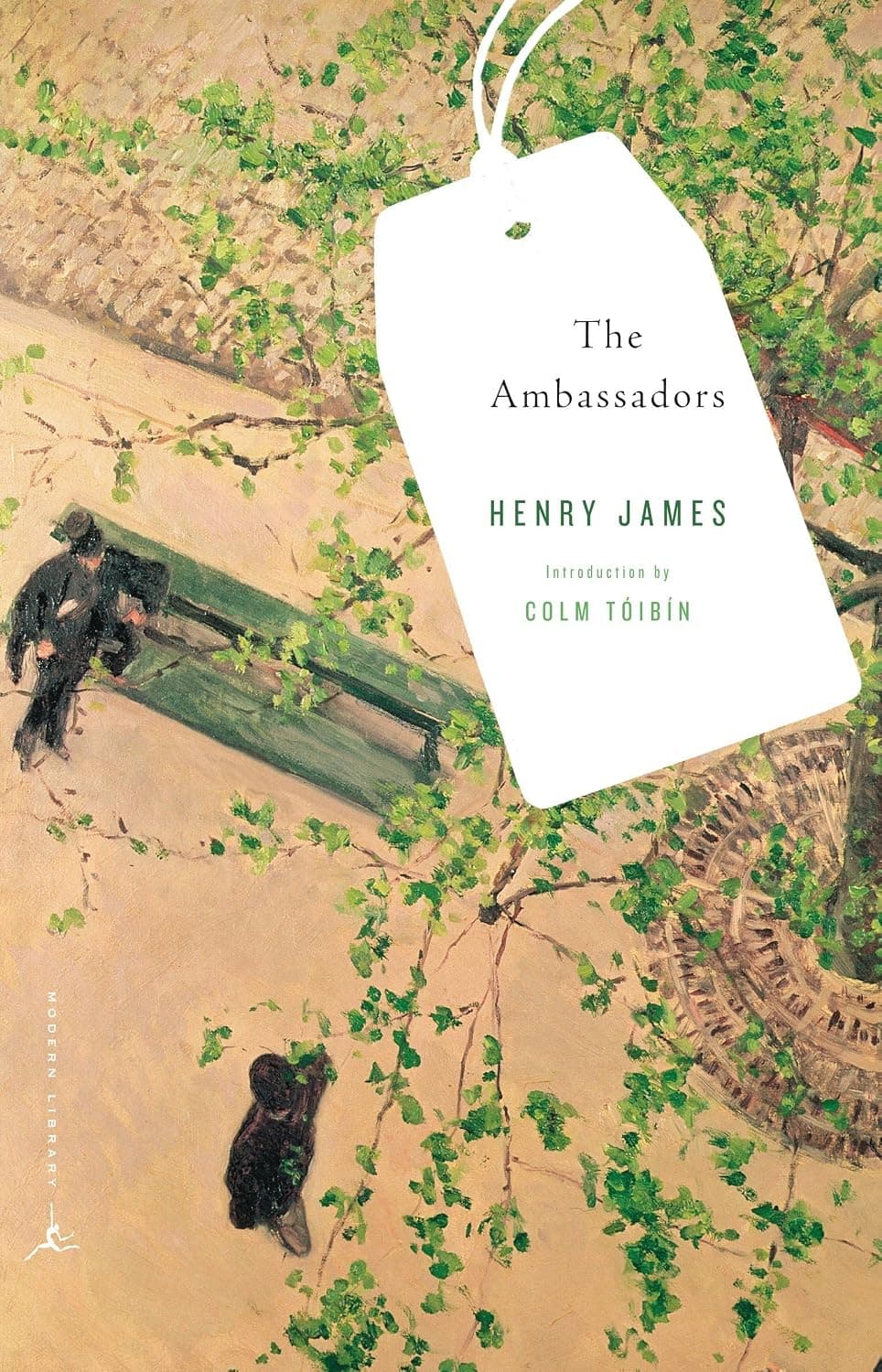
Sent to Paris to pry a young American away from a Frenchwoman, a middle-aged emissary looks around and tells a young painter to live all he can. James called it his best novel.
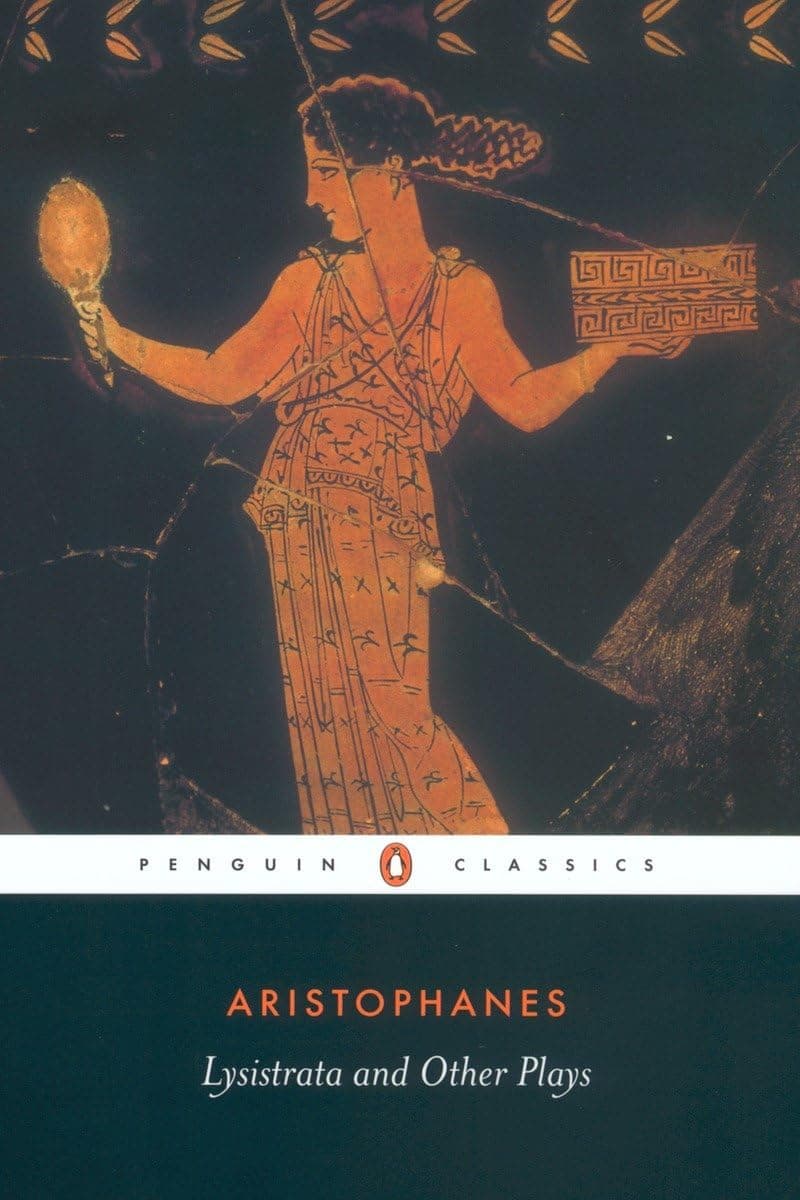
Twenty years into a war they never voted for, the women of Greece refuse their husbands until the men make peace. Aristophanes also hoists Socrates over the stage in a basket.

Don Juan seduces, dodges his creditors, and believes in nothing, while his servant argues feebly for God and a stone statue accepts an invitation to dinner. Moliere never wrote anything more dangerous.

Alceste cannot tell a lie and is destroying himself over a woman who lives on flattery. Tartuffe, the fake holy man eating his host's house, is hypocrisy caught whole and played for laughs.
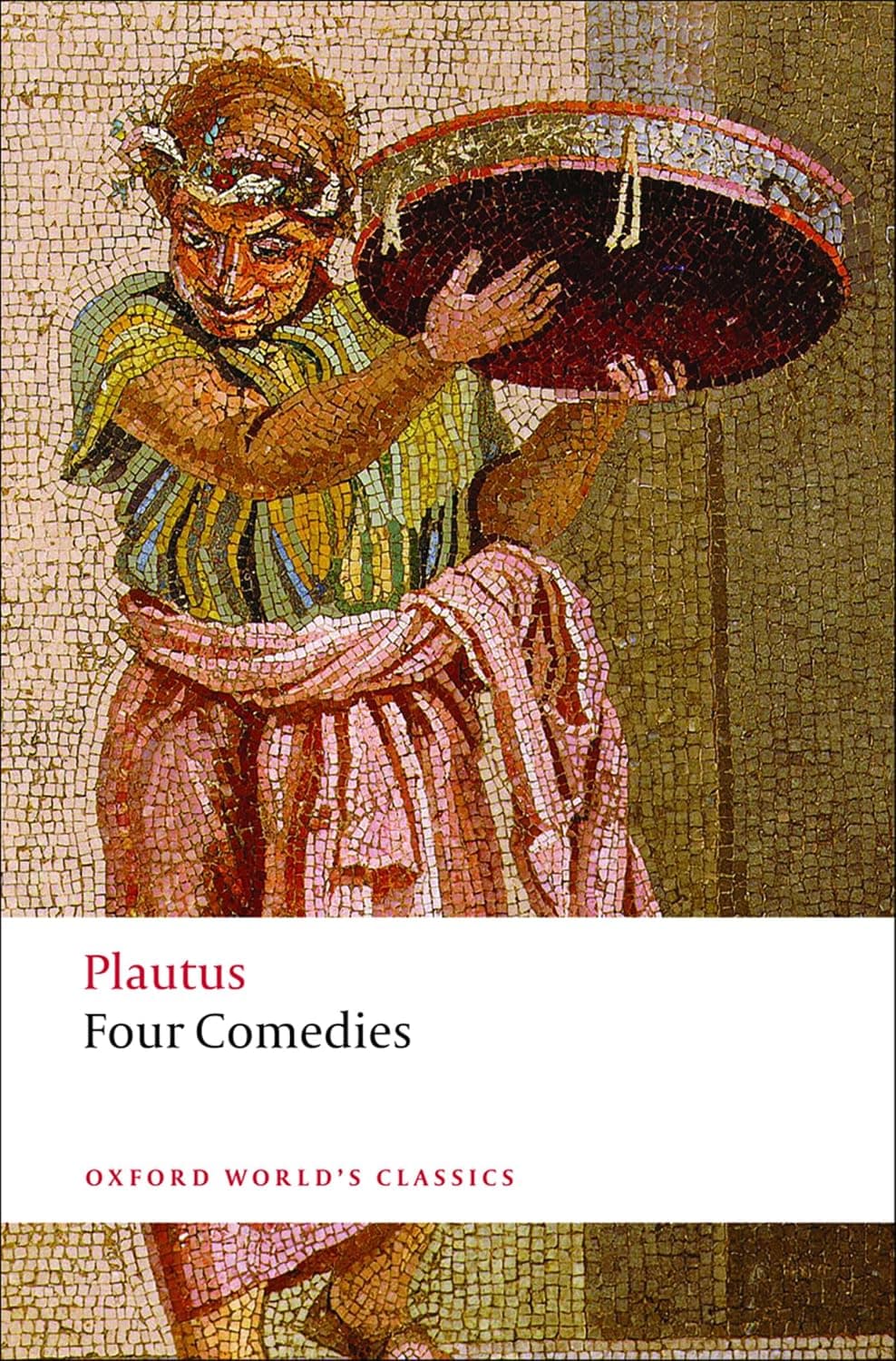
Plautus stole Greek plots and made them Roman, vulgar and fast. Shakespeare lifted his mistaken twins for The Comedy of Errors, Moliere lifted his miser, and farce has run on that machinery since.
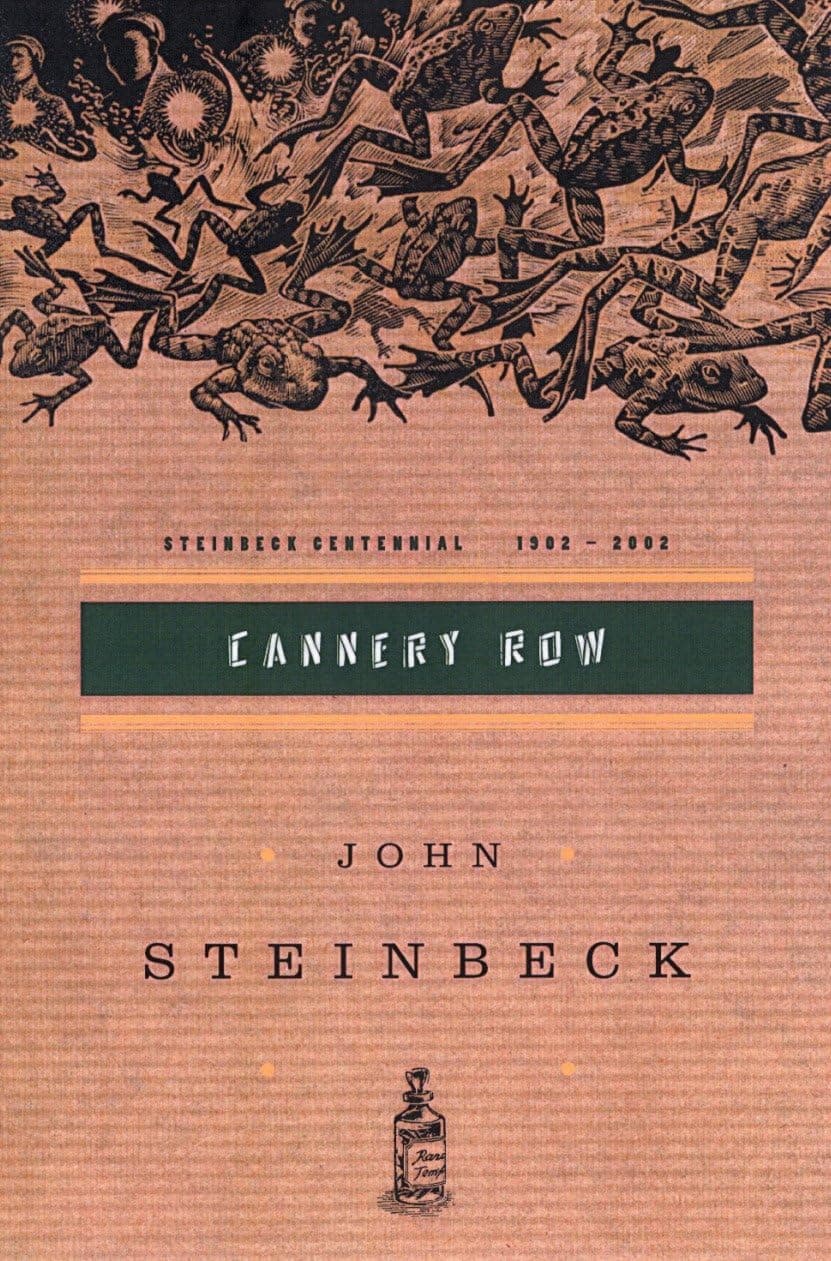
Mack and his friends, unemployed and unhurried, decide to repay Doc the marine biologist with a party. Steinbeck writes a Monterey street of bums and grocers and whores as a functioning society.

Ignatius J. Reilly, obese and certain the modern age is beneath him, is pushed out of his mother's New Orleans house to find work. Toole wrote the funniest American novel of its century.

Two minor courtiers from Hamlet wait in the wings of a play they cannot follow, flipping a coin that lands heads ninety two times running. Stoppard wrings comedy and dread from their helplessness.
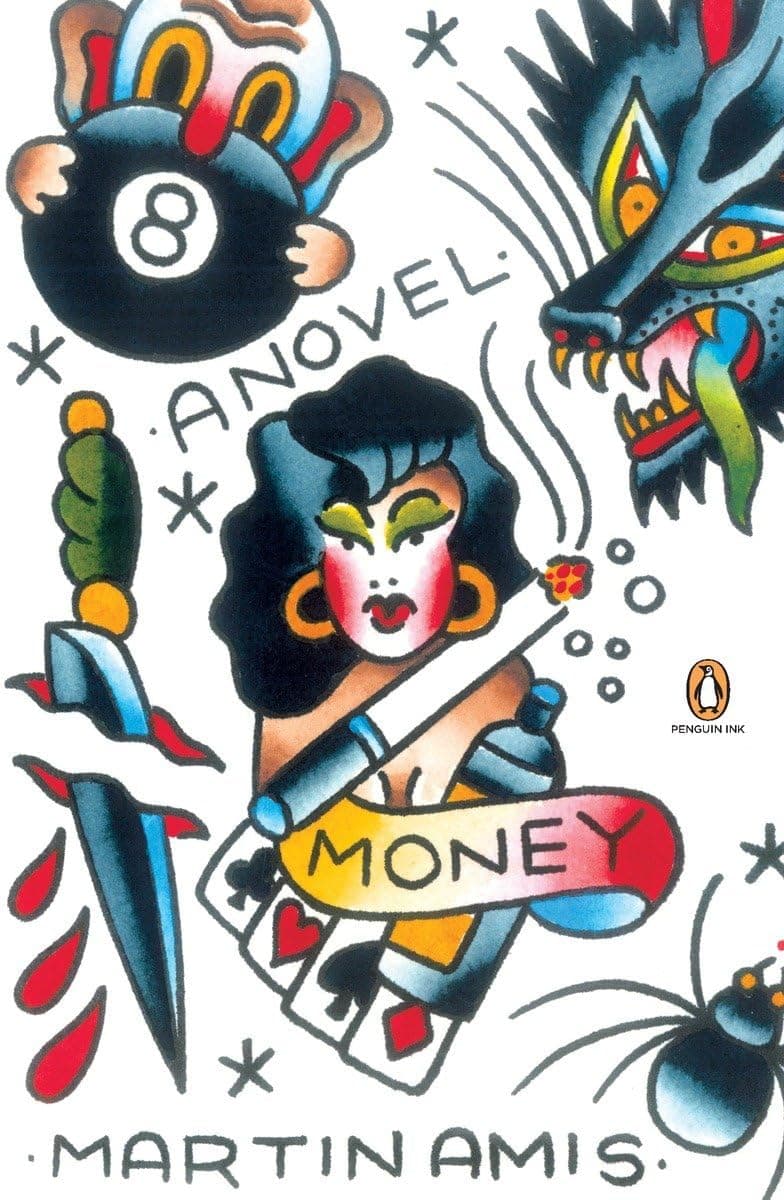
John Self drinks and spends himself toward ruin between London and New York while his first film falls apart. Amis gave the decade's greed a voice English comic fiction spent years imitating.