
The Art of Eating
1954 · 784 pages
Fisher wrote about oysters, wartime rationing, and eating alone, and made food a way of writing about hunger of every kind. The poet W.H. Auden said nobody in America wrote better prose.
★ 7.0
 skopia
Fisher wrote about oysters, wartime rationing, and eating alone, and made food a way of writing about hunger of every kind. The poet W.H. Auden said nobody in America wrote better prose.

Sent to the Sorbonne in 1926, Liebling studied restaurants instead. Proust, he argues, simply lacked the appetite to eat properly. What follows is a young man's gluttonous education in Paris.

Egypt expelled its Jews after Suez, and Roden, exiled in London, collected recipes from displaced Sephardi and Arab families and the histories behind them. English-speaking kitchens learned hummus, tabbouleh, and mezze from her.

Gray gave up an editor's job for stone quarries in Tuscany, Catalonia, Naxos, and Apulia, cooking wild greens, snails, and game over wood fires and setting down a Mediterranean already disappearing.

Bourdain cooked for two decades, then told everything: the drugs, the immigrant crews who hold restaurants up, why you never order fish on Monday. He made the line cook a figure Americans envied.
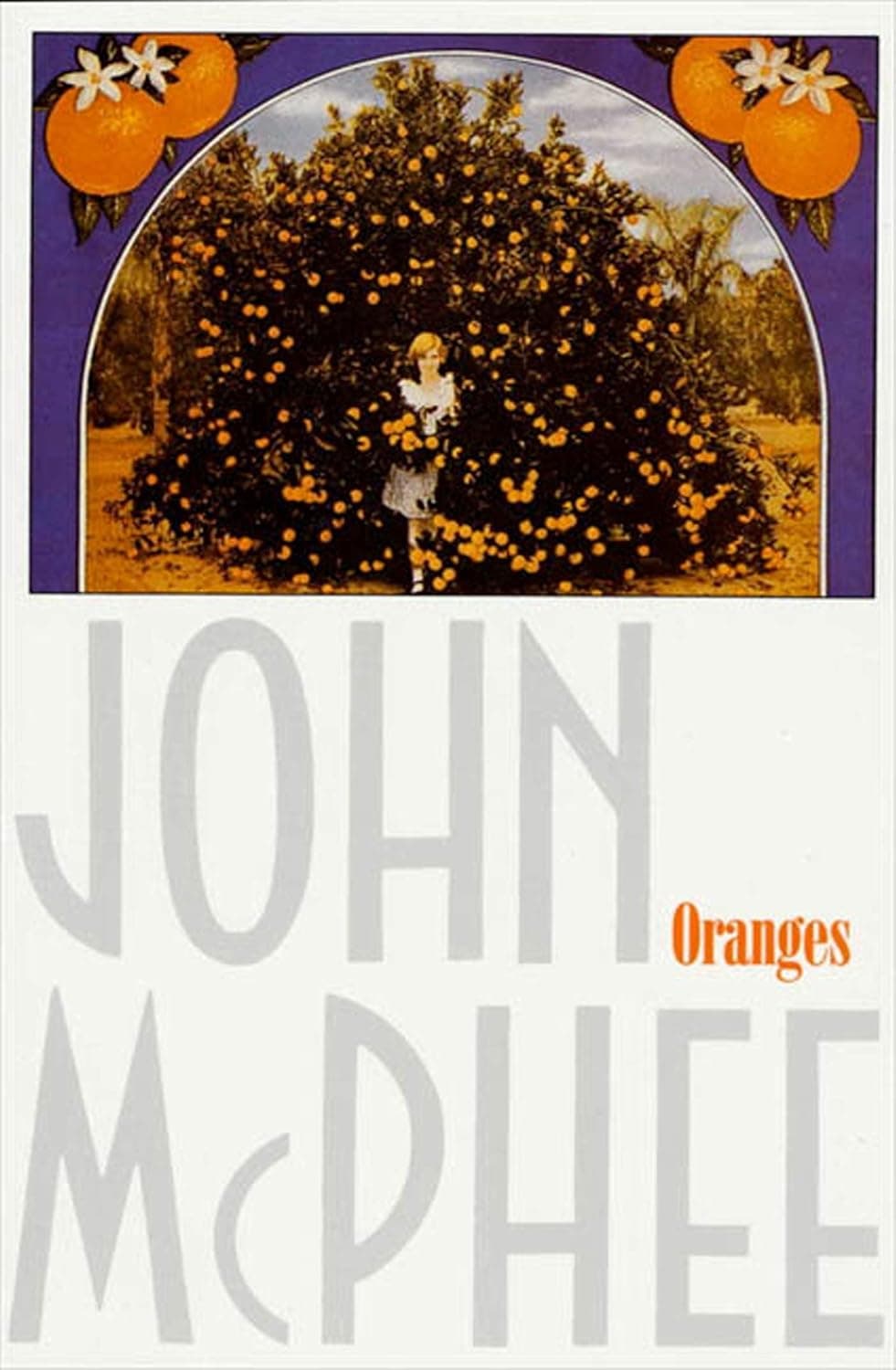
Curious why the juice from a Penn Station machine changed color through the winter, McPhee went to Florida. He came back with citrus botany, grove barons, and the entire industry of frozen concentrate.

Freetown, Virginia was founded by freed slaves, including Edna Lewis's grandfather, and her cookbook is that community's year: what the farm gave in each season and the meal it made.
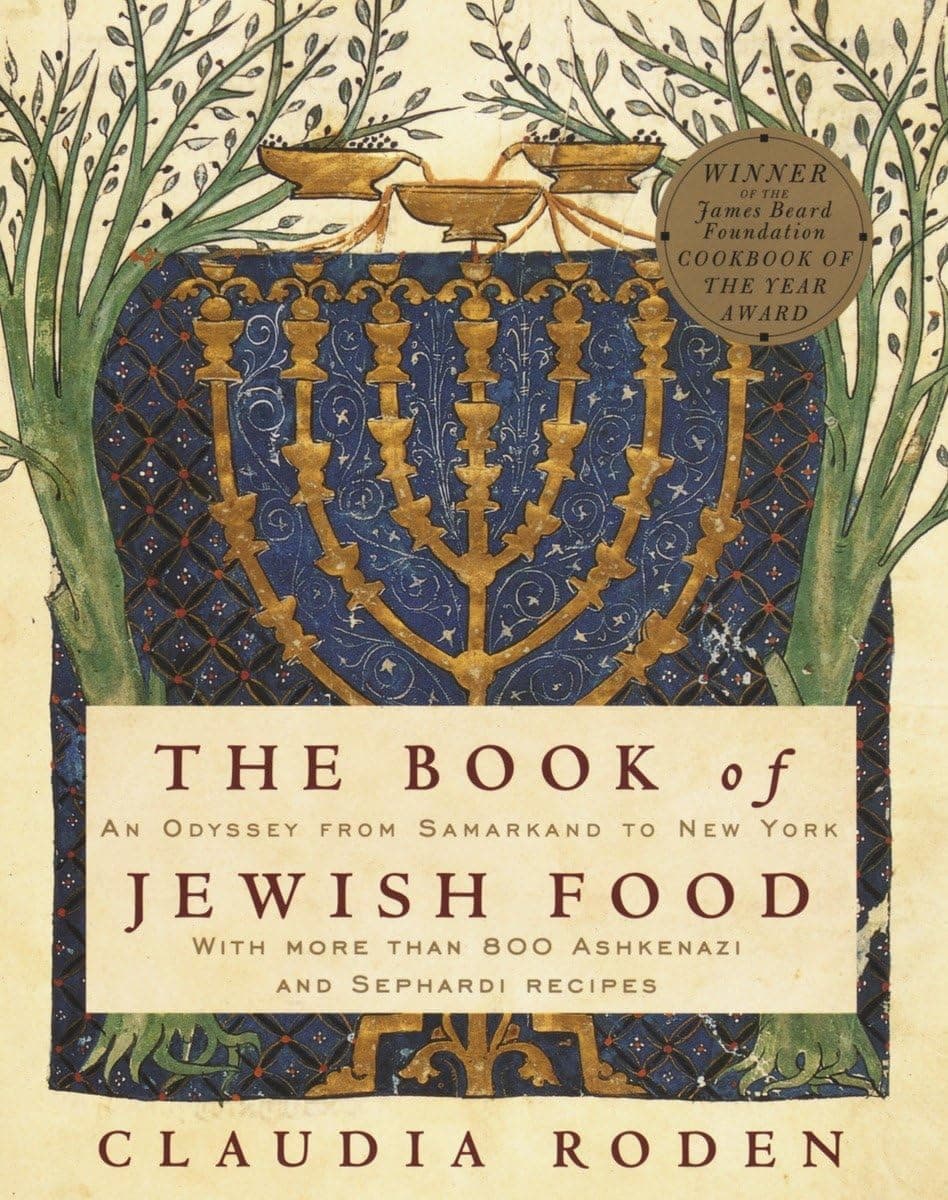
From Aleppo and Samarkand to Vilna and New York, Roden gathered eight hundred recipes and the histories that traveled with them. She was born into Cairo's Jewish community and expelled along with it.

A Berkeley merchant drives France cellar by cellar, buying from small growers and arguing that filtering a wine bright strips out what you want to drink. Lynch taught Americans to taste for place.