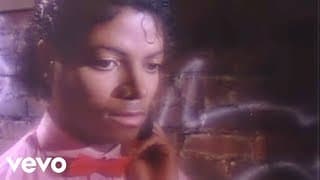
Billie Jean
1982 · From Thriller
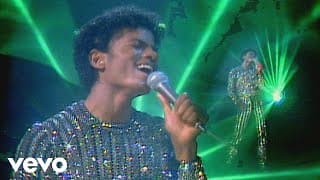
That bassline, mixed and remixed until it gleamed, and the four minutes that integrated MTV.
★ 9.8
 skopia
That bassline, mixed and remixed until it gleamed, and the four minutes that integrated MTV.
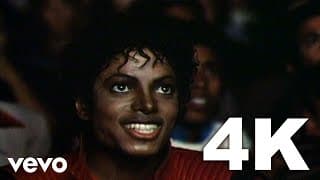
Vincent Price cackling over a disco-funk groove, and a fourteen-minute video that turned pop into event television.
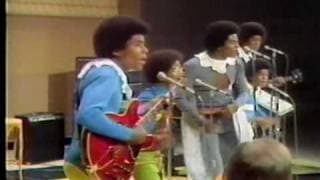
A child singing about regret over the springiest bassline Motown ever cut, and selling it completely.
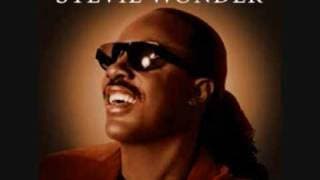
Wonder wrote that clavinet riff for Jeff Beck, heard it back, and sensibly kept it for himself.
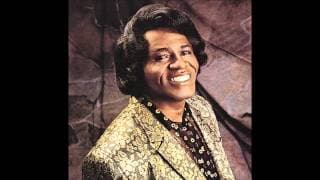
The record where the beat moved to the one and funk quietly began. James Brown never looked back.
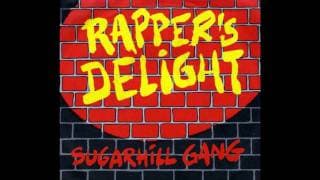
Big Bank Hank auditioned outside the pizzeria where he worked, rapping lines borrowed from Grandmaster Caz's notebook.
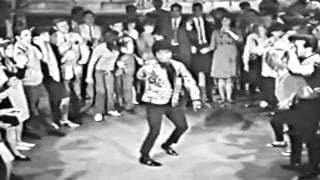
Brown recycled a flop he'd cut on Yvonne Fair, added Maceo Parker's alto, and landed his highest-charting single.
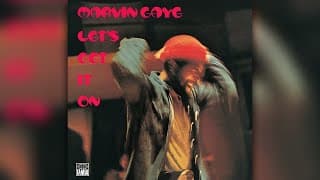
Ed Townsend conceived it as a spiritual; Gaye kept the backing track, rewrote the lyric, and Billboard number one followed.
Jackson wrote it himself and steered the session; a whisper, a water-bottle rattle, then Louis Johnson's bass takes over.
One of Brown's first dates with the new J.B.s, Bootsy Collins on bass at eighteen, Bobby Byrd answering every line.
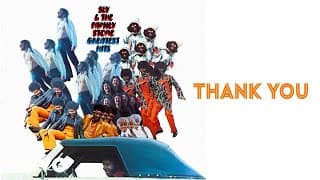
Larry Graham slapping and popping the bass line credited with inventing the technique, and a verse quoting their own hits.
Skip Pitts on wah-wah, Willie Hall riding sixteenths on hi-hat, and the first Academy Award won by a Black composer.
Written and taped in a three-hour burst, Wonder on clavinet and drums, the keyboard snarling through a Mu-Tron filter.
A rhythm box edited into a heartbeat, Billy Preston on Pianet, and three weeks at number one.
A band mixed in race and gender, four weeks at number one, and "different strokes for different folks" ever since.
Bootsy Collins on bass, Fred Wesley and Maceo Parker newly arrived from James Brown, and Parliament's first gold single.
Brown cut it in Los Angeles with thirty-odd young people from Watts and Compton shouting the answer back.
Wonder built it for Ellington after his death in 1974, then handed the melody to horns playing in unison.
Rod Temperton offered it to Karen Carpenter first; Quincy Jones and Jackson took it to number one.