
Billie Jean
1982 · From Thriller
That bassline, mixed and remixed until it gleamed, and the four minutes that integrated MTV.
★ 9.8
 skopia
That bassline, mixed and remixed until it gleamed, and the four minutes that integrated MTV.
Cooke wrote it after a motel turned him away, and sang it like a hymn he already knew by heart.

That four-note bassline, a gospel hymn turned into a promise, and one of the warmest vocals ever recorded.
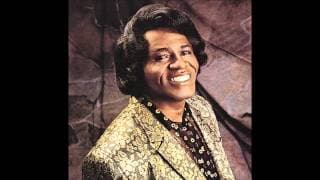
The record where the beat moved to the one and funk quietly began. James Brown never looked back.
Smokey Robinson wrote it for his wife Claudette, then handed David Ruffin his first Temptations lead vocal.
Twelve minutes left at a Pennsylvania dance, so Charles improvised it on his Wurlitzer and many stations banned it.
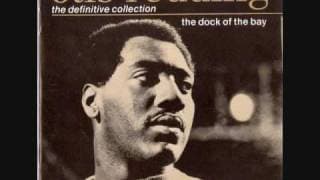
Redding cut the vocal three days before the plane crash, and Cropper finished it into the first posthumous American number one.

Rich Harrison looped a Chi-Lites horn fanfare; Jay-Z turned up at three in the morning and improvised his verse.
Spector printed 3:05 on the label of a 3:45 record, and it became the century's most-played song on American radio.

Beyonce found Bob Fosse's Mexican Breakfast on YouTube; three Grammys and a decade of wedding receptions followed.
Gaye co-wrote it and cut an early version; Reeves heard block parties in it and needed two takes.
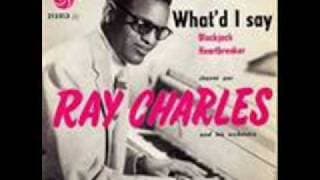
Charles took a gospel record he heard on tour, swapped the subject, and cut soul music's blueprint in Atlanta.
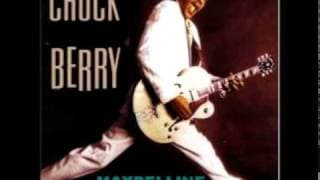
Ida Red, a 1938 Bob Wills fiddle tune, turned into a car chase, with Johnnie Johnson's piano running underneath.

Willis wanted real words instead of ba-dee-ya; White refused, and the groove outlived any lyric she could have written.
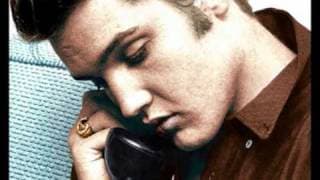
Blackwell gave Presley half the writing credit; the Jordanaires hum behind a vocal so relaxed it barely seems to try.
Parton wrote it to leave Porter Wagoner; Houston opened a cappella and held the Hot 100 for fourteen weeks.
King wrote the melody and the string arrangement, and a girl group topped the Hot 100 for the first time.
Sledge gave the writing credits away to two bandmates, and Atlantic pressed the take with the out-of-tune horns.

Ronson cut it at Daptone with the Dap-Kings, sixties girl-group machinery rebuilt around a voice in ruins.
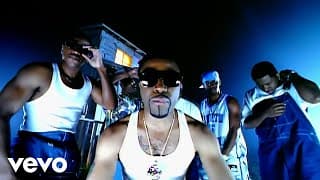
Teddy Riley sang lead because none of his group liked it, then it ended Macarena's fourteen weeks on top.