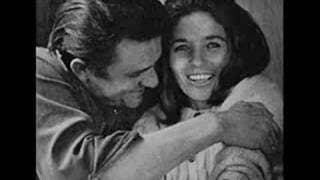
I Walk the Line
1956 · From Johnny Cash with His Hot and Blue Guitar
Cash slipped paper under his guitar strings for that snare tick, and hums to find each new key.
★ 8.8
 skopia
Cash slipped paper under his guitar strings for that snare tick, and hums to find each new key.
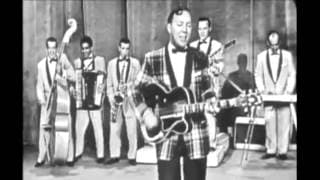
Cut in leftover studio minutes with Sammy Davis Jr. waiting outside, it flopped until Blackboard Jungle put it under the credits.
Presley started clowning through an Arthur Crudup blues on a break; Sam Phillips heard it and rolled tape.
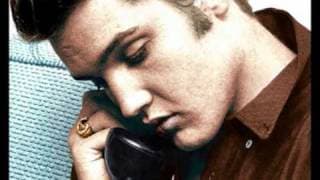
Blackwell gave Presley half the writing credit; the Jordanaires hum behind a vocal so relaxed it barely seems to try.
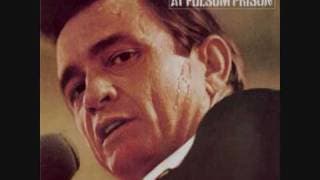
A prison film in Germany gave Cash the song; he borrowed the melody from Gordon Jenkins and later paid up.
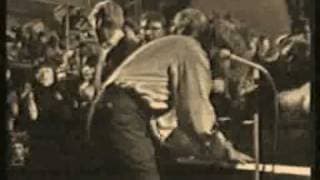
One microphone, Roland Janes muted behind the boogie piano, and a July 1957 television debut that turned it national.
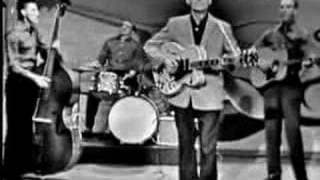
Cash suggested the phrase, Phillips talked him into changing one word, and Sun got its first million seller.
Lewis argued theology with Sam Phillips between takes at Sun, decided the devil could wait, and cut it anyway.
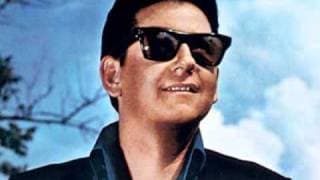
Orbison meant it for Elvis; the Everly Brothers told him to keep it, and Nashville's A-Team built the ache.
Cochran overdubbed his own bass voice for the boss and the senator, Earl Palmer drumming behind the great teenage complaint.
Felice and Boudleaux Bryant's plot is an alibi, Boston banned it as suggestive, and it still topped the pop chart.
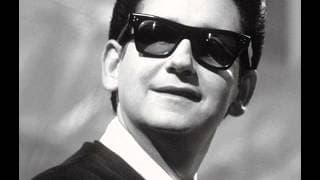
Seven sections in under three minutes, no chorus repeated, and a melody Orbison said arrived while half asleep.
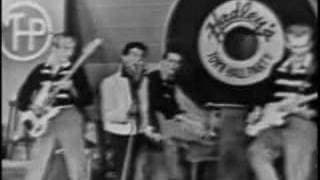
Cut in Nashville as a B-side, flipped by radio, and Cliff Gallup's guitar breaks took it to number seven.
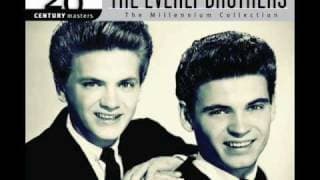
Some thirty acts turned the Bryants' song down; Don Everly's intro, written for something else, took it to number two.
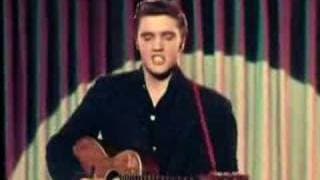
Scotty Moore and Bill Black behind him in New York, and Presley made RCA hold the single for Perkins.
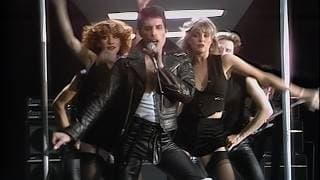
Ten minutes after a Munich bath, a borrowed Fender not the Red Special, and Queen's first American number one.
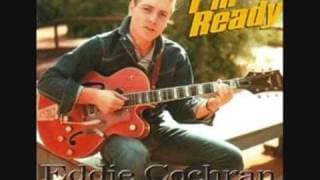
Earl Palmer on drums, Guybo Smith on bass, a B-side flipped into a number six hit in Britain.
Flipside of Blue Suede Shoes, cut at Sun with both Perkins brothers, and later Ringo's turn on Beatles for Sale.