
Like a Rolling Stone
1965 · From Highway 61 Revisited
A snare crack, a sneer, and Kooper's uninvited organ swirling through the song that split rock open.
★ 10.0
 skopia
A snare crack, a sneer, and Kooper's uninvited organ swirling through the song that split rock open.
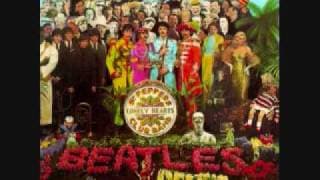
Two unfinished songs bolted together, an orchestra climbing to nothing, and the last piano chord in pop.
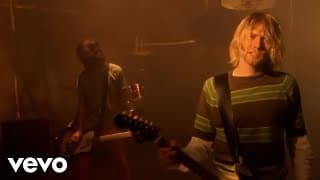
Four chords, a mumble nobody could decipher, and the riff that ended one decade of rock and started another.
Keith dreamt the fuzz riff, taped it half-asleep, and woke up holding the sound of teenage frustration.
Chuck Berry's intro lick is rock's opening statement, a country boy's origin myth now drifting past the solar system.
Two takes in different keys and tempos spliced into one, a Mellotron haze over Lennon's Liverpool childhood.
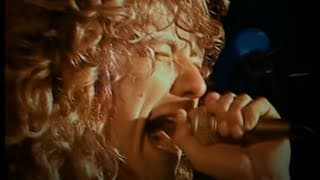
Page's riff, Plant's howl, and a theremin freakout in the middle that still sounds like the roof coming off.
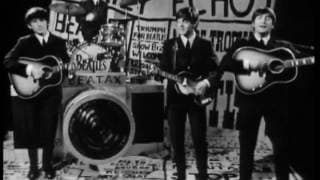
Handclaps, that leaping chord under "I can't hide," and five weeks later America belonged to them.
Elvis's first RCA single, all cavernous echo and empty rooms, the loneliest number one ever cut.
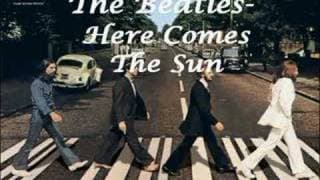
Harrison wrote it in Clapton's garden while skipping a business meeting, and it sounds exactly like that relief.
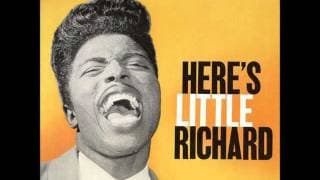
A nonsense holler cleaned up just enough to press, and the moment rock and roll stopped asking permission.
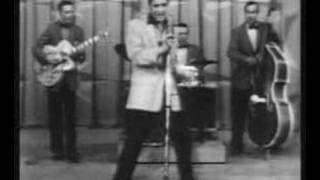
Leiber and Stoller wrote it for Big Mama Thornton; Elvis took it, sped it up, and set it on fire.
Seven minutes, four of them just na-na-na, and somehow nobody has ever wanted it to end sooner.
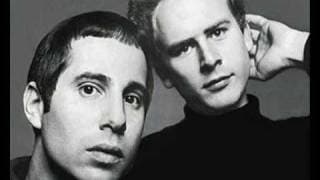
Garfunkel's voice climbing a gospel staircase, the last verse arriving like the cavalry.
Merry Clayton's voice cracking on "murder" is the sound of the sixties ending, mid-take, in one syllable.
Months of wall-of-sound overdubs poured into one getaway car, and every word still sounds like escape.
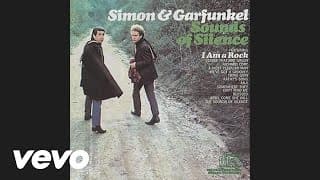
A folk flop until a producer secretly overdubbed electric guitars, and the duo heard their number one on the radio.
Eight minutes that climb from recorders to Page's solo, never released as a single and never needing to be.
Van Halen dropped in, played the solo for free, and Jackson made rock and pop the same building.
Hendrix took Dylan's parable and lit it, and Dylan has played it Hendrix's way ever since.