
Like a Rolling Stone
1965 · From Highway 61 Revisited
A snare crack, a sneer, and Kooper's uninvited organ swirling through the song that split rock open.
★ 10.0
 skopia
A snare crack, a sneer, and Kooper's uninvited organ swirling through the song that split rock open.
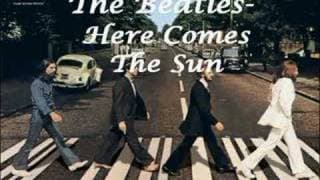
Harrison wrote it in Clapton's garden while skipping a business meeting, and it sounds exactly like that relief.
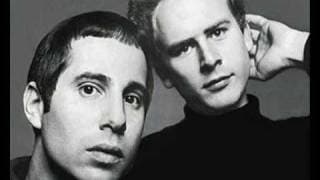
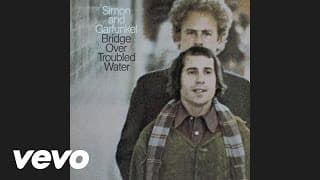
Garfunkel's voice climbing a gospel staircase, the last verse arriving like the cavalry.
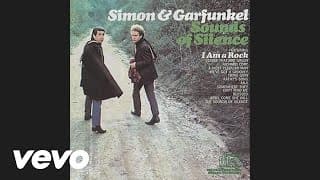
A folk flop until a producer secretly overdubbed electric guitars, and the duo heard their number one on the radio.
Eight minutes that climb from recorders to Page's solo, never released as a single and never needing to be.
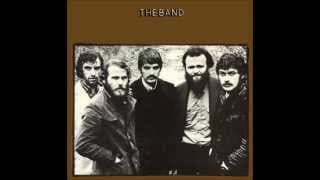
Robertson saw Nazareth stamped inside his 1951 Martin, and Helm sang the burden every verse hands over.
A single voice and acoustic guitar close Uprising, with a line lifted from Marcus Garvey and Marley already ill.
Hilton Valentine's arpeggio, one take at De Lane Lea, and four and a half minutes when singles ran two.
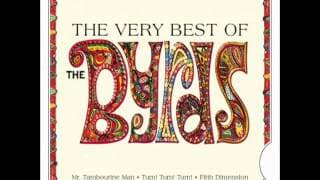
Session men cut the track and McGuinn's twelve-string Rickenbacker rang over one Dylan verse; folk rock started there.
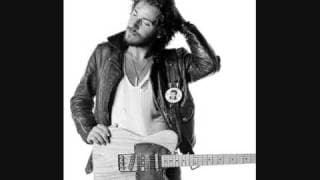
Bittan's piano, a harmonica, and a screen door slamming; Springsteen lifted the title from a Robert Mitchum film poster.
Dylan recut it in Minneapolis with his brother producing, then spent decades rewriting a story already told out of order.
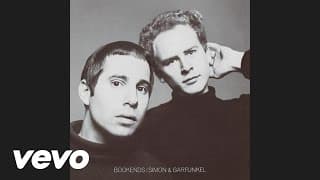
Simon had it as Mrs. Roosevelt with nonsense syllables for a verse, and it won Record of the Year.
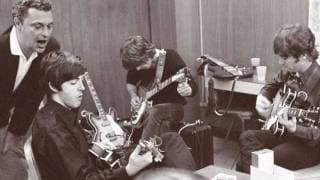
Harrison's sitar, widely reckoned the first on a rock record, and Lennon smuggling an affair past everyone.
Stills wrote it about the Sunset Strip curfew riots, not Vietnam, and Young's harmonics ring like a warning bell.
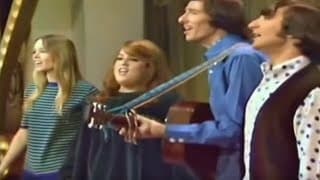
The Phillipses wrote it homesick in a New York winter, and Doherty sang over Barry McGuire's existing backing track.
Aspen in 1974, Nicks weighing whether to quit music, and Buckingham Travis-picking a Martin D-18 underneath.
Cut at Muscle Shoals in December 1969, with Jim Dickinson on tack piano after Ian Stewart refused the minor chords.
A back injury kept Young seated with an acoustic guitar; Taylor and Ronstadt were in Nashville and sang behind him.
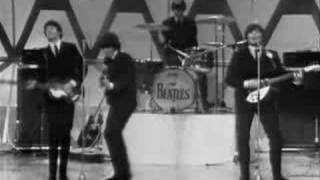
Twelve takes in April 1965, McCartney's counter-melody chasing the lead, and Lennon insisting years later the plea was real.
Over a hundred hours of work, and that cannon-shot snare is Hal Blaine playing beside a Columbia elevator shaft.