That's Alright MamaElvis Presley
That's Alright Mama
1954 · From The Sun Sessions
Presley started clowning through an Arthur Crudup blues on a break; Sam Phillips heard it and rolled tape.
★ 8.6
 skopia
Presley started clowning through an Arthur Crudup blues on a break; Sam Phillips heard it and rolled tape.
Cut at Muscle Shoals in December 1969, with Jim Dickinson on tack piano after Ian Stewart refused the minor chords.
A back injury kept Young seated with an acoustic guitar; Taylor and Ronstadt were in Nashville and sang behind him.
Browne could not finish the second verse, Frey did, and Leadon's double-time banjo drives the Eagles' debut single.

Joplin taped the vocal days before her death; Kristofferson did not hear it until the day after.
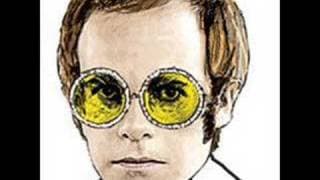
Taupin wrote it about Maxine Feibelman, the seamstress who toured with the band, and Almost Famous made it a singalong.
Written in Topanga during a 103-degree fever, double drop D tuning, and a solo that stays on one note.
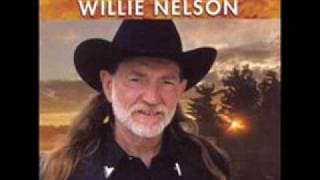
An airsickness bag, a film producer's request, and a single cut live at a club over two Austin nights.
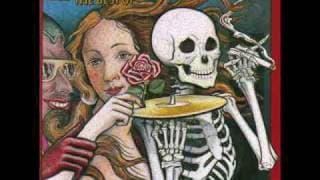
Hunter's lyric folds in a 1970 New Orleans bust, and the Library of Congress declared the record a national treasure.
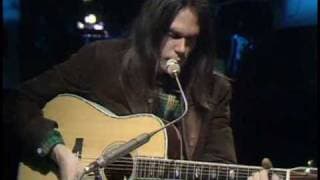
James Taylor picked up a six-string banjo he had never played, Ronstadt harmonised, and Young's ranch caretaker got a song.
Betts wrote and sang it, borrowing Hank Williams' title; Oakley's bass line was among his last recordings.
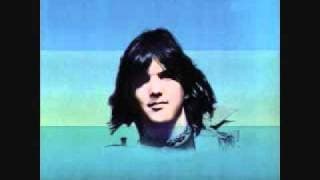
A Boston fan's poem, reworked by Parsons, Emmylou Harris on harmony, and an album out four months after his death.
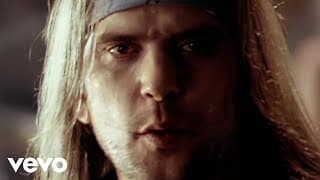
Three generations of moonshine, Vietnam and the drug trade, named an official Tennessee state song in 2023.
Norbert Putnam moved the sessions to Miami for the beachfront air, and Buffett turned one ruined afternoon into the chorus.
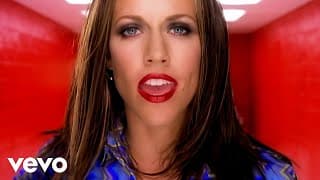
Jeff Trott's hook arrived first, the country arrangement went out, and Crow won a Grammy singing her own backlash.
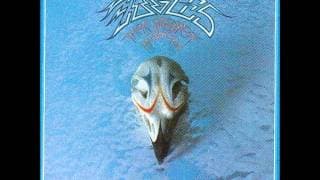
Tempchin wrote it on a poster back while sleeping on a club floor; Leadon's B-bender guitar does the rest.
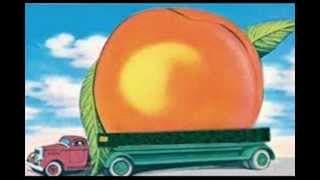
Duane heard Betts's song, told him to sing it himself, and traded solos on one of his last sessions.
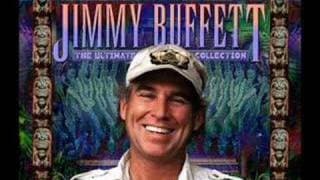
Buffett was twenty-seven when he wrote it, about a Chart Room regular in Key West and a life at sea.

Crow's label blocked the radio rights, so Allison Moorer re-cut the female vocal; it still became Kid Rock's biggest hit.
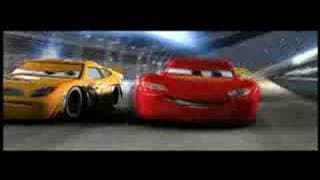
Written after Cochrane's famine-relief trip to Africa, and reborn as a Pixar road anthem by Rascal Flatts.