Dreams (Fleetwood Mac)Fleetwood Mac
Dreams (Fleetwood Mac)
1977 · From Rumours
Nicks wrote it in a black velvet studio room at Sausalito's Record Plant; it remains the band's only US number one.
★ 8.9
 skopia
Nicks wrote it in a black velvet studio room at Sausalito's Record Plant; it remains the band's only US number one.
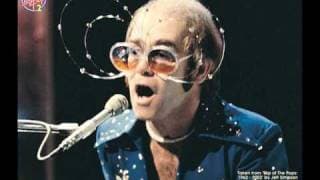
Taupin borrowed the title from a Pearls Before Swine song, and Hentschel's ARP put the loneliness in orbit.
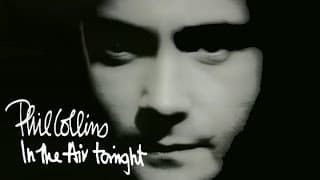
Padgham's talkback-microphone accident on Peter Gabriel's third album, a Roland CR-78 pattern, and pop's most anticipated drum entrance.
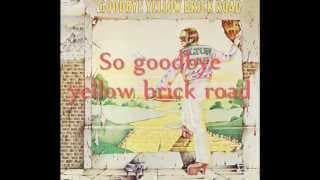
Sessions collapsed in Kingston, so the band regrouped at a French chateau and Taupin traded Oz for a Lincolnshire farm.
A novel called Triad set Nicks going; years later she learned she had described a Welsh goddess exactly.
Ulvaeus wrote it in an hour over whisky; the video came ten days after his divorce from Fältskog was final.
Written at seventeen on a bus, scrapped at Muscle Shoals, saved by Steve Gregory's saxophone in one breath.
Taupin wrote it about Maxine Feibelman, the seamstress who toured with the band, and Almost Famous made it a singalong.
Five years in Scholz's basement, a hundred-dollar Yamaha twelve-string on the intro, and Delp stacking harmonies over the top.
Campbell built the track on a LinnDrum, Petty passed, and Henley wrote middle age onto somebody else's demo.
Nearly seven minutes, Rory Dodd's voice answering Tyler on the refrain, and Steinman's vampire love song became number one.
Gus Dudgeon overdubbed crowd noise from old concerts, and the fake live track topped the Hot 100.
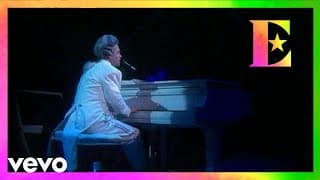
Taupin lifted the phrase from a Janis Joplin tribute and pointed it at Marilyn Monroe; the chorus does the mourning.
Cut at American Sound in Memphis with Charles Calello's horns, and every Fenway eighth inning has belonged to it since 2002.
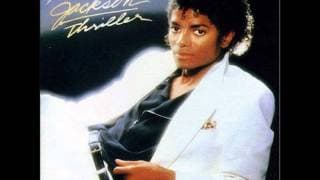
Steve Porcaro's demo reached Quincy Jones only because a cassette auto-reversed, and it took Carousel's place on Thriller.
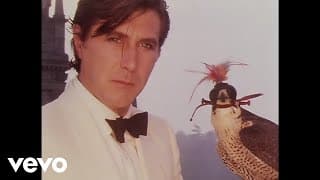
A swan song by Ferry's own account, with a wordless vocal from Yanick Etienne, found in the next studio.
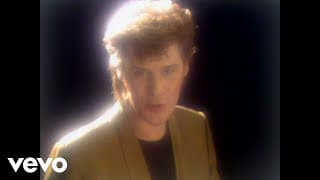
Hall started with a Roland preset and a Korg bass line, the one Jackson borrowed for Billie Jean.

By Hetfield's account the open-string intro came one-handed during a phone call, and Kamen's strings did the rest.
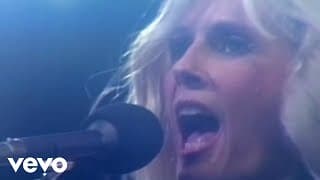
A DeShannon album track from 1975 until Bill Cuomo's Prophet-5 riff arrived; nine non-consecutive weeks at number one followed.
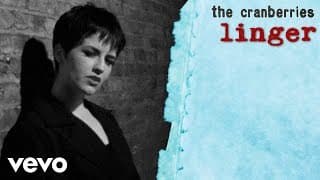
Stephen Street produced it, the Duke Quartet supplied the strings, and O'Riordan wrote the melody at her audition.