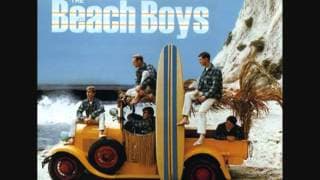
Good Vibrations
1966 · From Smiley Smile
Brian Wilson's pocket symphony, months and a fortune spent chasing one shimmering theremin line into the sunlight.
★ 9.8
 skopia
Brian Wilson's pocket symphony, months and a fortune spent chasing one shimmering theremin line into the sunlight.
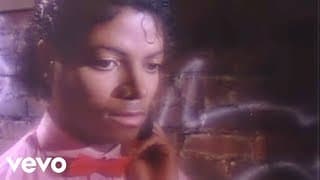
That bassline, mixed and remixed until it gleamed, and the four minutes that integrated MTV.
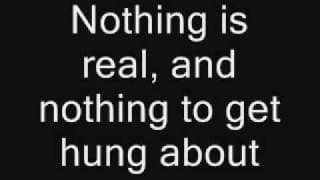
Two takes in different keys and tempos spliced into one, a Mellotron haze over Lennon's Liverpool childhood.
It opens by admitting doubt and spends the next two minutes refuting it; McCartney still calls it the greatest.
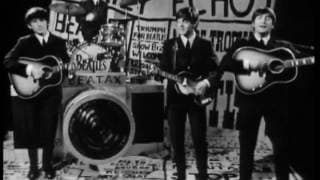
Handclaps, that leaping chord under "I can't hide," and five weeks later America belonged to them.
Seven minutes, four of them just na-na-na, and somehow nobody has ever wanted it to end sooner.

McCartney dreamt the melody, called it "Scrambled Eggs" for weeks, then let a string quartet make it immortal.

Hal Blaine's four-beat drum intro is the most imitated in pop, and Ronnie Spector owns everything after it.
Moroder's pulsing synth track, Summer floating above it, and the record Eno reportedly called the sound of the future.
Dolly pleading with her rival rather than fighting her, written the same day as "I Will Always Love You."
Vincent Price cackling over a disco-funk groove, and a fourteen-minute video that turned pop into event television.
A child singing about regret over the springiest bassline Motown ever cut, and selling it completely.
Seventeen and gliding across the floor, the rare disco record that sounds like joy and ache at once.

MGM cut it from the film twice until Arthur Freed threatened to quit; Garland was sixteen.
Lennon's first draft listed bus stops in Liverpool; Martin's piano solo, taped at half speed, sounds baroque.
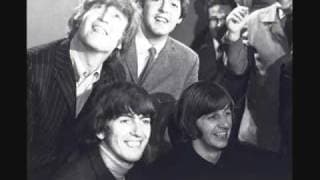
No Beatle plays an instrument on it; George Martin's string octet does everything, sawing away at two solitary lives.
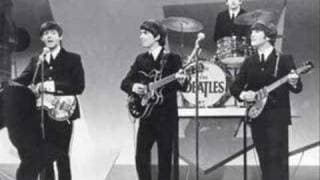
McCartney dreamed of his mother Mary telling him it would be all right; Harrison cut two different solos.

The title flips Captain and Tennille into its opposite, and the single arrived a month after Curtis's death.
Willie Nelson wrote it; Cline, back after a car wreck bruised her ribs, nailed the vocal in one take.