JoleneDolly Parton
Jolene
1973 · From Jolene
Dolly pleading with her rival rather than fighting her, written the same day as "I Will Always Love You."
★ 9.3
 skopia
Dolly pleading with her rival rather than fighting her, written the same day as "I Will Always Love You."

Parton played the typewriter part on her acrylic fingernails, credited on the album, then took it to number one.

Swift wrote it in twenty minutes on her bedroom floor, gave Romeo and Juliet a happy ending, banjo included.
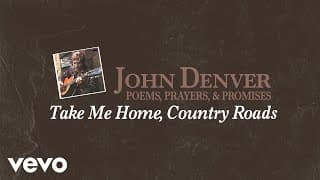
Danoff and Nivert finished it with Denver one December night, and they premiered it hours later at the Cellar Door.
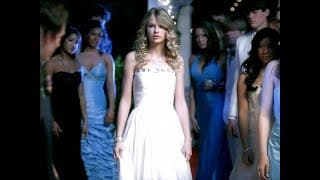
Banjo, fiddle and mandolin under a scene Swift wrote after overhearing a touring musician's phone call with his girlfriend.

Bruce Hornsby's piano behind a vocal Raitt cut in one take, then refused to try again.
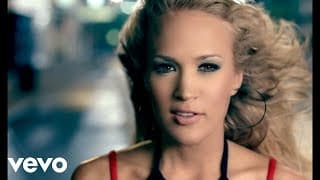
Tompkins and Kear wrote it hoping Gretchen Wilson would cut it; Underwood's version stayed sixty-four weeks on the Hot 100.

Twain and Lange built it on three men who fall short, and that hooded leopard print did the rest.

Written as a reply to everyone who doubted her marriage to Mutt Lange, and it won two country Grammys.

Four writers, one late-night phone call, and a chorus that took Record and Song of the Year at the Grammys.

Nathan Chapman's production stays hushed while Swift and Liz Rose leave the real classmate's name, Drew, in the lyric.

Sanders and Sillers wrote it in 1999; five weeks at country number one, and every graduation since has borrowed it.

A leak forced its release nearly two weeks early, and Swift's lead Speak Now single still debuted at number three.
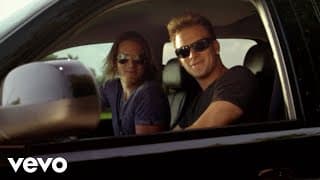
Twenty-four weeks atop the country chart, a Nelly remix, and the first country single ever certified diamond.
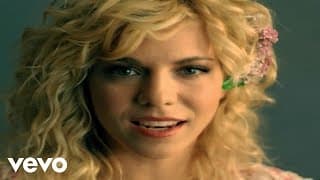
Kimberly Perry wrote it alone, and banjo, fiddle and mandolin carry her meditation on mortality across fifty-three Hot 100 weeks.
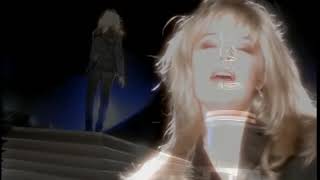
Diane Warren wrote it for Con Air, the studio thought Rimes too pop, and her version charted 69 weeks.
Six weeks atop country radio and Billboard's top single of 2000, all built on a hushed opening verse.

Chapman, Lerner and Roboff built the hook; Hill cut it at Ocean Way and rode it to number seven.
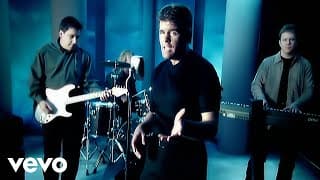
Mayo and Lindsey wrote it while falling for each other, and eight weeks at country number one followed.

Twain got the idea at a soccer match in Italy; Bryan White sang the original duet version.