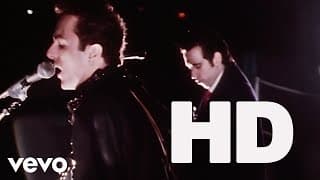
London Calling
1979 · From London Calling
Strummer borrowing the BBC's wartime call sign to announce the end of the world, and sounding thrilled about it.
★ 9.2
 skopia
Strummer borrowing the BBC's wartime call sign to announce the end of the world, and sounding thrilled about it.

The title flips Captain and Tennille into its opposite, and the single arrived a month after Curtis's death.
Marr's shudder came from four Fender Twins with their tremolos fighting, and Morrissey put a lonely man in a nightclub.

Mullen's marching snare was cut at the foot of a Windmill Lane stairwell, and Bono insisted it was no rebel song.

Ten minutes captured in one take; Ficca thought it was a rehearsal and Verlaine refused Andy Johns another go.
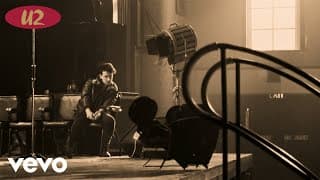
The Edge's chords came out of a soundcheck in Japan; Bono fixed the third verse's timeline on record only in 2023.
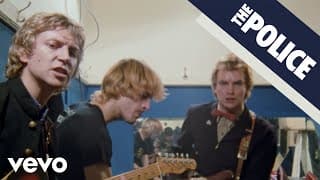
Summers' arpeggiated riff, Sting's castaway pleading over it, and the first of the Police's five UK number ones.

A bass line Clayton stumbled on while decoding Visage's Fade to Grey, then Bono aimed the words at Poland's Solidarity.
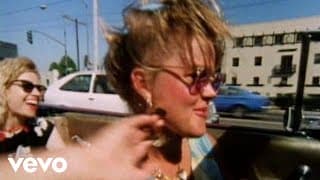
Written by post after Wiedlin and Hall's 1980 tour romance, and it still sounds like a secret being kept.

Steve Stevens' guitar cutting through Keith Forsey's production, and Idol sneering his way through somebody else's wedding.

Battery Studios, London: the echoing riffs were written for a guitarist who had just joined, and they still sound airborne.

Verlaine hired Andy Johns off Goats Head Soup, cut the two guitars to separate channels, and punk got counterpoint.

Producer Hugh Jones talked Grey out of shouting, and the nuclear-apocalypse lyric arrives as the warmest chorus of 1982.