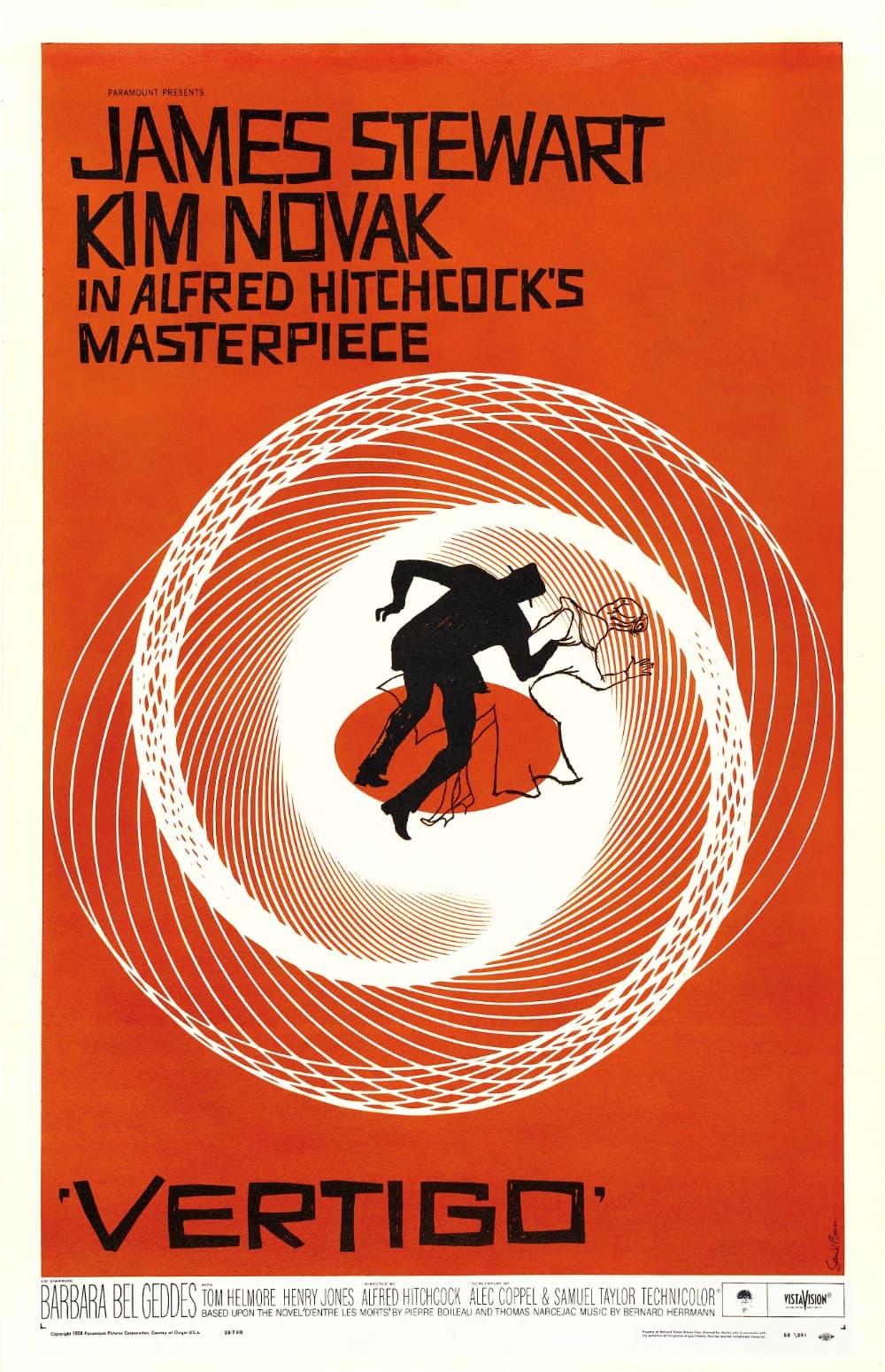
Vertigo
Directed by Alfred Hitchcock
1958
Nobody has ever made obsession look this beautiful or this sick: a man falls for an image instead of a person, and Hitchcock follows him past every point it should stop.
★ 9.9
 skopia
Nobody has ever made obsession look this beautiful or this sick: a man falls for an image instead of a person, and Hitchcock follows him past every point it should stop.
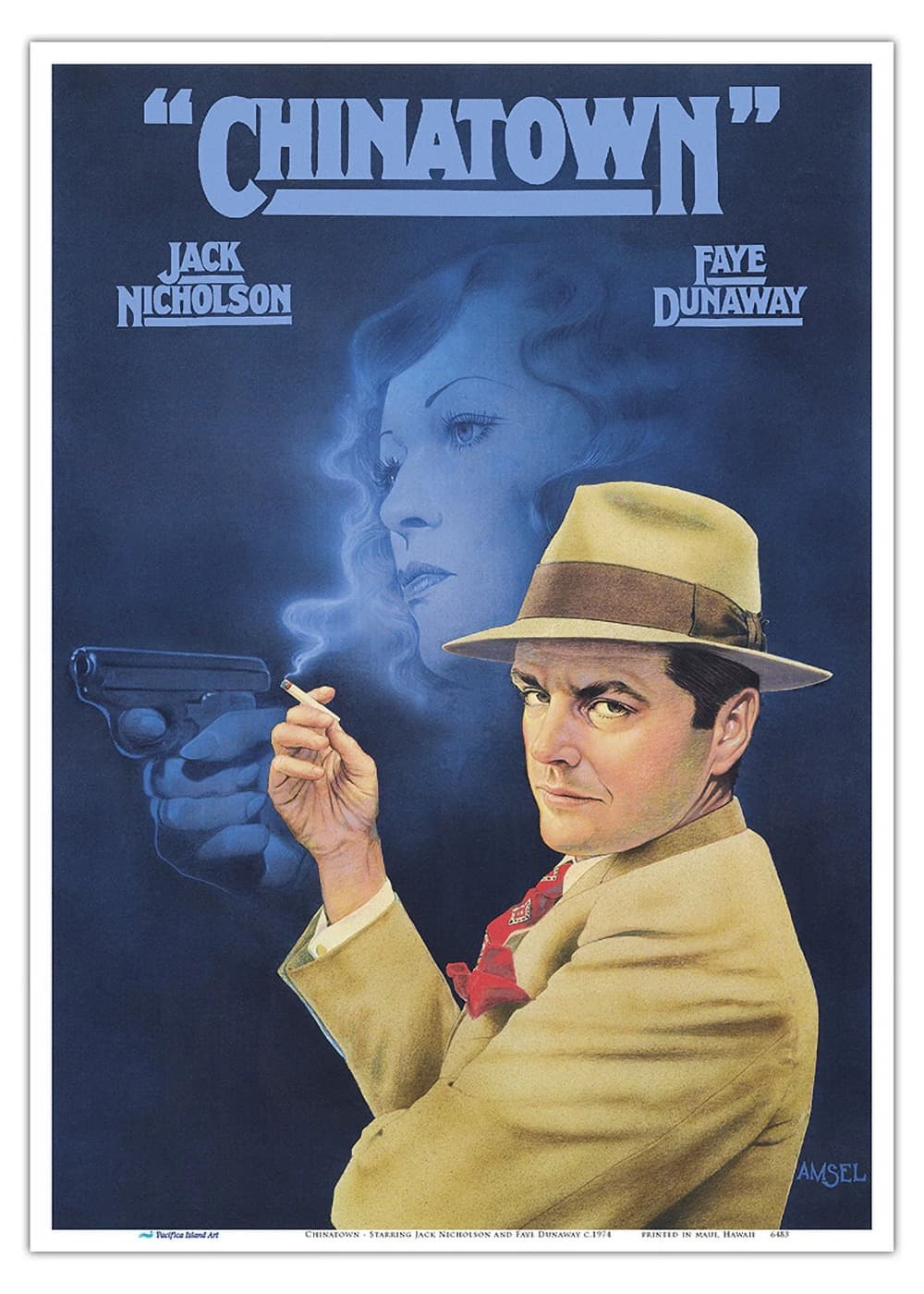
Screenwriters still take this one apart scene by scene to see how it works: Towne and Polanski built a mystery about stolen water that ends without a shred of mercy.
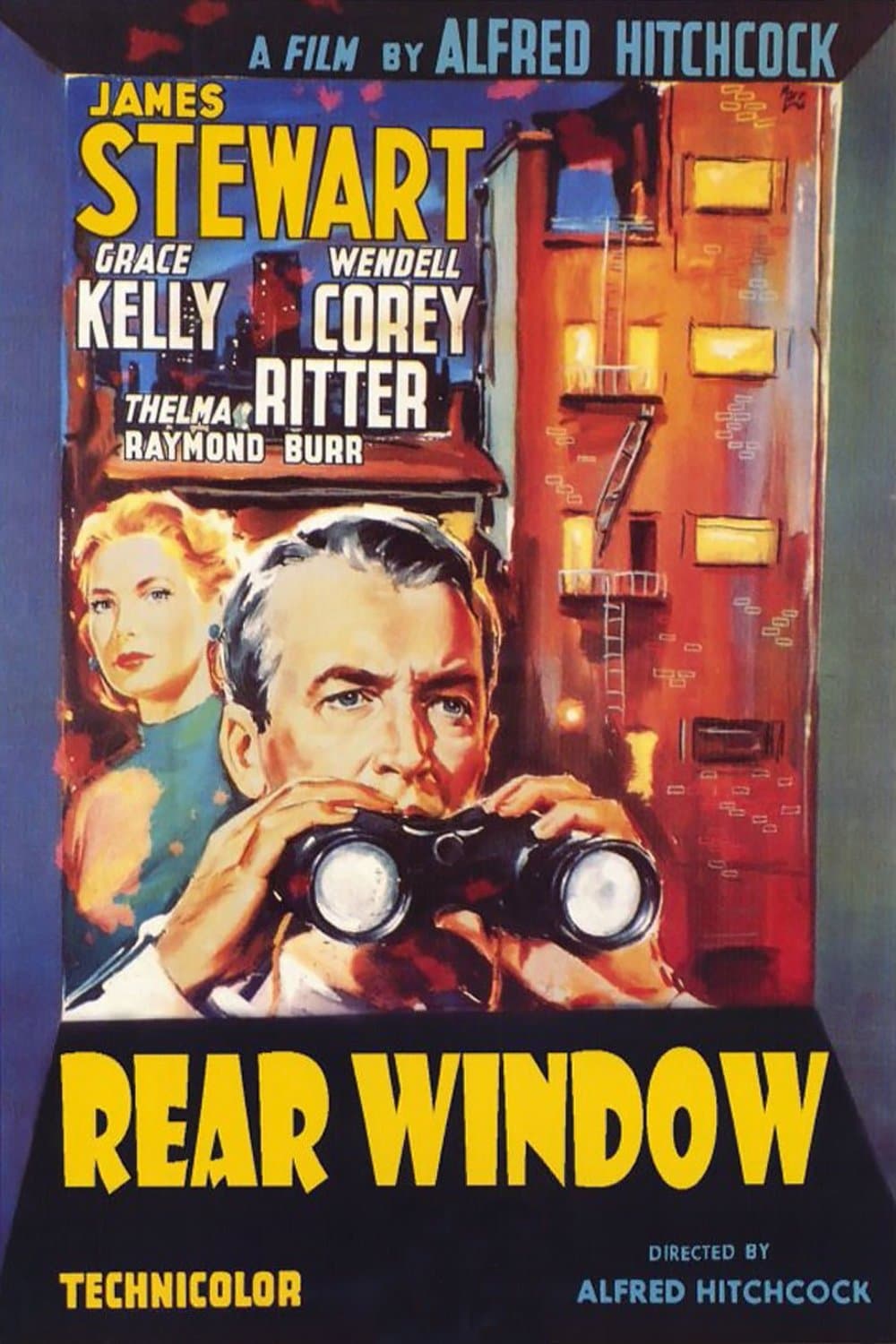
Suspense has never been constructed more purely, and the real subject is the audience: Hitchcock traps you in one room with a man who cannot stop watching his neighbors.
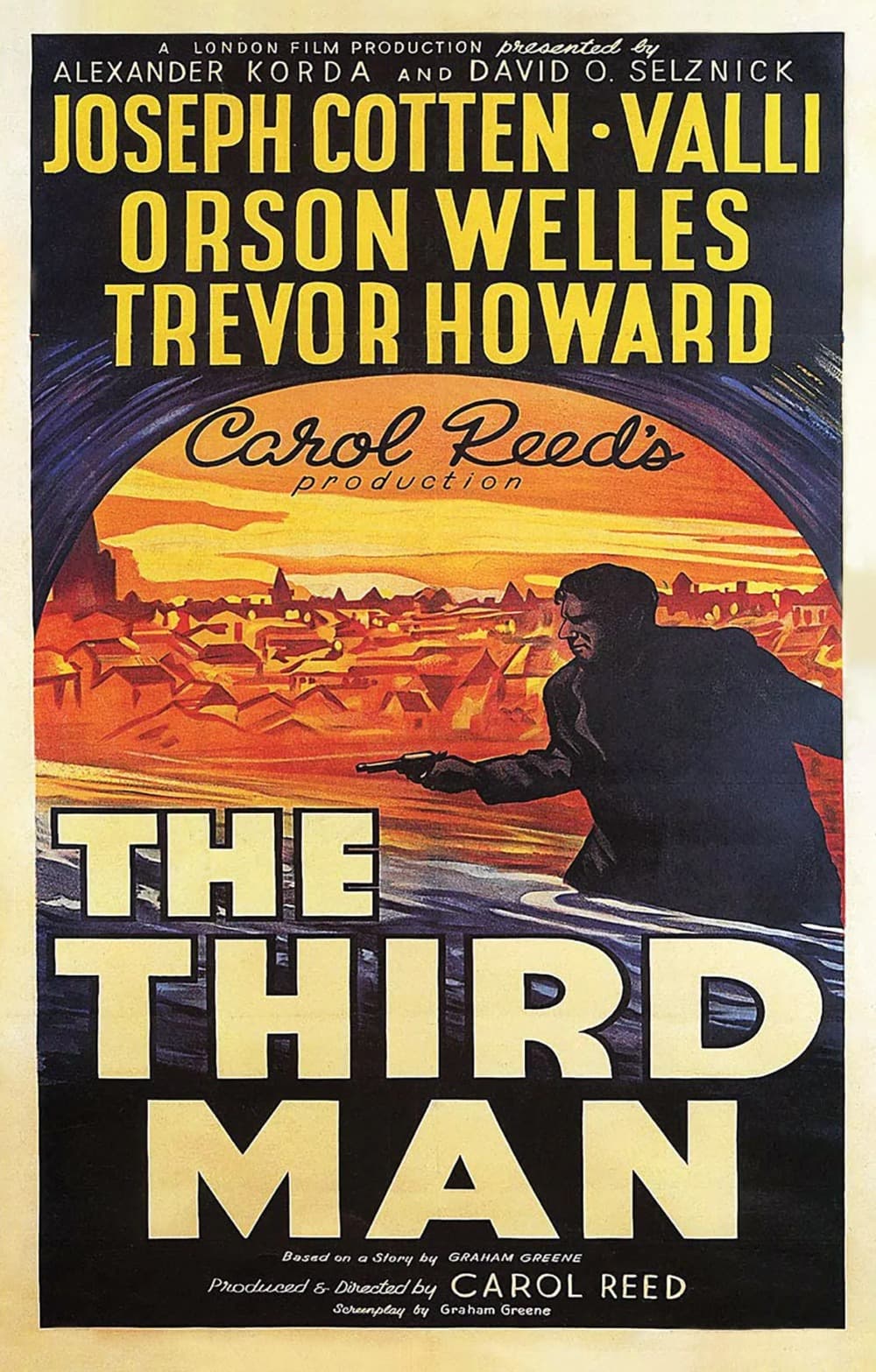
Britain has never made a better one, and nothing else sounds like it: a ruined postwar Vienna, and a zither score by a musician Reed first heard playing for the crew.
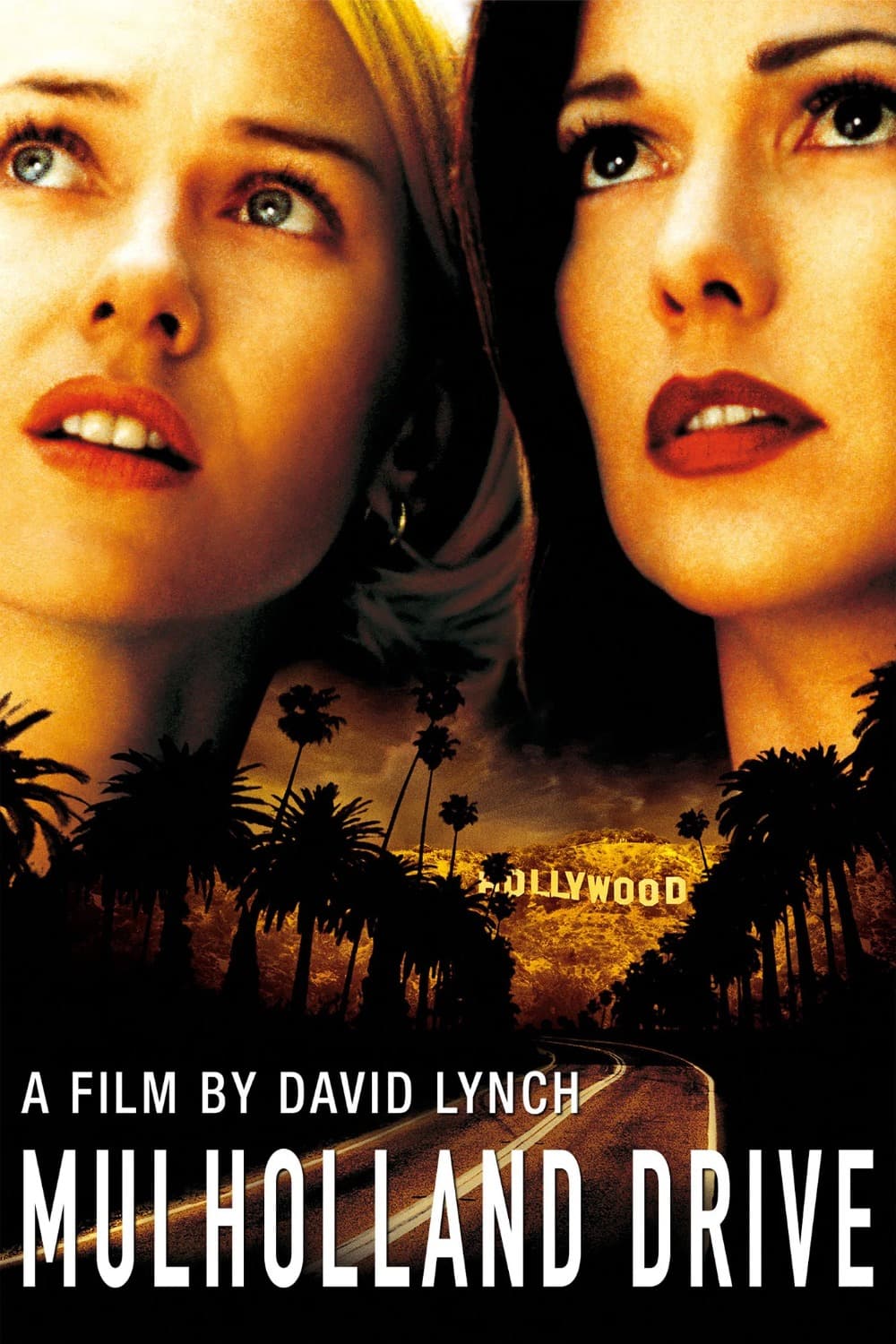
Lynch built a Hollywood that runs entirely on dream logic and trusted the audience to assemble it: the whole thing feels like a half-remembered dream, and people keep returning.
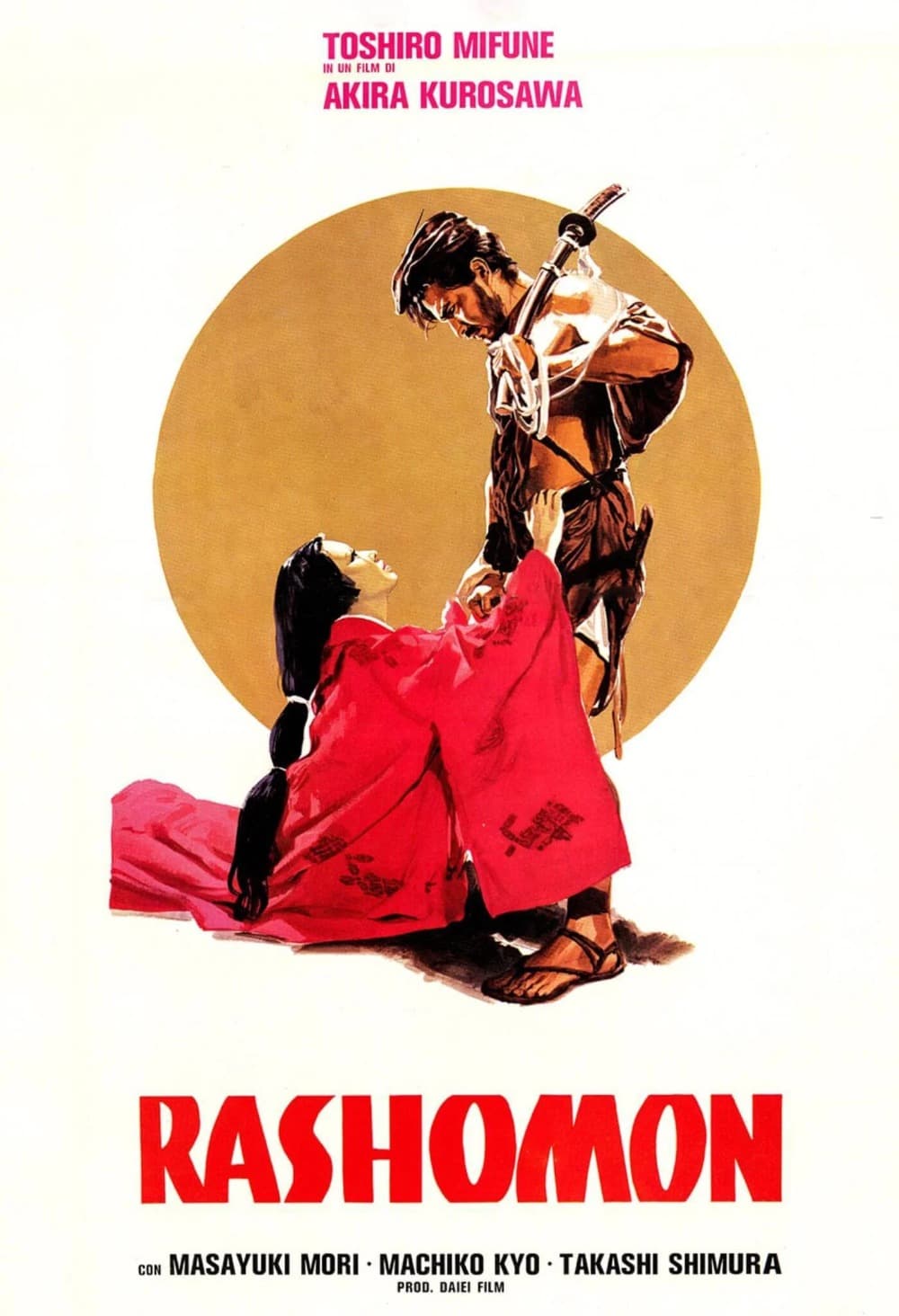
Kurosawa gave the language a word for irreconcilable testimony and opened Japanese cinema to the world: four accounts of one killing, none of which can be squared with another.
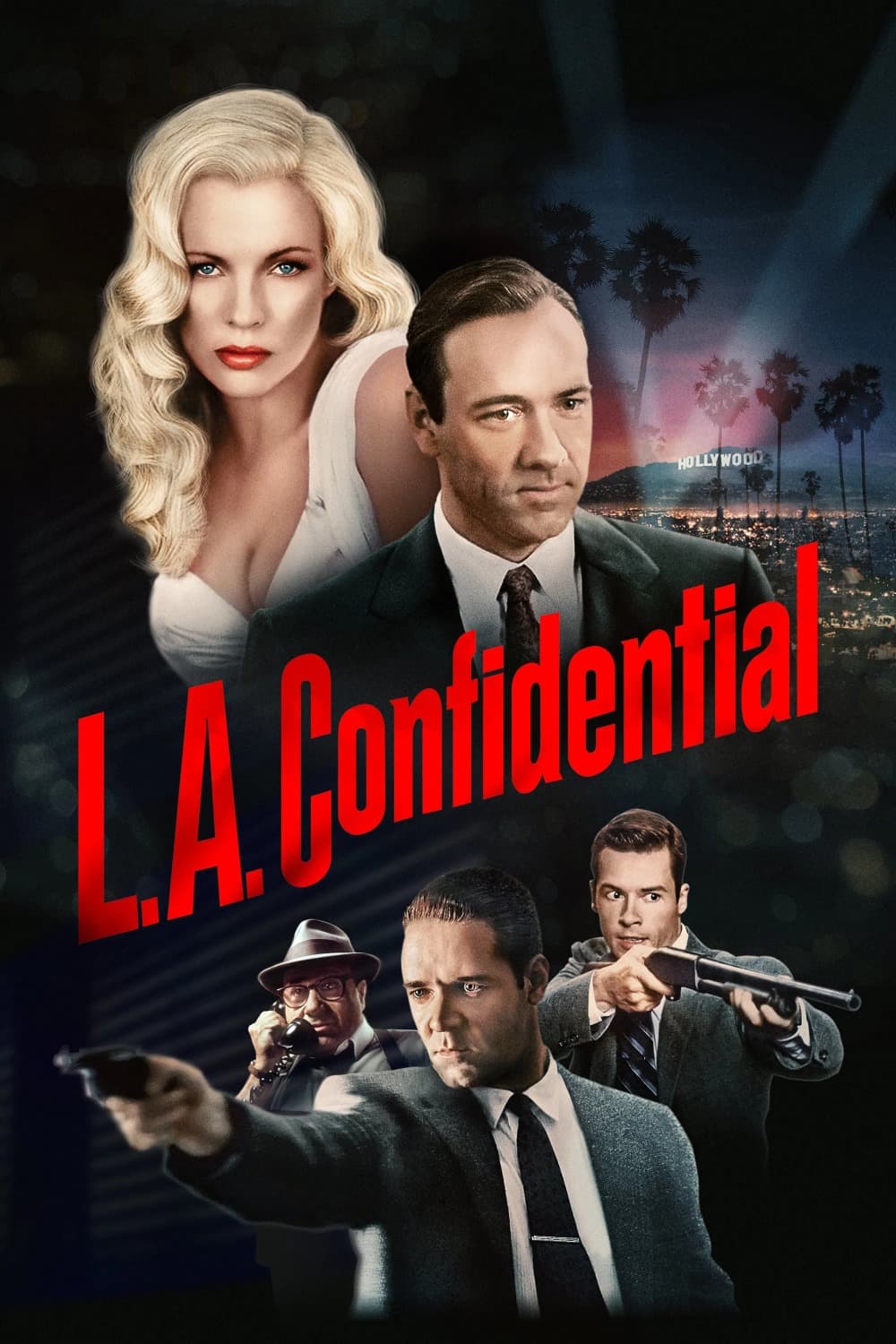
Modern film noir does not get better than this: three Los Angeles cops with nothing in common, and a plot so tightly wired people rewatch it to follow the connections.
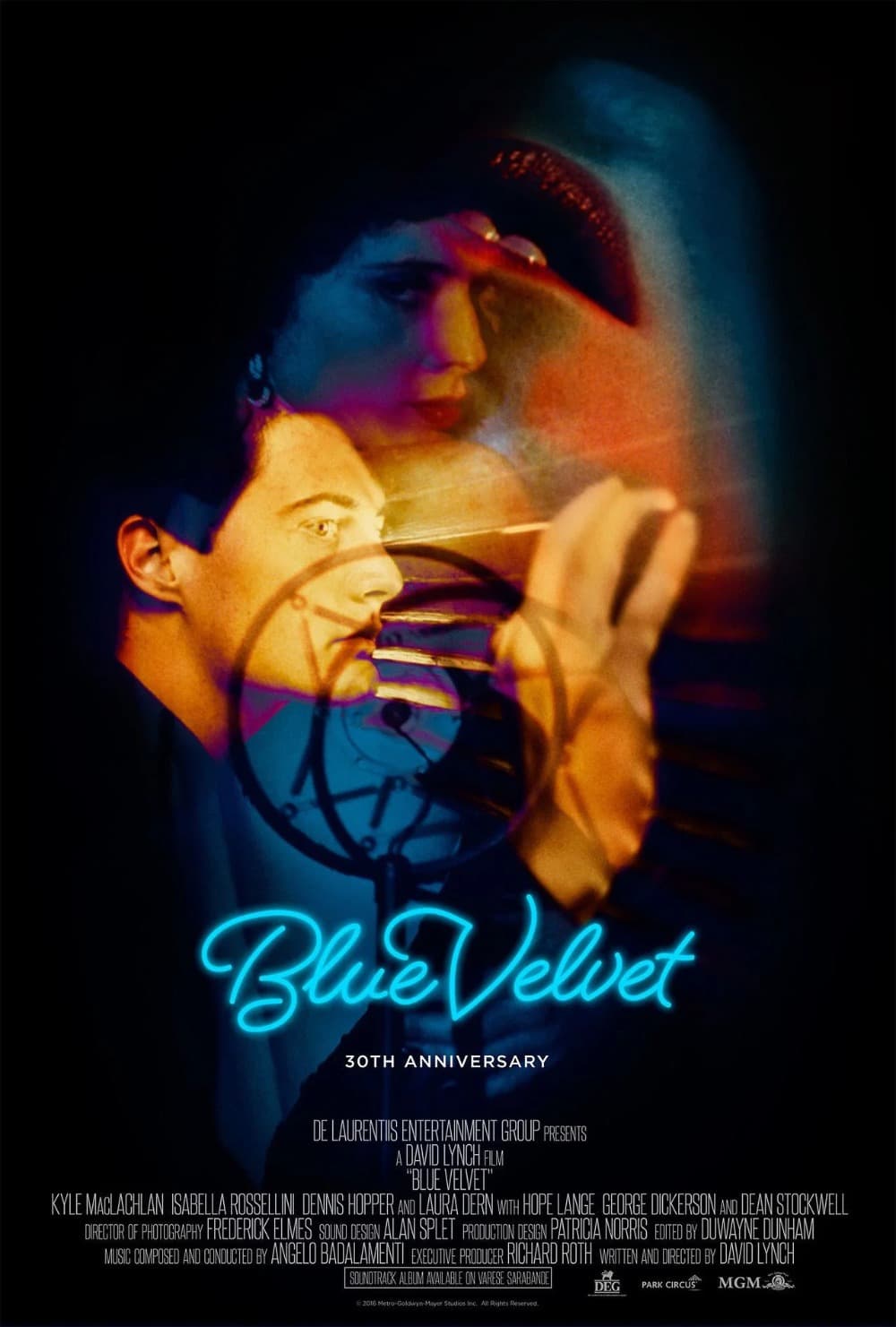
Lynch invented his own genre here and the word Lynchian dates from it: a severed ear in a field leads into the underside of an ordinary American town.
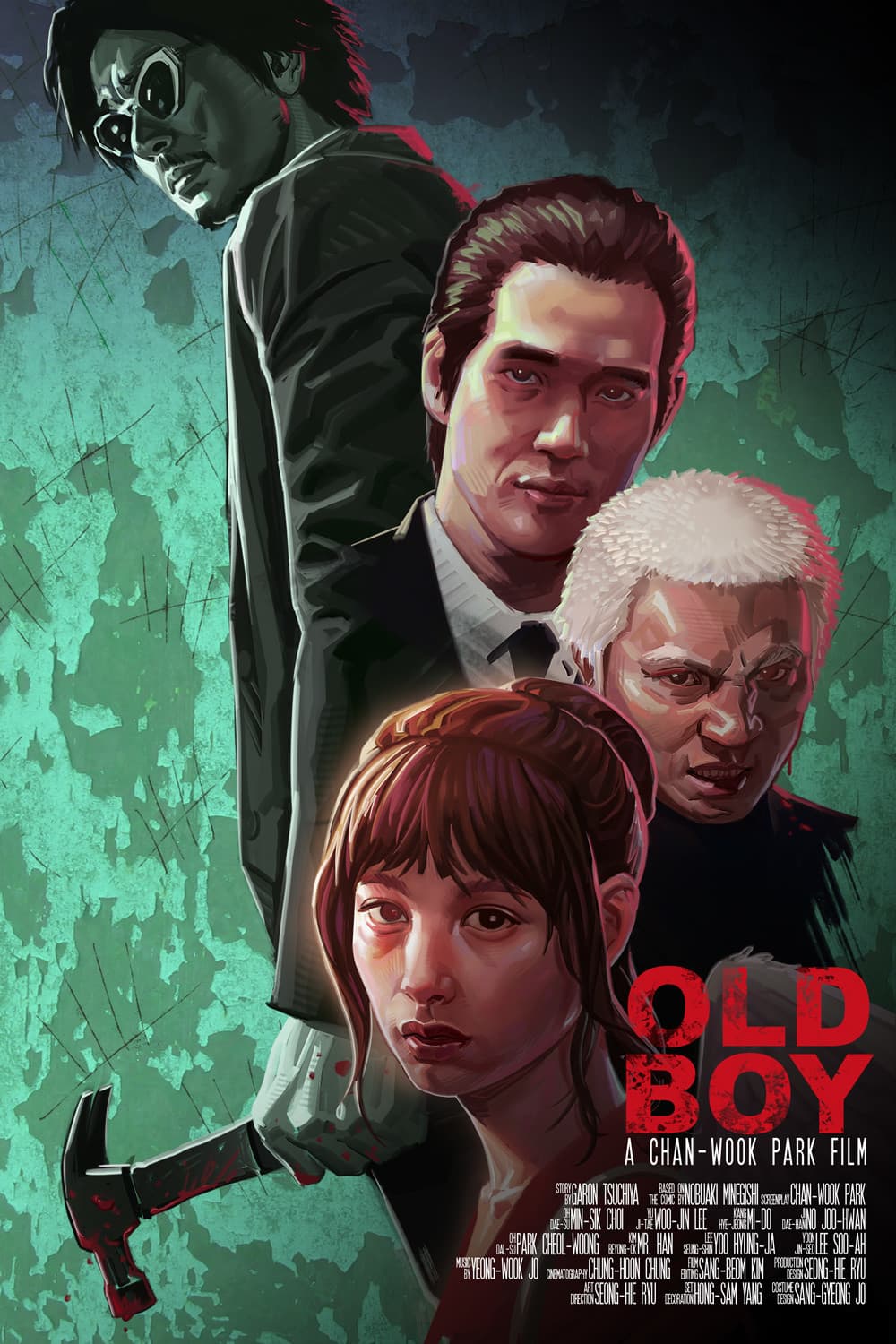
Korean cinema broke through in the West on the strength of this: fifteen years locked in a room without explanation, and a corridor fight staged in one take.
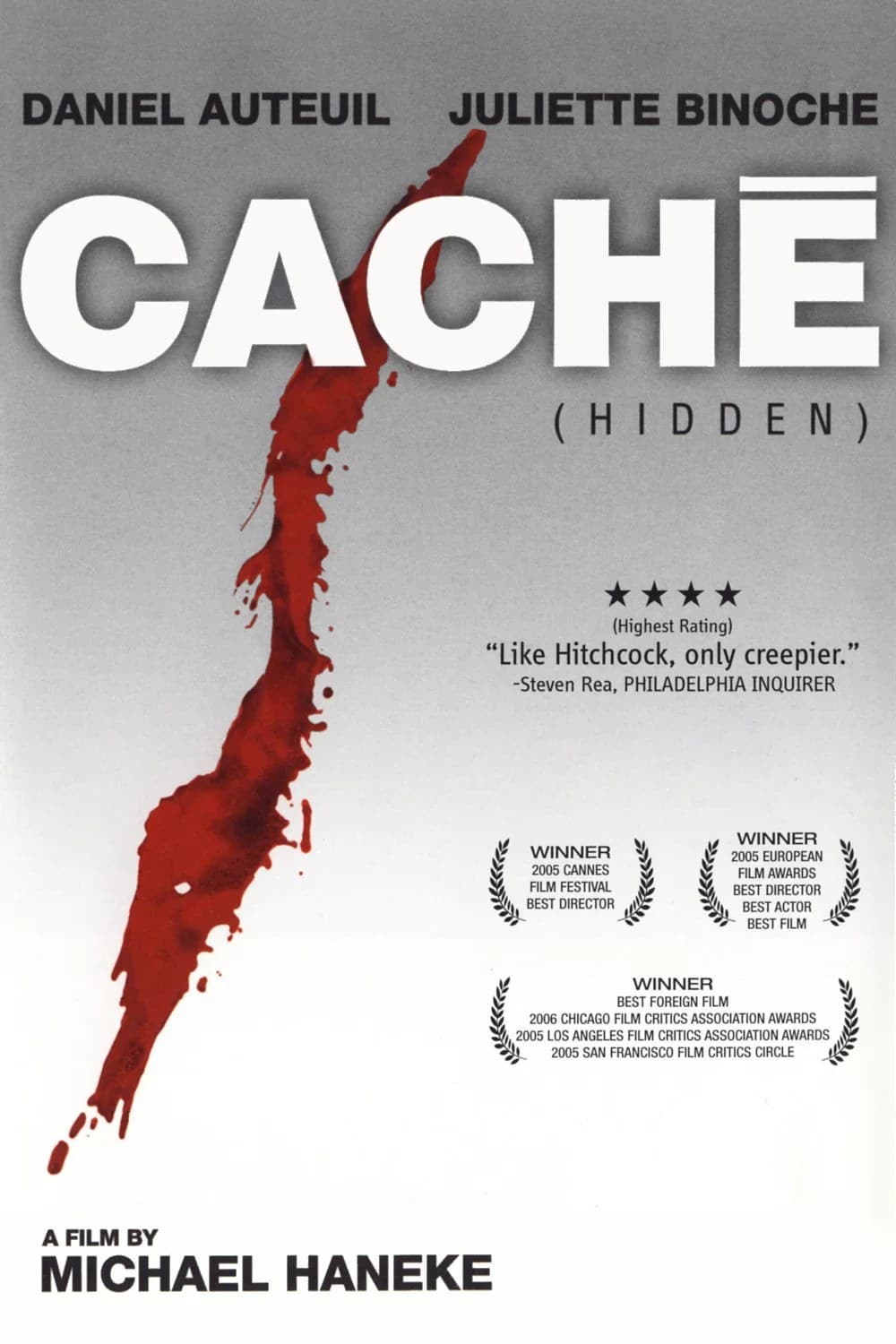
The most quietly frightening film anyone has made about guilt: videotapes of a family's own front door start arriving, and Haneke cares far more about what nobody says.
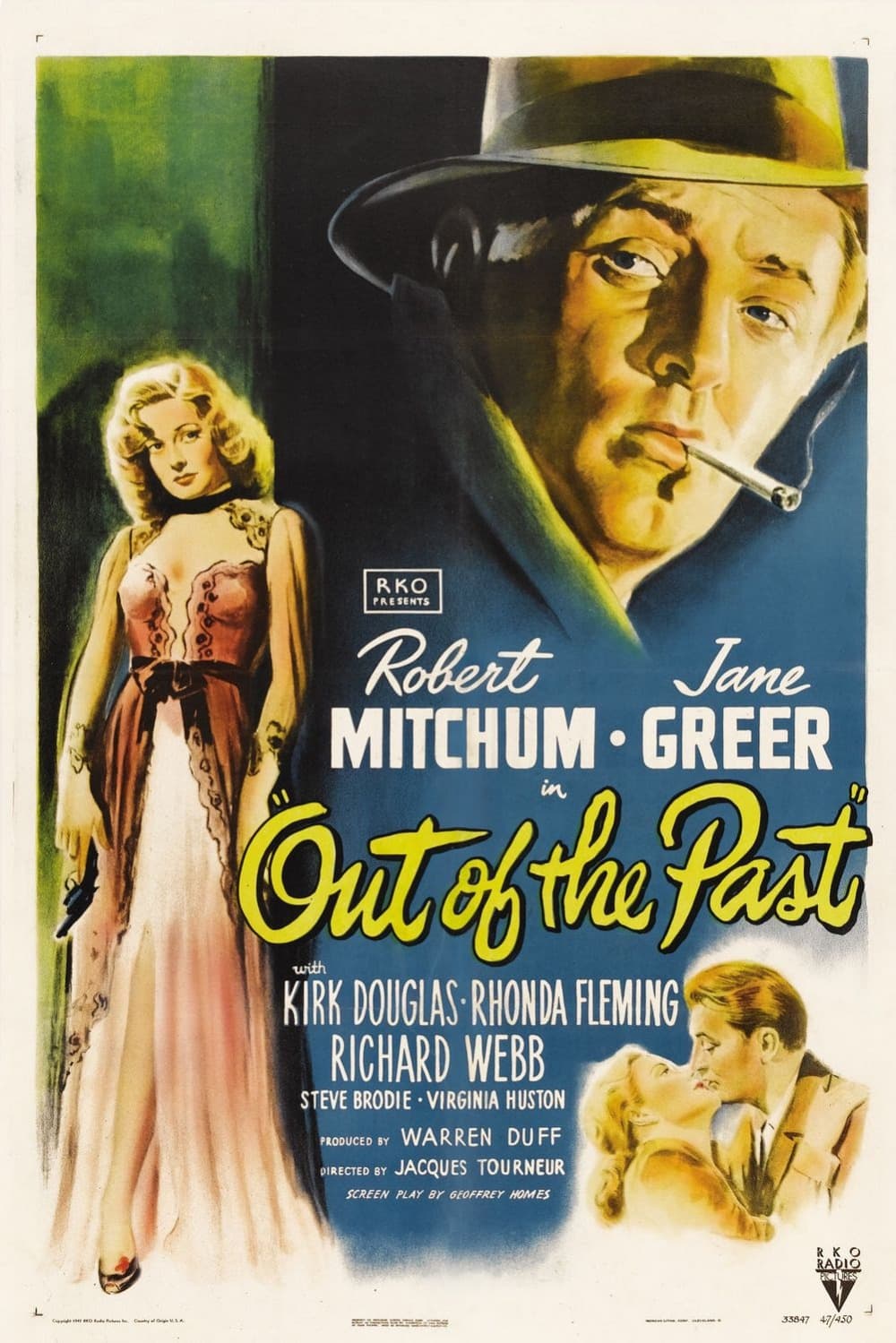
If you want to know what film noir means, this is the film people hand you: a gas station owner's past arrives in the form of a woman he once found.
Nolan built a film about magicians the way a magician builds a trick, and tells you so in the first minute: two rivals destroy each other over one illusion.
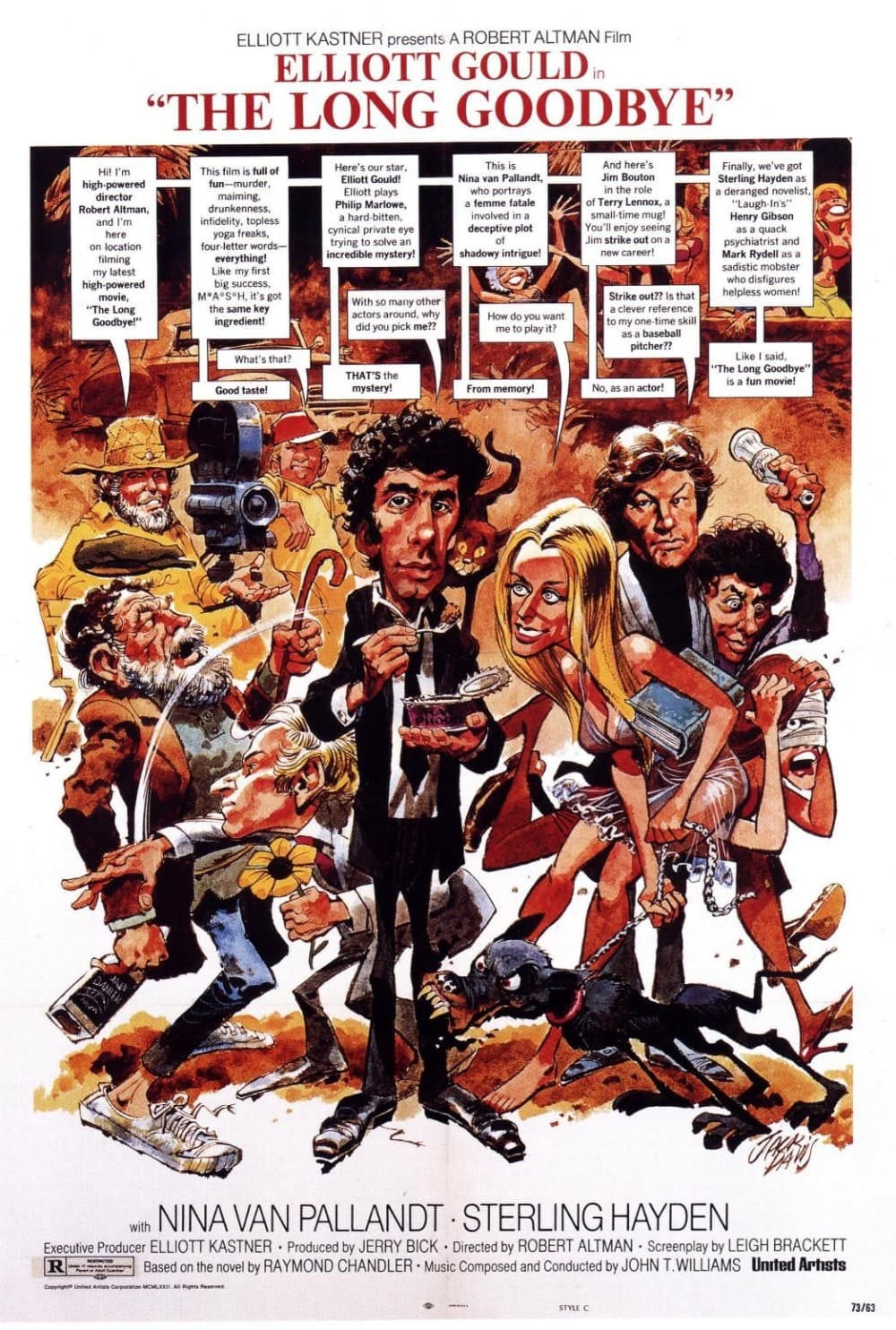
Altman dropped Chandler's detective into 1973 Los Angeles and let him be completely out of step with it: Elliott Gould mumbles through a city that has stopped caring.

Poitier refused to film in the Deep South, so Mississippi was recreated in Illinois: a Philadelphia detective is arrested for being Black in a small town and then asked to solve its murder.
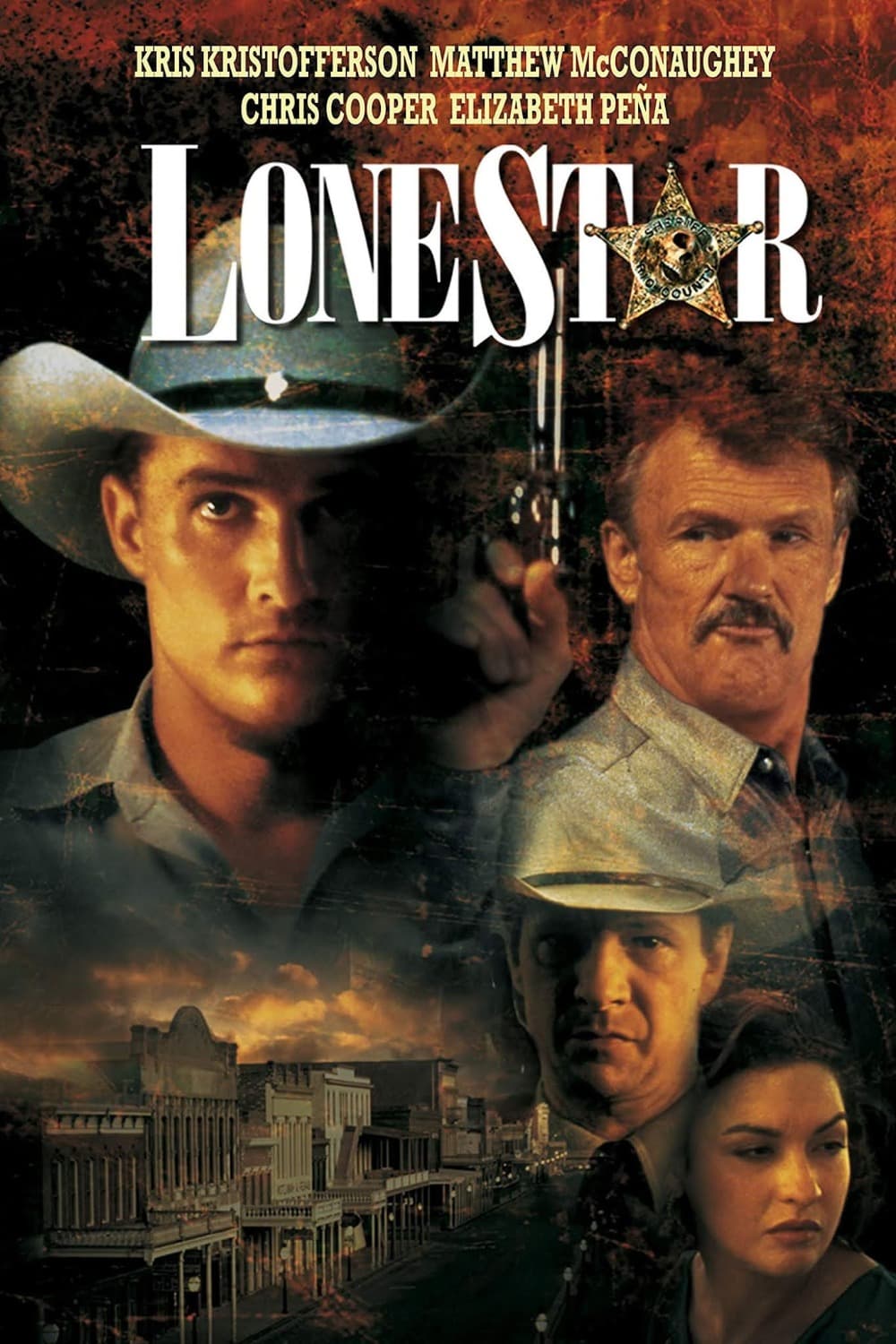
Sayles moves between past and present without a cut, panning from one decade into another: a Texas border town excavates a forty-year-old murder and finds the whole town's history attached.
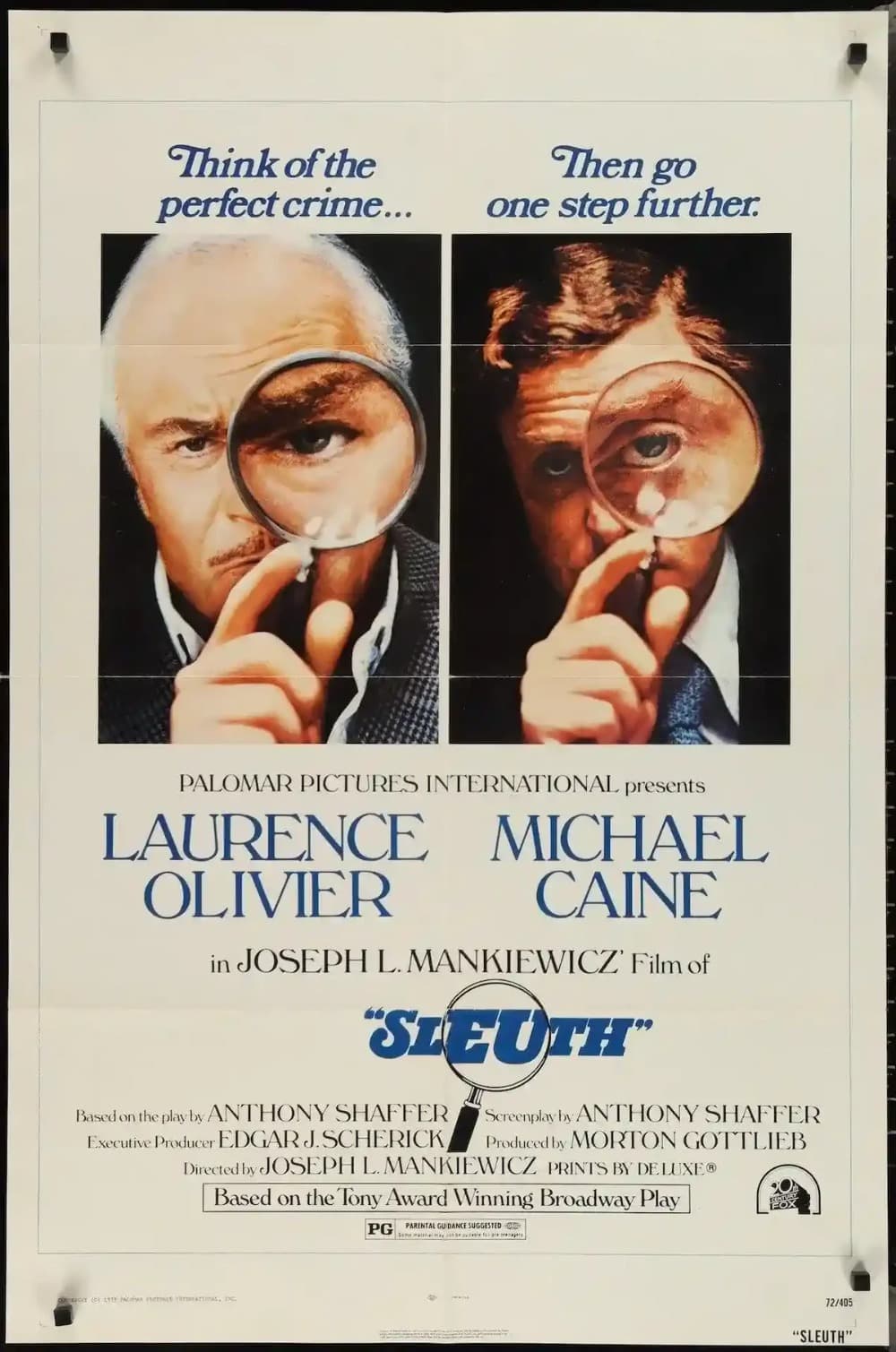
Laurence Olivier and Michael Caine were both up for Best Actor, which has happened only a handful of times: a mystery writer invites his wife's lover to a country house full of games.
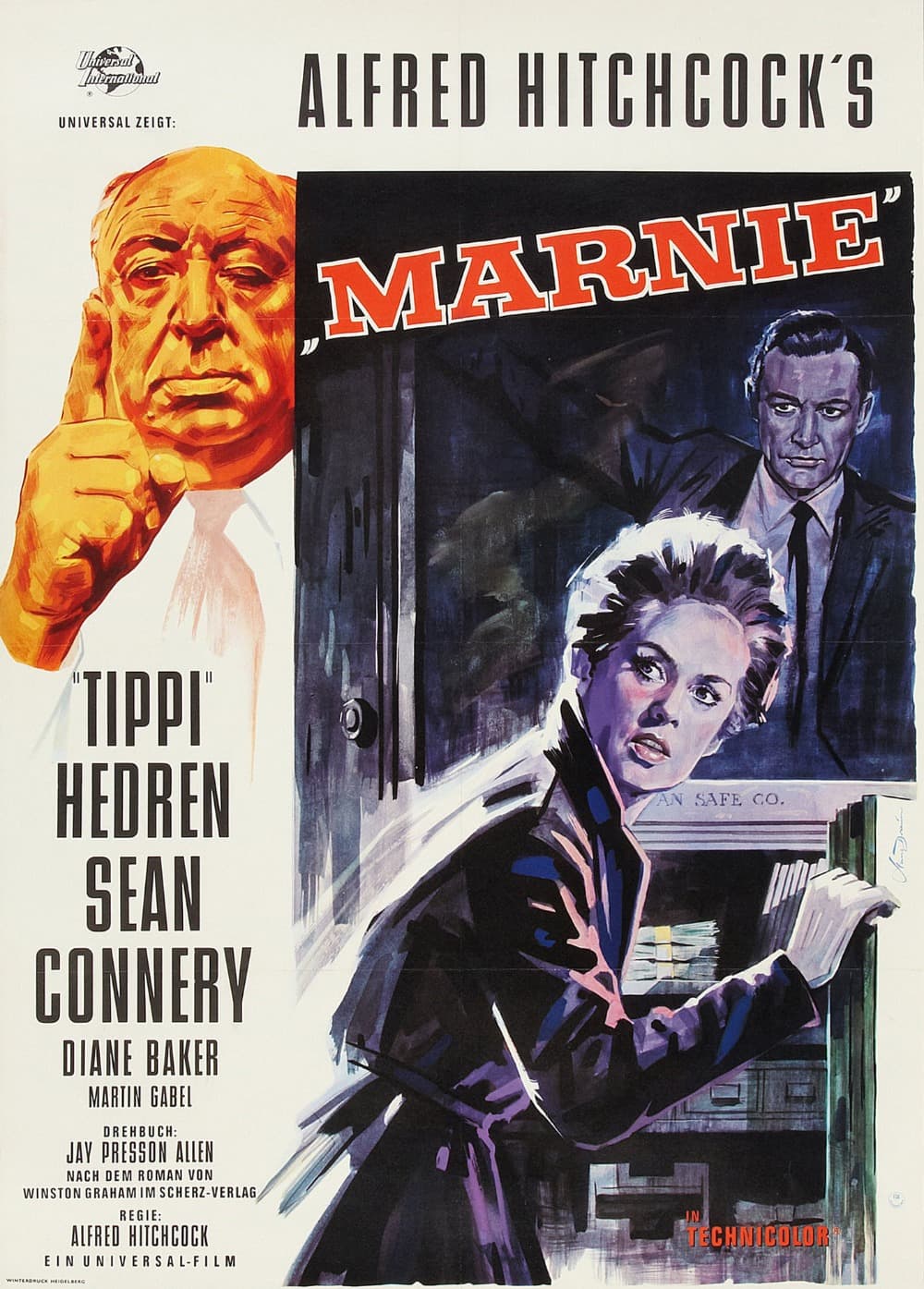
The Hitchcock film scholars argue about most, and the production that ruined his working relationship with Tippi Hedren: a compulsive thief is caught by someone who decides to keep her.