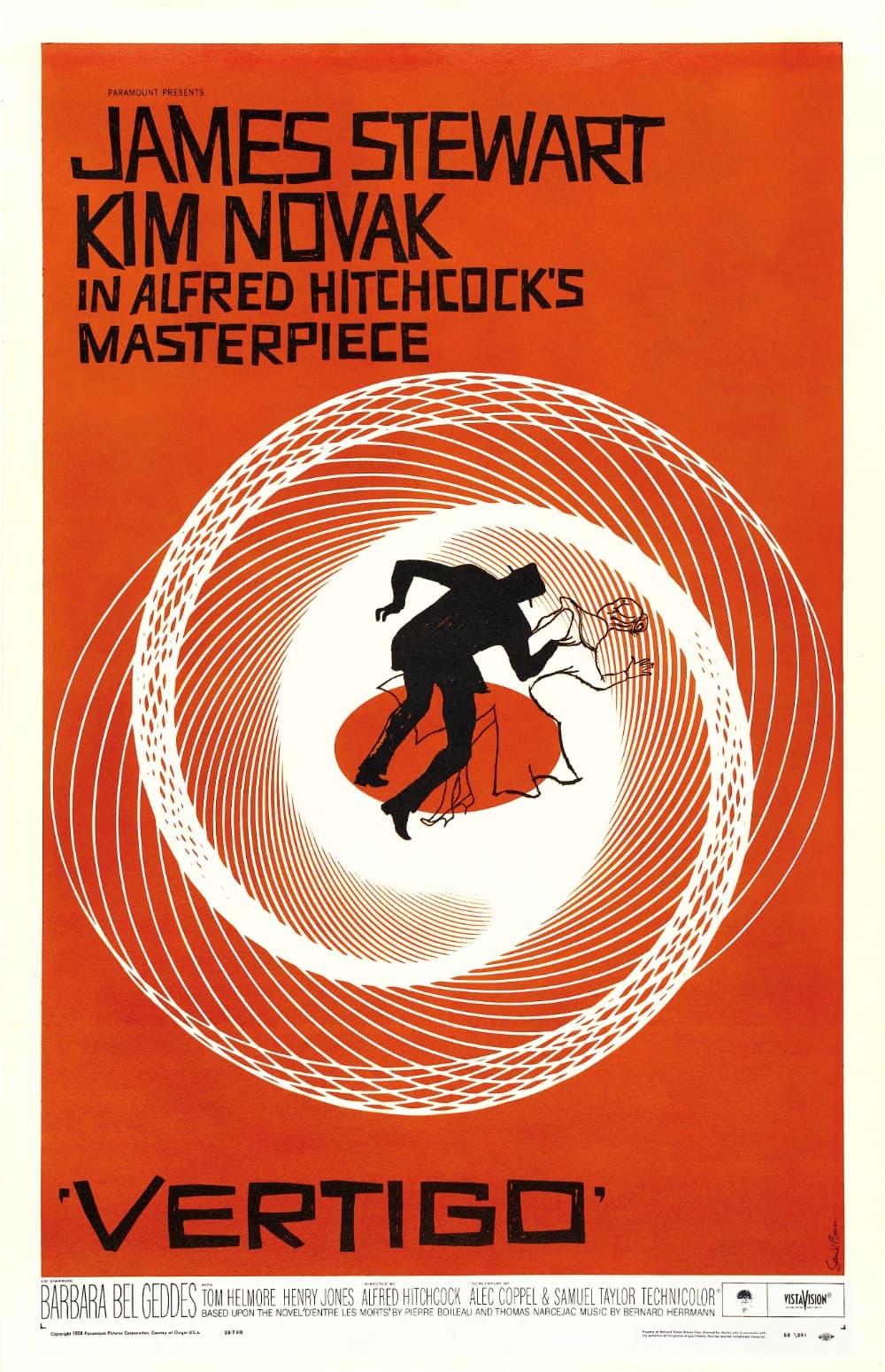
Vertigo
Directed by Alfred Hitchcock
1958
Nobody has ever made obsession look this beautiful or this sick: a man falls for an image instead of a person, and Hitchcock follows him past every point it should stop.
★ 9.9
 skopia
Nobody has ever made obsession look this beautiful or this sick: a man falls for an image instead of a person, and Hitchcock follows him past every point it should stop.
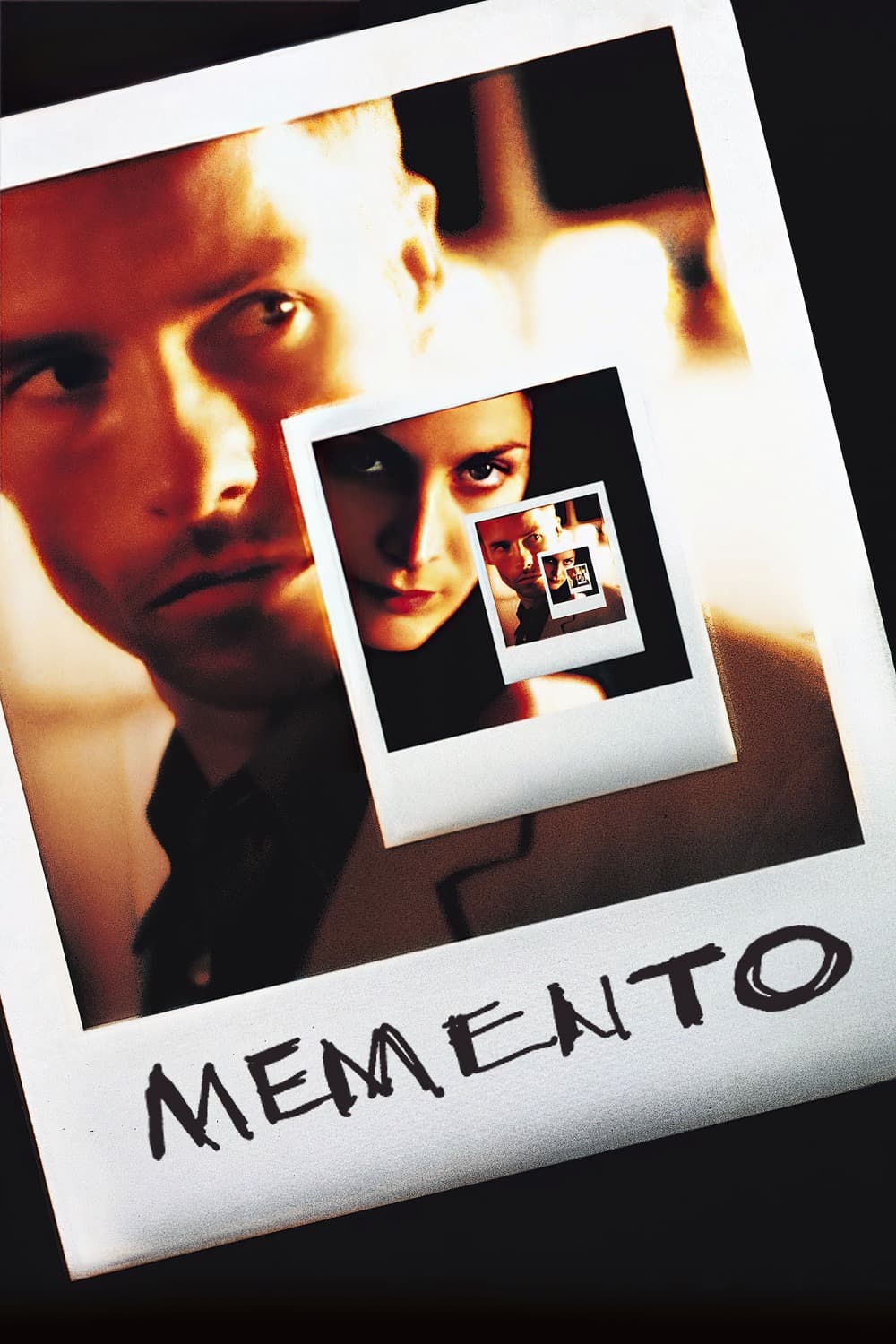
Nolan told it backwards and the trick is not a trick: the reverse order strands you exactly where its amnesiac protagonist lives, knowing only the last five minutes.
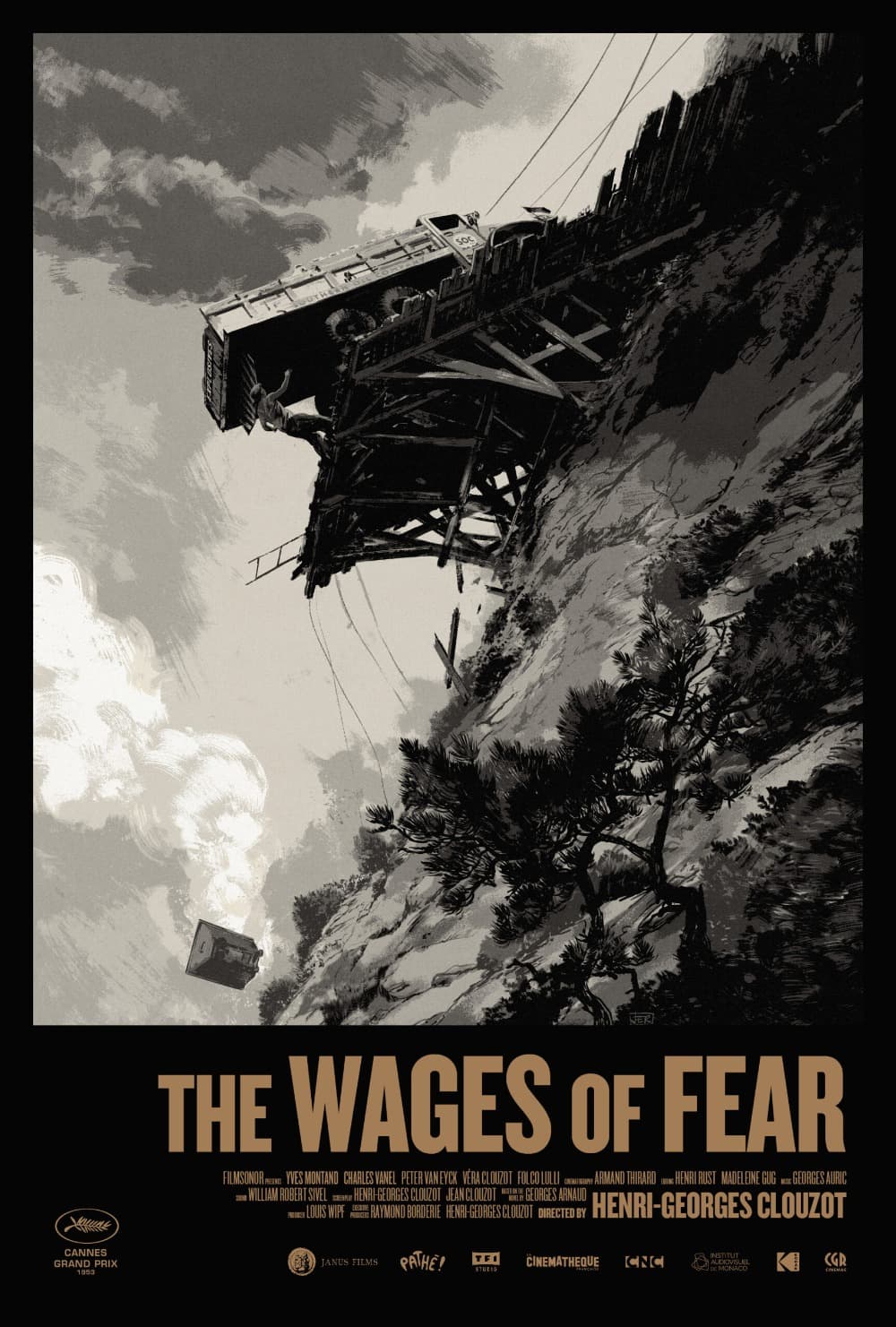
Suspense does not get more physical than this: four desperate men drive truckloads of nitroglycerin over mountain roads, and every rut in the surface becomes an ordeal.
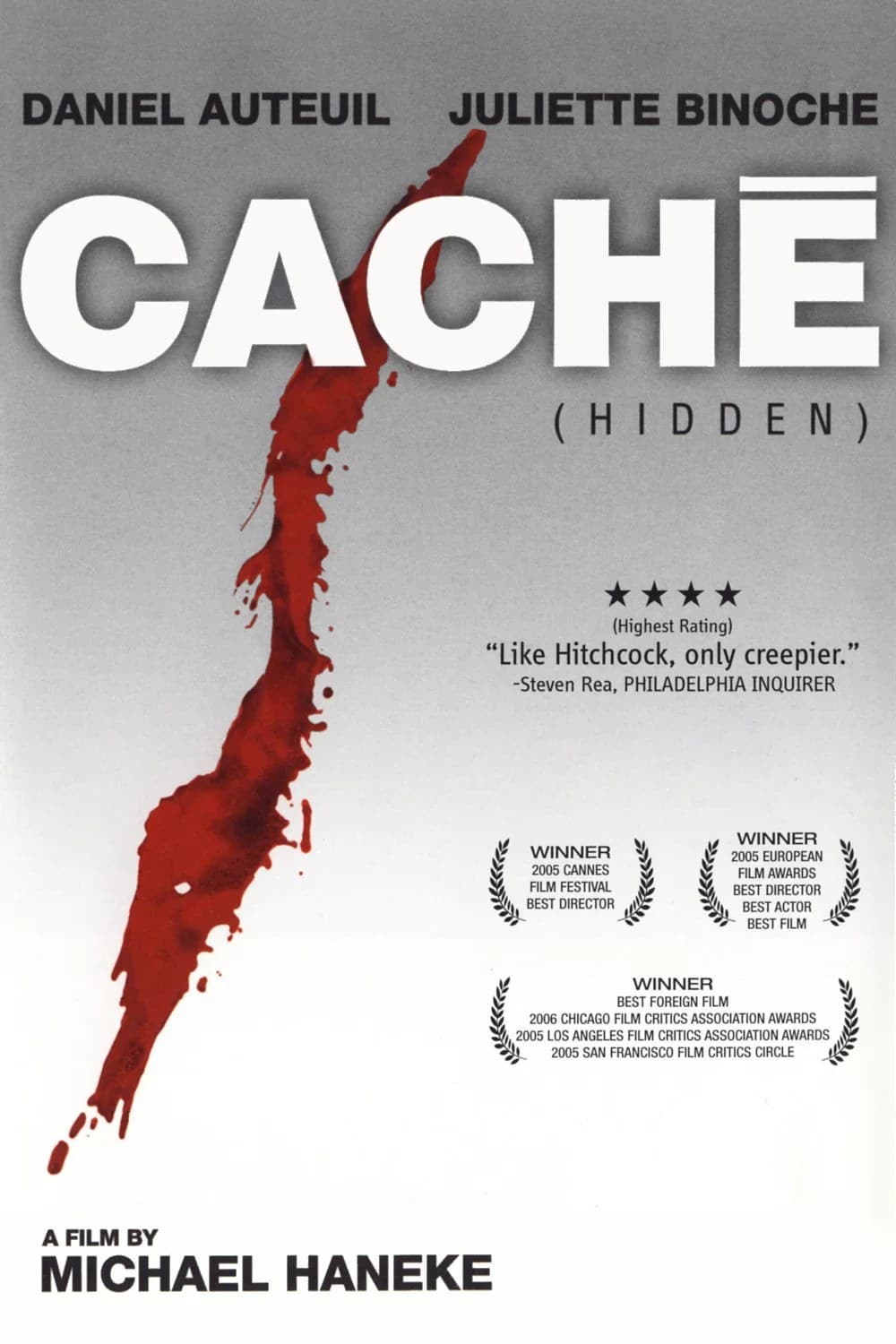
The most quietly frightening film anyone has made about guilt: videotapes of a family's own front door start arriving, and Haneke cares far more about what nobody says.
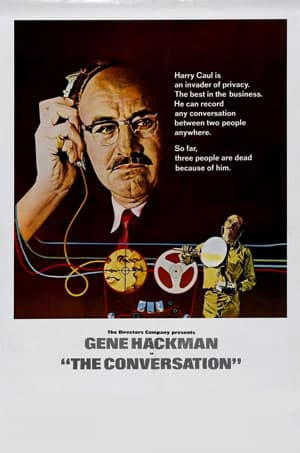
Written years before Watergate and released at its climax, it looked like prophecy: a surveillance expert starts hearing something terrible inside his own recording, and his paranoia does the rest.
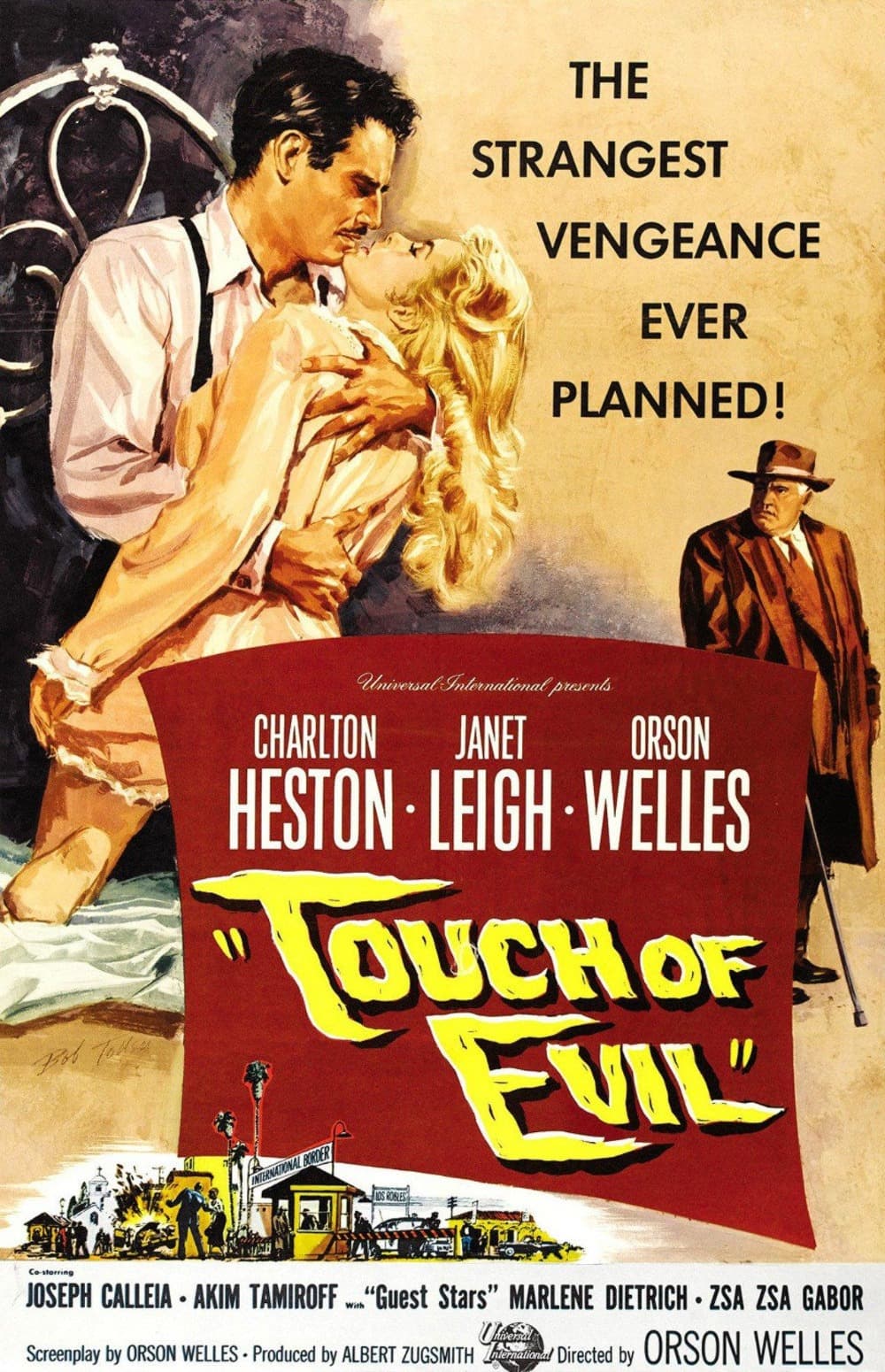
The opening crane shot is the most studied three minutes in film school: Welles was fired off his own picture, and the version we watch was restored from his memo.
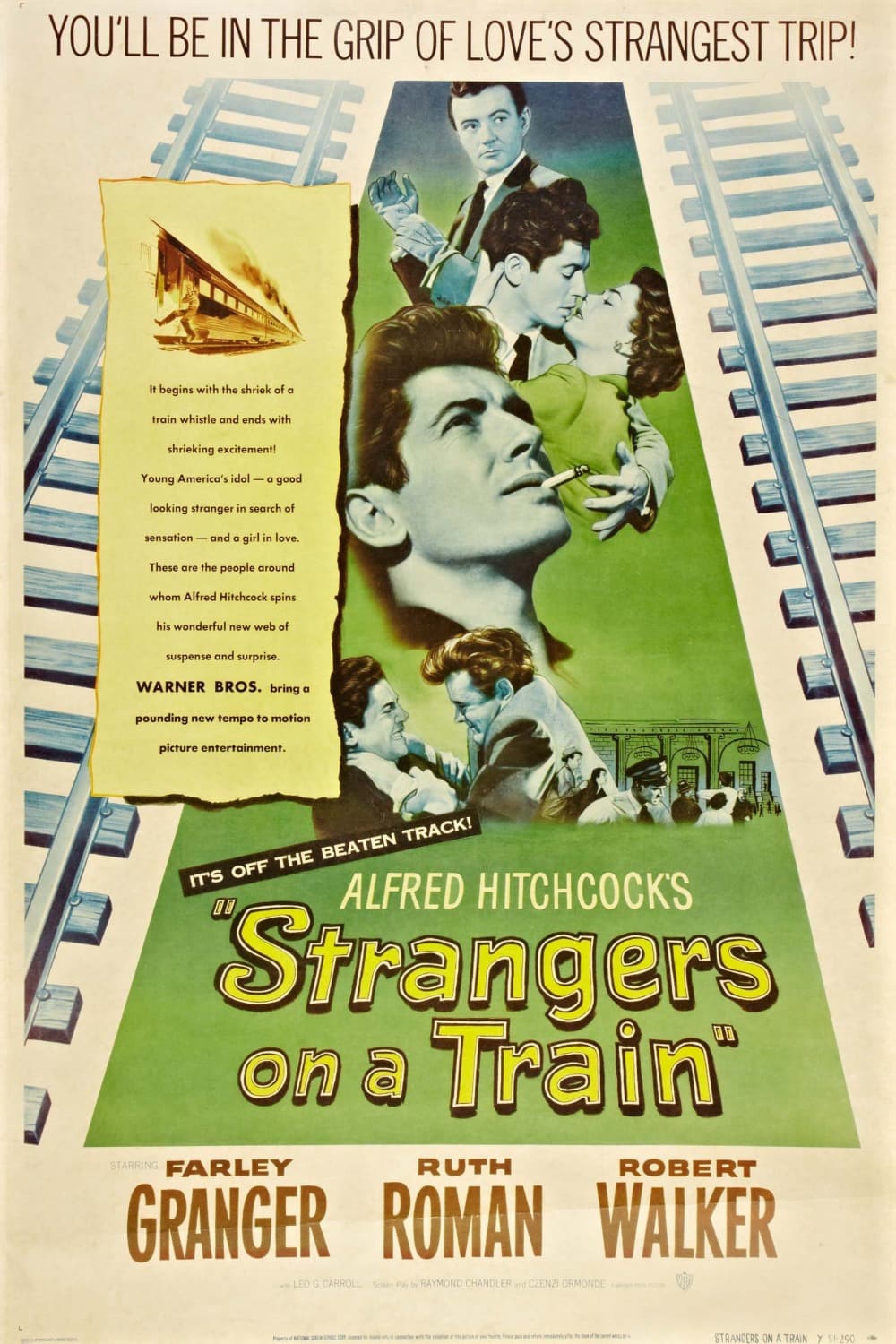
The premise is so clean that thrillers have been borrowing it for seventy years: two men meet on a train and one of them proposes swapping murders.
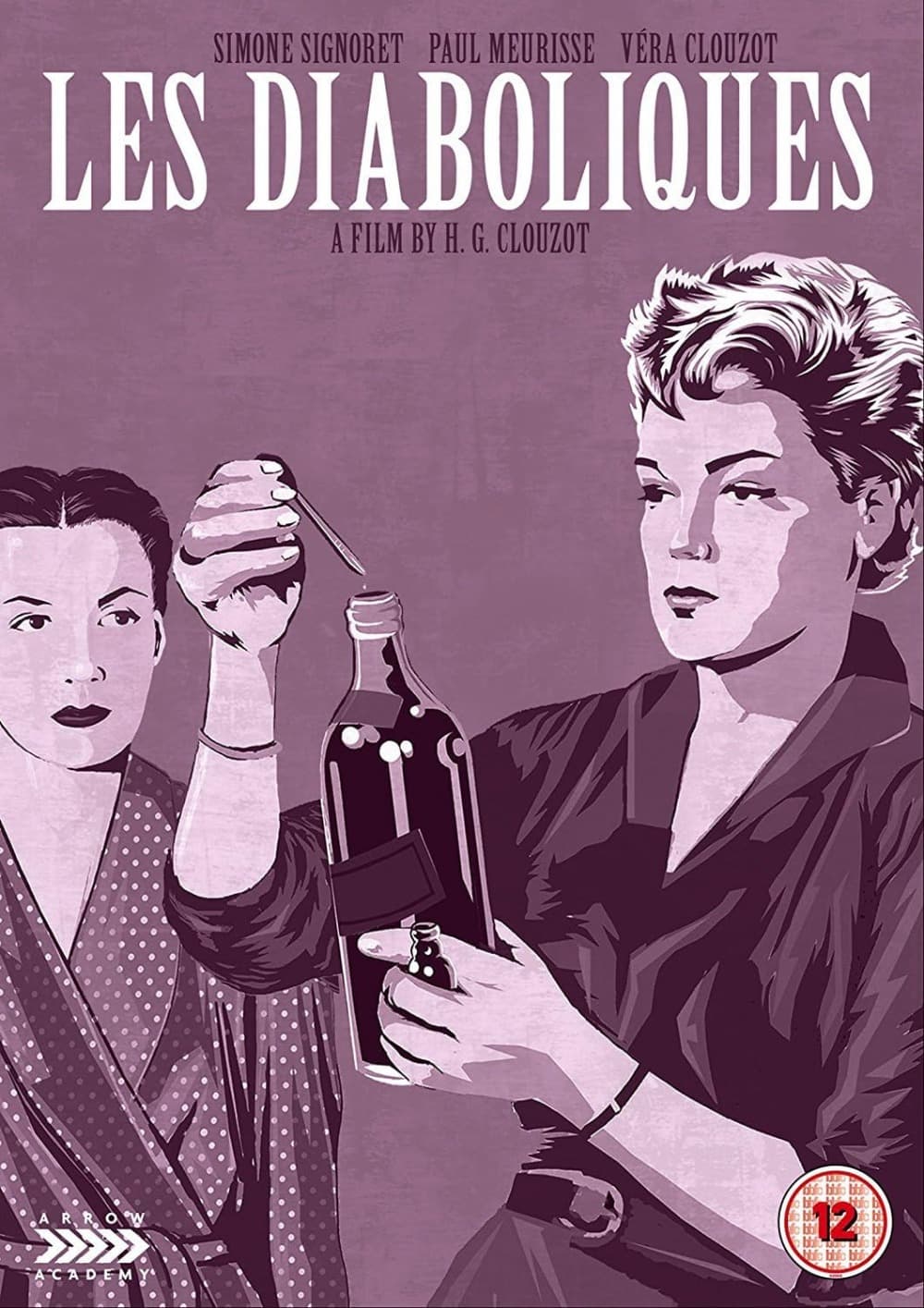
Clouzot got to the material just before Hitchcock could buy it and made the more frightening film: a wife and a mistress conspire against the same terrible man.
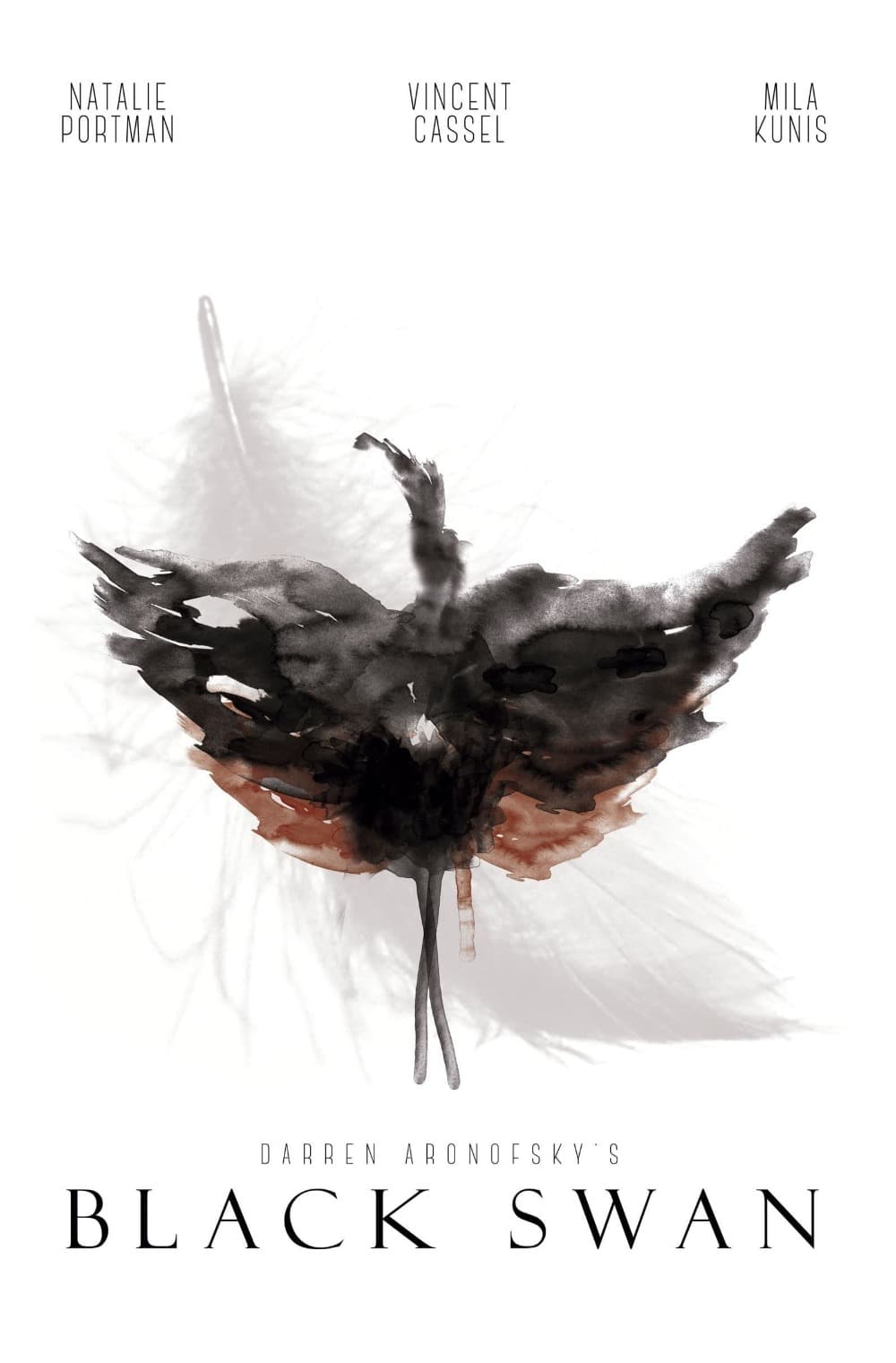
Aronofsky filmed ballet as body horror and somehow made it work: a dancer's discipline turns on her, and Natalie Portman trained for a year to make it convincing.
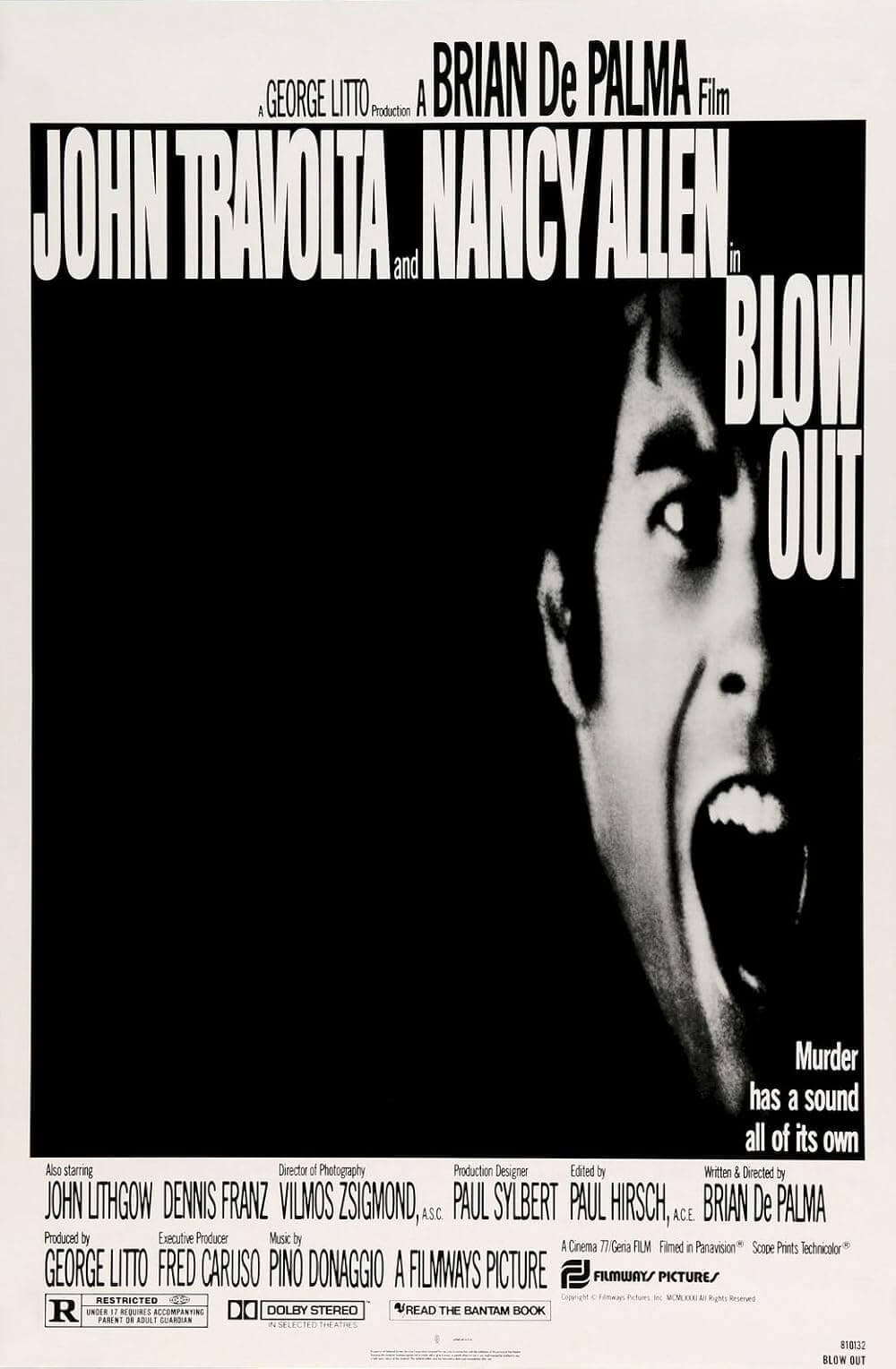
Travolta's best performance is in a thriller that flopped and spent forty years being rediscovered: a movie sound man records an accident and hears something that should not be on the tape.
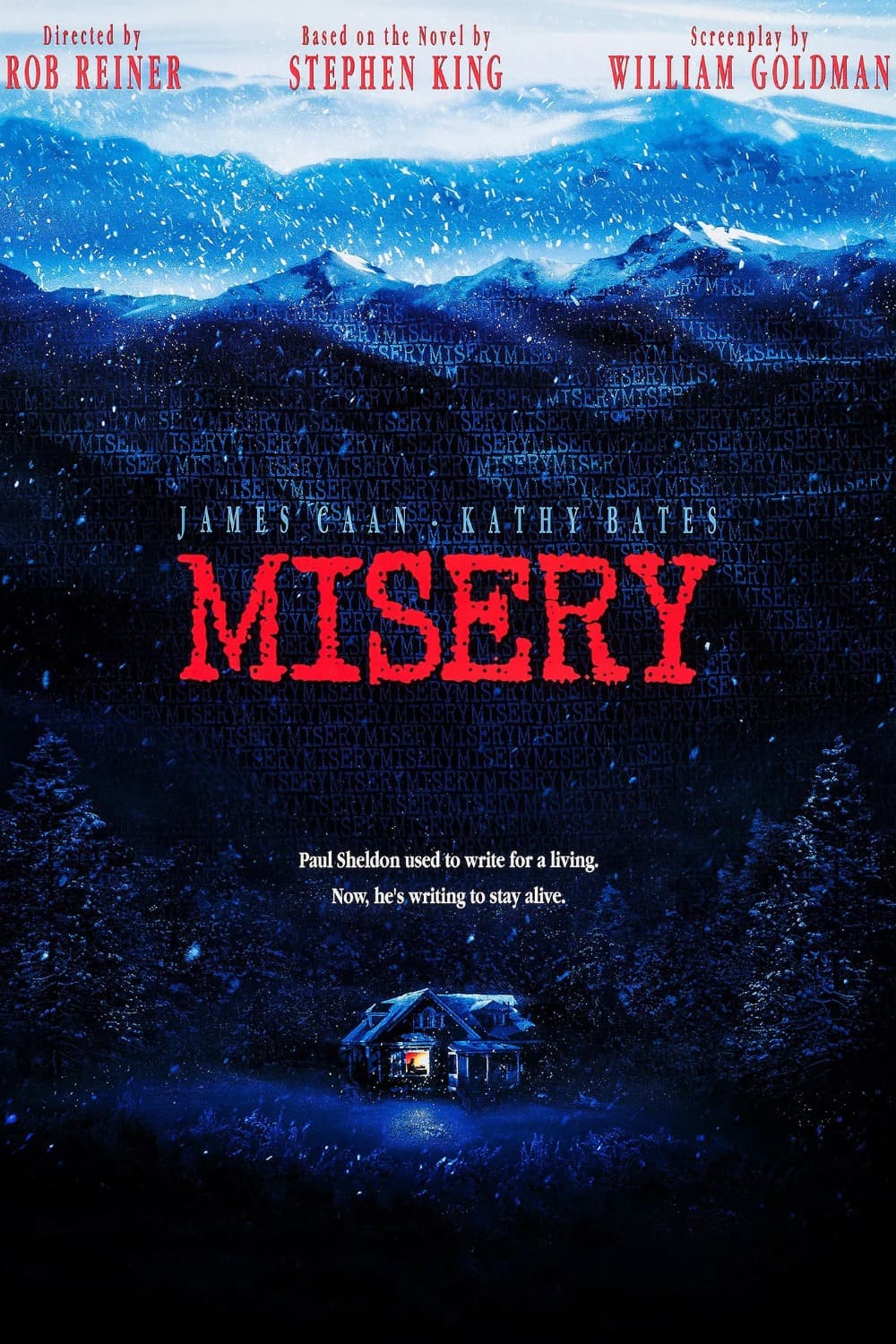
Kathy Bates turned a fan into the most frightening character of the decade: a novelist wakes up in the house of the reader who saved him, and she has opinions about his ending.
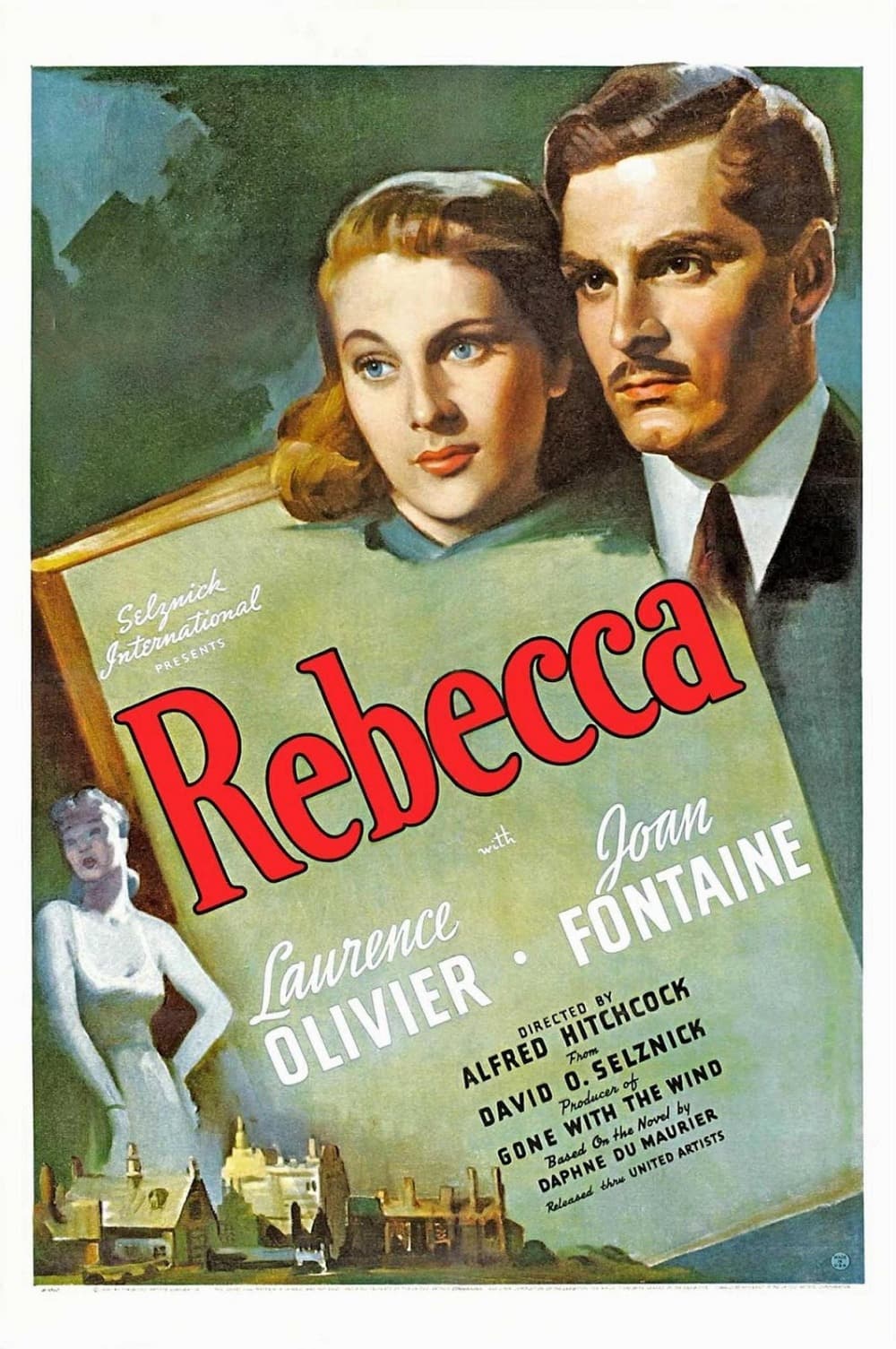
Alfred Hitchcock's only Best Picture, collected by his producer, and the heroine never gets a name: a young bride arrives at an English house where the first wife's housekeeper still rules.
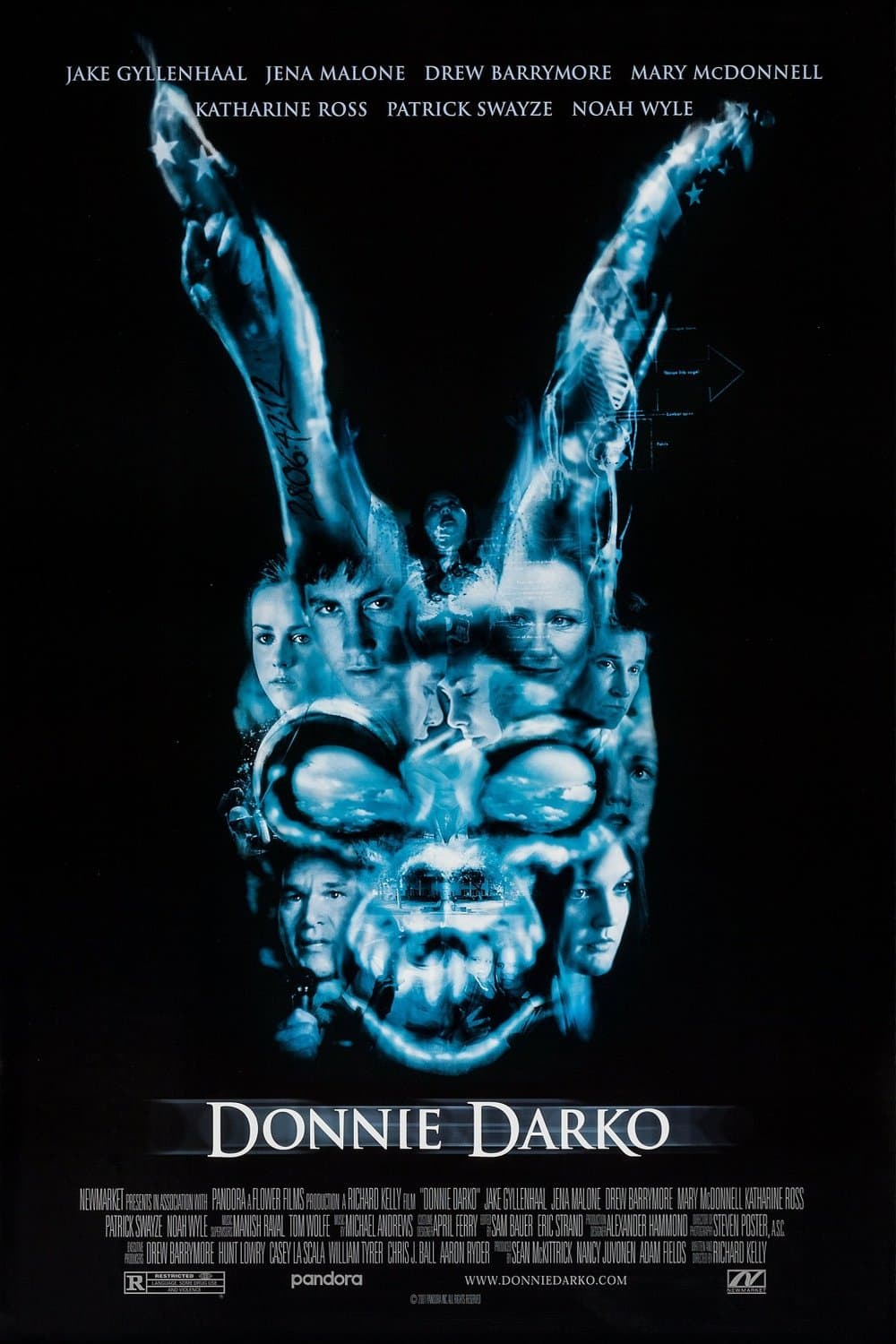
It failed in theaters weeks after September 11 and became a cult object on DVD: Richard Kelly was twenty-six, and nobody has ever fully agreed on what happens in it.
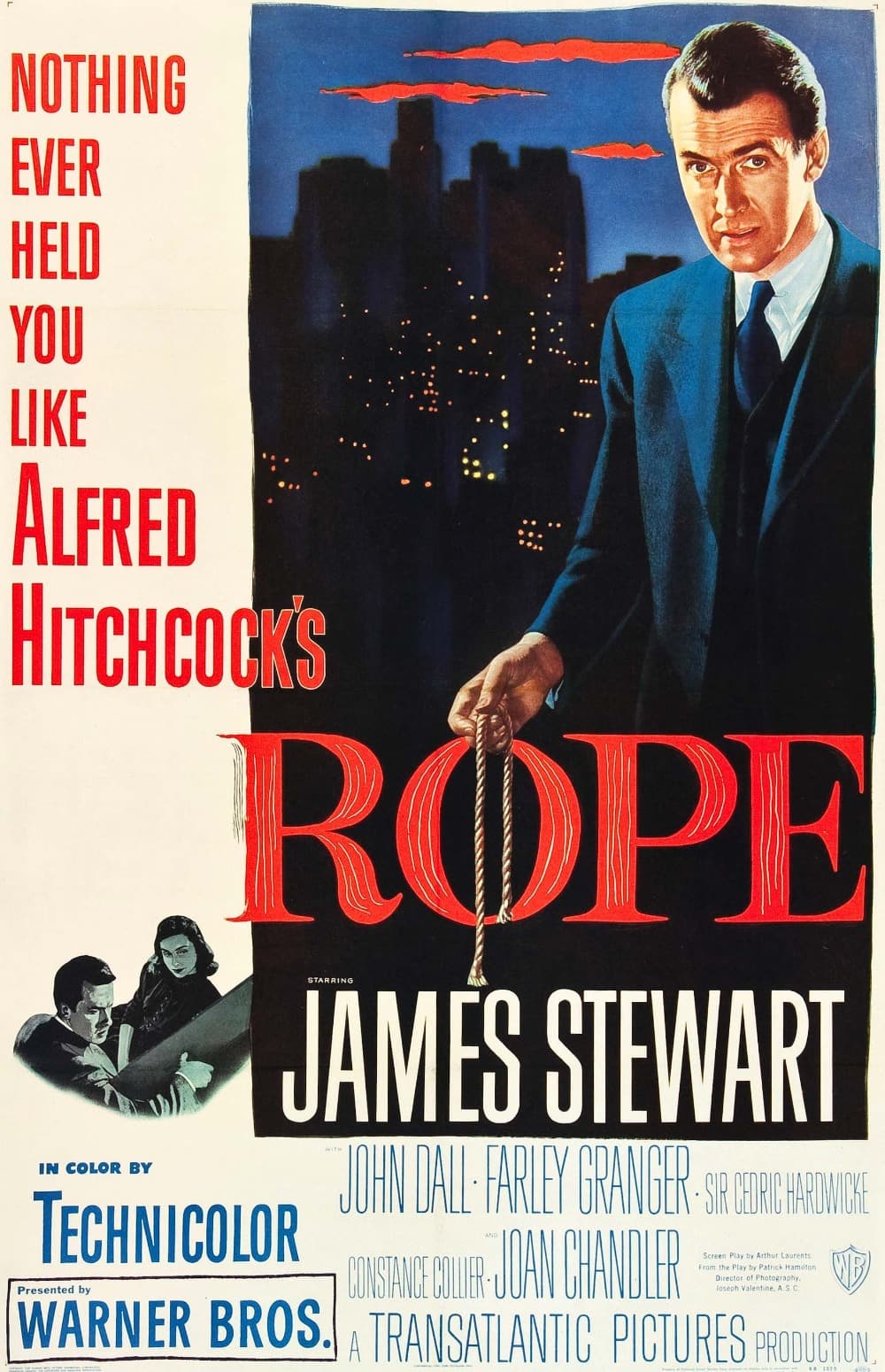
Alfred Hitchcock disguised half the cuts so the film plays like one unbroken take: two students host a dinner party in the apartment where they have done something, and the camera never leaves.
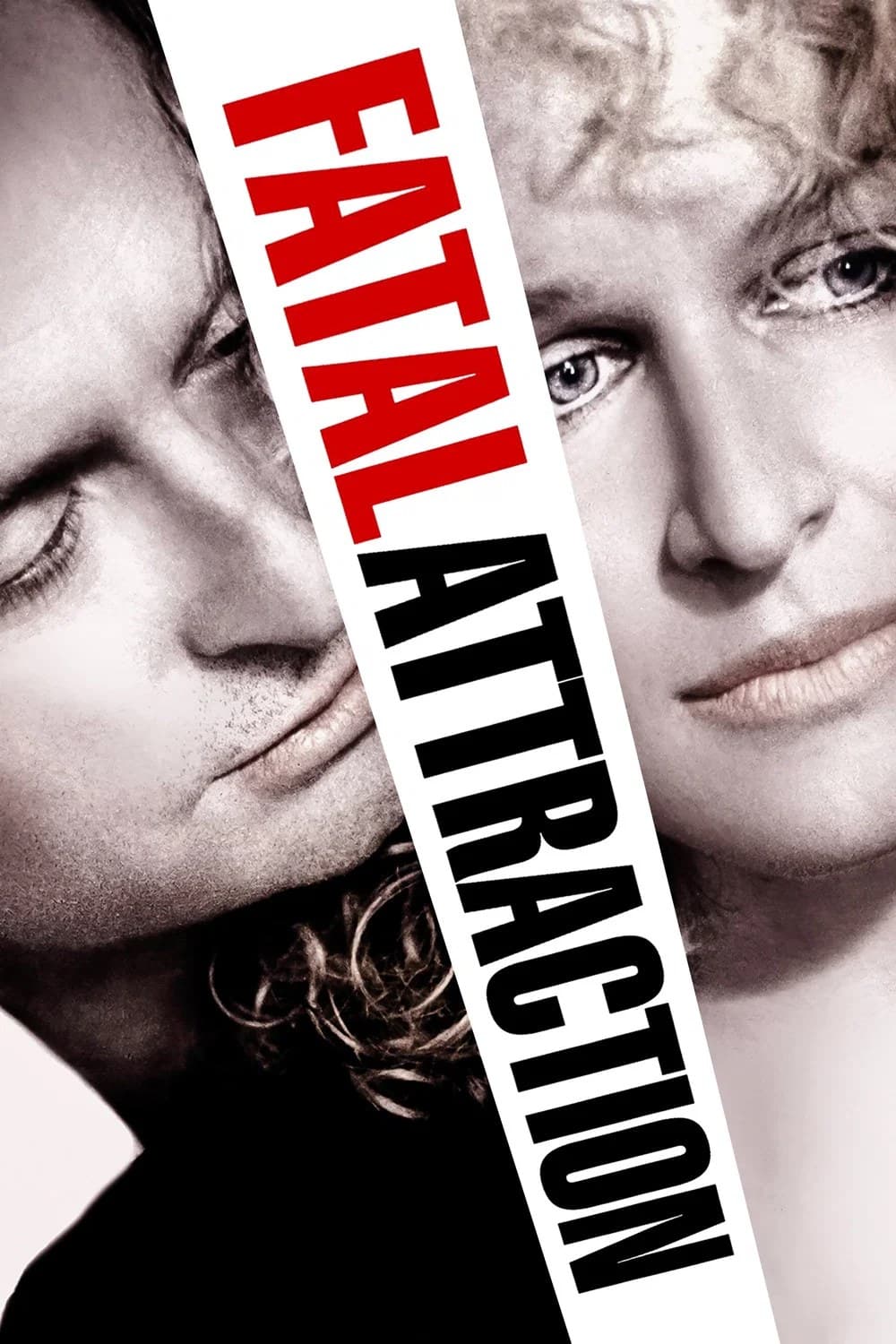
It became a national argument for months and put a phrase into the language: a married man has a weekend affair in Manhattan, and Glenn Close will not let it end there.
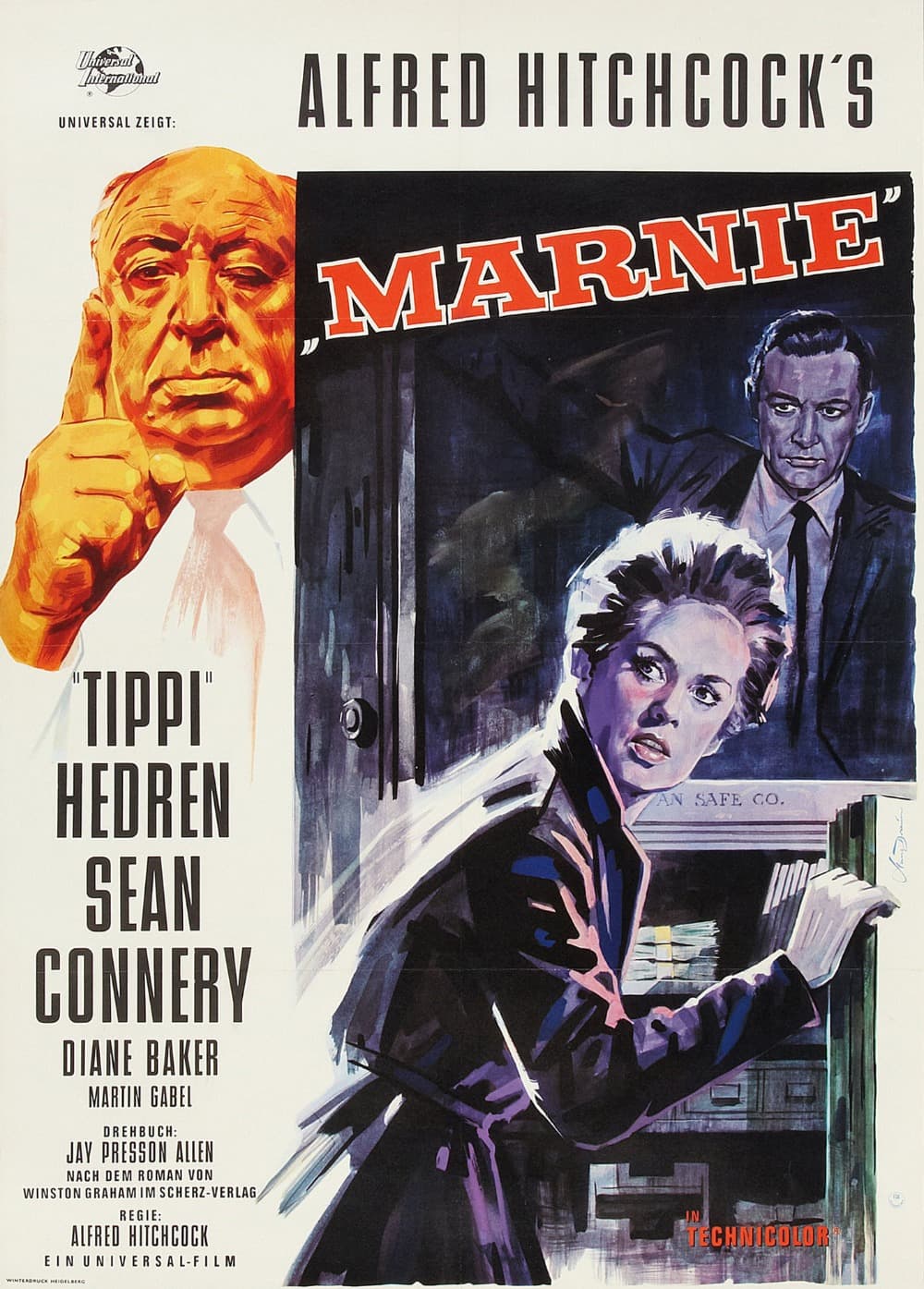
The Hitchcock film scholars argue about most, and the production that ruined his working relationship with Tippi Hedren: a compulsive thief is caught by someone who decides to keep her.