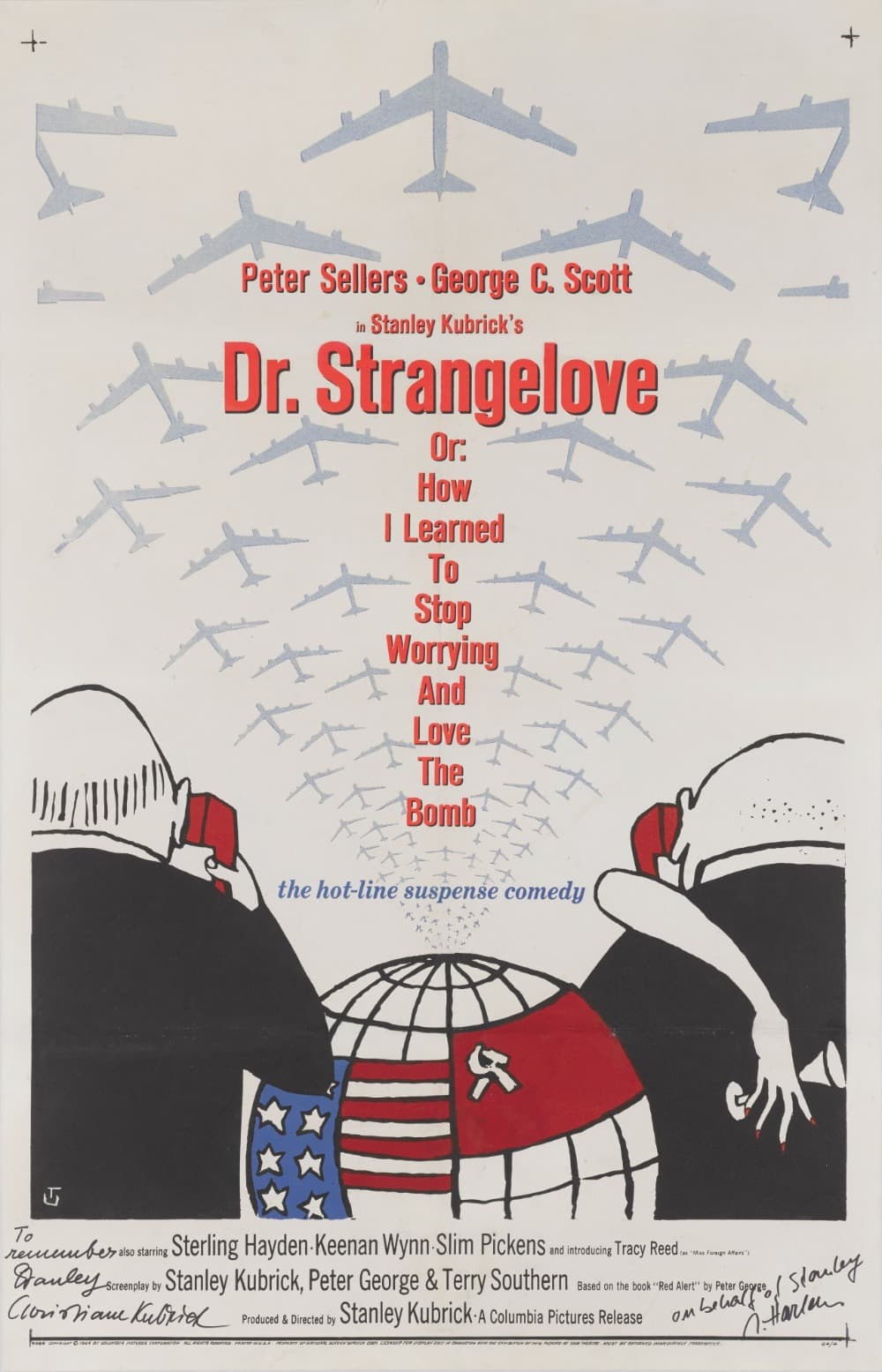
Dr. Strangelove
Directed by Stanley Kubrick
1964
Nuclear annihilation has never been this funny, and never will be again: Kubrick worked out that the strategy was already absurd, and simply let his generals talk.
★ 9.6
 skopia
Nuclear annihilation has never been this funny, and never will be again: Kubrick worked out that the strategy was already absurd, and simply let his generals talk.
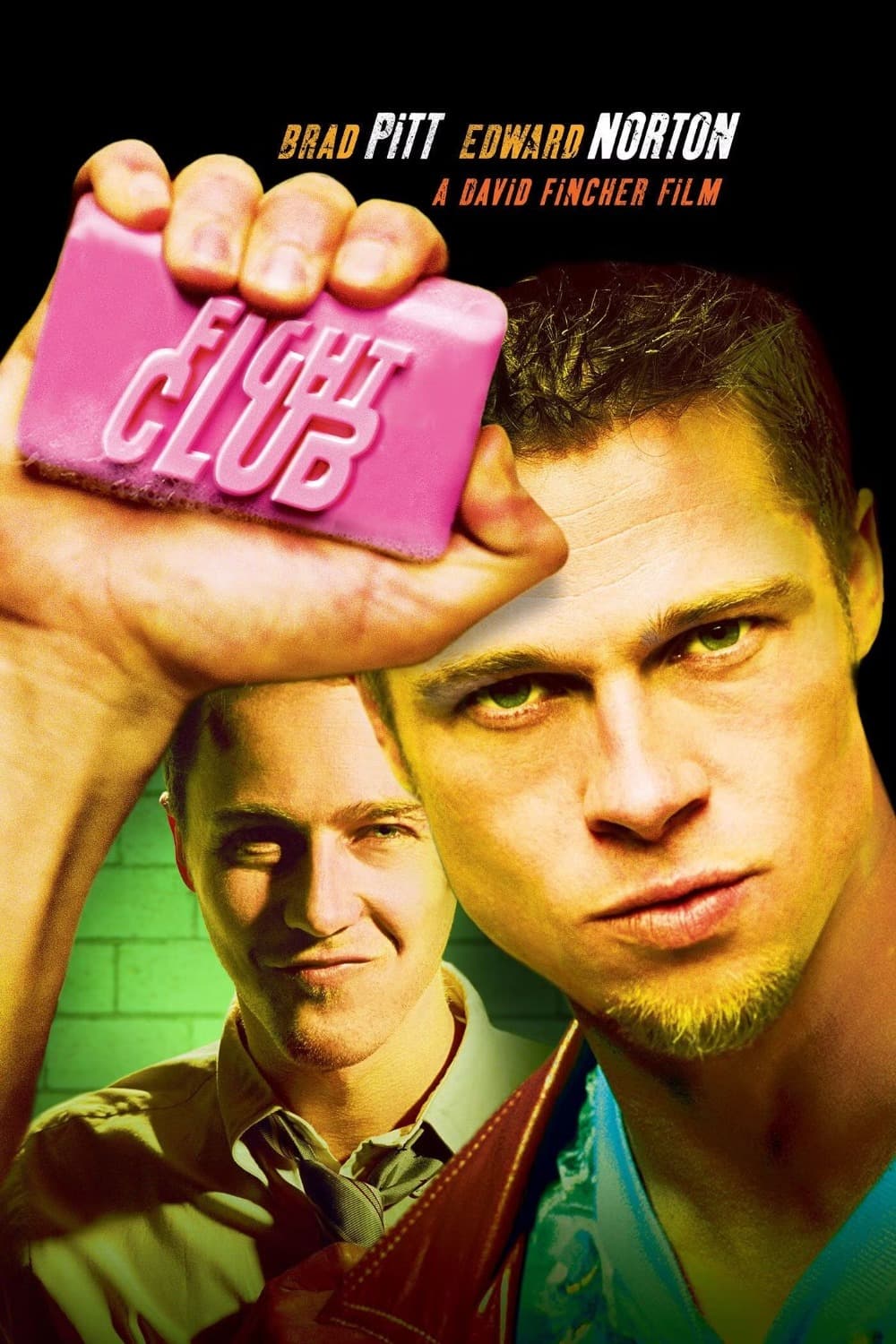
Twenty-five years of argument have still not settled what it is actually saying: Fincher made consumer despair look genuinely thrilling, which is either the joke or the problem.
Pixar's bravest film: the first forty minutes have almost no dialogue at all, and a robot with two expressions carries more feeling than most live actors manage.
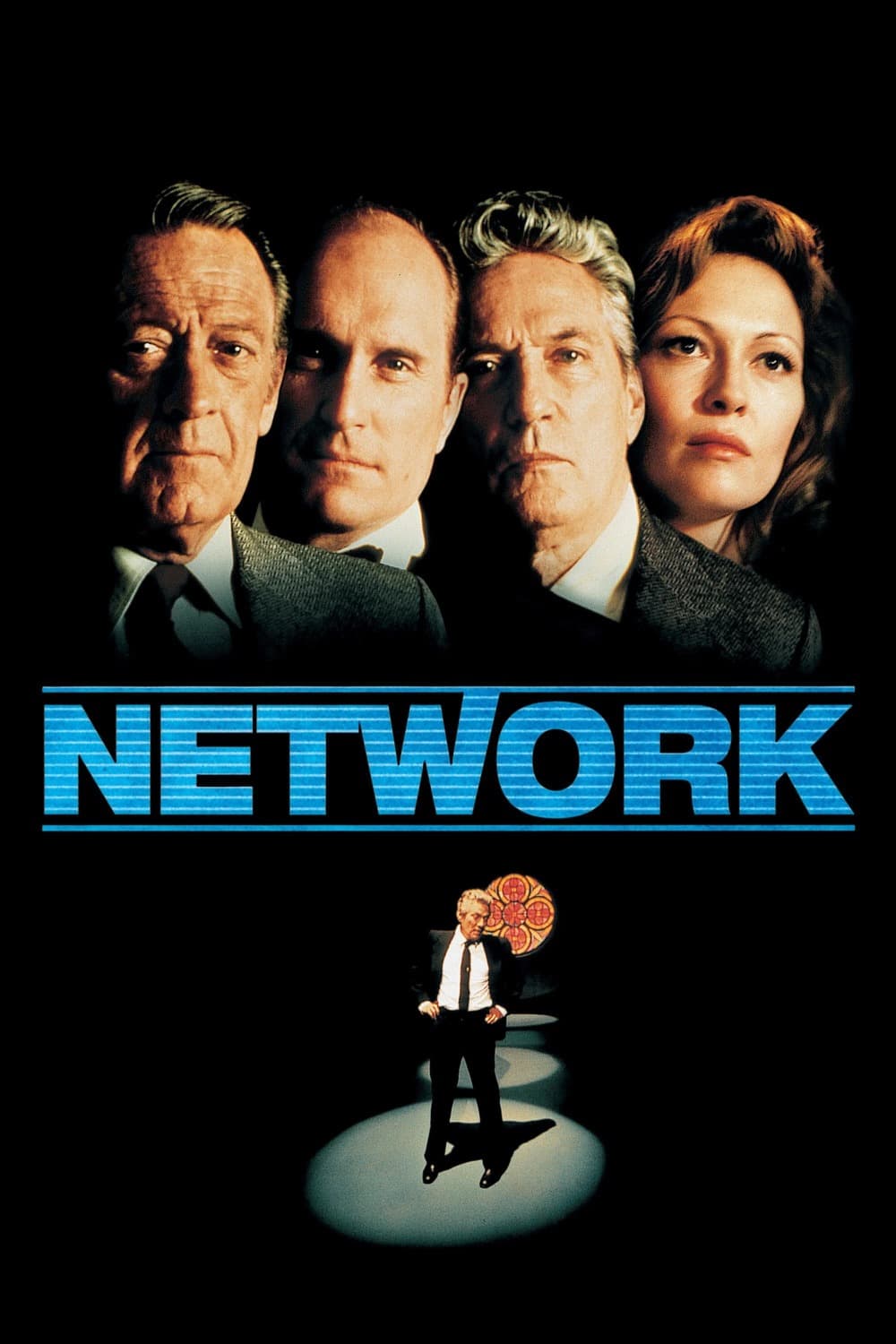
Written as satire in 1976 and now indistinguishable from television: Chayefsky imagined a network that would put a man's breakdown on air for ratings, and got everything right.
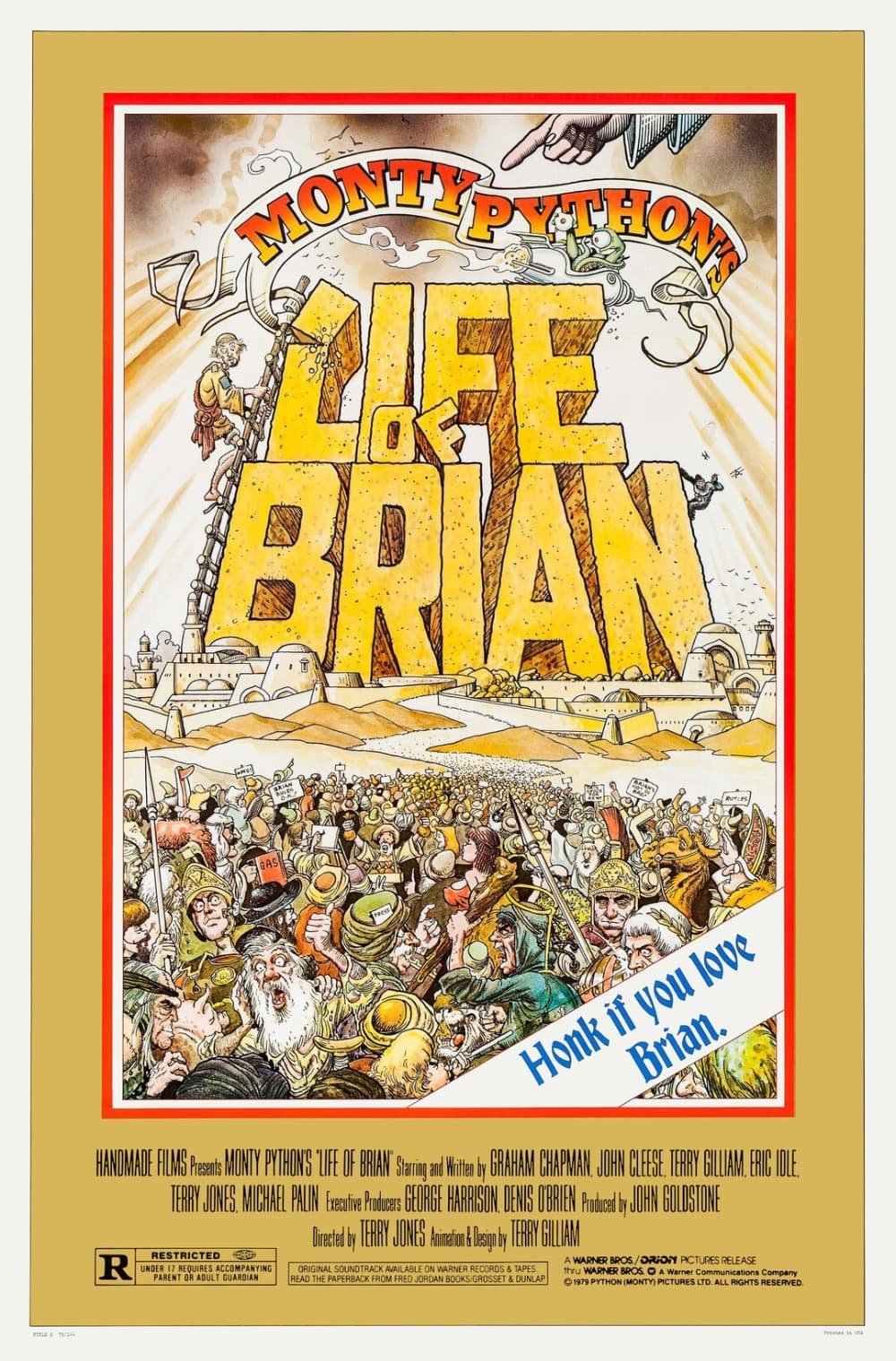
Councils across Britain banned it and Norway would not show it at all: the Pythons went after zealotry rather than faith, which is exactly why it still works.
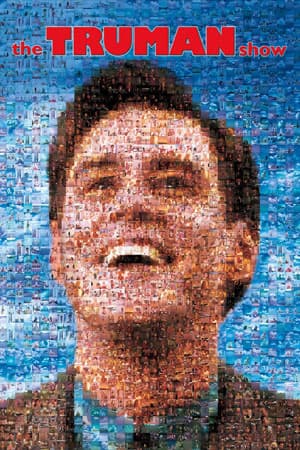
Psychiatrists named a delusion after it: a man begins to suspect his whole town is a set and everyone in his life is paid, and 1998 had no idea.
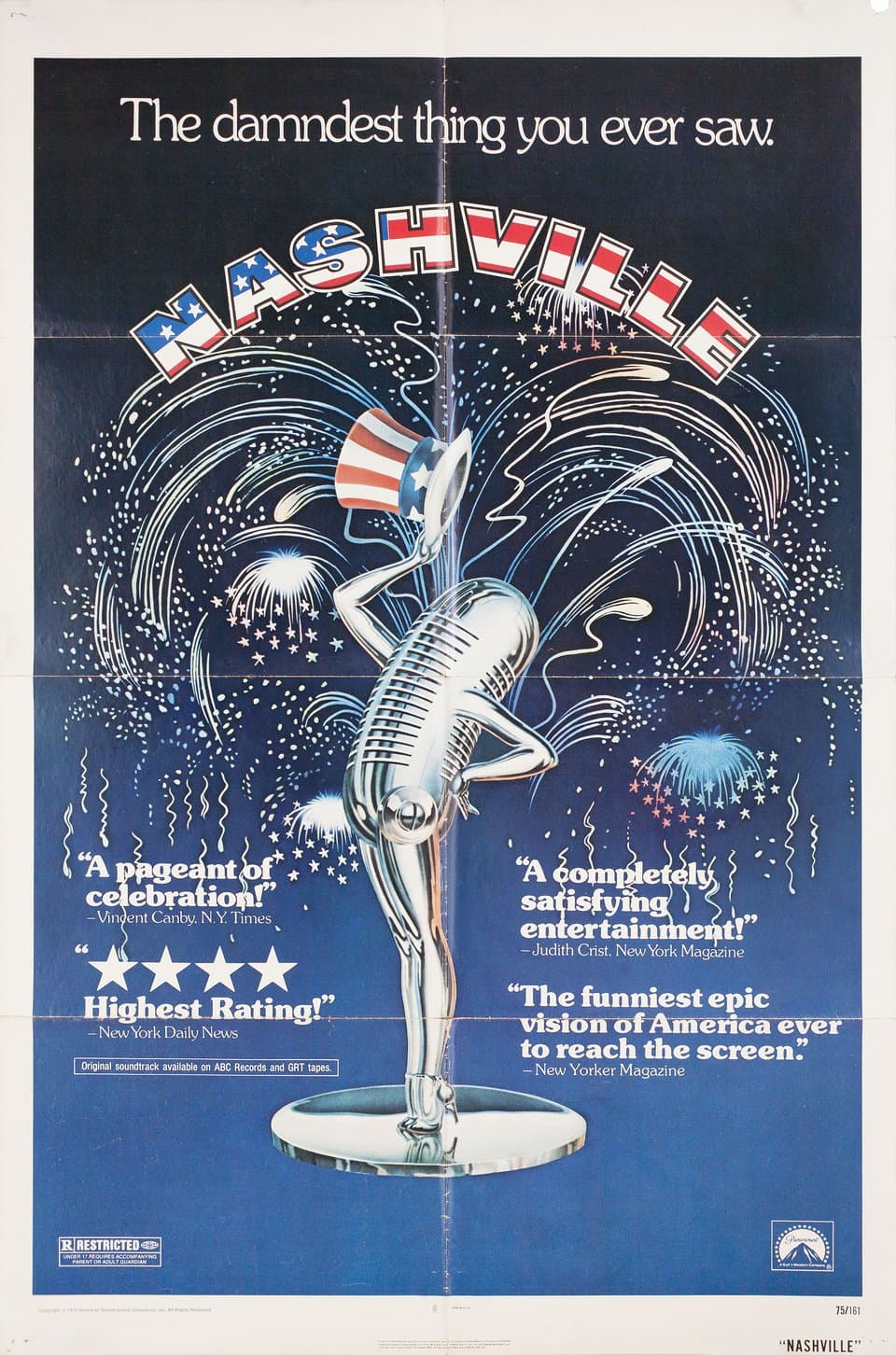
Altman's method arrives here fully formed: twenty-four characters, overlapping microphones, and five days of country music and politics that add up to a portrait of the whole country.
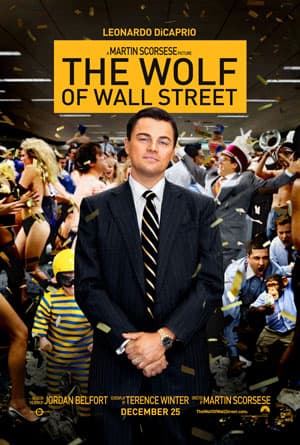
Three hours of pure excess that never once slow down: Scorsese was seventy-one years old, and it moves faster than films made by directors a third his age.
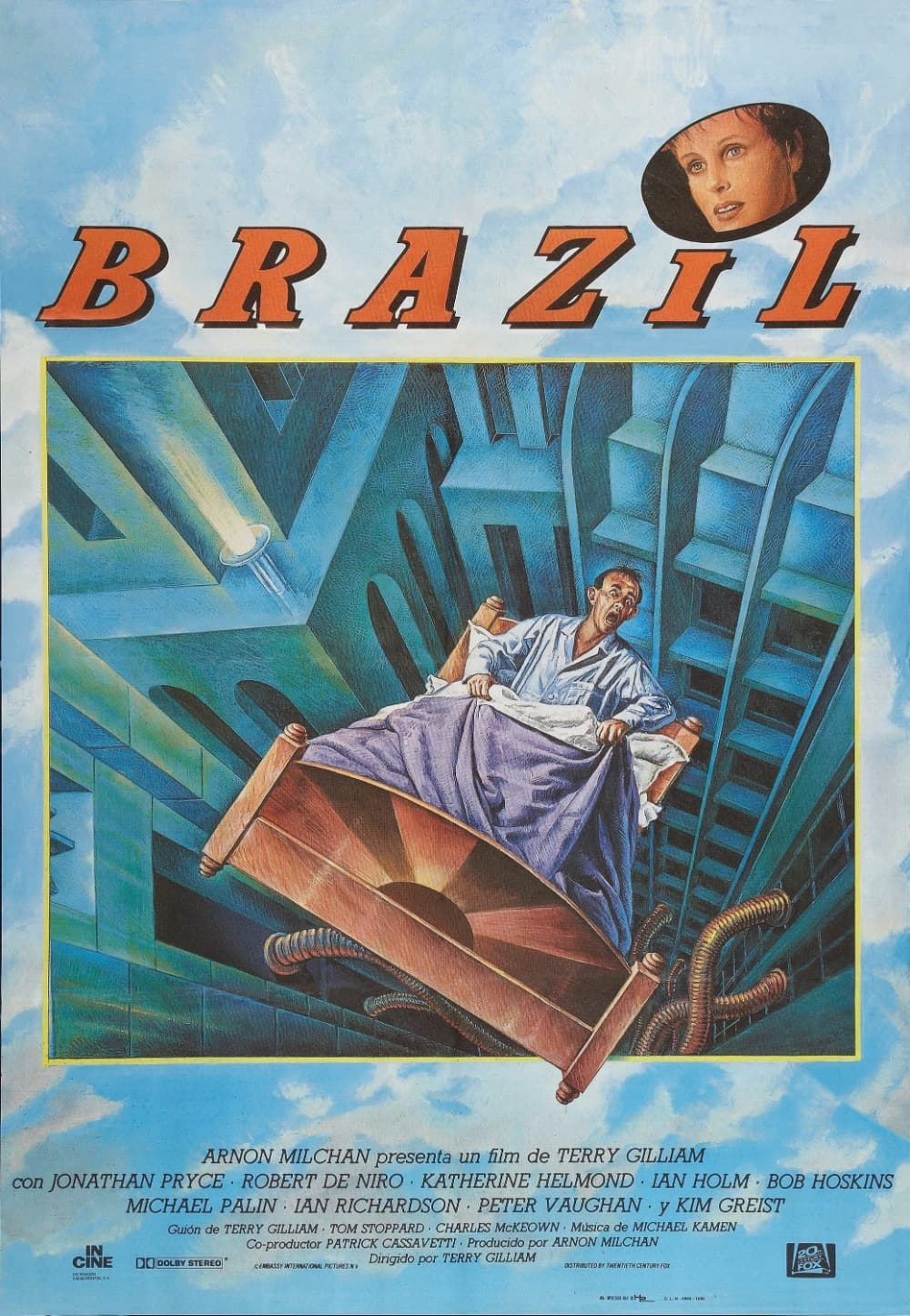
The bleakest comedy ever made about paperwork: Gilliam imagined a state that tortures you politely and misfiles the forms afterward, and had to fight his own studio to release it.
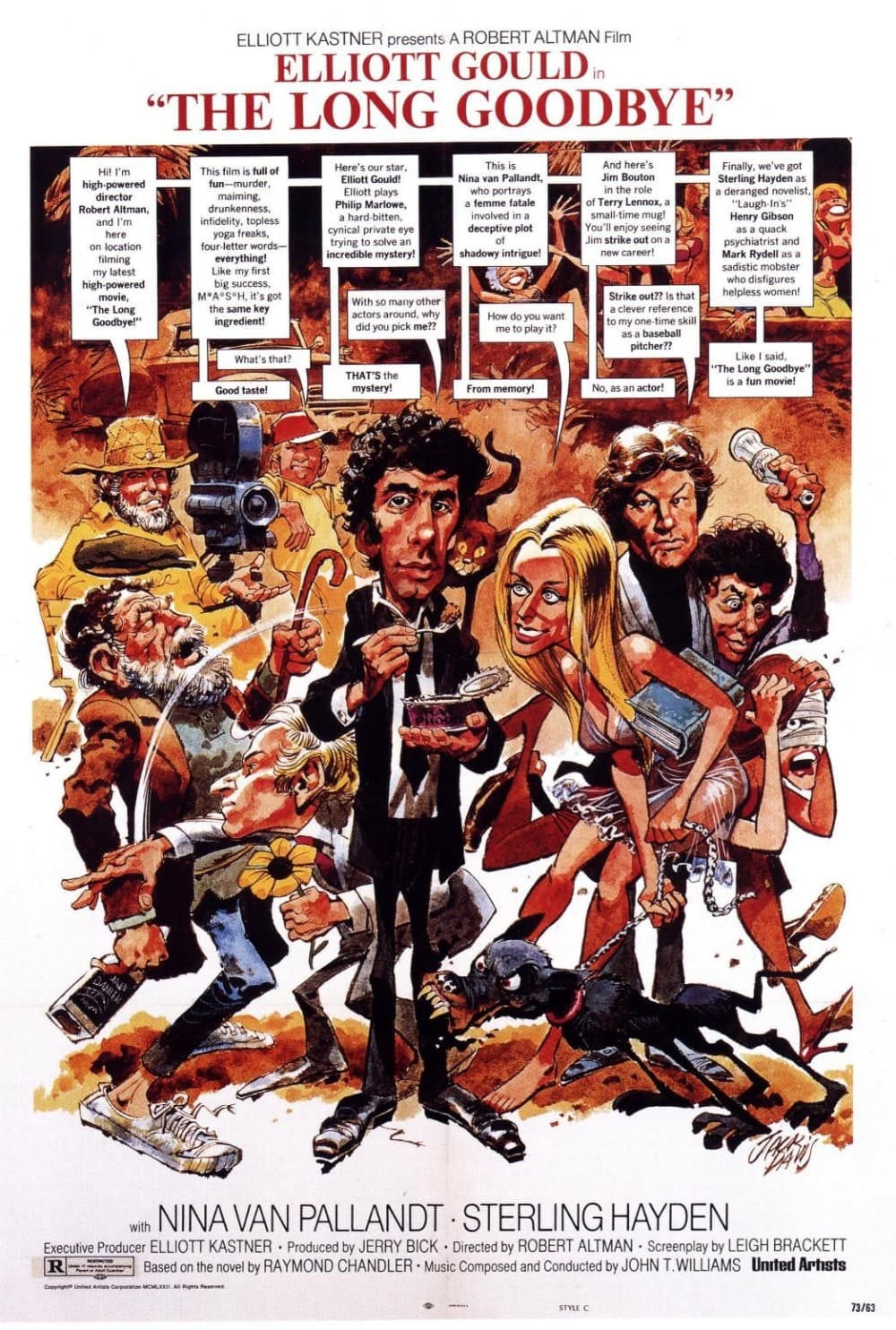
Altman dropped Chandler's detective into 1973 Los Angeles and let him be completely out of step with it: Elliott Gould mumbles through a city that has stopped caring.
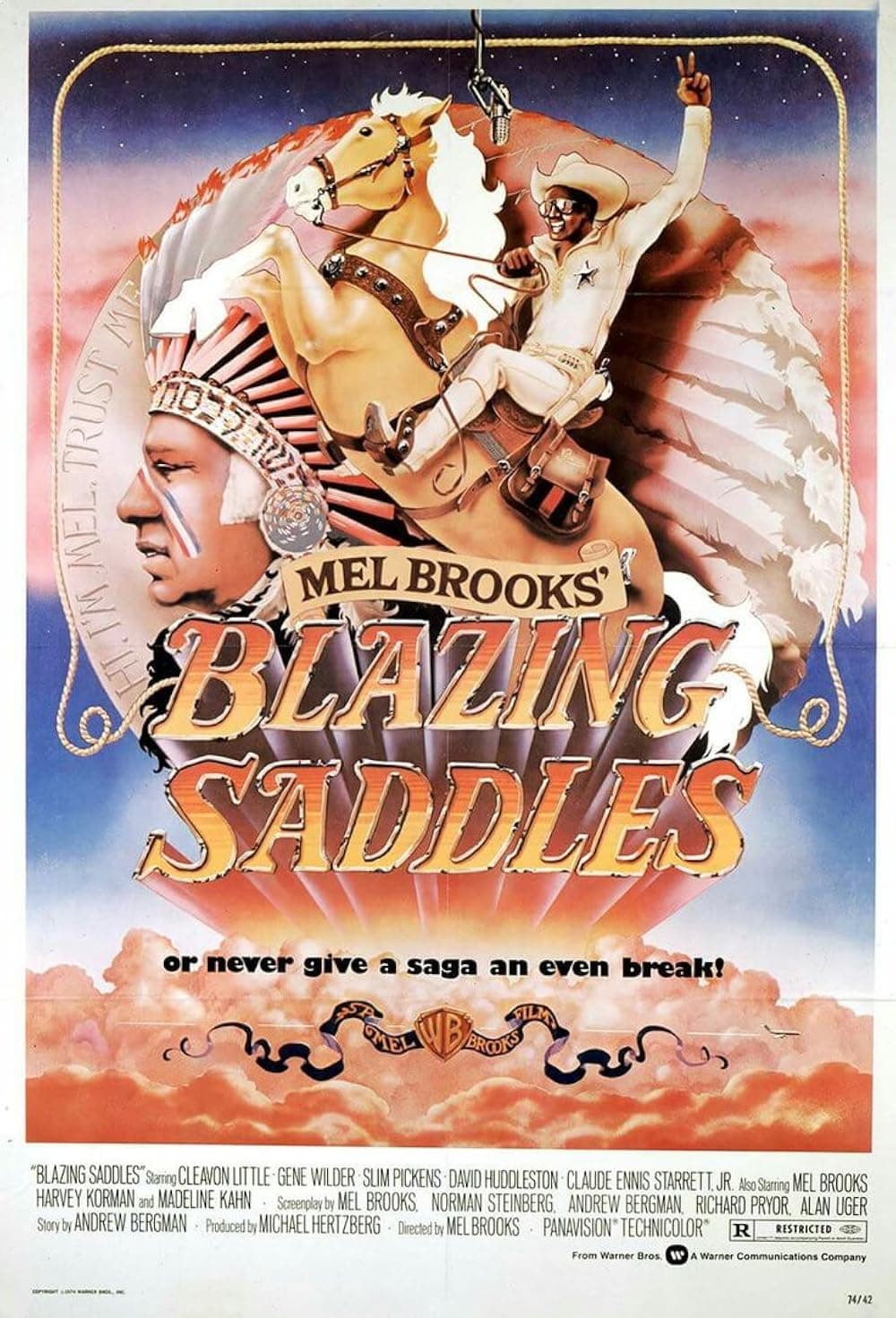
Brooks spent years saying it could not be made today and has since changed his mind: a Black sheriff arrives in a frontier town built on racism, and everybody gets hit.
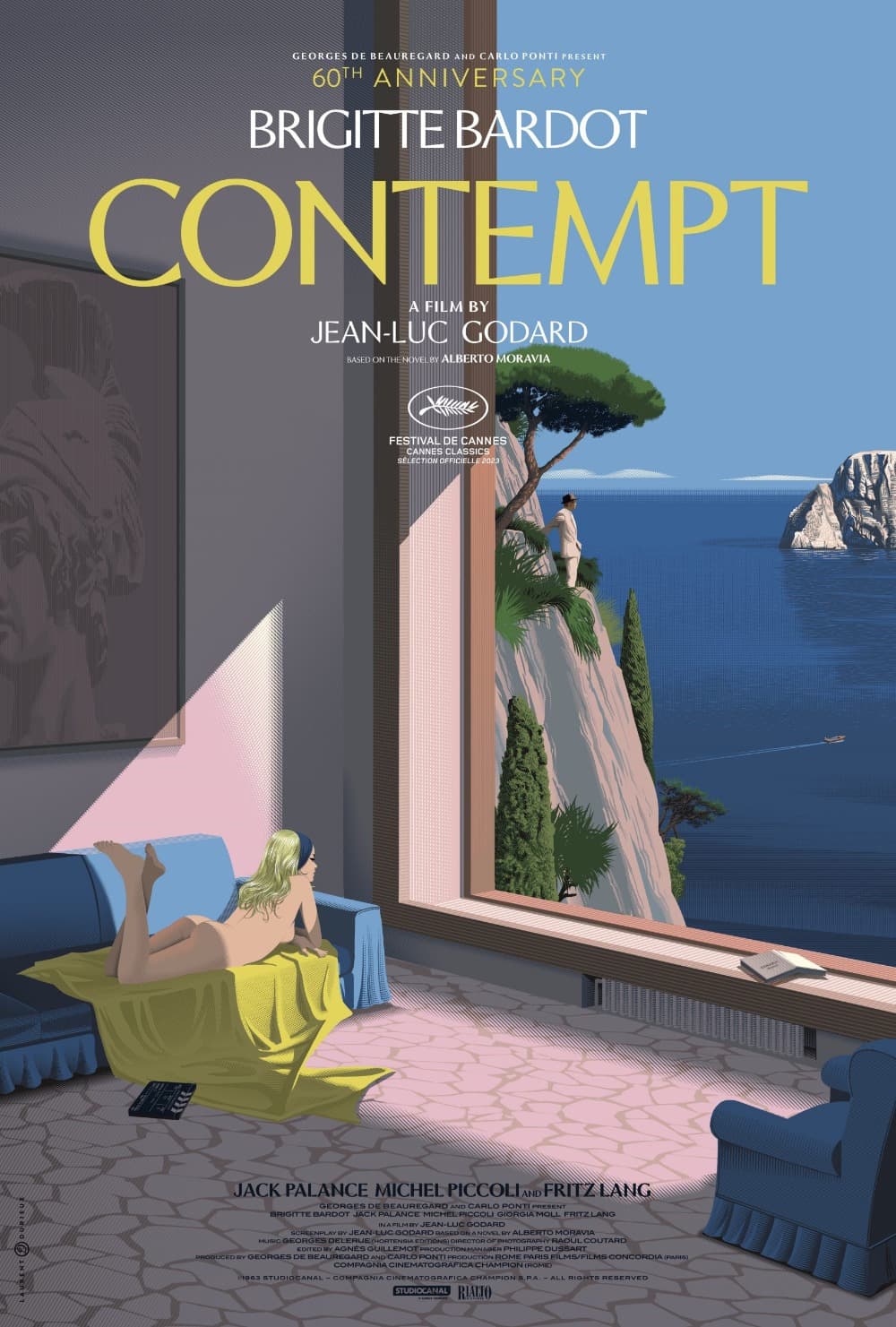
Godard put Brigitte Bardot and Fritz Lang together in a story about a marriage falling apart on a Capri terrace: the most beautiful thing he ever shot.
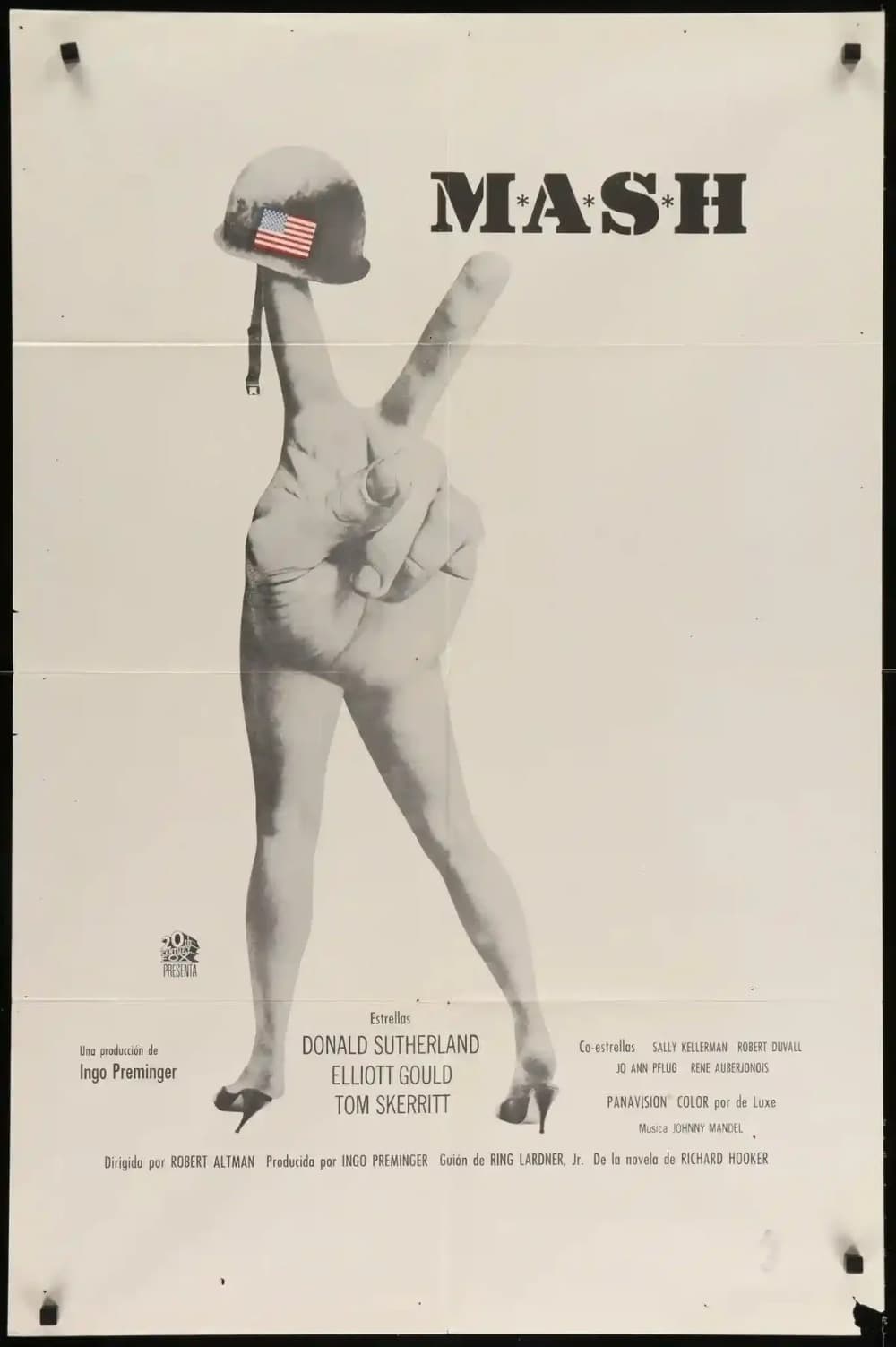
Altman's overlapping dialogue turns up fully formed: army surgeons in Korea behave appallingly in order to stay sane, and the film was really about Vietnam all along.
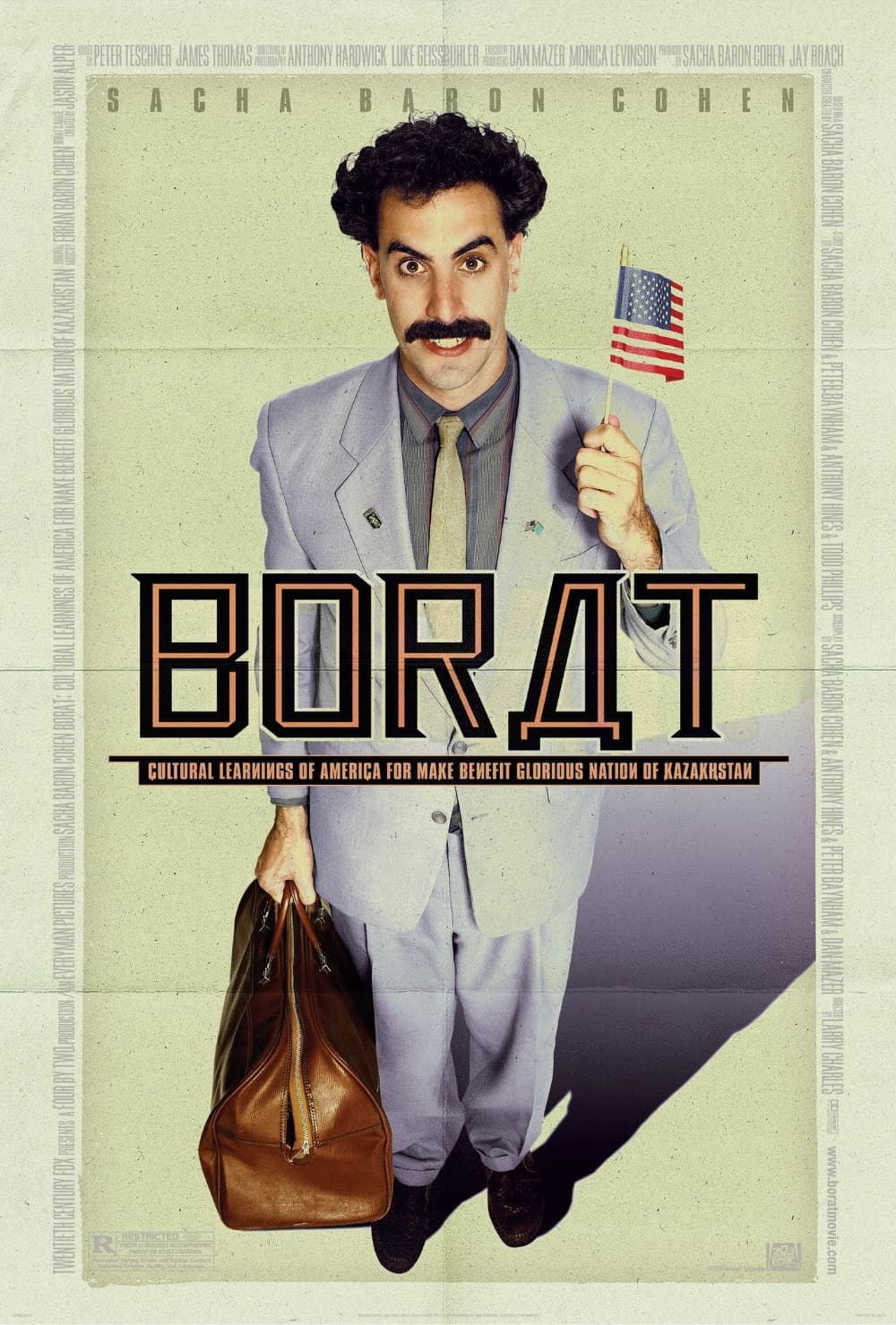
Baron Cohen stayed in character in front of real Americans who had no idea, and they told him what they actually thought: the funniest film of its decade and the most uncomfortable.
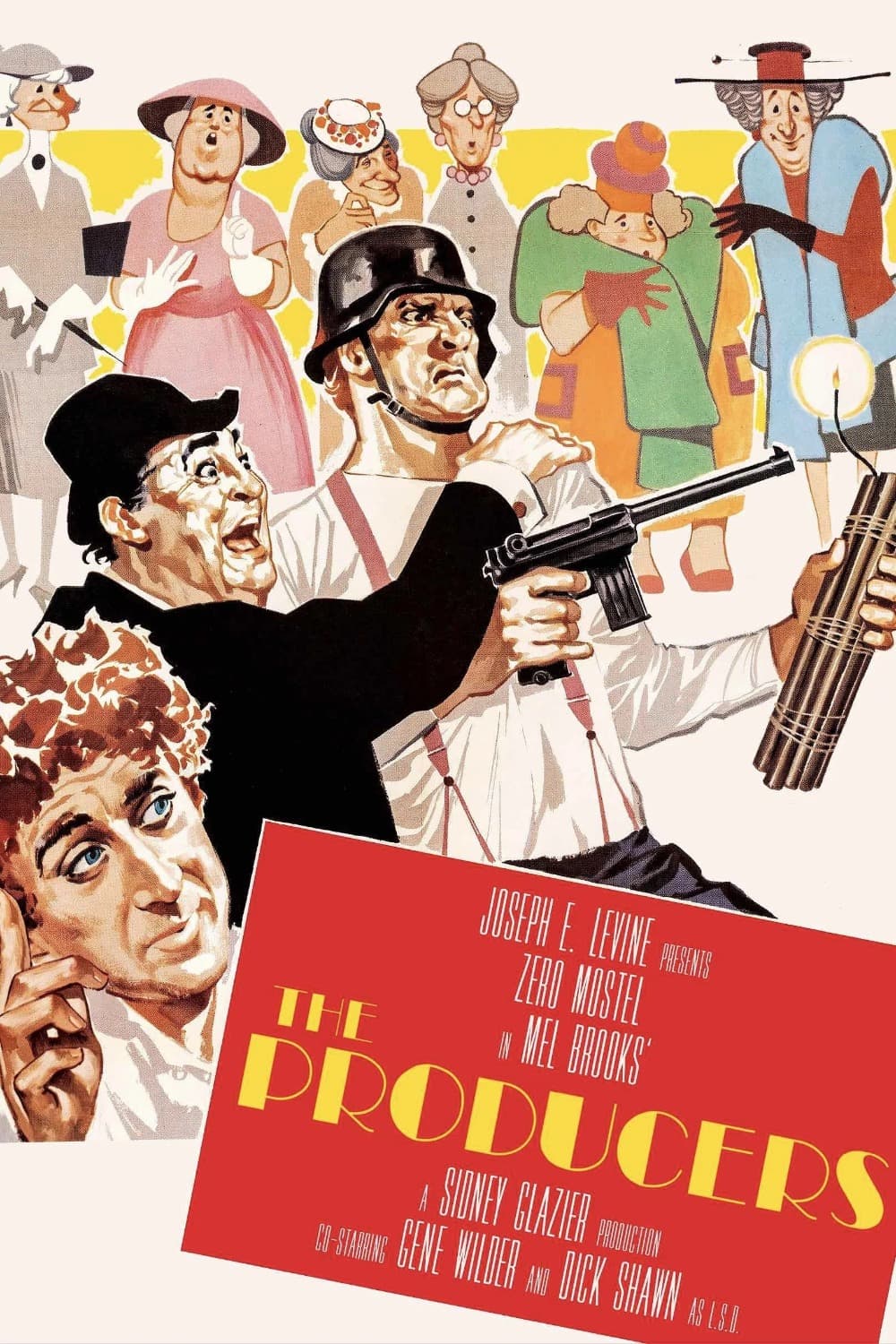
A comedy built around a Nazi musical, released twenty-three years after the war: Brooks designed Springtime for Hitler to be unwatchable, and it remains the funniest sequence of the decade.
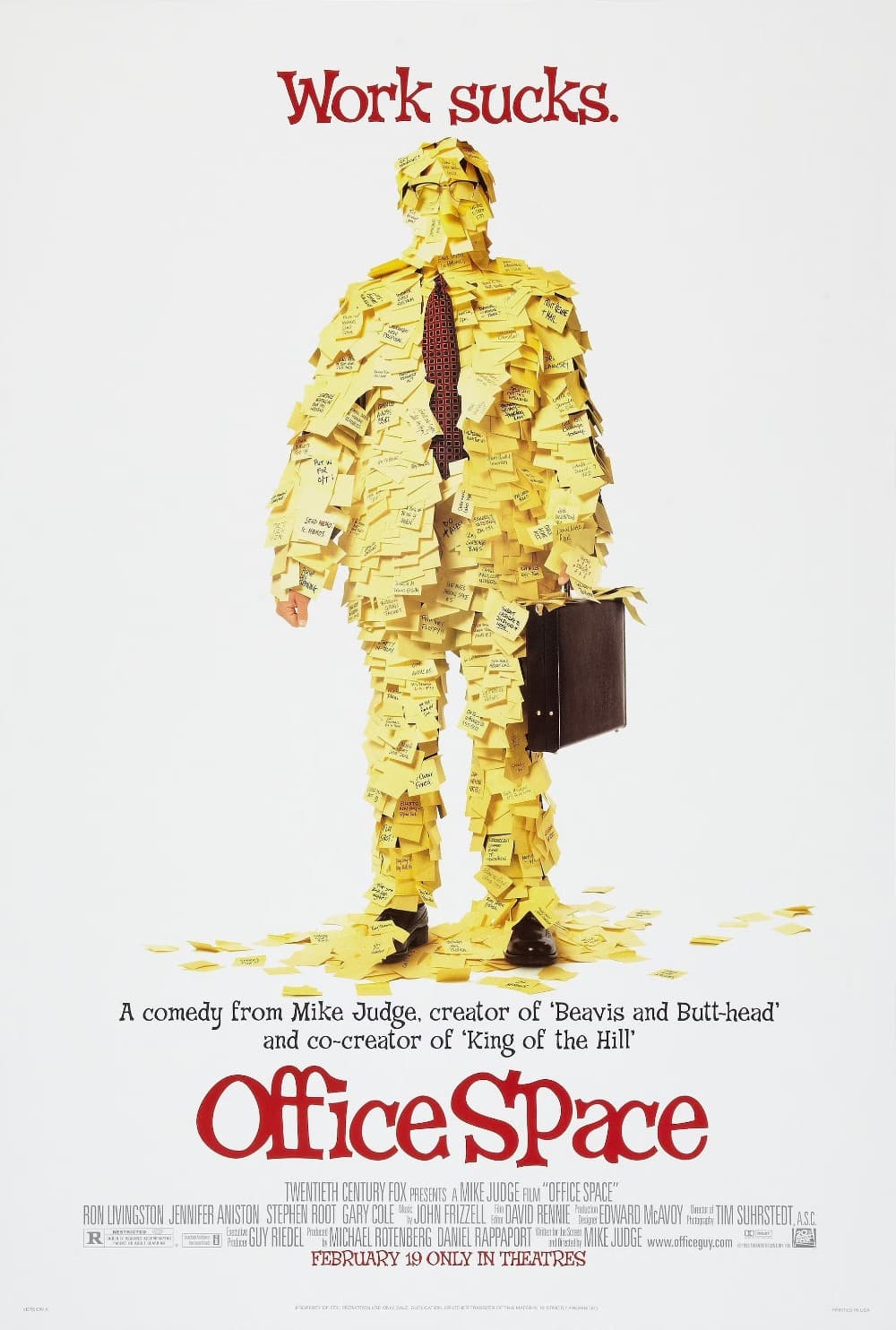
It died in theaters and then took over every office in America on video: Mike Judge got the cubicle exactly right, down to the stapler, the printer and the phrase about the memo.
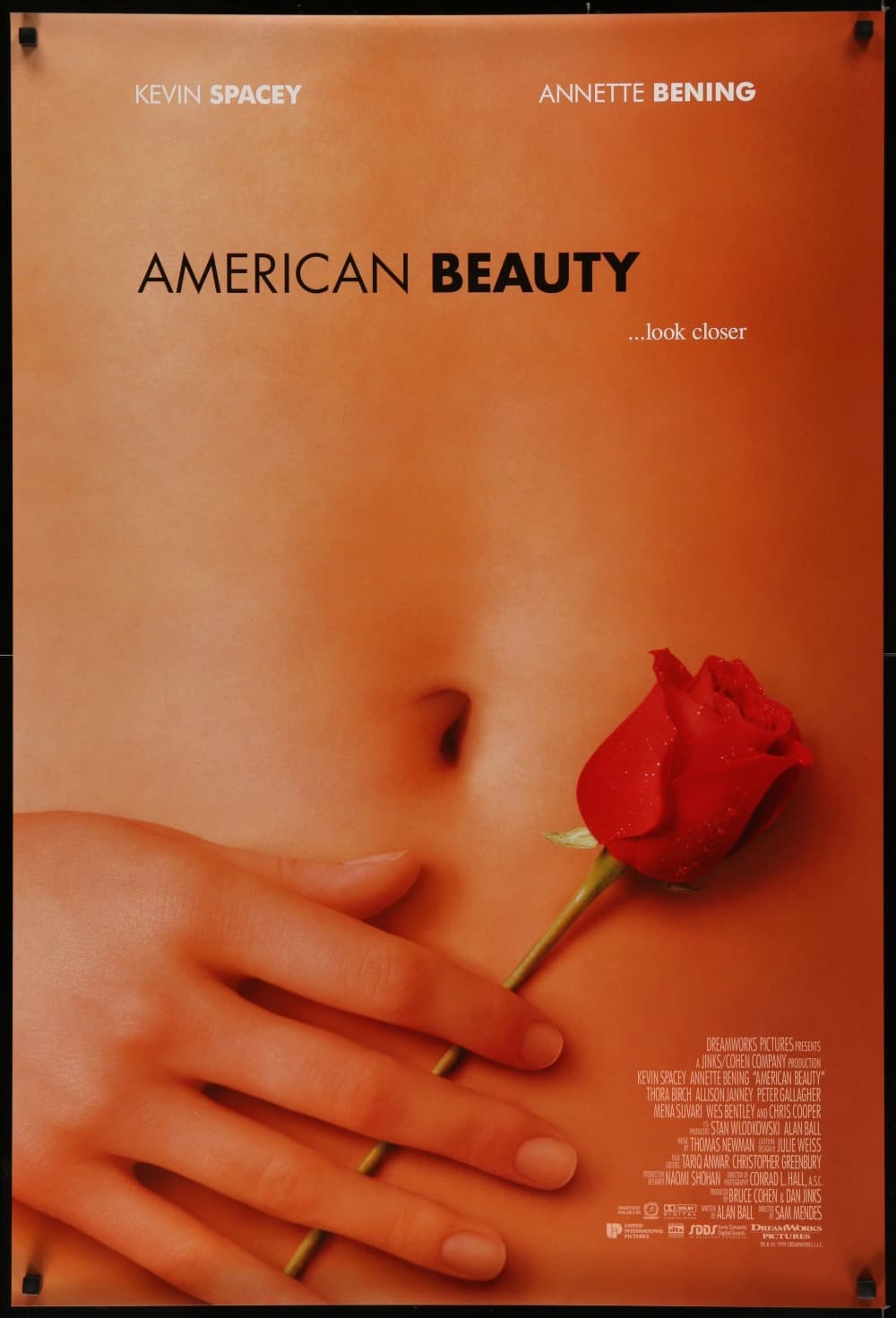
Conrad Hall photographed suburbia like a crime scene and took the cinematography Oscar for it: Sam Mendes came from the theater and made the most contested Best Picture of its era.
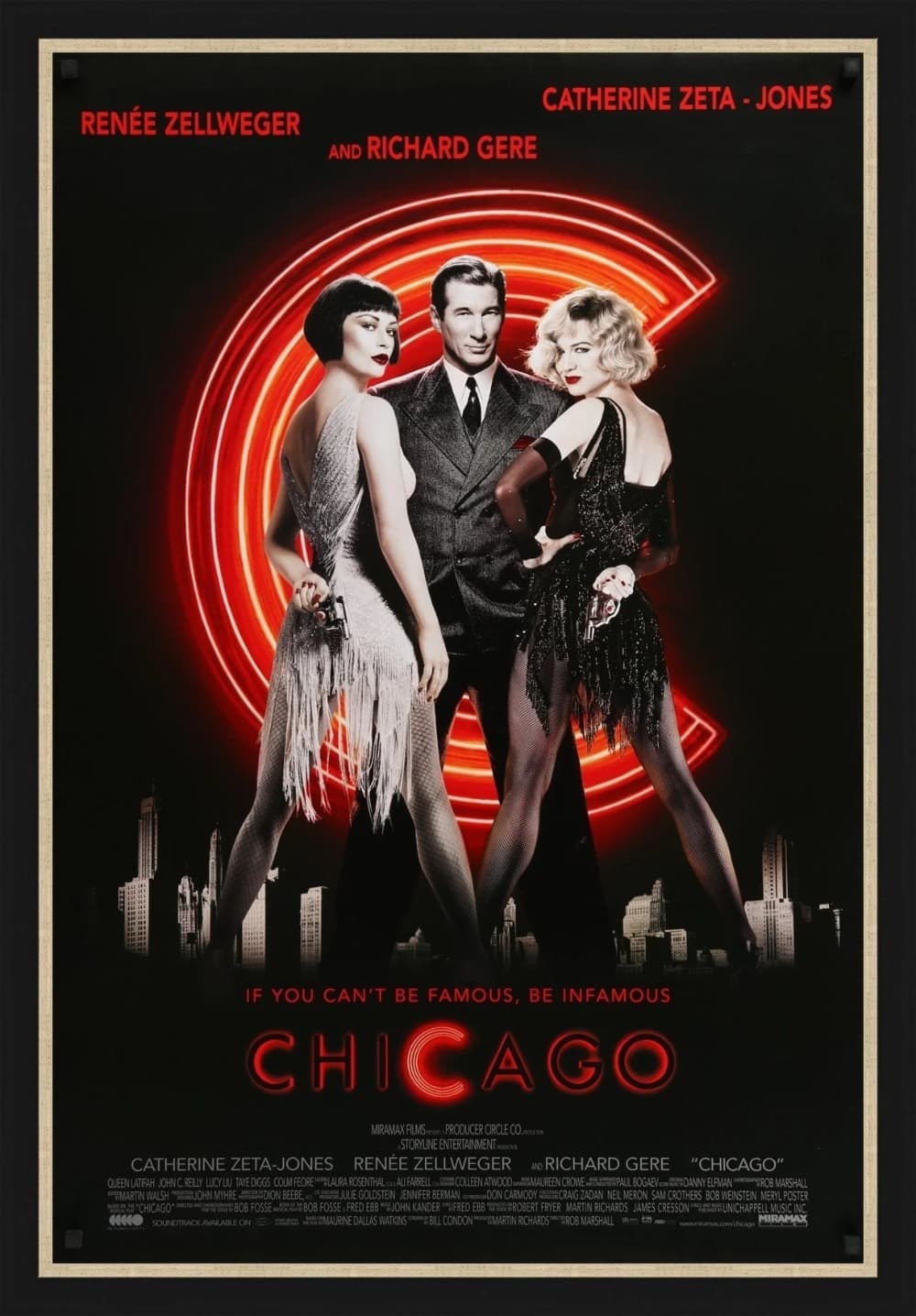
Bob Fosse spent years trying to film his own 1975 stage musical and never did: every number plays inside the head of a woman on trial, and the trial is staged as vaudeville.
The puppetry is entirely straight-faced and never winks: Trey Parker and Matt Stone spent a fortune on marionettes so they could aim a Jerry Bruckheimer parody at absolutely everyone.
George Lucas allowed it on condition that no merchandise be sold, so Mel Brooks put a merchandising joke in the film: Star Wars parodied by someone who clearly loves it.