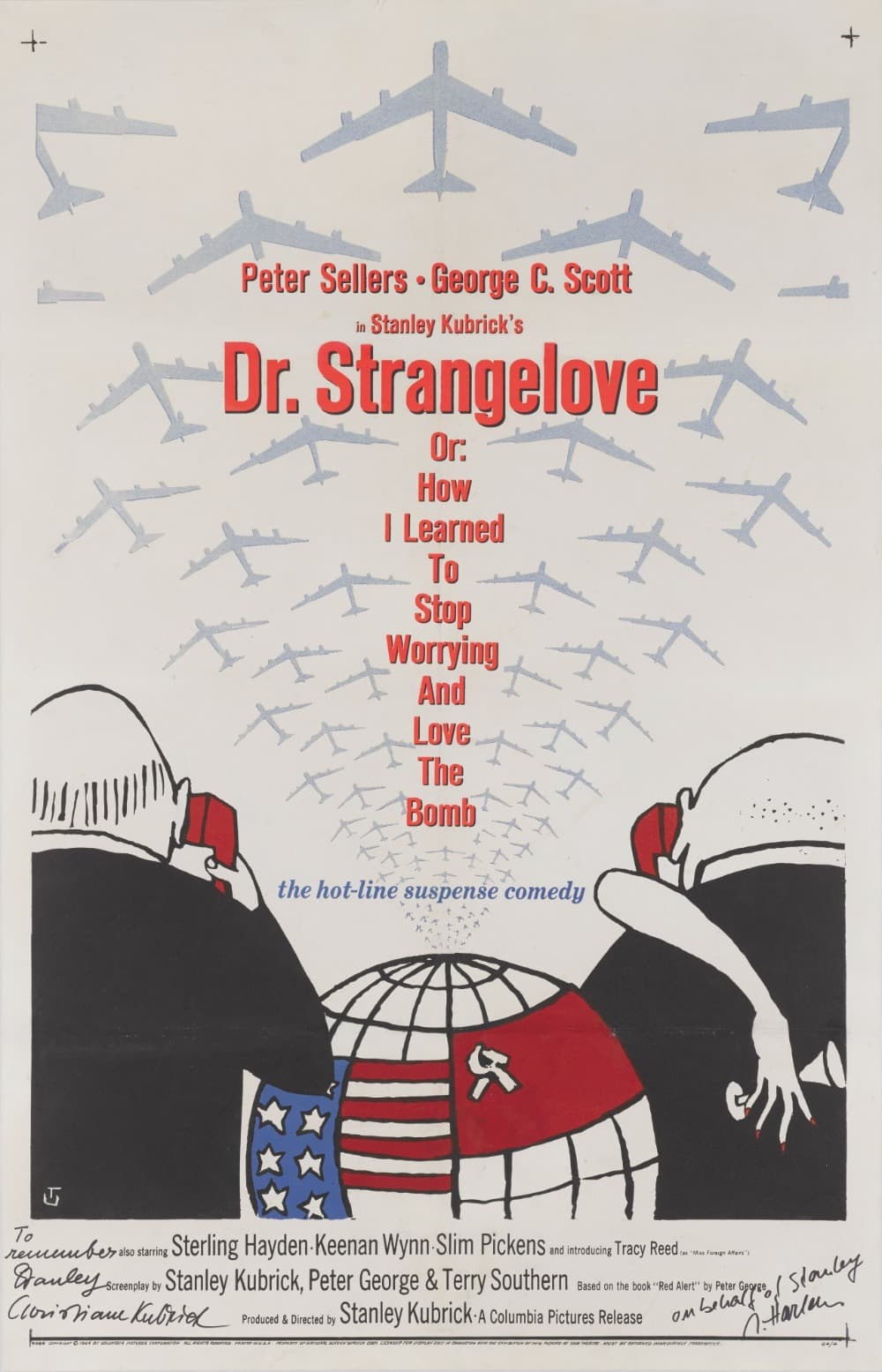
Dr. Strangelove
Directed by Stanley Kubrick
1964
Nuclear annihilation has never been this funny, and never will be again: Kubrick worked out that the strategy was already absurd, and simply let his generals talk.
★ 9.6
 skopia
Nuclear annihilation has never been this funny, and never will be again: Kubrick worked out that the strategy was already absurd, and simply let his generals talk.
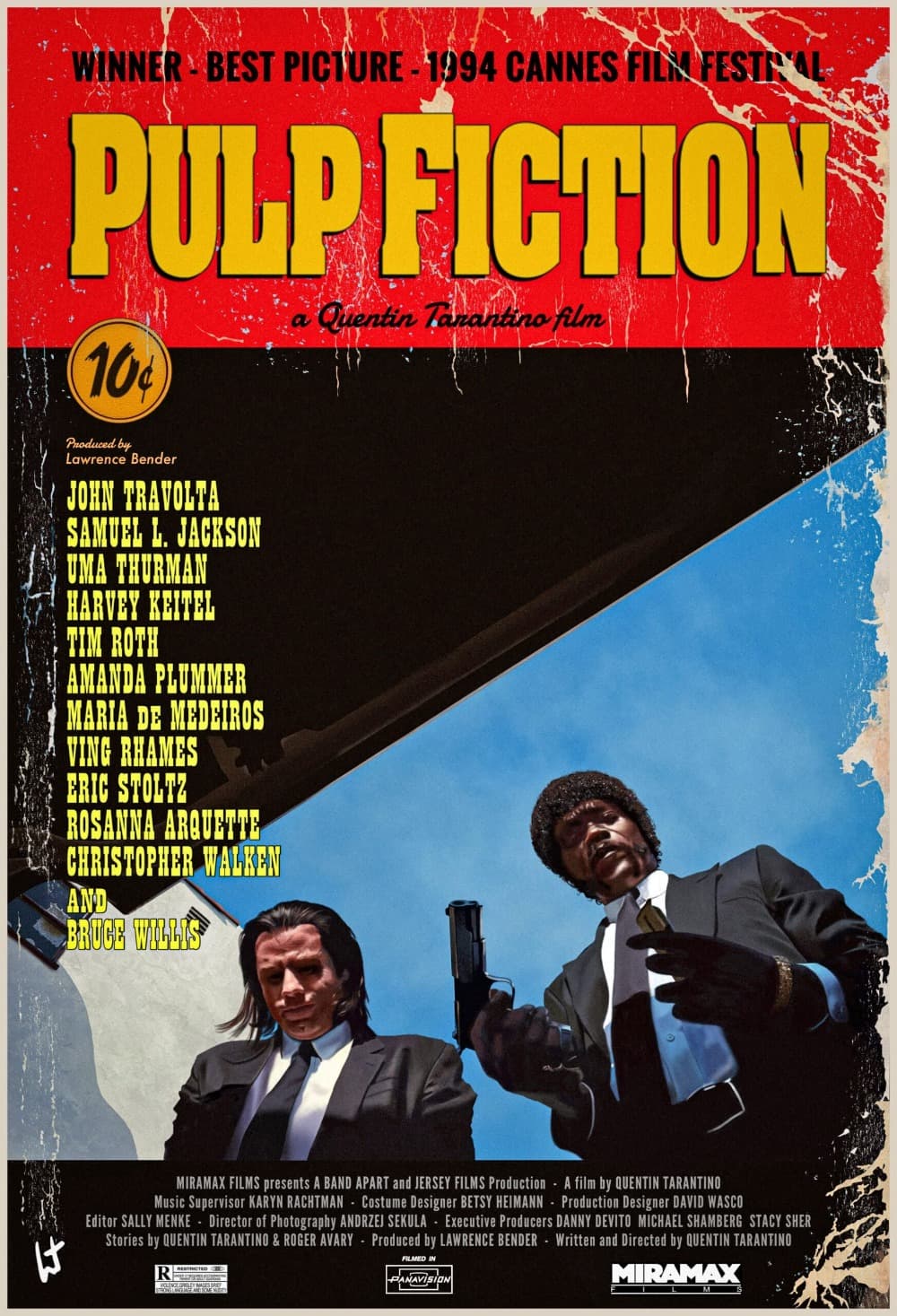
Young filmmakers were allowed to sound different after this one: Tarantino let two hitmen argue about hamburgers for ten minutes, and an entire decade of American cinema followed.
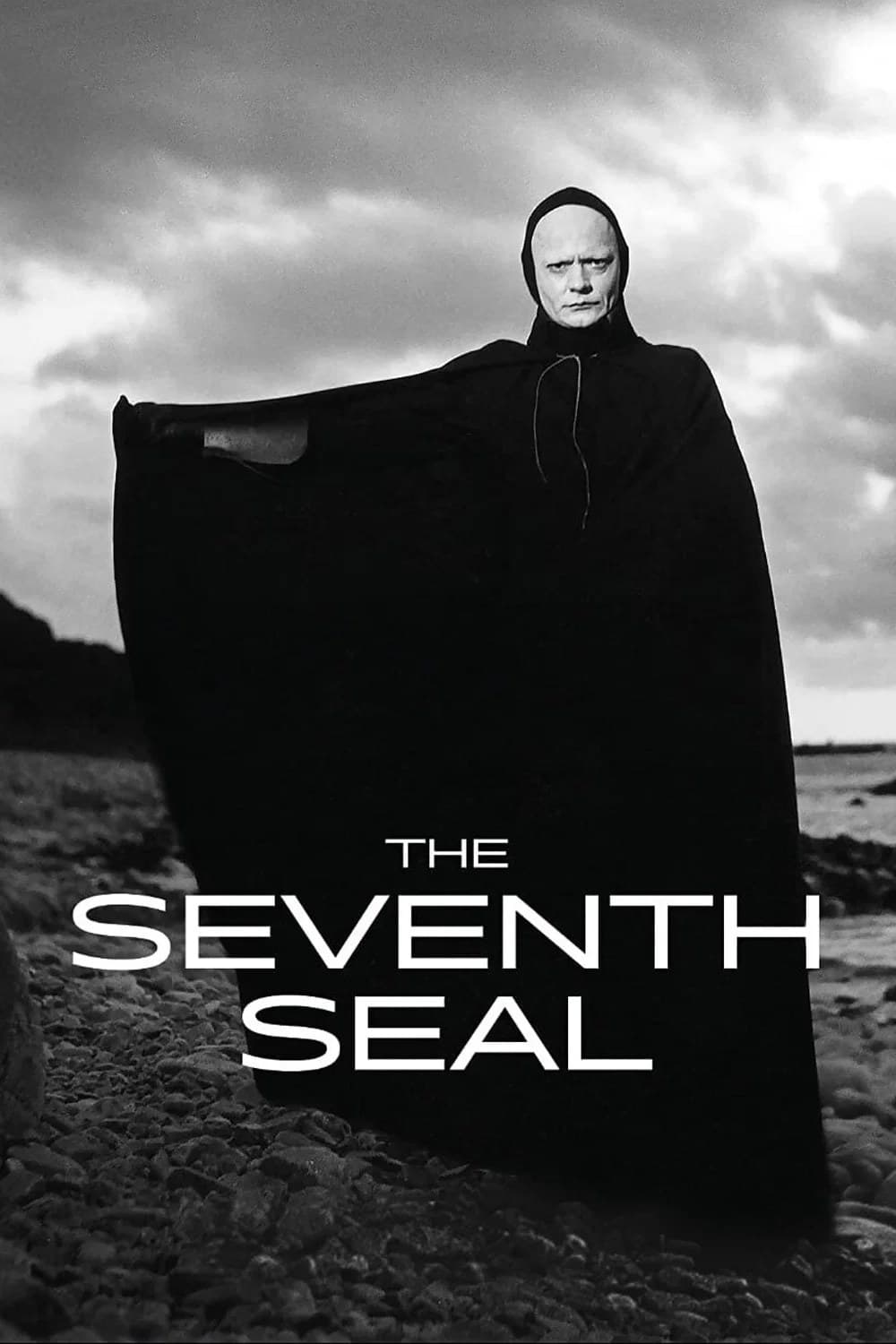
No image from any film has been parodied more: a knight plays chess with Death on a beach, and Bergman is completely serious about the question underneath it.
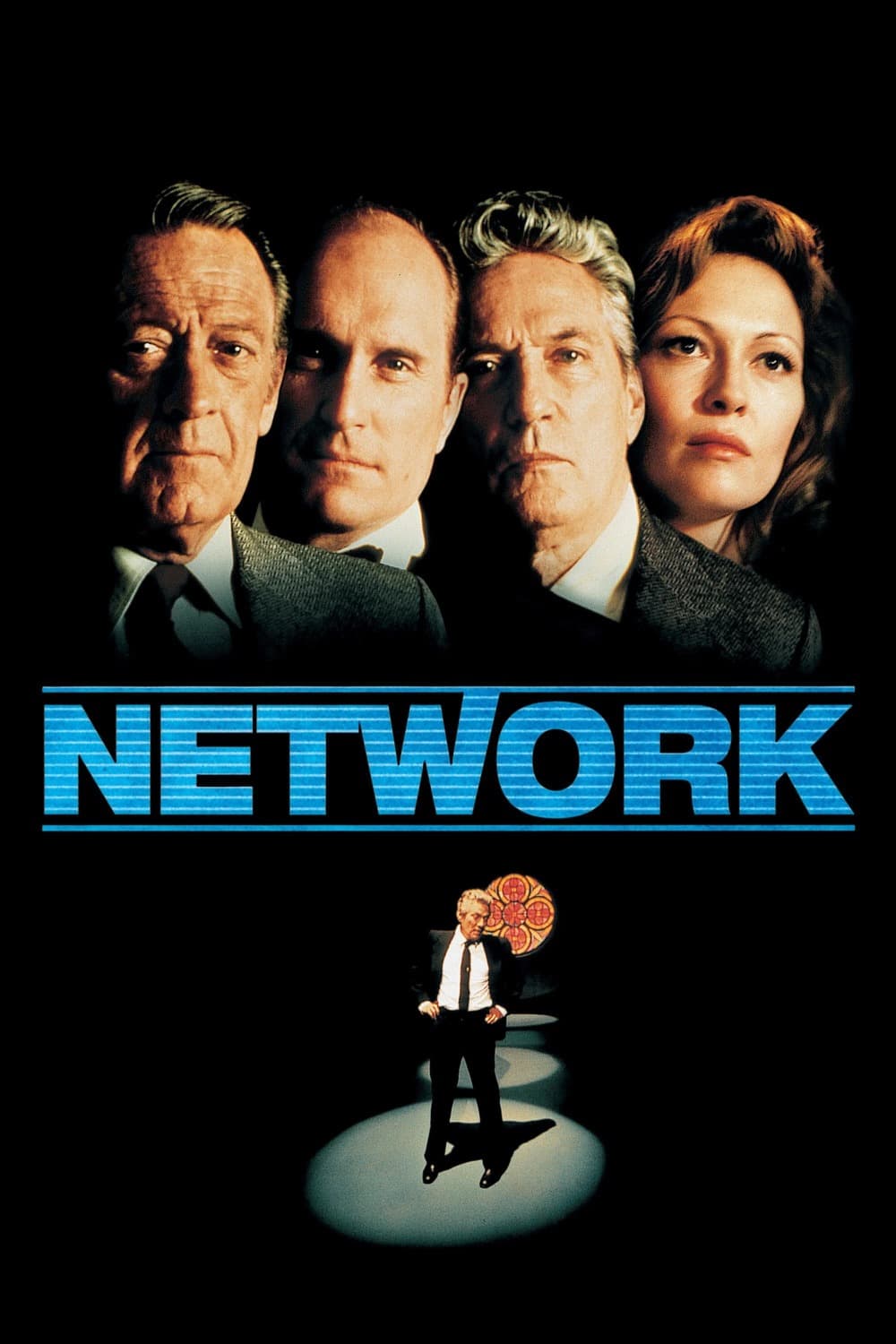
Written as satire in 1976 and now indistinguishable from television: Chayefsky imagined a network that would put a man's breakdown on air for ratings, and got everything right.
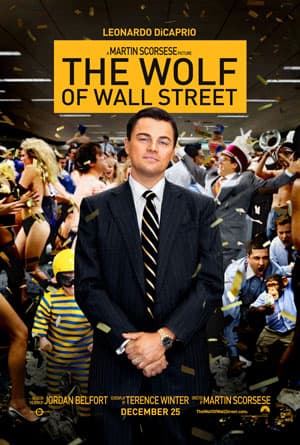
Three hours of pure excess that never once slow down: Scorsese was seventy-one years old, and it moves faster than films made by directors a third his age.
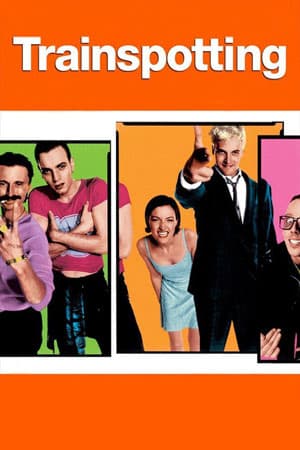
It made a heroin film feel like a night out without ever pretending the squalor was not there: Boyle cut the whole thing to a soundtrack that never sits still.
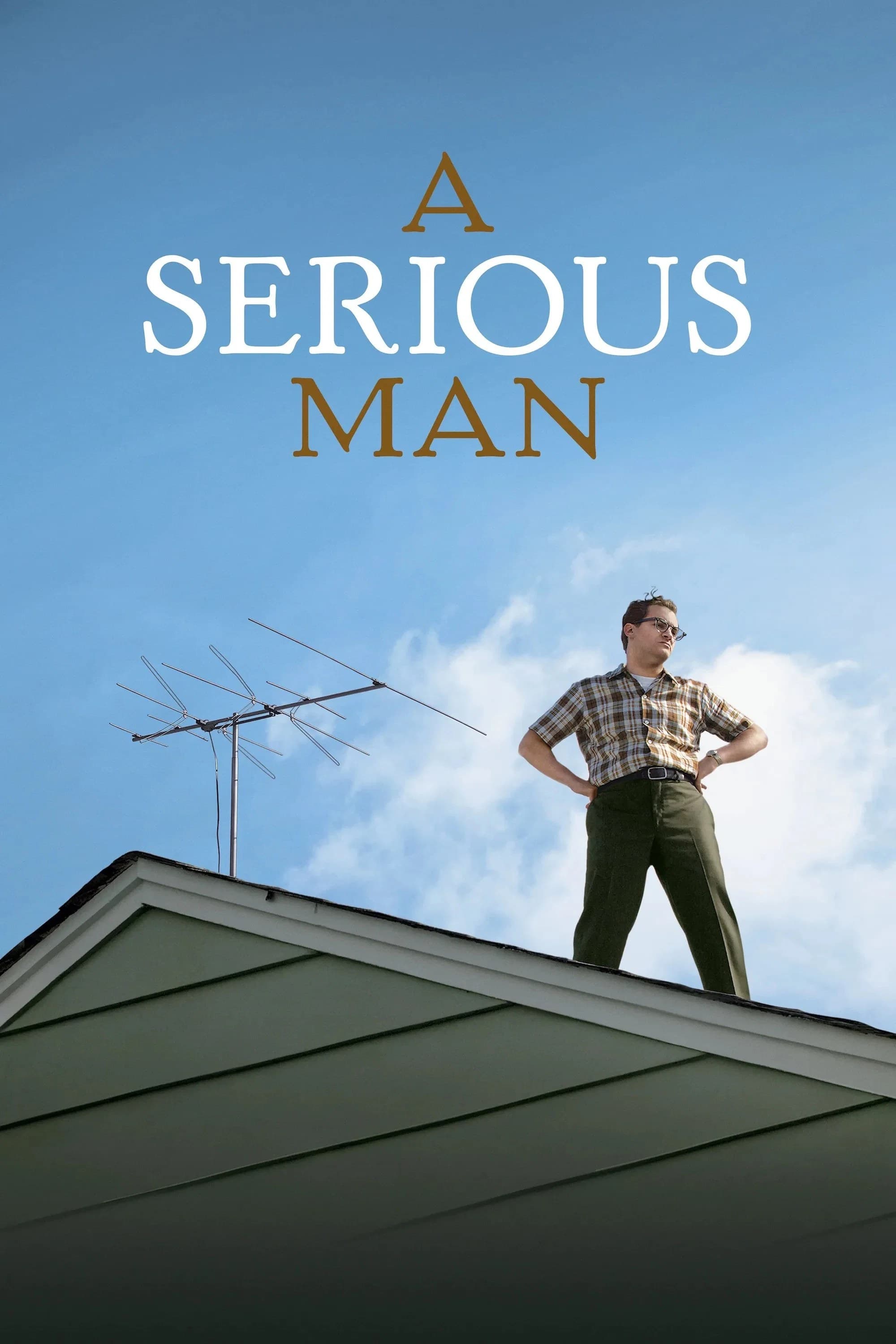
The Coens' most personal film and their least forgiving: a Minnesota physics professor's life comes apart for no reason at all, and nobody in it will explain anything.
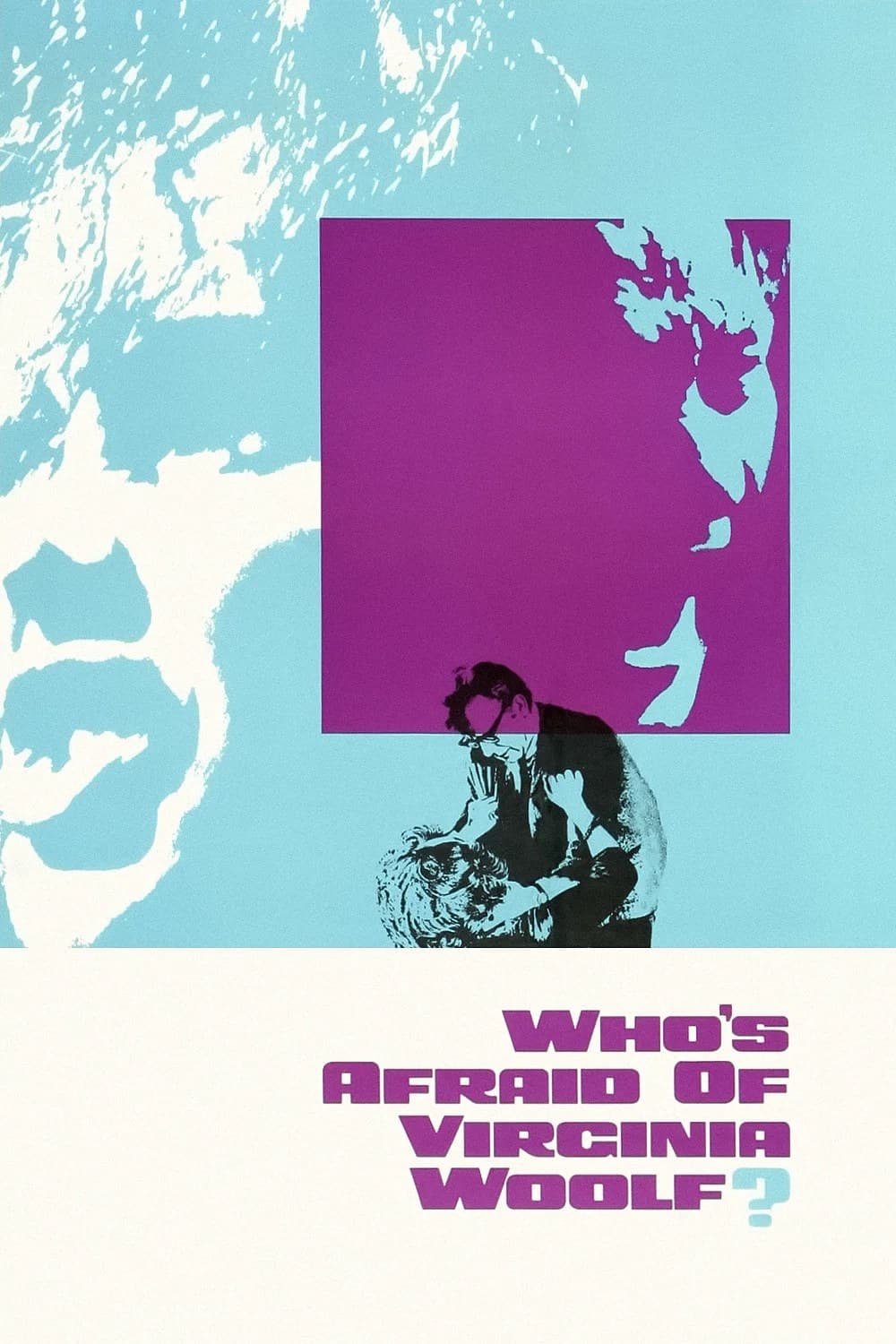
Burton and Taylor were married and it shows in every line: a history professor and his wife drink through one night and take each other apart in front of guests.
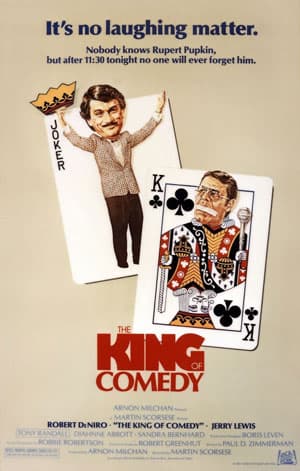
It flopped and now looks like prophecy: De Niro plays a man who believes fame is owed to him, and Scorsese refuses to let you laugh comfortably.
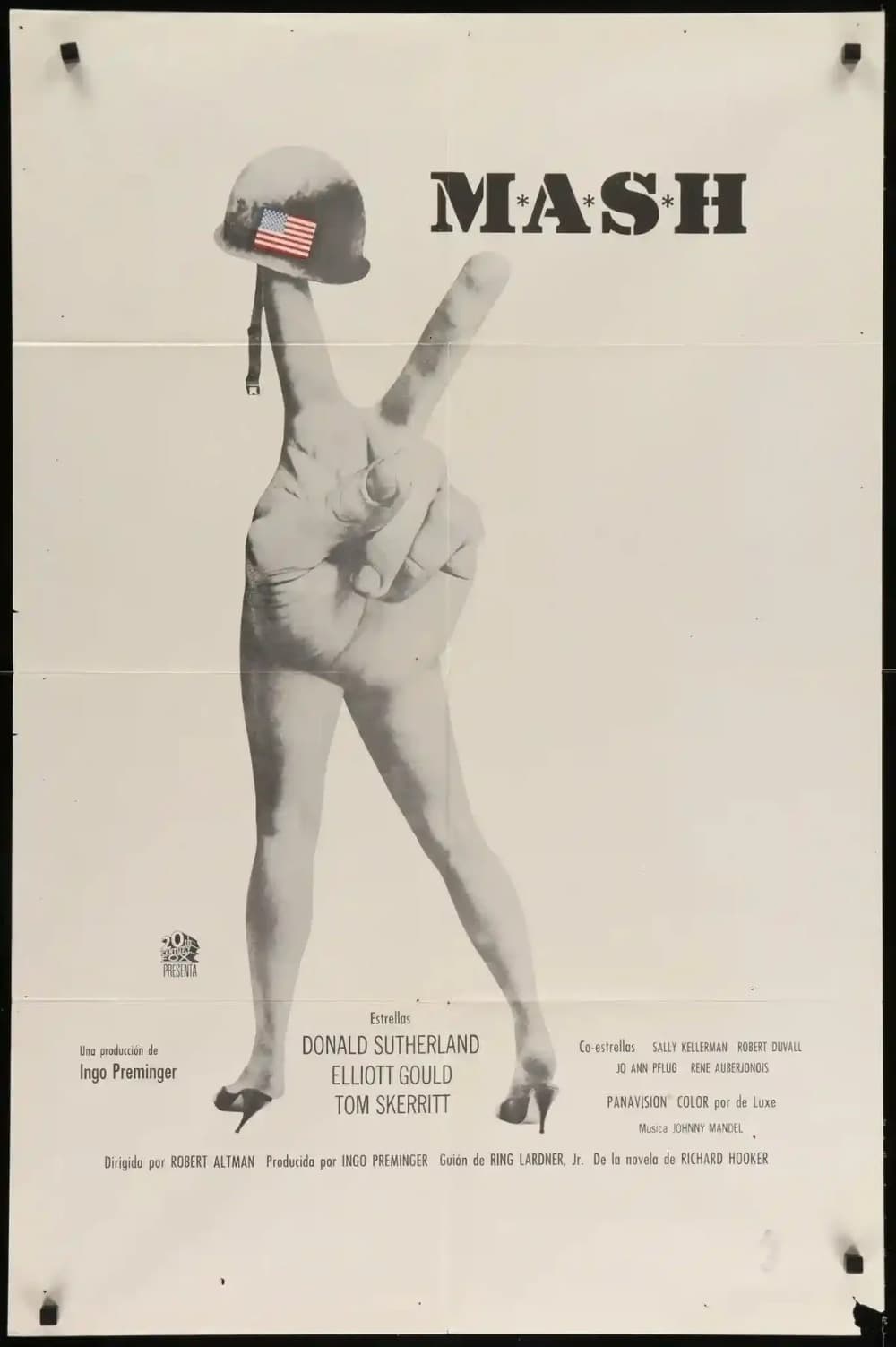
Altman's overlapping dialogue turns up fully formed: army surgeons in Korea behave appallingly in order to stay sane, and the film was really about Vietnam all along.
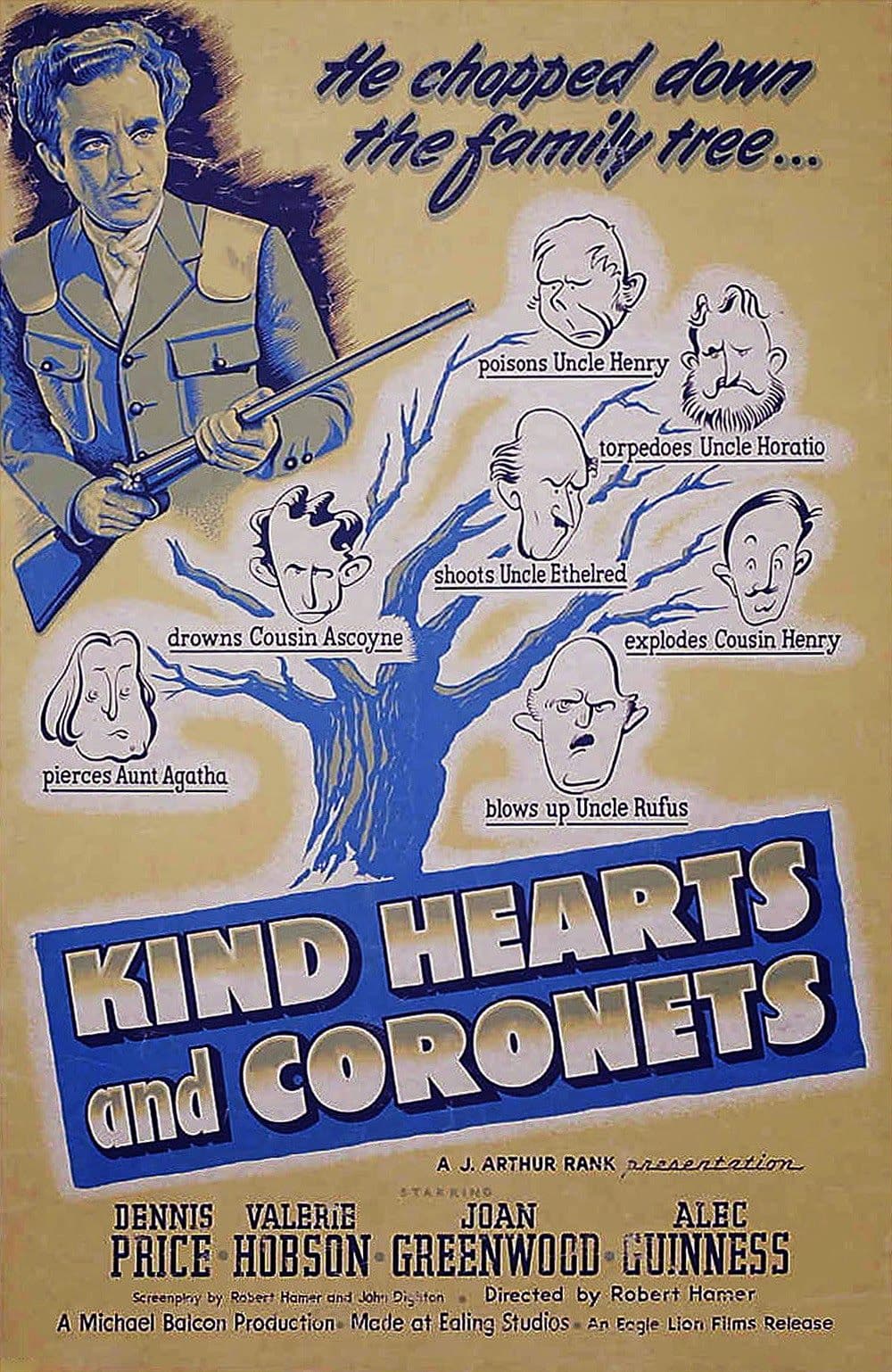
Alec Guinness plays eight members of the same family, including one of the women: the blackest comedy the British ever made, narrated in perfect drawing-room manners by a man counting off his relatives.
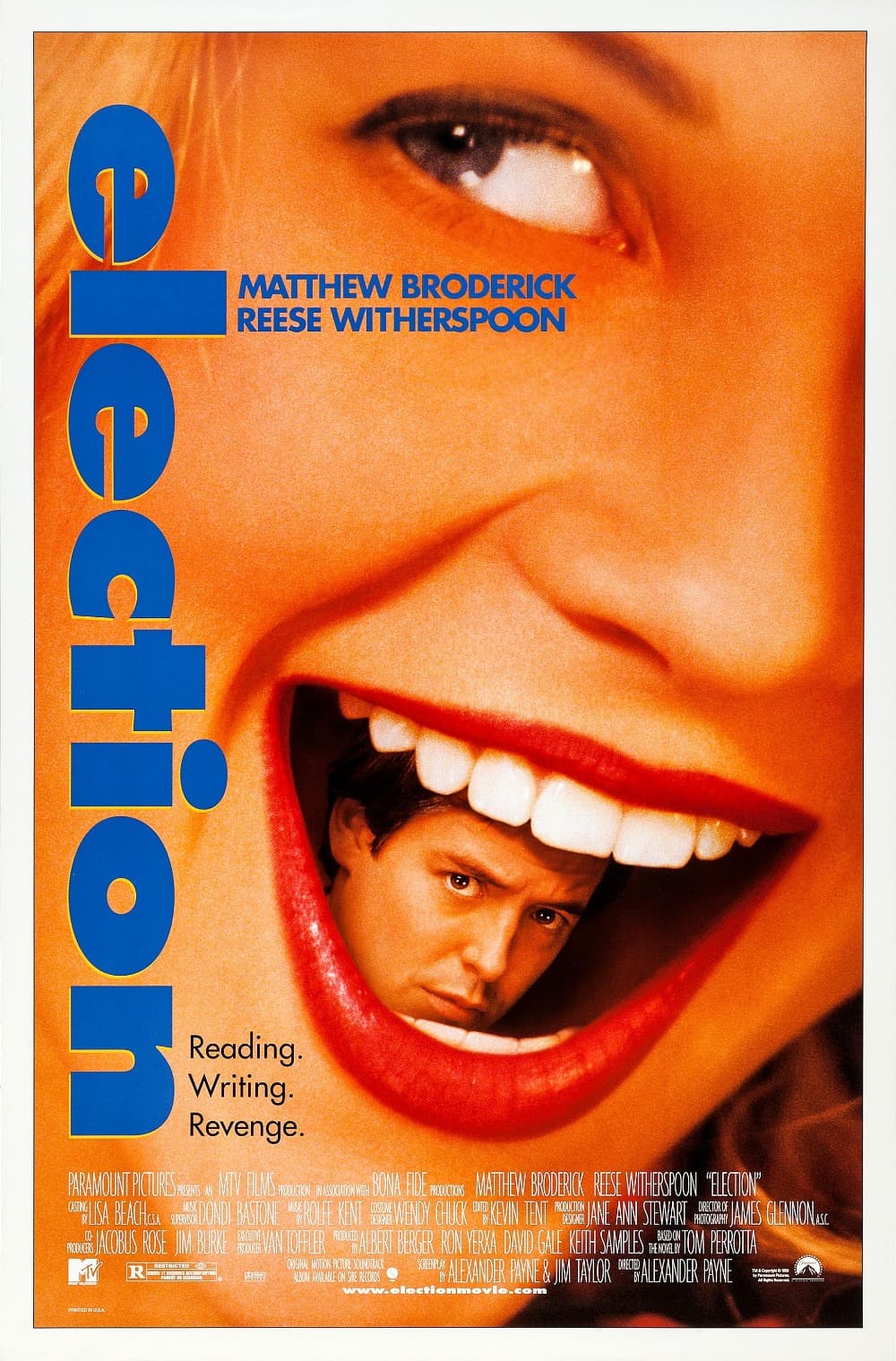
Reese Witherspoon has never been better used: a high-school student council election becomes a study of ambition and resentment, and Payne refuses to let a single character off the hook.
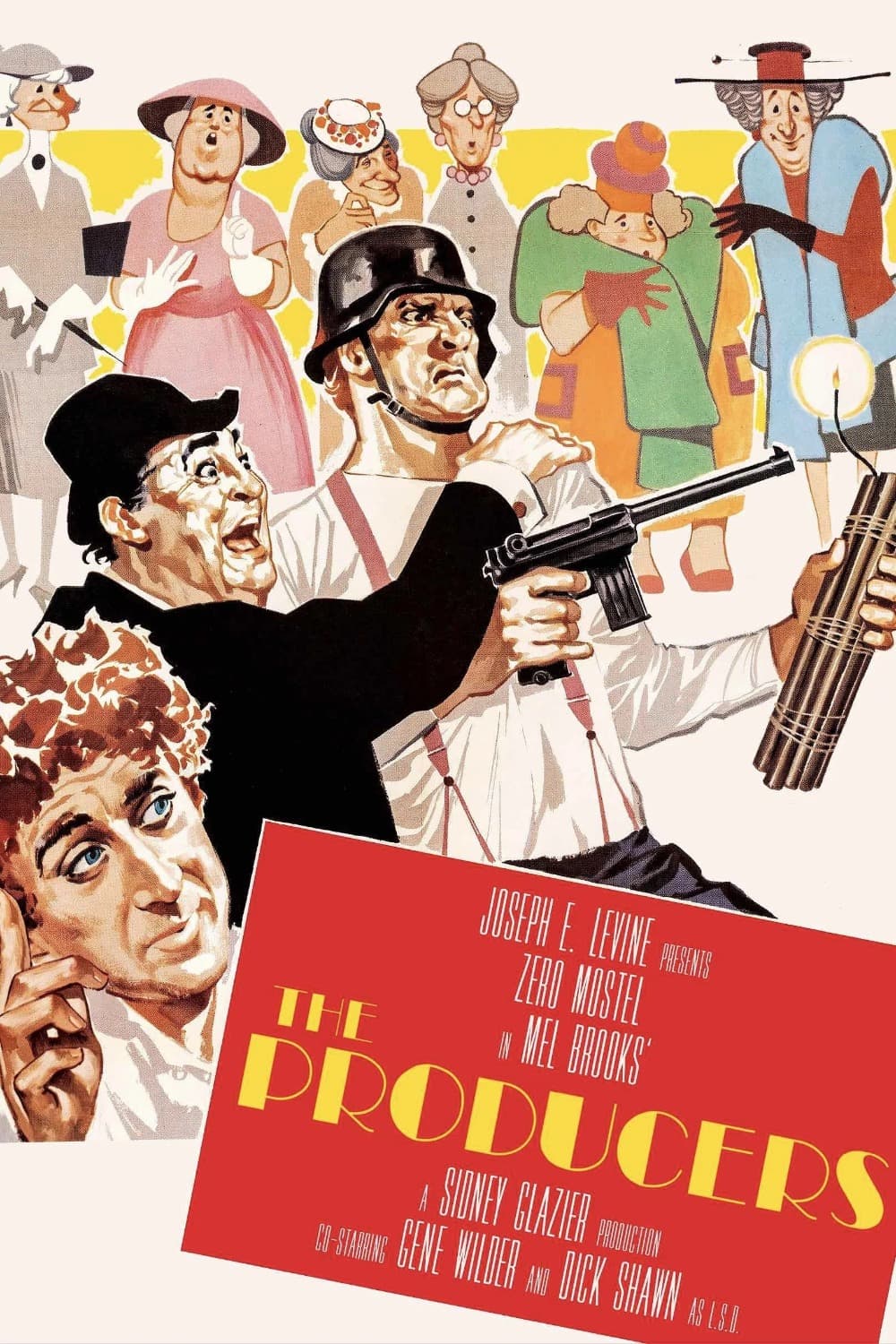
A comedy built around a Nazi musical, released twenty-three years after the war: Brooks designed Springtime for Hitler to be unwatchable, and it remains the funniest sequence of the decade.
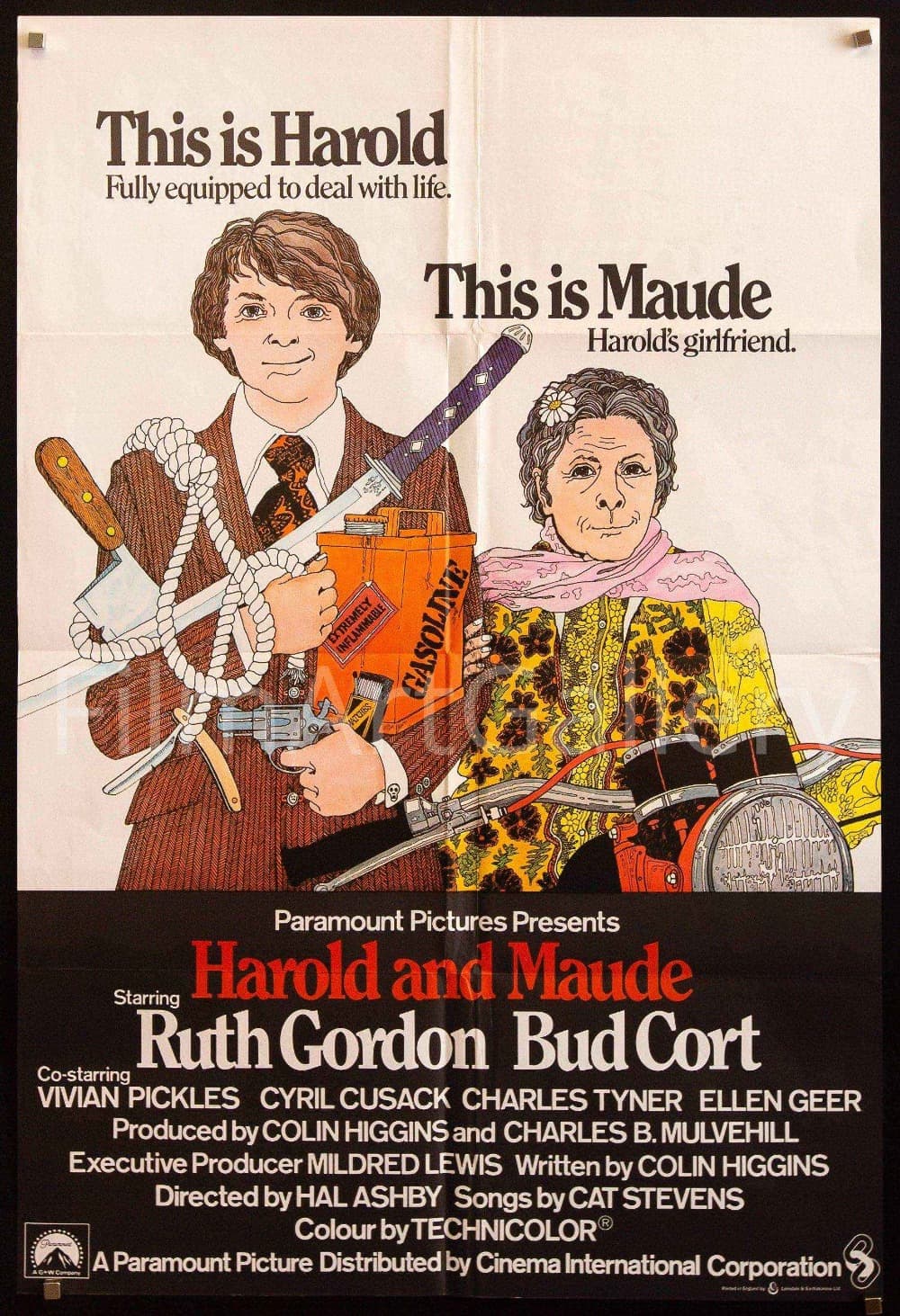
It failed on release and then ran 115 straight weeks at a single Minnesota theater: a death-obsessed teenager falls for a seventy-nine-year-old, and Cat Stevens scores the whole thing.
Richard E. Grant does not drink and had to be taught to be convincing: two unemployed actors leave London for a cottage in 1969 with no money, no food and no plan whatsoever.
Tarantino sold this script to pay for Reservoir Dogs and Tony Scott shot it with real affection: a comic book clerk and a call girl leave Detroit with the wrong suitcase.
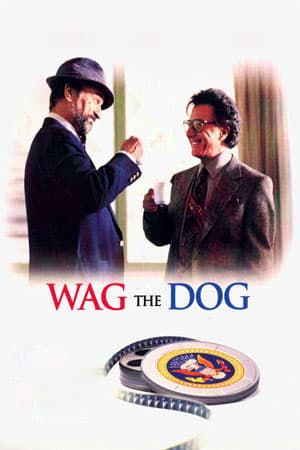
It opened a month before the Lewinsky scandal broke and eight months before Bill Clinton bombed Sudan, and the title became shorthand: a spin doctor and a producer fabricate a war.