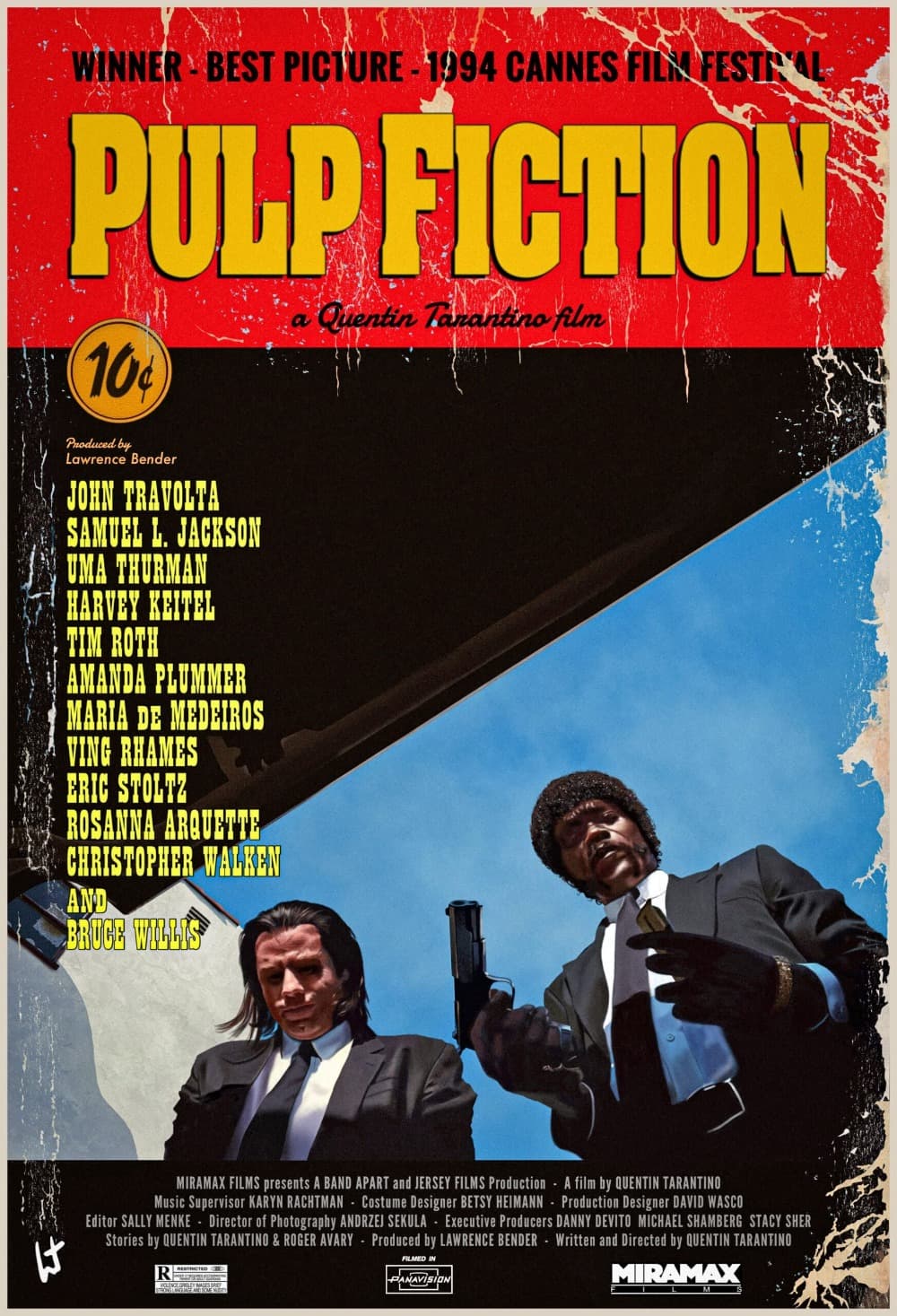
Pulp Fiction
Directed by Quentin Tarantino
1994
Young filmmakers were allowed to sound different after this one: Tarantino let two hitmen argue about hamburgers for ten minutes, and an entire decade of American cinema followed.
★ 9.5
 skopia
Young filmmakers were allowed to sound different after this one: Tarantino let two hitmen argue about hamburgers for ten minutes, and an entire decade of American cinema followed.
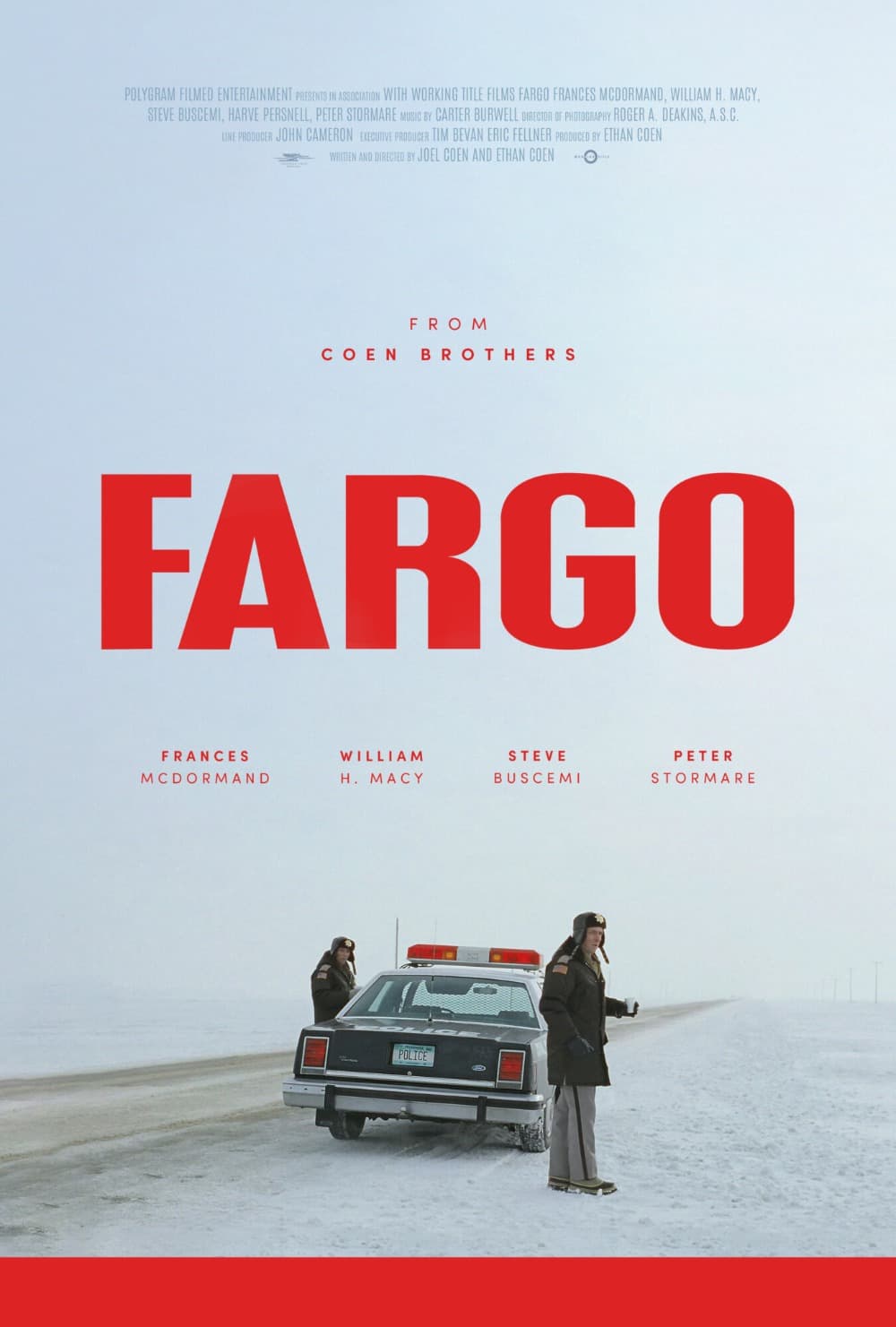
Marge Gunderson is the warmest character the Coens ever wrote, and the reason this one lasts: a kidnapping goes wrong in the snow and she is the only calm person in it.
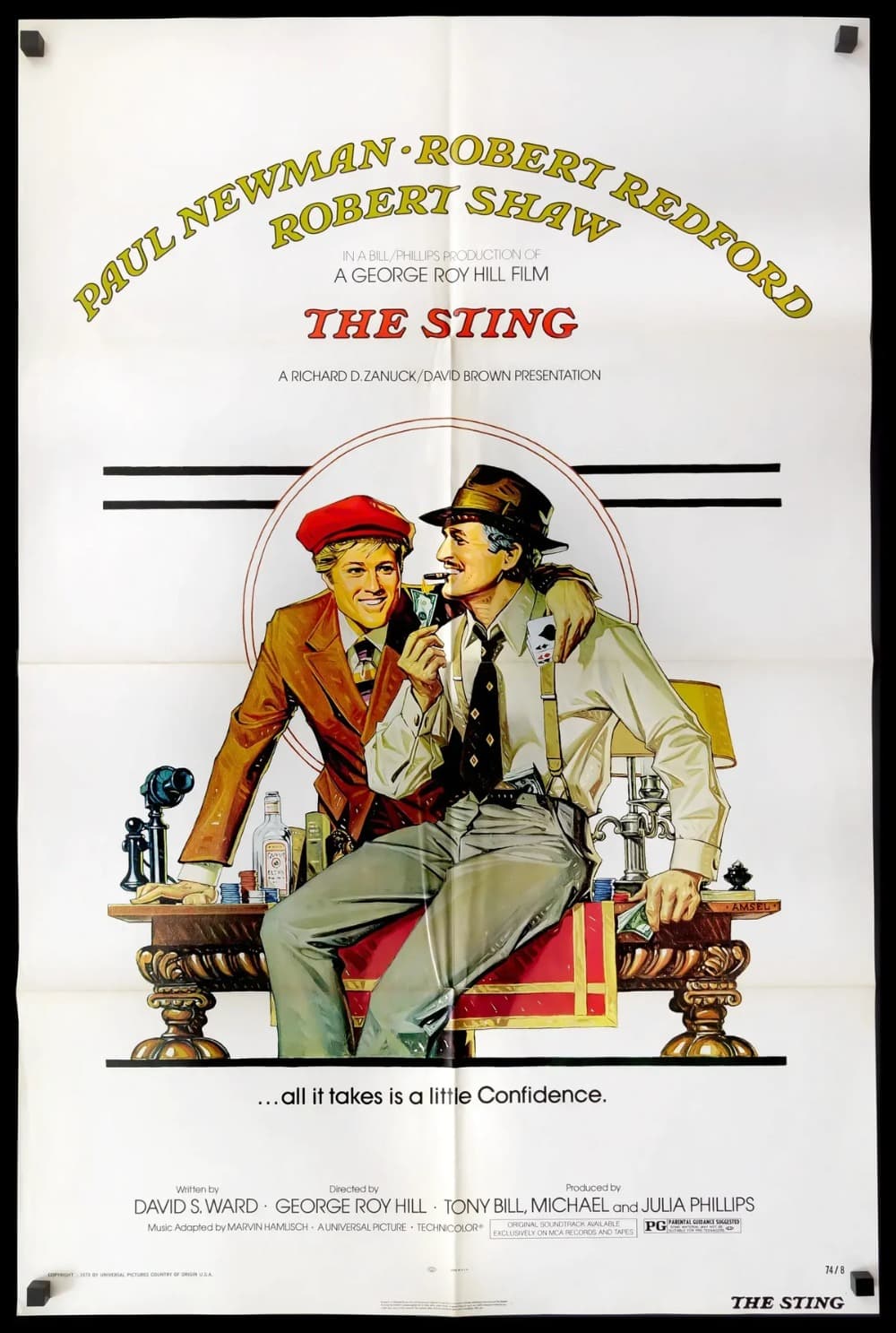
The con is played on the audience as much as on the mark, and every turn is earned: Newman and Redford again, with ragtime that put Scott Joplin back on the charts.
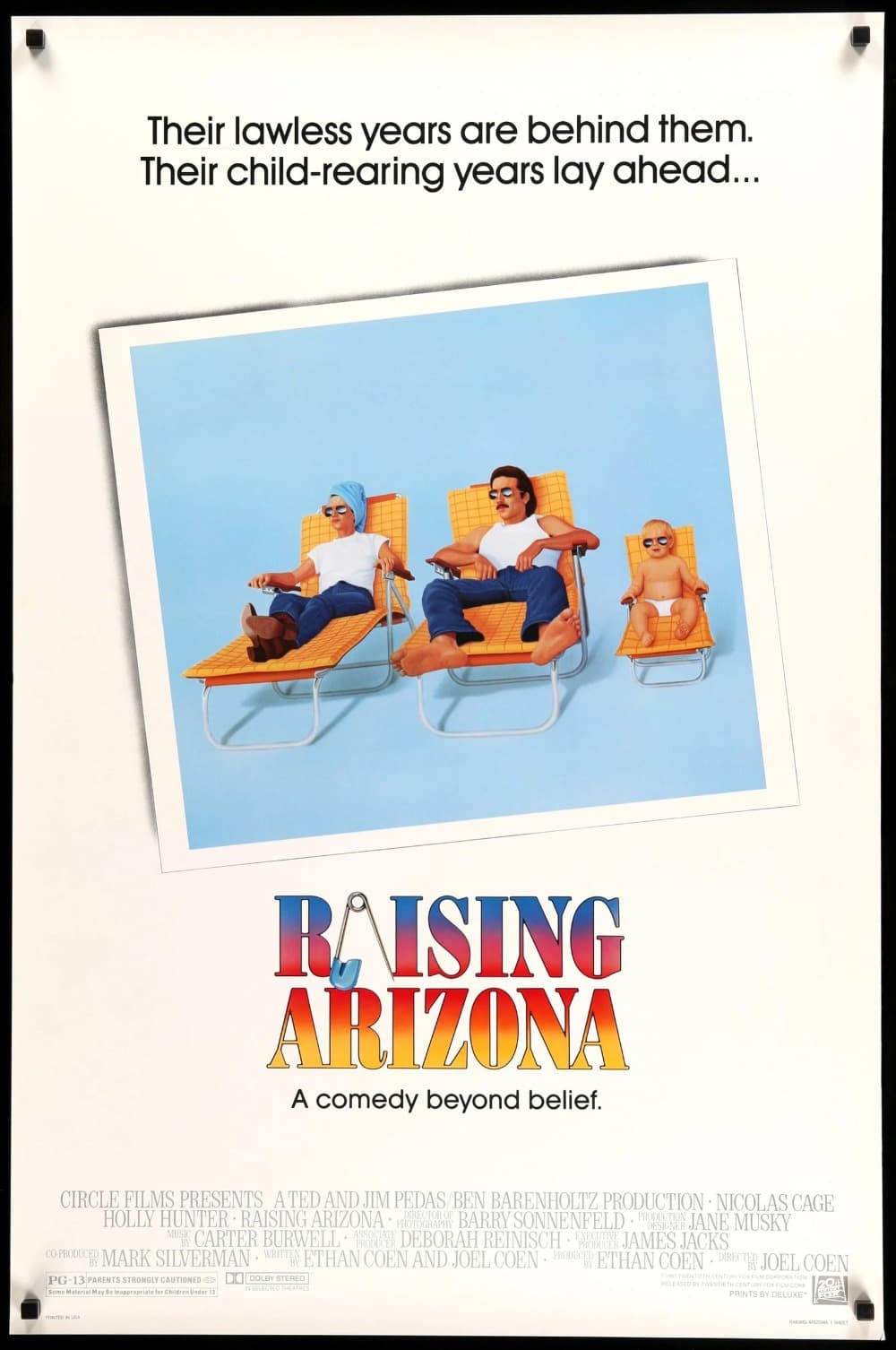
The Coens' funniest film and by some way their fastest: a childless couple steal one of a furniture magnate's quintuplets, and the chase never once slows down afterward.
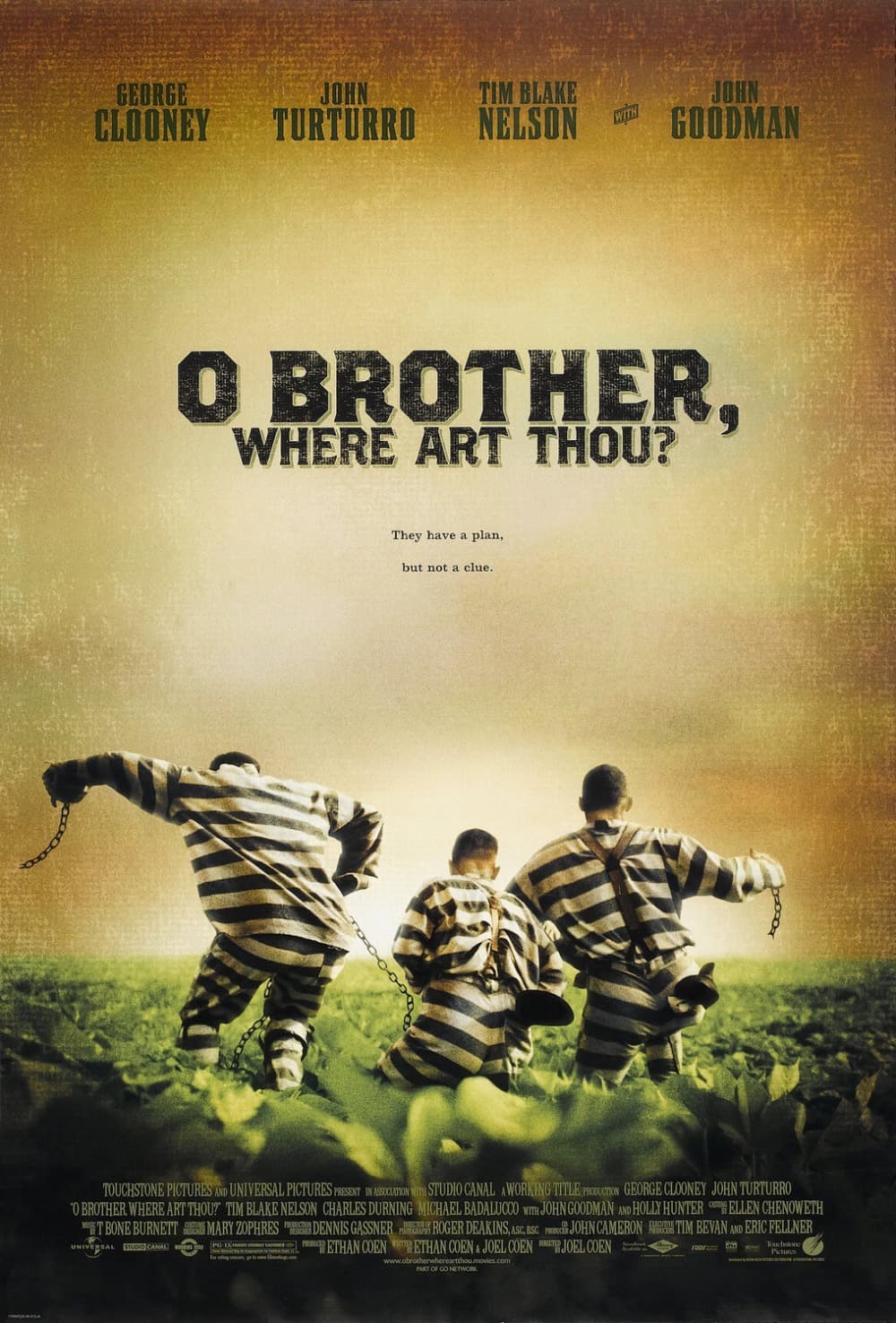
Homer's Odyssey rerouted through Depression-era Mississippi: the soundtrack of gospel and bluegrass sold eight million copies and sent a mass audience back to music first recorded in the 1920s.
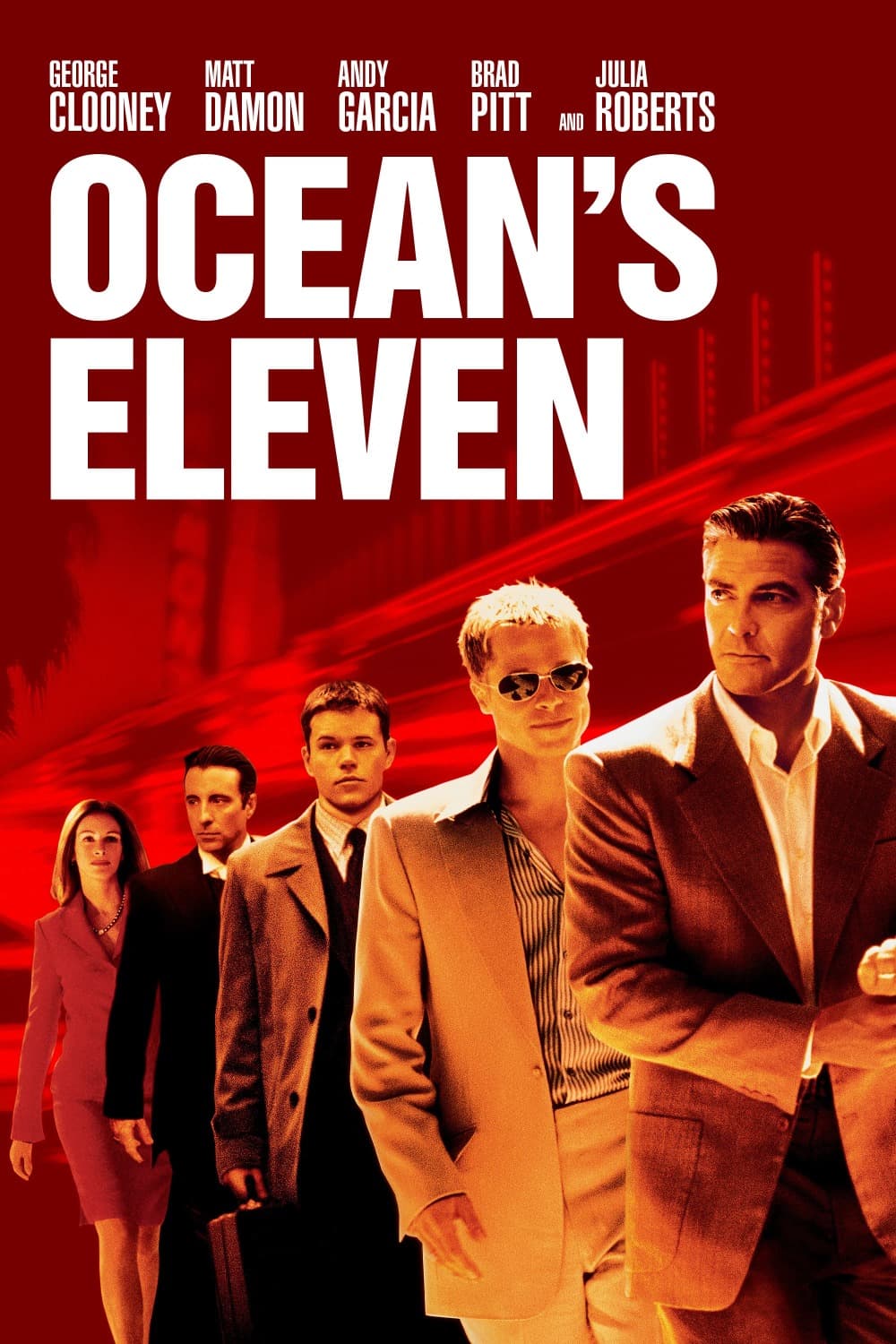
The most relaxed heist film there is: Soderbergh assembles eleven movie stars, lets them amuse one another across two hours, and treats a Las Vegas vault as an excuse for the hangout.
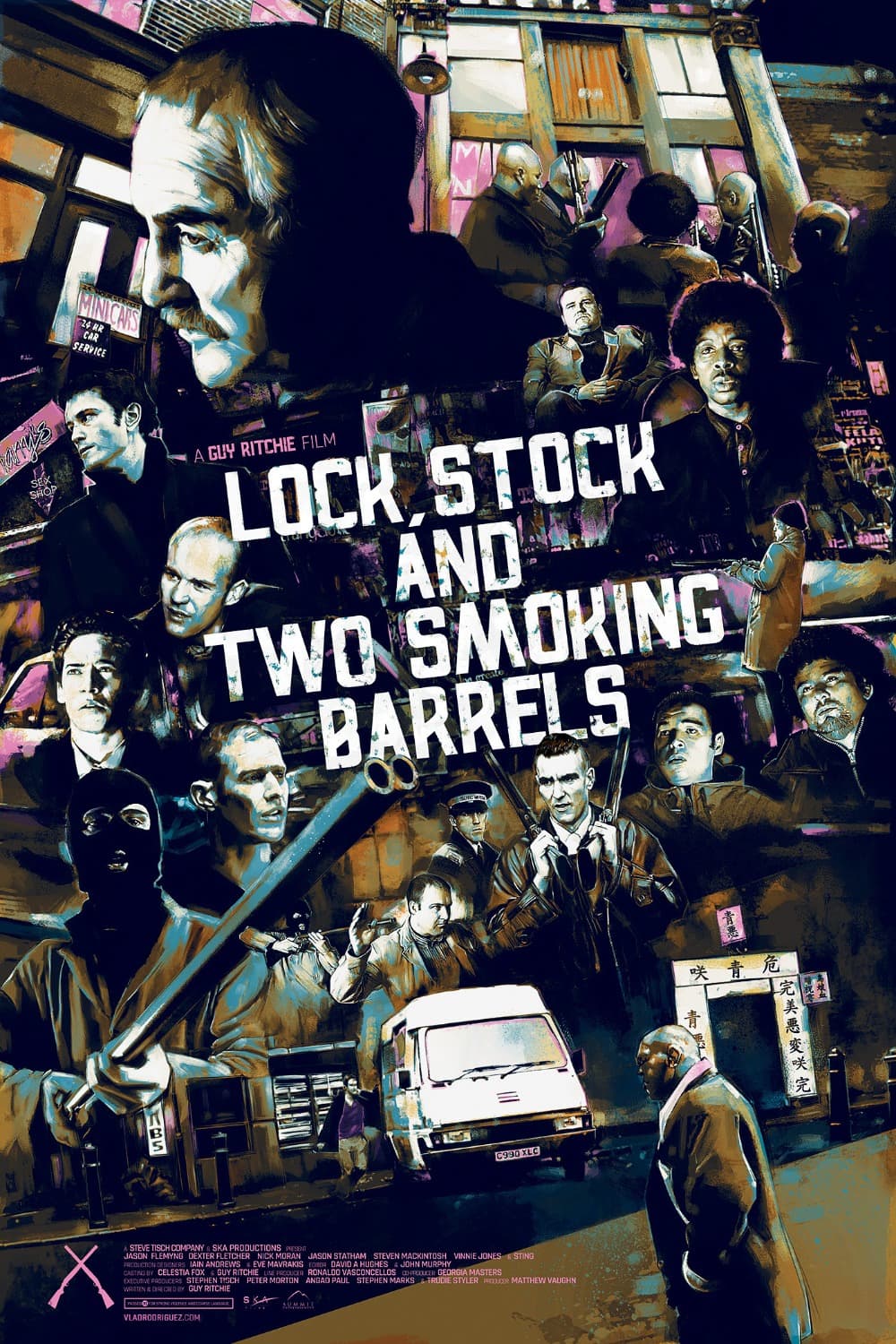
Guy Ritchie raised the money out of favors and cast a professional footballer who had never acted: four London friends owe half a million pounds by Friday, and five plots collide getting it.
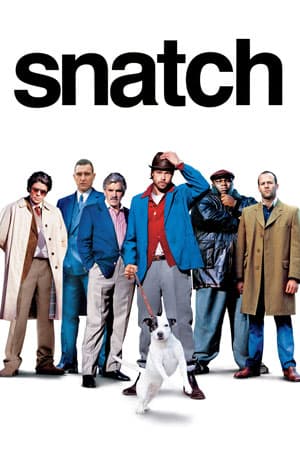
Brad Pitt asked for a part and got one nobody can understand a word of: an unlicensed boxing promoter, a stolen diamond and several sets of London criminals converge at considerable speed.
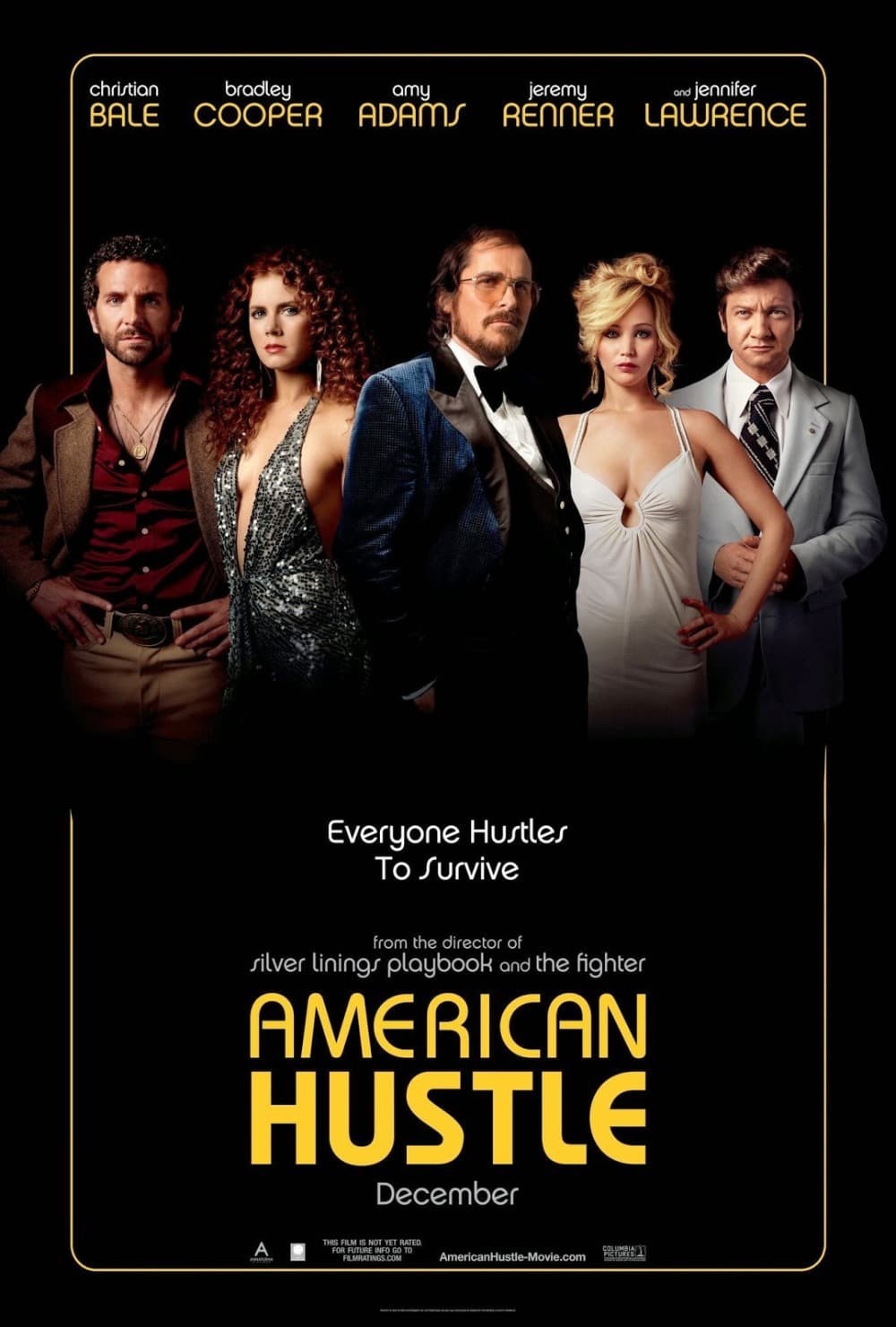
David O. Russell rebuilt the real Abscam sting as a comedy of terrible hair: two con artists are pressed into working for the FBI, and everyone in it is lying about something.