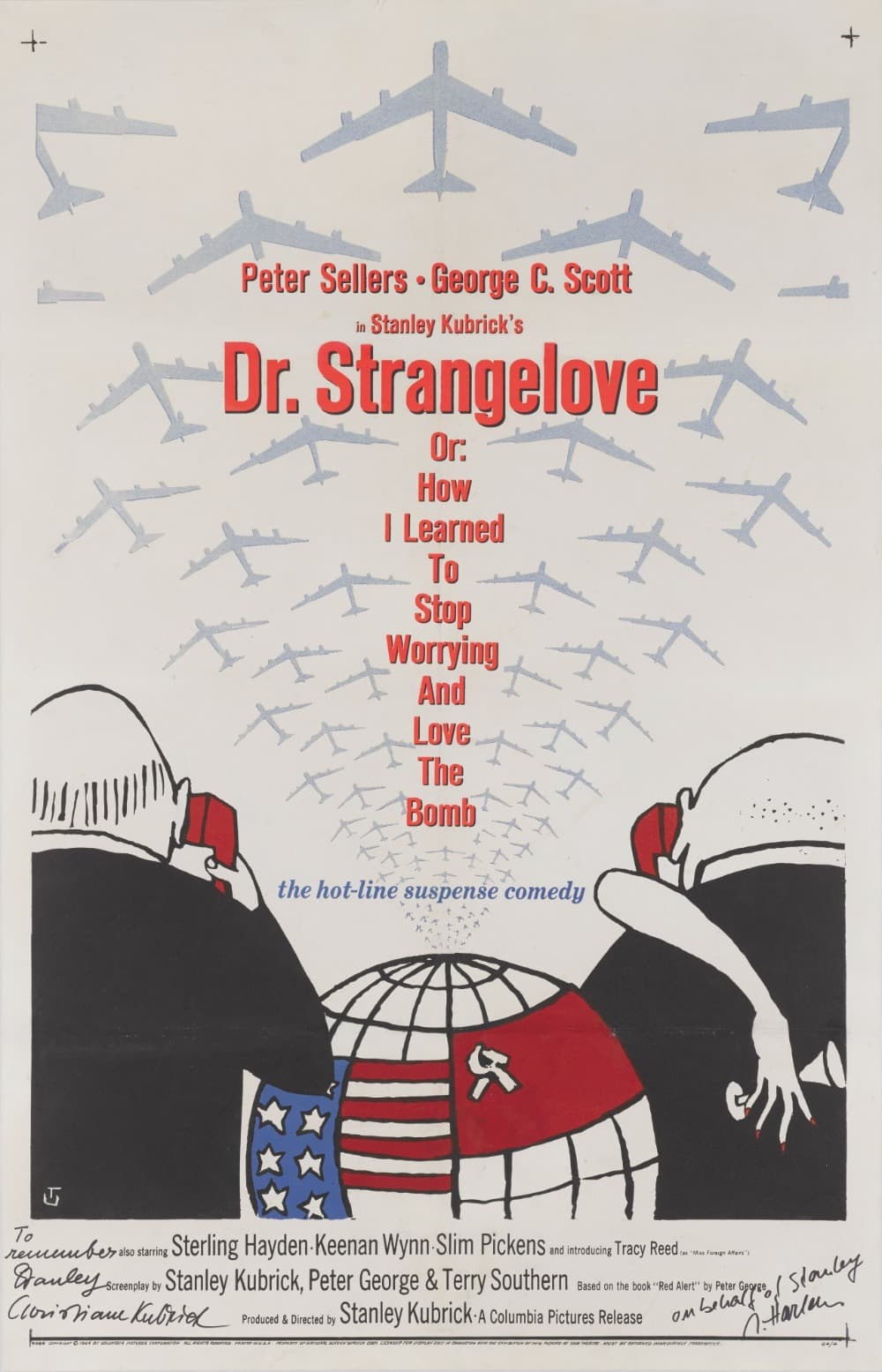
Dr. Strangelove
Directed by Stanley Kubrick
1964
Nuclear annihilation has never been this funny, and never will be again: Kubrick worked out that the strategy was already absurd, and simply let his generals talk.
★ 9.6
 skopia
Nuclear annihilation has never been this funny, and never will be again: Kubrick worked out that the strategy was already absurd, and simply let his generals talk.
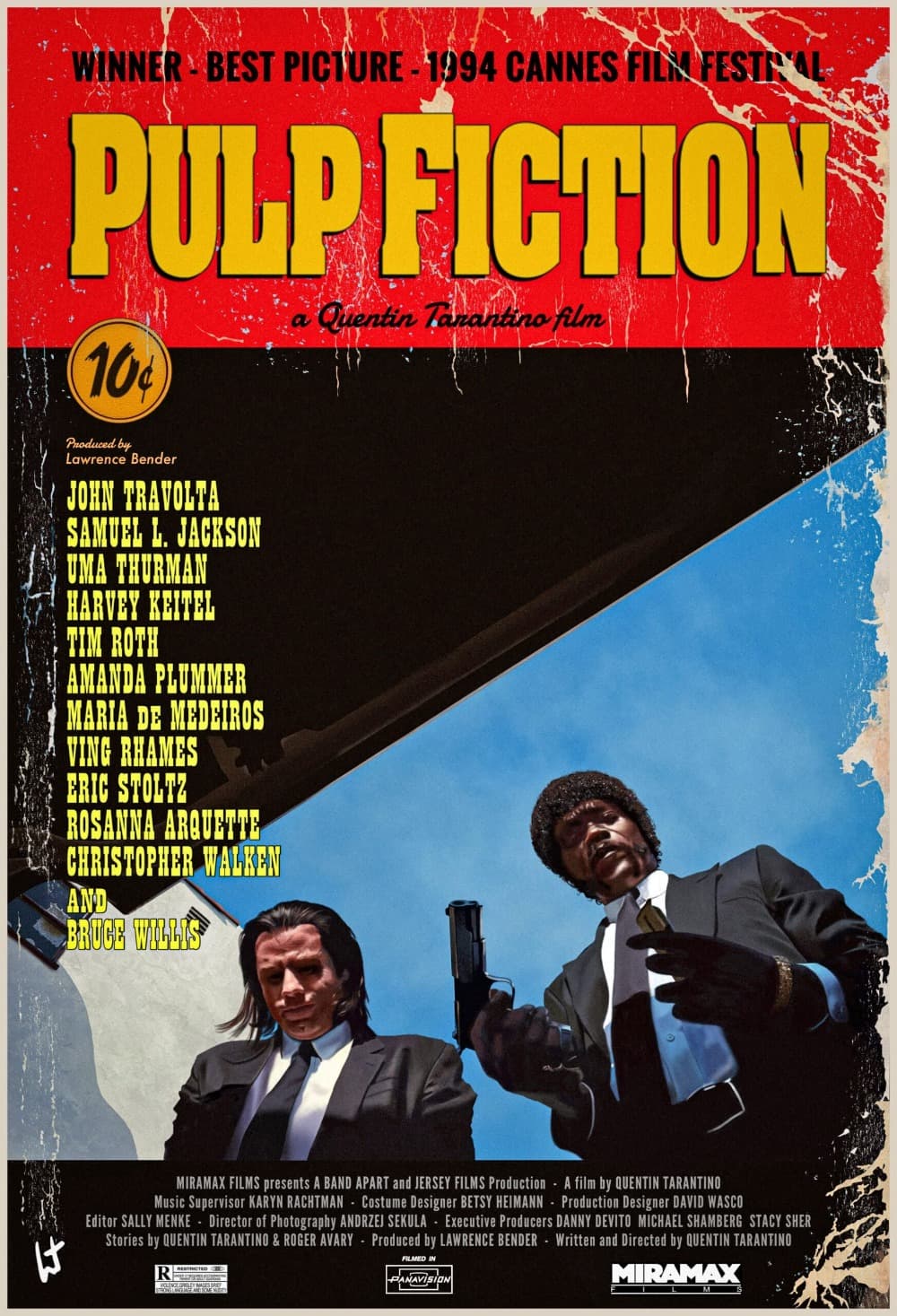
Young filmmakers were allowed to sound different after this one: Tarantino let two hitmen argue about hamburgers for ten minutes, and an entire decade of American cinema followed.
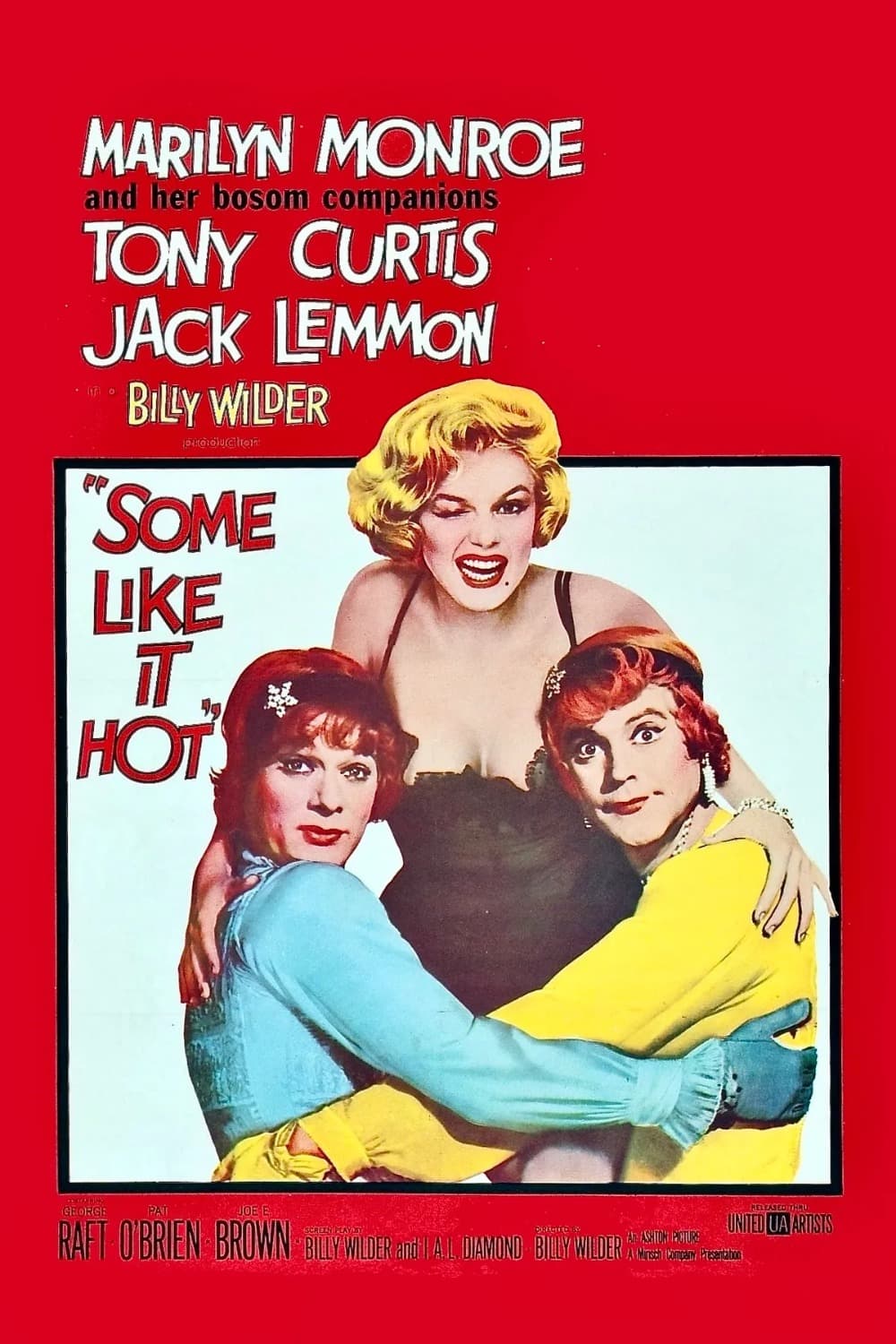
American comedy has never been funnier, and the Legion of Decency was appalled: Wilder ran a single disguise for two hours without ever letting the joke thin out.
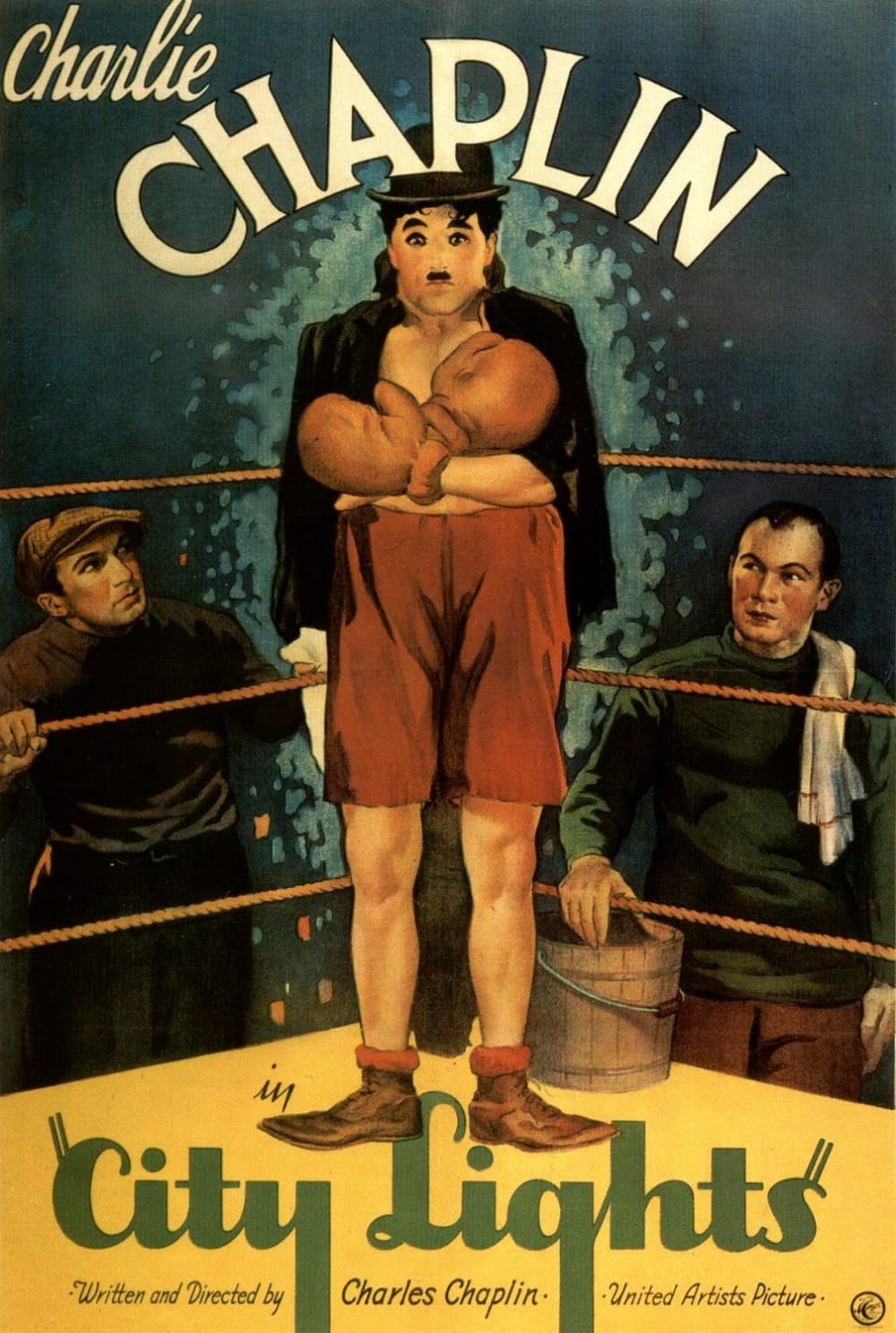
Chaplin's own favorite of his films, and the one people cry at: he refused to make it a talkie, then built ninety minutes toward a final thirty seconds.
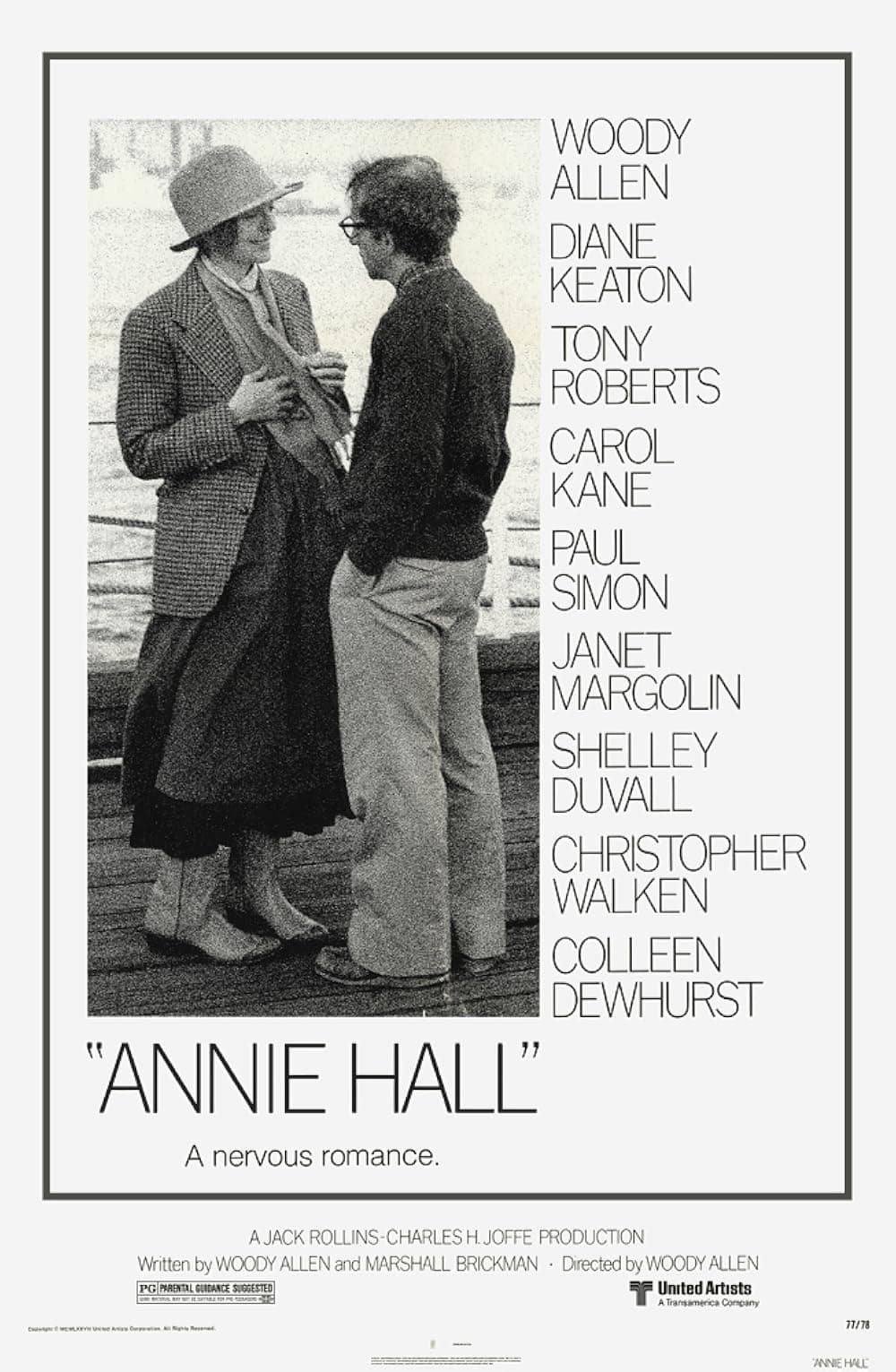
The romantic comedy has never recovered from it: Allen talks to the camera, walks into his own memories, drops subtitles over small talk, and breaks every rule the form had.
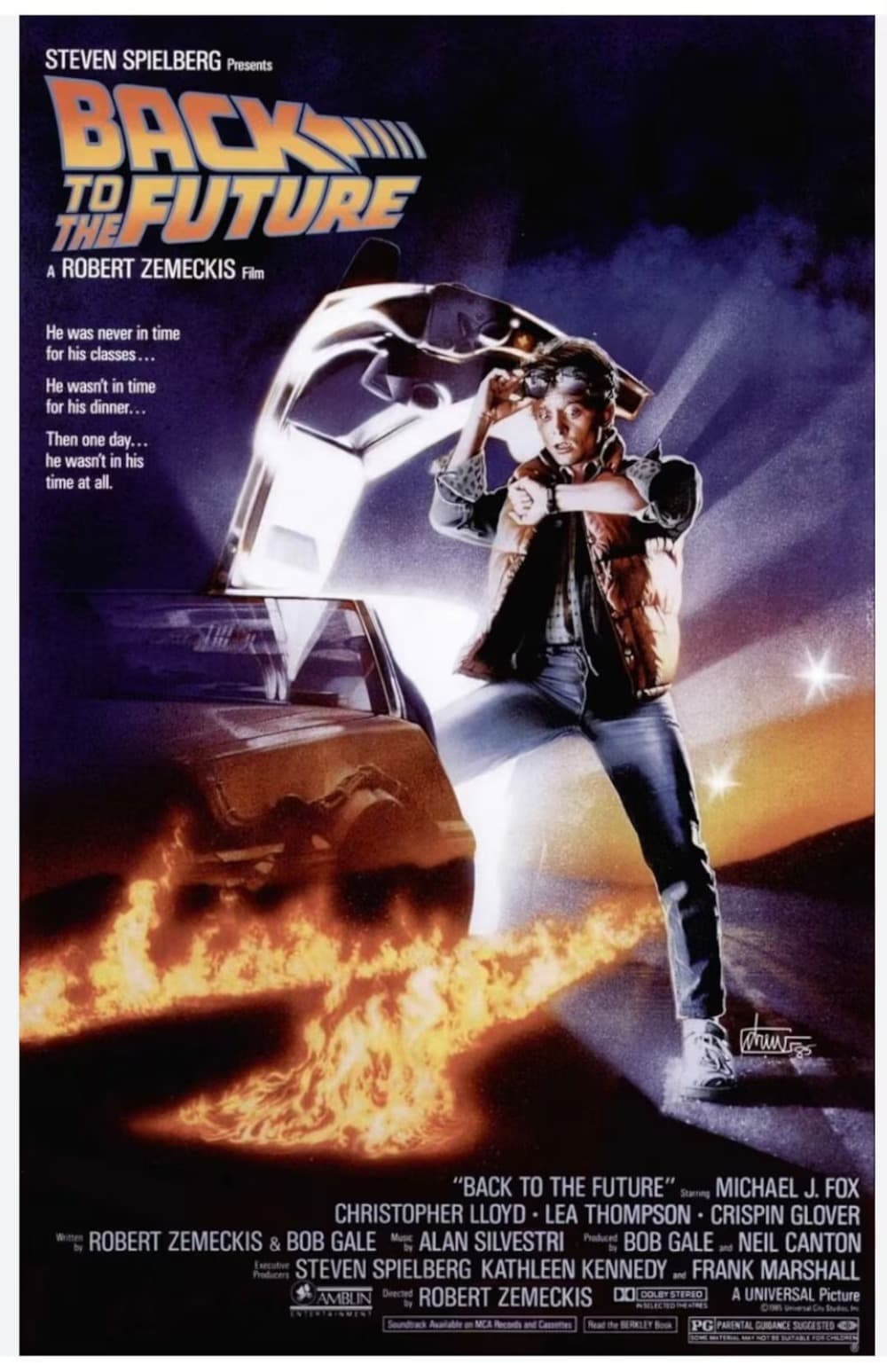
Screenwriting teachers use it as the worked example: every joke and every prop planted early comes back later, and the whole machine runs without a single wasted second.
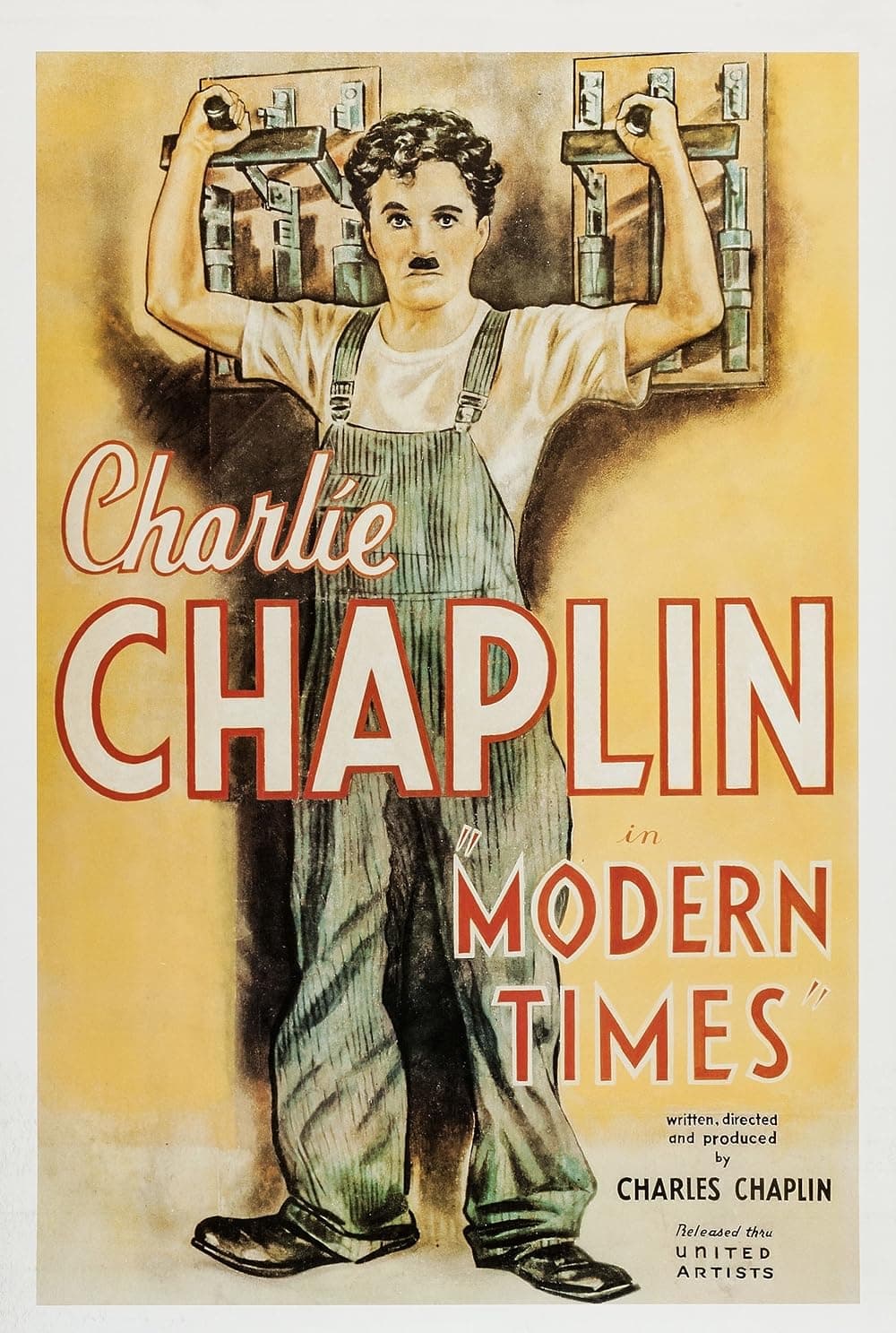
Chaplin's farewell to silence, made nine years into the sound era out of pure stubbornness: the factory gears swallow him, and he answers the talkies entirely on his own terms.
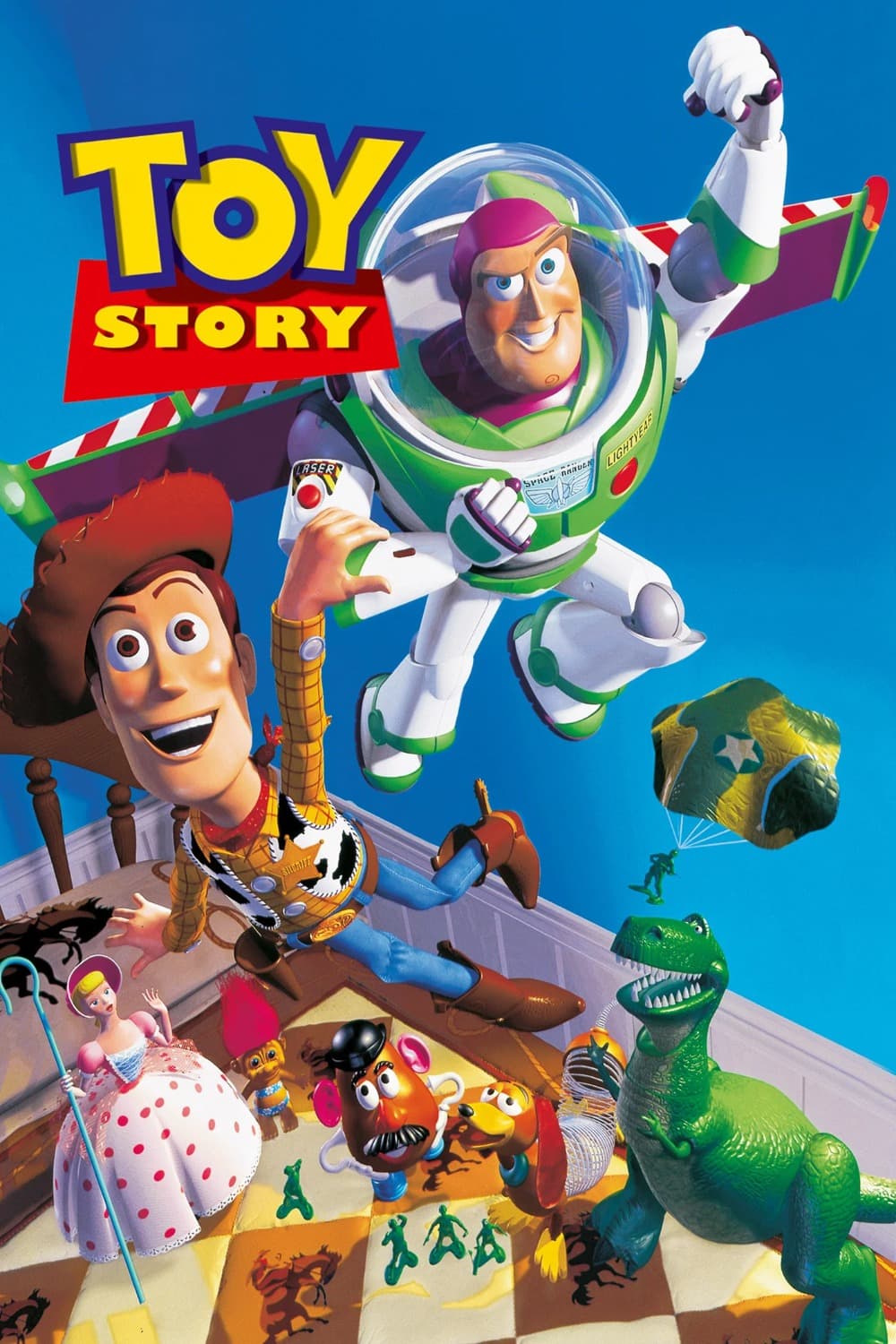
First feature film animated entirely on computers, and the start of Pixar's extraordinary run: it holds up because underneath the toys it is a sharp story about jealousy.
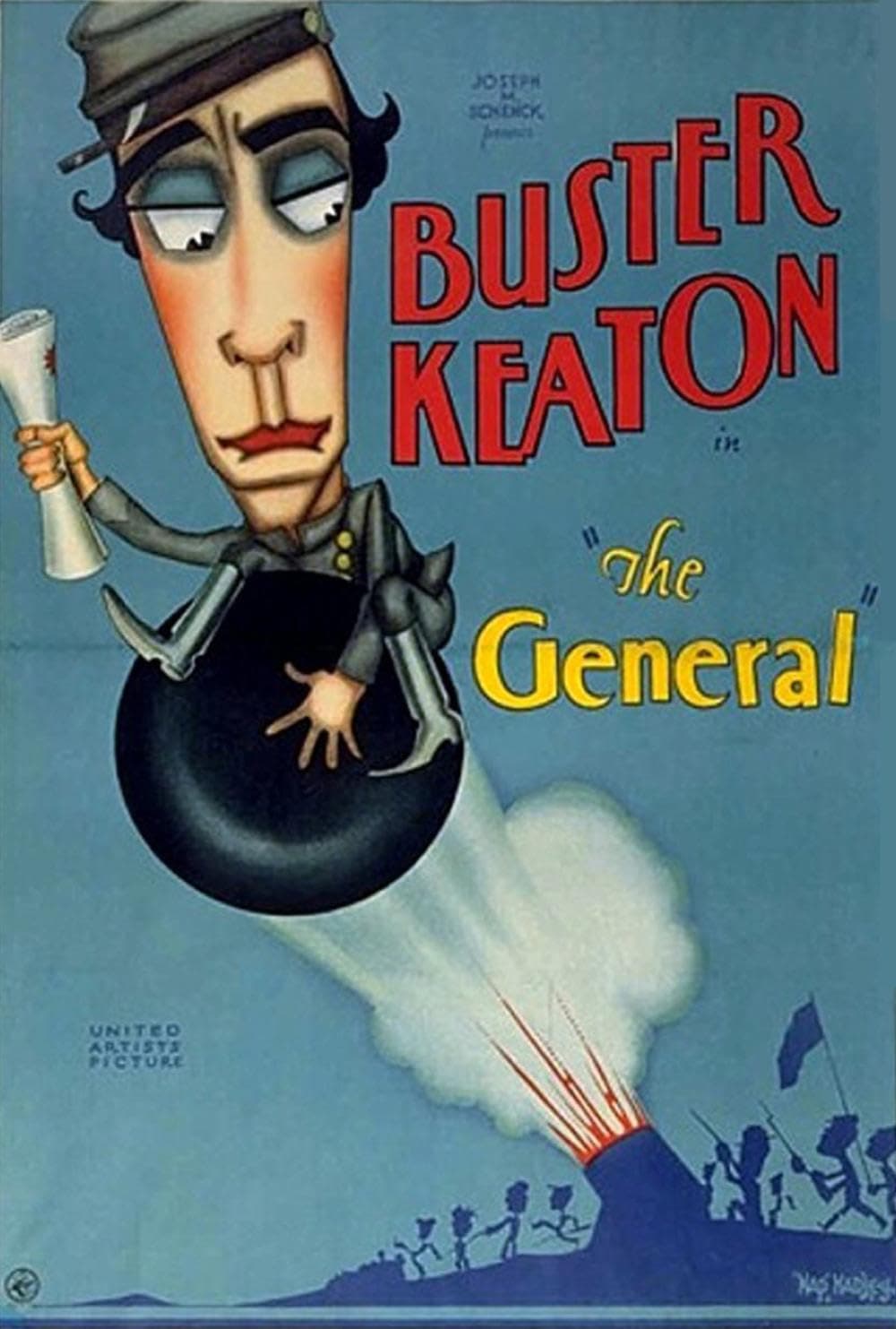
Keaton did every stunt himself and dropped a real locomotive through a burning bridge: it flopped, cost him his independence within two years, and is now considered the great silent comedy.
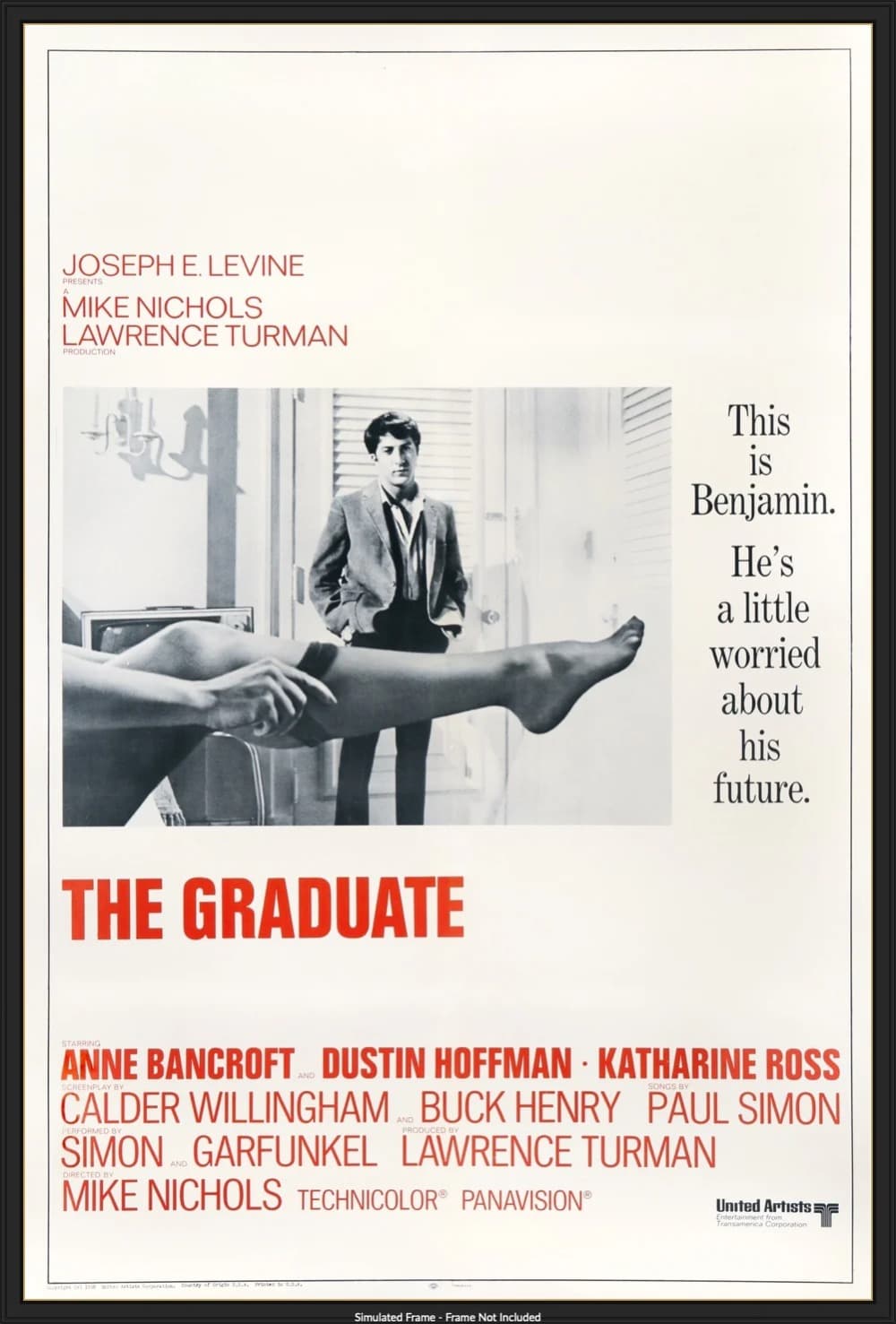
A generation was told their parents were wrong and believed it: Nichols made aimlessness look cinematic, and the soundtrack put Simon and Garfunkel into every house in America.
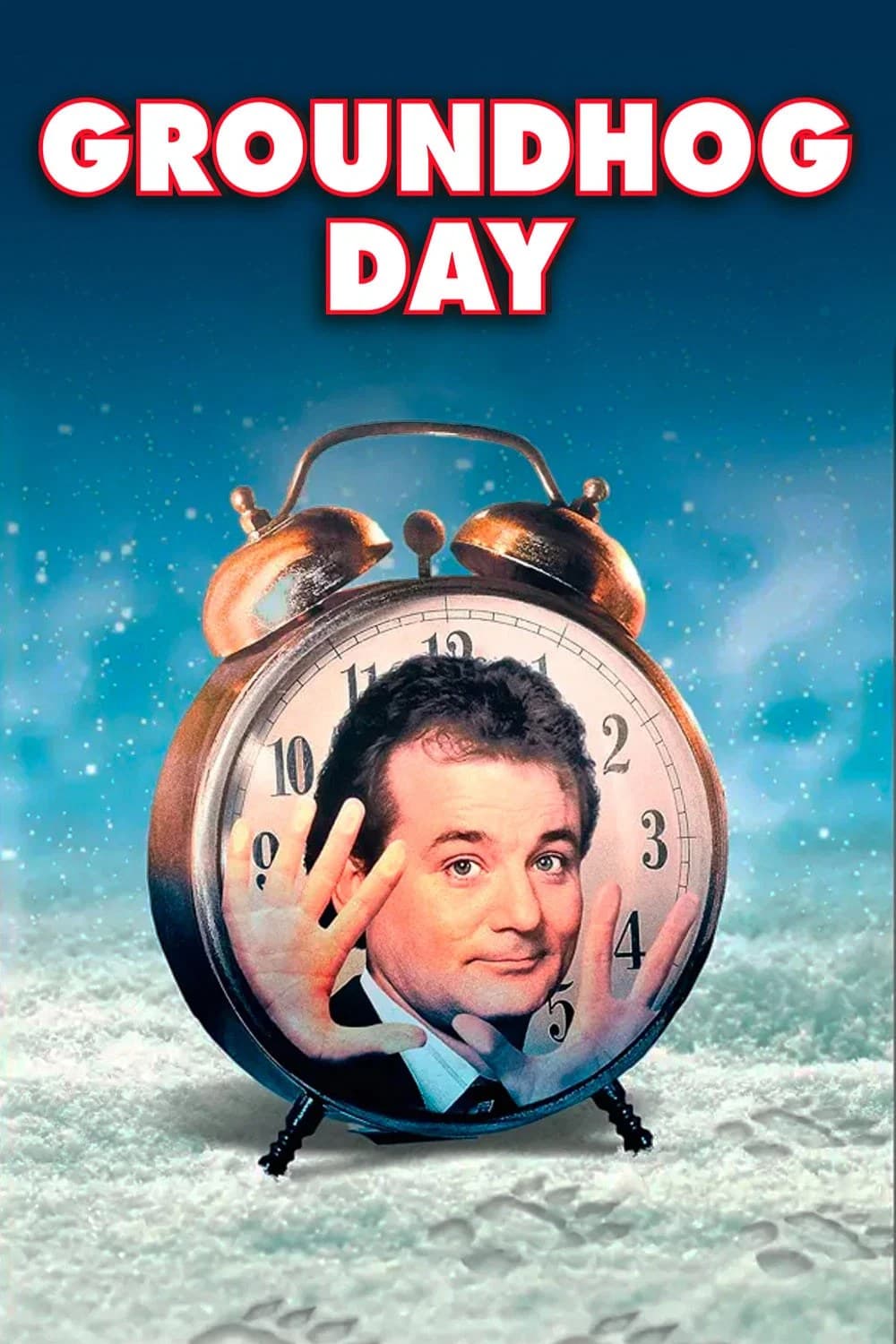
The title became a phrase people use without knowing the film: a comedy about repeating one day turned into the most quietly serious argument about how to live.
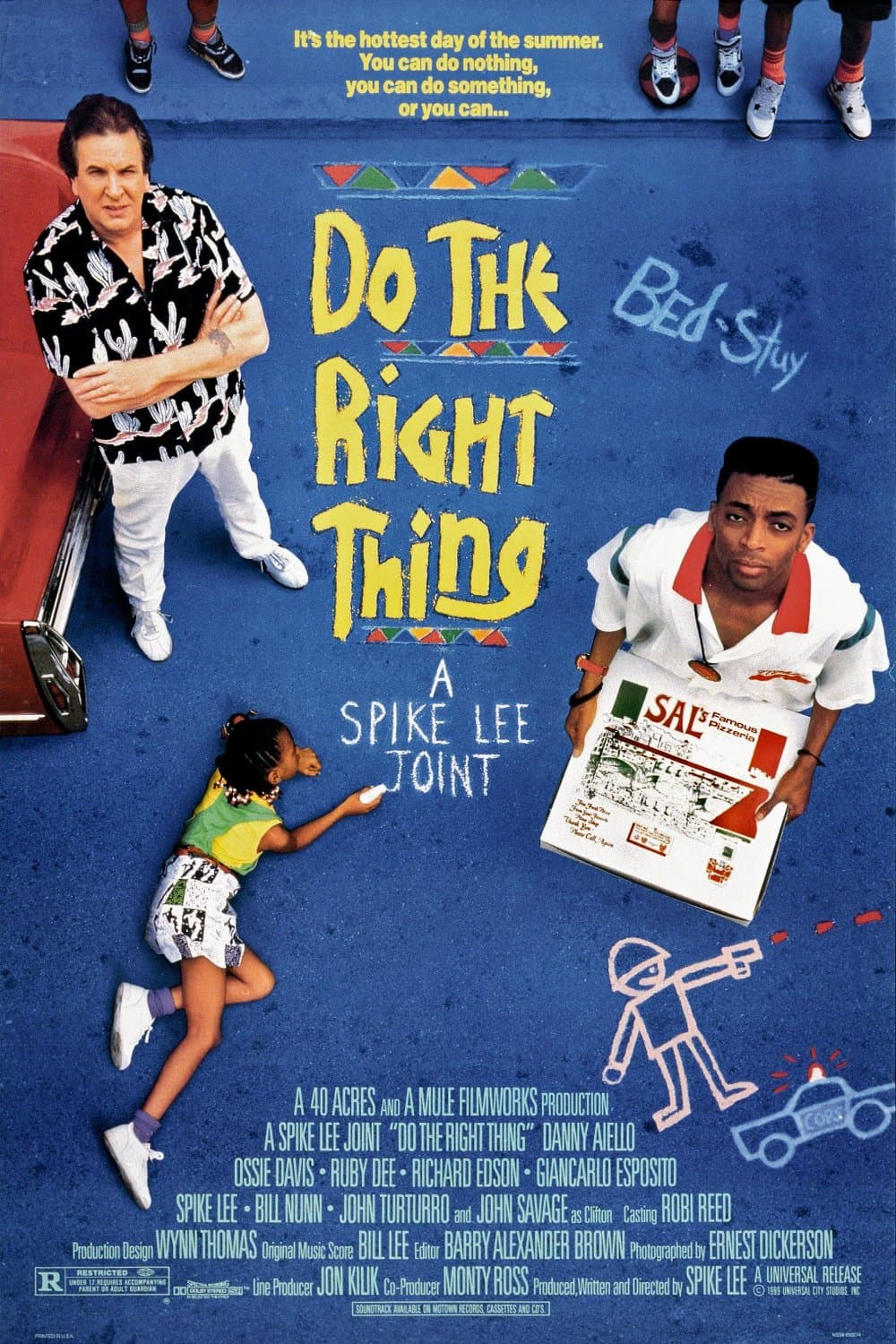
No American film has been braver about refusing to resolve: one Brooklyn block on the hottest day of the year, and Lee will not tell you who was right.
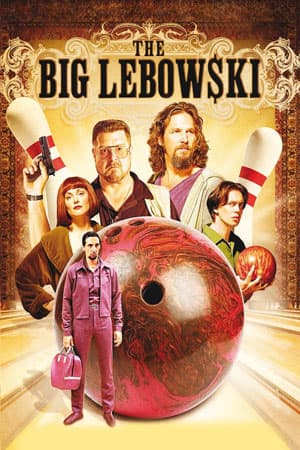
It underwhelmed in cinemas and then grew a festival, a religion and a vocabulary: the Coens built a Chandler plot around a man whose only ambition is getting his rug replaced.

No comedy has been quoted more relentlessly for fifty years: the Pythons could not afford horses, banged coconuts instead, and turned the budget problem into the joke.
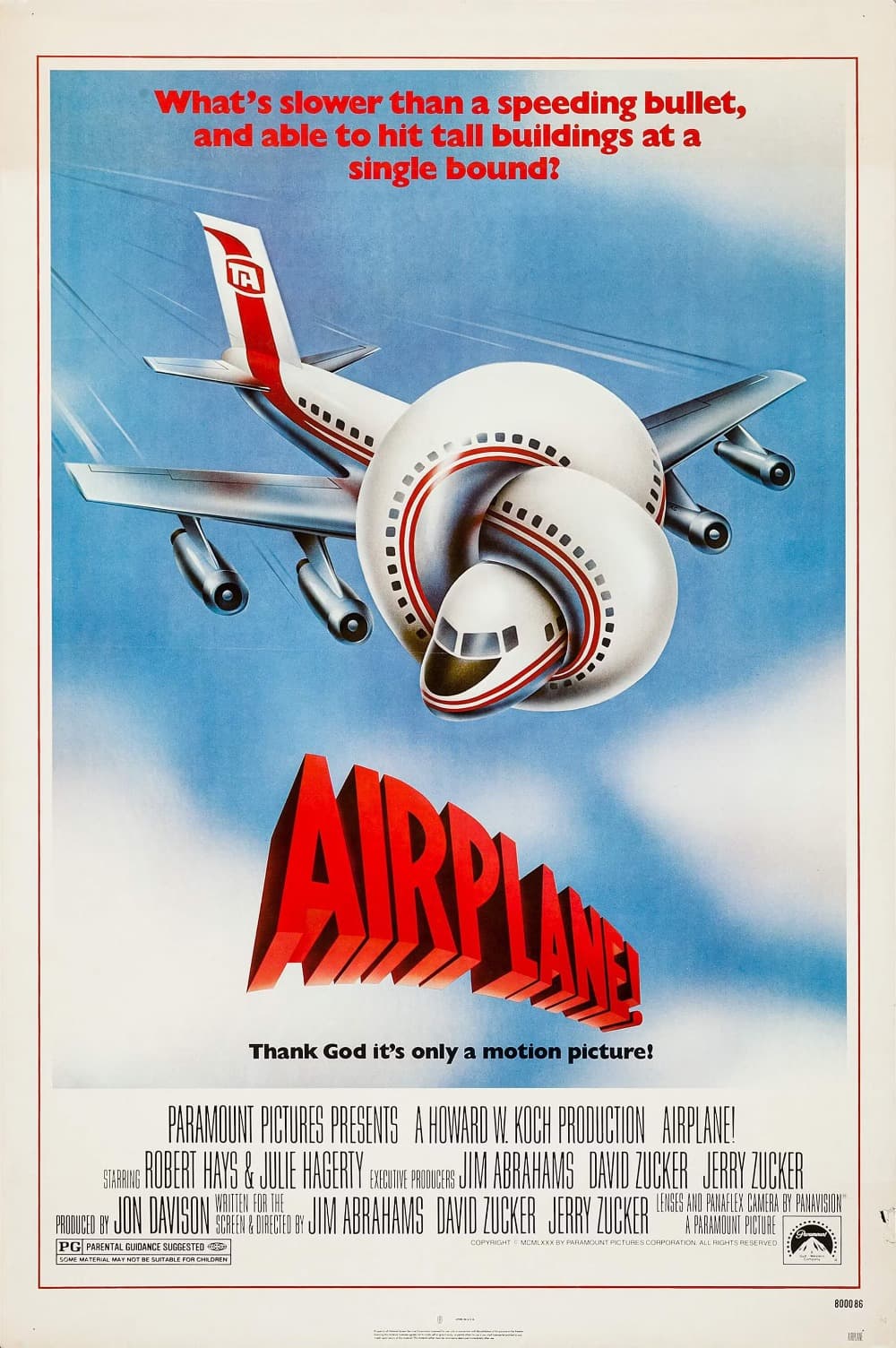
It fires jokes at a rate almost nothing before it attempted and lands most of them: the trick was casting dramatic actors and telling them to play everything straight.
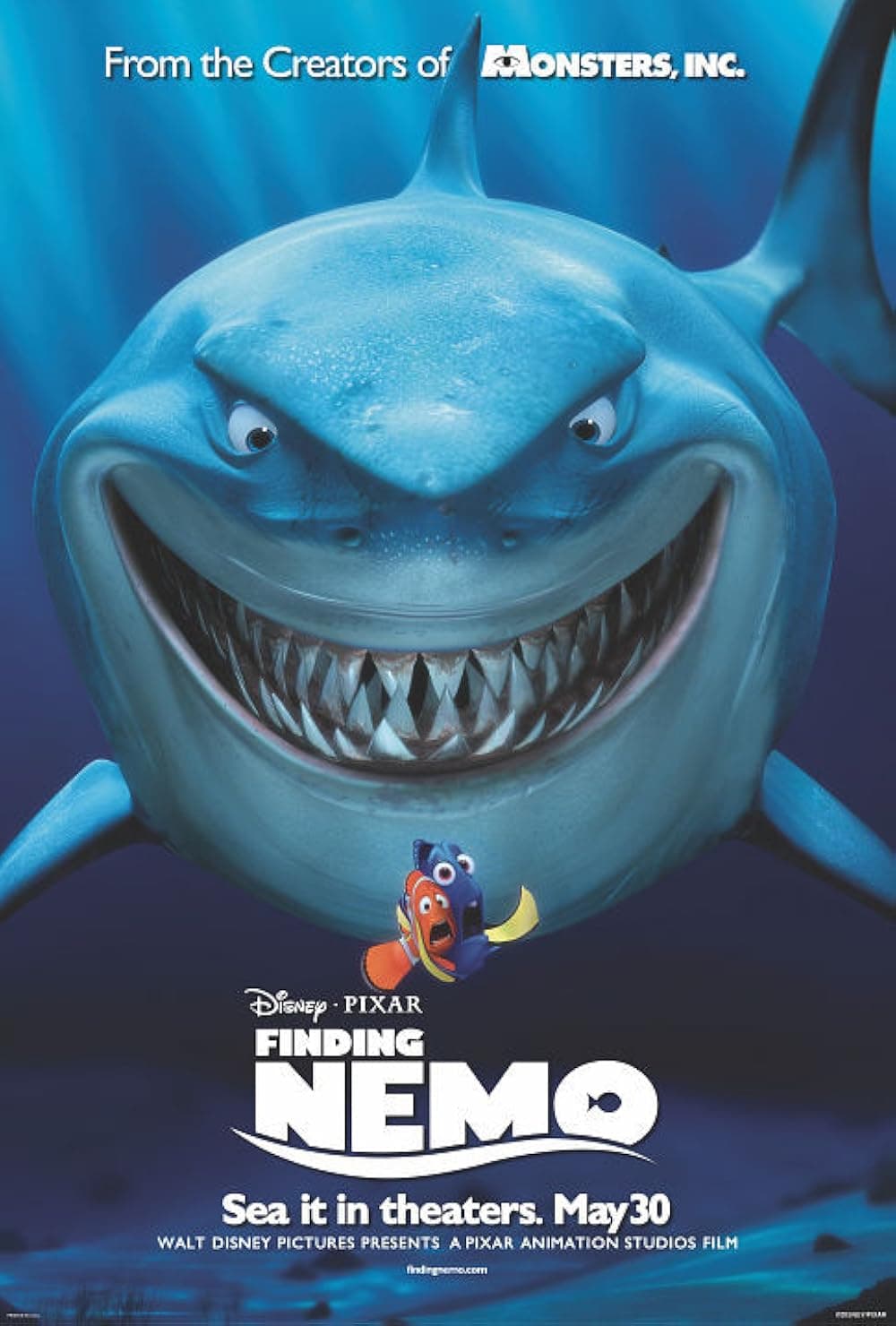
It became the highest grossing animated release to that point and pushed what animation could render: an ocean of light and current, and a frightened father crossing it.
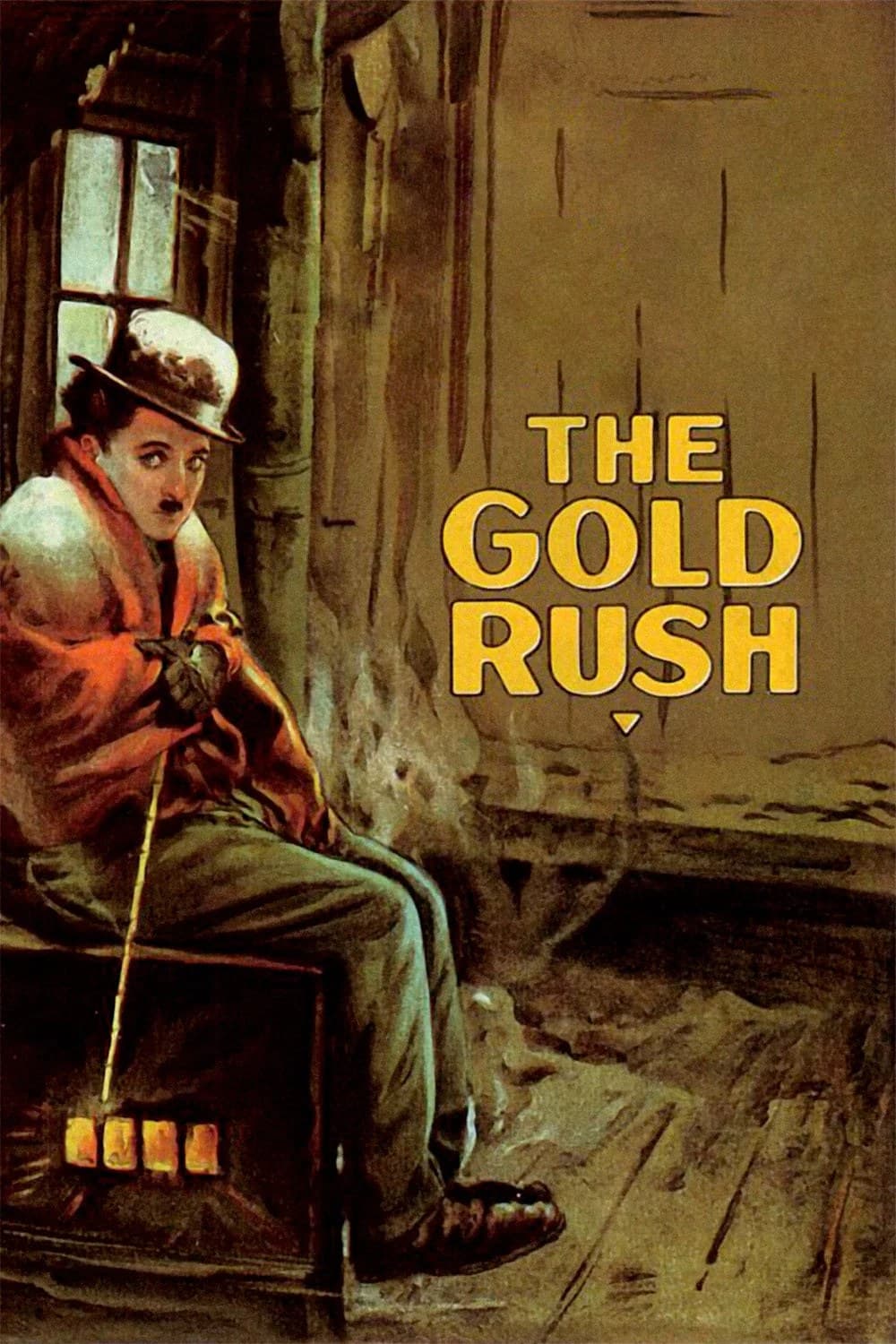
Chaplin said this was the film he wanted to be remembered for: the boiled boot eaten like a banquet, the dancing dinner rolls, and a cabin on a cliff edge.
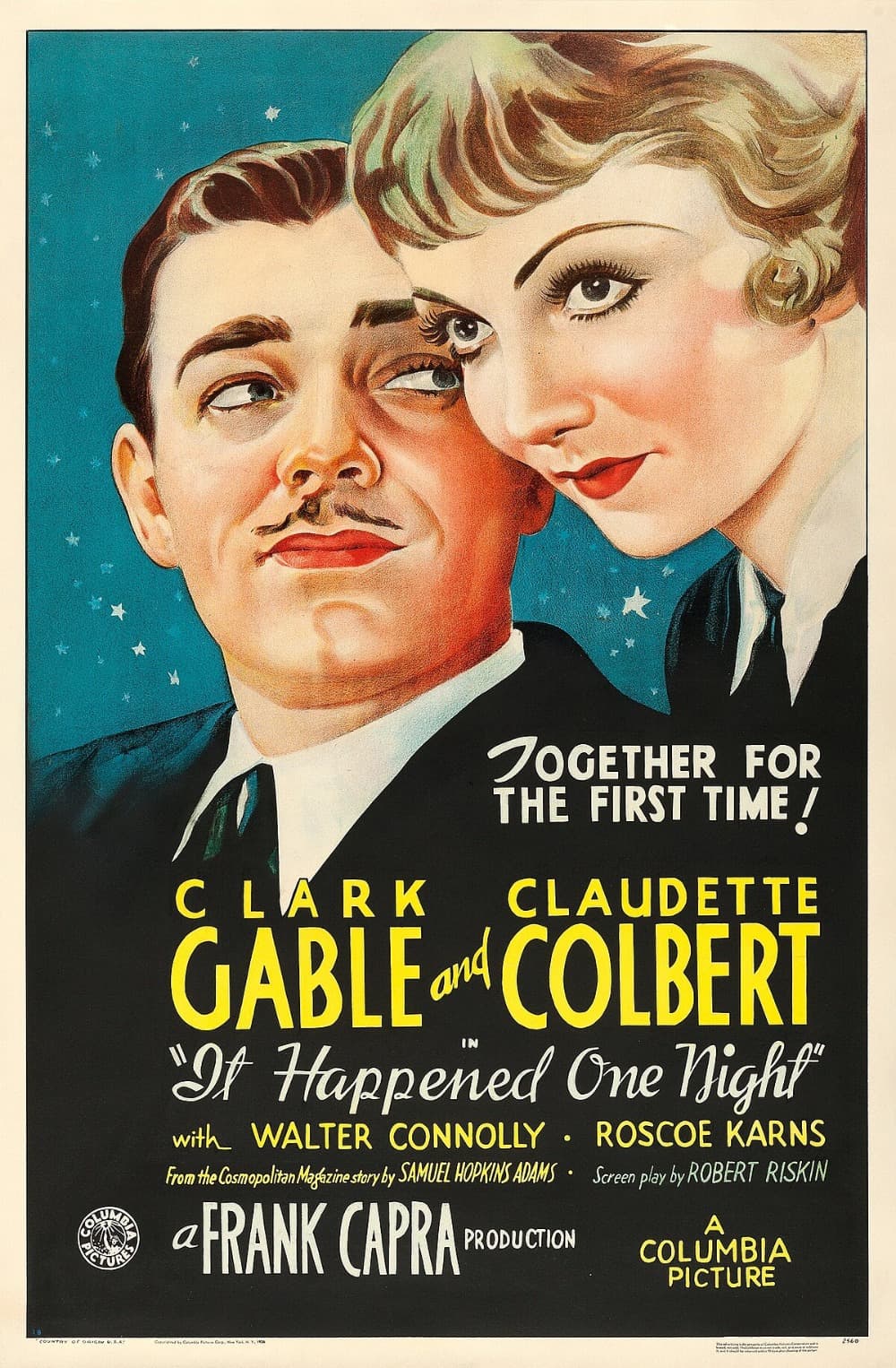
It helped launch the screwball comedy and left fingerprints on every romance that followed: a runaway heiress, a broke reporter, a night bus, and a blanket hung between two beds.
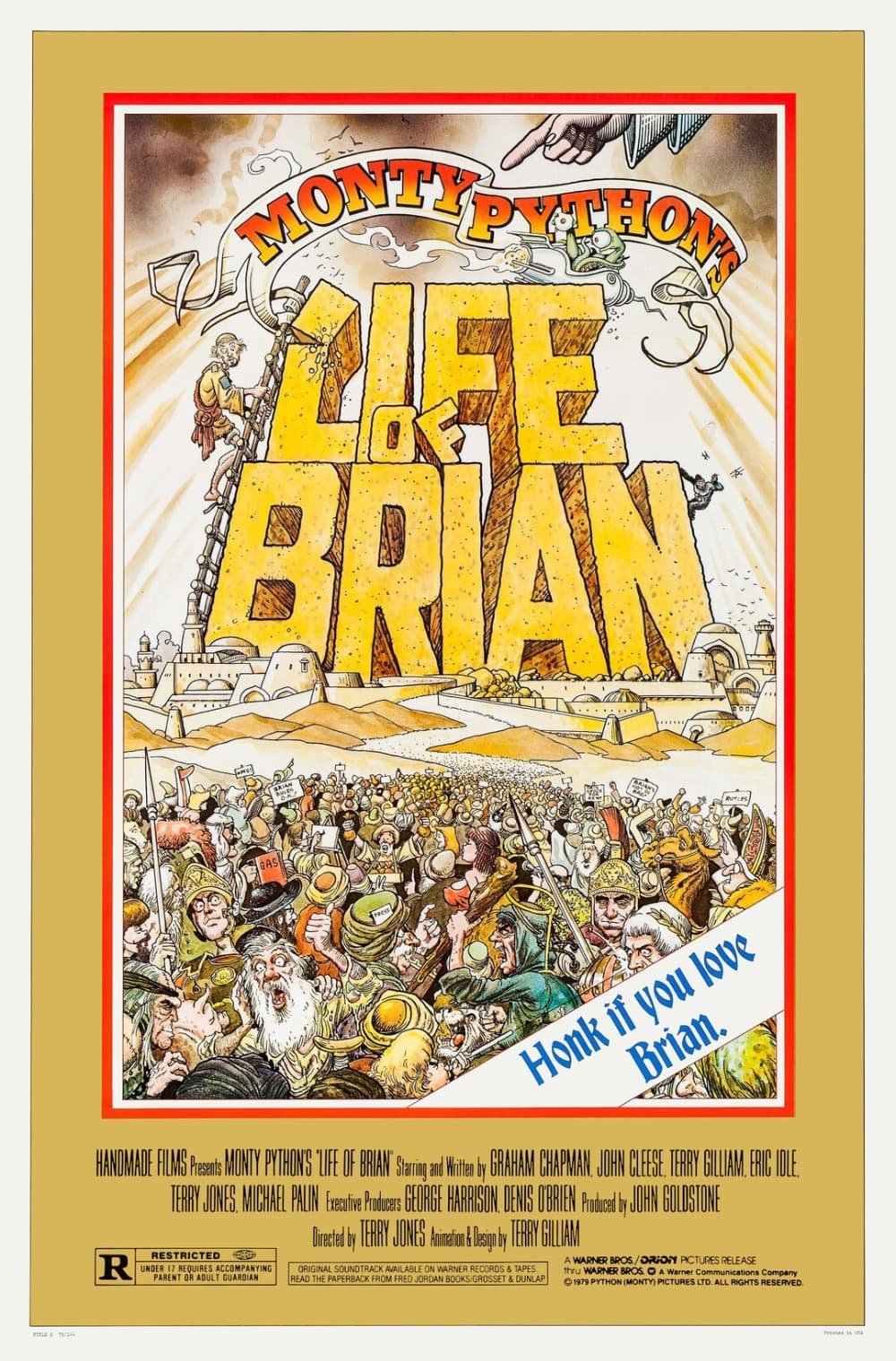
Councils across Britain banned it and Norway would not show it at all: the Pythons went after zealotry rather than faith, which is exactly why it still works.
Brooks has called it his best film and he shot it using the original 1931 laboratory equipment: black and white, played completely straight, and funnier for the discipline.