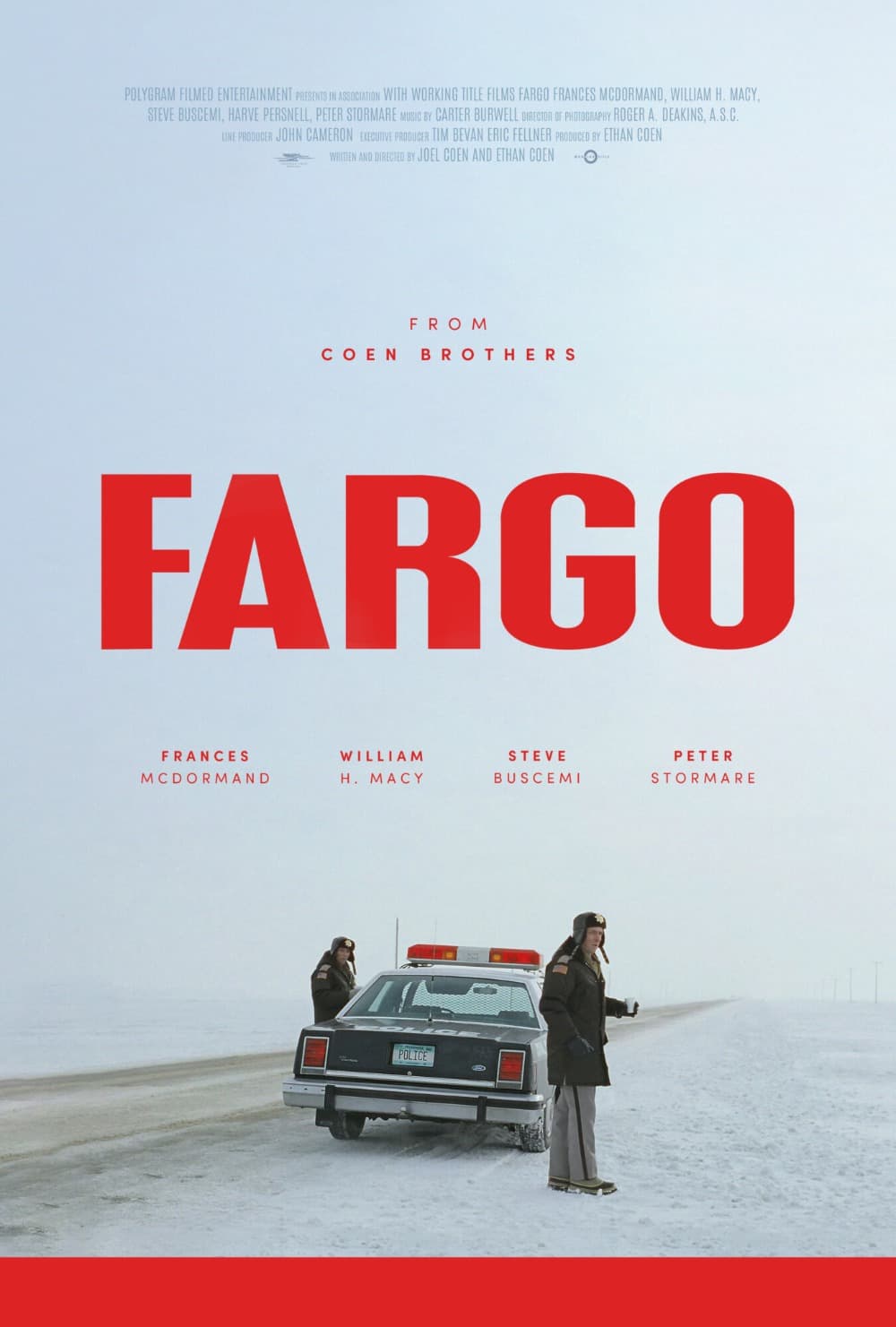
Fargo
Directed by Coen Brothers
1996
Marge Gunderson is the warmest character the Coens ever wrote, and the reason this one lasts: a kidnapping goes wrong in the snow and she is the only calm person in it.
★ 8.8
 skopia
Marge Gunderson is the warmest character the Coens ever wrote, and the reason this one lasts: a kidnapping goes wrong in the snow and she is the only calm person in it.
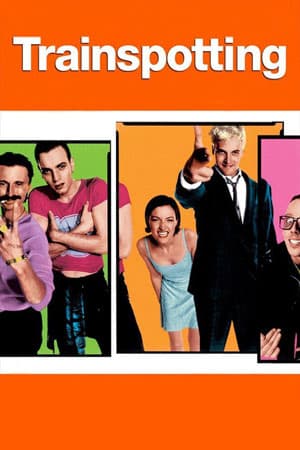
It made a heroin film feel like a night out without ever pretending the squalor was not there: Boyle cut the whole thing to a soundtrack that never sits still.
Leon Gast shot the footage in 1974 and could not finish the film for twenty-two years: Ali in Kinshasa, talking constantly, in the weeks before the biggest fight of his life.
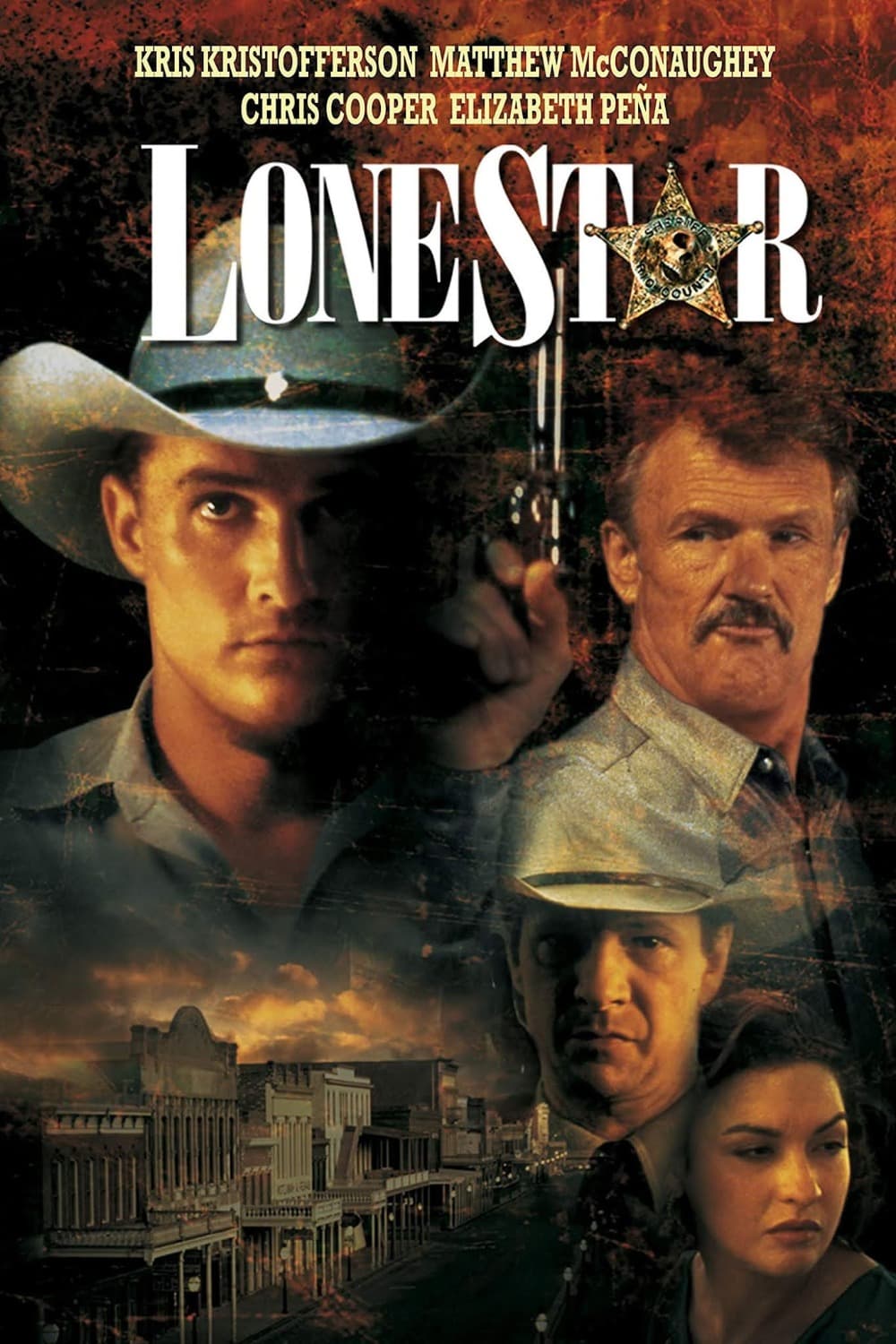
Sayles moves between past and present without a cut, panning from one decade into another: a Texas border town excavates a forty-year-old murder and finds the whole town's history attached.
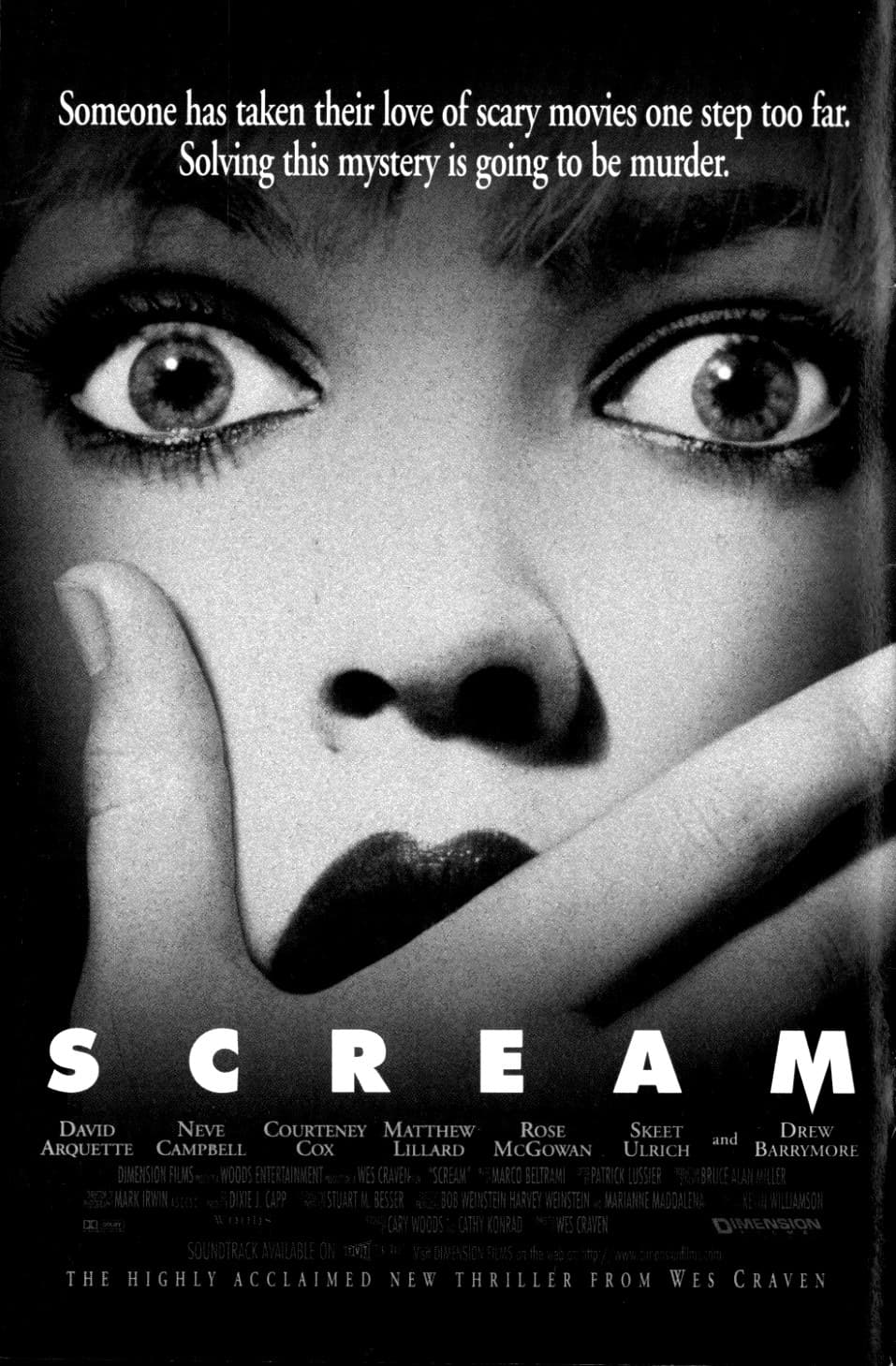
Wes Craven revived a dead genre by having the characters name its rules out loud: the opening twelve minutes tell you this film knows every slasher convention and intends to use them anyway.
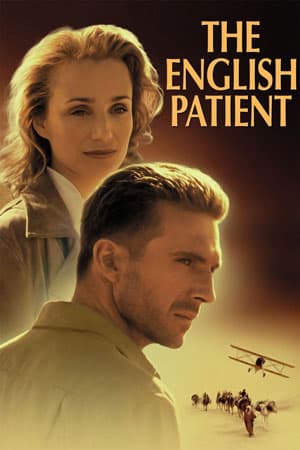
Minghella turned an unfilmable novel into the last great studio romance: a burned man in an Italian monastery remembers North Africa, and the desert photography is worth the length by itself.
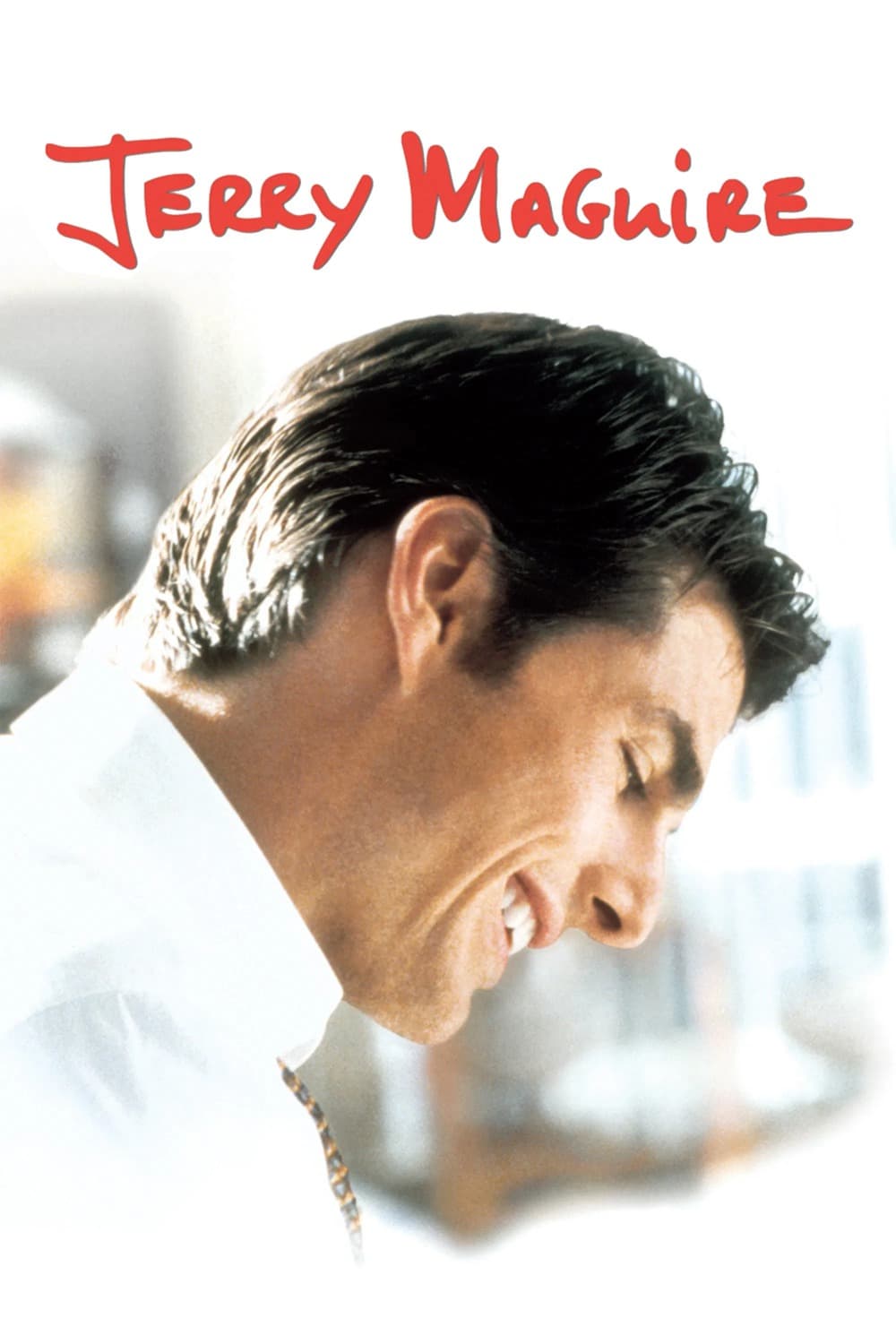
Cameron Crowe wrote a sports movie that is really about whether you can do a job decently: three catchphrases entered the language, and Tom Cruise has never been more likable.
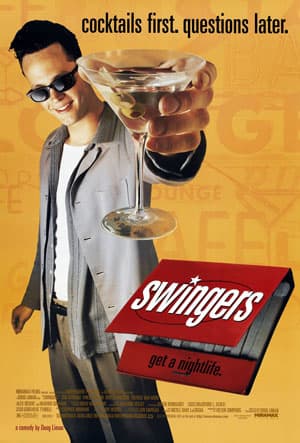
Jon Favreau wrote it about his own bad year and they shot in real bars without permits: two hundred thousand dollars total, and the answering machine scene is unbearable in the best way.
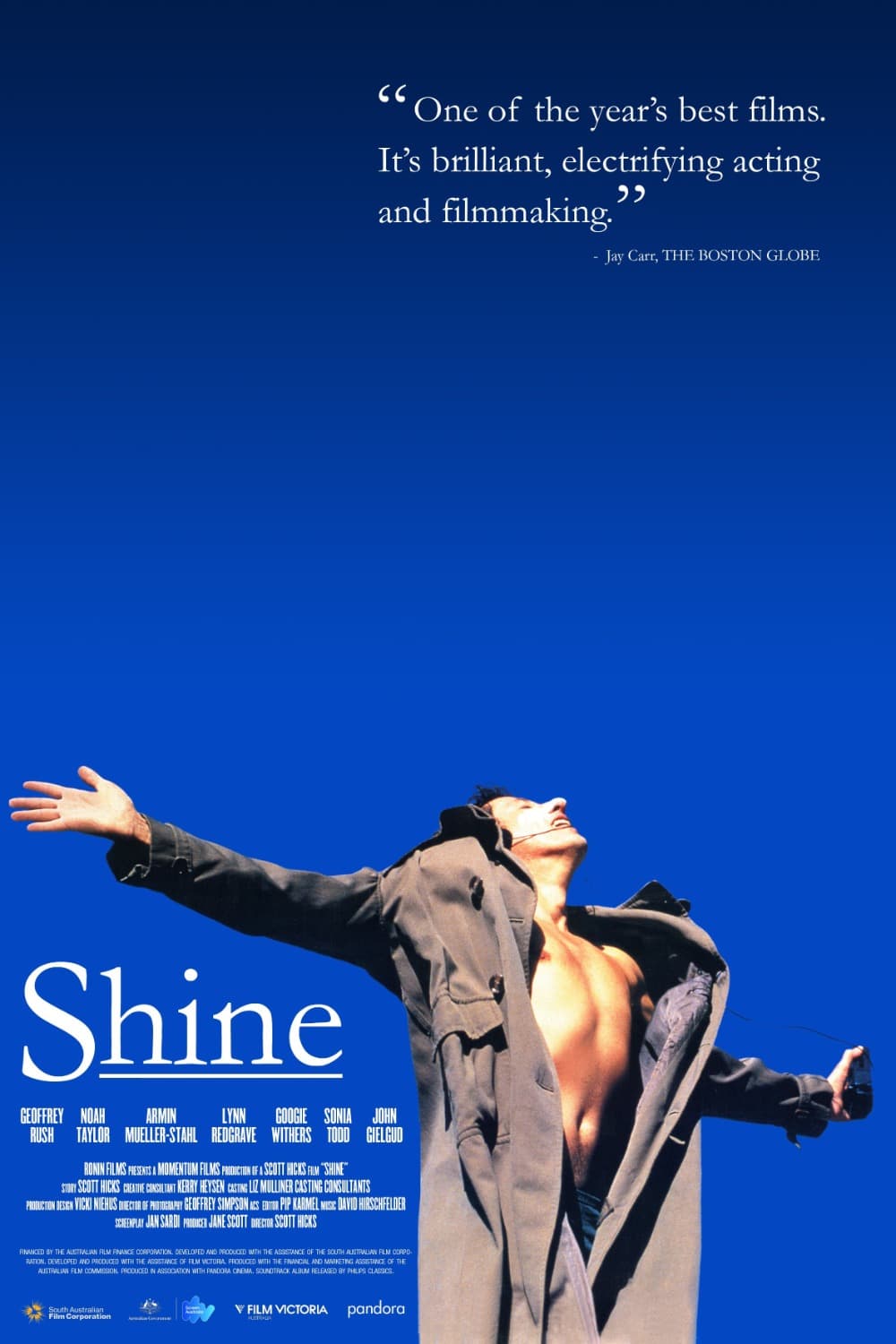
Geoffrey Rush learned the Rachmaninov himself so the hands would be right: the pianist David Helfgott, filmed across three ages, and a father who cannot let a prodigy leave home.