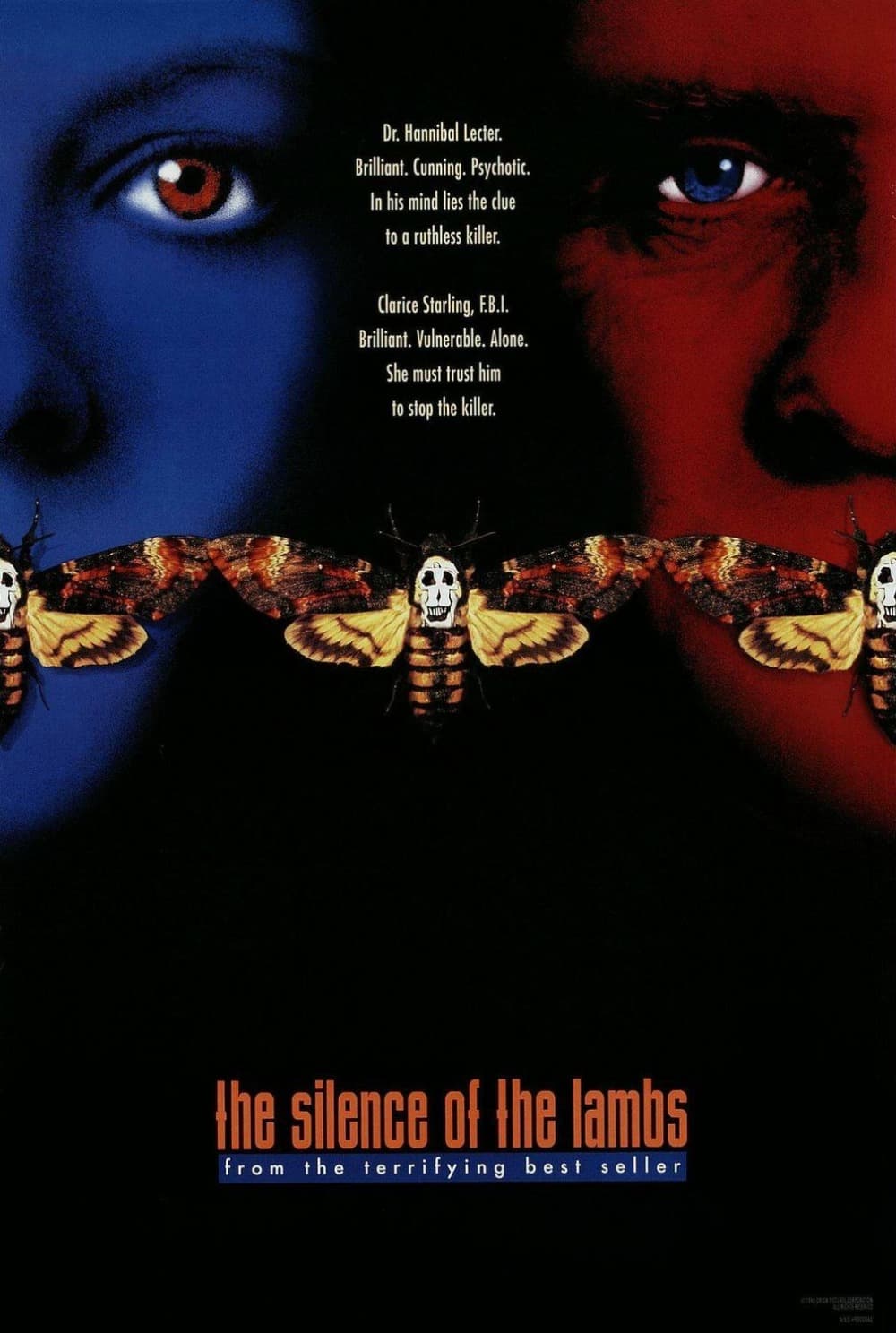
The Silence of the Lambs
Directed by Jonathan Demme
1991
Hopkins is on screen for a fraction of the film and won an Oscar anyway: Demme shot the interviews straight down the lens so Lecter looks directly at you.
★ 8.9
 skopia
Hopkins is on screen for a fraction of the film and won an Oscar anyway: Demme shot the interviews straight down the lens so Lecter looks directly at you.
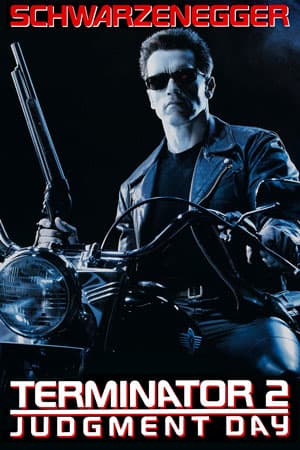
Computer effects became believable overnight: Cameron spent more money than anyone ever had, put a liquid metal killer on screen, and every studio in town immediately started writing checks.
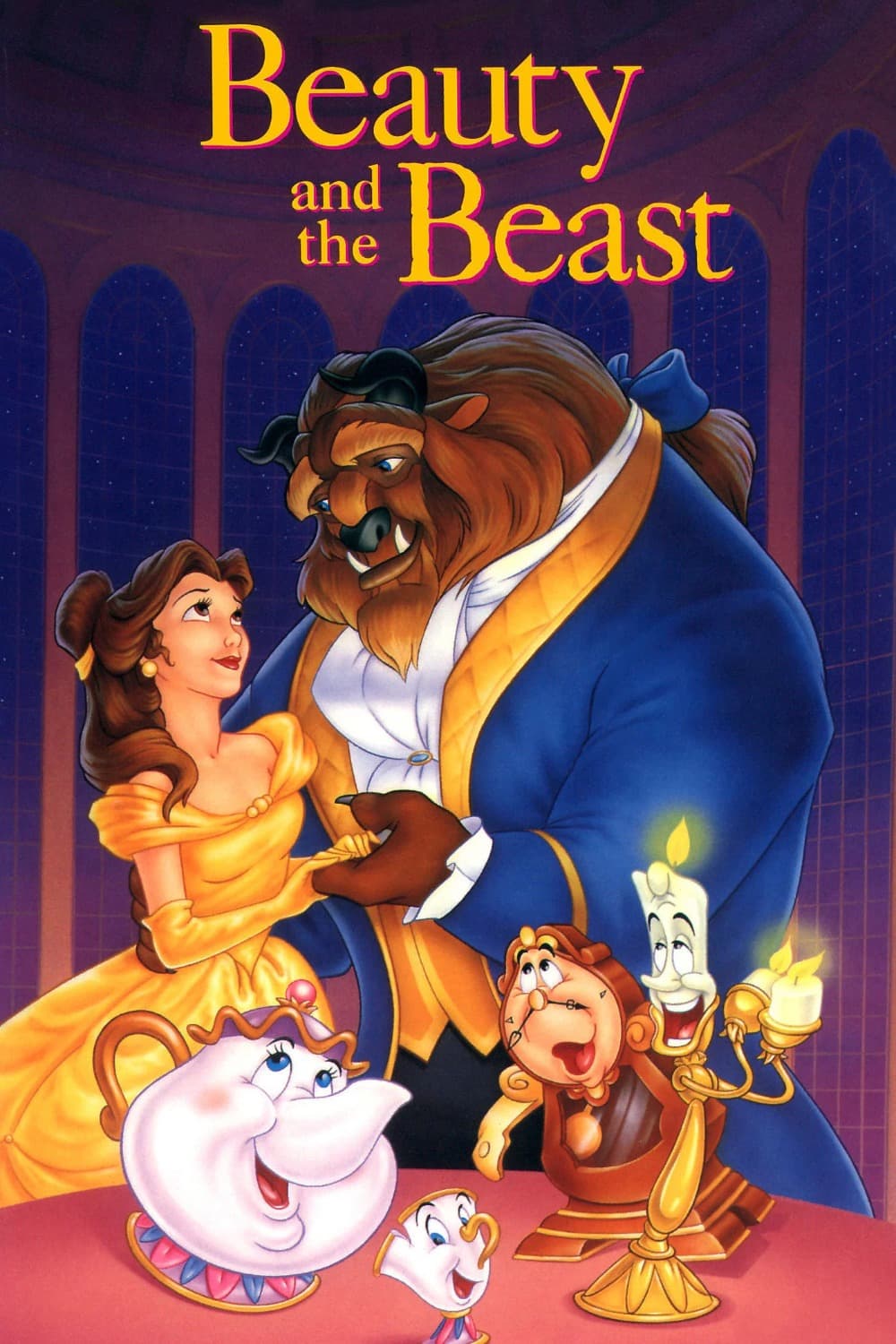
The peak of the Disney Renaissance, and the moment computers earned a place in hand-drawn animation: the ballroom sequence still looks like nothing anyone had done before.
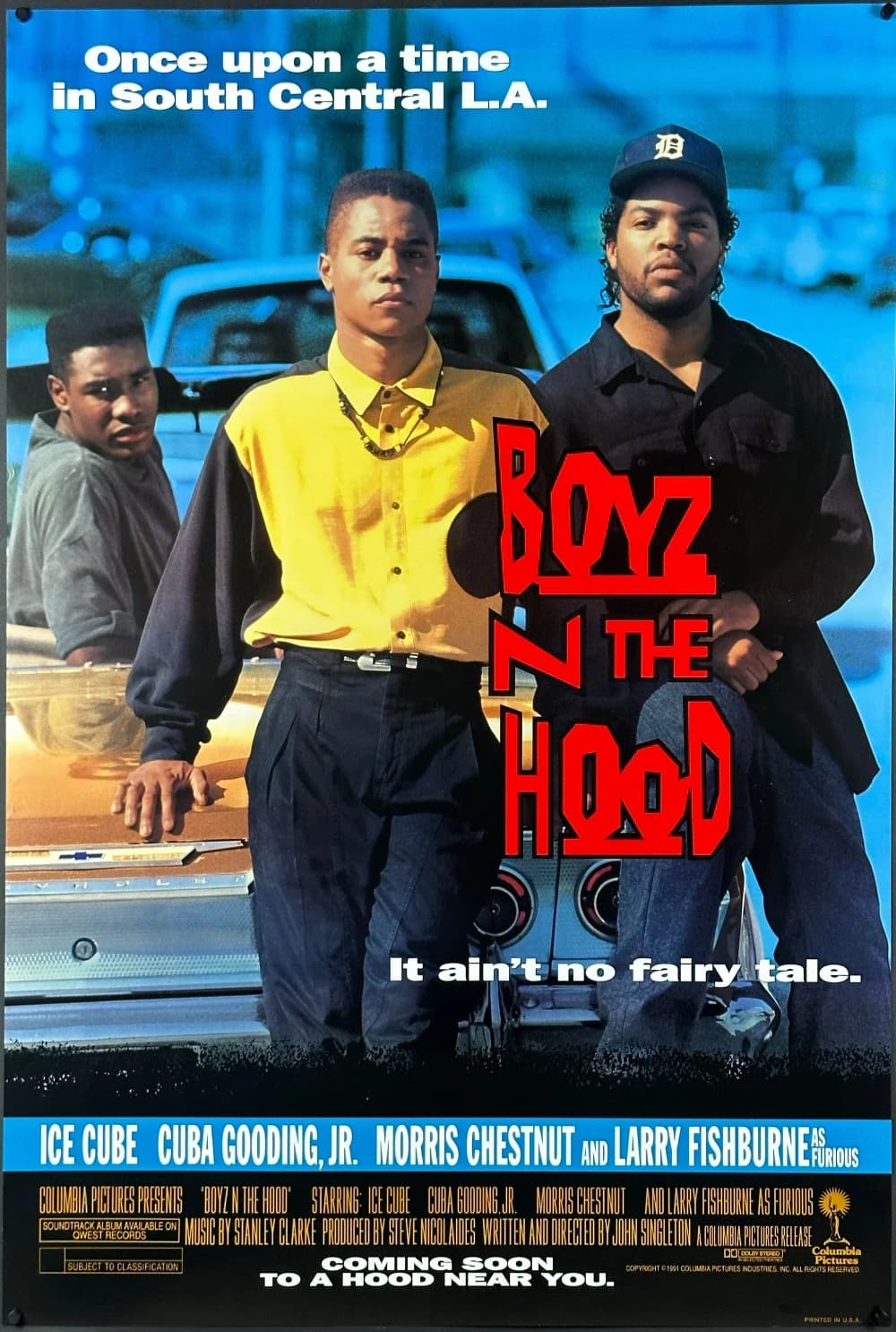
Singleton came straight out of USC film school and filmed the neighborhood he grew up in: South Central rendered as a place where a father raising his son is itself a full-time job.
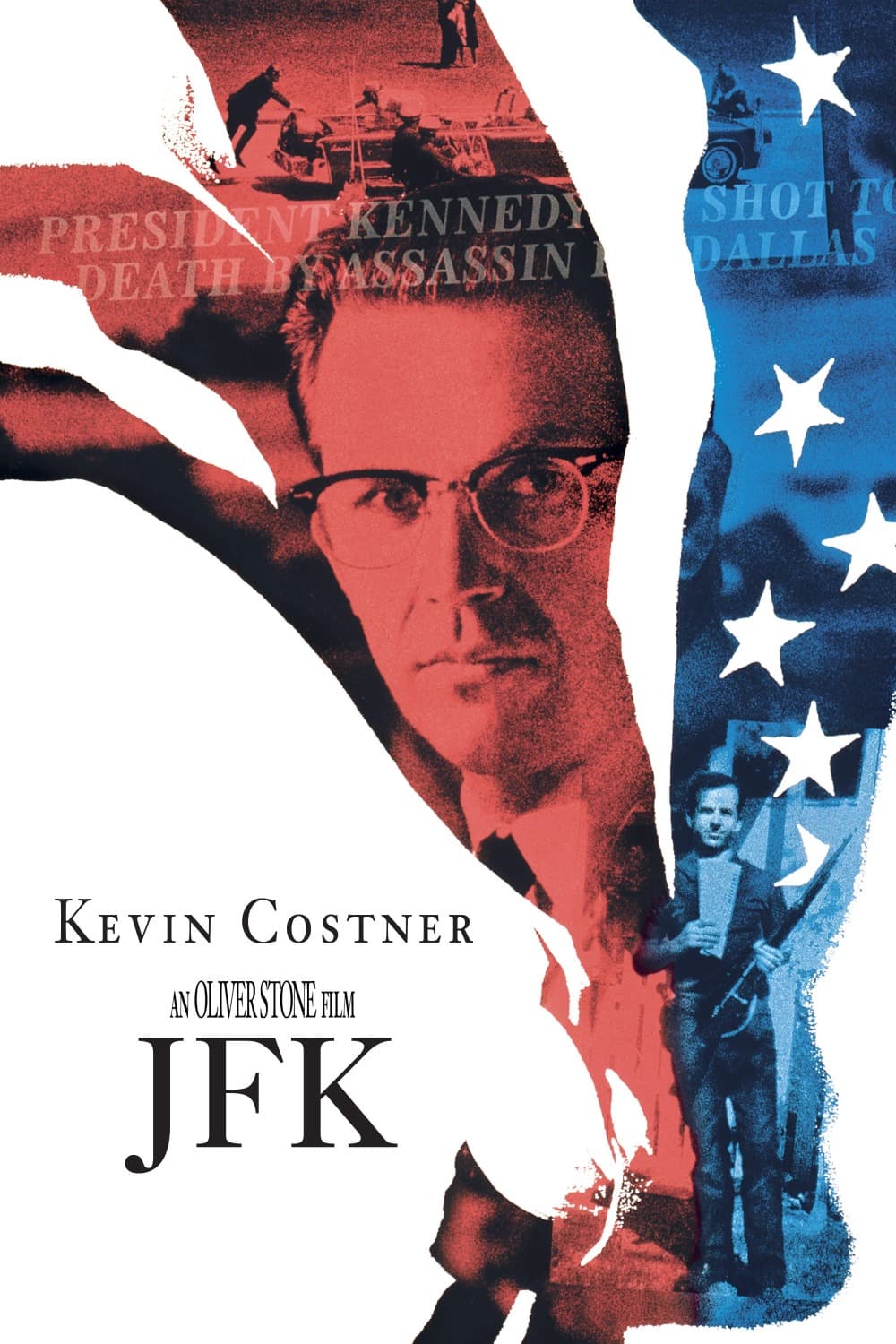
A film that changed federal law: the outcry over Stone's conspiracy case pushed Congress to pass the JFK Records Act, and the editing that sells it remains the most aggressive in American film.
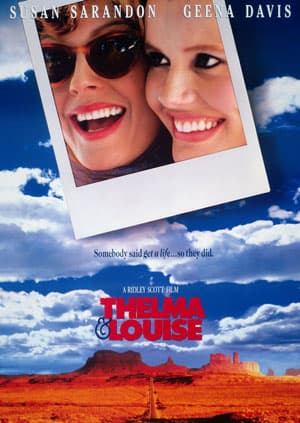
Callie Khouri's script did something no American road movie had done: put two women in the car and let the country outside it turn hostile, while the friendship becomes the only reliable thing.
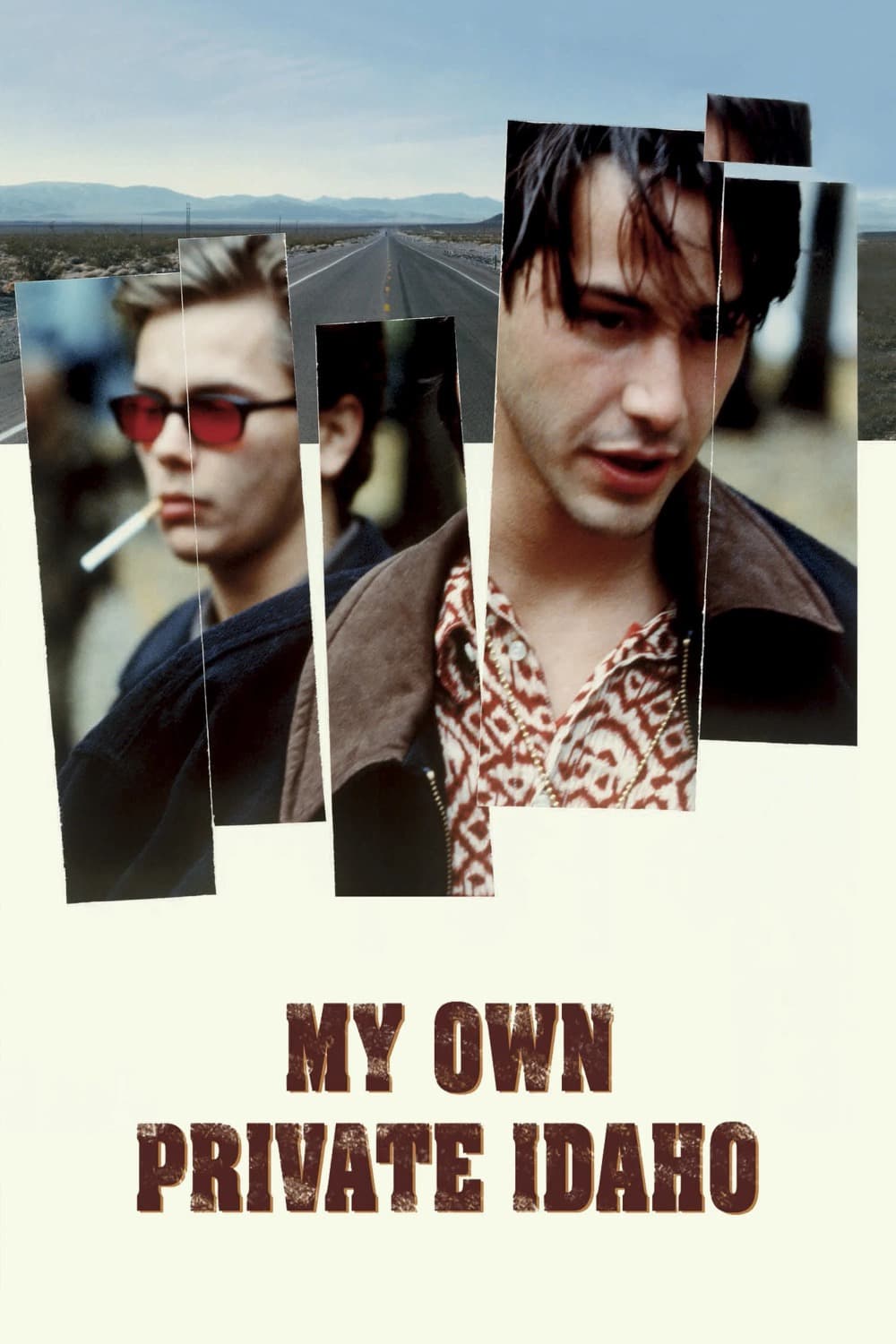
River Phoenix wrote the campfire scene himself and nothing else in the film touches it: Van Sant runs Shakespeare's Henry plays through two street hustlers on the Pacific Northwest road.
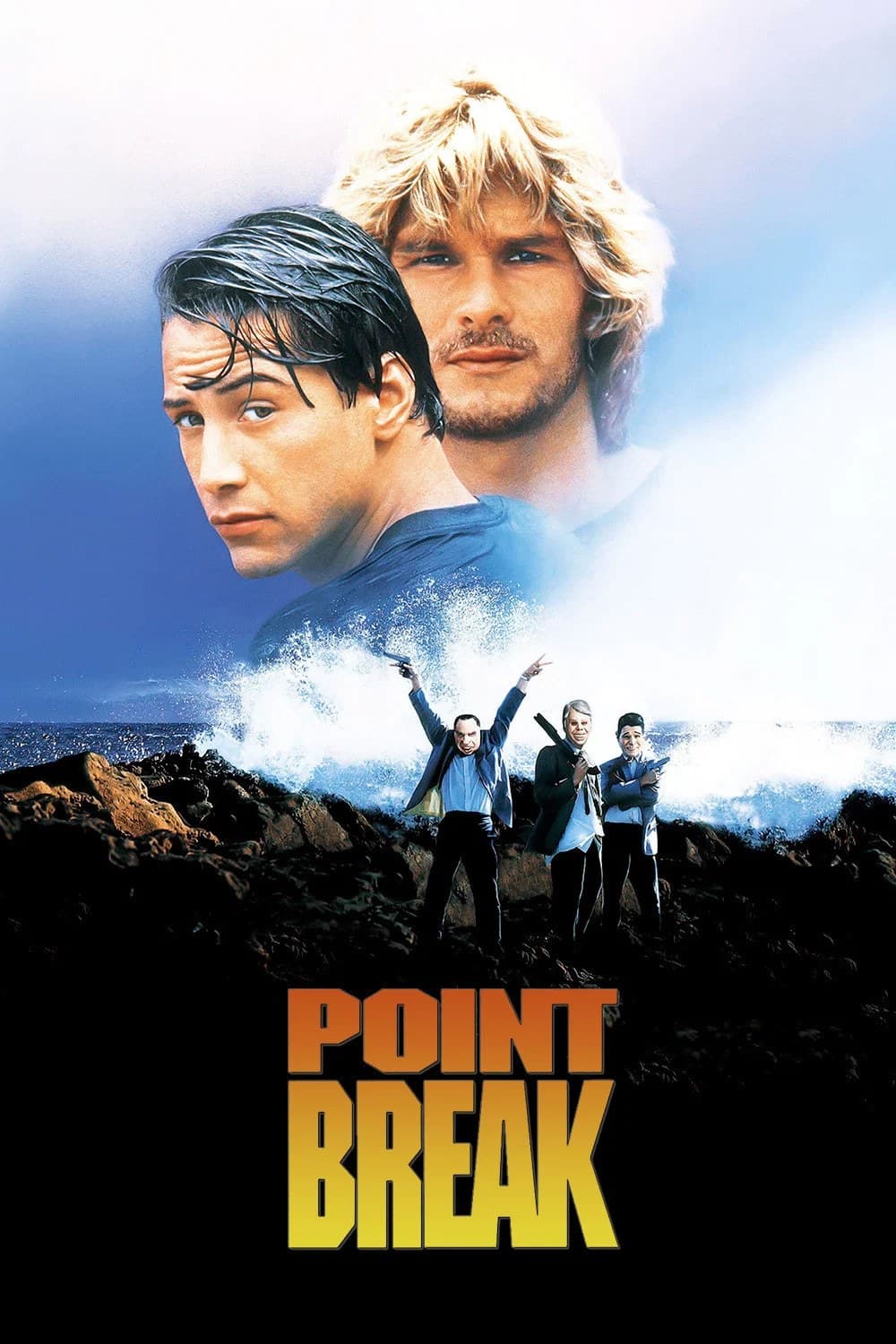
Kathryn Bigelow made the most physically committed action film anyone had attempted: an FBI agent infiltrates a crew of surfers who rob banks in president masks, and starts preferring their company.