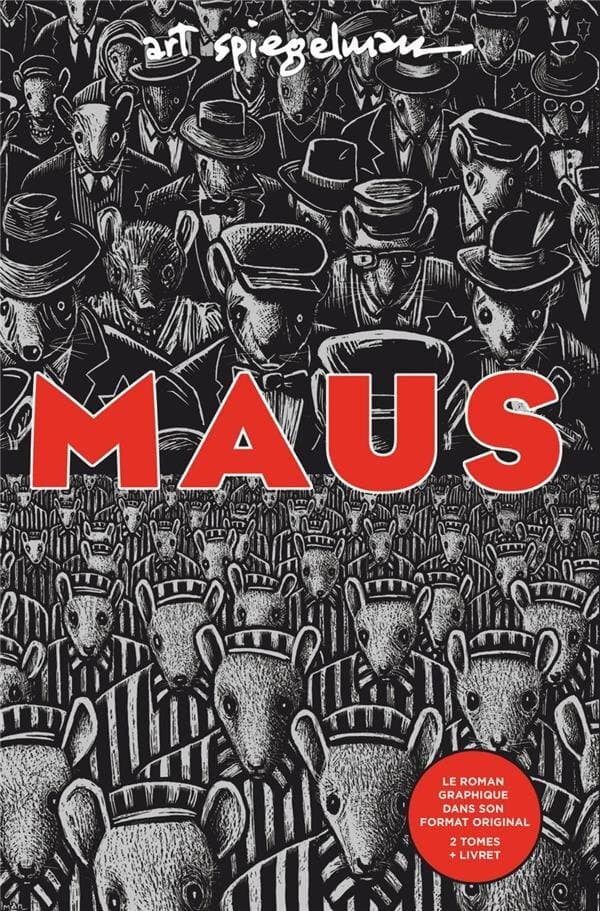
Maus
1991 · 300 pages
Spiegelman drew his father's survival of Auschwitz as a comic, Jews as mice and Nazis as cats, and drew himself failing to get along with the old man telling it.
★ 8.3
 skopia
Spiegelman drew his father's survival of Auschwitz as a comic, Jews as mice and Nazis as cats, and drew himself failing to get along with the old man telling it.

Oil is the story of the modern world, Yergin argues, and he follows it from the first Pennsylvania derrick through two world wars that ran on it to Saddam Hussein's tanks in Kuwait.
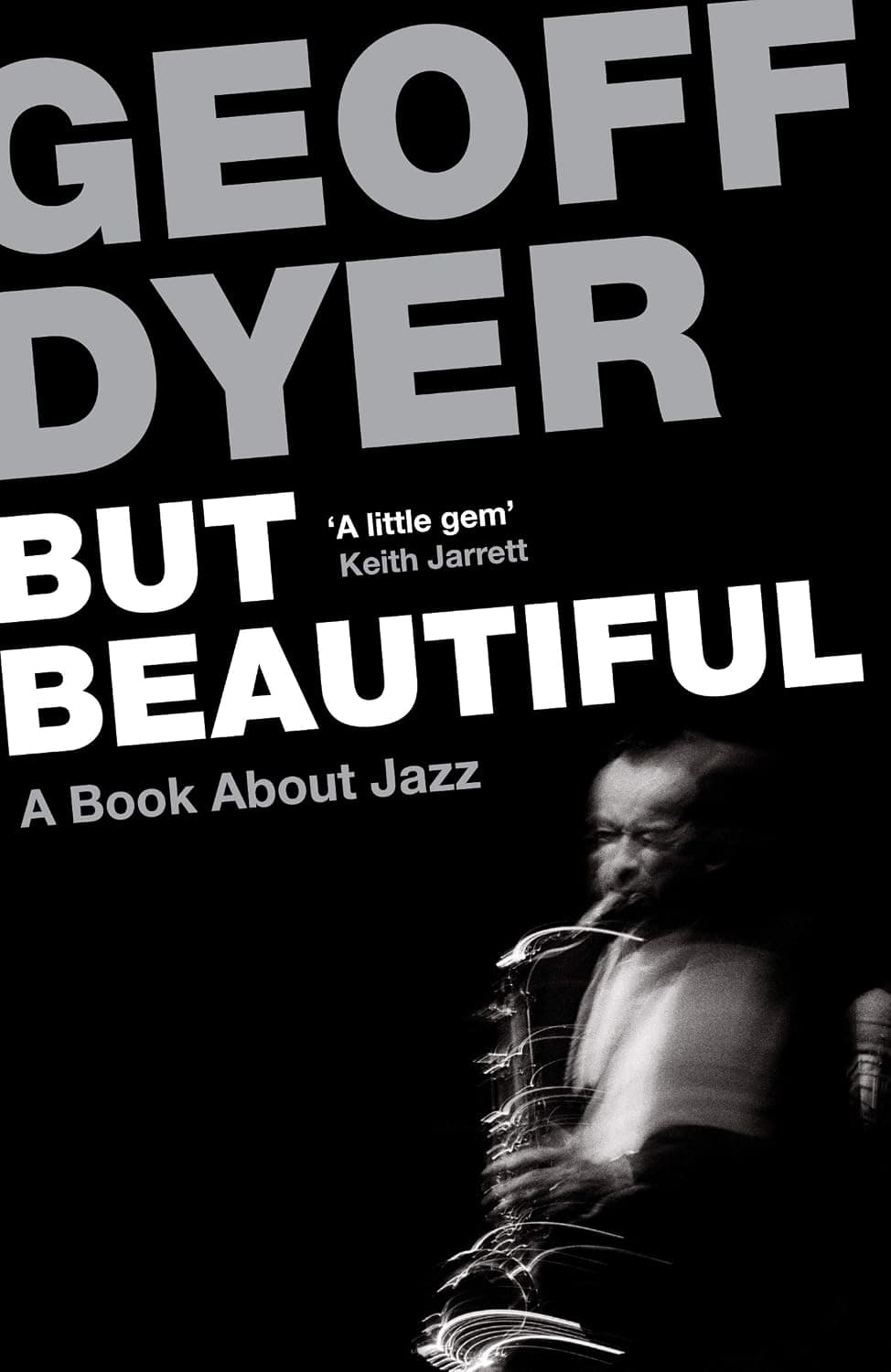
Dyer imagines his way into the nights of jazz musicians, Lester Young after the army broke him and Thelonious Monk alone at a piano, inventing scenes to reach what no biography can.
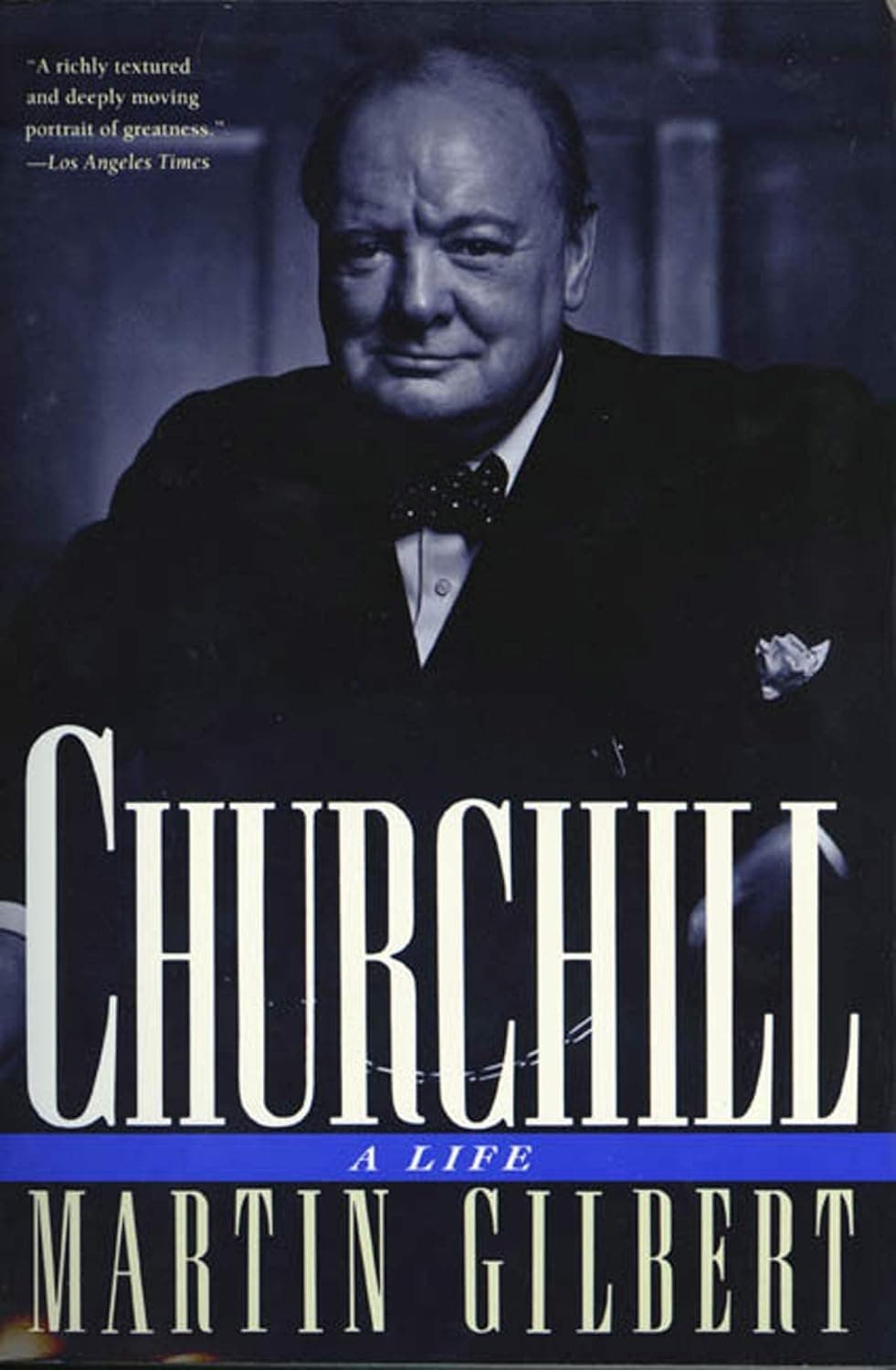
Having written six volumes of Churchill's official biography, Gilbert put the whole life into one book, from the cavalry charge at Omdurman to 1965, drawing on twenty years inside the papers.
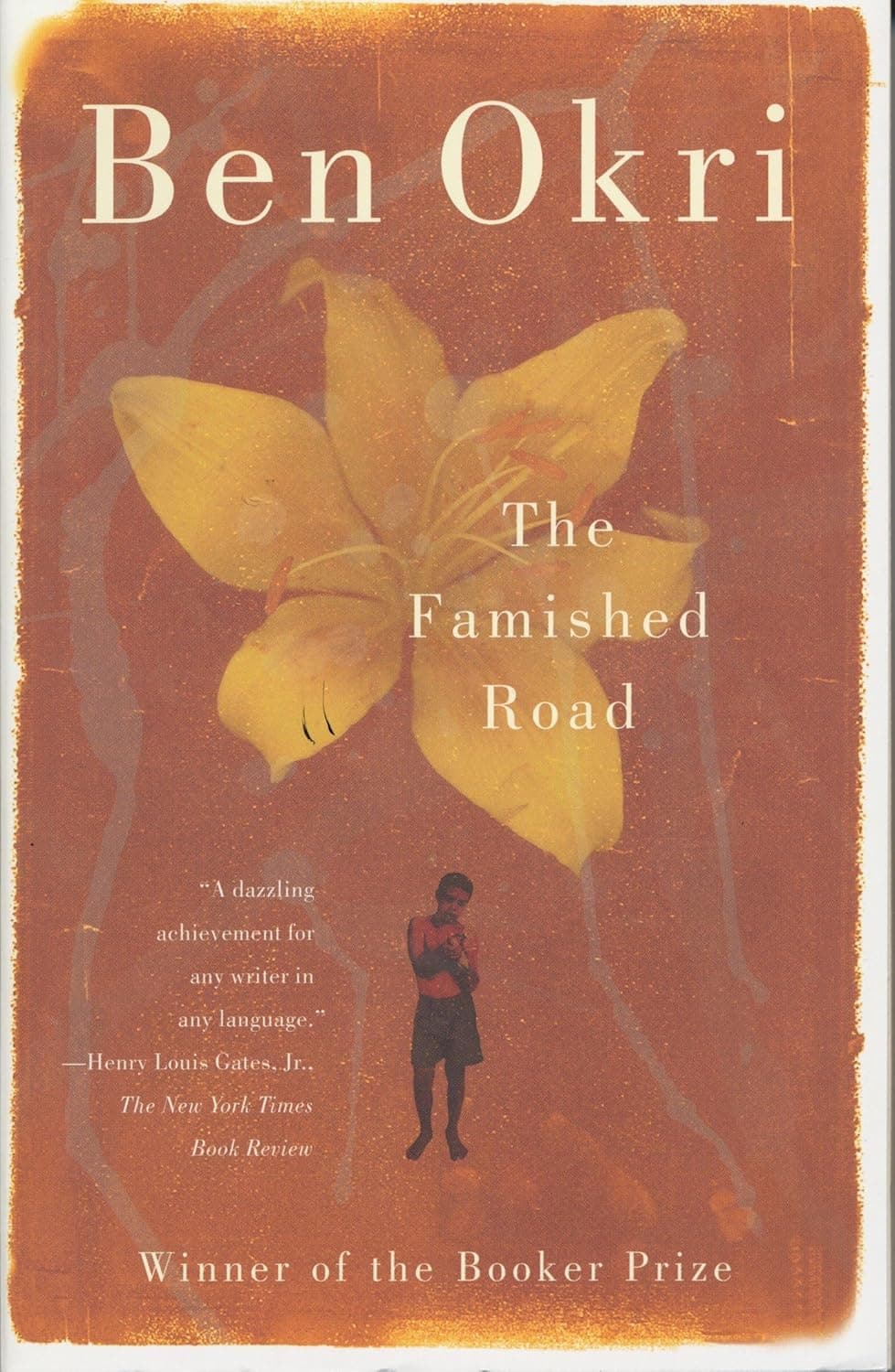
Azaro is an abiku, a spirit child who keeps refusing to die, and Okri sets him loose in a Nigerian slum where ghosts crowd the bar and political thugs hand out poisoned milk.

Kien spends the peace gathering the dead from the jungle that swallowed his battalion, and the war returns out of sequence. Bao Ninh enlisted at seventeen among five hundred, and ten came home.

Wonder was never innocent, Greenblatt argues. Reading Columbus's landfall and the travel writers around him, he catches the moment when amazement at a new world hardens into a claim to own it.
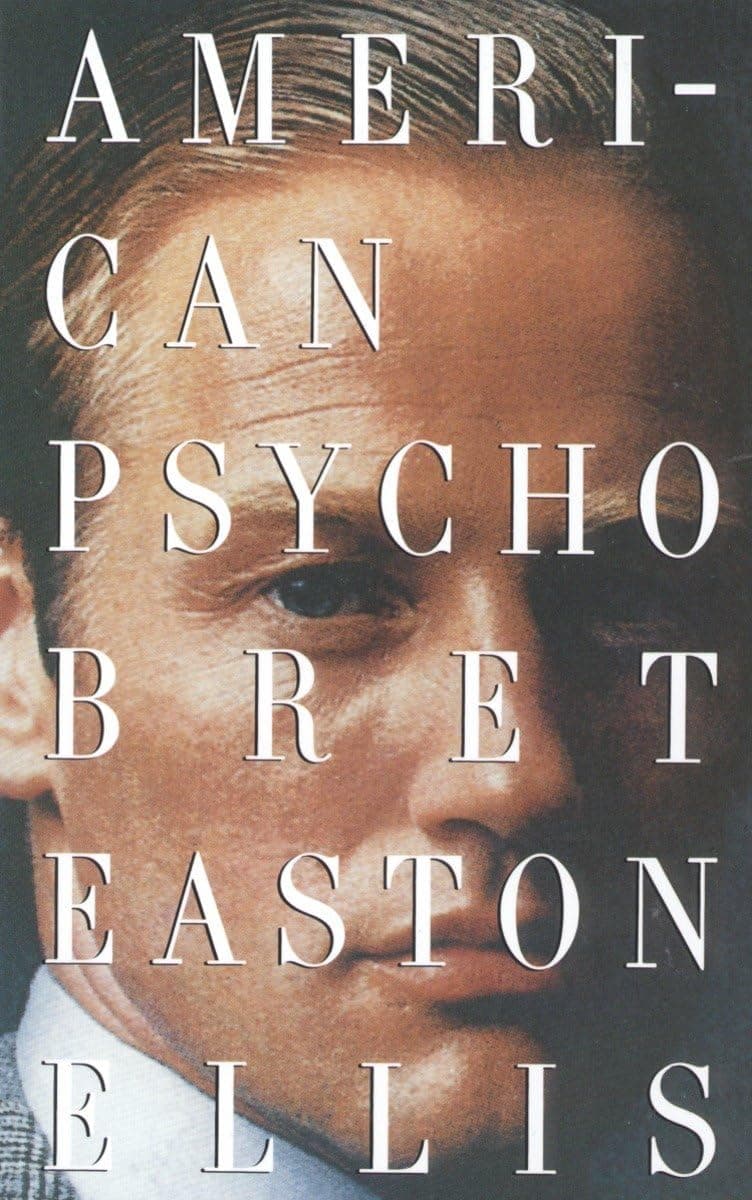
Patrick Bateman works mergers and acquisitions, agonizes over the typeface on a colleague's business card, and narrates atrocities in the voice he uses for Huey Lewis albums. Reagan's Wall Street becomes horror comedy.