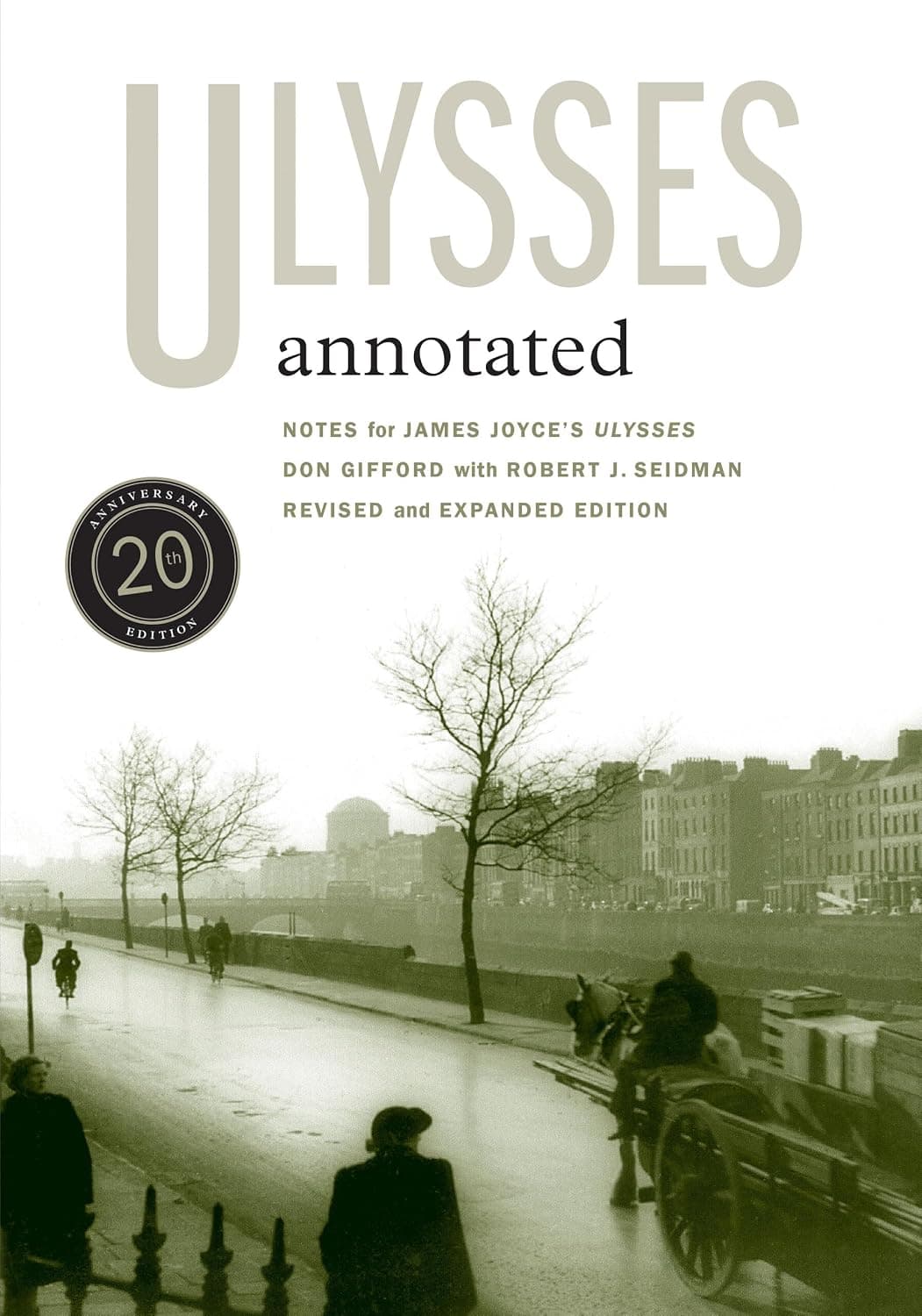
Ulysses
1922 · 694 pages
Leopold Bloom walks Dublin for one day in June 1904, and Joyce pours the whole English language into it. Bloom, advertising canvasser and cuckold, is the kindest man in fiction.
★ 9.7
 skopia
Leopold Bloom walks Dublin for one day in June 1904, and Joyce pours the whole English language into it. Bloom, advertising canvasser and cuckold, is the kindest man in fiction.

The most complete account of memory ever written. A man tastes a madeleine, and three thousand pages of remembered love, jealousy, and vanished aristocrats change permanently how you look at your own past.

Seven generations of one family in Macondo, where insomnia comes as a plague and the rain lasts four years. García Márquez reports the impossible as plain fact.

Gatsby throws enormous parties hoping the woman he loved will wander into one. Fitzgerald made the Jazz Age America's myth of itself, and the last page is the most beautiful in American writing.

Sethe escaped slavery years ago and cannot escape the daughter she lost, who comes back to the house as a young woman. Morrison writes American history's worst chapter with unbearable tenderness.
April is the cruellest month, and from that line Eliot assembles a ruined Europe out of voices, tarot cards, and pub talk. The fragments lodge in the memory for good.
Josef K. is arrested one morning, never told the charge, and ruined by his own efforts to clear himself. Kafka made faceless authority funny, and gave the century its word for dread.
At a summer house by the sea a trip to the lighthouse keeps being postponed, and Woolf gets so close to how a mind works that years pass and grief arrives in passing.

Four sections circle one Mississippi family's ruin, and the first belongs to a brother who cannot speak or keep time in order. Faulkner makes confusion itself carry the weight of grief.

Three sisters long for Moscow, a family loses its cherry orchard, and everyone talks around what hurts. Chekhov made the unspoken the real action, and modern theater took its shape from him.
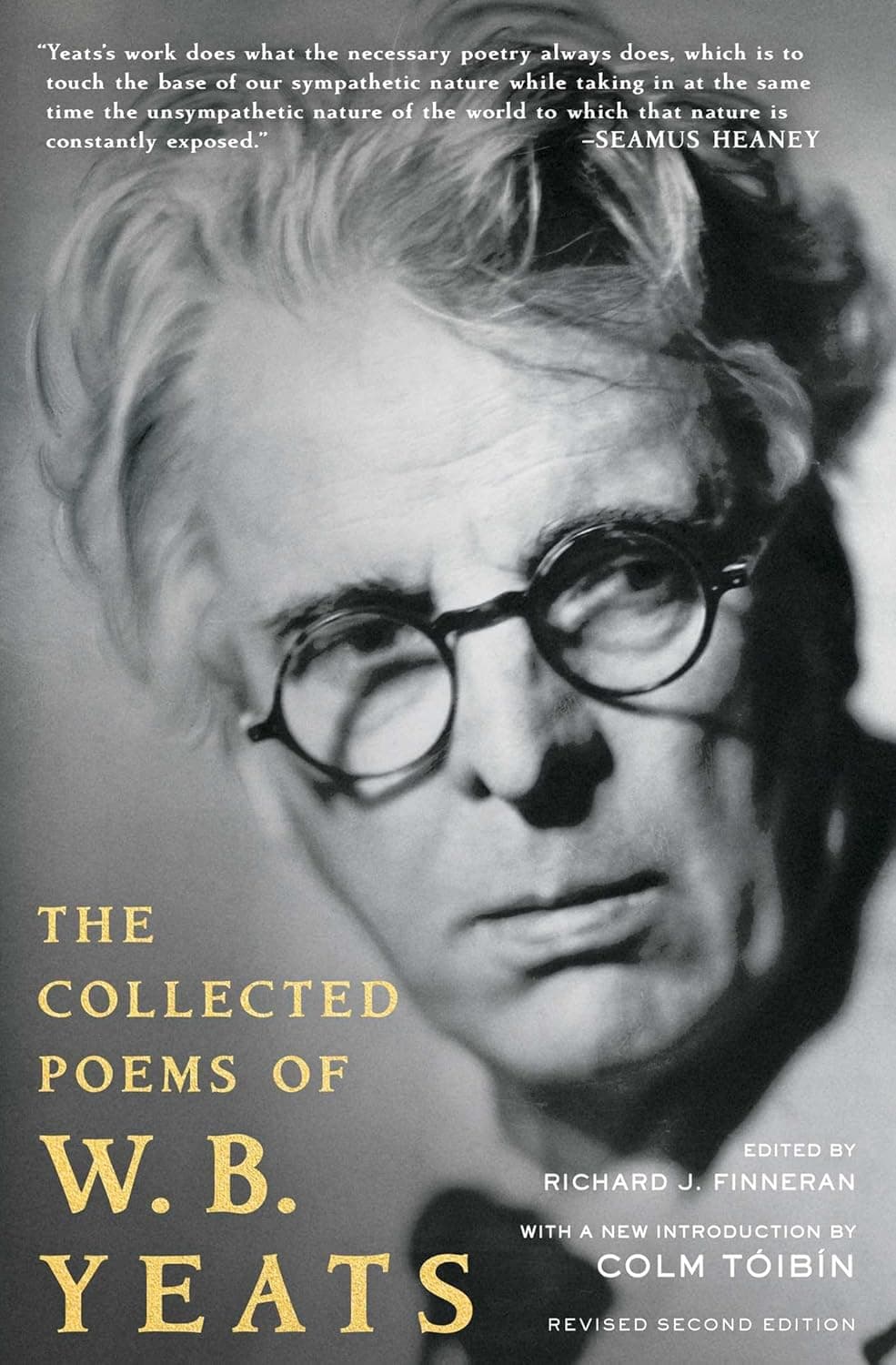
Irish myth and fairy tale at the start, then old age, politics, and desire handled with frightening force. Yeats wrote things fall apart, the centre cannot hold, and a terrible beauty is born.
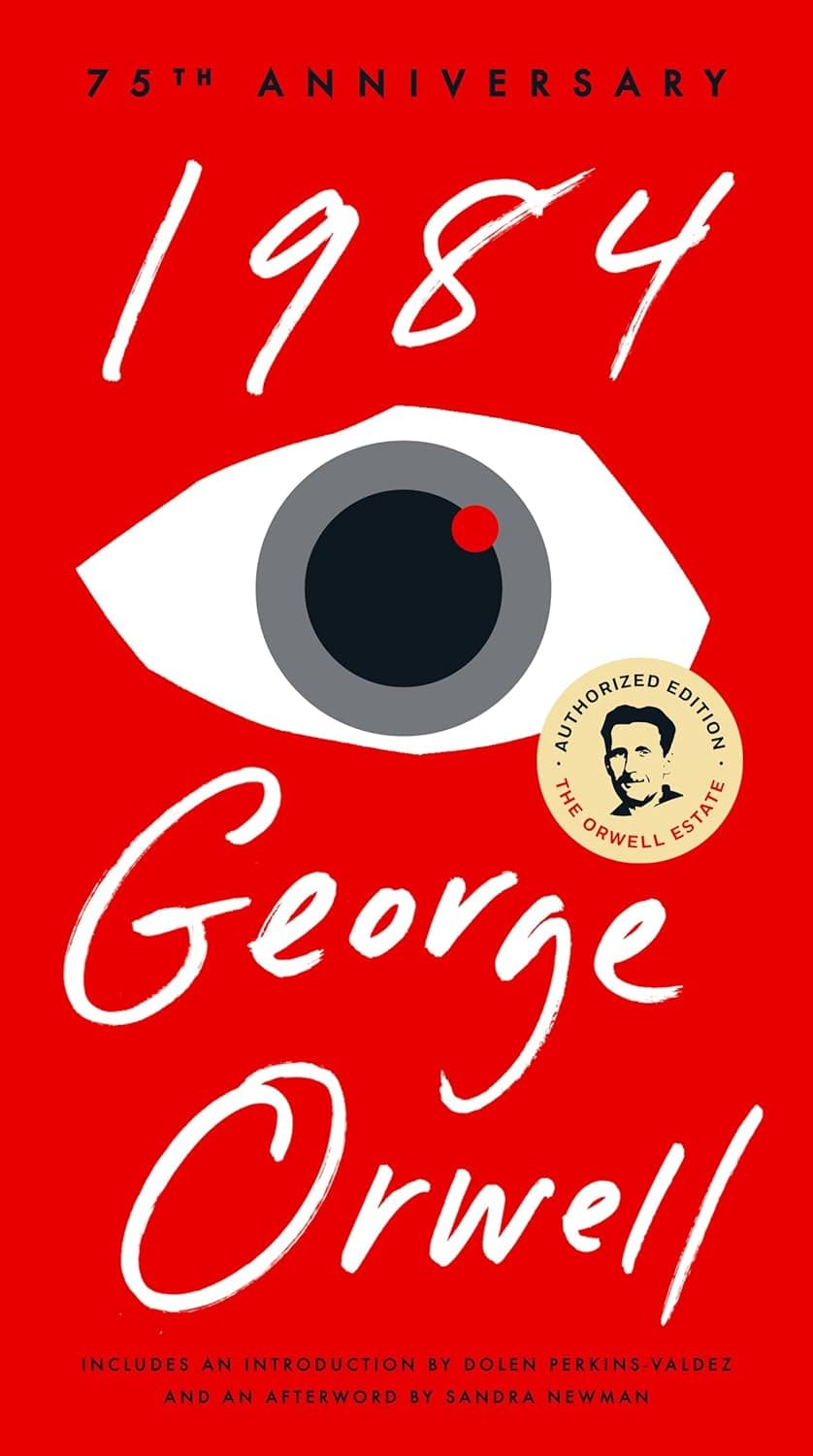
Winston Smith rewrites old newspapers so history agrees with the Party, then risks a diary and a love affair. Orwell built the machinery so exactly that reading it feels like being watched.

Borges invented a library holding every possible book and a man cursed with perfect memory. The stories run ten pages and leave the world looking like something someone made up.
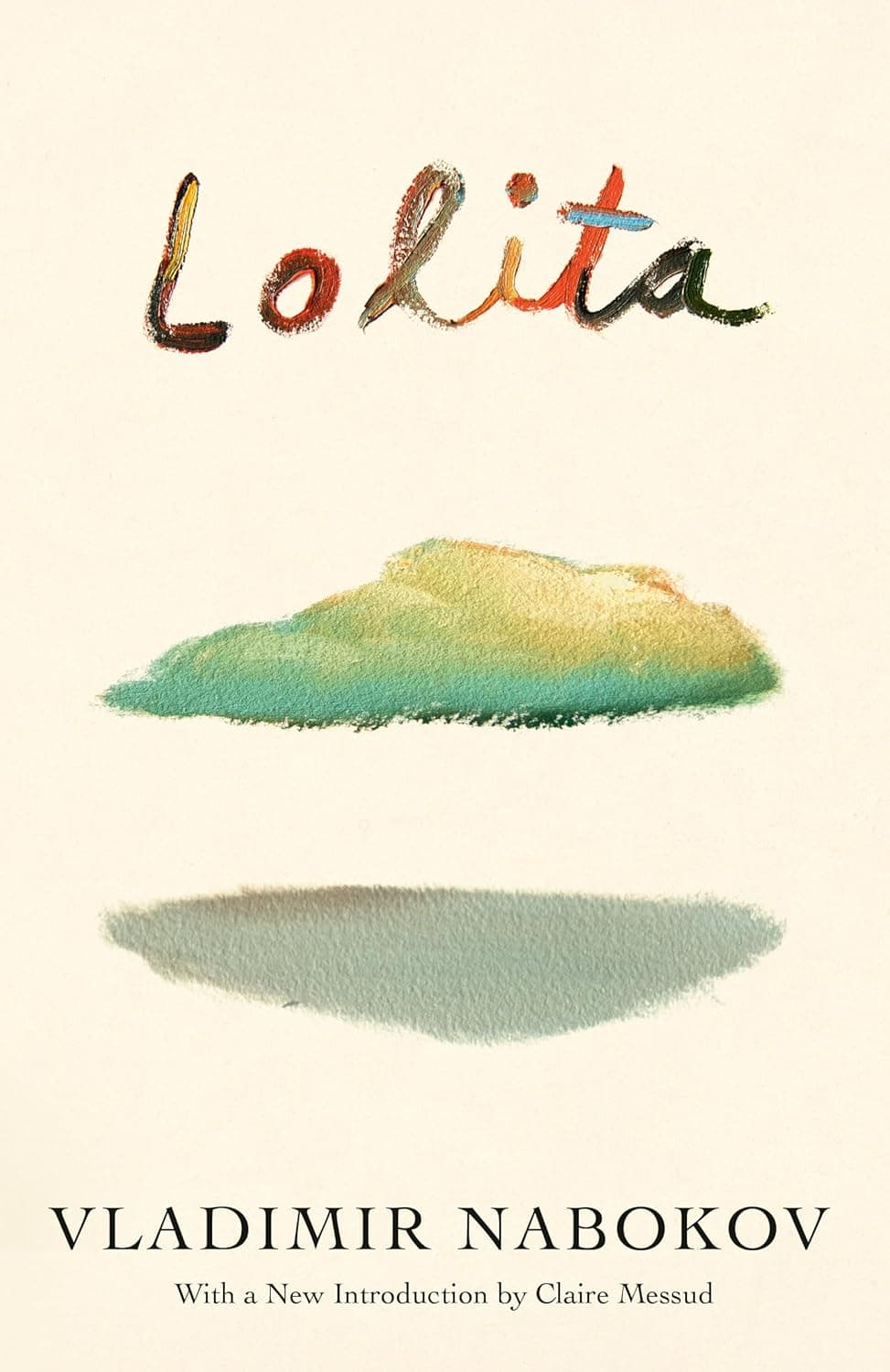
Humbert Humbert explains how he became stepfather to a twelve-year-old girl and drove her across America. Nabokov gives the monster the most beautiful prose in English and dares you to enjoy it.
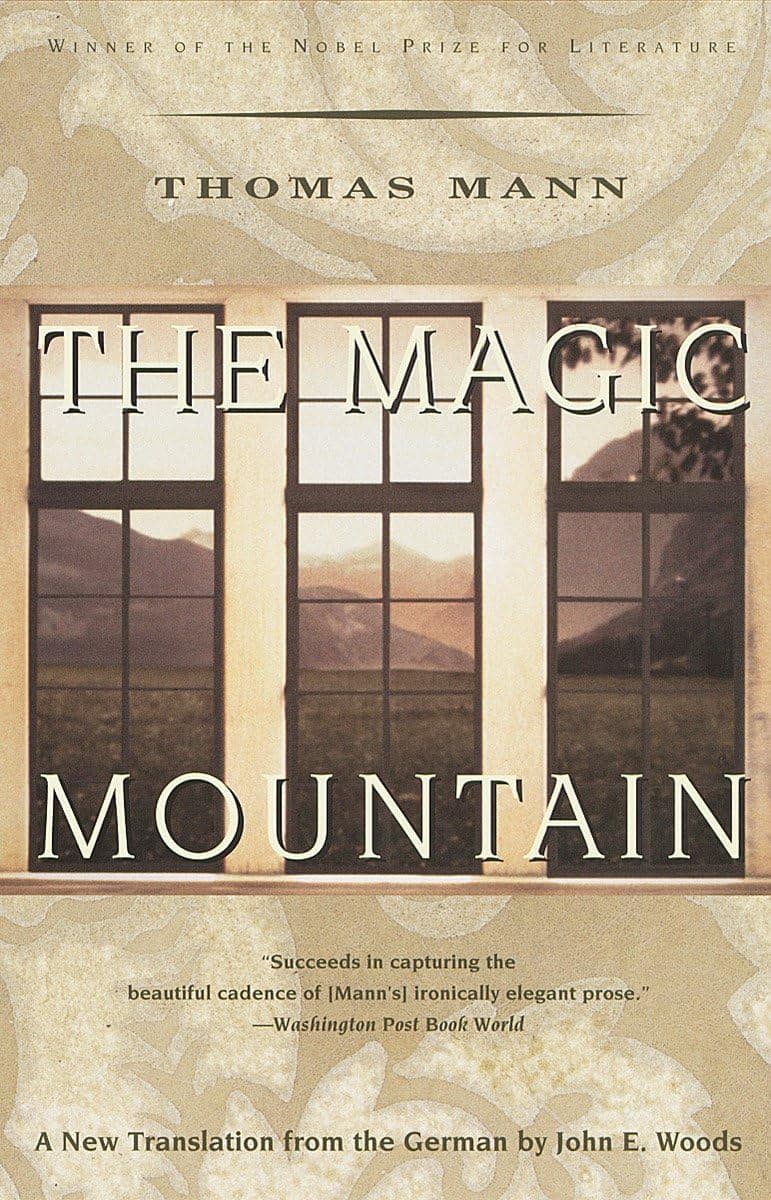
Hans Castorp goes to a Swiss sanatorium to visit his tubercular cousin for three weeks and stays seven years. Time comes loose there while the patients debate everything and Europe drifts into war.

Scalp hunters ride the Mexican border in 1849, among them a runaway Tennessee boy and the hairless giant Judge Holden. McCarthy writes the violence in Old Testament prose and never once looks away.
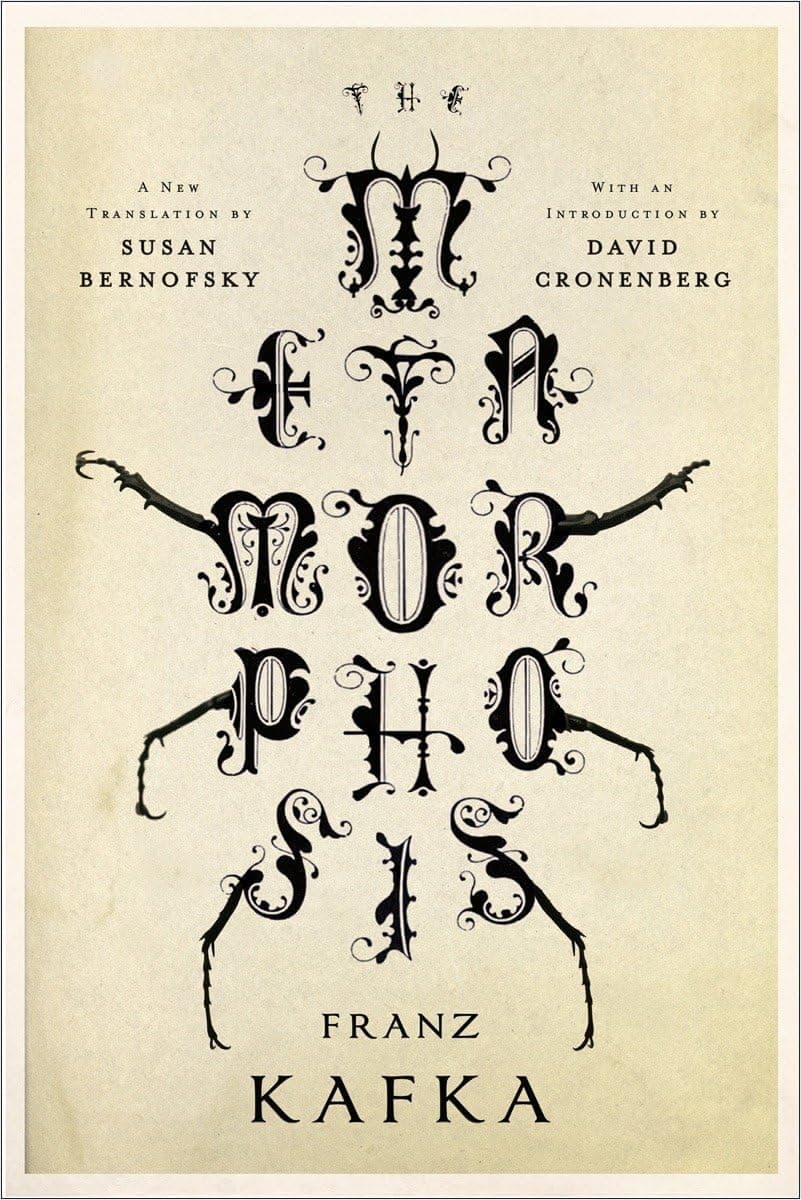
Gregor Samsa wakes as an enormous insect and worries first about missing his train. The horror turns domestic fast, and his family decides the son who supported them is now a burden.
Thomas Sutpen arrives in Mississippi from nowhere with a band of slaves and a French architect and builds a dynasty that destroys itself. Two students retell it until it swallows them.
Clarissa Dalloway buys the flowers herself and gives a party, one June day in London, while a veteran wrecked by the war comes apart nearby. Woolf moves between strangers' minds without warning.
Thrown out of college, then used by a Harlem political movement, a nameless Black man ends up living in a cellar on stolen light. Ellison writes American rage with jazz timing.