
One Hundred Years of Solitude
1967 · 417 pages
Seven generations of one family in Macondo, where insomnia comes as a plague and the rain lasts four years. García Márquez reports the impossible as plain fact.
★ 9.5
 skopia
Seven generations of one family in Macondo, where insomnia comes as a plague and the rain lasts four years. García Márquez reports the impossible as plain fact.

The devil arrives in Stalin's Moscow with a retinue that includes an enormous talking cat, and the literary bureaucrats never recover. Threaded through it runs a stark short novel about Pontius Pilate.

Trying to get grounded for insanity, a bombardier learns that asking to be grounded proves he is sane. Heller runs that loop through a whole war until the deaths stop being funny.
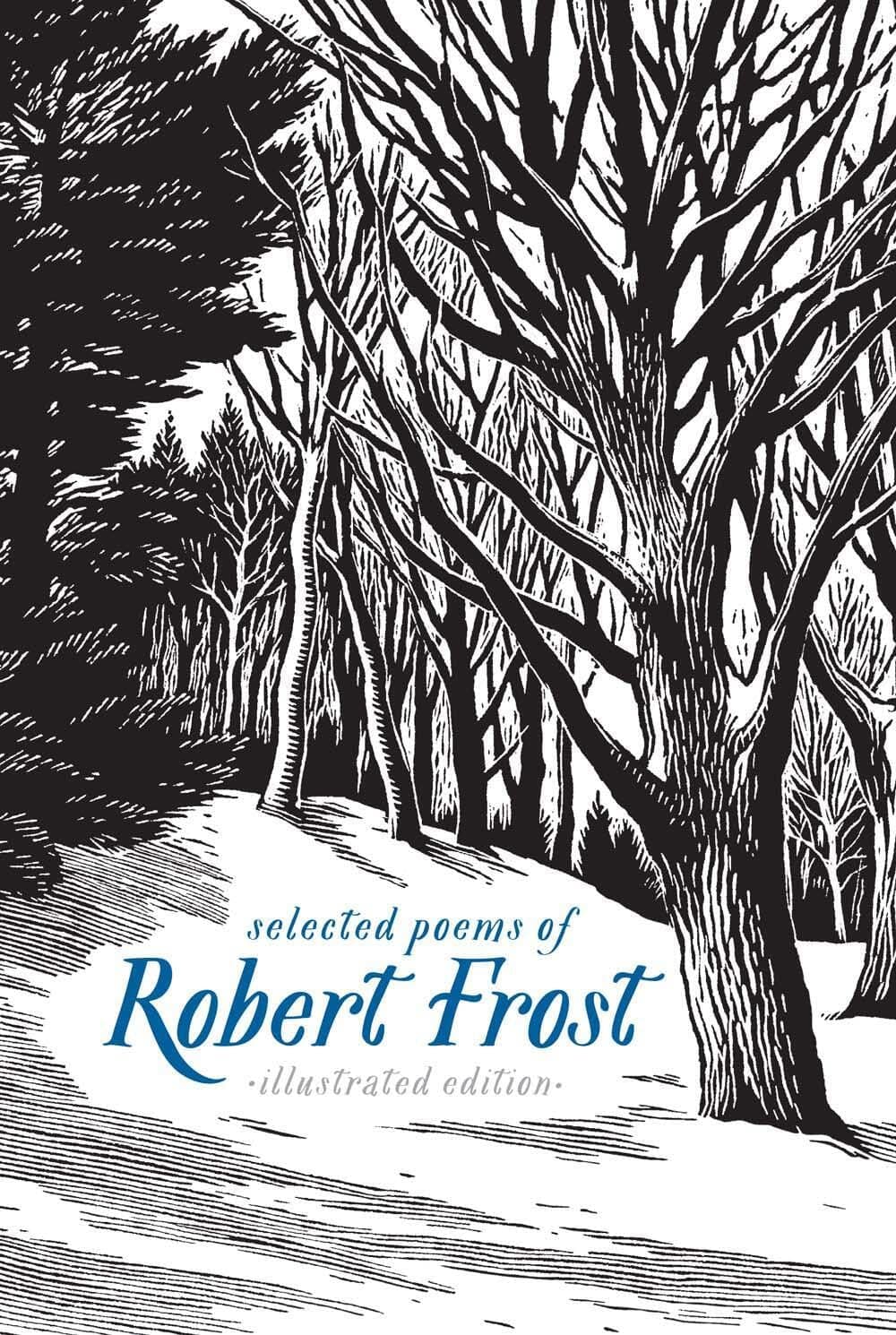
Frost's New England of stone walls and deep snow arrives in plain talk held to strict meter, with something much colder underneath. Stopping by Woods on a Snowy Evening offers no comfort.
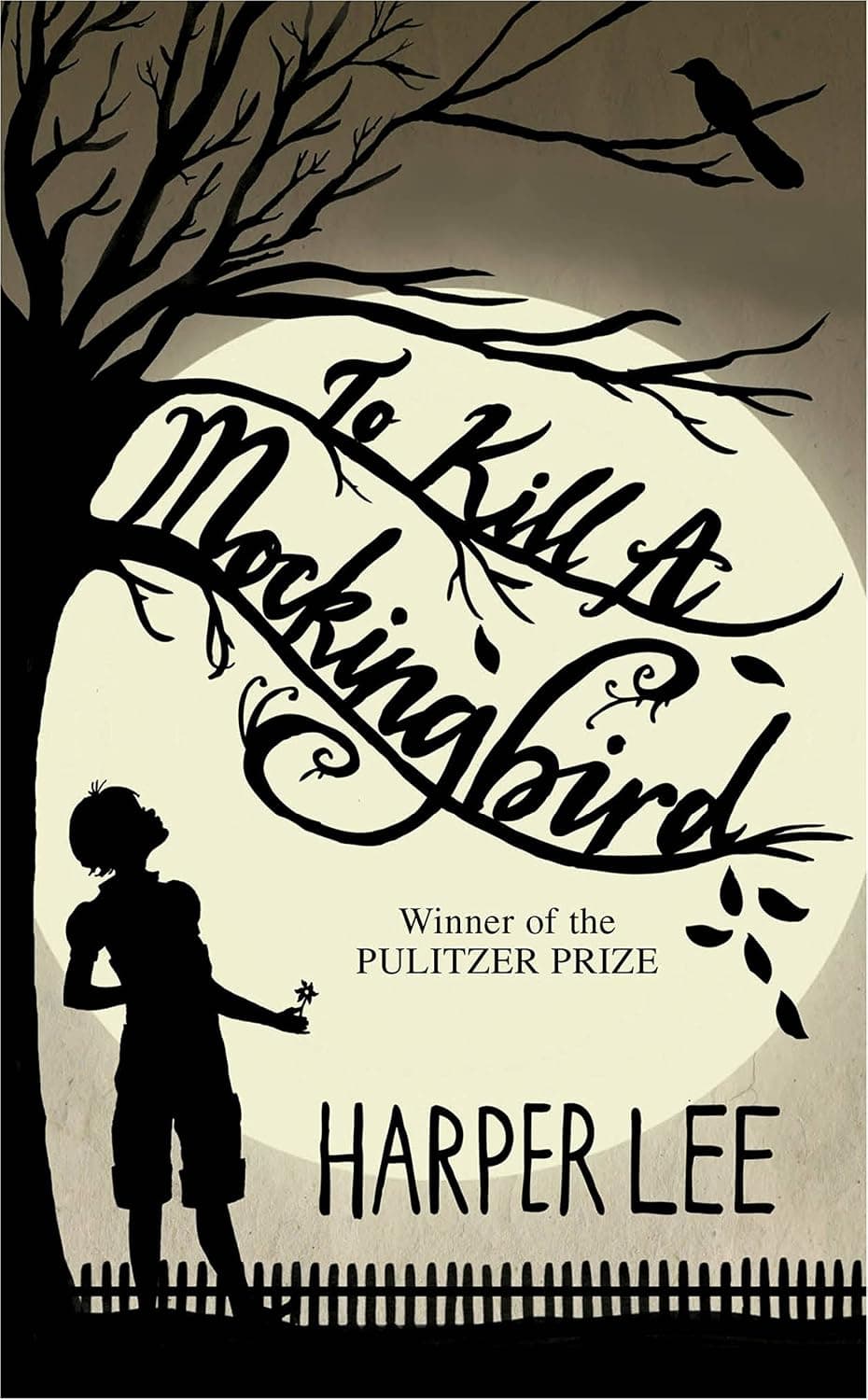
Scout Finch's father, a lawyer in a small Alabama town, defends a Black man accused of raping a white woman. The trial reaches you through a child who understands less than you do.

A dead poet's 999 lines arrive wrapped in footnotes by a neighbor certain the poem is about his own lost northern kingdom. The ingenuity is total and the grief underneath is real.
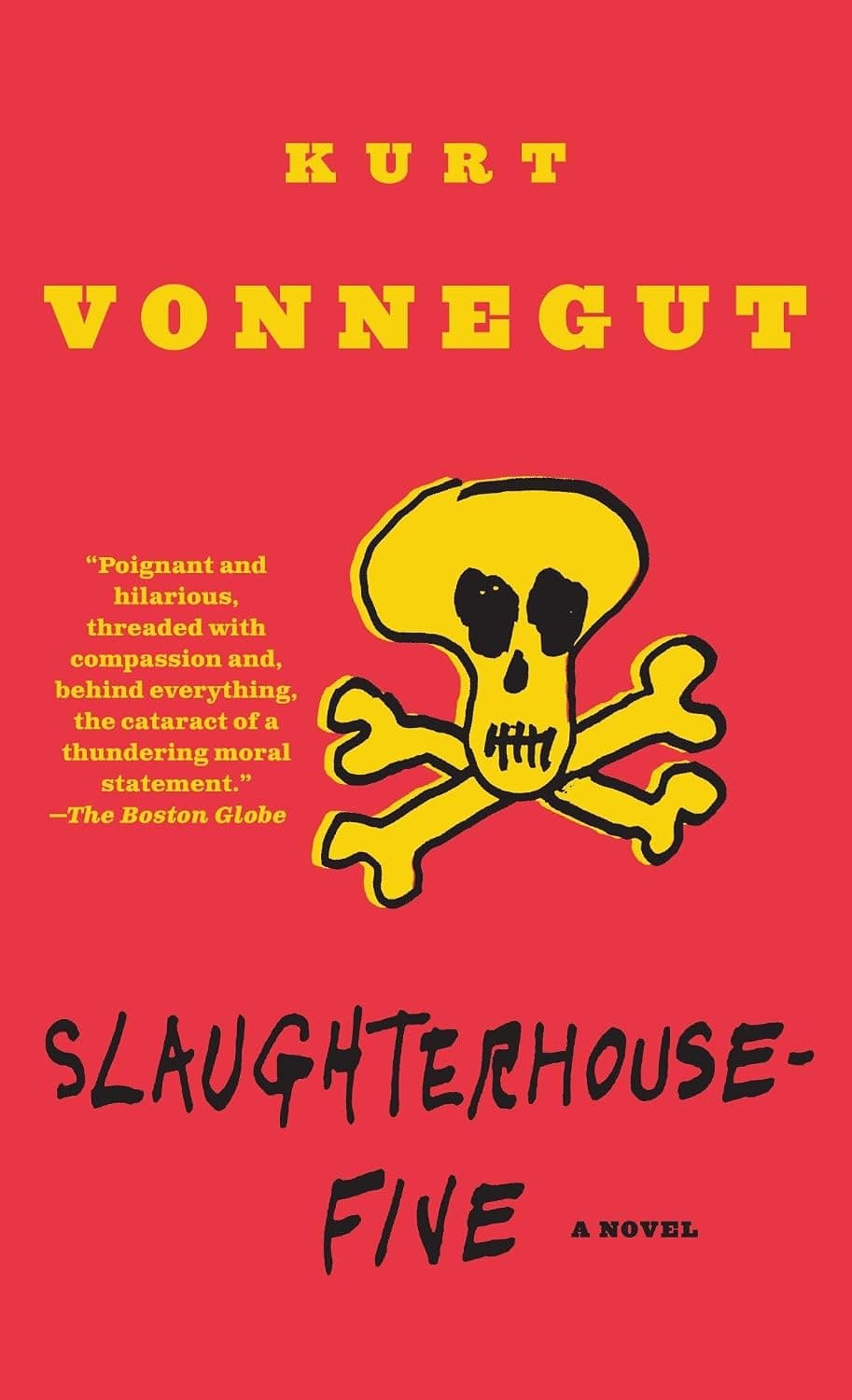
Billy Pilgrim comes unstuck in time, between a Dresden meat locker during the firebombing and a zoo on another planet. Vonnegut was in that cellar, and writes "So it goes" after every death.

Science does not creep forward by adding facts, Kuhn argues. It works inside one framework until the anomalies pile up and the whole picture flips. Paradigm shift is his phrase and his idea.

Malcolm X was a Michigan boy, then a Harlem hustler, then a convict copying the dictionary, then a speaker no one in America could ignore. He was still changing when he was murdered.

Jacobs watched her Greenwich Village street and argued that crowded sidewalks, short blocks, and eyes on the street are what keep a city alive. After this, bulldozing a neighborhood stopped looking like progress.
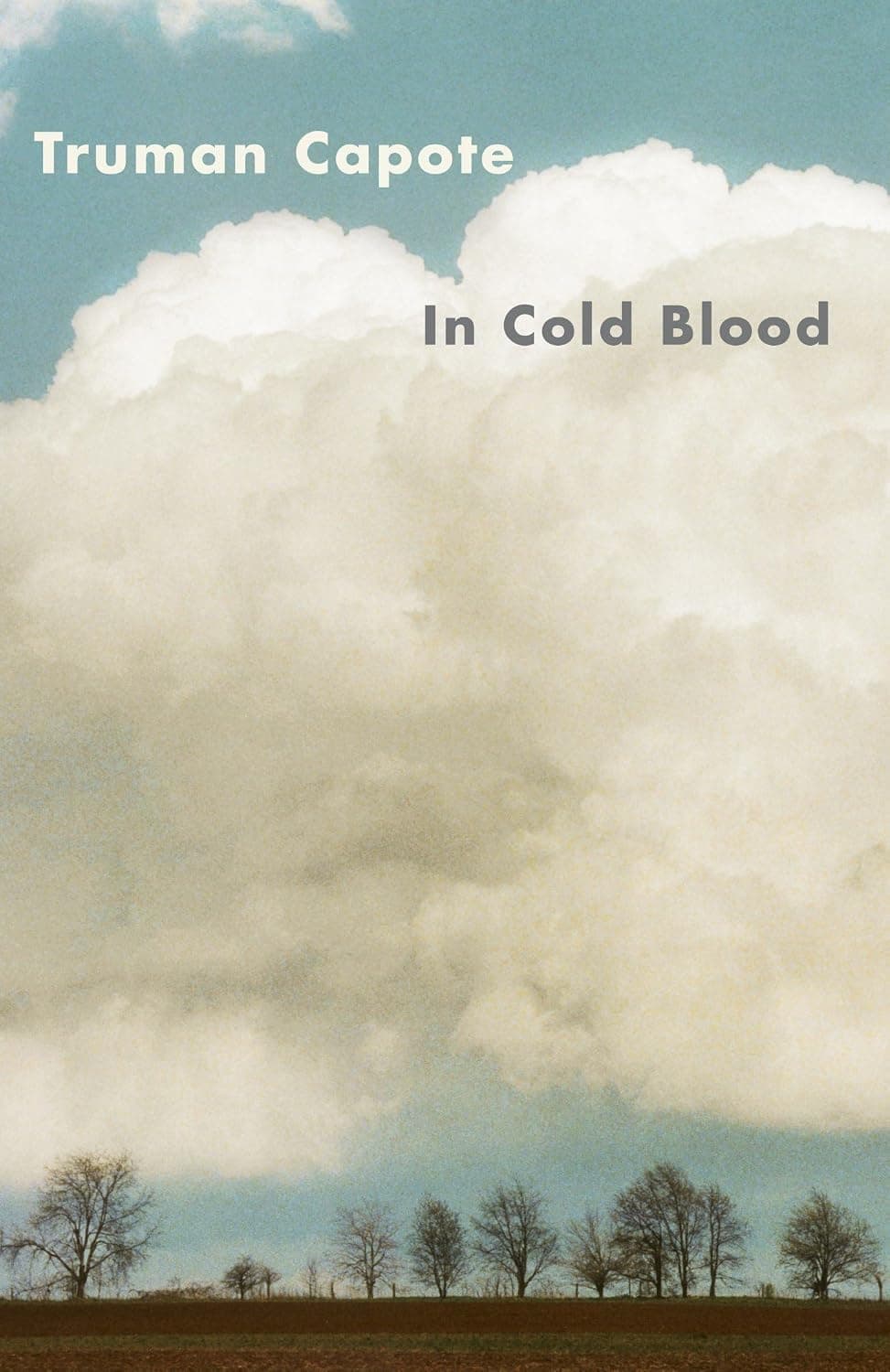
In 1959 two ex-convicts murdered a Kansas farm family of four they had never met. Capote spent years with the killers and turned reporting into a novel, patient and entirely without comfort.
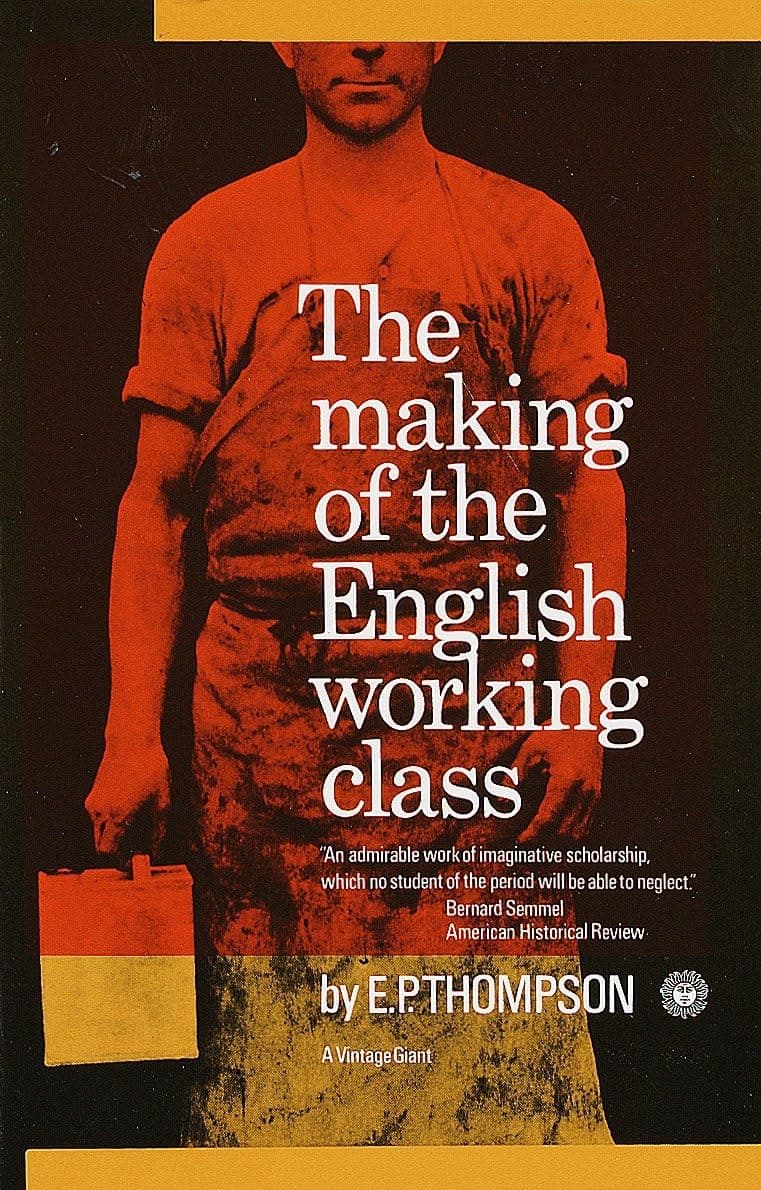
Thompson follows English weavers, artisans, and radicals from the 1780s to the 1830s and shows them making themselves into a class. He wrote to rescue them from the enormous condescension of posterity.

Fanon was a psychiatrist from Martinique who joined the Algerian revolution and died at thirty-six. Colonialism deforms the mind of the colonized, he argues, and violence undoes it. Revolutionaries read him as instructions.

Reveille to lights out in a Soviet labor camp, where the prisoner Shukhov scrounges an extra crust and lays bricks well in the cold. He counts it almost a happy day.

Reporting from the Jerusalem trial of the Nazi official who organized the deportations, Arendt found not a monster but a careerist who never thought. Her phrase, the banality of evil, still starts fights.
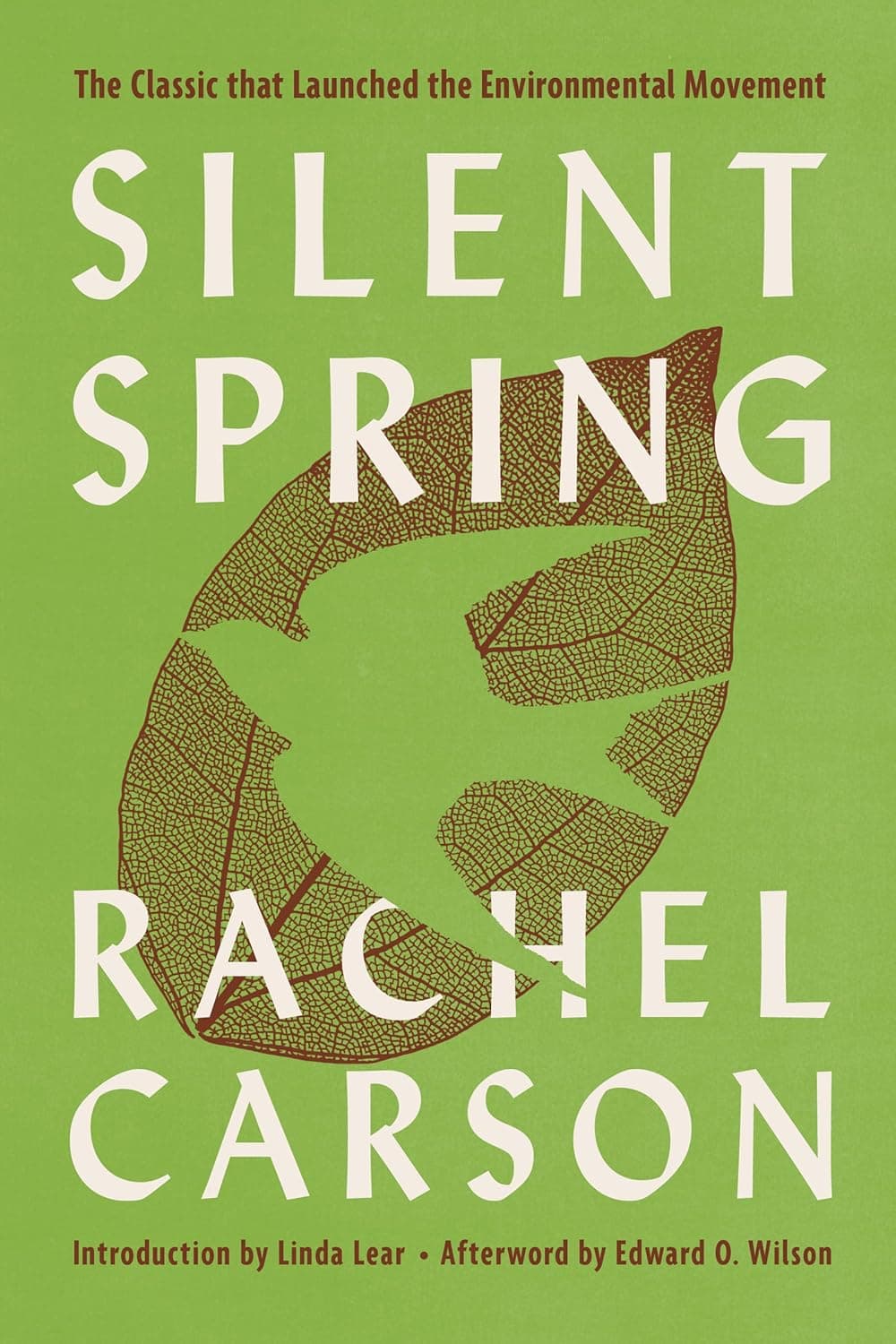
Carson opens on a town where the birds have stopped singing, then lays out what pesticides do to water, soil, and human bodies. The chemical industry attacked her and the law changed.
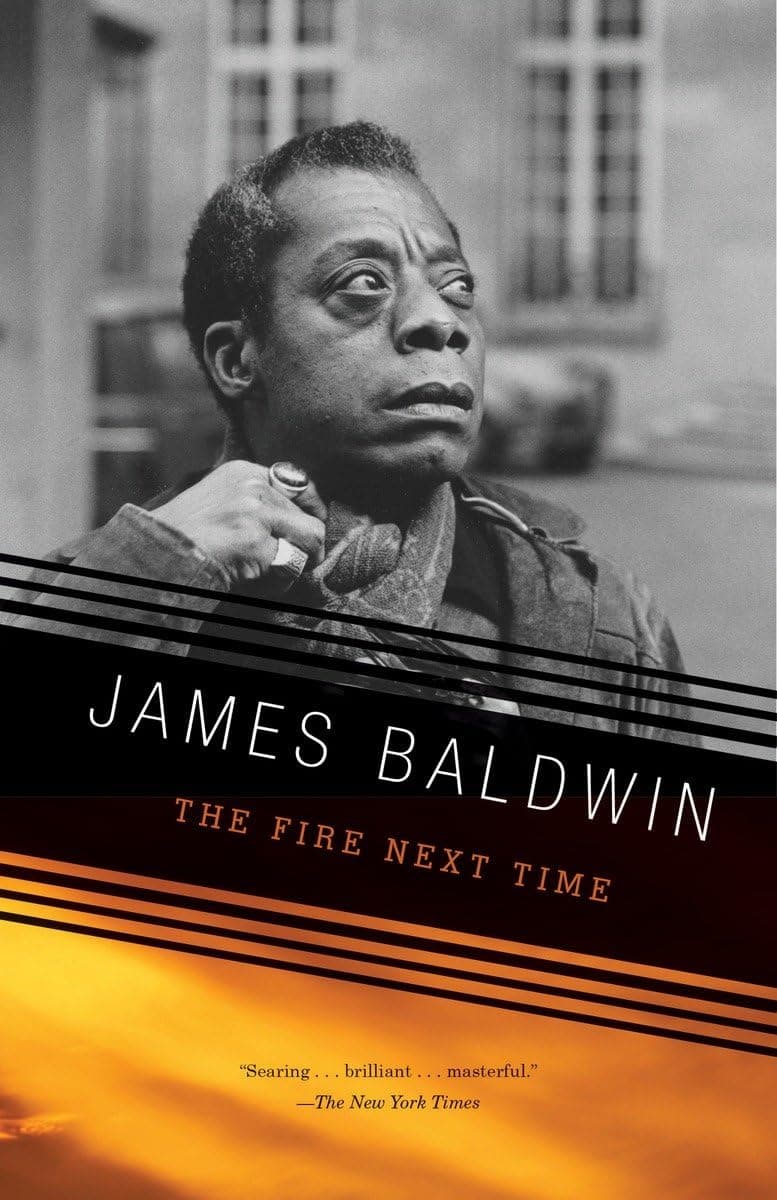
Writing to his teenage nephew, Baldwin remembers preaching in Harlem and dining with the leader of the Nation of Islam. He spares white America nothing and refuses to hate it.

Mohun Biswas is born unlucky in rural Trinidad, marries into a large domineering family, and spends his life trying to own a house. Naipaul makes those small defeats as large as any tragedy.

Moses Herzog, a professor whose wife left him for his closest friend, comes apart and writes furious unsent letters to philosophers, ex-wives, and the dead. Bellow makes a breakdown enormous fun.
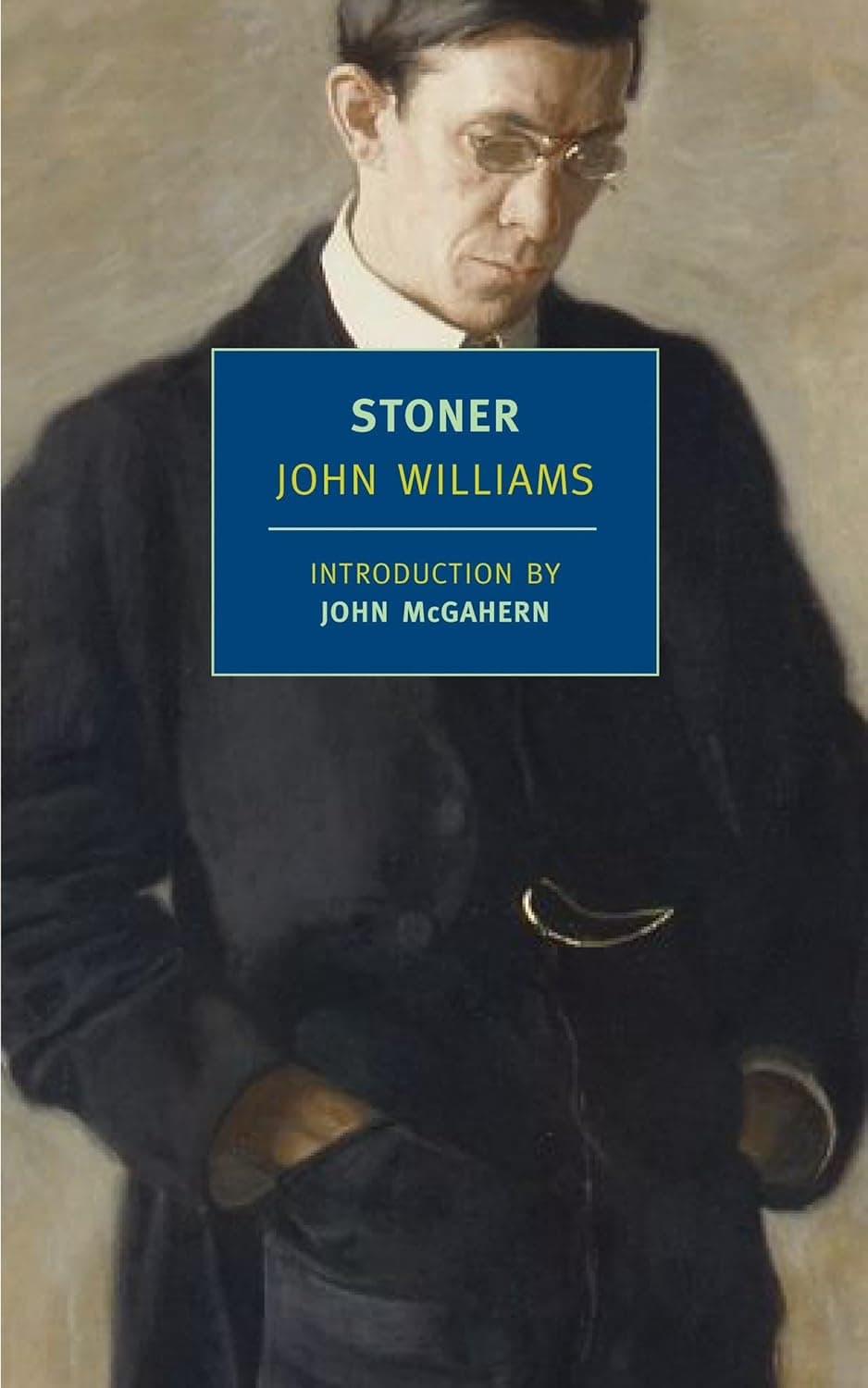
Sent to study agriculture, a Missouri farm boy falls for English literature instead and never leaves the university. Williams makes an unremarkable life, badly used by everyone in it, hold you completely.