
The Collected Poems
1963 · 296 pages
Frost's New England of stone walls and deep snow arrives in plain talk held to strict meter, with something much colder underneath. Stopping by Woods on a Snowy Evening offers no comfort.
★ 8.6
 skopia
Frost's New England of stone walls and deep snow arrives in plain talk held to strict meter, with something much colder underneath. Stopping by Woods on a Snowy Evening offers no comfort.
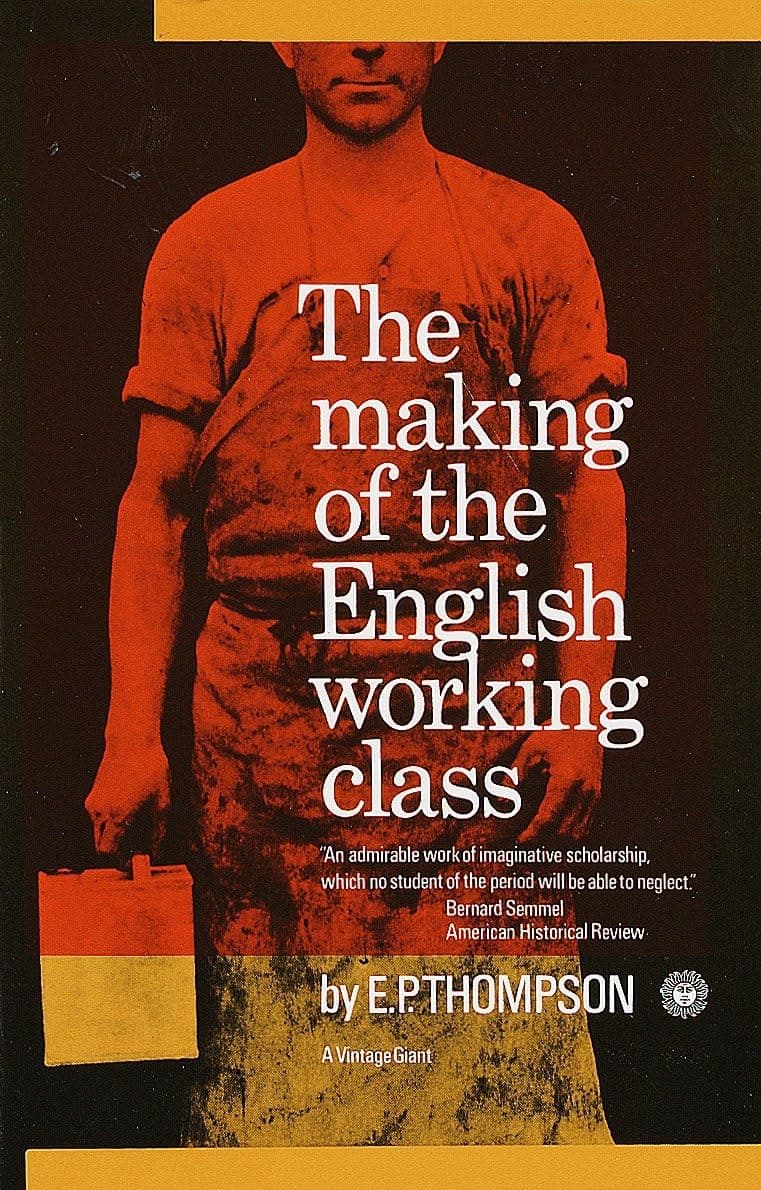
Thompson follows English weavers, artisans, and radicals from the 1780s to the 1830s and shows them making themselves into a class. He wrote to rescue them from the enormous condescension of posterity.

Reporting from the Jerusalem trial of the Nazi official who organized the deportations, Arendt found not a monster but a careerist who never thought. Her phrase, the banality of evil, still starts fights.
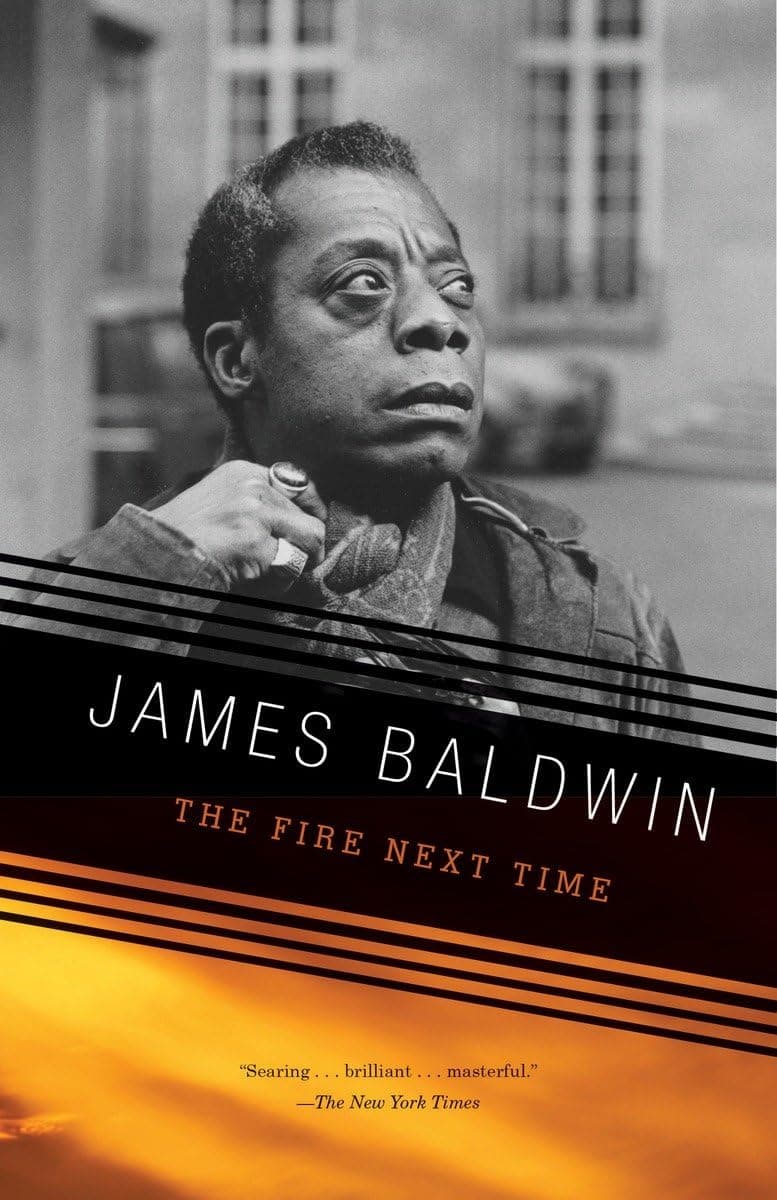
Writing to his teenage nephew, Baldwin remembers preaching in Harlem and dining with the leader of the Nation of Islam. He spares white America nothing and refuses to hate it.

Sent to bed without supper, Max sails to an island of monsters, tames them by staring, and is crowned their king. Sendak gave children's books permission to take a child's rage seriously.
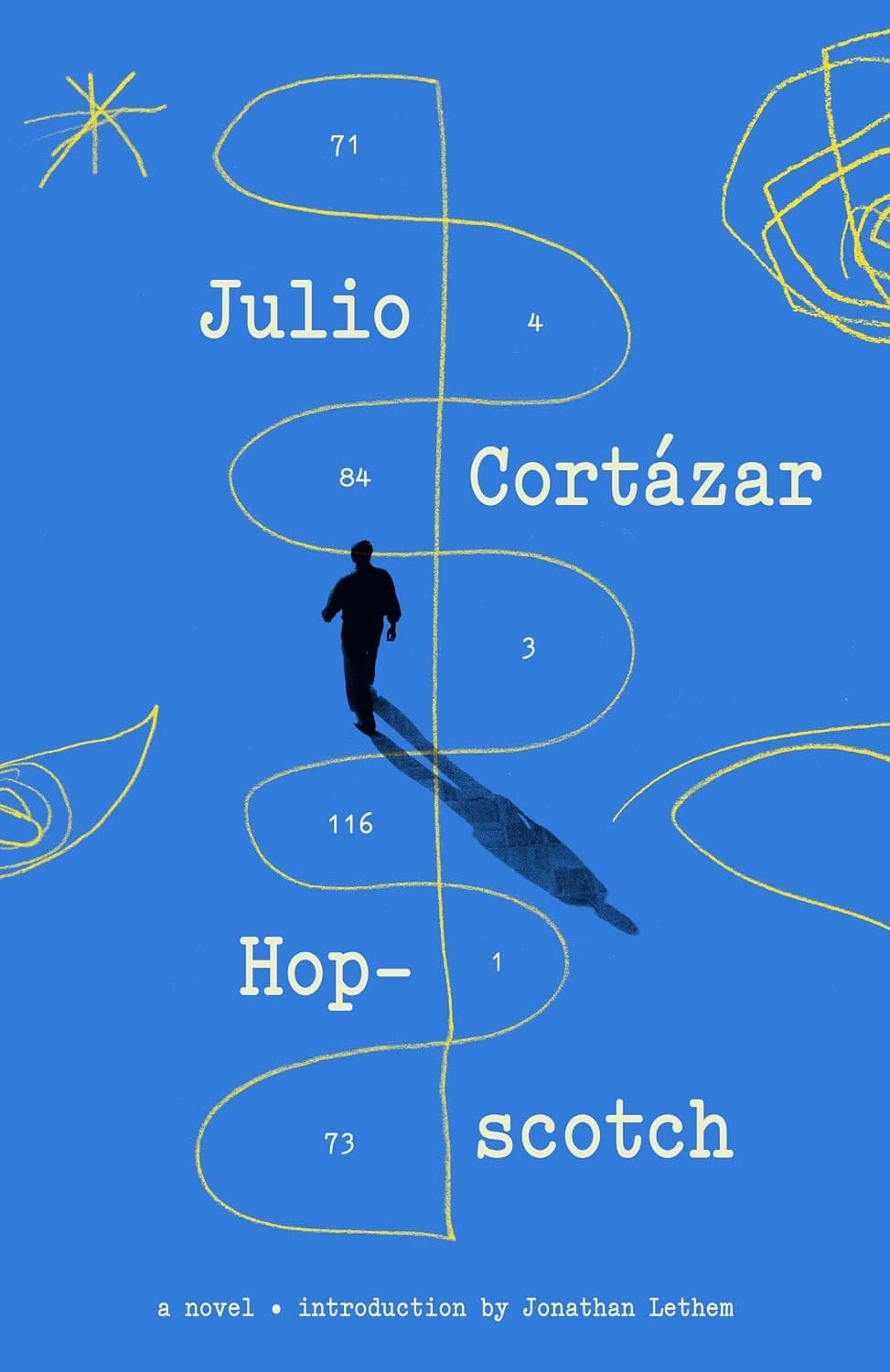
You can read it straight through to chapter 56 or take Cortazar's table of instructions through nearly all 155. Either way an Argentine exile drifts through Paris after a woman called La Maga.

Alec Leamas takes one last assignment in East Germany, posing as a burnt-out defector, never told what his own service wants. Graham Greene called it the best spy story he had read.

Friedan named the ache of the educated housewife: the problem that has no name. Three million readers found their own lives in it, and she went on to lead the movement they built.

Intelligence solves problems and Americans admire it. Intellect questions them, and Hofstadter's Pulitzer-winning history tracks the resentment it draws through frontier revival preaching, business self-help, and a century of fights over the schools.
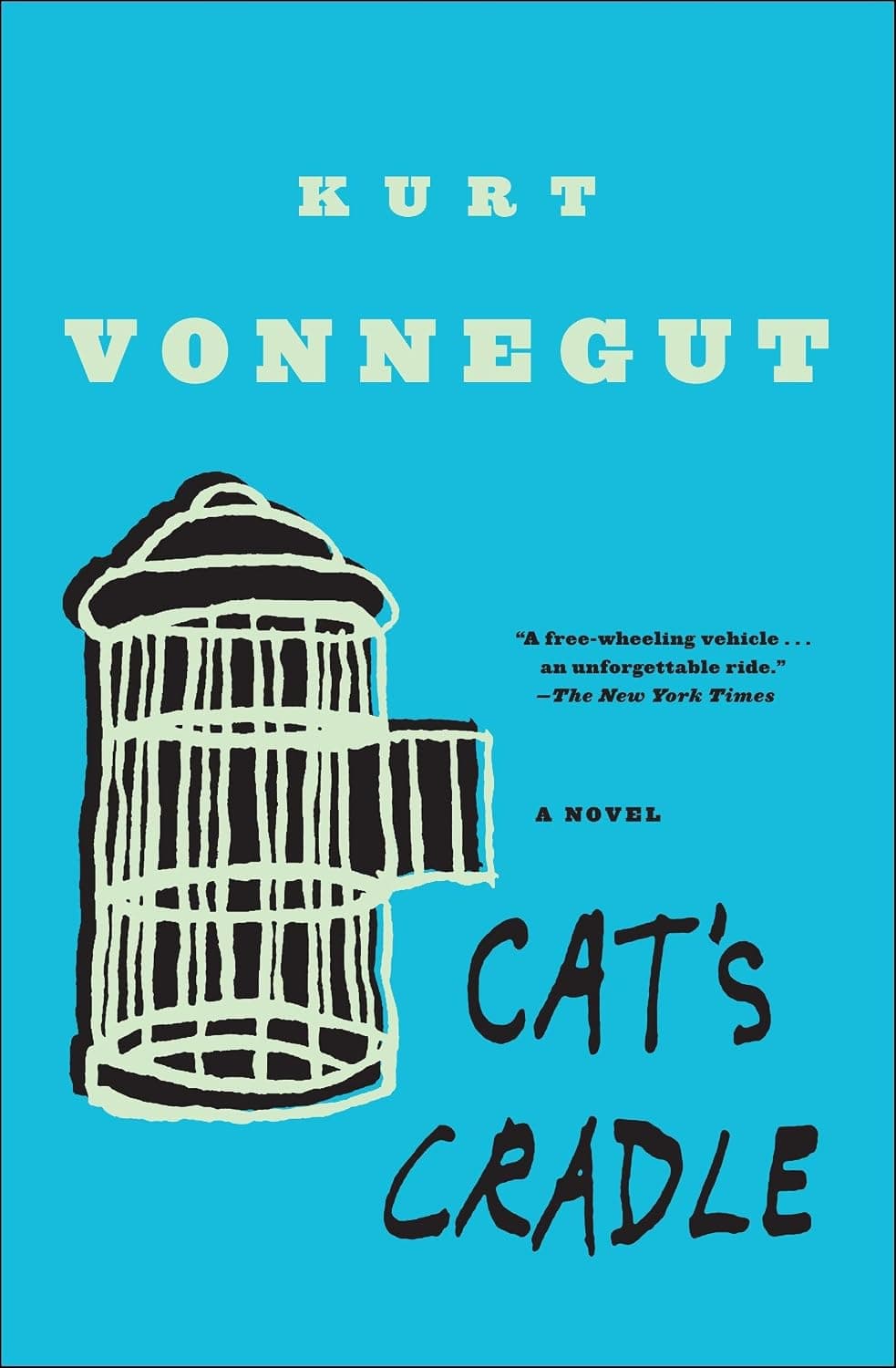
Ice-nine, a crystal left by a father of the atomic bomb, freezes any water it touches. Vonnegut sets the scramble for it on an island whose religion is founded on comforting lies.

Baraka wrote the first full-length history of blues and jazz by a Black American, hearing in the move from work song to blues to bebop the record of what happened to a people.

Esther Greenwood wins a month at a New York fashion magazine and comes home unable to want anything. Plath writes breakdown from the inside, down to the fig tree of futures rotting unchosen.

Classical architecture is a language, Summerson argues, and the five orders are its grammar. He takes you from Roman temples to Baroque churches and shows what any columned facade is actually saying.