Pale Fire
1962 · 315 pages
A dead poet's 999 lines arrive wrapped in footnotes by a neighbor certain the poem is about his own lost northern kingdom. The ingenuity is total and the grief underneath is real.
★ 8.4
 skopia
A dead poet's 999 lines arrive wrapped in footnotes by a neighbor certain the poem is about his own lost northern kingdom. The ingenuity is total and the grief underneath is real.

Science does not creep forward by adding facts, Kuhn argues. It works inside one framework until the anomalies pile up and the whole picture flips. Paradigm shift is his phrase and his idea.

Reveille to lights out in a Soviet labor camp, where the prisoner Shukhov scrounges an extra crust and lays bricks well in the cold. He counts it almost a happy day.
Carson opens on a town where the birds have stopped singing, then lays out what pesticides do to water, soil, and human bodies. The chemical industry attacked her and the law changed.
Anna Wulf keeps four notebooks: Africa, the Communist Party, fiction drawn from her love affair, and a private diary. Lessing made a woman's inner life the whole subject of a serious novel.

Public opinion has a history, and Habermas locates its birth in the coffeehouses, salons, and newspapers where private men first argued about power. Advertising and mass media turned that argument back into spectacle.

Fifteen years after the Axis won, dealers in Japanese-occupied San Francisco sell forged Americana to the conquerors. Dick's people consult the I Ching and pass around a novel where the Allies won.

Two revolutions, one political in France and one industrial in Britain, fused into a single upheaval that remade work, politics, art, and belief. Historians still carve up the nineteenth century along Hobsbawm's lines.
The God of Amos and Jeremiah is not serene but stung to anger by human cruelty, Heschel argues, and the prophet feels it. Marching at Selma, he felt his legs were praying.

Two in the morning, a history professor and his wife receive a younger couple after a faculty party, and the drinking turns into a night of games designed to strip them bare.

Artemio Cruz lies dying in 1959, a newspaper baron who fought in the Mexican Revolution and spent the decades after betraying it. His life returns in three voices: I, you, and he.

Political freedom depends on economic freedom, Friedman argues, since markets disperse power governments concentrate. Proposals that read as heresy in 1962, ending the draft and floating the dollar, were policy by 1973.

August 1914, told hour by hour as generals launched plans they could no longer stop. Kennedy had it in mind through the Cuban missile crisis, vowing nobody would write The Missiles of October.

Alex is fifteen and narrates his nights of assault in Nadsat, a slang welded from Russian and Cockney. The state conditions the violence out of him, and Burgess asks whether forced goodness counts.
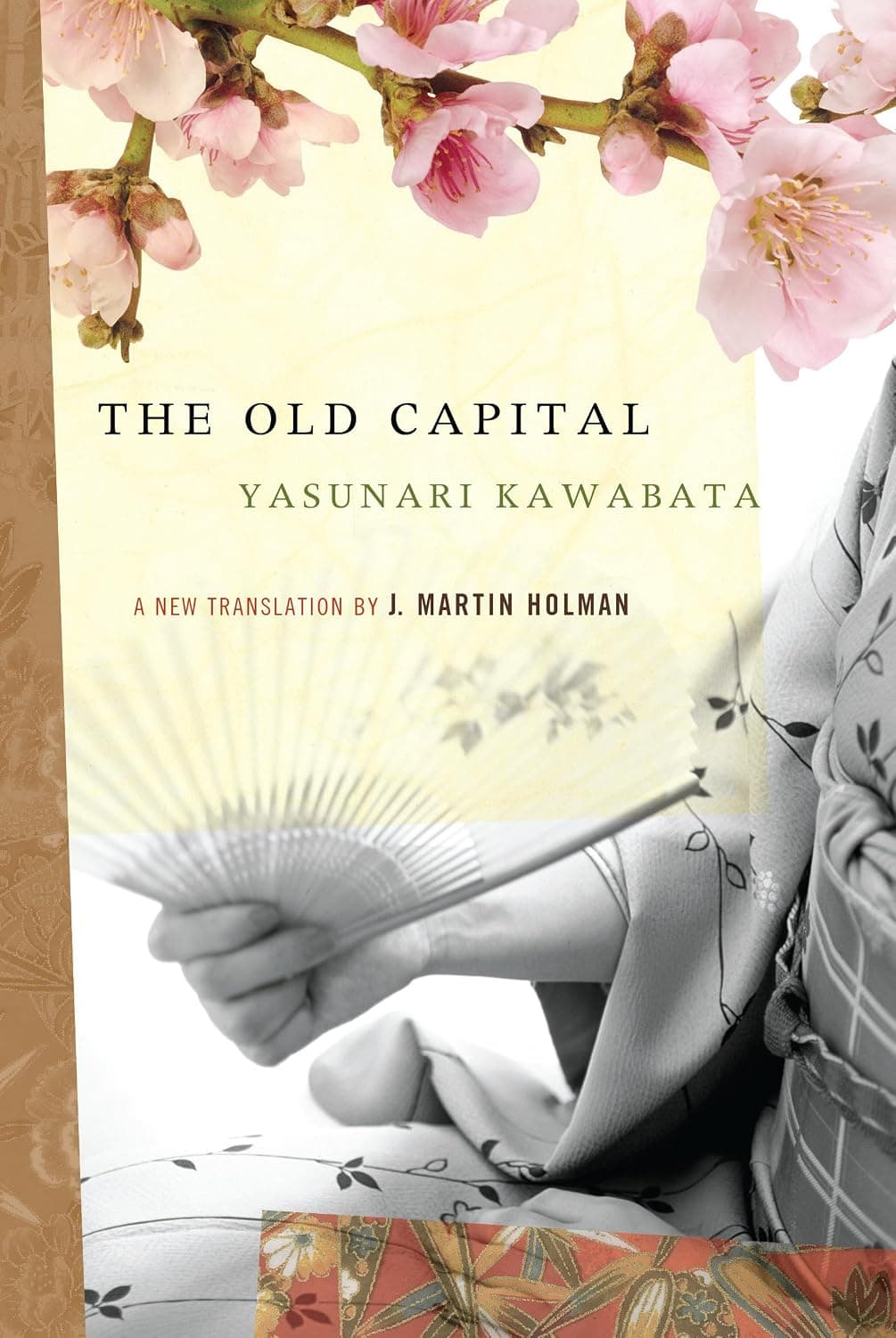
Chieko, a foundling raised by a Kyoto kimono merchant, meets the twin sister who logs cedar in the mountains. Kawabata carries them through a year of festivals in a city losing its crafts.

Three Palestinian men pay a driver to smuggle them from Iraq into Kuwait inside a water tanker. Kanafani turned those hours in the metal into the defining image of Palestinian exile.

Sent to the Sorbonne in 1926, Liebling studied restaurants instead. Proust, he argues, simply lacked the appetite to eat properly. What follows is a young man's gluttonous education in Paris.
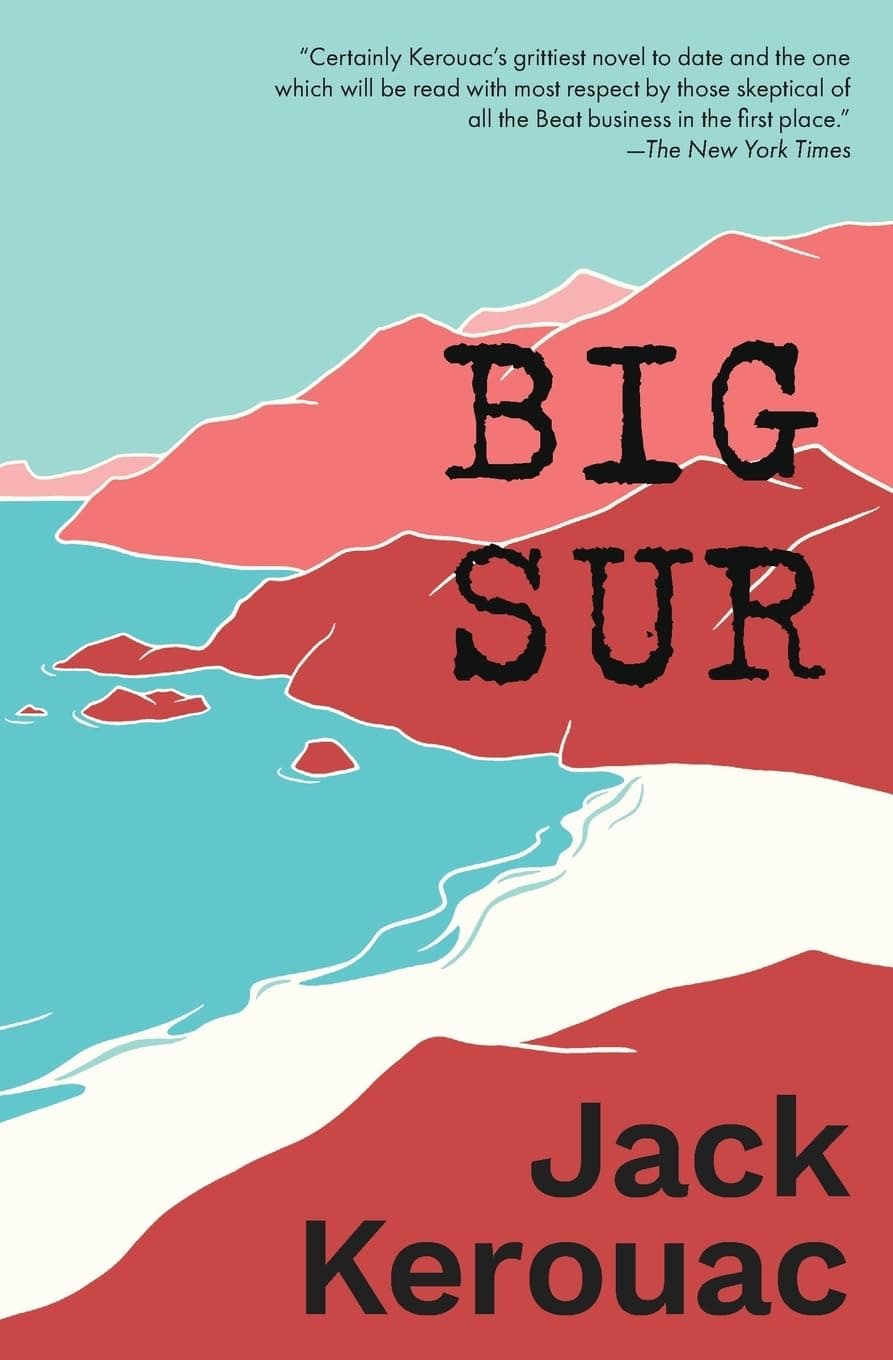
Fame arrived and Kerouac could not survive it. His narrator retreats to a friend's cabin above the Pacific to dry out, drinks instead, and comes apart in a night of delirium.