
History of the Peloponnesian War
431 BC · 713 pages
Exiled after losing a city, Thucydides wrote the war that ruined Athens, explaining it by fear and self-interest, not the gods. At Melos his Athenians say the strong do what they can.
★ 8.2
 skopia
Exiled after losing a city, Thucydides wrote the war that ruined Athens, explaining it by fear and self-interest, not the gods. At Melos his Athenians say the strong do what they can.

McPherson carries the whole Civil War in one volume, from the fights over slavery in the 1840s through Antietam to the surrender at Appomattox, and it reads like dispatches filed the same day.
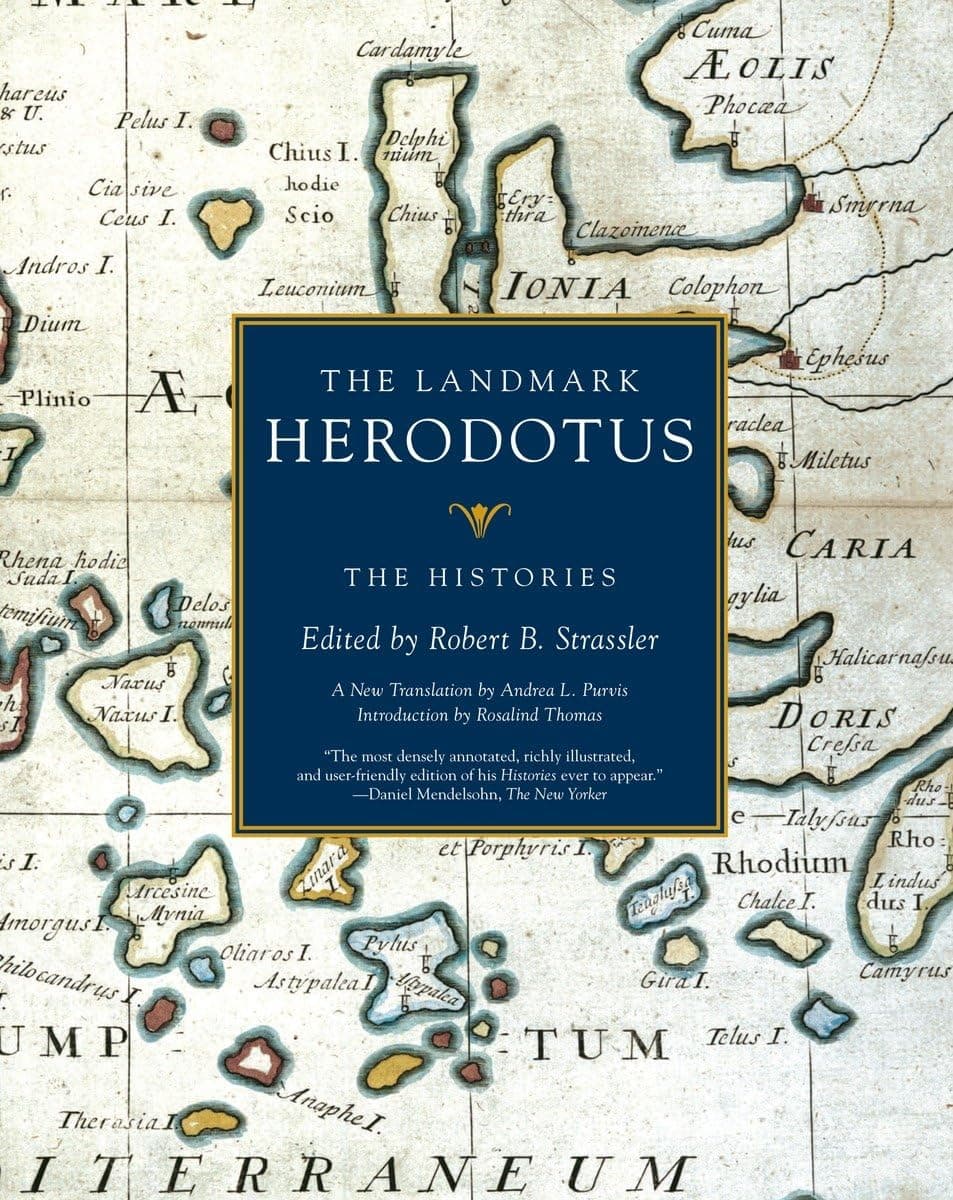
History begins with Herodotus asking why Greeks and Persians fought, and reaching Thermopylae by way of Egyptian mummies and gold-digging ants. He reports the rumors too, and lets you judge.

Dying of throat cancer and ruined by a swindler, Grant set down the Mexican War and the Civil War in short exact sentences that never boast. He finished days before his death.

Lawrence rode with the Arab tribes revolting against the Ottoman Empire, dynamited their trains, and took Aqaba from the desert side. He tells it as epic and never stops accusing himself.
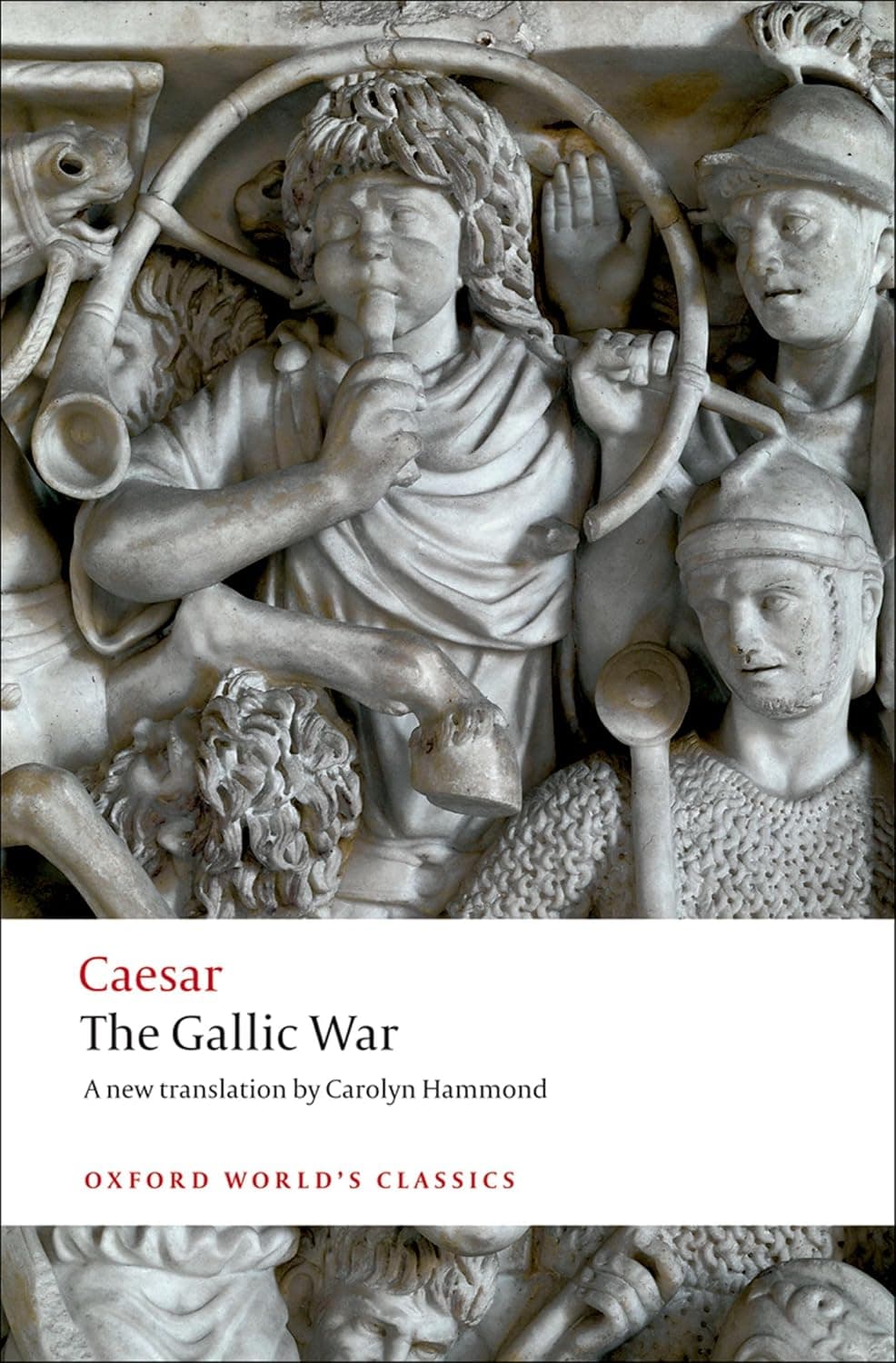
Caesar reports his own conquest of Gaul in the third person, equally calm about bridge building and massacre. The Latin is so clean that students still learn the language on it.

Ten thousand Greek mercenaries, stranded in Persia with their prince dead and their generals murdered, elect Xenophon and march north through snow until the men in front shout that they see the sea.

Runciman tells the Crusades from Constantinople looking west, and the men in armor come off badly. Three volumes of grand narrative build toward his verdict: one long act of intolerance in God's name.
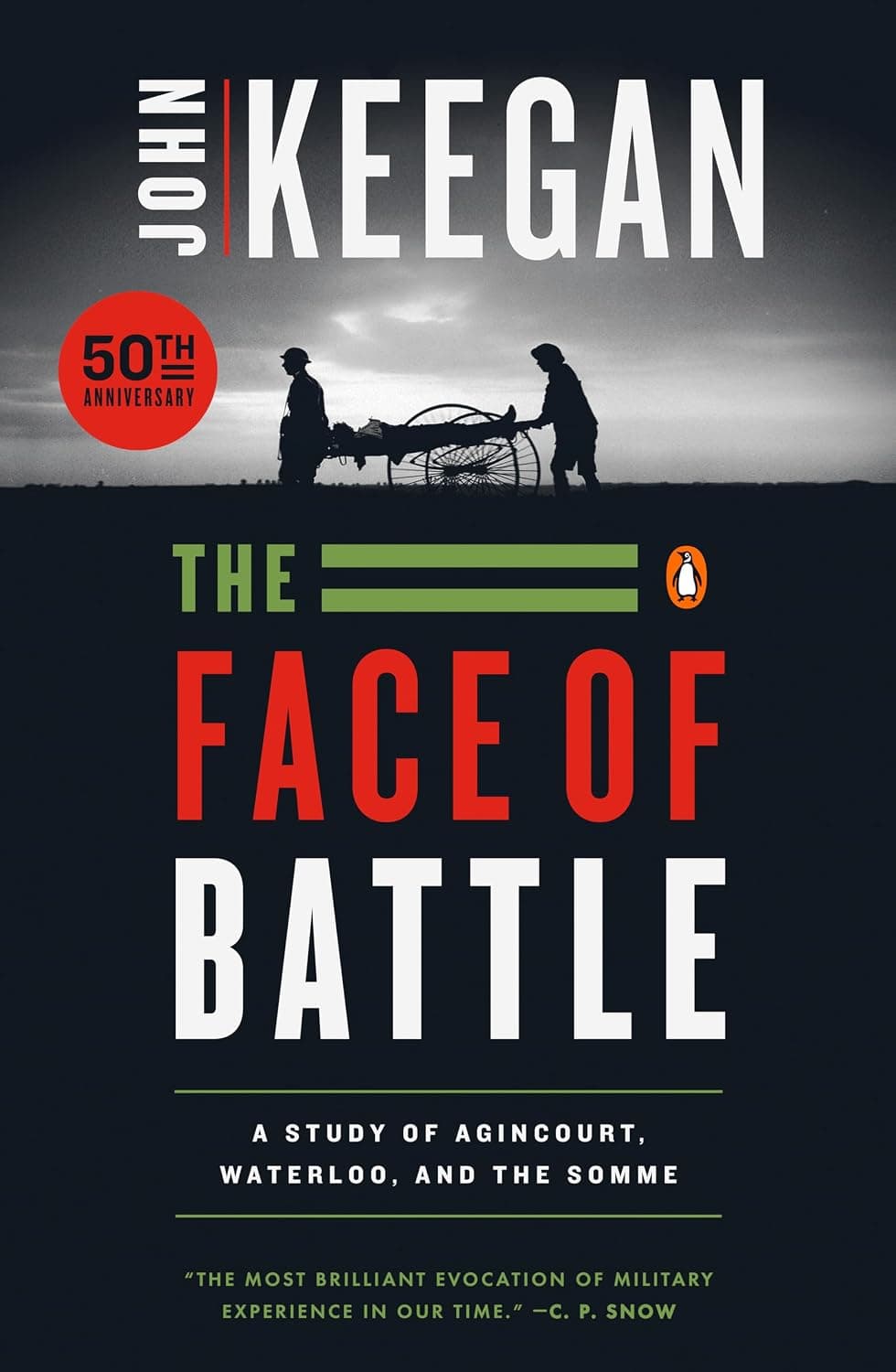
Keegan asked what a battle feels like to the man standing in it, and answered through Agincourt, Waterloo, and the Somme. He put the reader inside the ranks and remade military history.
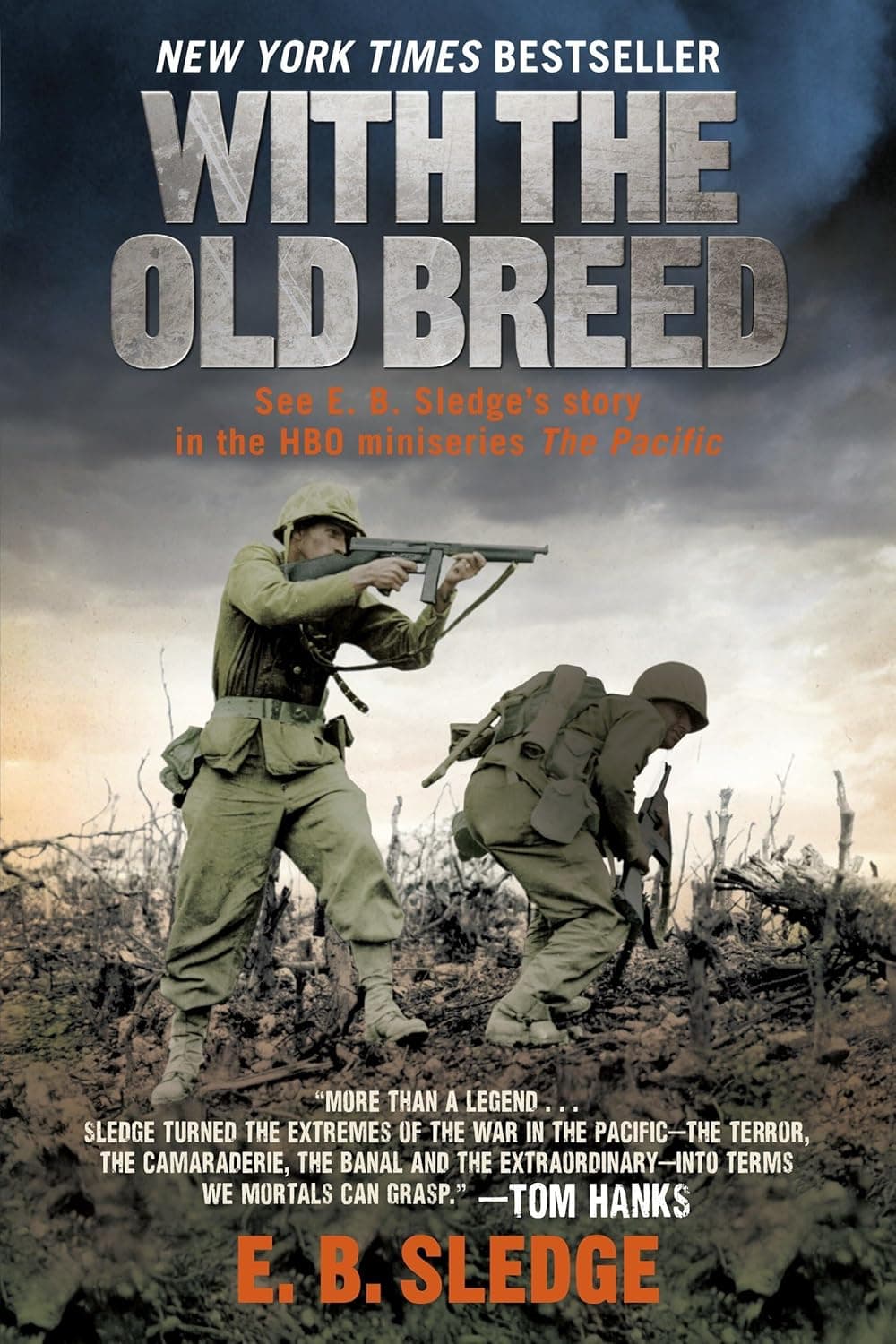
Sledge fought as a Marine mortarman on Peleliu and Okinawa, then set down the mud, the maggots, and the looting of corpses. The critic Paul Fussell ranked it with the finest war memoirs.

Clark reconstructs the July crisis of 1914 and finds no villain, only leaders watchful but unseeing, each rational step carrying Europe closer. He reopened the fiercest fight over war guilt in decades.

Grant crossed the Rapidan in May 1864 and the killing never paused. Catton follows the Union's Army of the Potomac through the Wilderness and Cold Harbor to Appomattox, writing from inside the ranks.

At twenty-eight Wedgwood narrated Europe's most ruinous pre-modern war whole, thirty years of armies eating Germany alive, and her verdict of meaningless conflict still has to be argued with.

August 1914, told hour by hour as generals launched plans they could no longer stop. Kennedy had it in mind through the Cuban missile crisis, vowing nobody would write The Missiles of October.
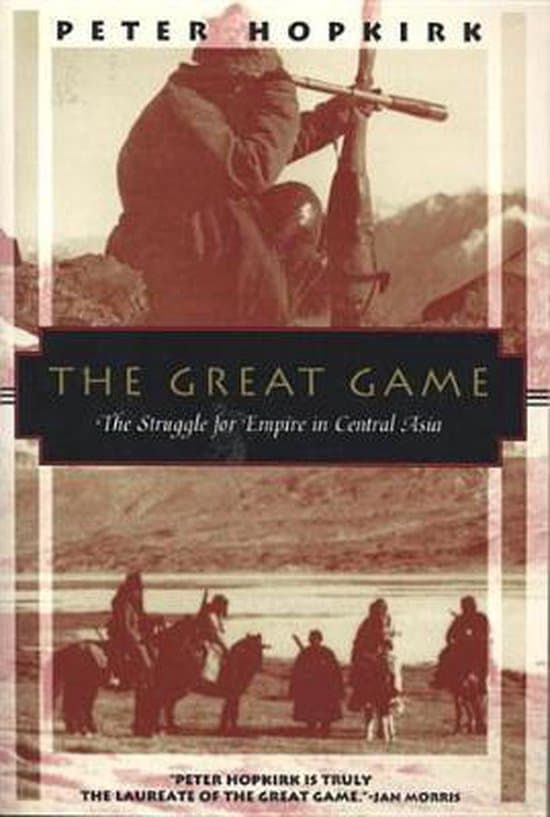
Britain and Russia crept toward each other across Central Asia until two thousand miles between them became twenty. Hopkirk tells it through the officers who rode alone into Bukhara, Khiva, and Kabul.

Returning decades later to the Pacific islands where he served as a Marine sergeant, Manchester sets the quiet beaches against what happened there. He was badly wounded on Okinawa and kept dreaming it.
Herr covered Vietnam for Esquire at twenty-seven and wrote the siege of Khe Sanh and the ruins of Hue at the pitch of a bad trip. Apocalypse Now took its narration from him.
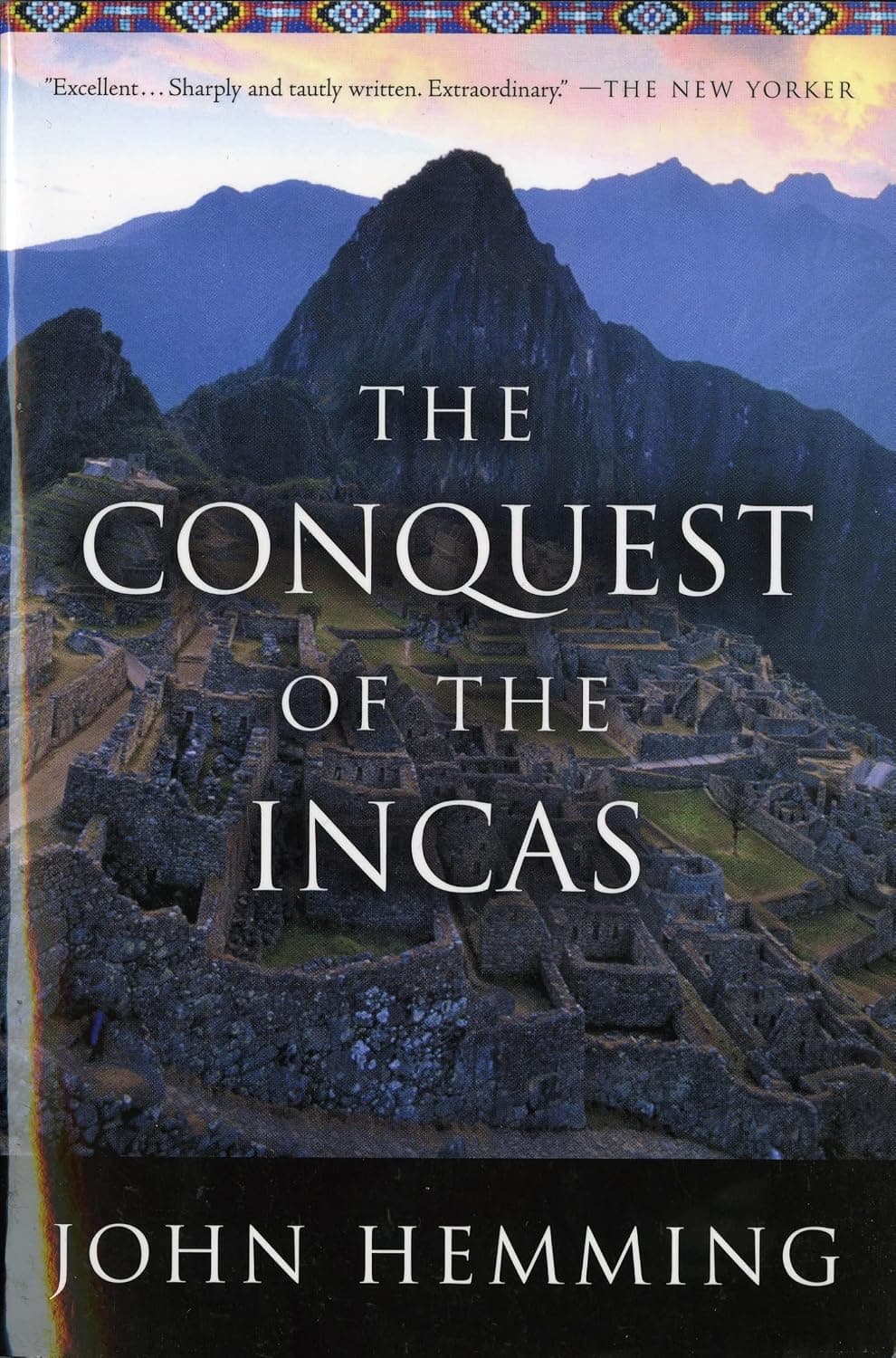
Fewer than two hundred Spaniards seized the Inca emperor at Cajamarca in 1532, and Hemming traces the forty years of rebellion and reprisal that followed, giving Andean witnesses equal weight with Spanish ones.

Cortés lands with six hundred men and topples an empire of millions. Prescott, half-blind and never in Mexico or Spain, told it so vividly historians still pry the conquest from his version.
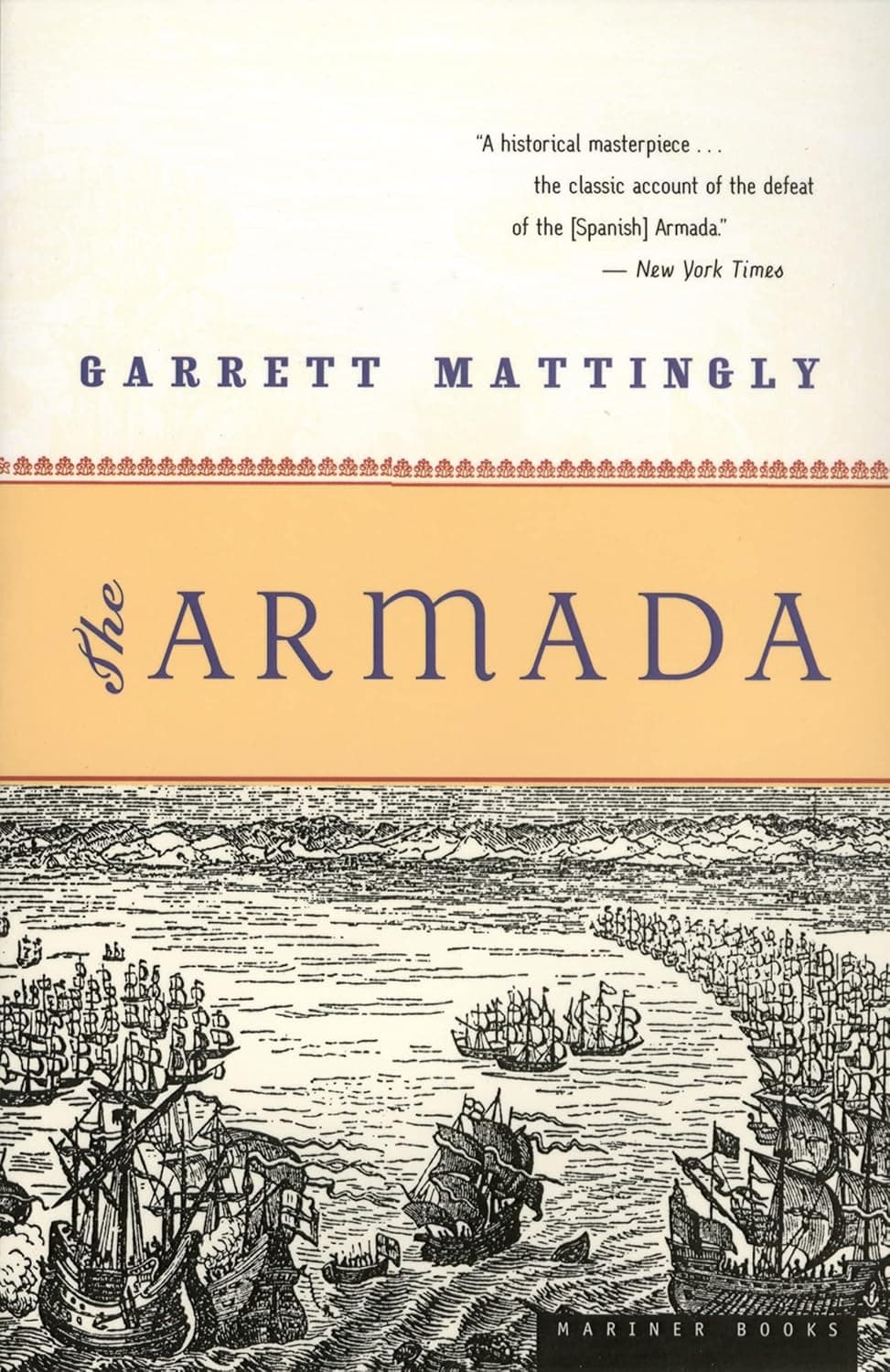
Philip II handed his invasion fleet to a duke who pleaded seasickness. Mattingly tells 1588 as a European crisis, not an English one, and the defeat he reconstructs stops the Counter-Reformation's advance.