
Like a Rolling Stone
1965 · From Highway 61 Revisited
A snare crack, a sneer, and Kooper's uninvited organ swirling through the song that split rock open.
★ 10.0
 skopia
A snare crack, a sneer, and Kooper's uninvited organ swirling through the song that split rock open.
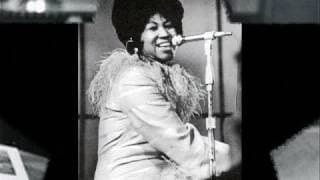
Aretha takes Otis Redding's song away from him for good, spells out the demand, and never gives it back.
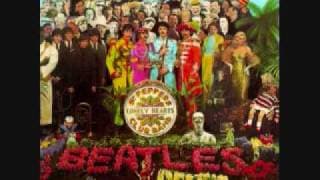
Two unfinished songs bolted together, an orchestra climbing to nothing, and the last piano chord in pop.
Keith dreamt the fuzz riff, taped it half-asleep, and woke up holding the sound of teenage frustration.
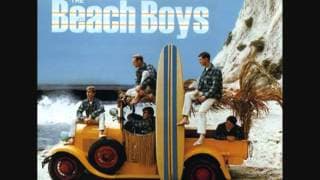
Brian Wilson's pocket symphony, months and a fortune spent chasing one shimmering theremin line into the sunlight.
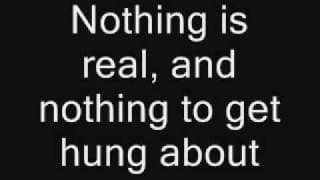
Two takes in different keys and tempos spliced into one, a Mellotron haze over Lennon's Liverpool childhood.
Cooke wrote it after a motel turned him away, and sang it like a hymn he already knew by heart.
It opens by admitting doubt and spends the next two minutes refuting it; McCartney still calls it the greatest.
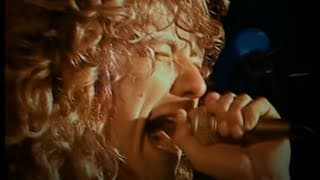
Page's riff, Plant's howl, and a theremin freakout in the middle that still sounds like the roof coming off.
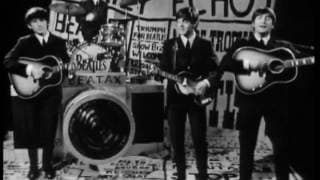
Handclaps, that leaping chord under "I can't hide," and five weeks later America belonged to them.
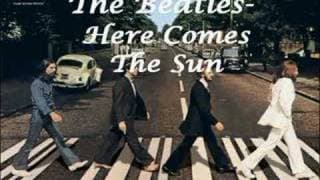
Harrison wrote it in Clapton's garden while skipping a business meeting, and it sounds exactly like that relief.
Seven minutes, four of them just na-na-na, and somehow nobody has ever wanted it to end sooner.
McCartney dreamt the melody, called it "Scrambled Eggs" for weeks, then let a string quartet make it immortal.
Merry Clayton's voice cracking on "murder" is the sound of the sixties ending, mid-take, in one syllable.
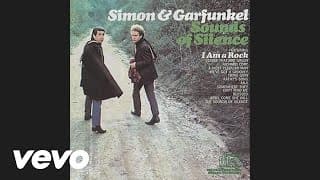
A folk flop until a producer secretly overdubbed electric guitars, and the duo heard their number one on the radio.
That four-note bassline, a gospel hymn turned into a promise, and one of the warmest vocals ever recorded.
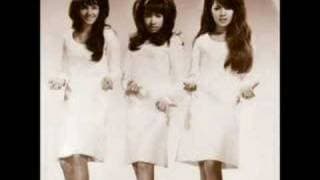
Hal Blaine's four-beat drum intro is the most imitated in pop, and Ronnie Spector owns everything after it.
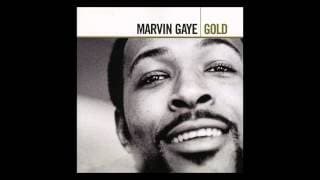
Motown shelved Gaye's version for over a year; it came out sounding like paranoia set to a Funk Brothers groove.
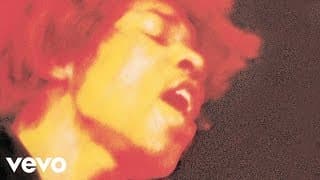
Hendrix took Dylan's parable and lit it, and Dylan has played it Hendrix's way ever since.
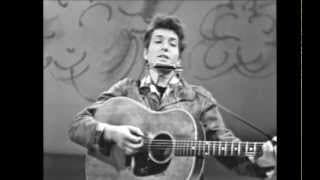
Nine questions, no answers, and the song the civil rights movement adopted whole and never gave back.