Like a Rolling Stone
1965 · From Highway 61 Revisited
A snare crack, a sneer, and Kooper's uninvited organ swirling through the song that split rock open.
★ 10.0
 skopia
A snare crack, a sneer, and Kooper's uninvited organ swirling through the song that split rock open.
Keith dreamt the fuzz riff, taped it half-asleep, and woke up holding the sound of teenage frustration.
McCartney dreamt the melody, called it "Scrambled Eggs" for weeks, then let a string quartet make it immortal.
A folk flop until a producer secretly overdubbed electric guitars, and the duo heard their number one on the radio.
The record where the beat moved to the one and funk quietly began. James Brown never looked back.
Lennon's first draft listed bus stops in Liverpool; Martin's piano solo, taped at half speed, sounds baroque.
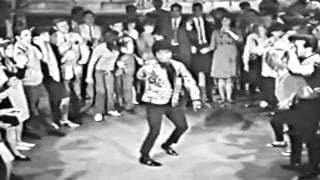
Brown recycled a flop he'd cut on Yvonne Fair, added Maceo Parker's alto, and landed his highest-charting single.
Entwistle's bass solo needed a Fender after his Danelectro strings snapped, and Daltrey stuttered his way into history.
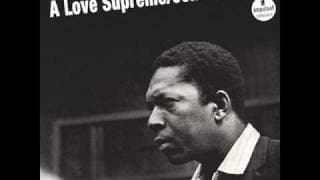
Garrison's four notes, then Coltrane overdubbing the chant nineteen times, one December day at Van Gelder's.
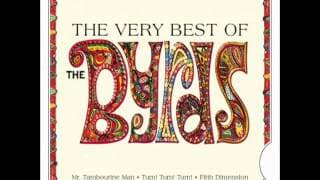
Session men cut the track and McGuinn's twelve-string Rickenbacker rang over one Dylan verse; folk rock started there.
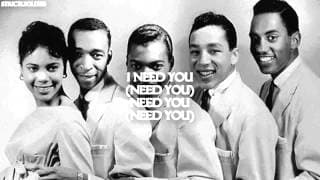
Tarplin brought the guitar figure first, Robinson and Moore wrote words to it, and Motown got its saddest smile.
Mayfield turned the gospel train of the spirituals into a civil rights hymn, and King used it to steady marchers.
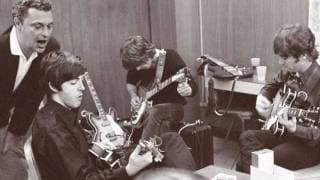
Harrison's sitar, widely reckoned the first on a rock record, and Lennon smuggling an affair past everyone.
Holland-Dozier-Holland pitched Stubbs at the very top of his range, and Paul Riser opened it with piccolo and flute.
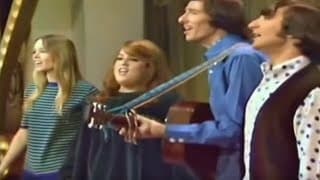
The Phillipses wrote it homesick in a New York winter, and Doherty sang over Barry McGuire's existing backing track.
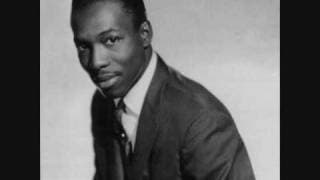
Jerry Wexler danced the Jerk across the Stax floor until the band pushed the backbeat onto beat two.
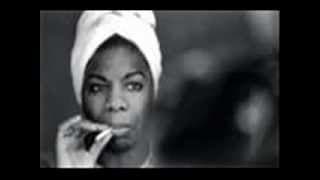
Written for a Newley and Bricusse musical, it opens with nothing but her voice before Hal Mooney's horns land.
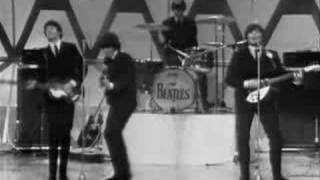
Twelve takes in April 1965, McCartney's counter-melody chasing the lead, and Lennon insisting years later the plea was real.
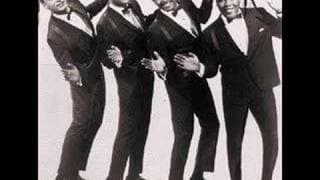
Dozier lifted the title from his grandfather flirting in a beauty shop, and Stubbs sings it like a plea.
Written for a 1955 prison film, buried on a B-side, and Hatfield sang the whole thing alone.