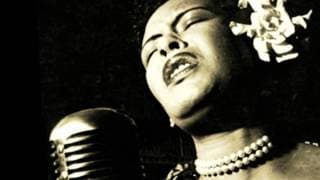
Strange Fruit
1939
A Bronx schoolteacher's poem about lynching, sung in a single spotlight, still the bravest three minutes on record.
★ 9.6
 skopia
A Bronx schoolteacher's poem about lynching, sung in a single spotlight, still the bravest three minutes on record.
Armstrong's twelve-second opening cadenza announced that jazz had a soloist, and everything since has been the answer.
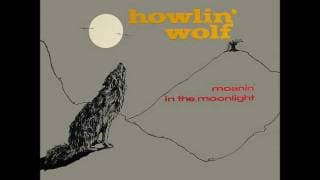
One chord, no changes, Sumlin's guitar circling, and Wolf's howl answering the trains whose sparks named the song.
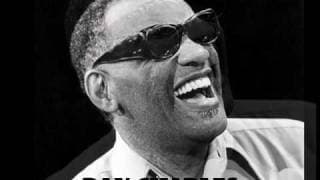
Hoagy Carmichael's 1930 tune, remade as Charles's first Billboard number one and adopted as Georgia's state song in 1979.
Harrison lifted the opening line from James Taylor and wrote the first Beatles A-side that wasn't Lennon or McCartney.
Waters answered Bo Diddley's answer to his own song in 1955, holding one chord and a stop-time riff throughout.
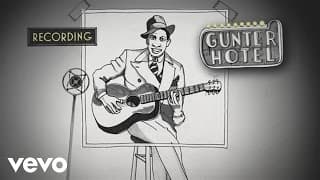
Two takes in a San Antonio hotel room, Johnson's slide answering his own voice; the devil came later.
Sledge gave the writing credits away to two bandmates, and Atlantic pressed the take with the out-of-tune horns.
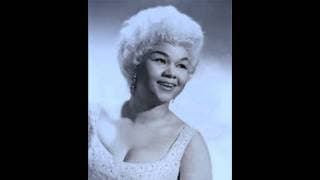
Riley Hampton's strings behind a 1941 film tune James took over, and the Library of Congress preserved it.
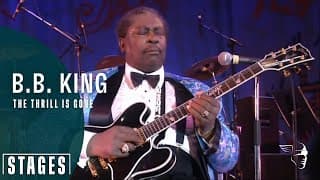
Bert de Coteaux's twelve-piece string section, overdubbed a week later, carried King's minor-key blues onto pop radio.
Withers was building airplane toilets when he cut this, and he left the unfinished bridge as twenty-six repeats.
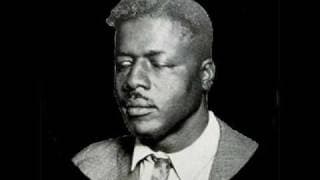
Wordless humming answered by a pocketknife slide, an 1792 hymn tune NASA put on the Voyager Golden Record.
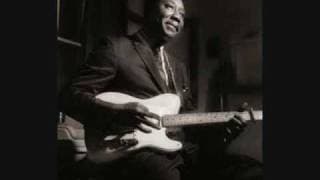
One man, one electric guitar, no band; the Chess single that later named a magazine and a British group.
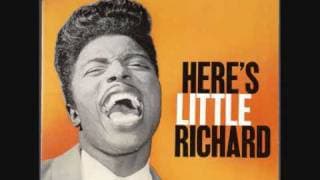
Blackwell built the lyric to run too fast for Pat Boone, and Richard shouted it out at Cosimo Matassa's J&M.
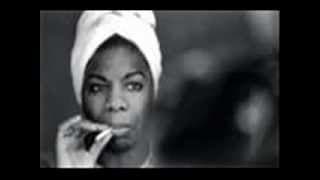
Written for a Newley and Bricusse musical, it opens with nothing but her voice before Hal Mooney's horns land.
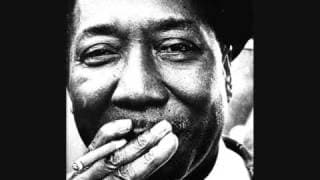
Dixon wrote it, Little Walter blew the harmonica, and that stop-time riff spread through blues and rock alike.
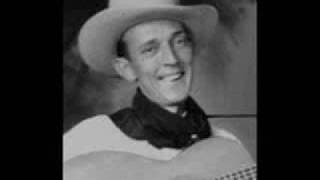
Cut in a converted Camden church in 1927, two takes, and the yodel that made hillbilly records big business.
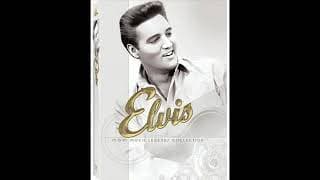
Two years after Junior Parker cut it at Sun, Moore's slapback guitar turned the same train into rockabilly.
Armstrong's cornet answering every line Smith sings, with only a wheezing harmonium underneath, cut in New York in 1925.
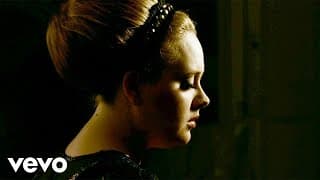
Written with Paul Epworth in one afternoon after a breakup, and the credits list stiletto heels as percussion.