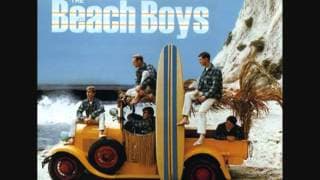
Good Vibrations
1966 · From Smiley Smile
Brian Wilson's pocket symphony, months and a fortune spent chasing one shimmering theremin line into the sunlight.
★ 9.8
 skopia
Brian Wilson's pocket symphony, months and a fortune spent chasing one shimmering theremin line into the sunlight.

Two takes in different keys and tempos spliced into one, a Mellotron haze over Lennon's Liverpool childhood.
It opens by admitting doubt and spends the next two minutes refuting it; McCartney still calls it the greatest.
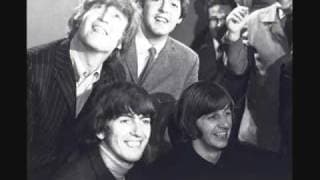
No Beatle plays an instrument on it; George Martin's string octet does everything, sawing away at two solitary lives.
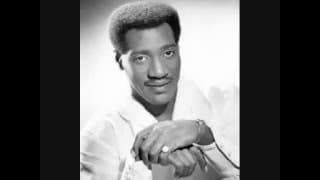
A 1932 Tin Pan Alley ballad, rearranged by Isaac Hayes, until Redding and Al Jackson tear the roof off.
Jones's sitar made it the first number one to feature the instrument, and Decca added the comma by mistake.
Two accordions, a key change eight beats in, and 21 takes at Gold Star before Wilson sang about growing up.
Sledge gave the writing credits away to two bandmates, and Atlantic pressed the take with the out-of-tune horns.
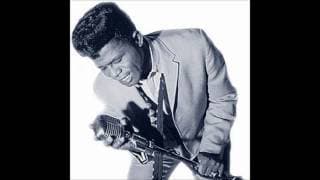
Betty Jean Newsome shares the credit and later claimed all of it; Sammy Lowe's strings carry Brown's most exposed vocal.

Columbia rejected the RCA session on a technicality, so McGuinn recut his Coltrane-inspired twelve-string and radio banned it anyway.
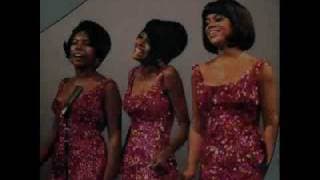
Dozier reportedly took the Morse code guitar figure from a radio news signal, and Ross demands her exit over it.
The frame came from a Dorothy Love Coates gospel record, and Jamerson's bass did the rest.

Twenty-one musicians at Gold Star, Turner singing until she was drenched, and a US peak of eighty-eight that broke Spector.
A Vox Continental organ, a Michigan basement studio, a tiny local label, and somehow the number one record in America.

Alessandro Alessandroni whistled the two-note coyote howl, and Hugo Montenegro's cover of it reached number two in America.

Ten minutes at the end of somebody else's session, and an ocarina solo standing in for a hand whistle.
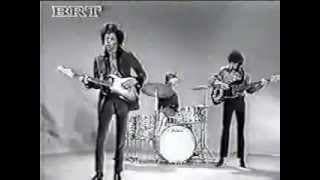
Hendrix took Tim Rose's slow arrangement off a jukebox, Chandler hired the Breakaways, and Britain answered at number six.

A shout through a Stax restroom door became the title, and Booker T.'s band made it an R&B number one.
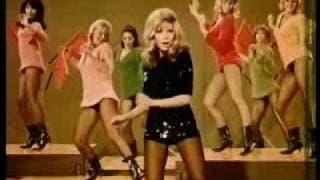
Chuck Berghofer's descending double bass, plus Sinatra talking Hazlewood into letting a woman sing lines written for a man.
A white upright piano, a bout of illness, and Britain's supertax reimagined as a lounging aristocrat pleading poverty.