
The Good, the Bad and the Ugly
Directed by Sergio Leone
1966 · Italy
No spaghetti western got higher, and no film score is better known: Leone shoots faces like landscapes, and Morricone's music does as much work as the dialogue.
★ 8.9
 skopia
No spaghetti western got higher, and no film score is better known: Leone shoots faces like landscapes, and Morricone's music does as much work as the dialogue.
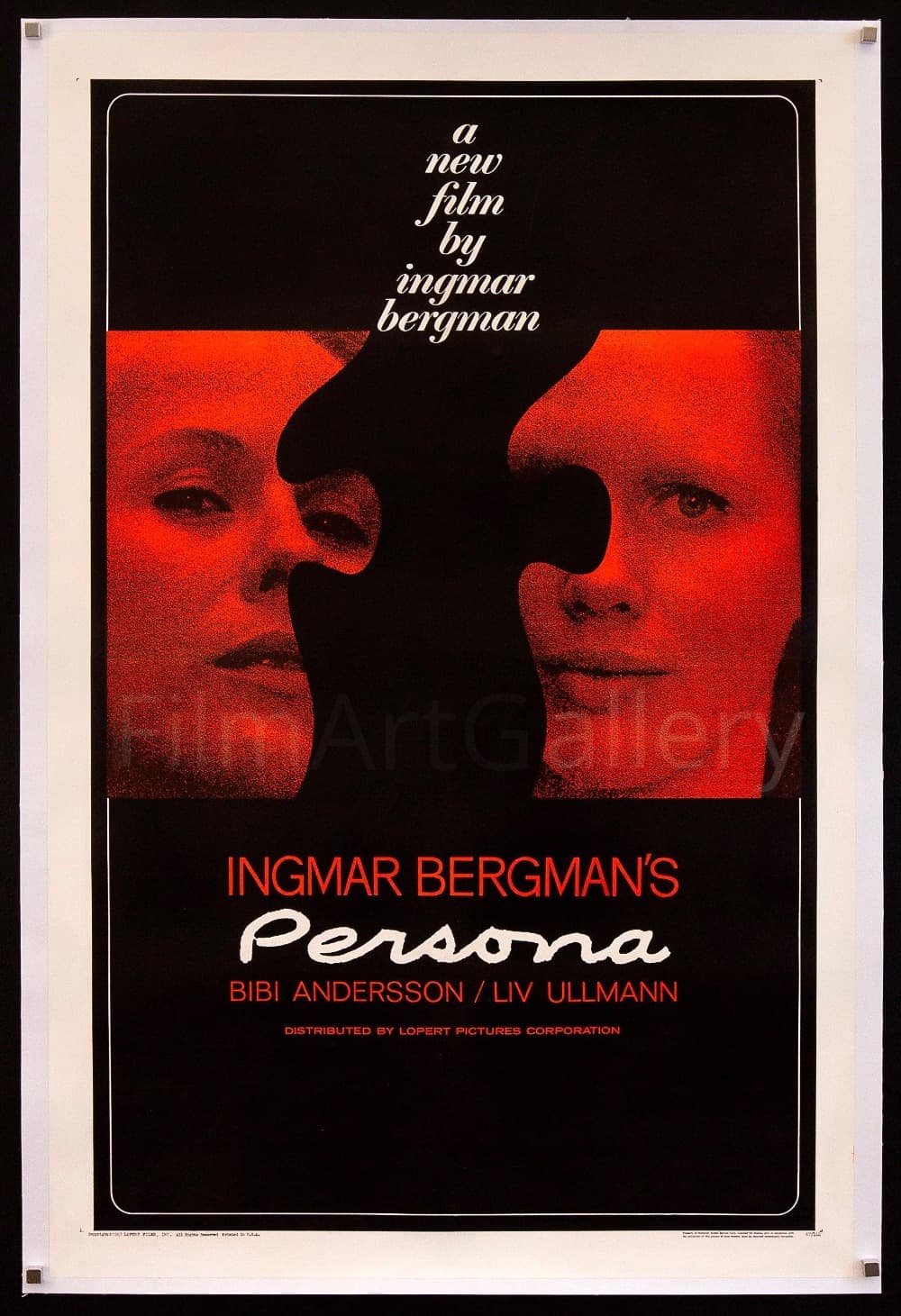
More has been written about this film than almost any other: Bergman put two women on an island until their faces merged, and left everyone to explain what happened.
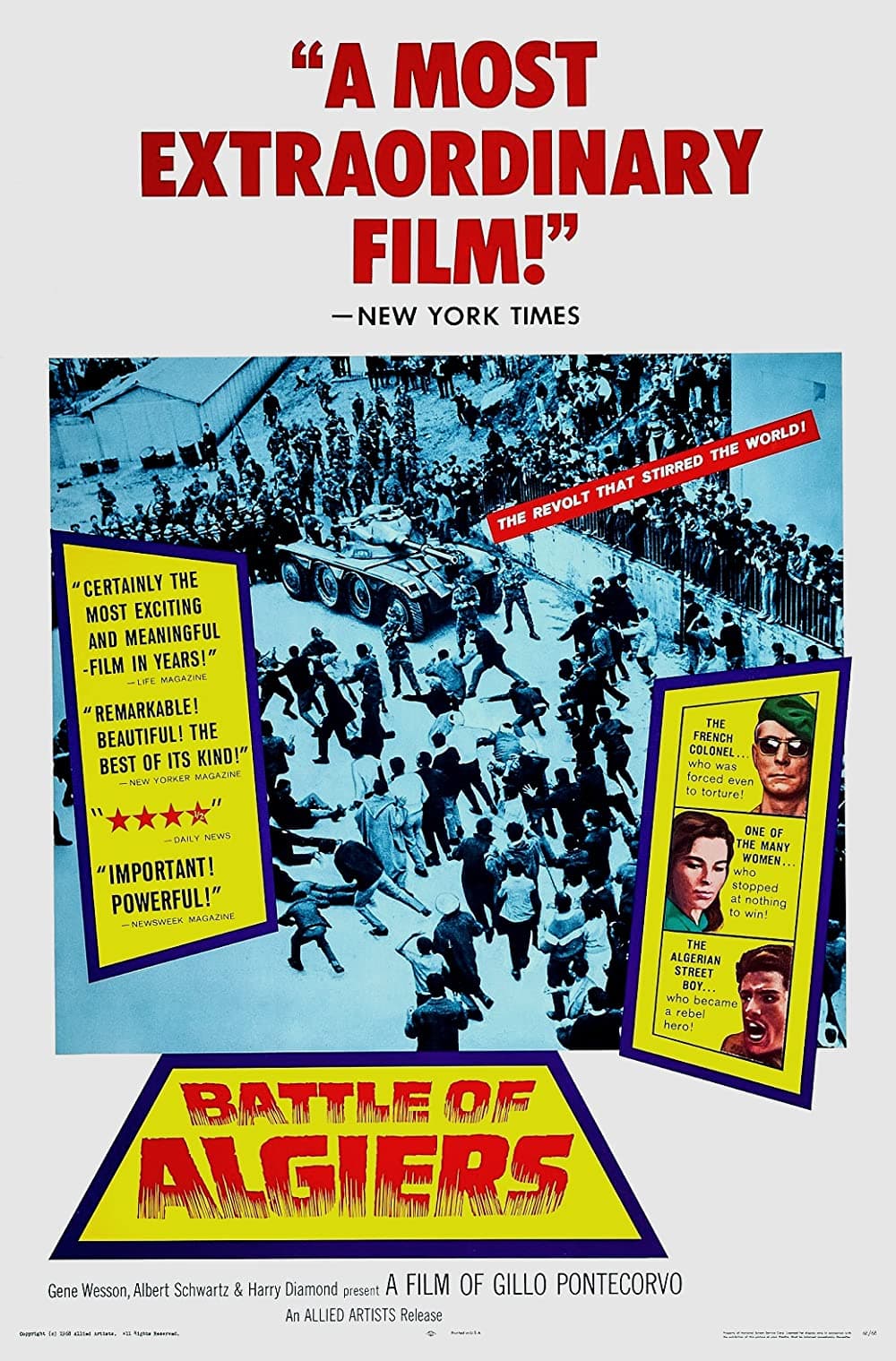
Both armies and revolutionaries have studied it as a manual: Pontecorvo staged the Algerian insurgency so plainly that audiences have always mistaken parts of it for newsreel footage.
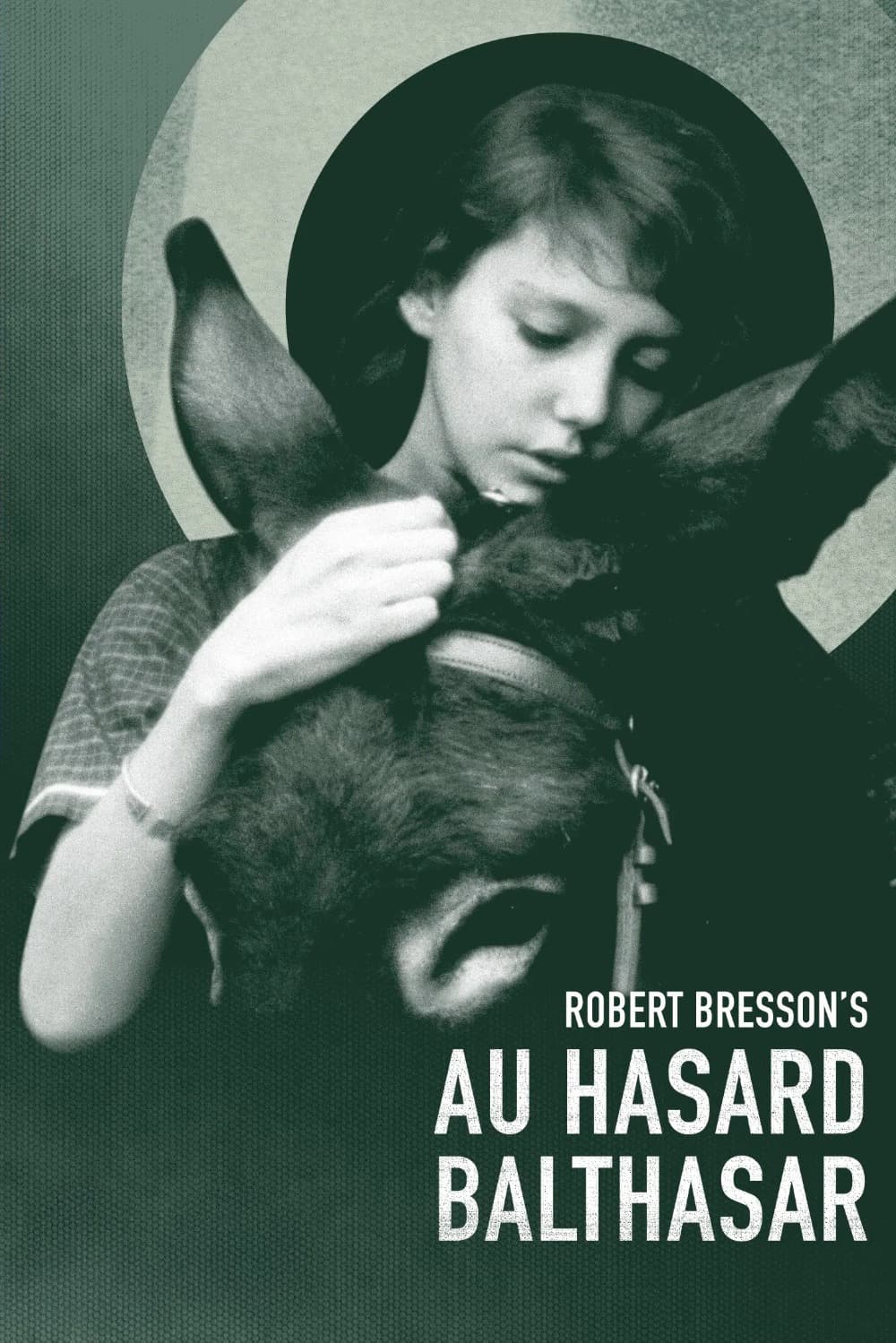
Godard said it contained the world in an hour and a half: a donkey passes from owner to owner, and Bresson makes cruelty and grace arrive without warning.
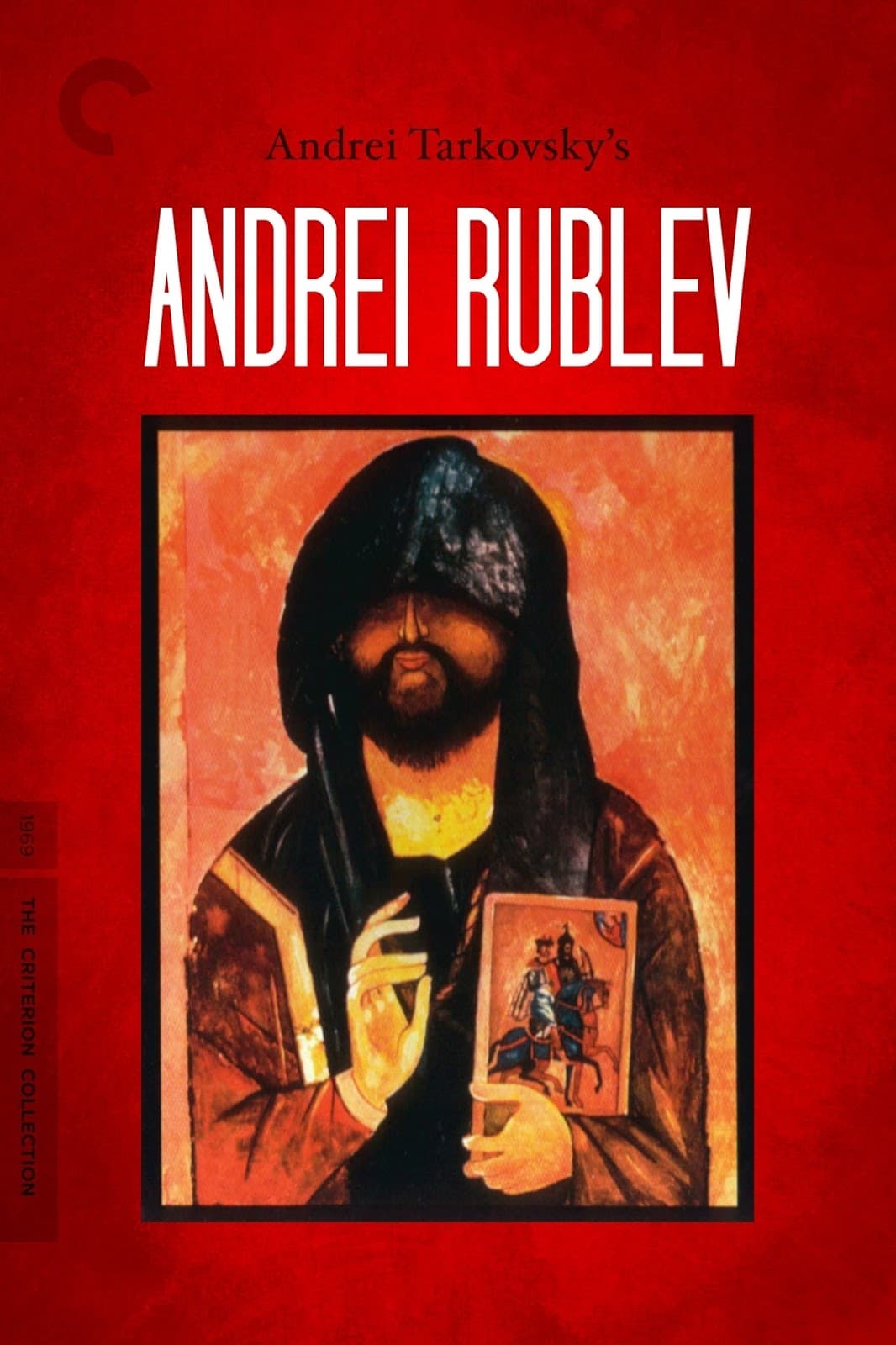
The Soviets shelved it for years and cut it repeatedly: Tarkovsky follows an icon painter through a brutal Russia, and the bell casting sequence justifies the whole three hours.
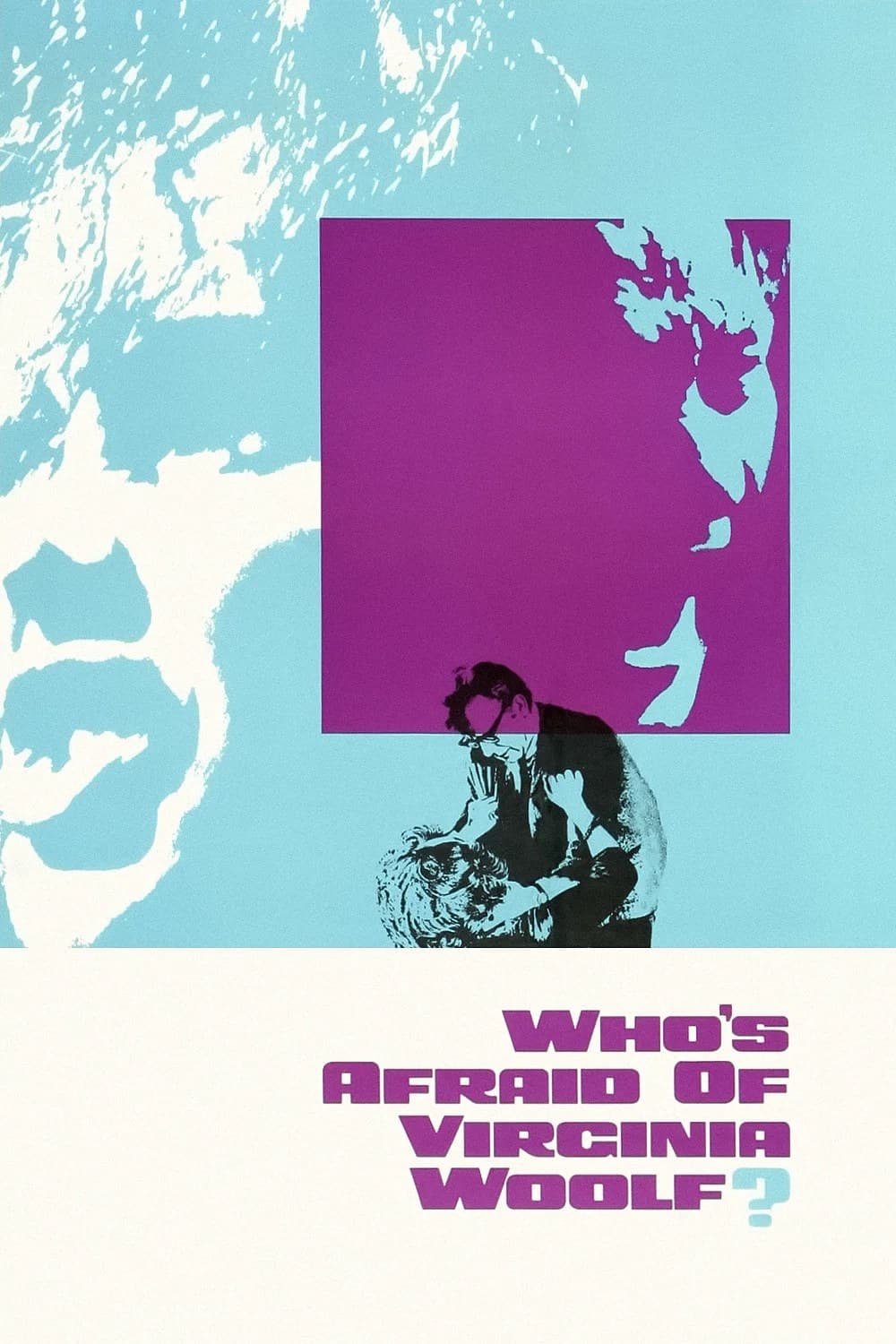
Burton and Taylor were married and it shows in every line: a history professor and his wife drink through one night and take each other apart in front of guests.
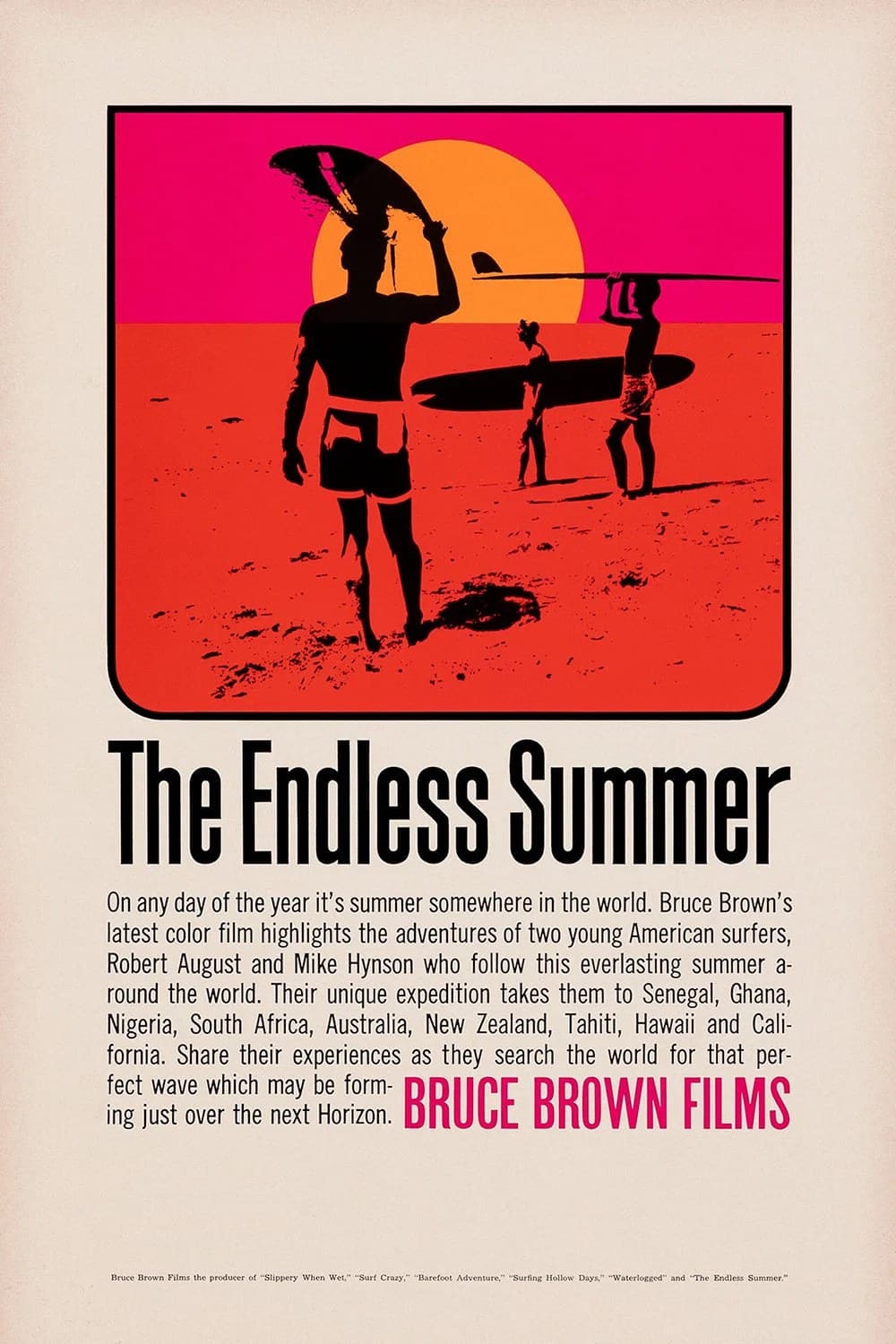
Bruce Brown could not get a distributor so he rented cinemas himself, starting in Wichita in January snow: two surfers follow summer around the world, and the narration is unhurried and dry.
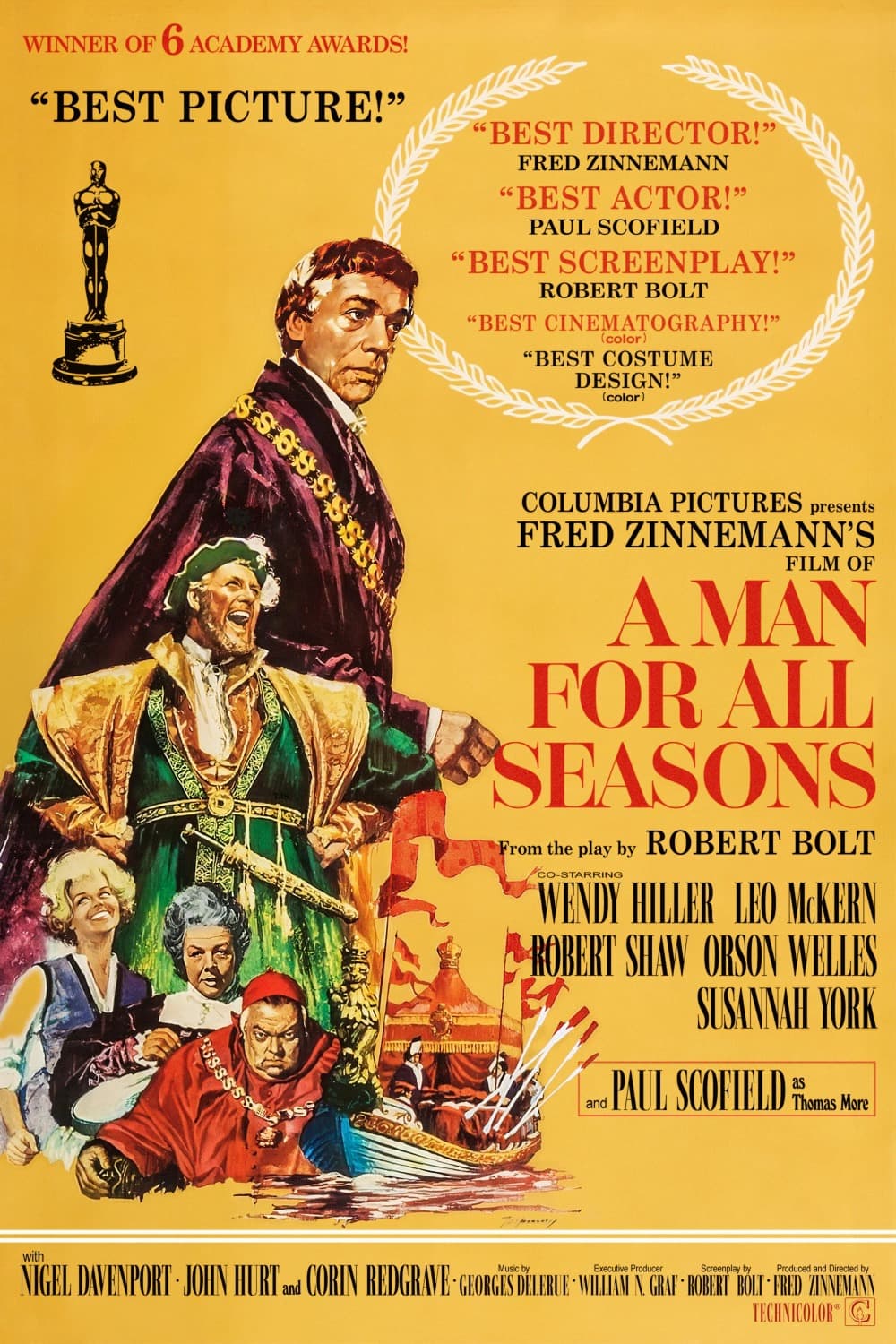
Paul Scofield had played it on stage and was not a film star, and he won anyway: Thomas More refuses to say one sentence, and the whole English state comes for him.