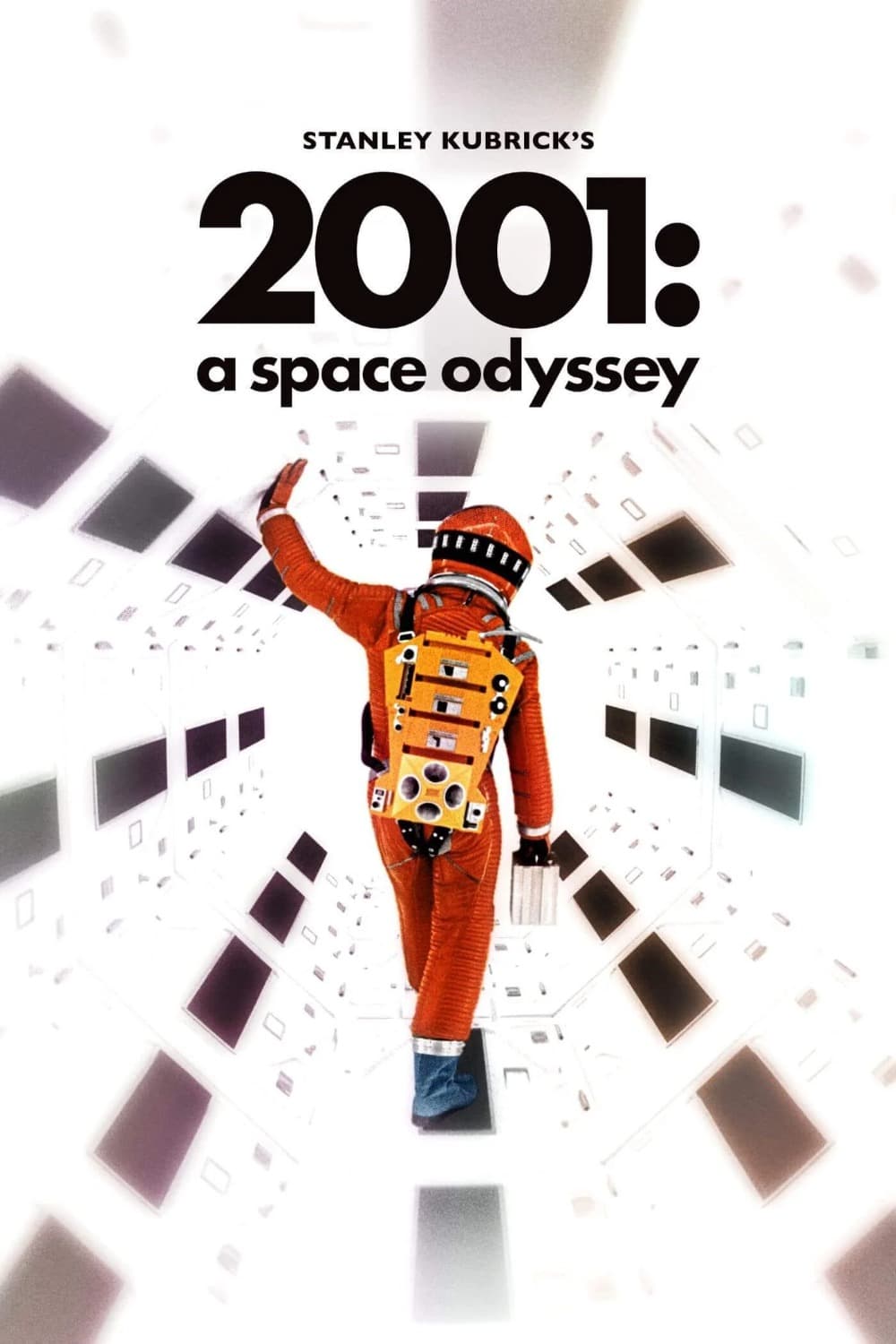
2001: A Space Odyssey
Kubrick took the audience from the first bone tool to the far side of Jupiter, explained almost nothing, and made every science fiction film since look domestic by comparison.

Kubrick took the audience from the first bone tool to the far side of Jupiter, explained almost nothing, and made every science fiction film since look domestic by comparison.

The western as ritual: Leone holds on faces until the tension turns physical, gives every character a Morricone theme, and makes three hours feel like a ceremony.

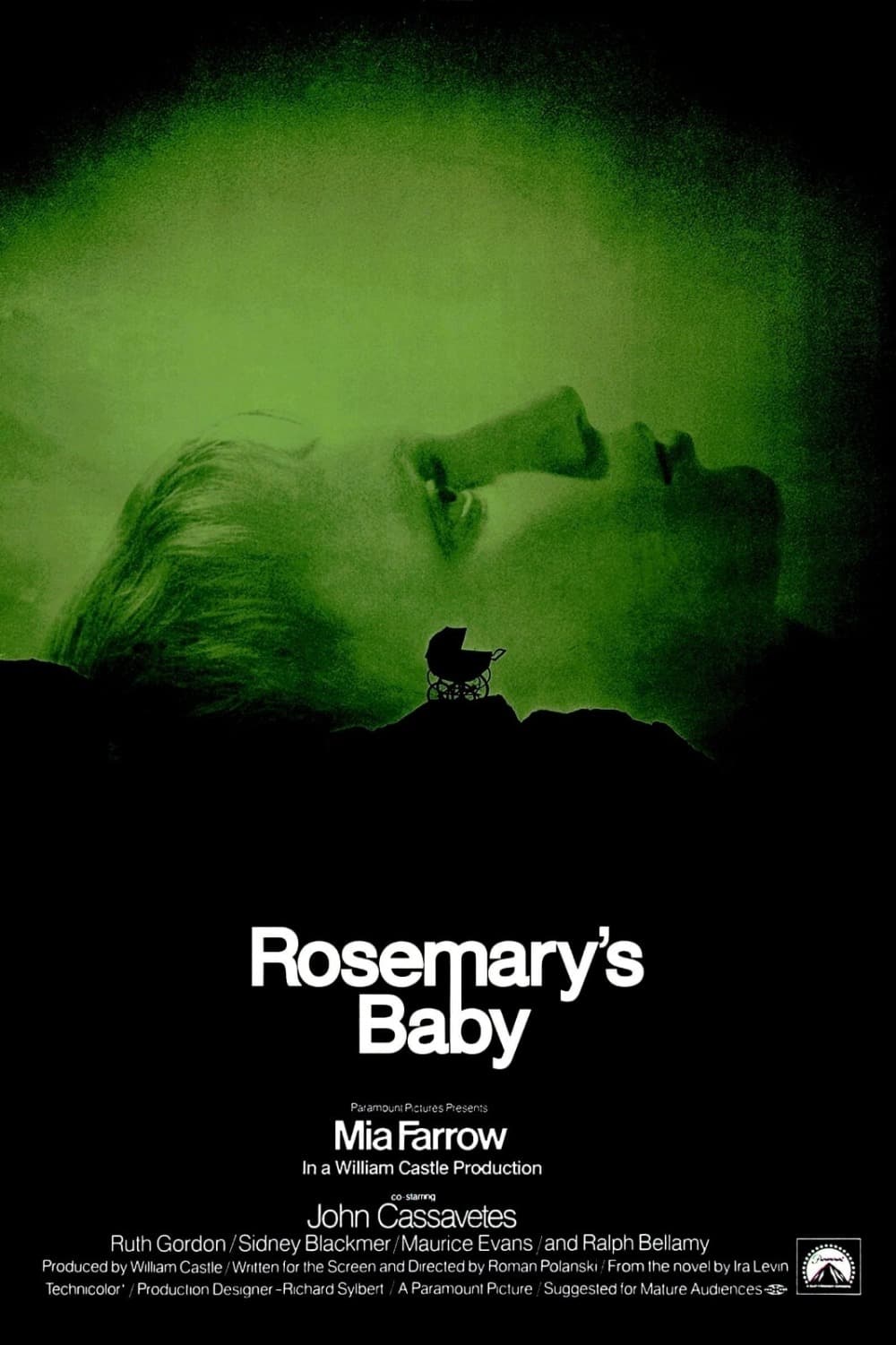
Horror discovered it did not need monsters: Polanski built two hours out of a young wife nobody believes, and the dread comes entirely from politeness and closed doors.

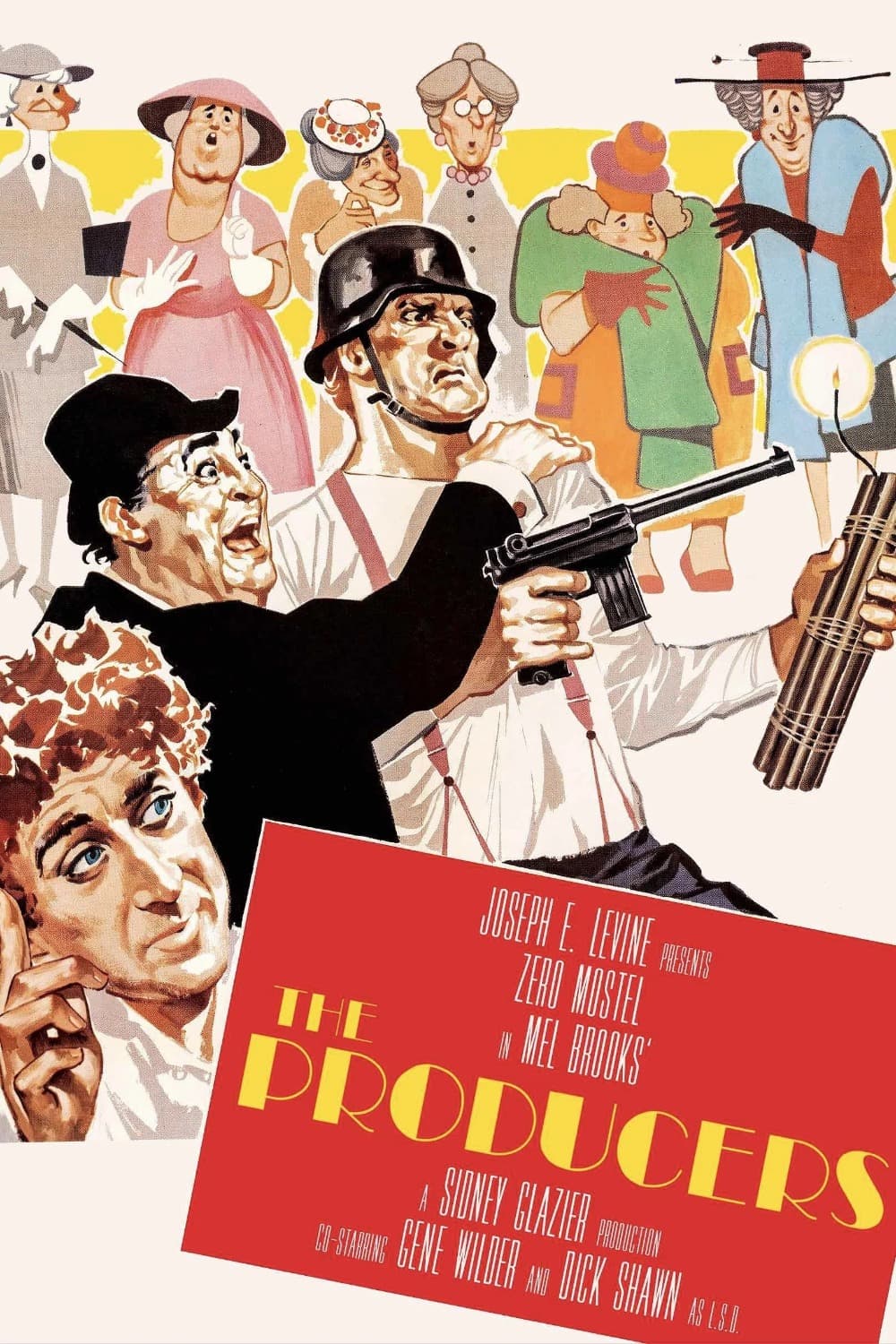
A comedy built around a Nazi musical, released twenty-three years after the war: Brooks designed Springtime for Hitler to be unwatchable, and it remains the funniest sequence of the decade.

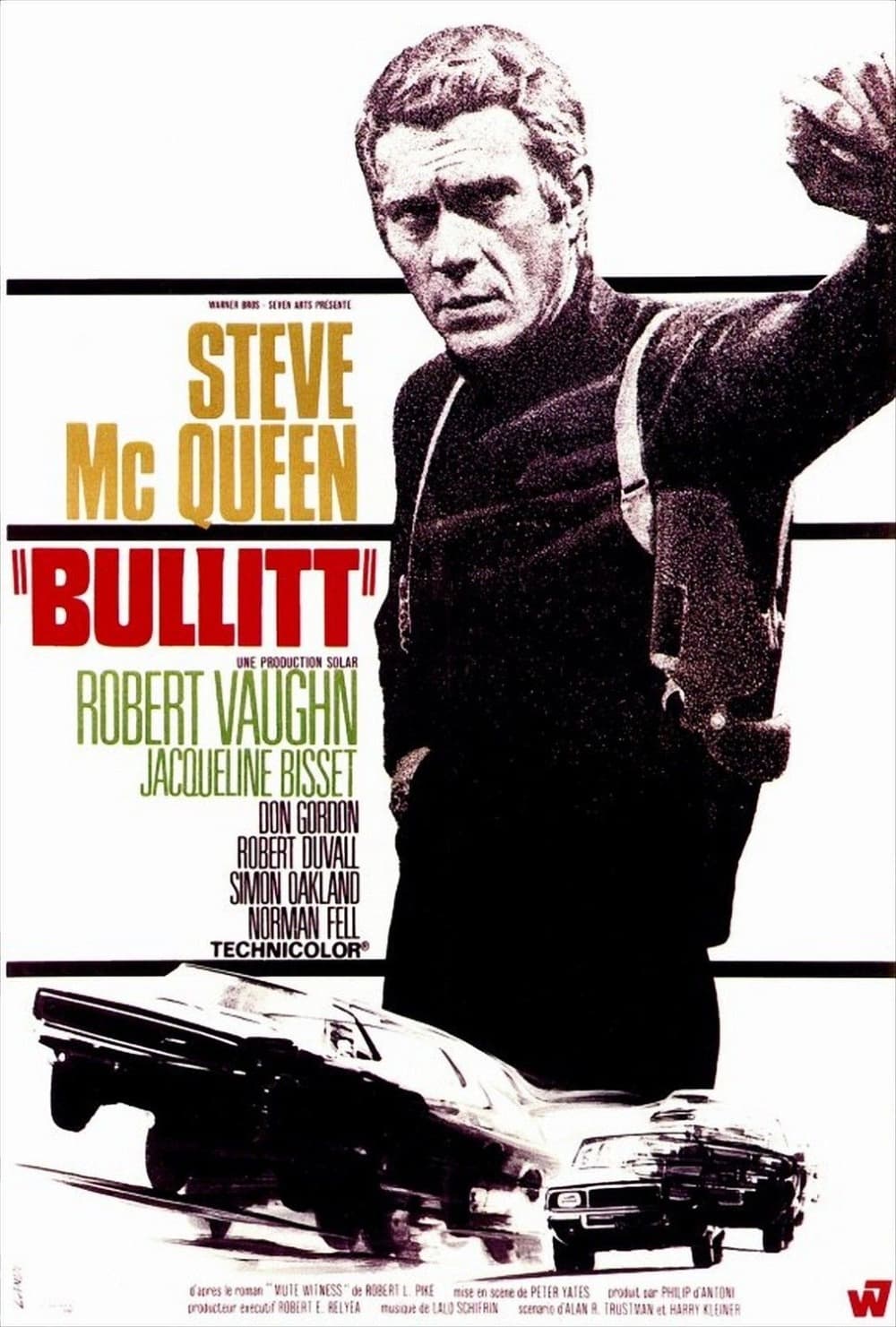
The San Francisco car chase runs almost eleven minutes with no music at all, only engines: everything since has been a response to it, and Steve McQueen keeps his talking to a minimum.

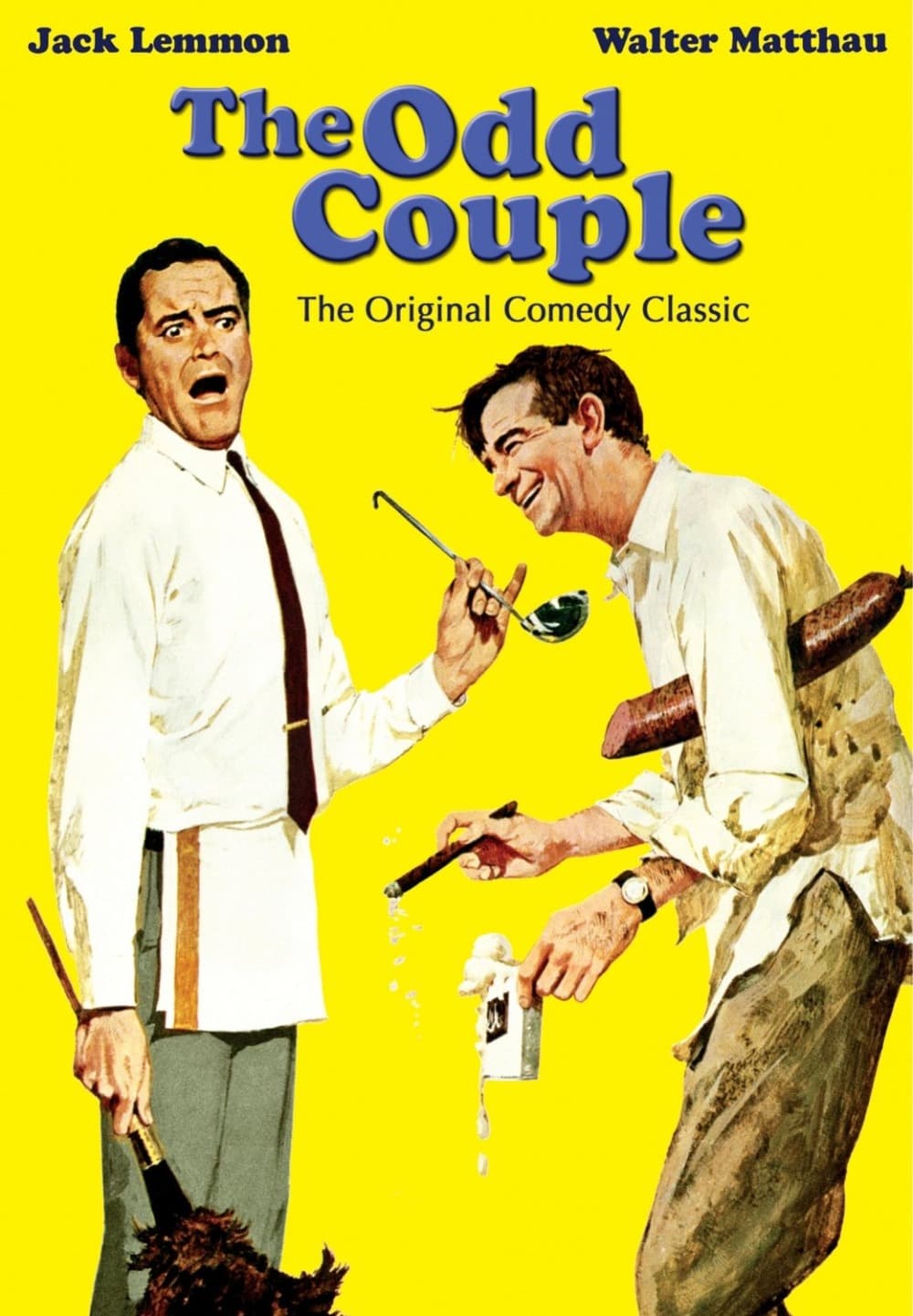
Neil Simon's play handed American comedy a permanent shape: Jack Lemmon and Walter Matthau share an apartment badly, and the television series that followed ran for five years.

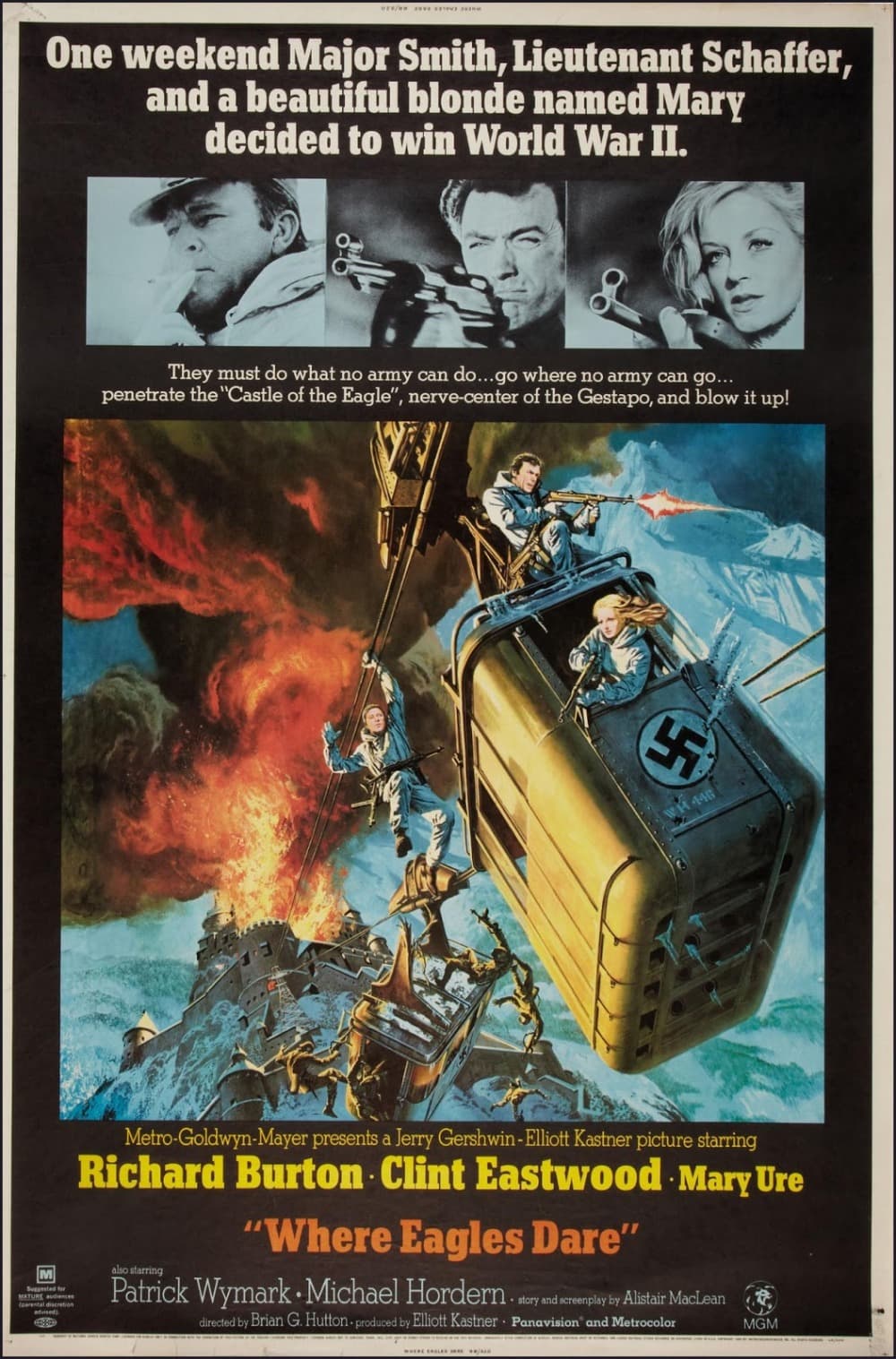
Alistair MacLean wrote it as a screenplay first and a novel second: Richard Burton and Clint Eastwood go into an Alpine castle after a captured general, and the cable car fight is superb.

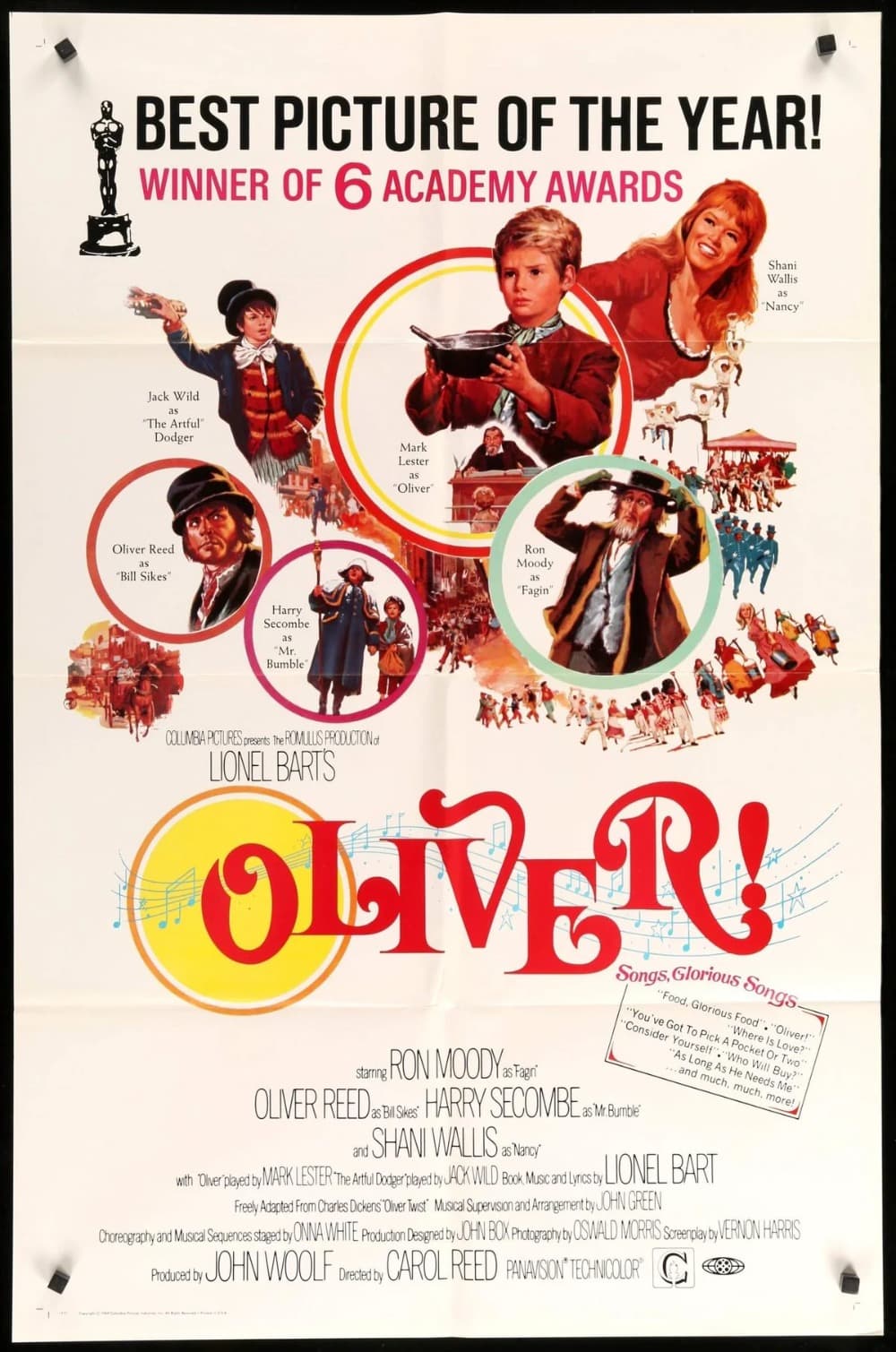
The last musical to hold Best Picture for thirty-four years, and the last G-rated winner: Carol Reed turns Dickens into an enormous street spectacle and the songs never let up.

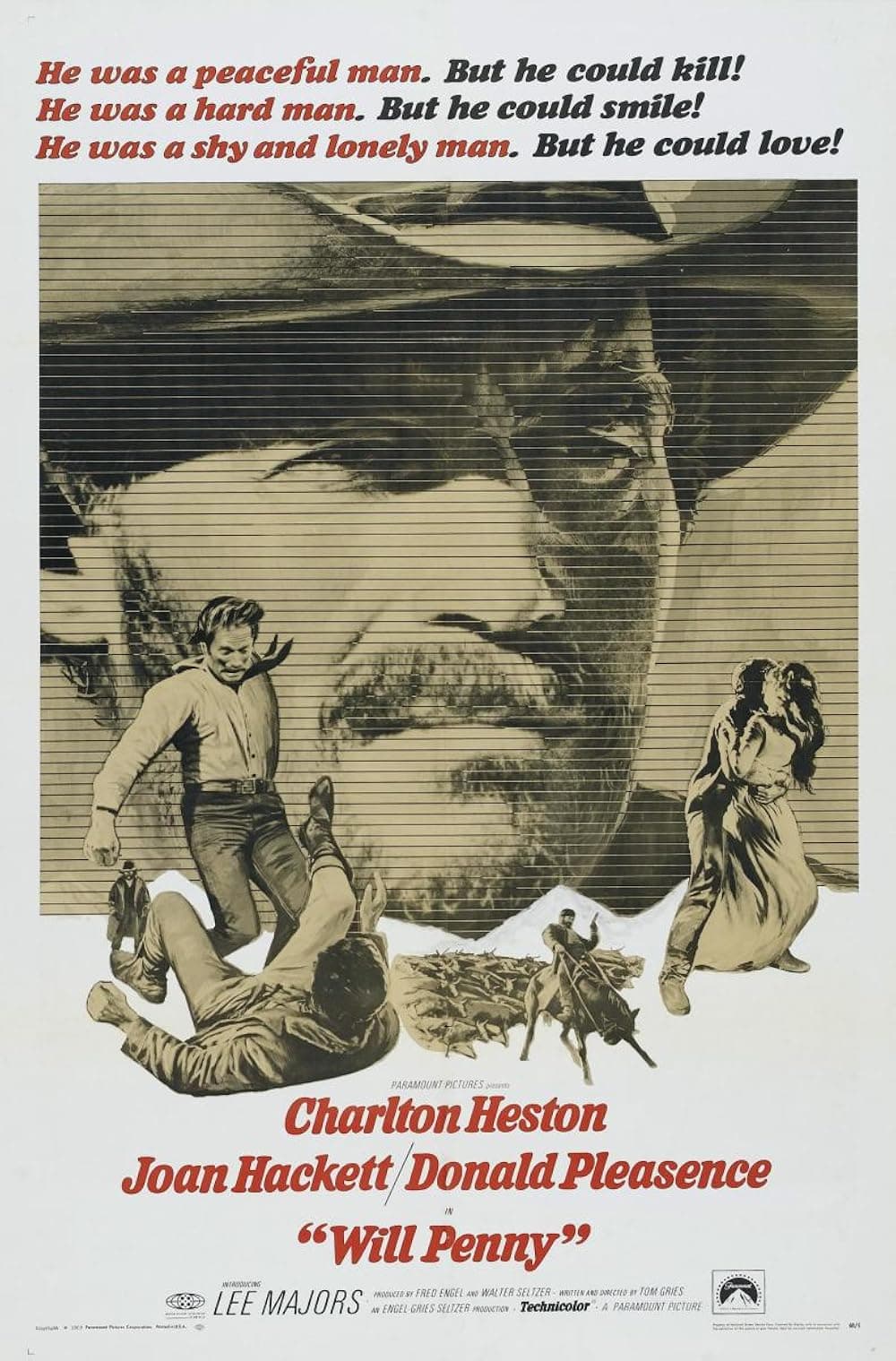
Charlton Heston called it his own best film and almost nobody saw it: an illiterate middle-aged cowhand with no property and no prospects, and the frontier offers him nothing.