
Whole Lotta Love
1969 · From Led Zeppelin II
Page's riff, Plant's howl, and a theremin freakout in the middle that still sounds like the roof coming off.
★ 9.7
 skopia
Page's riff, Plant's howl, and a theremin freakout in the middle that still sounds like the roof coming off.
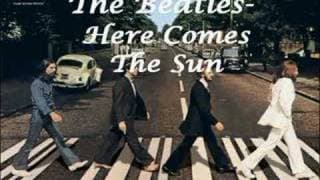
Harrison wrote it in Clapton's garden while skipping a business meeting, and it sounds exactly like that relief.
Merry Clayton's voice cracking on "murder" is the sound of the sixties ending, mid-take, in one syllable.
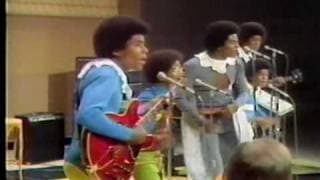
A child singing about regret over the springiest bassline Motown ever cut, and selling it completely.
Lennon started it as a campaign song for Timothy Leary, then Ringo muffled his drums with tea towels.
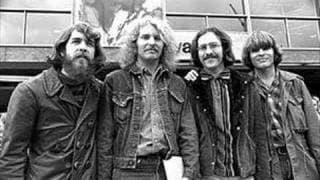
Twenty minutes of writing, and Fogerty had the sound of every draft board sending someone else's son.
Anka typed the lyric overnight in New York asking what Sinatra would say, then handed him a life's summing-up.
Mark James flopped with it first, in the same Memphis studio; Moman then handed Presley his last American number one.
Harrison lifted the opening line from James Taylor and wrote the first Beatles A-side that wasn't Lennon or McCartney.
Released five days before Apollo 11 launched, with a children's Stylophone buzzing under an astronaut who never comes home.

A choral intro from the London Bach Choir, Al Kooper on French horn, and producer Jimmy Miller on drums.
Fogerty came out of the National Guard and wrote it in two days, Beethoven's Fifth hiding in the intro.
Larry Graham slapping and popping the bass line credited with inventing the technique, and a verse quoting their own hits.
Bert de Coteaux's twelve-piece string section, overdubbed a week later, carried King's minor-key blues onto pop radio.
Producer Jimmy Miller opens it on cowbell, and the single arrived in Britain the day after Brian Jones died.
Over a hundred hours of work, and that cannon-shot snare is Hal Blaine playing beside a Columbia elevator shaft.
Three chords, sleigh bells, and Cale leaning on a single piano note throughout. Punk starts here.
Townshend wrote it to flatter a pinball-obsessed critic, then called it the clumsiest thing he ever wrote.
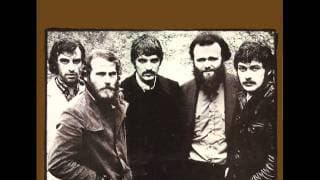
Eight months on one lyric, Helm doing the library research, and a drummer from Arkansas singing the defeat.
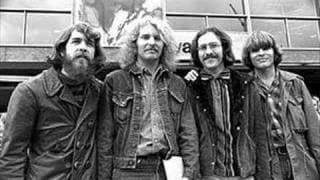
Fogerty wrote it after a hurricane scene in a 1941 film, then set the apocalypse to a cheerful rockabilly stomp.