Stand By Me
1960
That four-note bassline, a gospel hymn turned into a promise, and one of the warmest vocals ever recorded.
★ 9.4
 skopia
That four-note bassline, a gospel hymn turned into a promise, and one of the warmest vocals ever recorded.
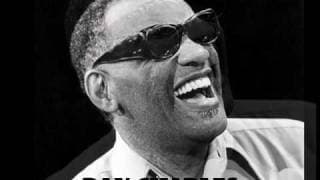
Hoagy Carmichael's 1930 tune, remade as Charles's first Billboard number one and adopted as Georgia's state song in 1979.
King wrote the melody and the string arrangement, and a girl group topped the Hot 100 for the first time.
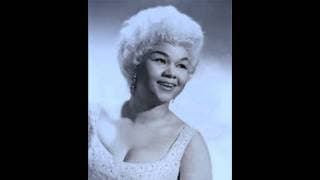
Riley Hampton's strings behind a 1941 film tune James took over, and the Library of Congress preserved it.
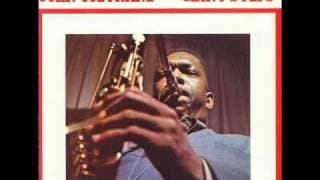
Recorded May 5, 1959, with the band reading it cold, and those third-related key changes remain jazz's hardest exam.
Cooke cut it at his last Keen session and credited the writing to his wife's maiden name.
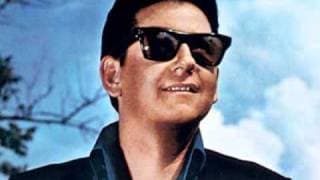
Orbison meant it for Elvis; the Everly Brothers told him to keep it, and Nashville's A-Team built the ache.
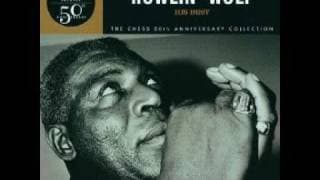
A Willie Dixon lyric about craving, drawn loosely from a 1929 Charley Patton side, and Wolf looming over one chord.
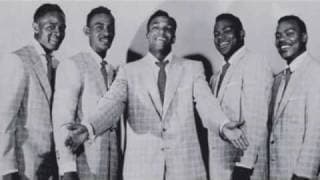
Pomus, who had polio, wrote the lyric on the back of his own wedding invitation, remembering his bride dancing.
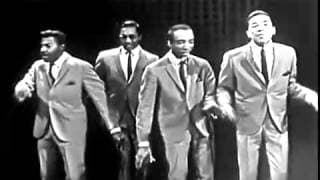
Motown's first million-seller, recut at three in the morning with Gordy at the piano chasing a poppier hit.

A Hank Ballard B-side first, then American Bandstand, then number one for Checker in 1960 and again in 1962.
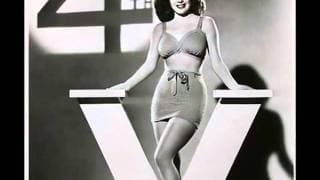
Motown's first hit, cut at Hitsville in 1959, with a bluesy piano vamp and a writing credit long disputed.
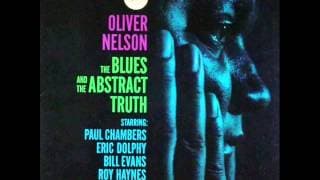
A sixteen-bar theme, twelve-bar minor blues solos, and Dolphy, Hubbard and Bill Evans in Van Gelder's room.
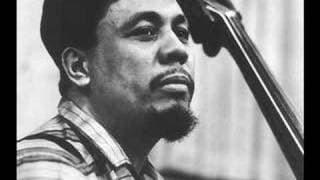
Pepper Adams' extended baritone solo, and a whole blues album Mingus cut in one February 1959 session.
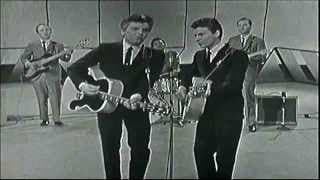
Cut live in one take with the brothers sharing a microphone, the drums looped on tape to double them.
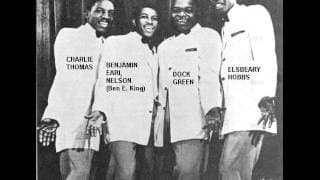
Pomus and Shuman wrote it, Leiber and Stoller wrapped it in strings, and Ben E. King made a kiss enormous.
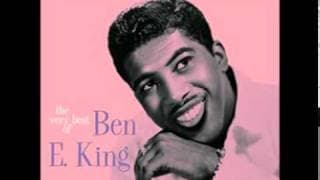
Cut at the October 1960 session that also produced Stand by Me, with Stoller's marimba triplets carrying everything.