The Gulag Archipelago
Solzhenitsyn served eight years in the camps, then gathered hundreds of survivors' accounts into a single prisoner's journey from arrest through interrogation to the labor gangs. Publishing it got him deported.

Solzhenitsyn served eight years in the camps, then gathered hundreds of survivors' accounts into a single prisoner's journey from arrest through interrogation to the labor gangs. Publishing it got him deported.

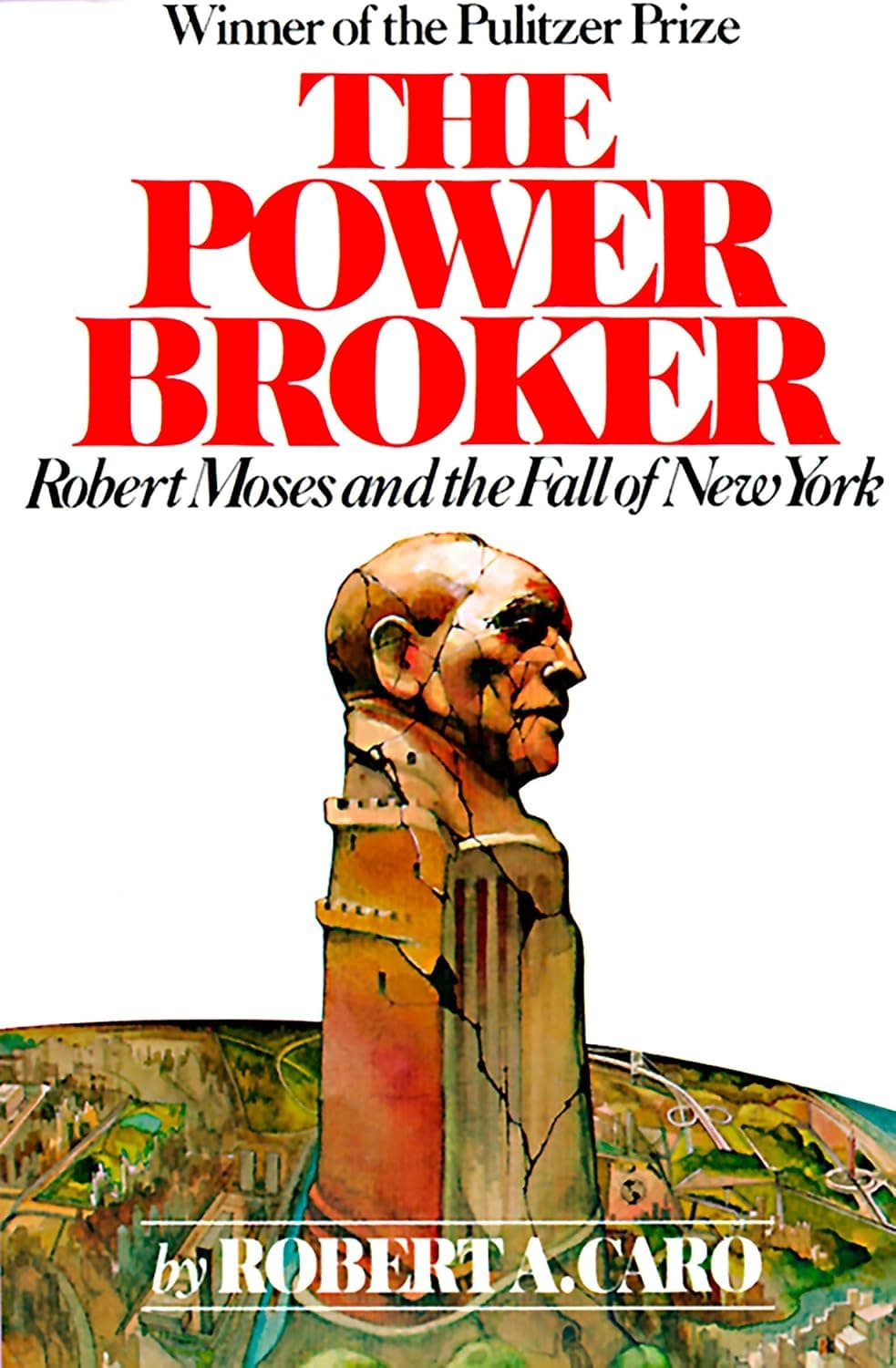
Robert Moses was never elected to anything and remade New York for forty years, throwing up bridges and expressways and flattening the neighborhoods in their way. Caro shows exactly how it was done.

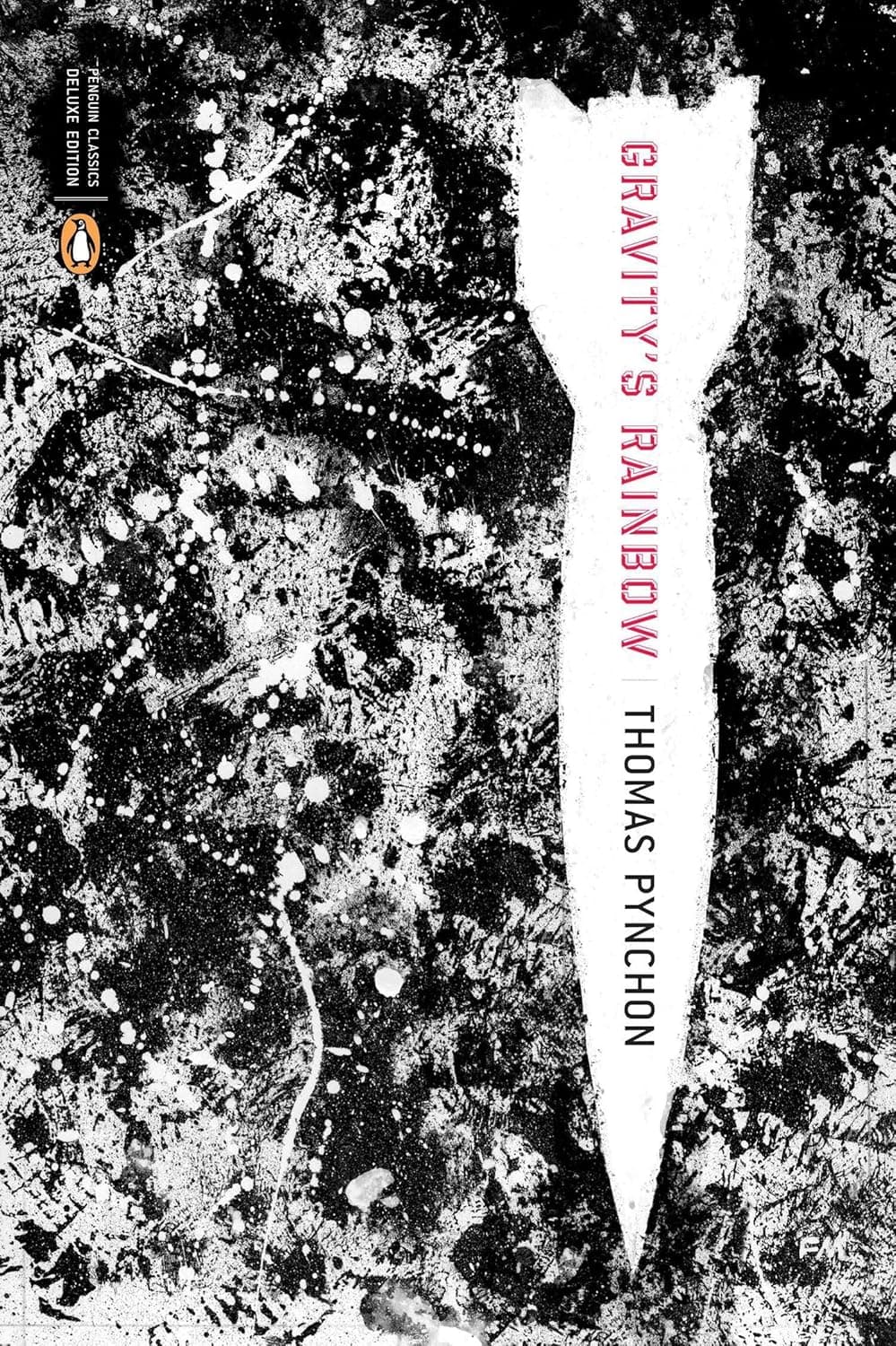
In London in 1944 the army notices that an American officer's sexual conquests keep predicting where German rockets fall. What follows is the filthiest, funniest chase ever run across a ruined continent.

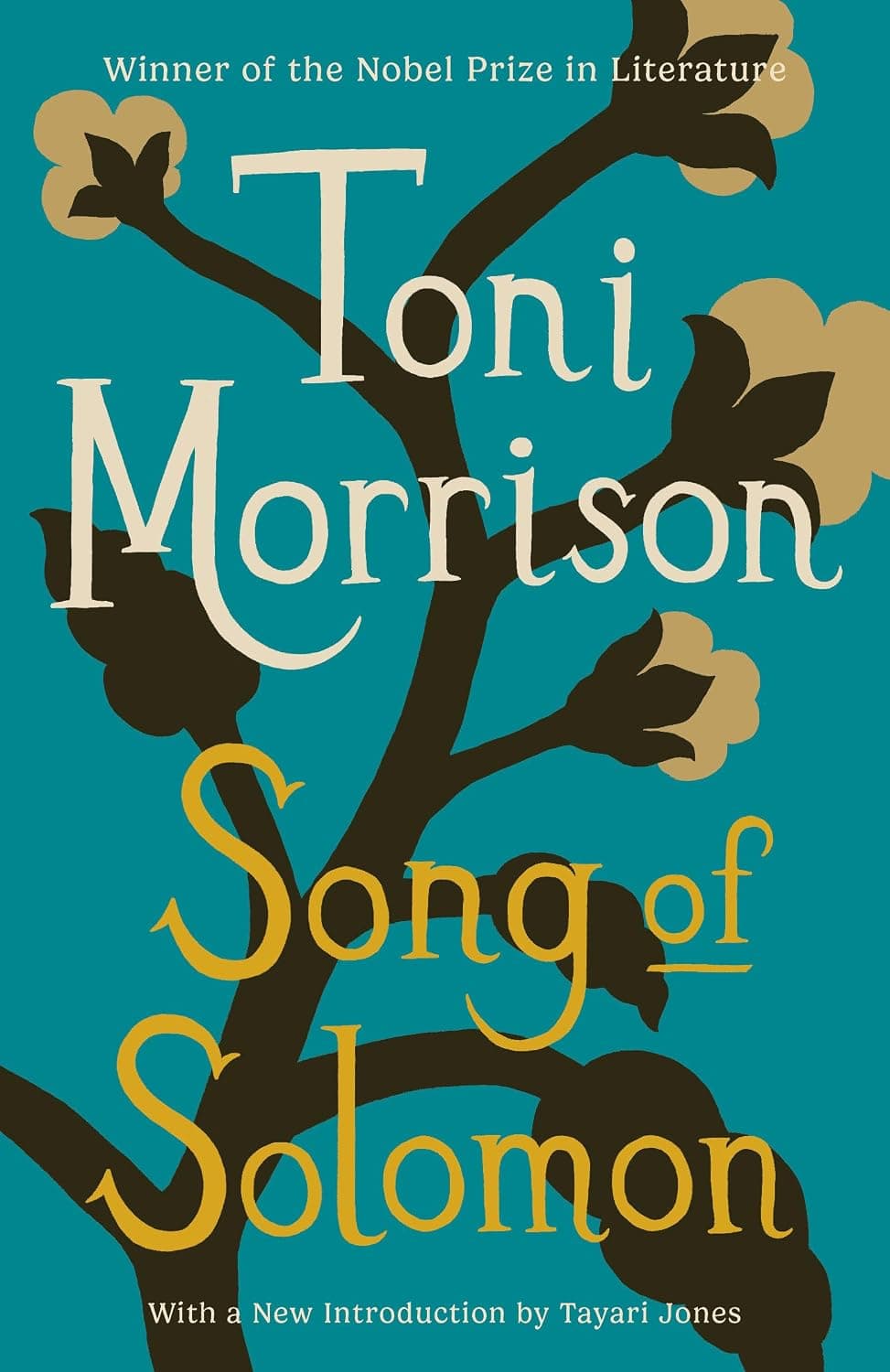
Hunting gold in the South, a rich man's bored son finds his family's history instead, hidden in a song children sing. Morrison turns it into myth: an African ancestor who flew home.

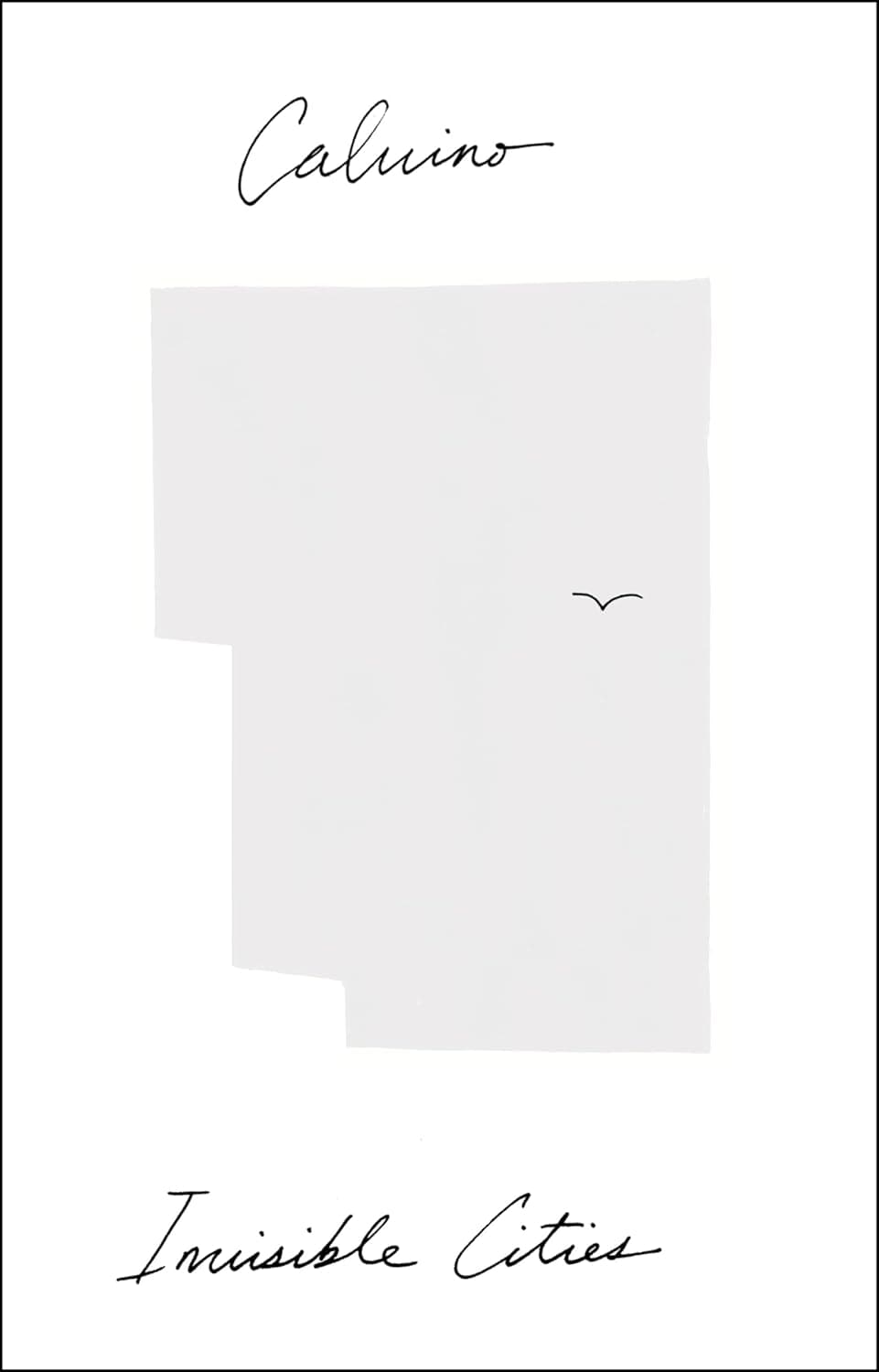
Marco Polo describes fifty-five cities that cannot exist to the emperor Kublai Khan, a page or two each, and every one of them is another way of describing Venice.

Rawls asks which rules you would pick for a society without knowing your place in it. His answer, equal liberties and inequality only when it lifts the worst off, reset political philosophy.

Punishment stopped tearing bodies apart in public and became timetables and cells. Foucault explains why: constant watching disciplines better than pain, and the same technique now runs schools and factories.

Bishop looks at a fish, a filling station, a moose in the road, and never tells you what to feel. In "One Art" she calls losing things an art you can master.

You buy a Calvino novel, the copy is faulty, and the hunt for the rest keeps dropping you into the opening chapter of some other book. Ten beginnings, each hard to leave.

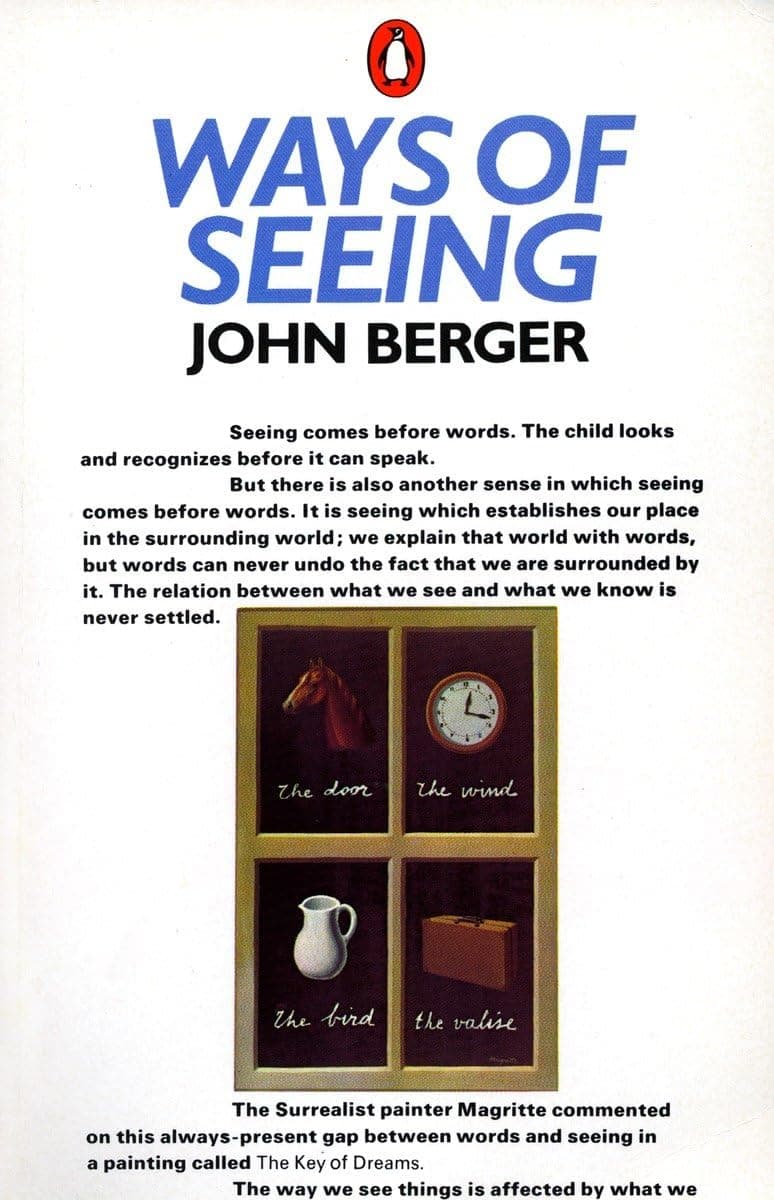
Oil paintings advertised what their owners owned, Berger argues, and the nude was arranged for a man looking on. Men act and women appear, he writes, and advertising took the habit over intact.

Taking a picture is a form of acquisition, close to aggression, Sontag argues, and a world drowning in images loses the power to feel them. You will not photograph casually again.

Osip Mandelstam wrote sixteen lines mocking Stalin and died in a camp for them. His widow Nadezhda memorized the poems to keep them alive, then set down exactly how the fear worked.

At eighteen in 1933 Fermor set off on foot from Holland for Constantinople, sleeping in barns one night and in castles the next, and caught central Europe in its last clear light.

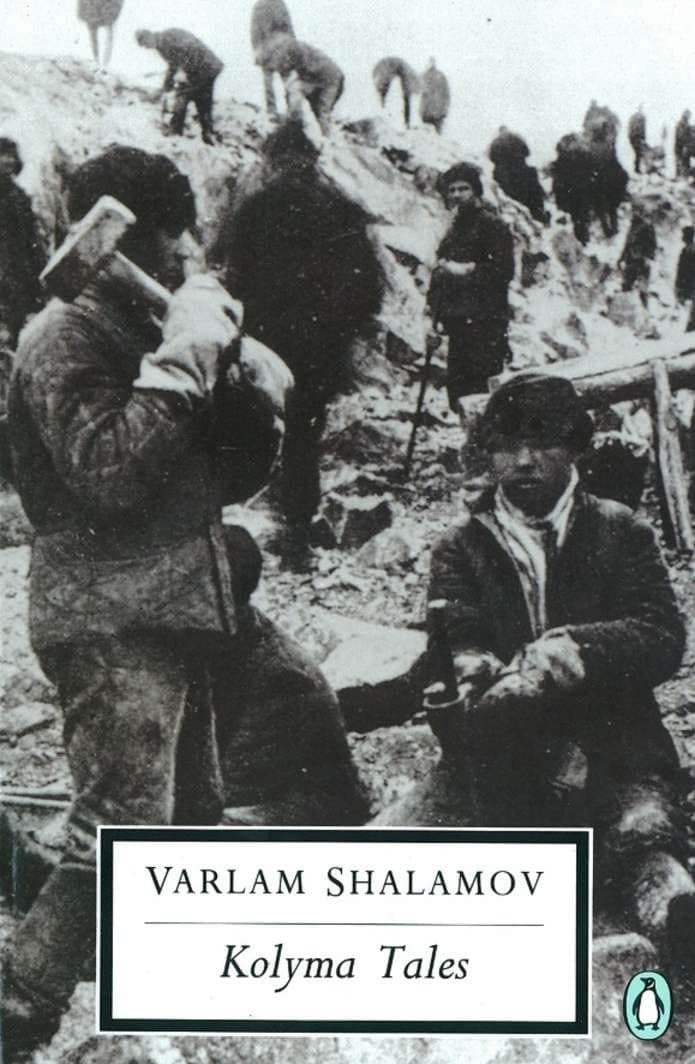
Shalamov spent seventeen years in the Kolyma camps. His stories are short, about frostbite and stolen bread and men too weak to lift a shovel, and he insists that suffering teaches nothing.

Culture is not what people do, Geertz argues, but the meanings hung on it, and thick description means reading a Balinese cockfight the way you would read a poem.

Western scholarship on the East was never neutral, Said argues: scholars and novelists built an exotic, backward Orient that empire could claim to govern. He upended how the West studies everyone it ruled.

The men who walked America into Vietnam were the most credentialed in Washington, and Halberstam shows how their brilliance became the problem. He reconstructs the meetings and memos that made escalation feel reasonable.

In our family, Maclean writes, there was no clear line between religion and fly fishing. Two brothers and their minister father on the Big Blackfoot, and a love that cannot save anyone.

How does a self arise from parts that have none? Hofstadter answers by braiding Godel's proof that no system can prove all its truths with Escher's staircases and Bach's canons into strange loops.

Seventeen days on a motorcycle carry a father and son from Minnesota to California while he works out what Quality means and recovers the man he was before electroshock erased him.