Discipline and Punish
Punishment stopped tearing bodies apart in public and became timetables and cells. Foucault explains why: constant watching disciplines better than pain, and the same technique now runs schools and factories.

Punishment stopped tearing bodies apart in public and became timetables and cells. Foucault explains why: constant watching disciplines better than pain, and the same technique now runs schools and factories.

Virginia's planters learned from the uprising of 1676 that poor whites and enslaved Africans might combine against them, and answered by writing racial contempt into law. Morgan makes freedom and slavery one story.

The trenches taught the century to speak in irony, Fussell argues, reading Sassoon, Graves, and Owen against the language they inherited. Historians have argued with him for fifty years inside his frame.

György Köves is fourteen when he is taken from Budapest to Auschwitz, and he reports each stage as it arrives, without hindsight. Back home he tries to explain the camps' happiness.

Still the sharpest book written about rock and roll. Marcus treats Elvis, Robert Johnson, and Sly Stone as American artists on the scale of Melville, reading their records for what America is.

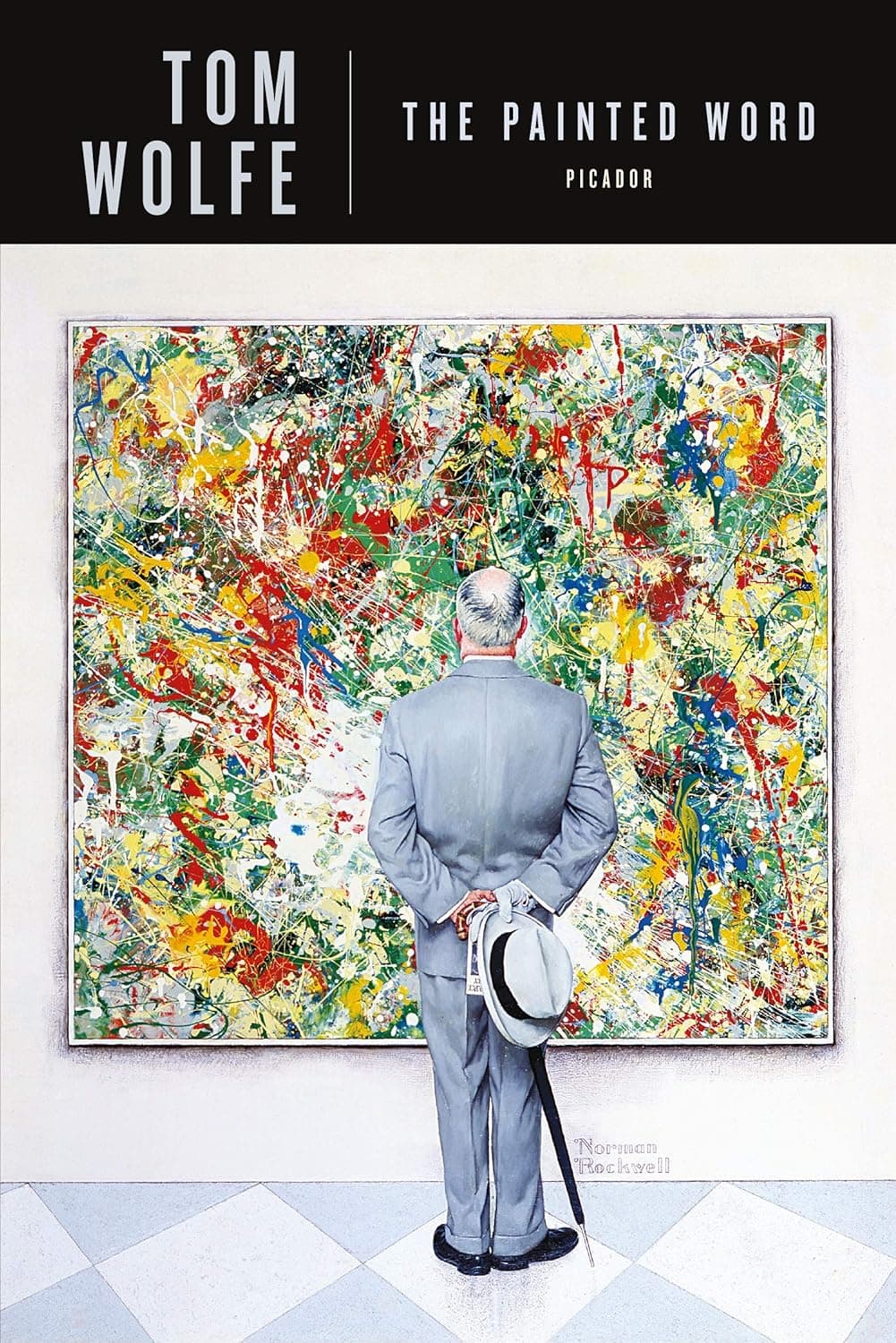
Modern painting had become an illustration of theory, Wolfe argued, invisible without the words. He named the three critics who ruled taste in New York, and the art world came after him howling.

For three days in October 1974, Perec sat in cafes on the Place Saint-Sulpice and wrote down every bus, pigeon, and passerby. Look long enough, he shows, and nothing is background.

For a decade the Czech photographer Josef Koudelka lived among Roma families in Slovakia, waiting for his subjects to present themselves. The portraits are grave, formal, and free of pity.