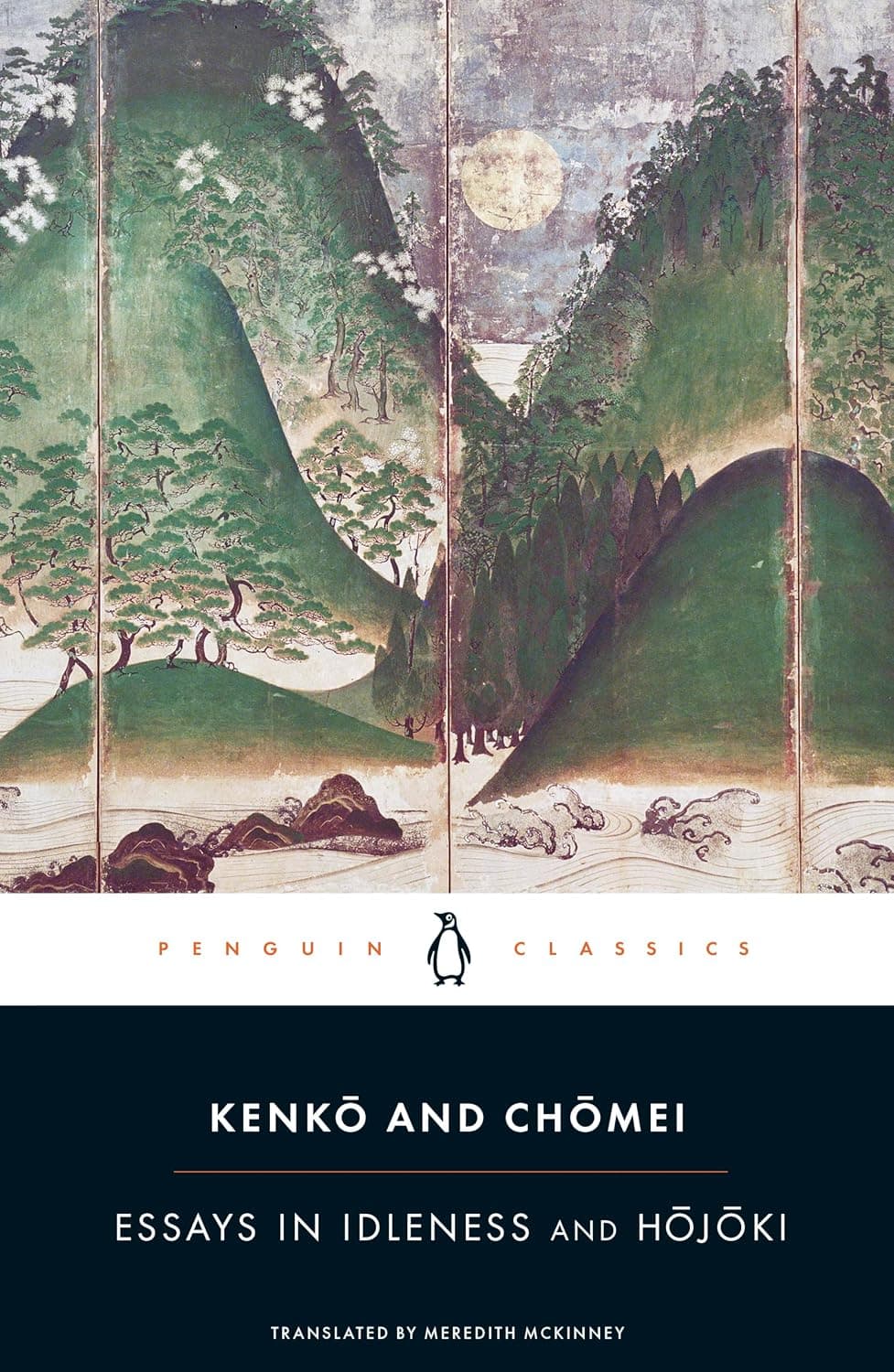
Essays in Idleness
1330 · 224 pages
Writing in fourteenth-century Japan, the monk Kenko set down fragments on manners, boredom, and death, asking why we look at cherry blossoms only in full bloom. Impermanence makes attention urgent.
★ 7.0
 skopia
Writing in fourteenth-century Japan, the monk Kenko set down fragments on manners, boredom, and death, asking why we look at cherry blossoms only in full bloom. Impermanence makes attention urgent.

Fisher wrote about oysters, wartime rationing, and eating alone, and made food a way of writing about hunger of every kind. The poet W.H. Auden said nobody in America wrote better prose.

Tea began as a medicine and grew into a beverage, writes Okakura, a Japanese art curator addressing the West, who then draws from one cup an entire aesthetic of imperfection and attention.
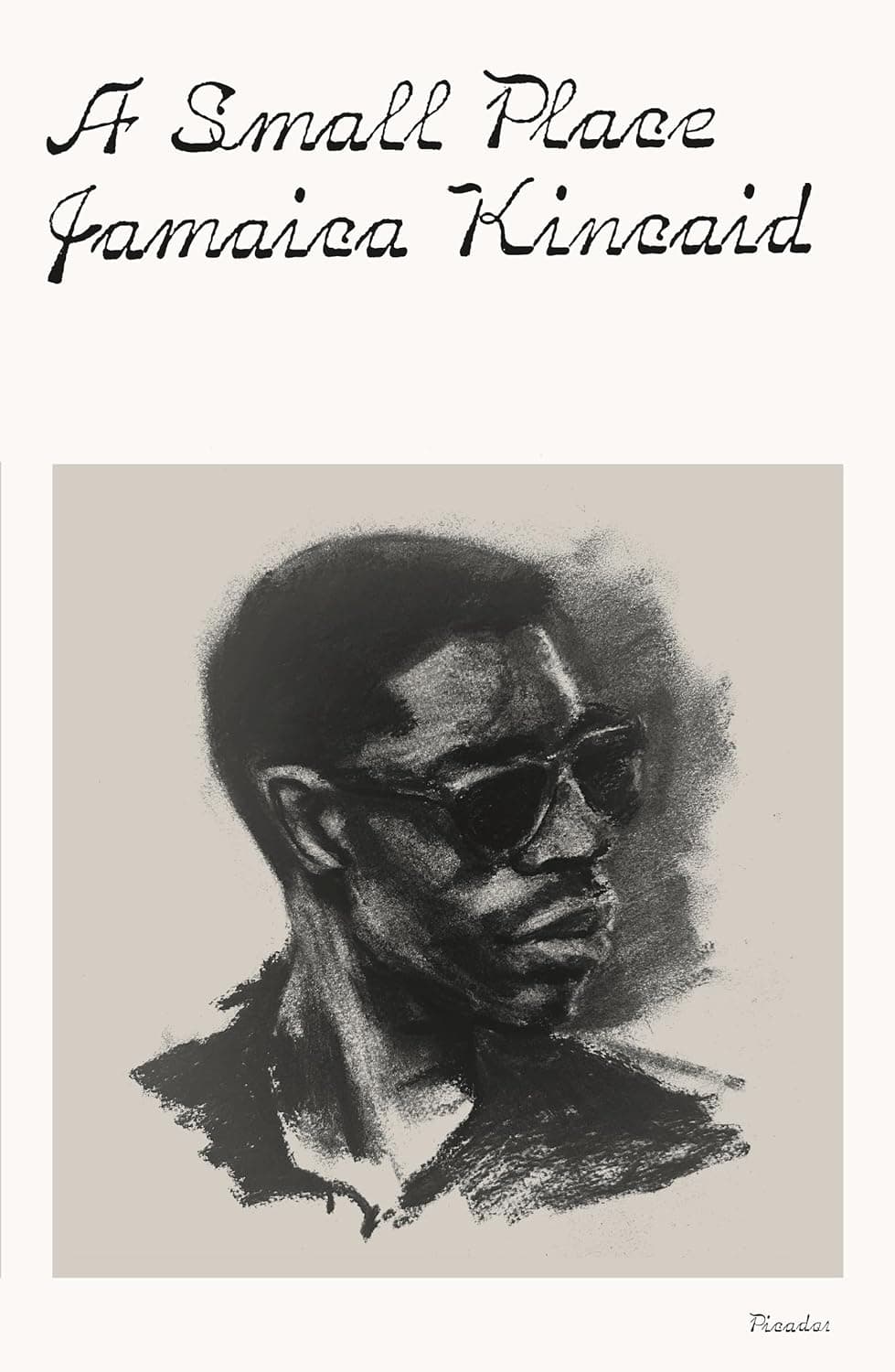
You arrive in Antigua as a tourist and Kincaid tells you what you look like to the people who live there, then turns on the empire and the government that wrecked the island.

Leopold shot a wolf and watched the green fire go out of her eyes. Land is a community we belong to, he concluded, and his land ethic became American environmentalism's creed.
No English-language essayist of his generation wrote with more range or less caution. These 107 pieces run from Orwell and Jefferson to Iraq and Afghanistan, and Hitchens had himself waterboarded before writing one.

For three days in October 1974, Perec sat in cafes on the Place Saint-Sulpice and wrote down every bus, pigeon, and passerby. Look long enough, he shows, and nothing is background.
Twelve New Yorker reports on how companies behave: Ford burning millions on the Edsel, a grocer trying to corner his own stock. Bill Gates calls it the best business book he has read.
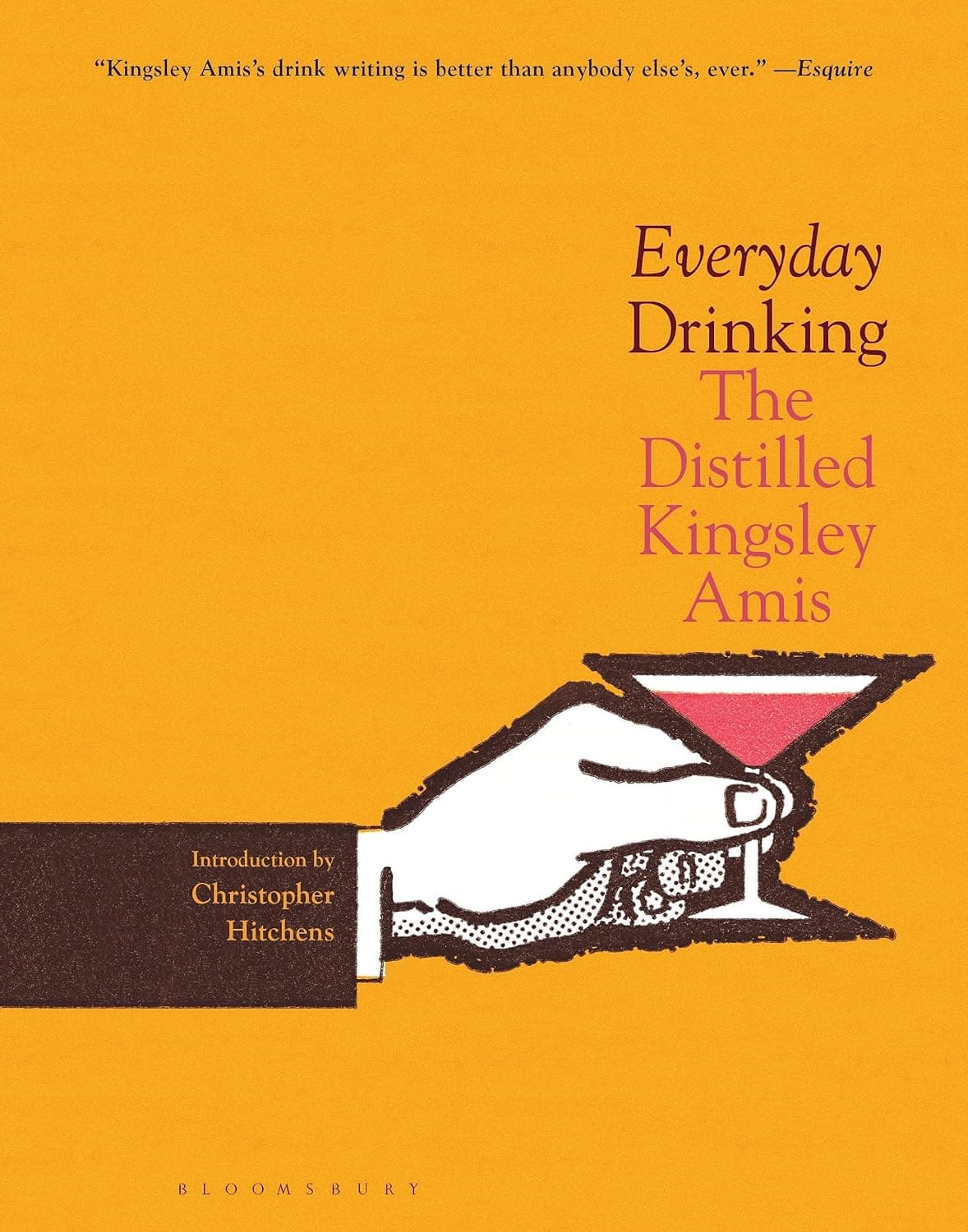
Nobody has written funnier prose about drink. Kingsley Amis separates the physical hangover from the metaphysical one, calculates what a party will actually consume, and hands down recipes he plainly tested.