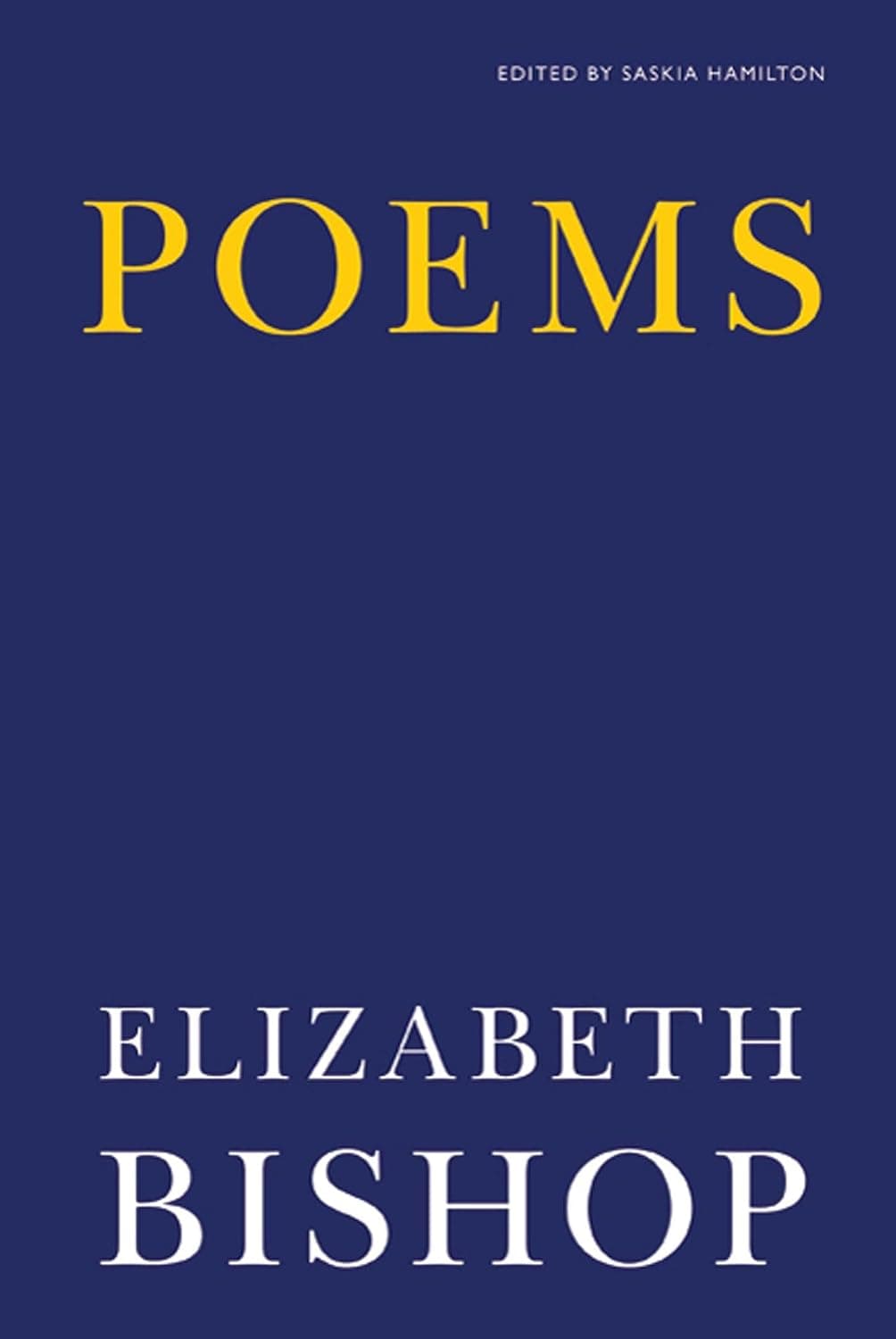
Poems
1979 · 352 pages
Bishop looks at a fish, a filling station, a moose in the road, and never tells you what to feel. In "One Art" she calls losing things an art you can master.
★ 7.8
 skopia
Bishop looks at a fish, a filling station, a moose in the road, and never tells you what to feel. In "One Art" she calls losing things an art you can master.

You buy a Calvino novel, the copy is faulty, and the hunt for the rest keeps dropping you into the opening chapter of some other book. Ten beginnings, each hard to leave.

How does a self arise from parts that have none? Hofstadter answers by braiding Godel's proof that no system can prove all its truths with Escher's staircases and Bach's canons into strange loops.

Americans stopped building selves and started managing images, Lasch argued in 1979: competence and civic obligation traded away for therapy, celebrity, and a permanent hunger to be admired by strangers.

Czech propagandists airbrushed a purged minister out of a state photograph and left his fur hat on the leader's head. From that erasure Kundera builds seven stories about everything power wants forgotten.
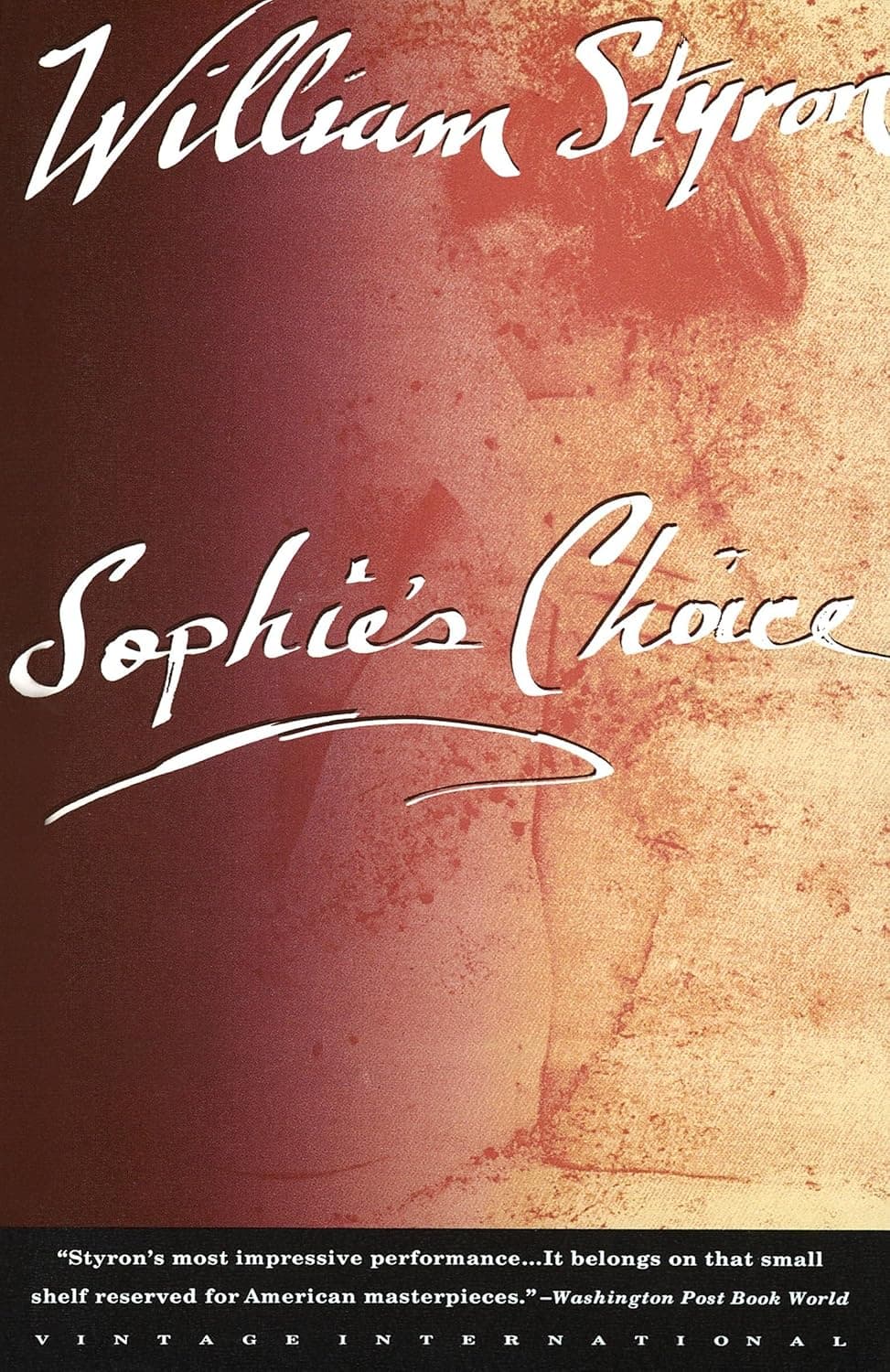
In a Brooklyn rooming house in 1947, a Southern writer falls in with Sophie, a Polish Catholic who survived Auschwitz, and her violent lover. The title is now English for an impossible decision.

Grand stories that once justified science, progress, and human emancipation have lost their credibility, Lyotard argues. His phrase for the condition, incredulity toward metanarratives, carried postmodernism from the arts into philosophy.
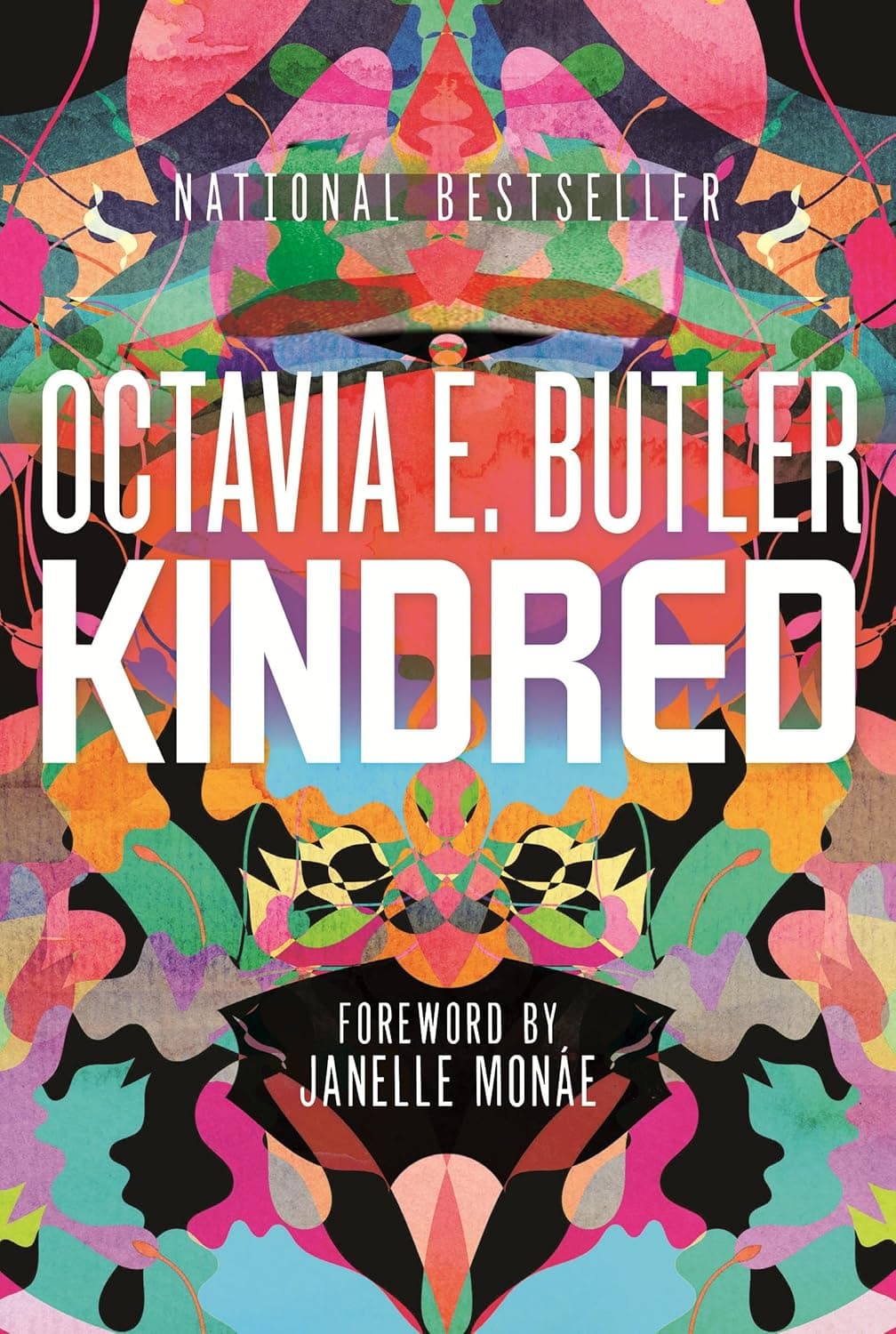
Dana, a Black writer in 1976 Los Angeles, is pulled to a Maryland plantation and made to keep alive the white boy who will father her line. Each return costs her more.
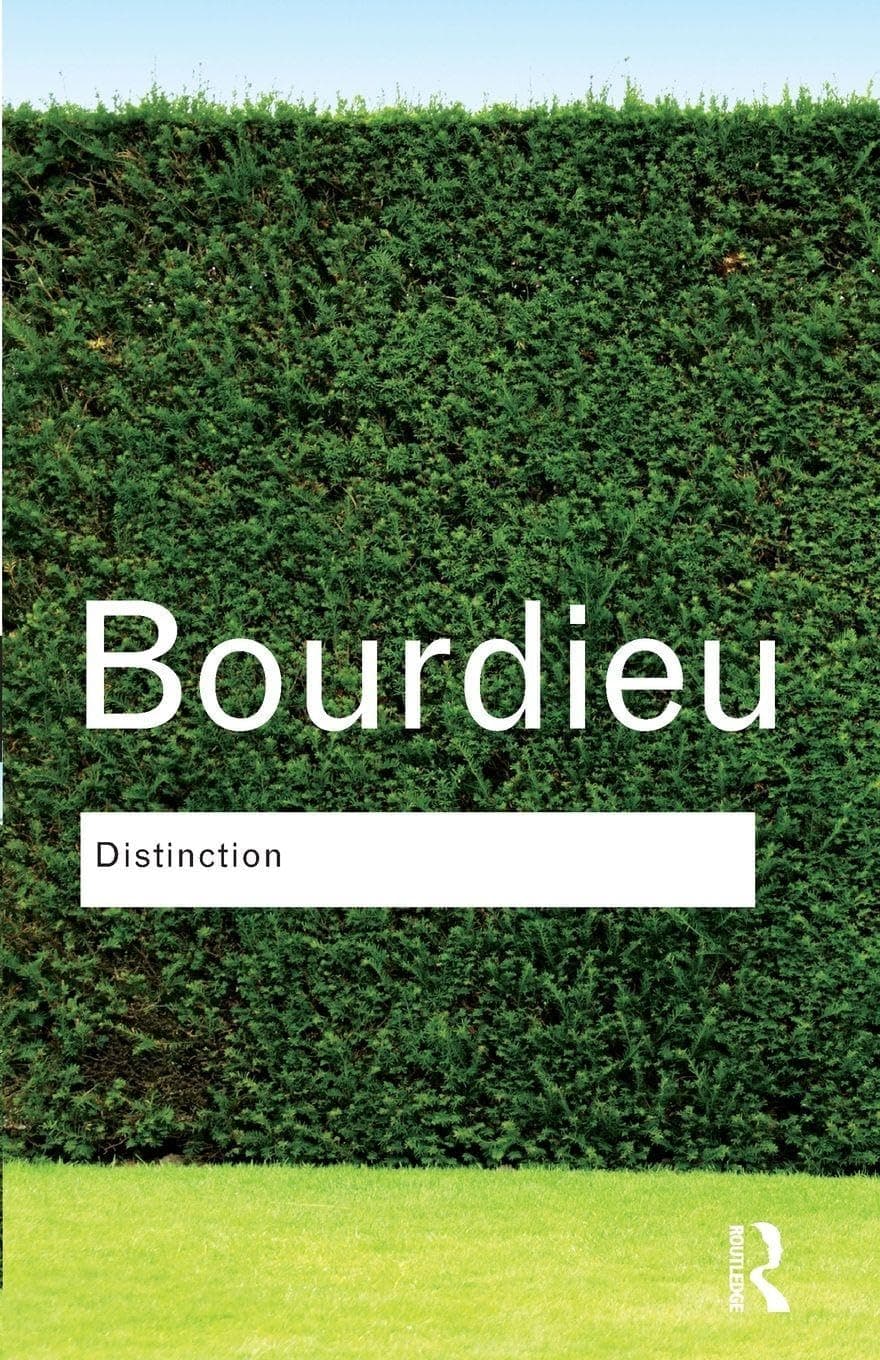
Taste is class in disguise, Bourdieu argues, and his survey of French preferences in music, food, and interiors proves it. The pure aesthetic judgment Kant called universal is a privilege of the comfortable.

Earth is demolished to make way for a hyperspace bypass and Arthur Dent escapes in his bathrobe. It sold 250,000 copies in three months and put 42 into everyday speech.

Nnu Ego's value is measured in sons, and she spends herself raising them in colonial Lagos while her husband launders clothes for an English family. Emecheta counts every cost the title conceals.

An asthmatic Manhattan boy remakes himself as a Dakota rancher, a Rough Rider, and the youngest president in American history. Morris swept the major prizes for this volume alone.
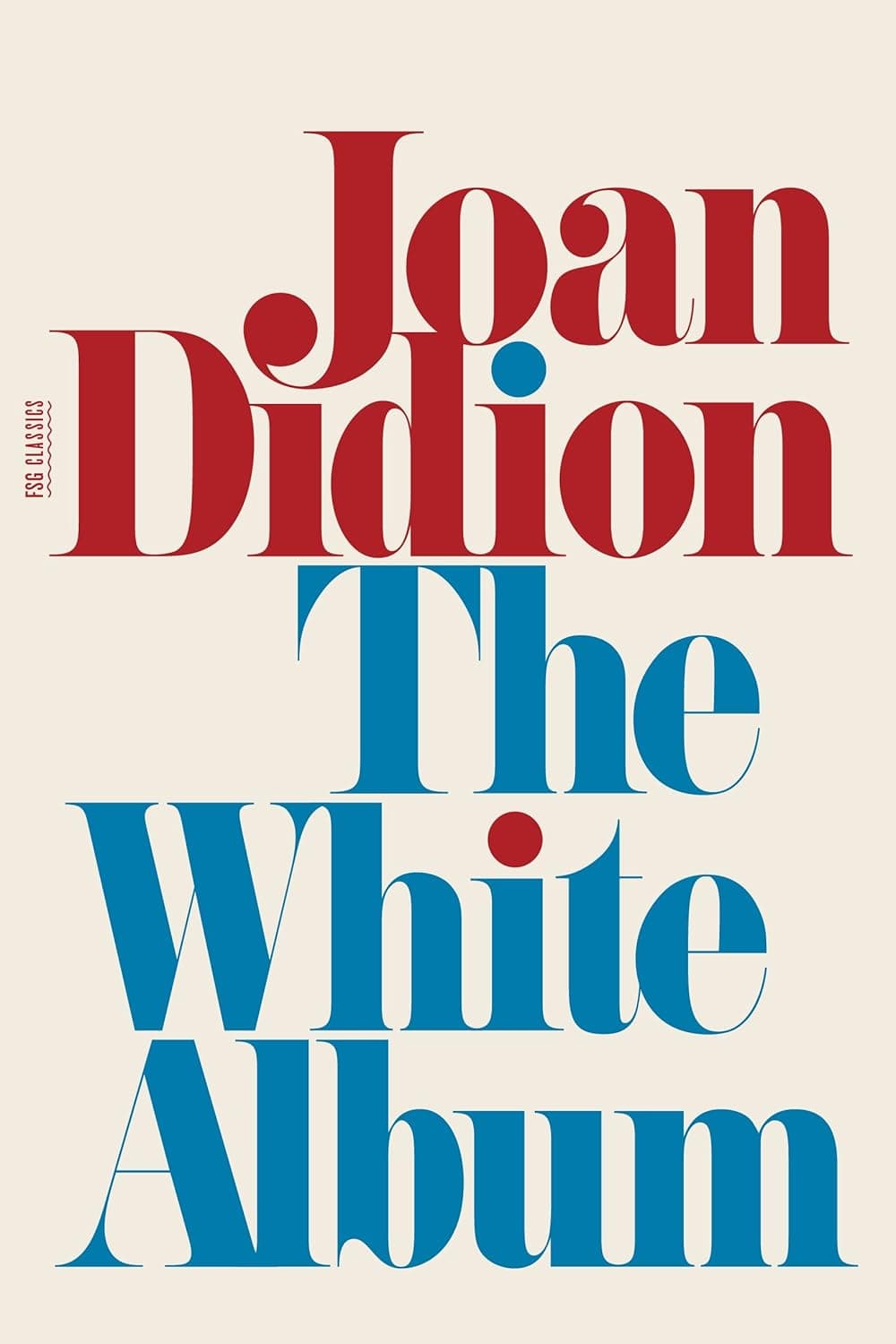
"We tell ourselves stories in order to live," the title essay begins, then takes the story apart: the Manson trial, a Doors session going nowhere, and a psychiatric report on Didion herself.
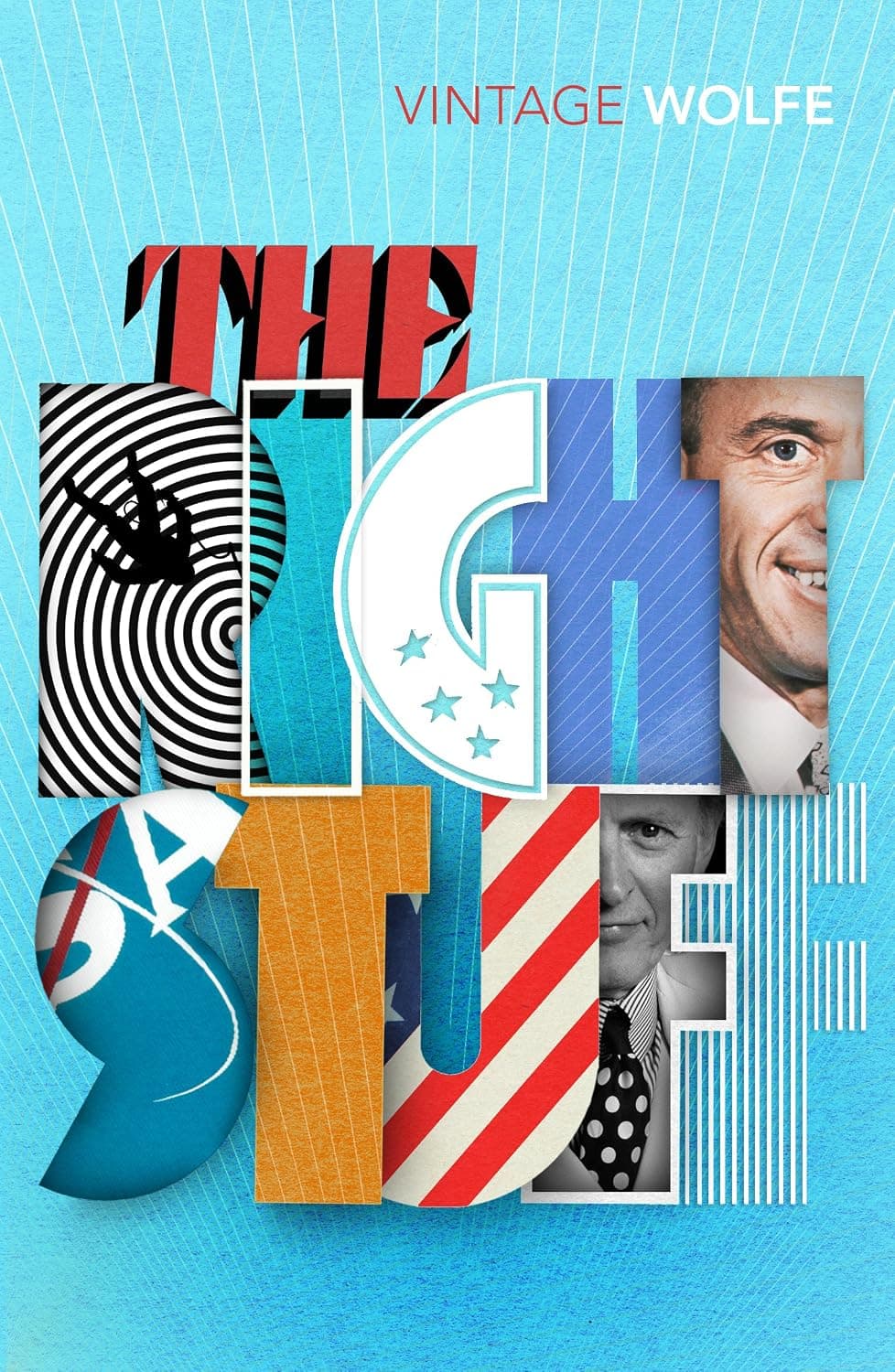
Chuck Yeager broke the sound barrier with two cracked ribs hidden from the flight surgeon. Wolfe named the code such men flew by, and America still tells the space race in his words.
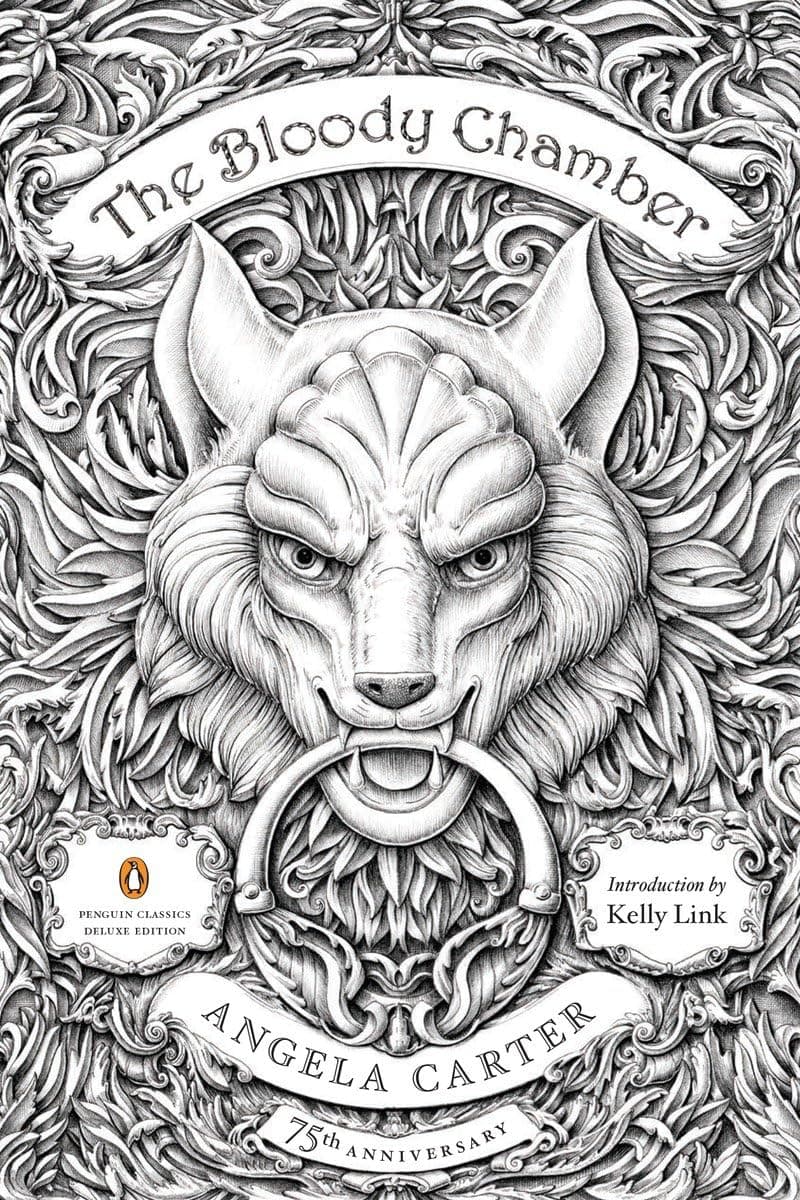
Carter opened the old fairy tales and took out what was always inside: appetite, blood, and women who want things. Her Bluebeard is a French Marquis, and her Beauty walks toward the tiger.