
Invisible Cities
1972 · 165 pages
Marco Polo describes fifty-five cities that cannot exist to the emperor Kublai Khan, a page or two each, and every one of them is another way of describing Venice.
★ 8.4
 skopia
Marco Polo describes fifty-five cities that cannot exist to the emperor Kublai Khan, a page or two each, and every one of them is another way of describing Venice.
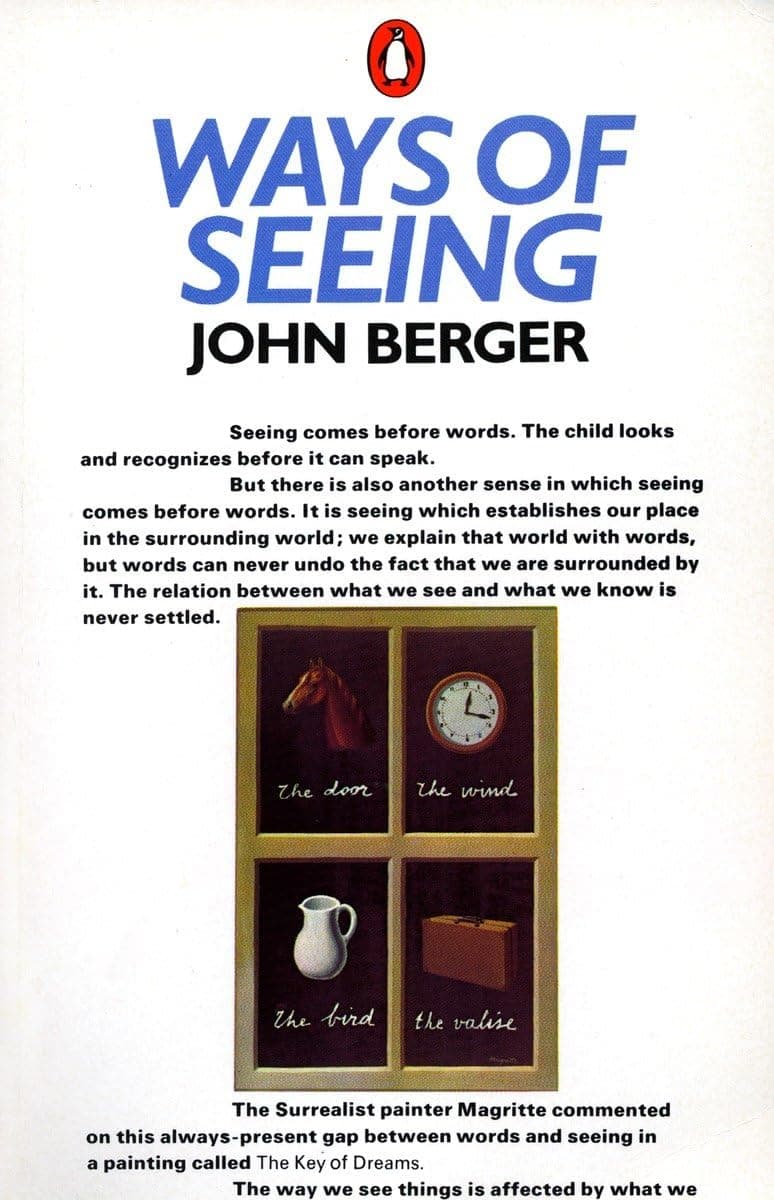
Oil paintings advertised what their owners owned, Berger argues, and the nude was arranged for a man looking on. Men act and women appear, he writes, and advertising took the habit over intact.

The men who walked America into Vietnam were the most credentialed in Washington, and Halberstam shows how their brilliance became the problem. He reconstructs the meetings and memos that made escalation feel reasonable.
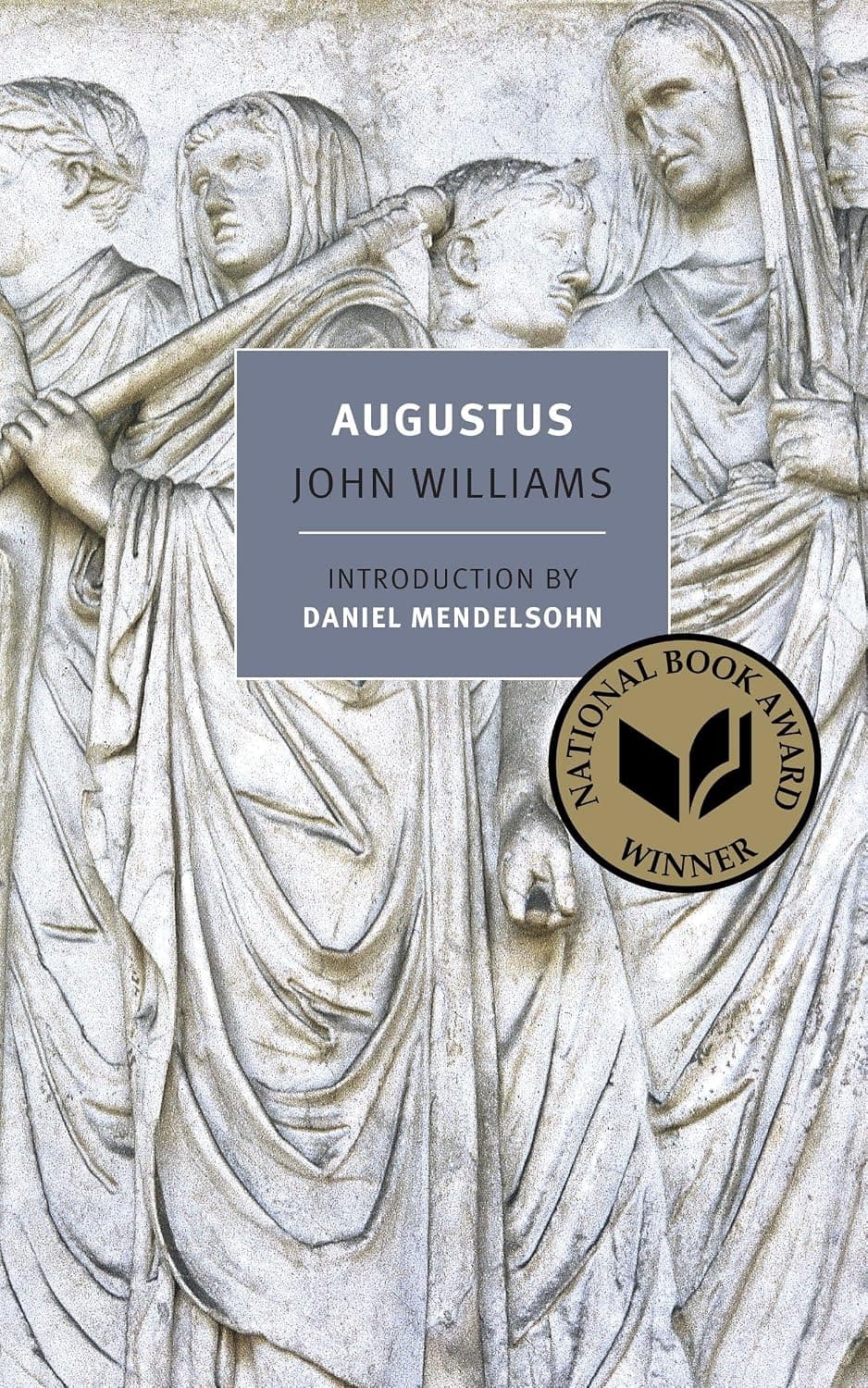
Rome's first emperor assembled from other people's letters: soldiers, poets, conspirators, and the daughter he sends into exile. Williams shows how a sickly boy became master of the world and what it cost.

Desire is not lack but production, and psychoanalysis crushes it into the triangle of daddy, mommy and me. Foucault proposed retitling Deleuze and Guattari's book Introduction to the Non-Fascist Life.

Two decades after covering the Brooklyn Dodgers for a newspaper, Kahn found the same men in middle age, one paralyzed. What began as a baseball book becomes an elegy for everyone's youth.
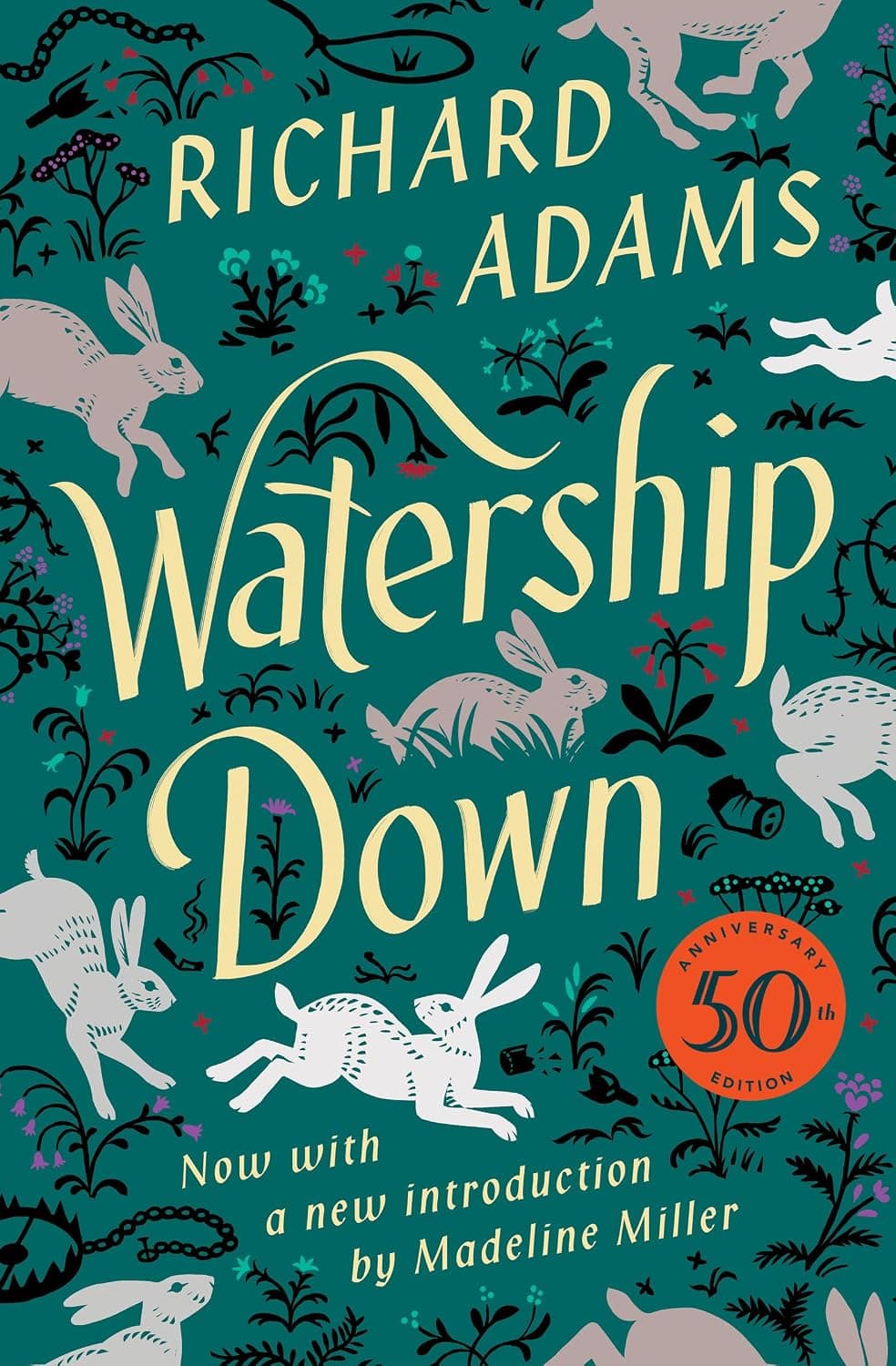
Fiver the rabbit senses blood covering the field, and others follow him out before the bulldozers come. Adams gives them their own language and mythology, then sets them against a rabbit police state.
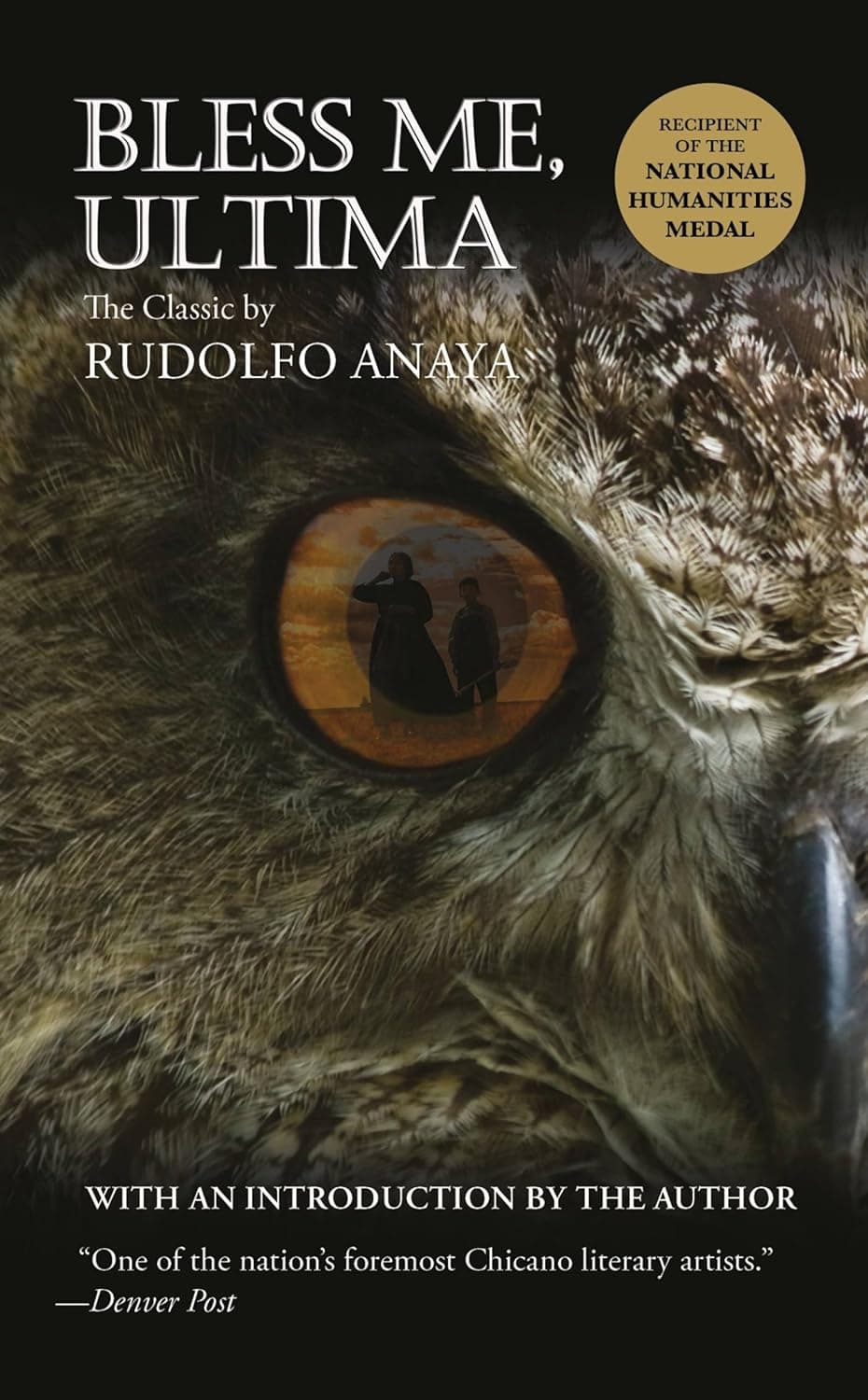
Ultima, a folk healer, joins Antonio's family in wartime New Mexico, and the boy is pulled between his mother's church and his father's plains. Schools have taught it and banned it ever since.

Americans in Vietnam were fighting a country they never tried to understand, FitzGerald argues, explaining Confucian village order and the mandate of heaven to readers whose sons were still being sent there.
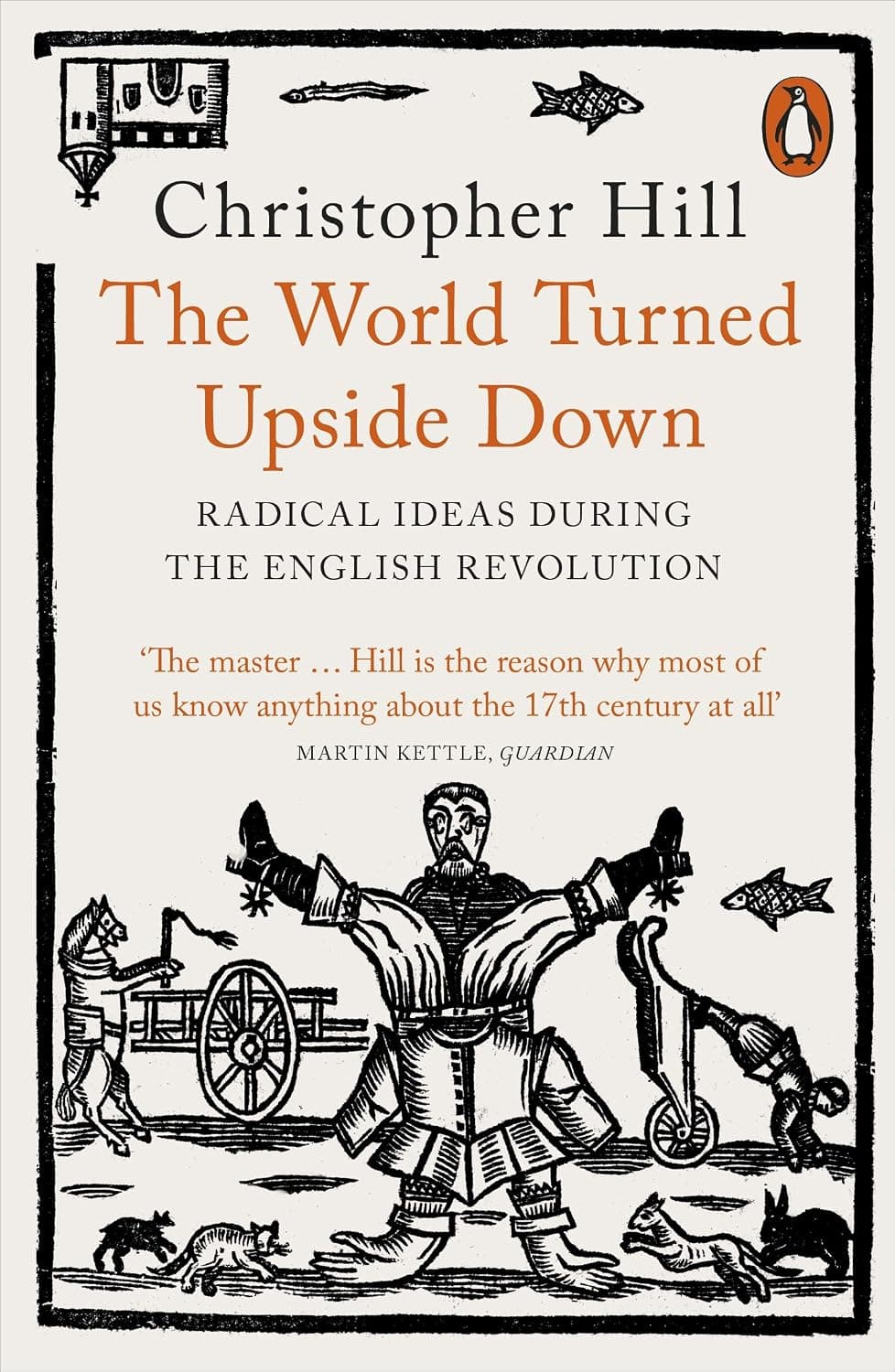
While Parliament fought the king, tinkers and soldiers were arguing for common land, free love, and no clergy. Hill recovers the Diggers, Levellers and Ranters, and the revolution that never came off.