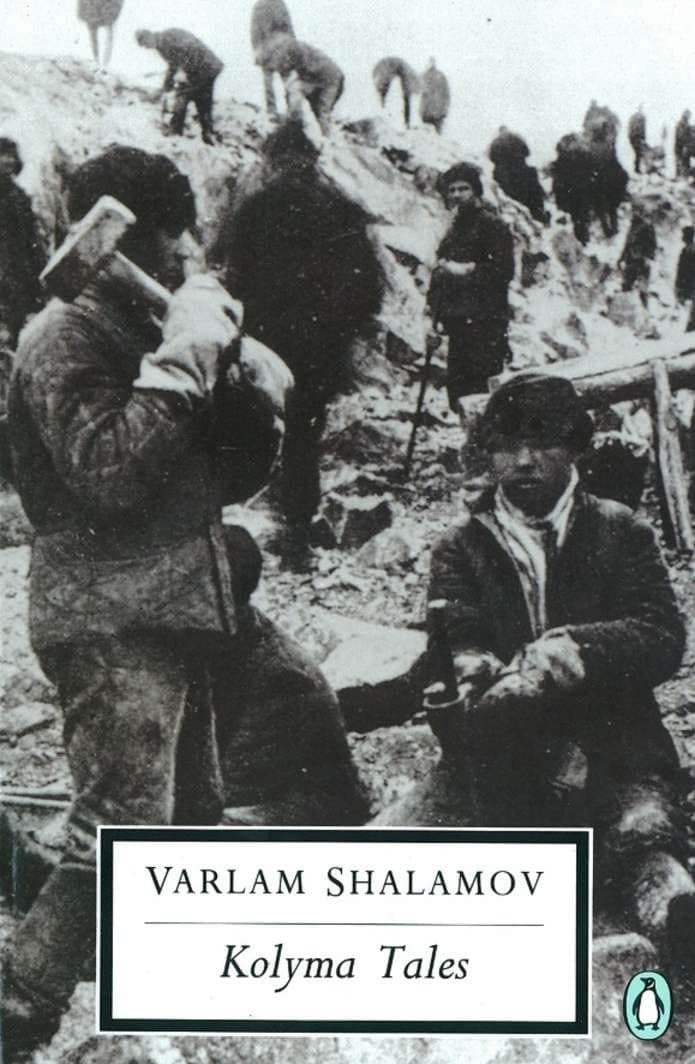
Kolyma Tales
1978 · 508 pages
Shalamov spent seventeen years in the Kolyma camps. His stories are short, about frostbite and stolen bread and men too weak to lift a shovel, and he insists that suffering teaches nothing.
★ 7.1
 skopia
Shalamov spent seventeen years in the Kolyma camps. His stories are short, about frostbite and stolen bread and men too weak to lift a shovel, and he insists that suffering teaches nothing.
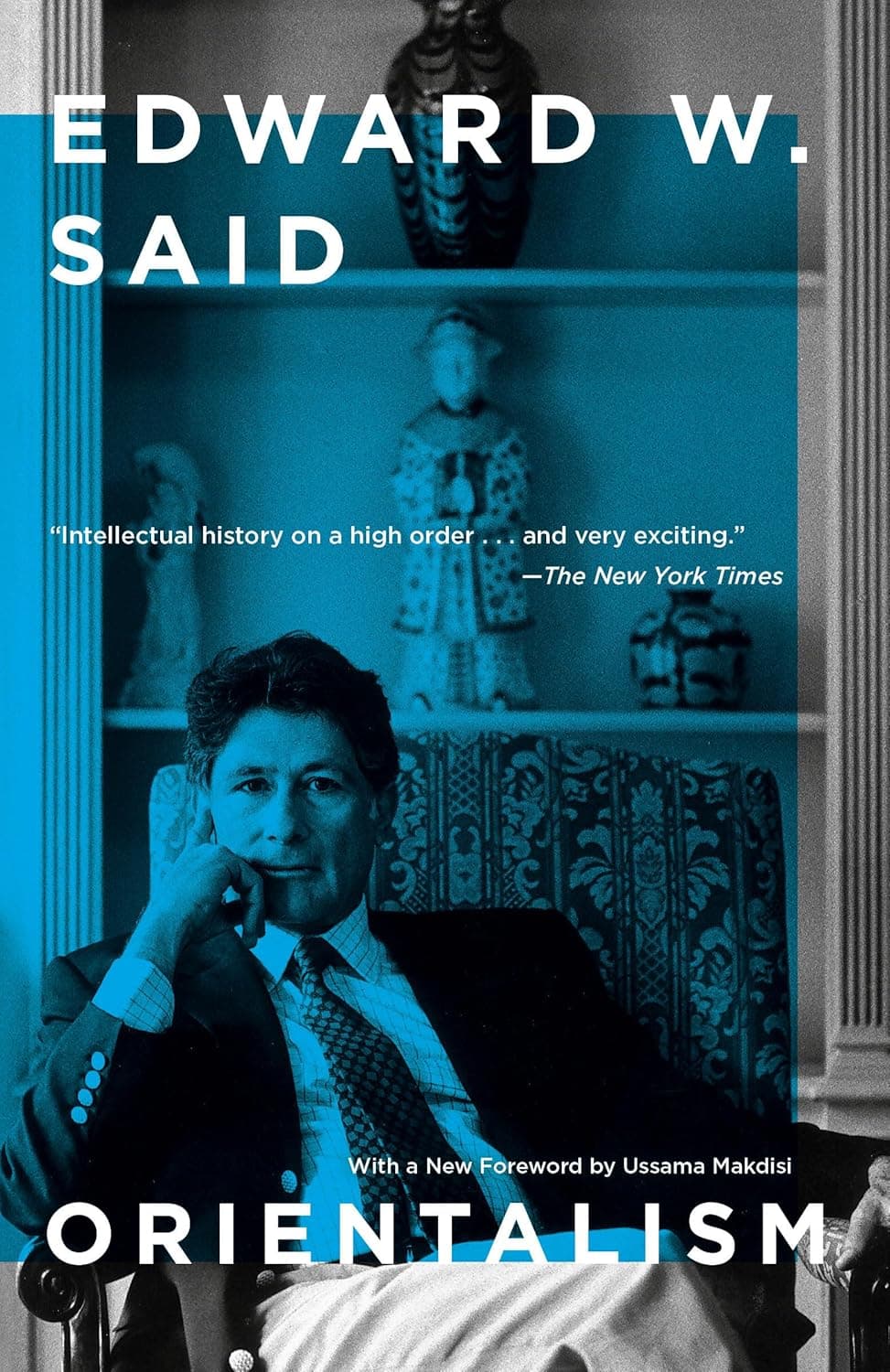
Western scholarship on the East was never neutral, Said argues: scholars and novelists built an exotic, backward Orient that empire could claim to govern. He upended how the West studies everyone it ruled.

Tuchman holds the fourteenth century up as a mirror to our own: plague killing a third of Europe, a war without end, and one French nobleman whose life ran through all of it.

Take the facade off a Paris apartment house: Perec fills every room with a life and threads them around an Englishman whose fifty-year project is designed to leave no trace on the world.

Human beings want what other people want, Girard argues, and communities discharge the violence by killing one arbitrary victim together. Myth hides that murder. The Gospels expose it by calling the victim innocent.
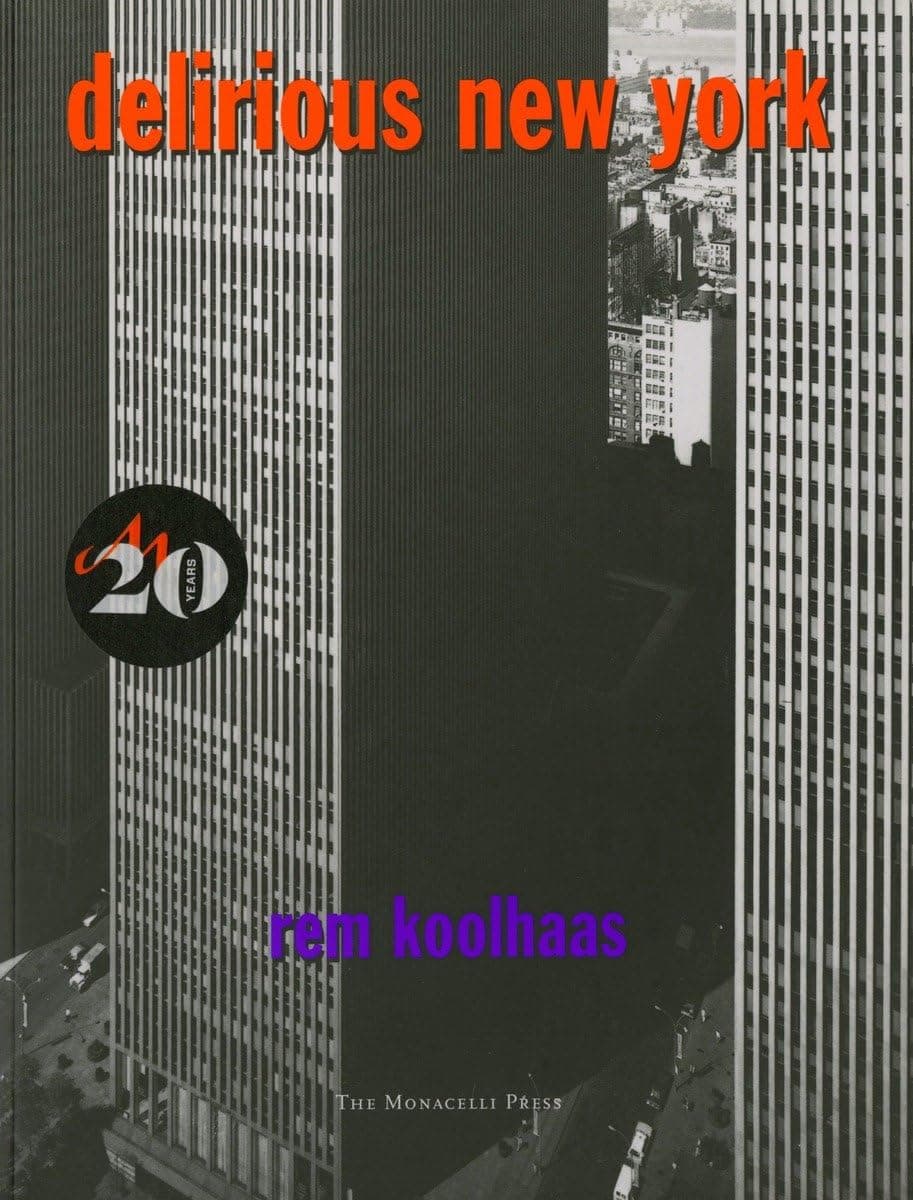
Manhattan built itself without a theory, so Koolhaas supplied one afterward: the grid, the skyscraper, and Coney Island as a culture of congestion. He turned density from planning's disease into architecture's ambition.

Months after his wife's death, Matthiessen walks deep into the Nepalese Himalaya with a biologist counting blue sheep, studying Zen as he goes and watching for a snow leopard he never sees.