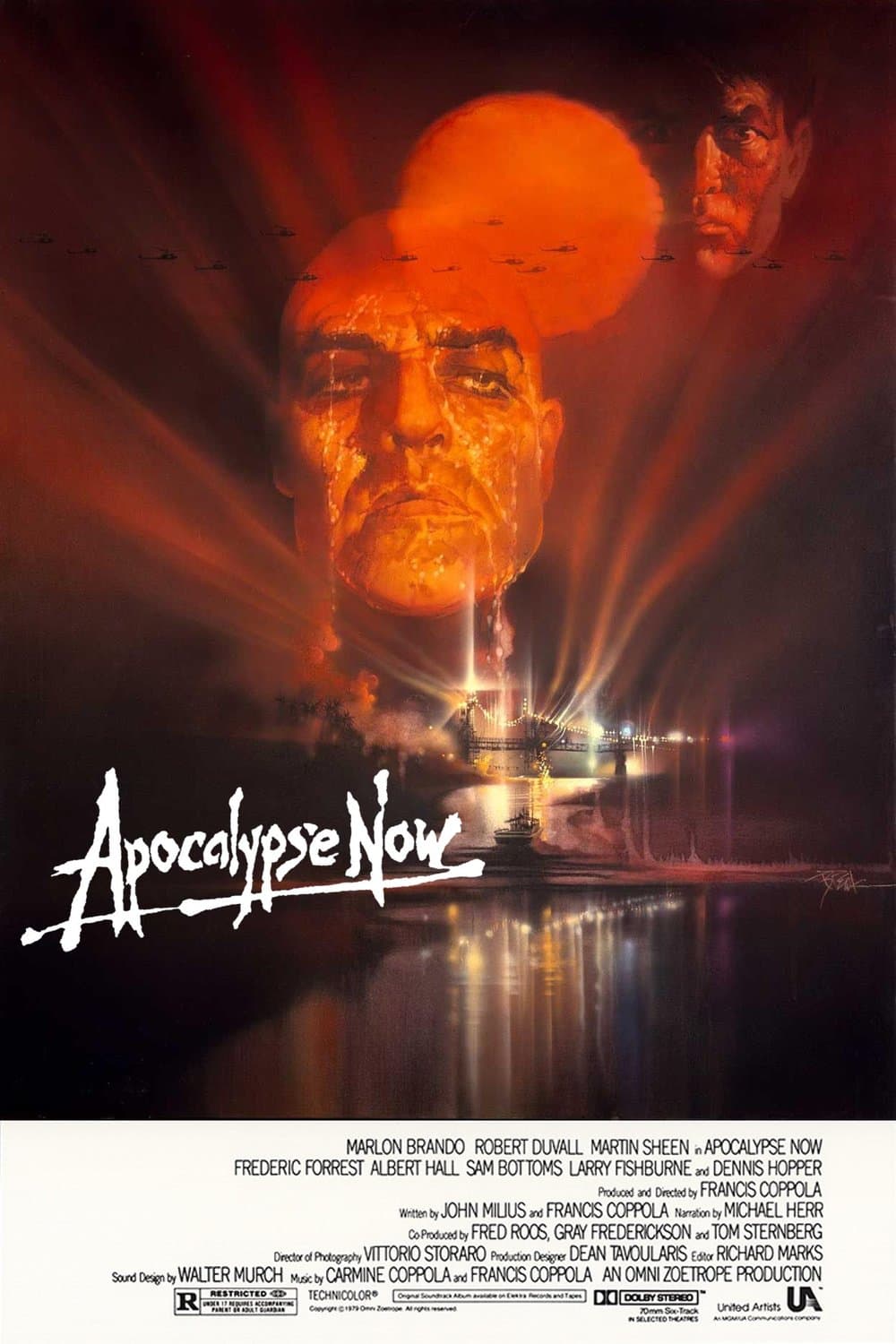
Apocalypse Now
Directed by Francis Ford Coppola
1979
No production has ever gone further off the rails or shown it more clearly: Coppola's Vietnam abandons the war film for pure hallucination, and the helicopters over the trees are permanent.
★ 9.7
 skopia
No production has ever gone further off the rails or shown it more clearly: Coppola's Vietnam abandons the war film for pure hallucination, and the helicopters over the trees are permanent.
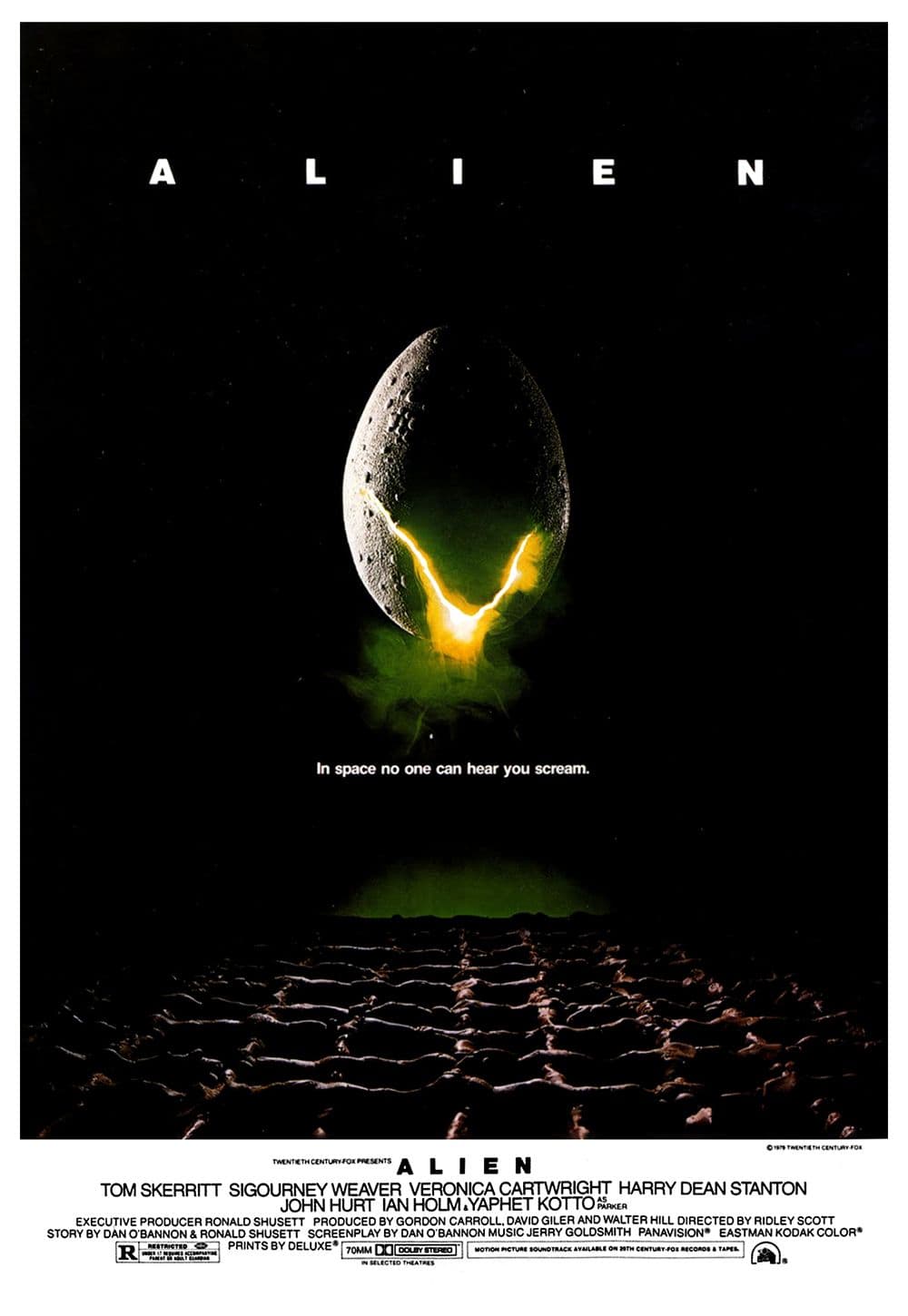
Giger's creature is still the most frightening thing anyone has designed for a screen: Scott fused haunted house and space opera, and put a woman at the center of both.
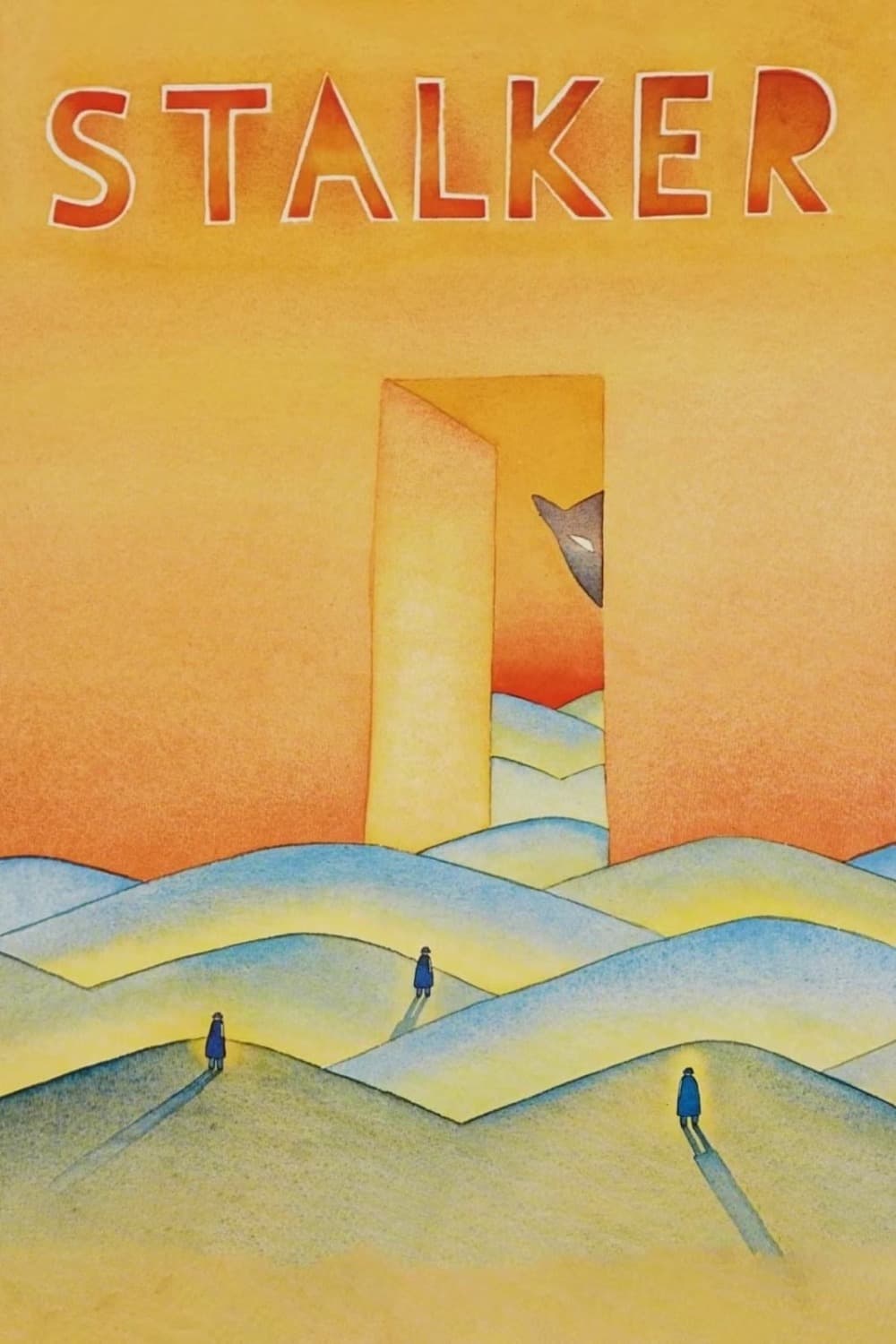
Nothing else in cinema moves this slowly and holds this completely: Tarkovsky walks three men into a forbidden zone for nearly three hours, and almost nothing happens.
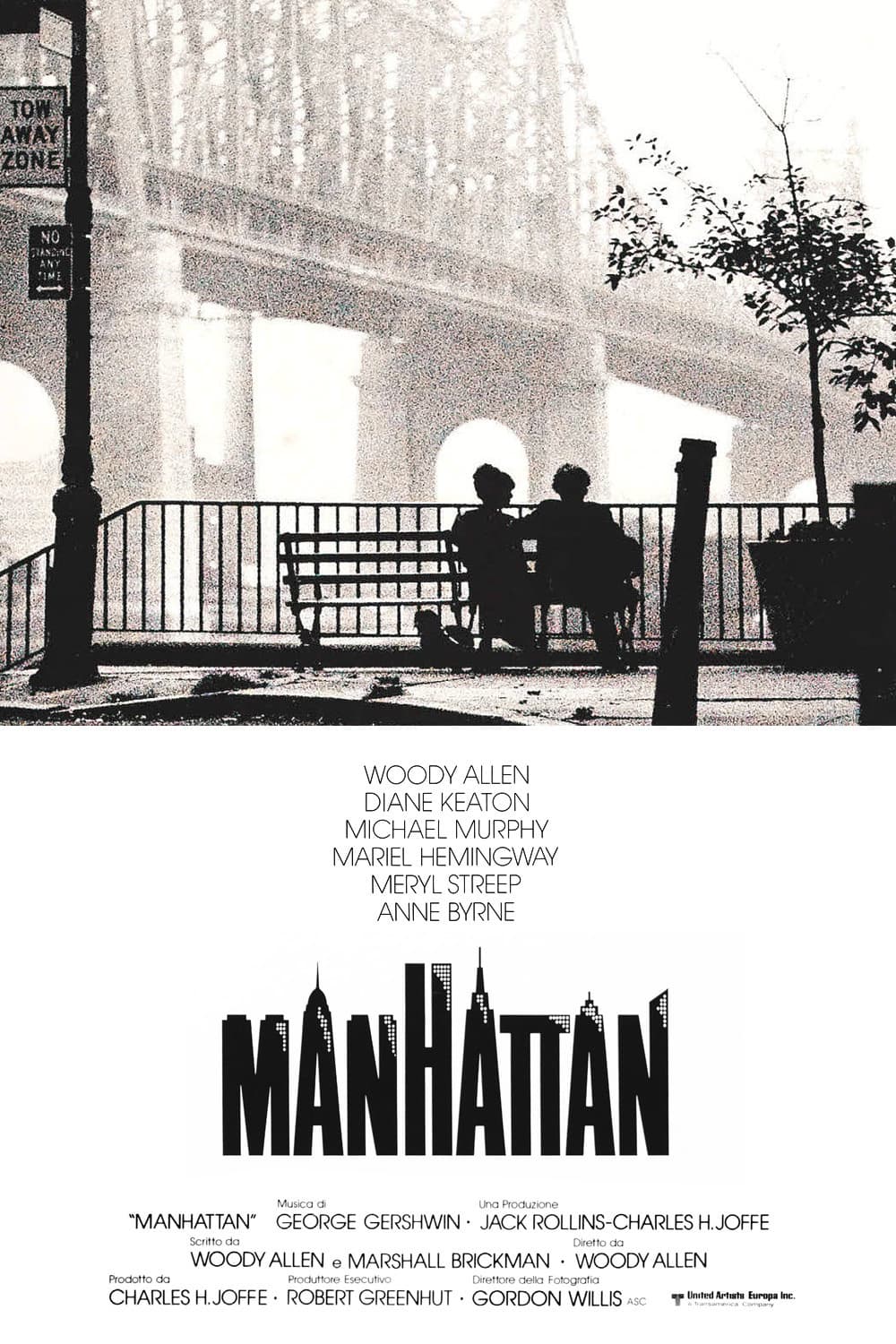
It opens with the best love letter any city has received: Gershwin over black and white Manhattan, and then two hours of people ruining their lives beautifully.
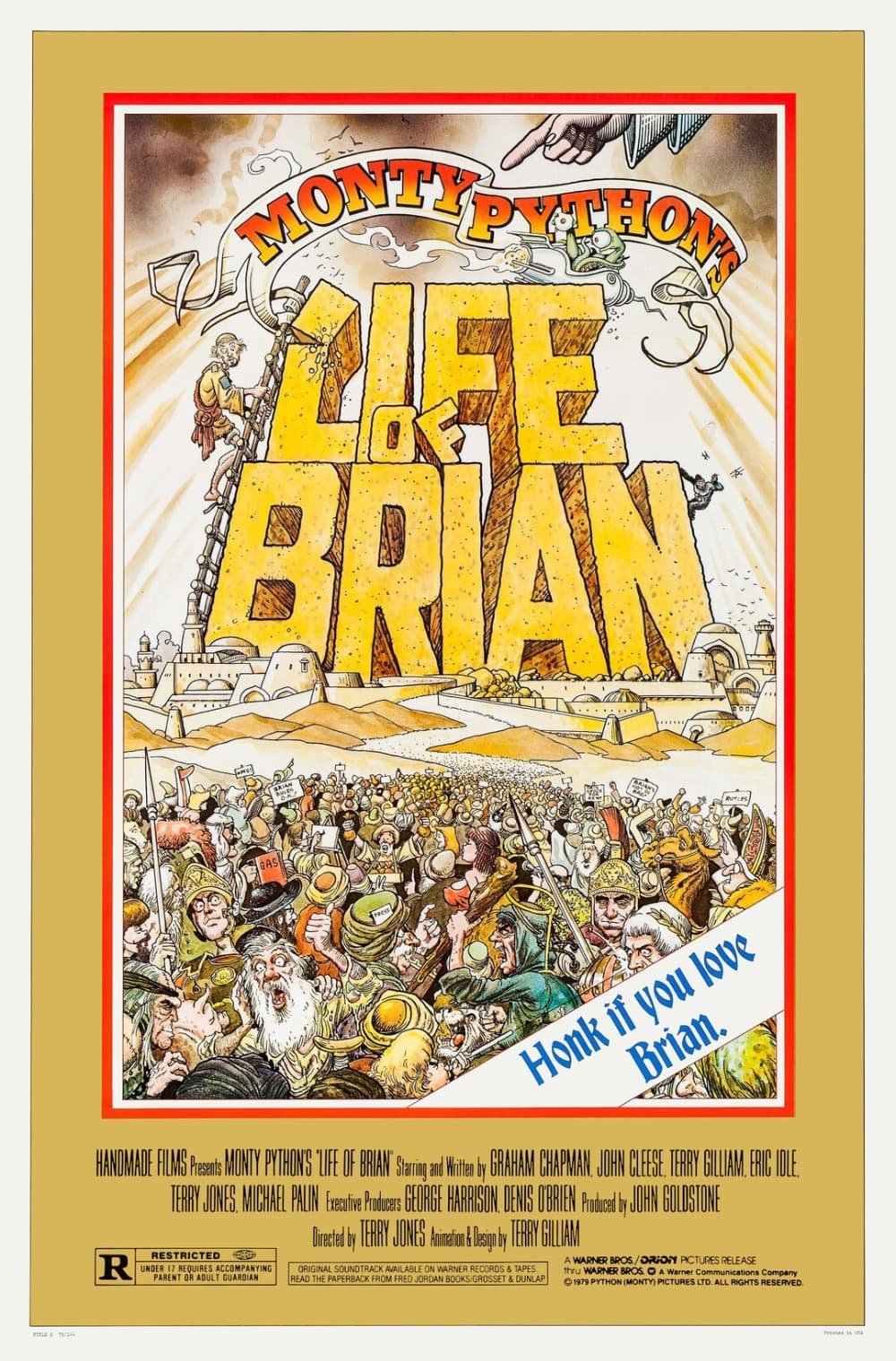
Councils across Britain banned it and Norway would not show it at all: the Pythons went after zealotry rather than faith, which is exactly why it still works.
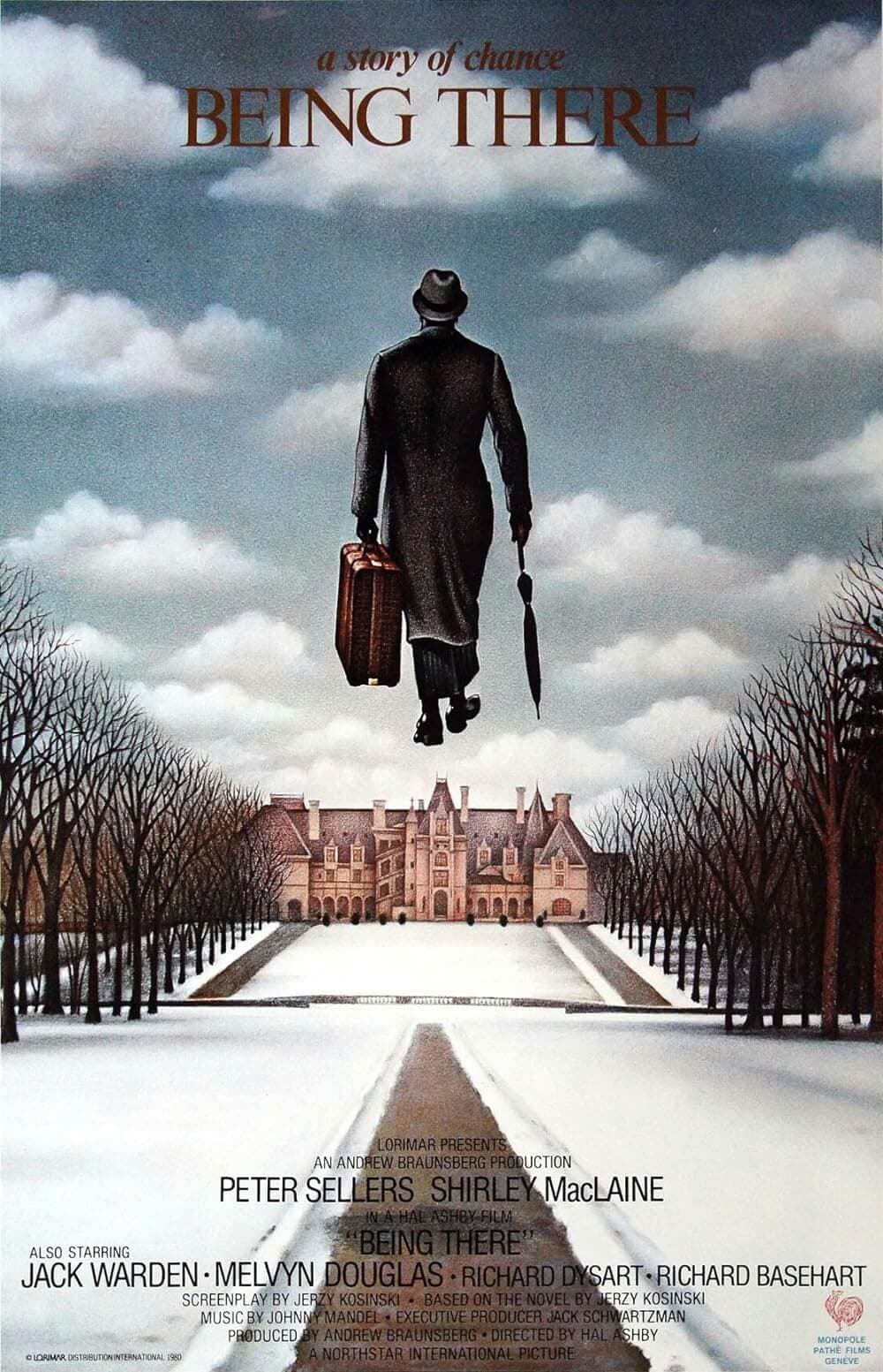
Peter Sellers chased this part for years and considered it the best work he ever did: a gardener who has only ever watched television is mistaken for a sage.
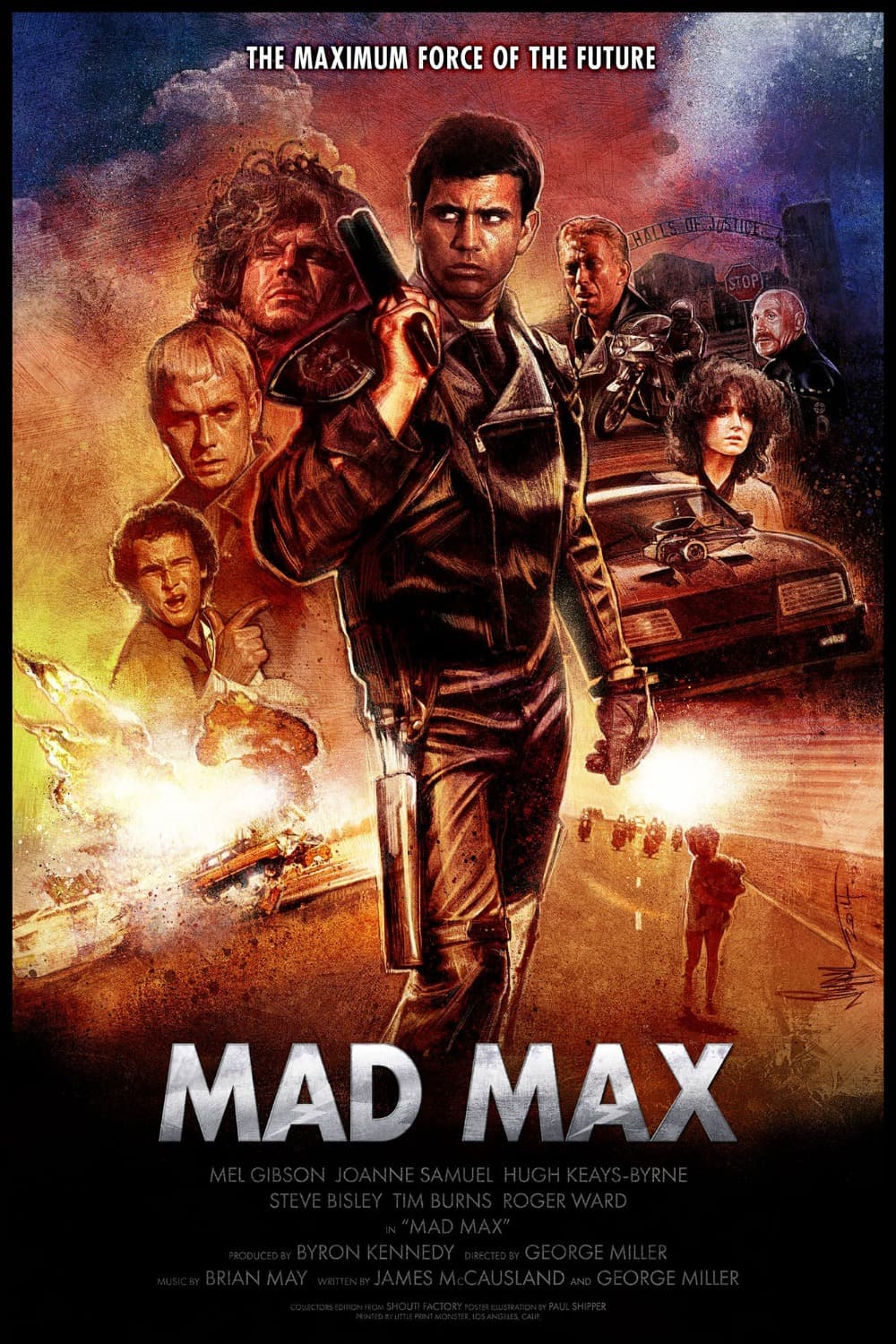
Made in Australia for four hundred thousand dollars and held a record for return on investment: George Miller was an emergency room doctor, and the crashes look like things he had seen.
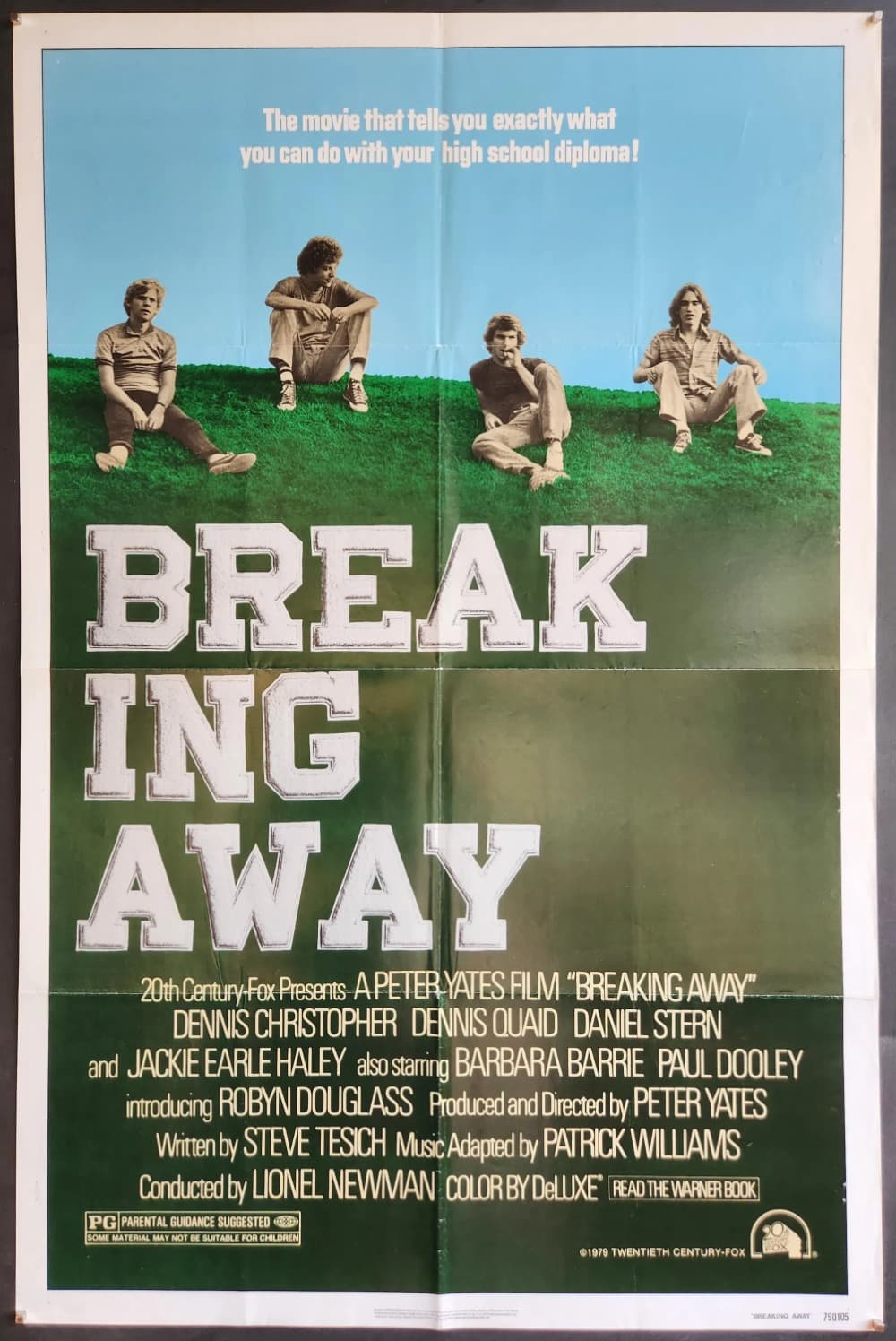
No sports film is sweeter, and the sport barely matters: an Indiana teenager pretends to be Italian because he loves bicycle racing, and the town's class divide does the rest.
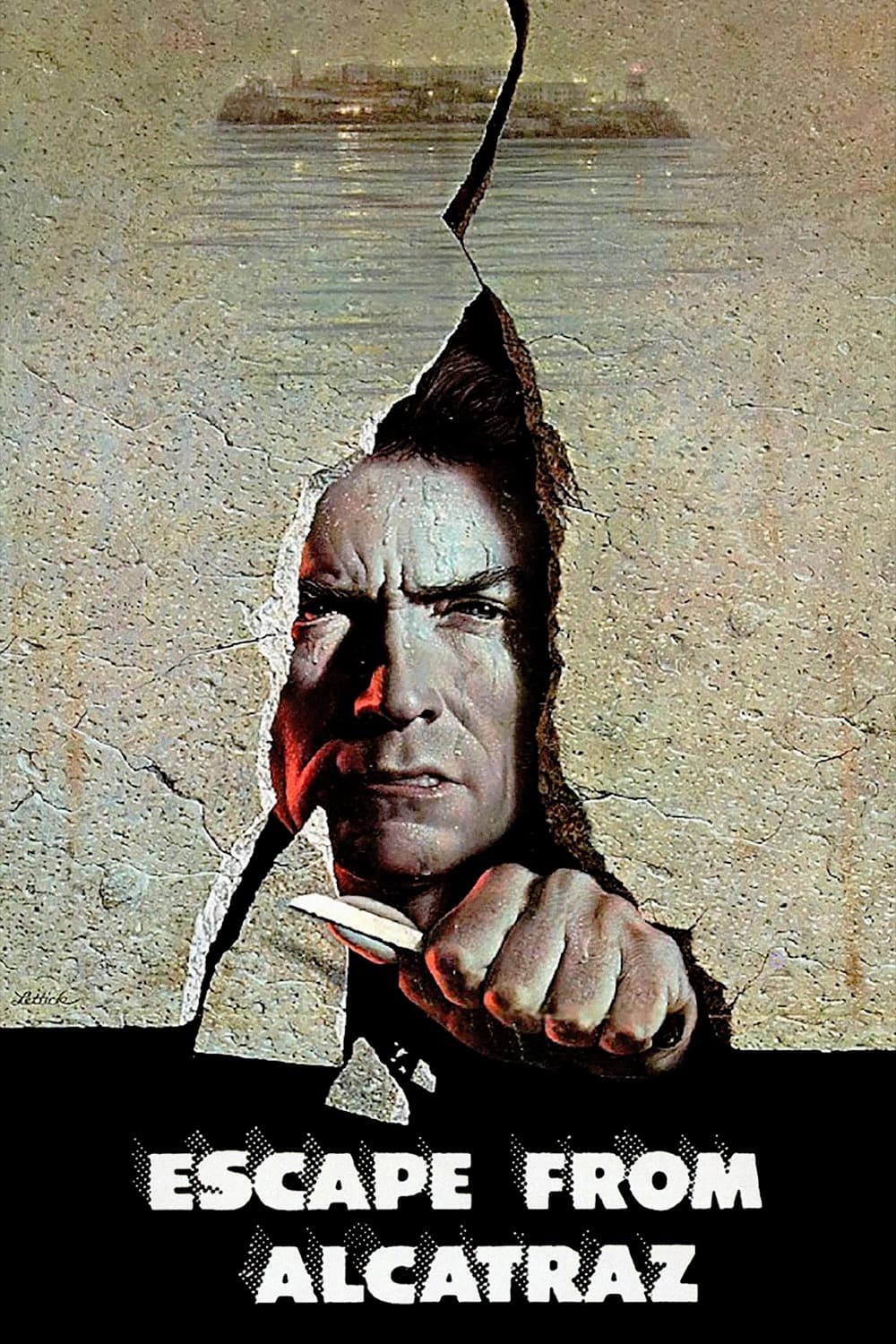
Shot on the actual island, in the actual cells: Don Siegel films a 1962 escape as pure method, spoons and paint and papier-mache heads, and explains nothing to anyone.
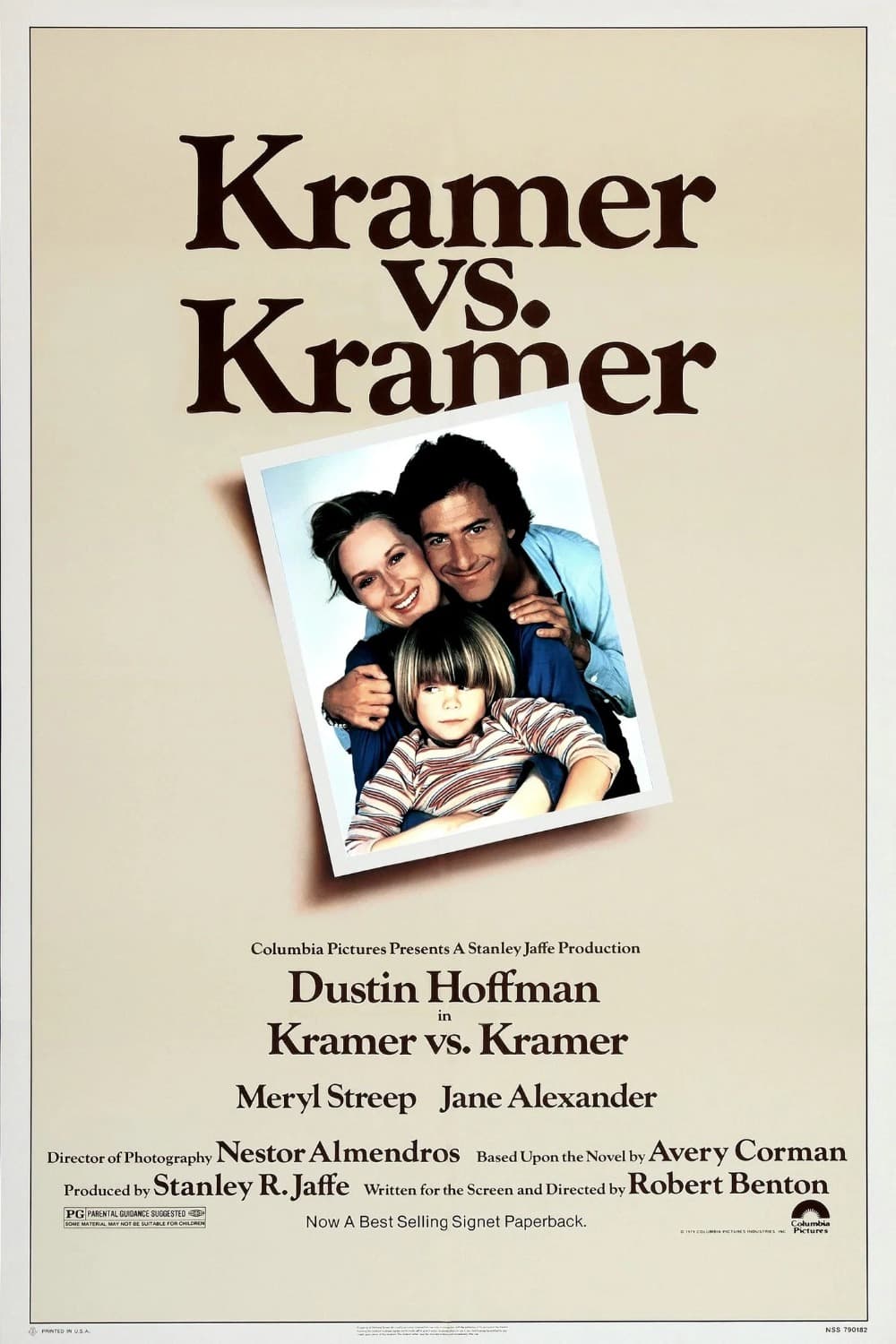
Meryl Streep rewrote her own courtroom speech because she thought the script had the mother wrong: a custody fight filmed at kitchen-table level, where the child is the only honest party.
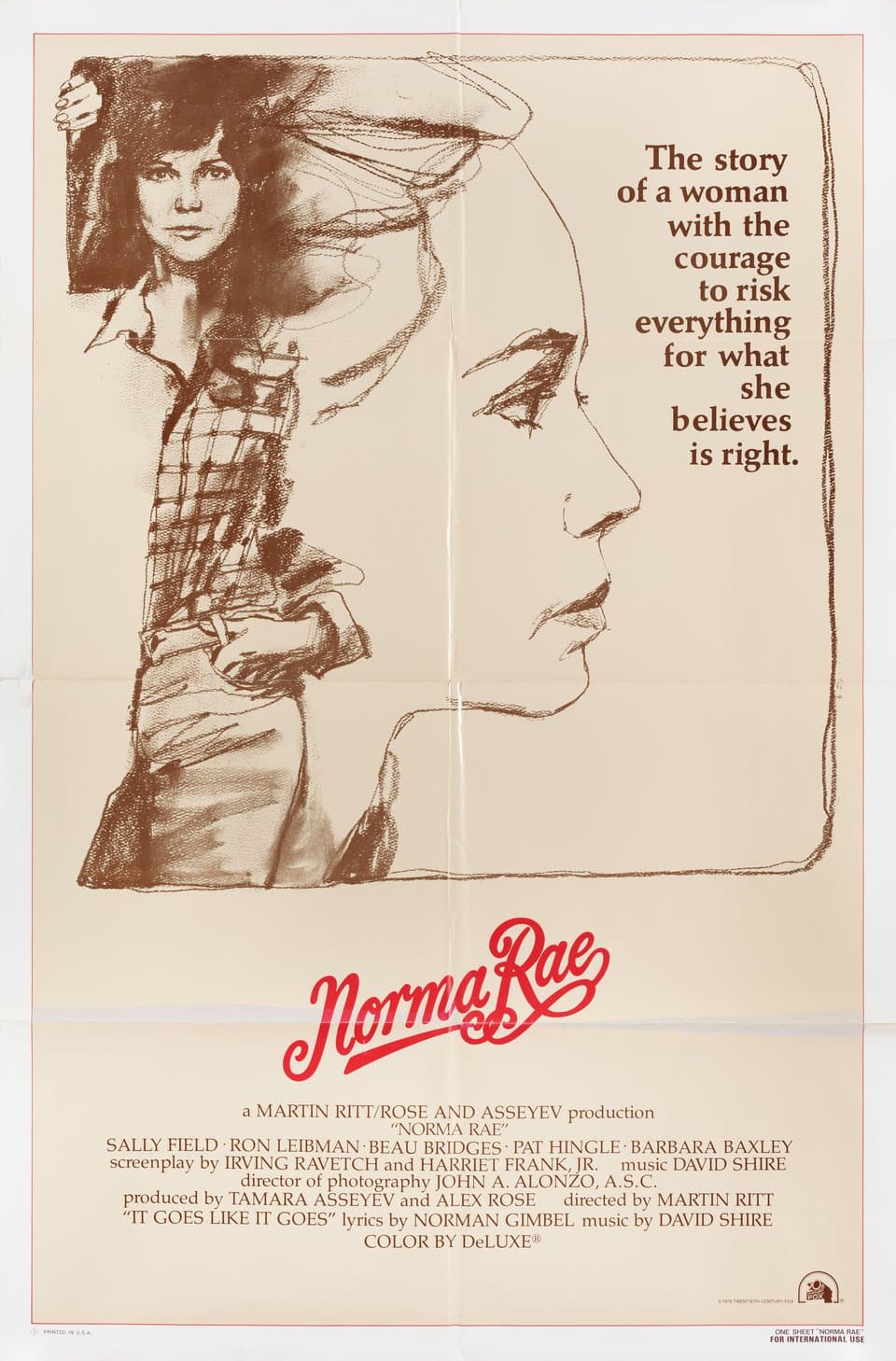
Sally Field took Best Actress and the union organizing is filmed as actual work: a North Carolina textile mill, a hired organizer from New York, and a millhand who starts asking questions.
Steve Martin's first starring role opens with him claiming to have been born a poor black child, and never stops that far from the line: pure stupidity performed with total commitment.
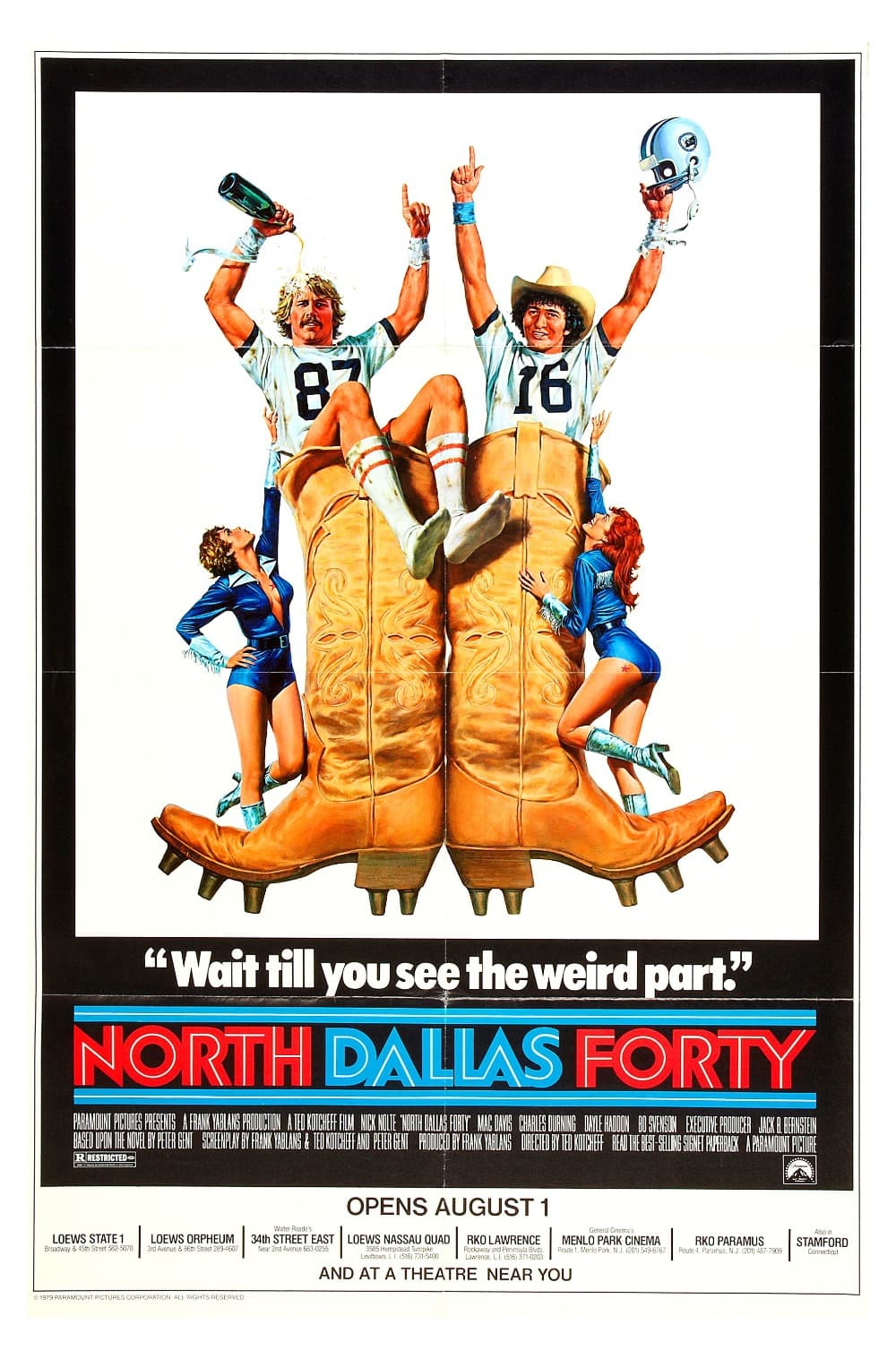
The NFL refused all cooperation and players said it was the only accurate football film ever made: Nick Nolte plays a receiver held together by painkillers and stubbornness for one more season.