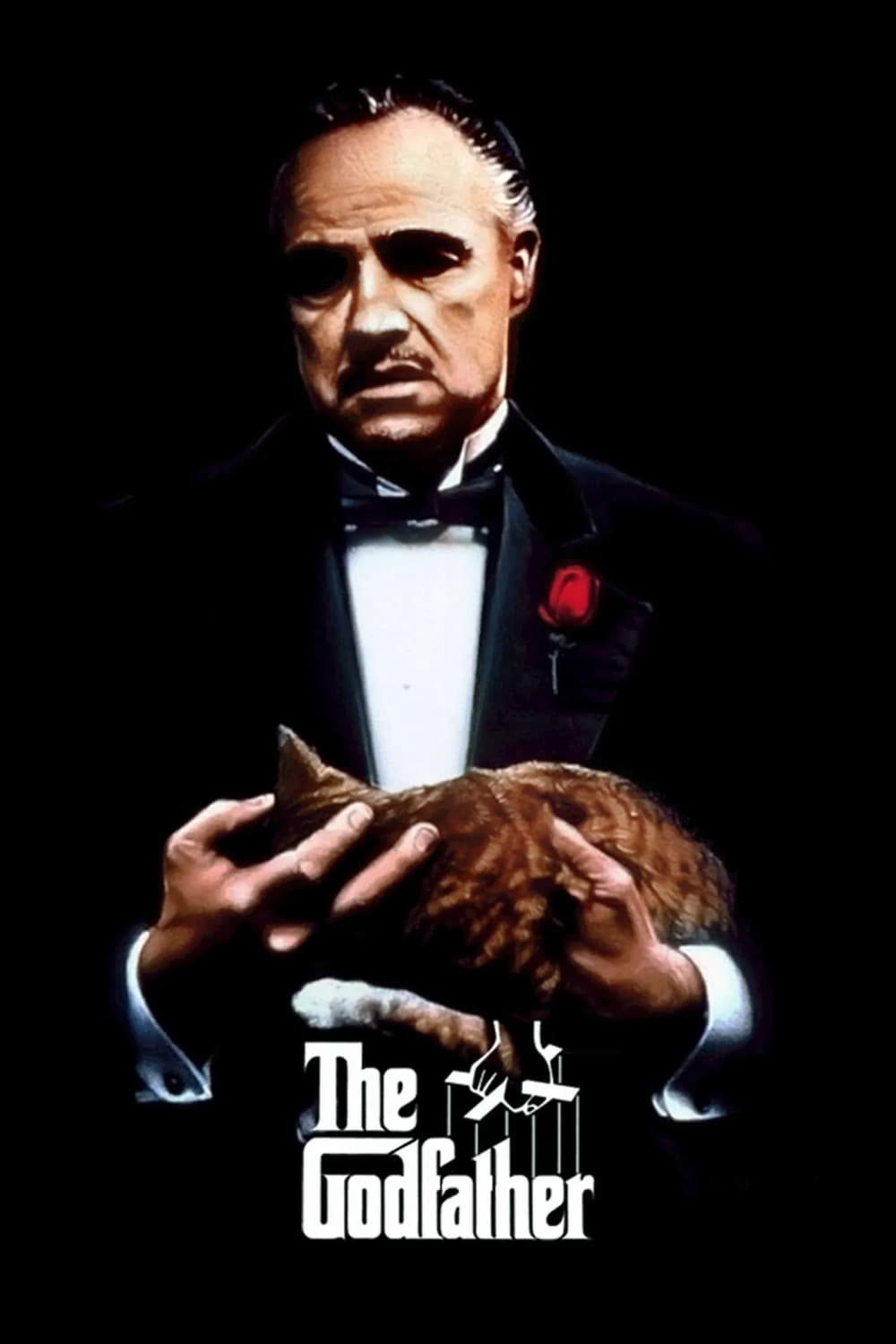
The Godfather
Directed by Francis Ford Coppola
1972
The summit of the American crime film: Coppola turned an immigrant family's rise and rot into the country's own epic, and made damnation look like a coronation.
★ 10.0
 skopia
The summit of the American crime film: Coppola turned an immigrant family's rise and rot into the country's own epic, and made damnation look like a coronation.
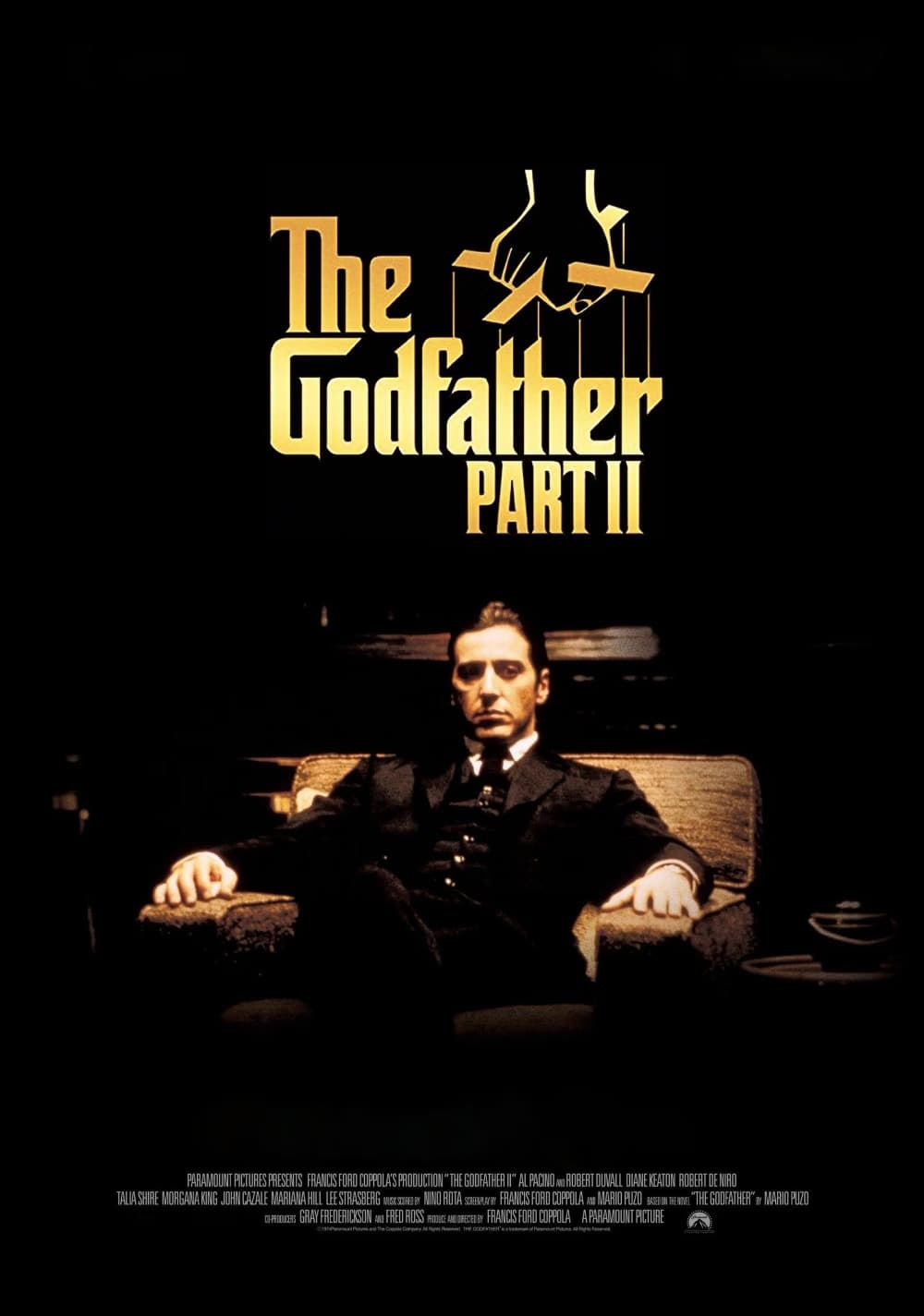
Coppola did what almost nobody manages, and made a sequel with a real claim to surpassing the original: two eras of one family run side by side, and the colder one wins.
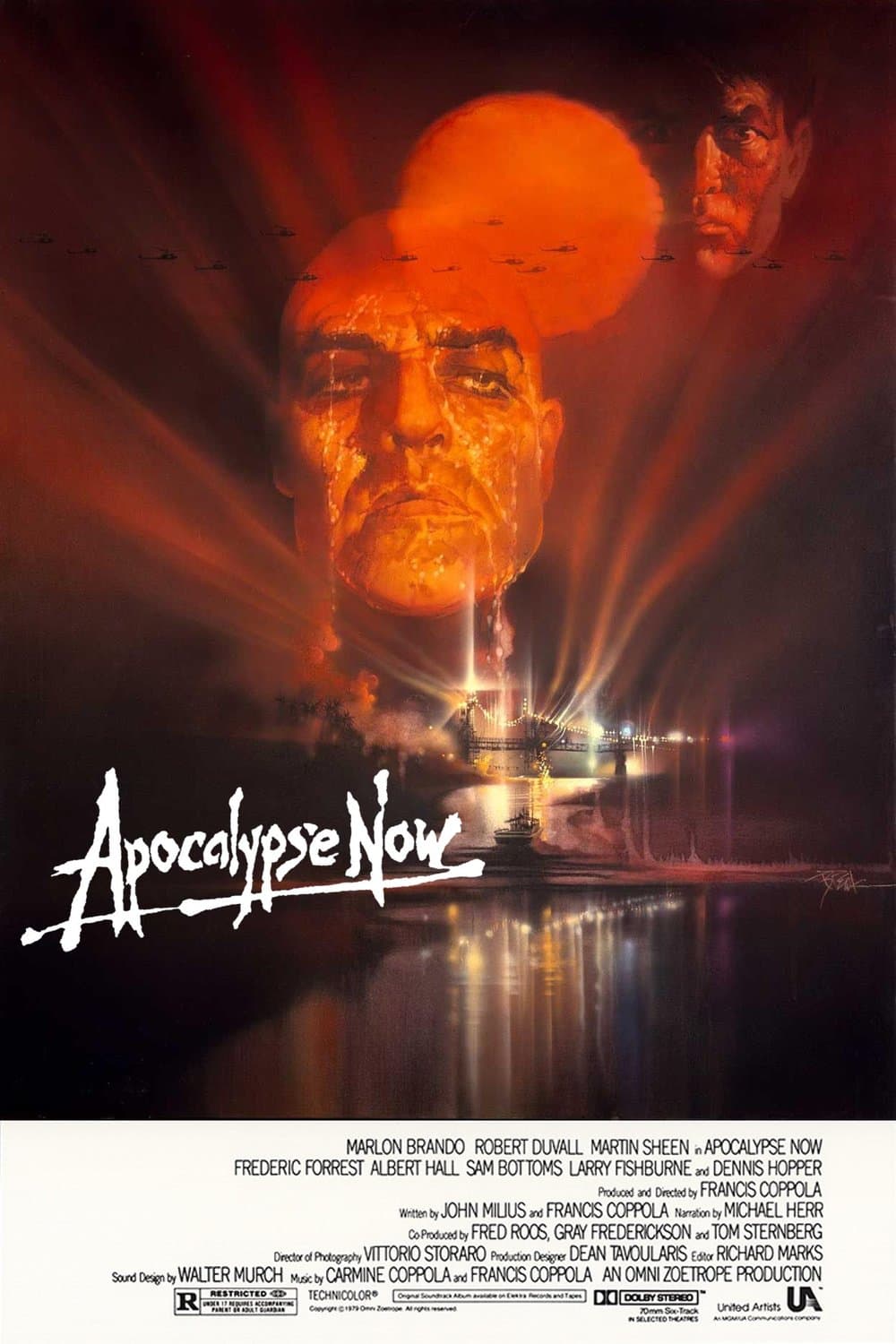
No production has ever gone further off the rails or shown it more clearly: Coppola's Vietnam abandons the war film for pure hallucination, and the helicopters over the trees are permanent.
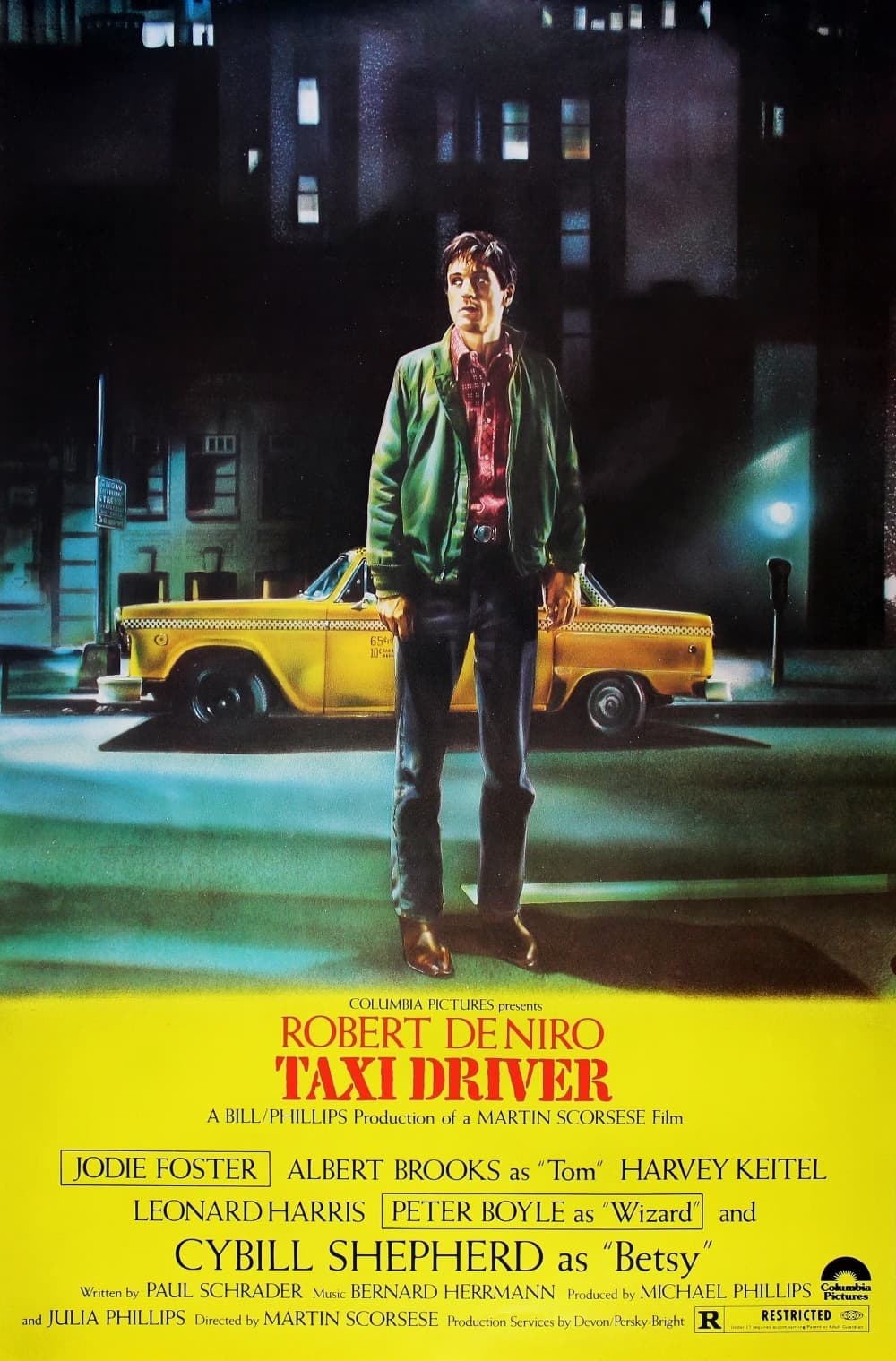
Travis Bickle escaped the picture and entered the language: Scorsese and De Niro made a lonely man's interior so exact that it stopped being about one man at all.

Modern Hollywood begins here: Lucas told the oldest story there is inside a universe that looked used and lived in, and the blockbuster has run the business ever since.
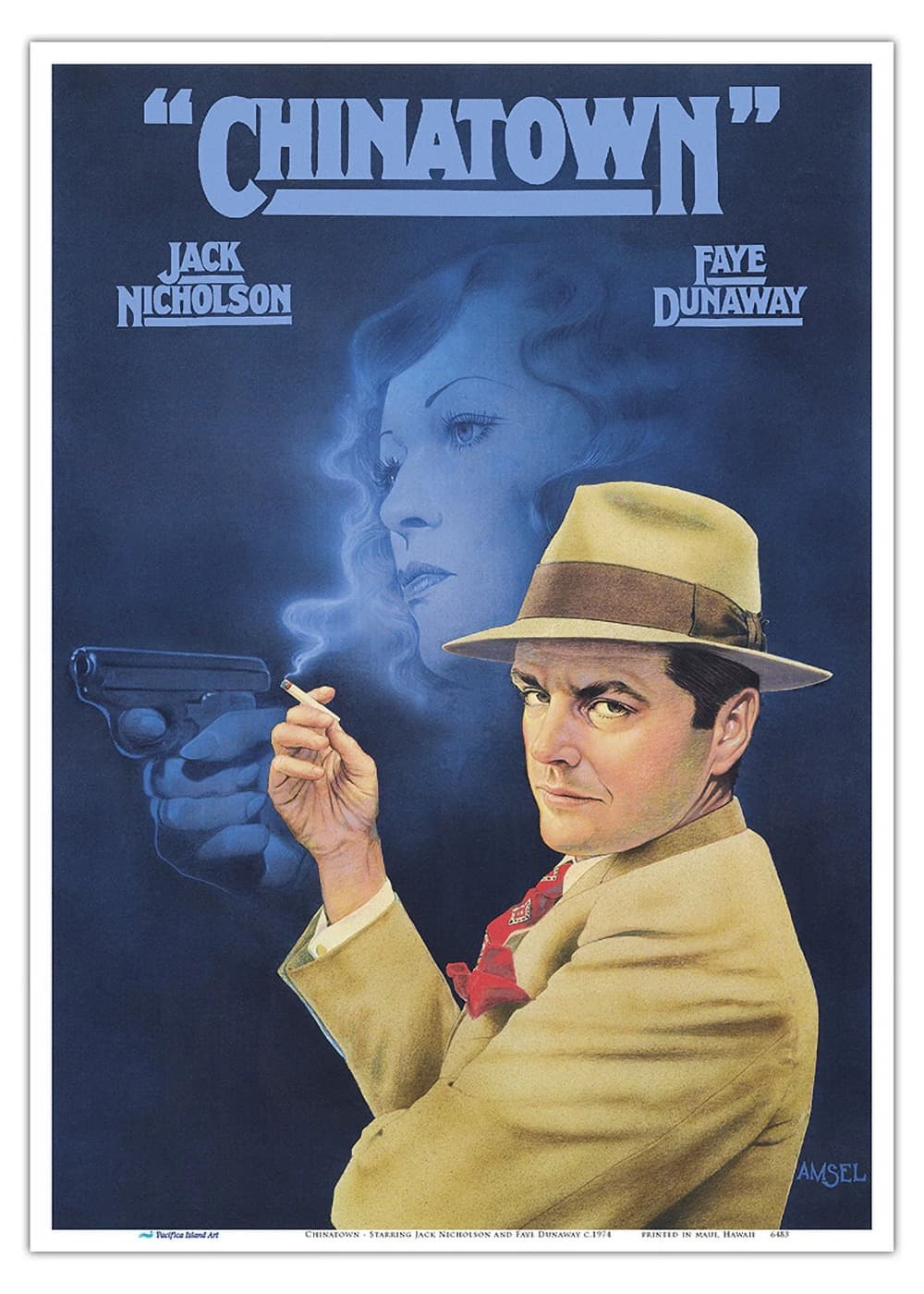
Screenwriters still take this one apart scene by scene to see how it works: Towne and Polanski built a mystery about stolen water that ends without a shred of mercy.
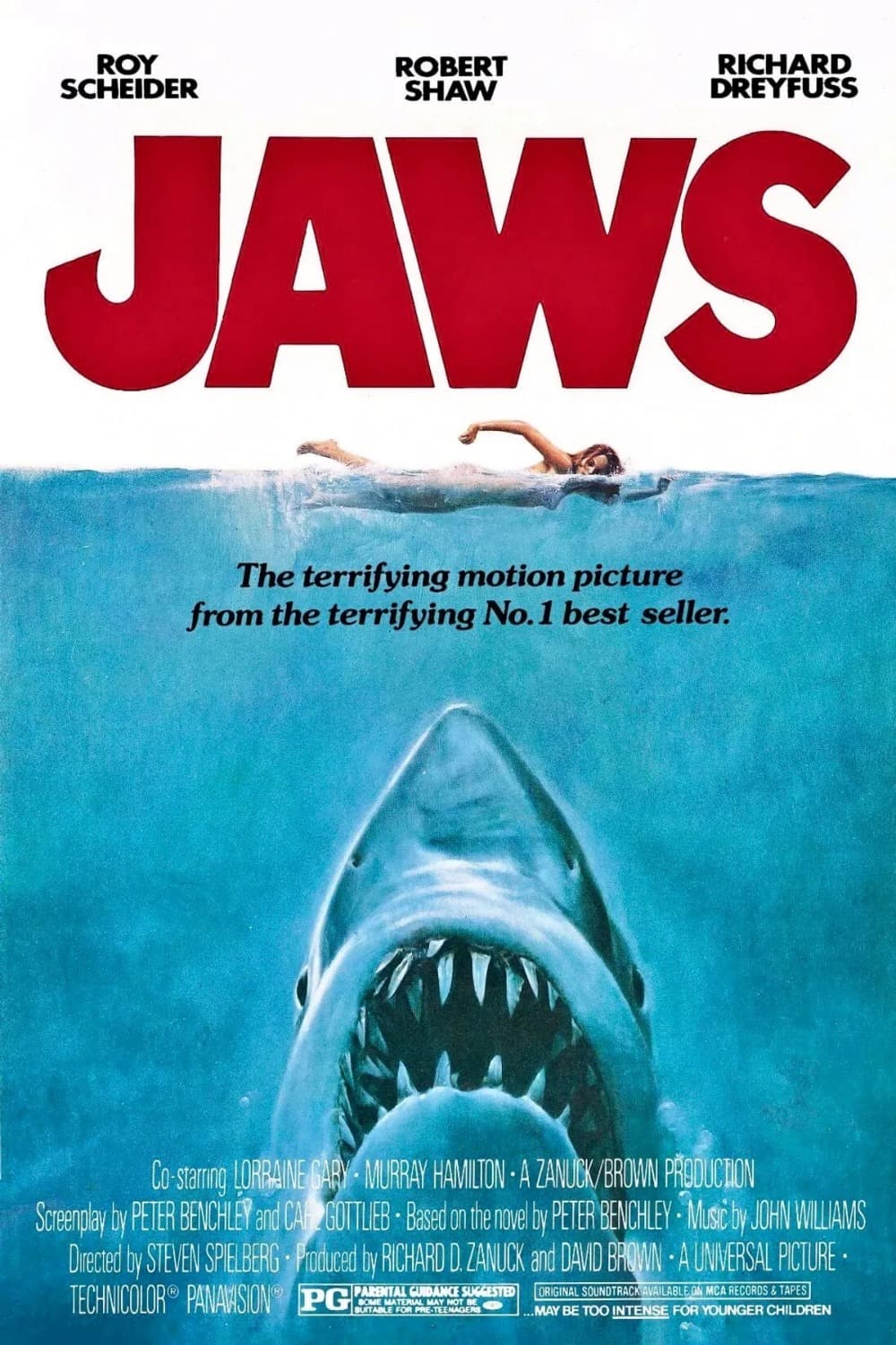
Summer blockbusters start here: the mechanical shark kept breaking, so Spielberg hid it, and accidentally proved that what you cannot see is worse than what you can.
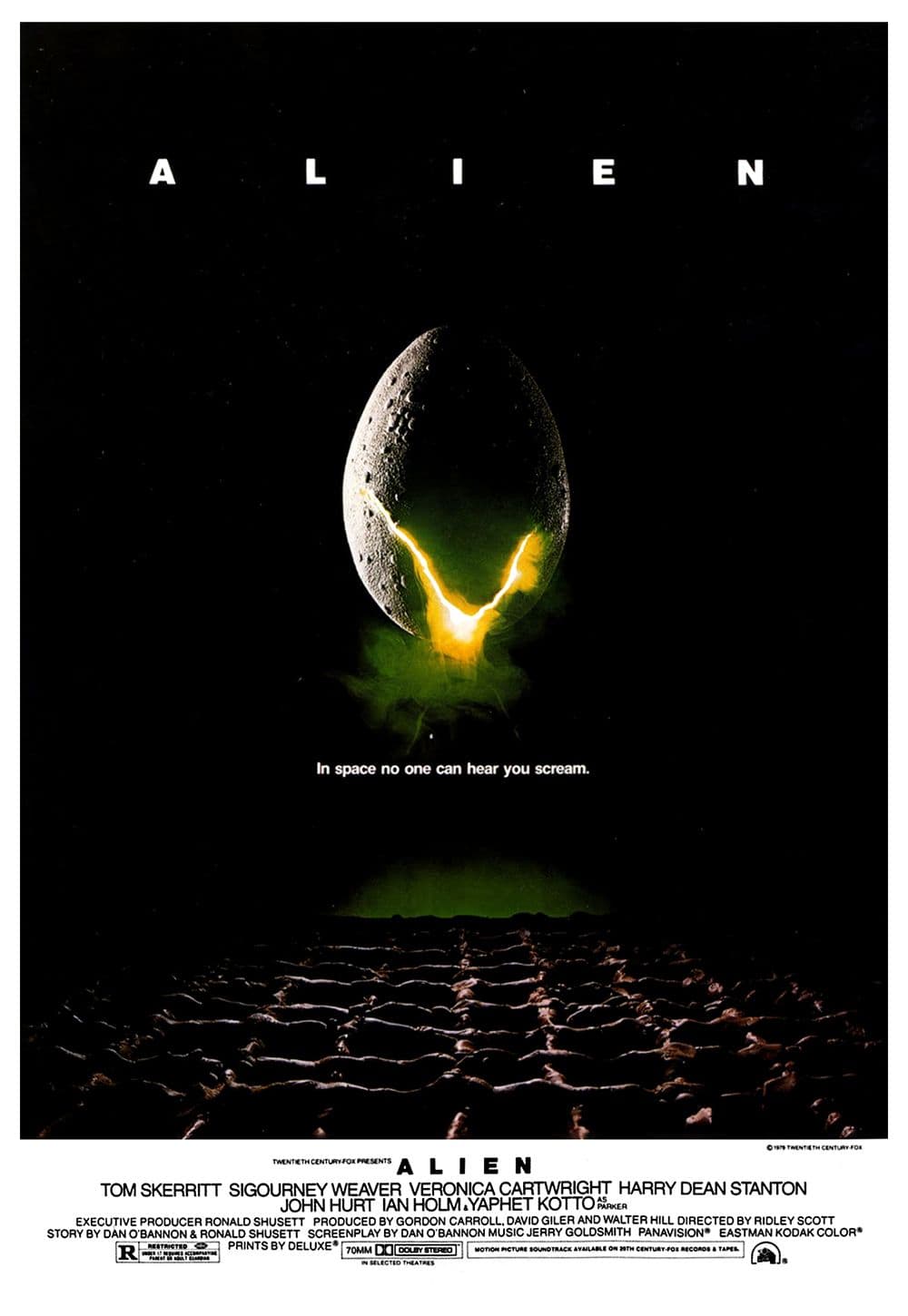
Giger's creature is still the most frightening thing anyone has designed for a screen: Scott fused haunted house and space opera, and put a woman at the center of both.

Nicholson against Nurse Ratched is the great screen battle of wills: a convict fakes insanity to serve his time in a hospital, and finds the ward already has a ruler.
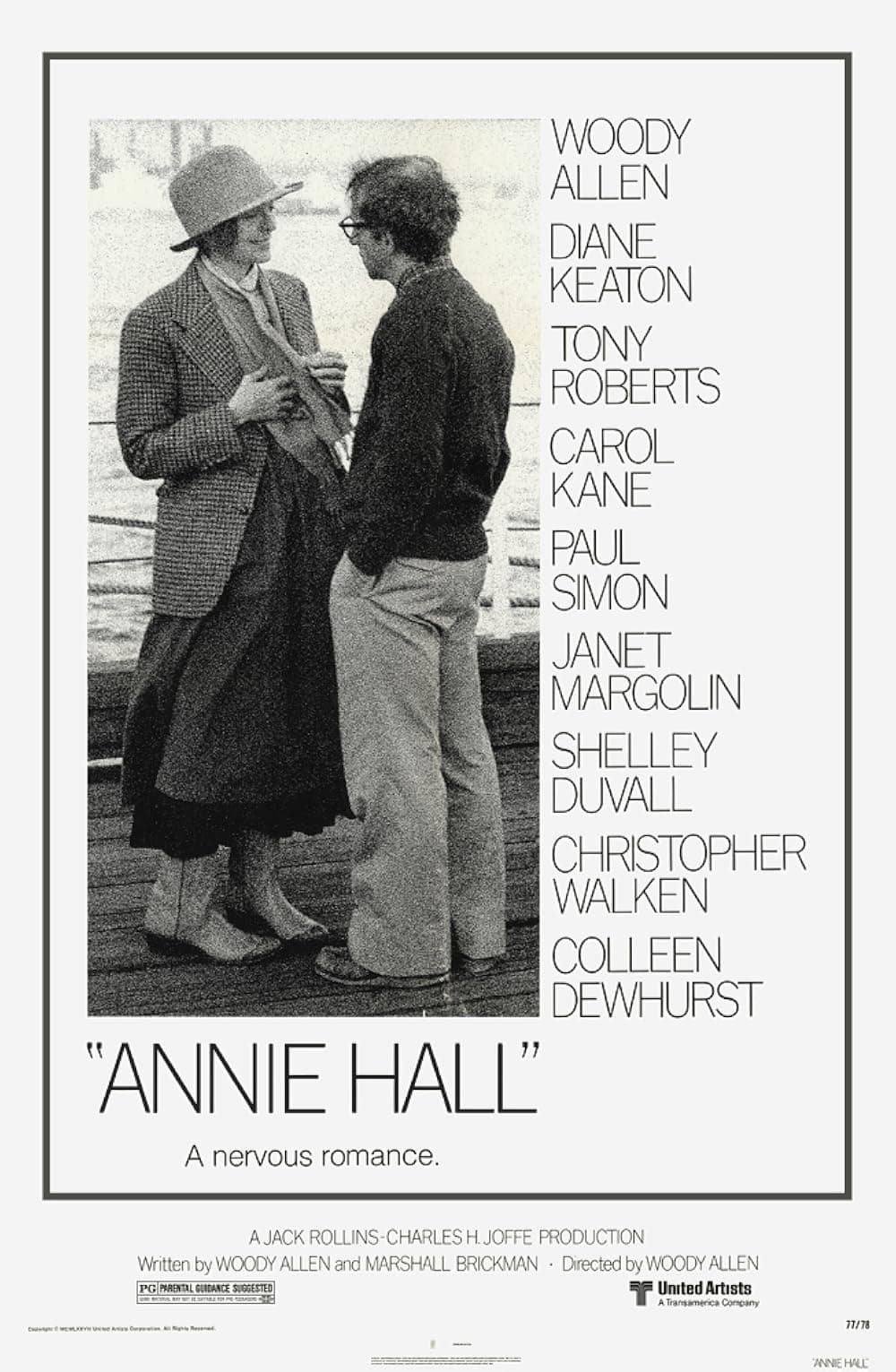
The romantic comedy has never recovered from it: Allen talks to the camera, walks into his own memories, drops subtitles over small talk, and breaks every rule the form had.
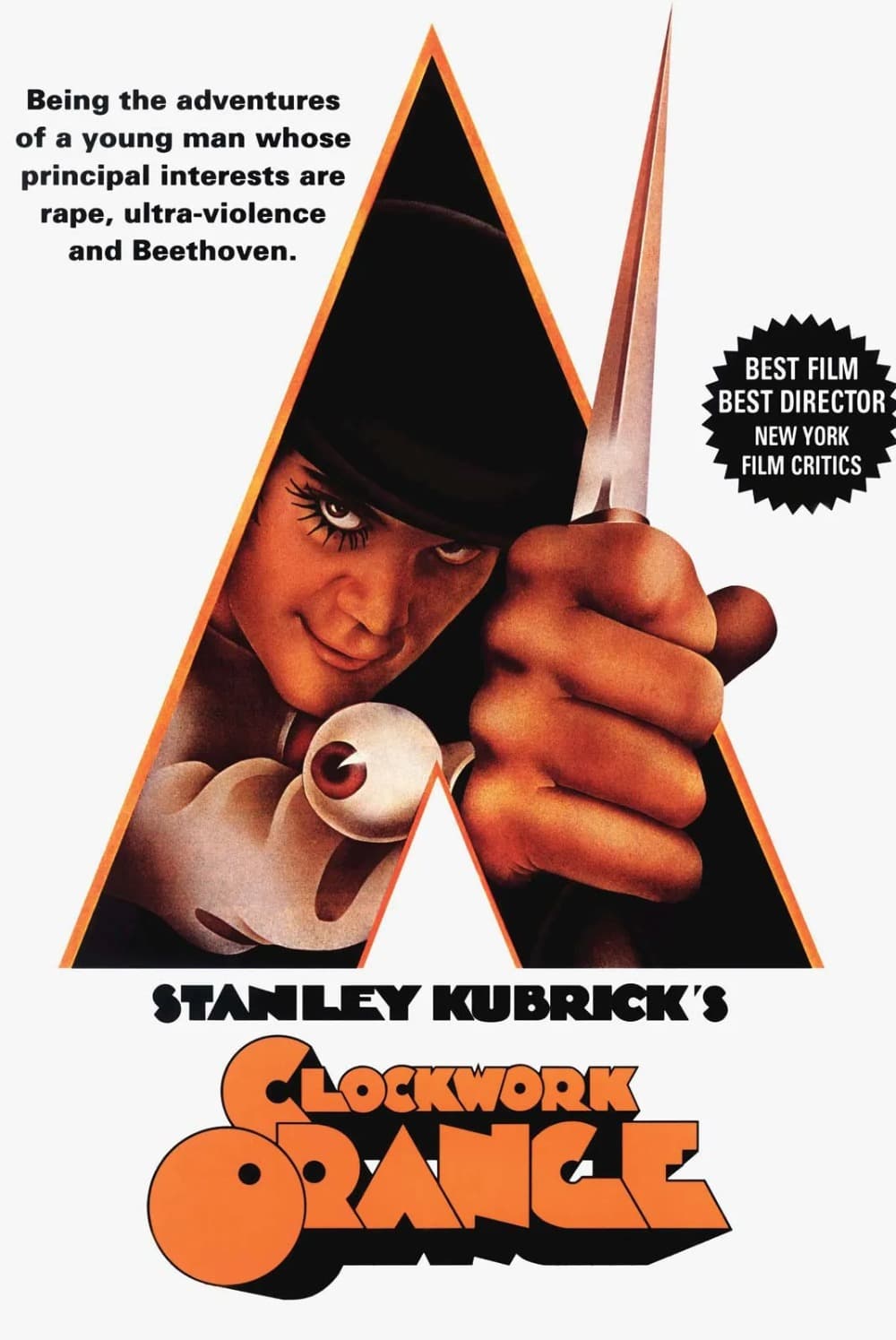
Kubrick pulled it from British cinemas himself after the reaction, and it stayed unavailable there for twenty-seven years: a state that enforces goodness, an invented slang, imagery nobody forgets.
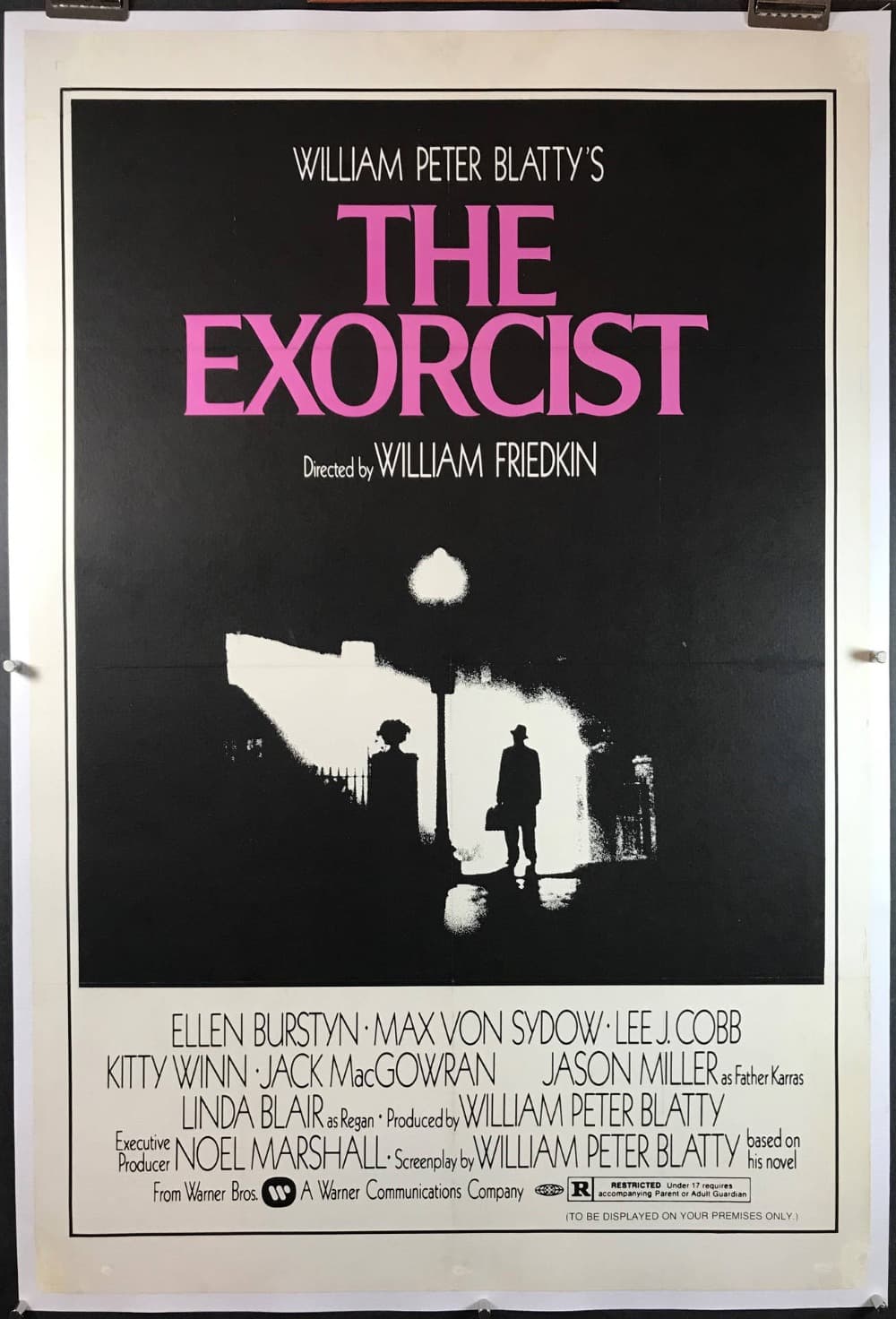
Still the one people watch with the lights on fifty years later: Friedkin shot a possession story like a documentary, and the restraint is what makes it unbearable.
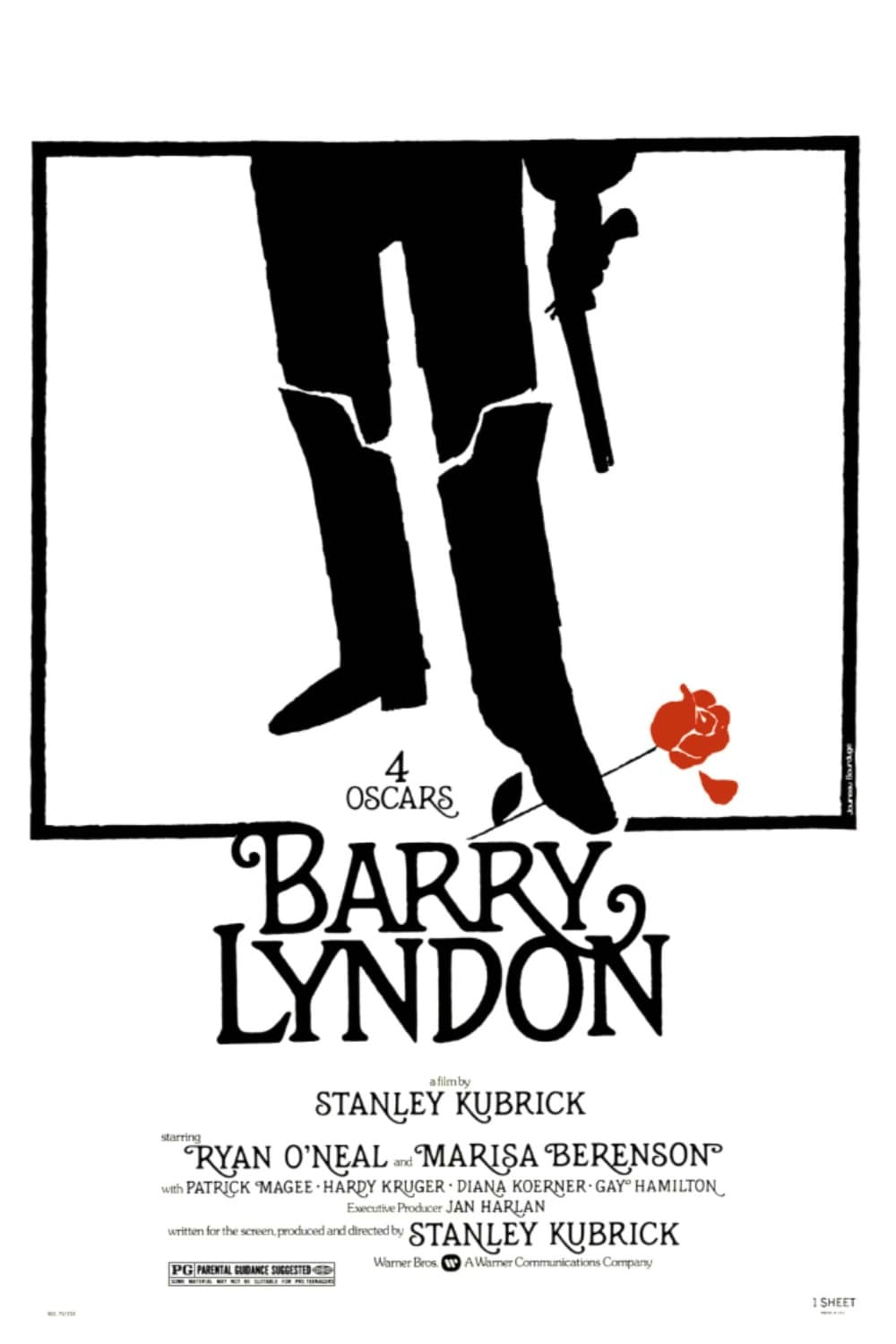
Cinematographers still study every frame: Kubrick lit interiors by candlelight alone using lenses built for NASA, and the result looks like walking through a gallery of paintings.
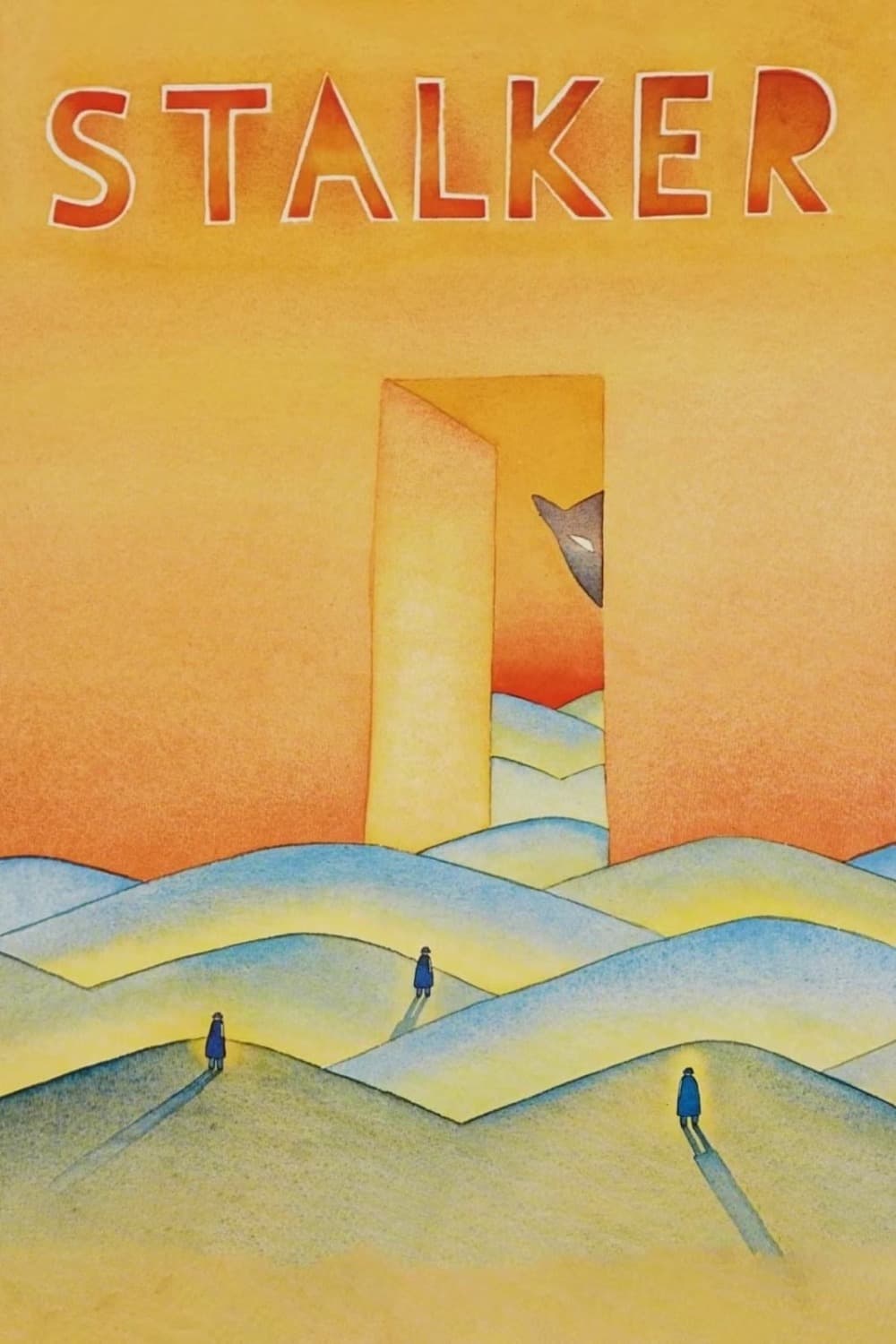
Nothing else in cinema moves this slowly and holds this completely: Tarkovsky walks three men into a forbidden zone for nearly three hours, and almost nothing happens.
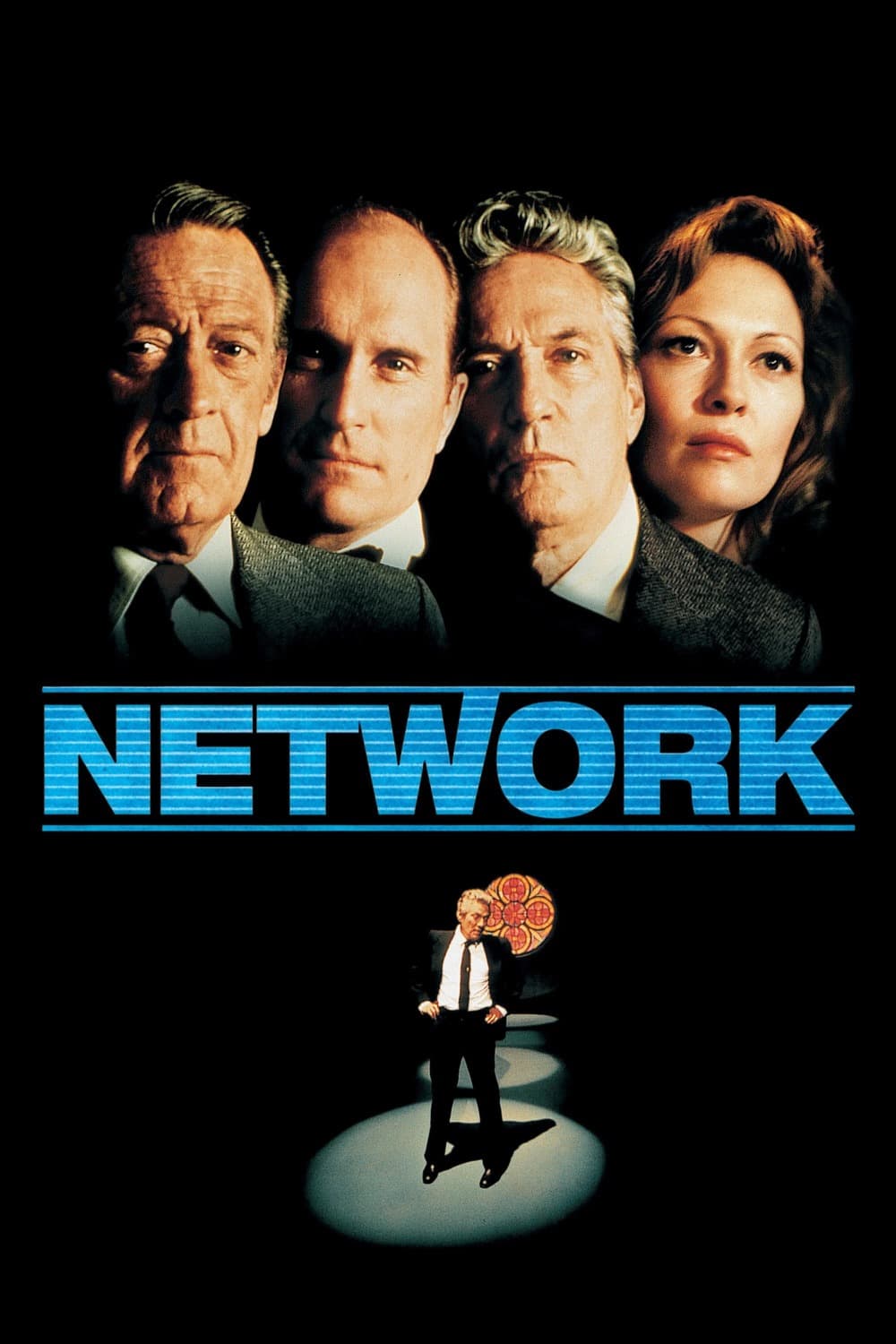
Written as satire in 1976 and now indistinguishable from television: Chayefsky imagined a network that would put a man's breakdown on air for ratings, and got everything right.
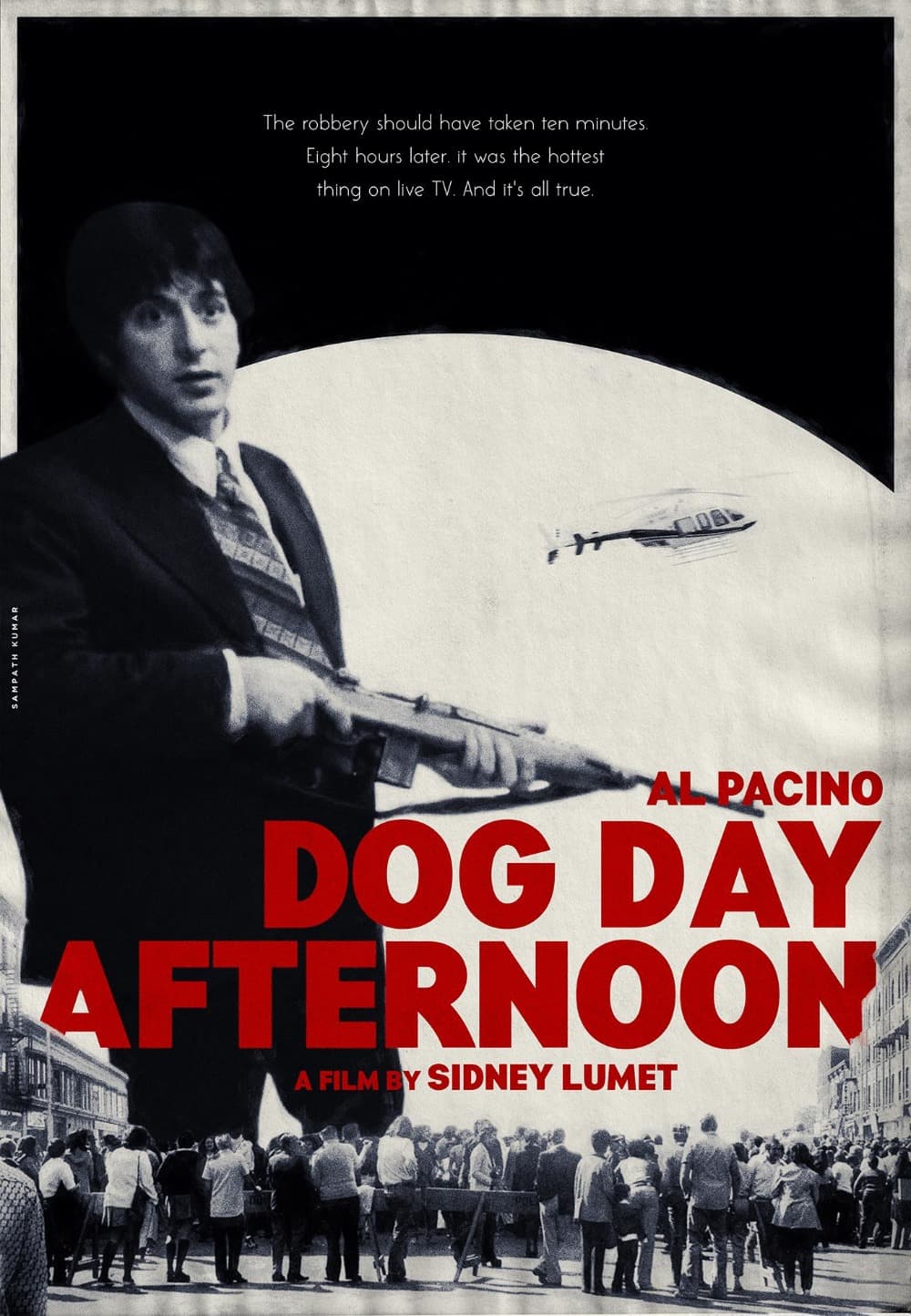
Pacino turned a real 1972 Brooklyn robbery into the most electric performance of the seventies: a bank job collapses in ten minutes and becomes a street carnival.

Spielberg made the rare first-contact film that treats the aliens as something to hope for: an ordinary man starts building a mountain in his living room and cannot say why.
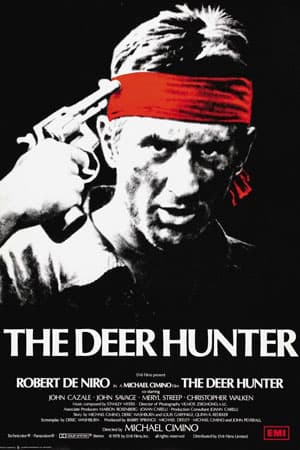
Cimino spends a whole first act on a steel town and a wedding, so that when the war arrives it lands on people you already know by name.

No comedy has been quoted more relentlessly for fifty years: the Pythons could not afford horses, banged coconuts instead, and turned the budget problem into the joke.
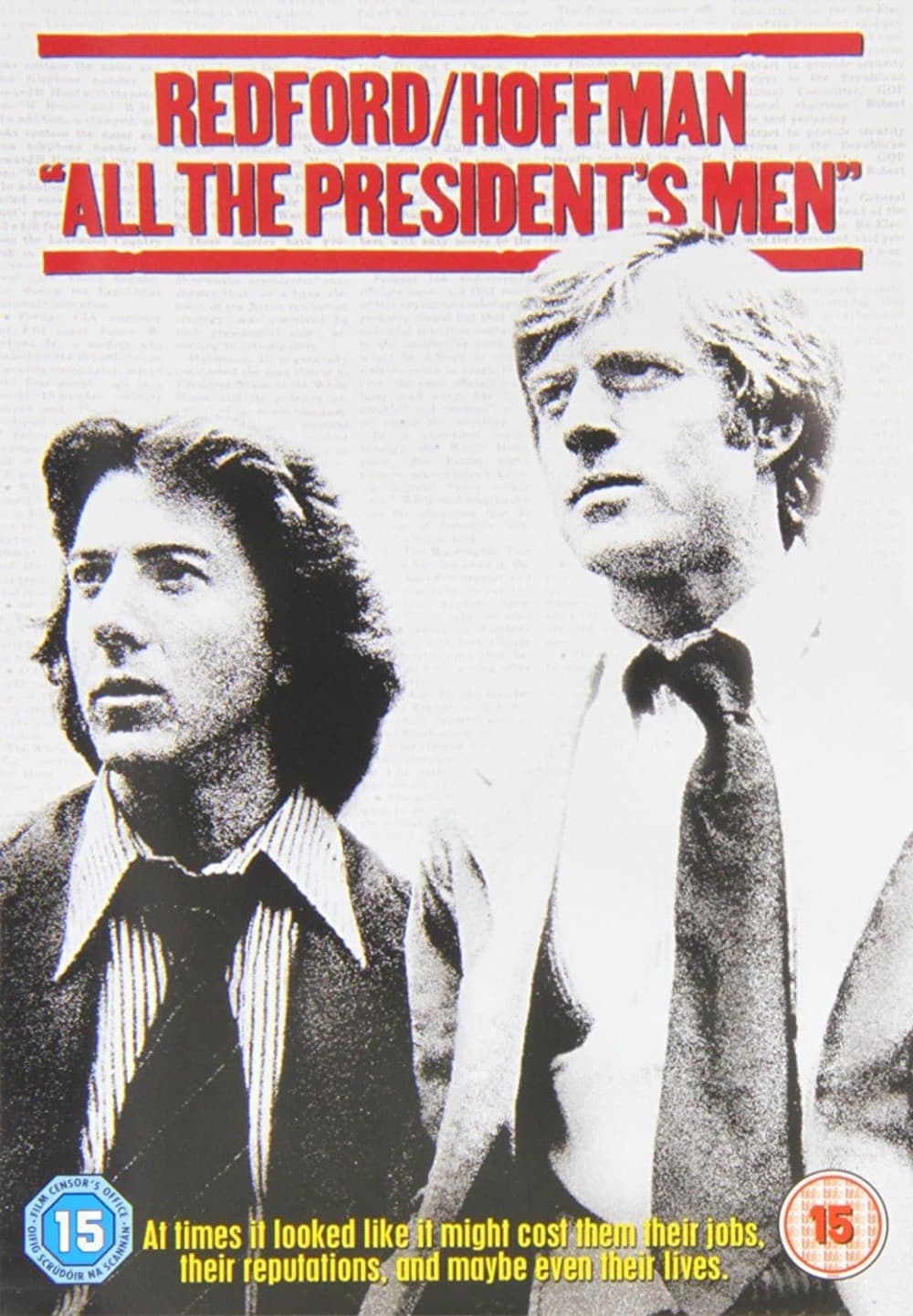
Every journalism film gets held up against this one: two reporters chase Watergate through phone calls and parking garages, and verifying a single fact becomes unbearably tense.