A Clockwork Orange
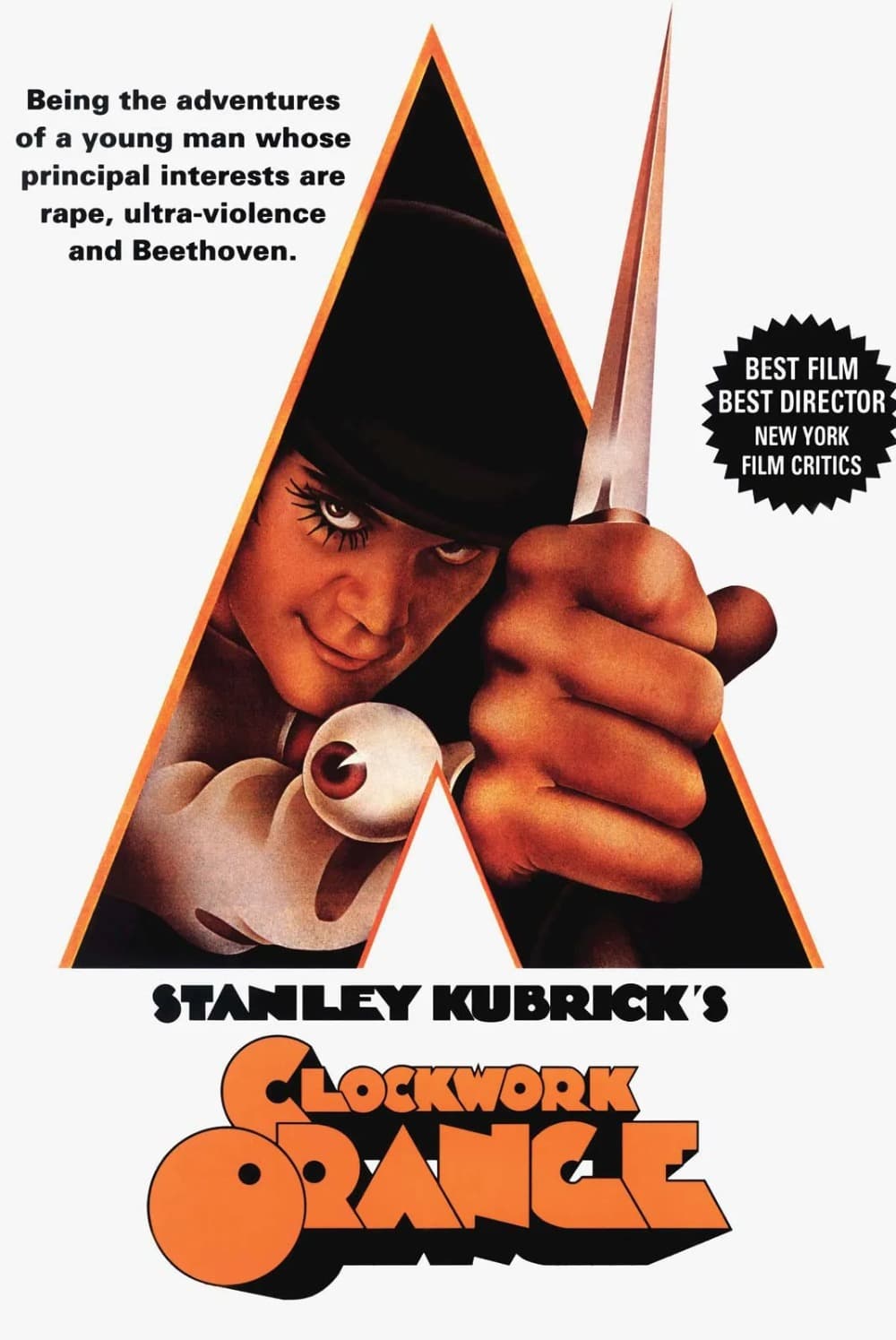
Kubrick pulled it from British cinemas himself after the reaction, and it stayed unavailable there for twenty-seven years: a state that enforces goodness, an invented slang, imagery nobody forgets.

Kubrick pulled it from British cinemas himself after the reaction, and it stayed unavailable there for twenty-seven years: a state that enforces goodness, an invented slang, imagery nobody forgets.

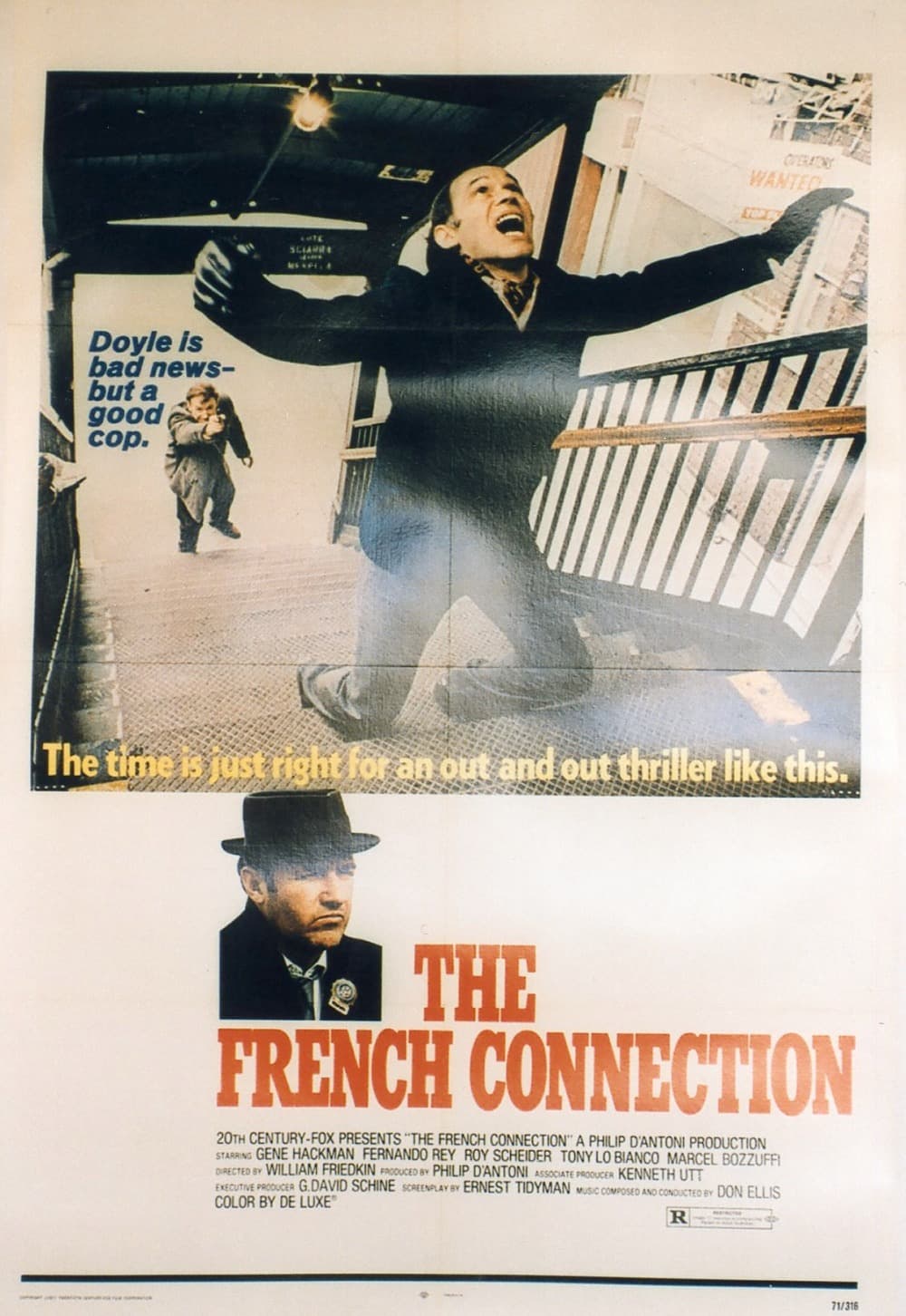
It made the car chase in Bullitt look choreographed: this one was shot without permits, at ninety miles an hour, through real Brooklyn traffic that nobody had cleared.

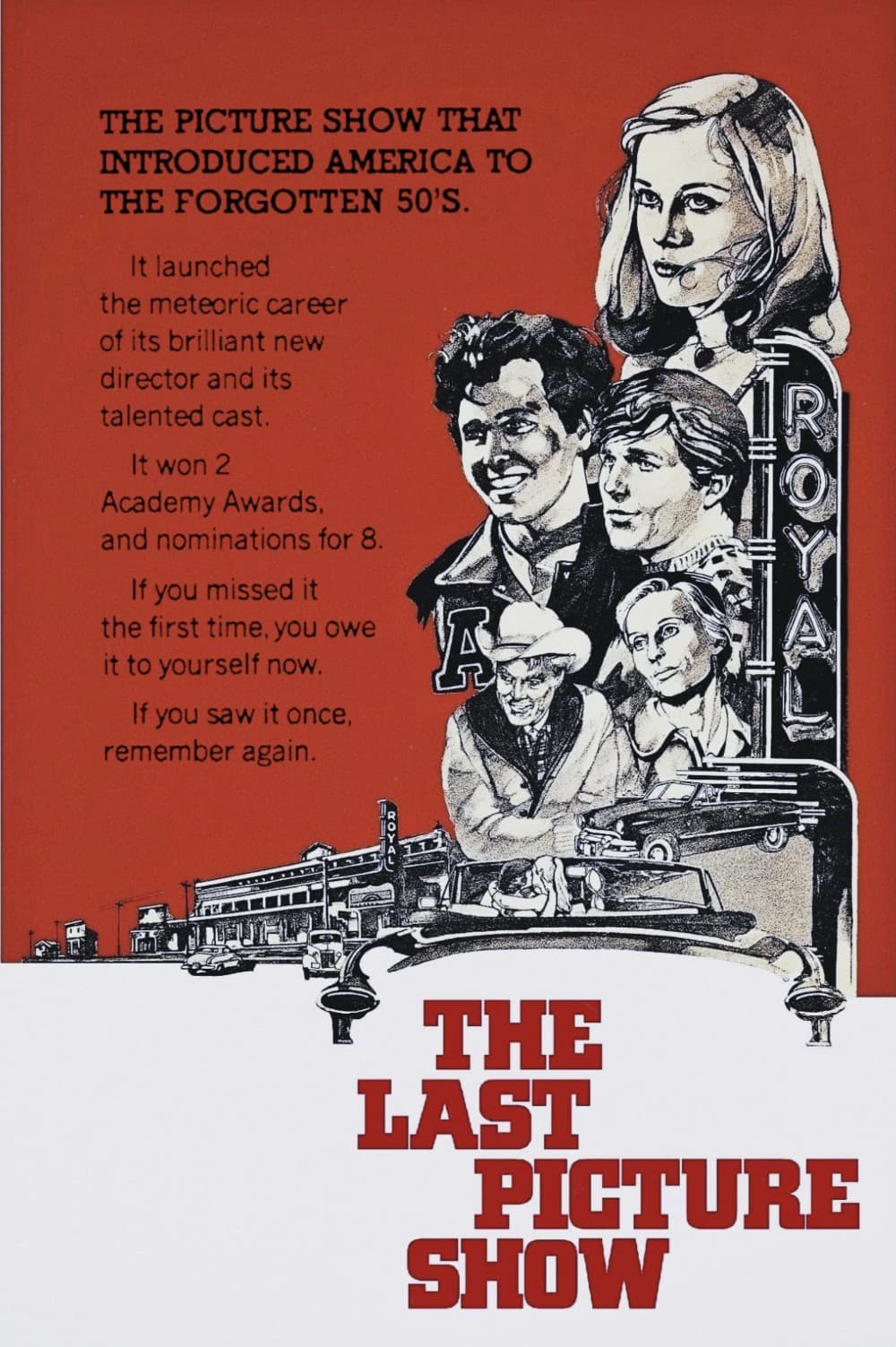
Bogdanovich insisted on monochrome in 1971, when absolutely nobody did that: a Texas town running out of reasons to exist, and the teenagers running out along with it.

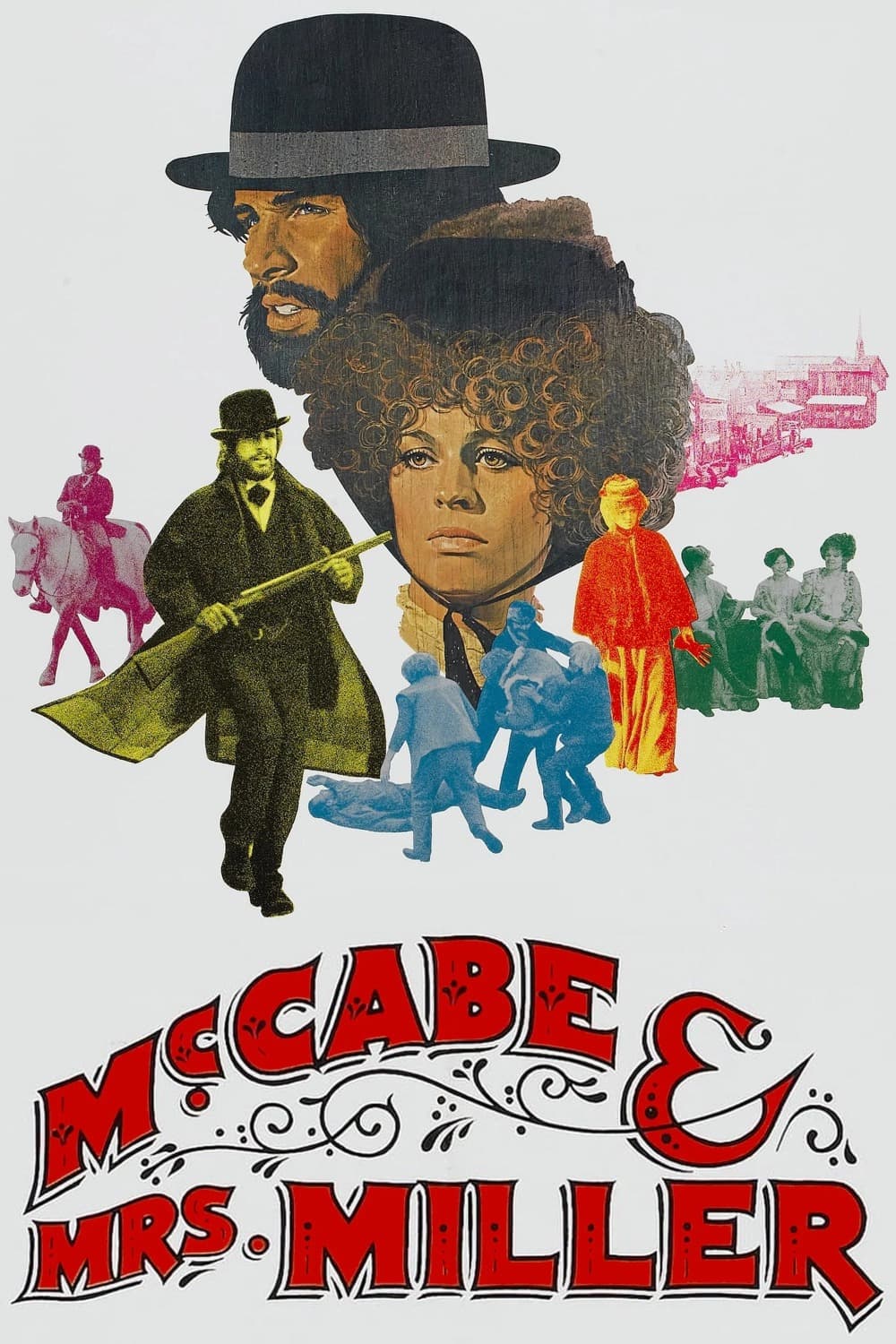
Altman made a western out of mud, snow and Leonard Cohen songs: a small-time gambler and a businesslike madam build a frontier town out of almost nothing.

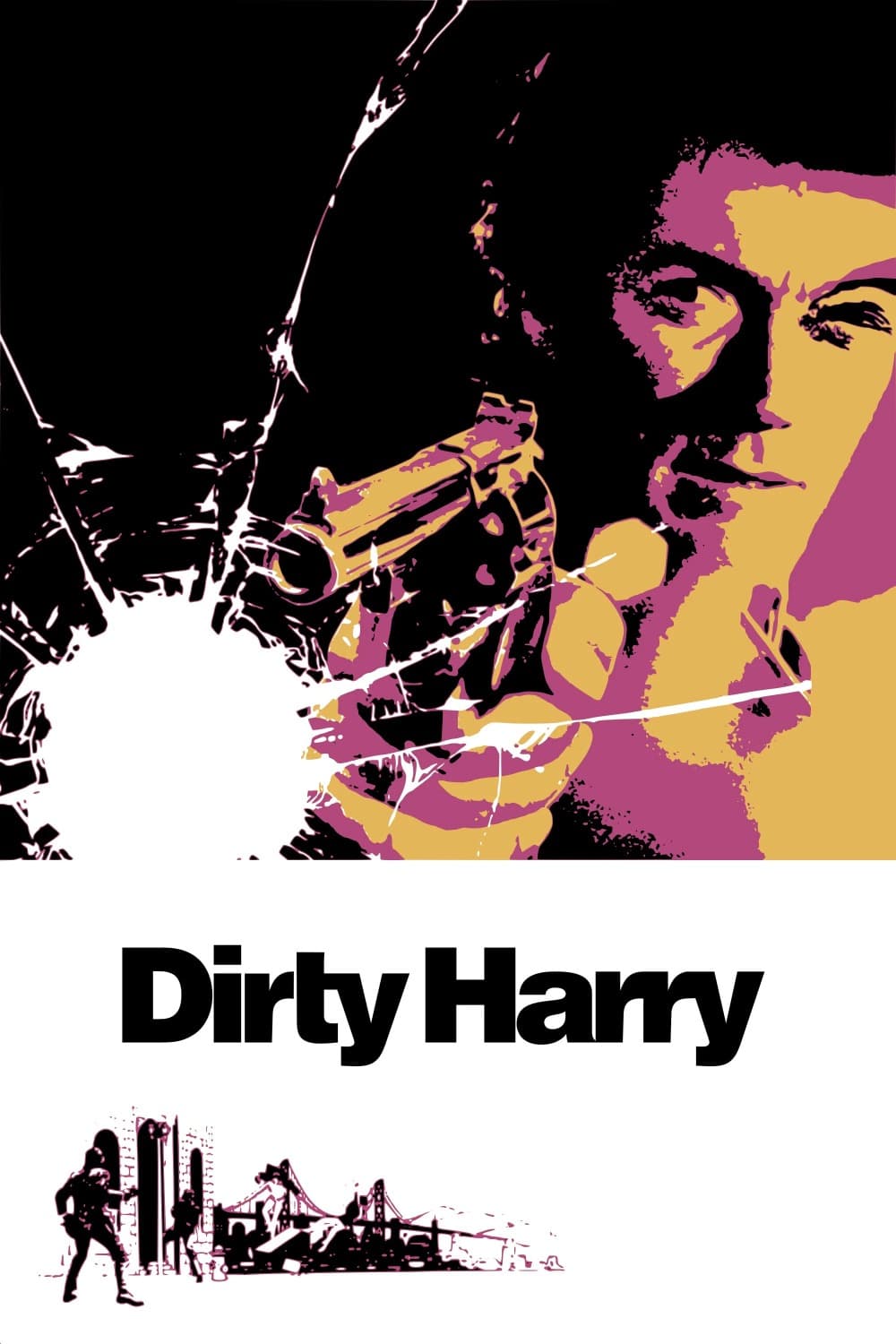
Pauline Kael called it fascist and the argument has never really ended: Eastwood's inspector chases a Zodiac-like killer through San Francisco with a .44 Magnum and open contempt for procedure.

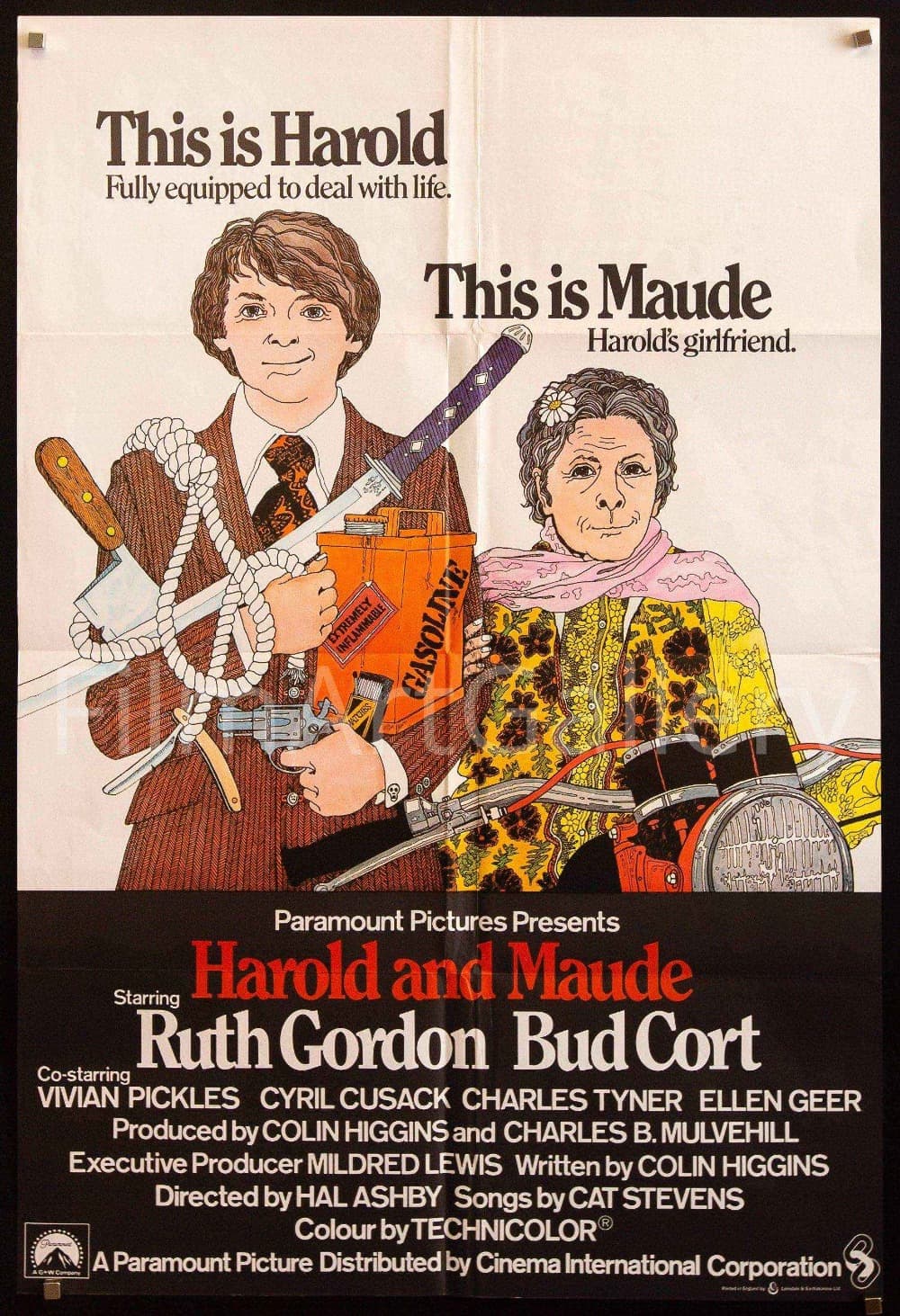
It failed on release and then ran 115 straight weeks at a single Minnesota theater: a death-obsessed teenager falls for a seventy-nine-year-old, and Cat Stevens scores the whole thing.

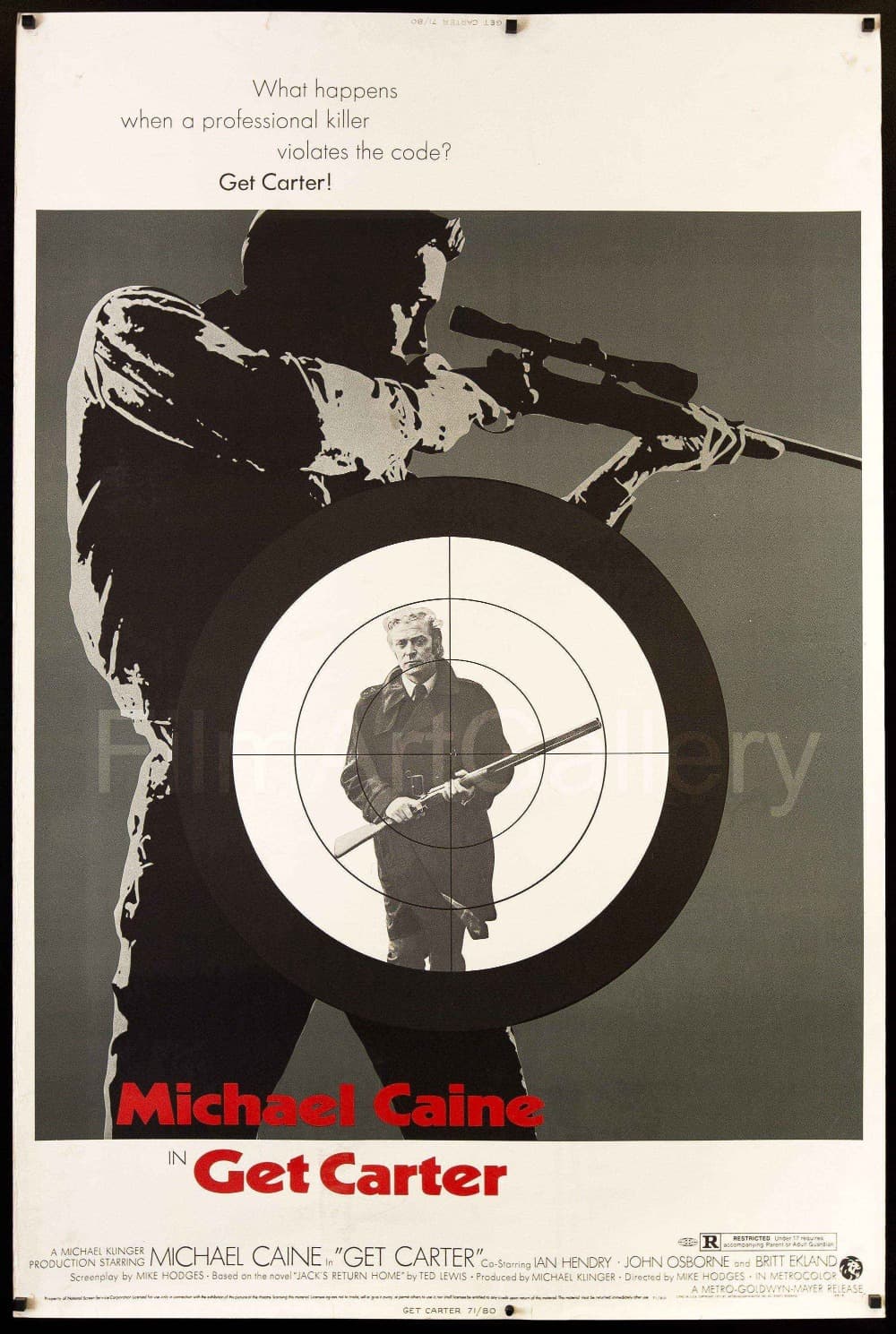
Michael Caine plays a gangster with no charm whatsoever and it is his best performance: Newcastle in 1971 shot as a real place, and every British crime film since has borrowed the tone.