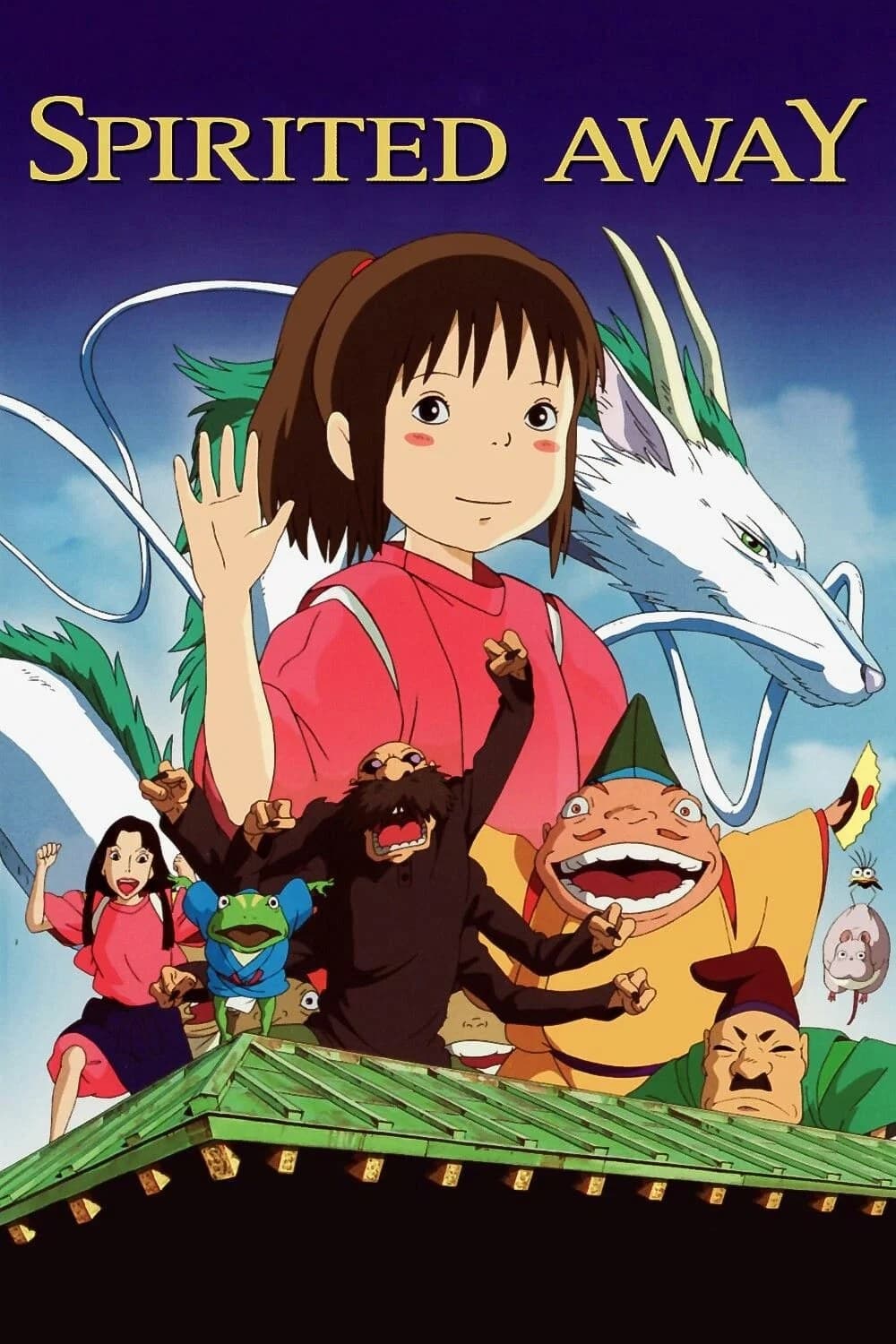
Spirited Away
Directed by Hayao Miyazaki
2001 · Japan
The high point of hand-drawn animation: Miyazaki invented a spirit world so dense and so unexplained that it took the Animated Feature Oscar away from every American studio.
★ 9.3
 skopia
The high point of hand-drawn animation: Miyazaki invented a spirit world so dense and so unexplained that it took the Animated Feature Oscar away from every American studio.
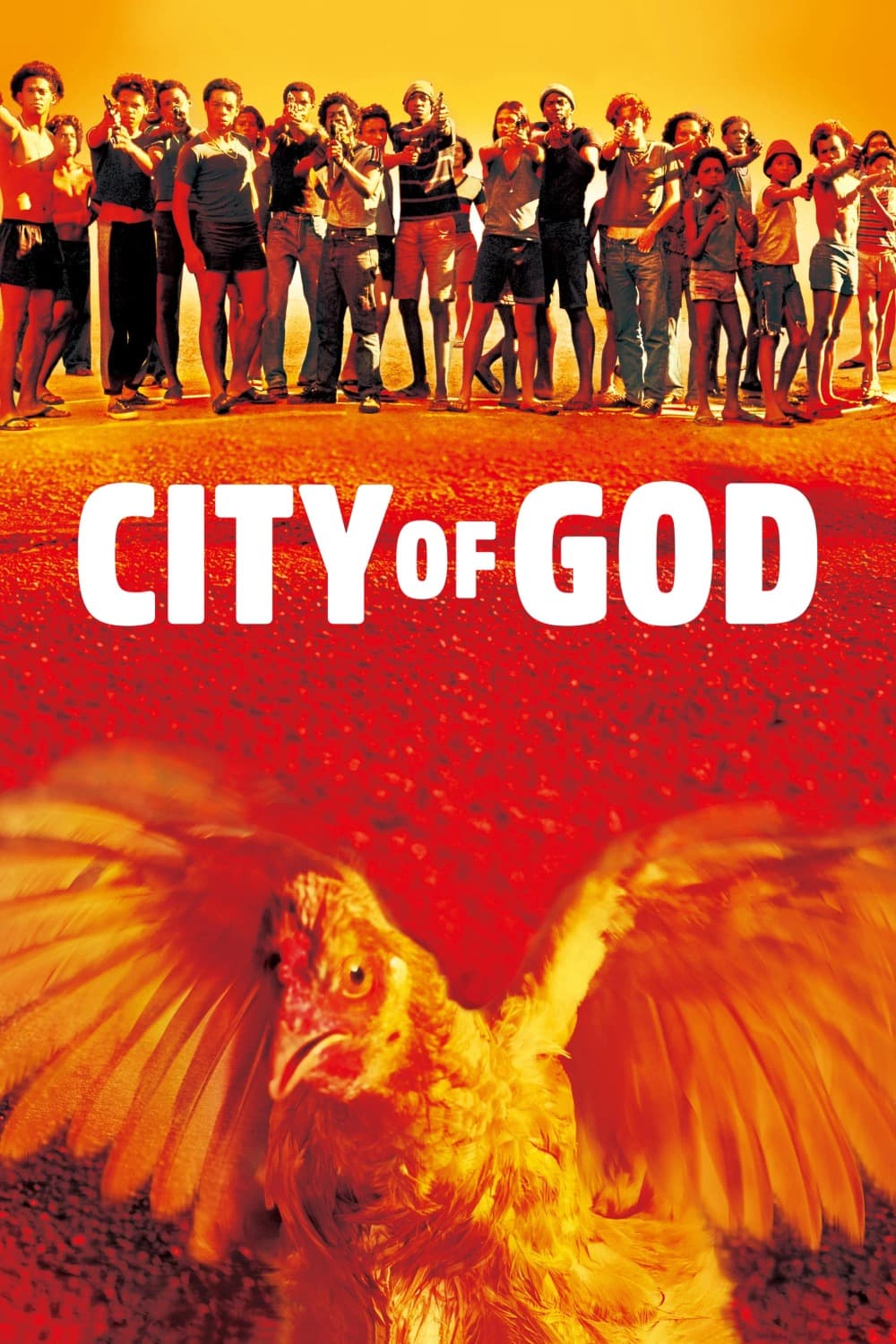
Nothing else moves quite like it: Meirelles cast the favela itself, cut two hours into what feels like twenty minutes, and took a Brazilian crime film to four Oscar nominations.
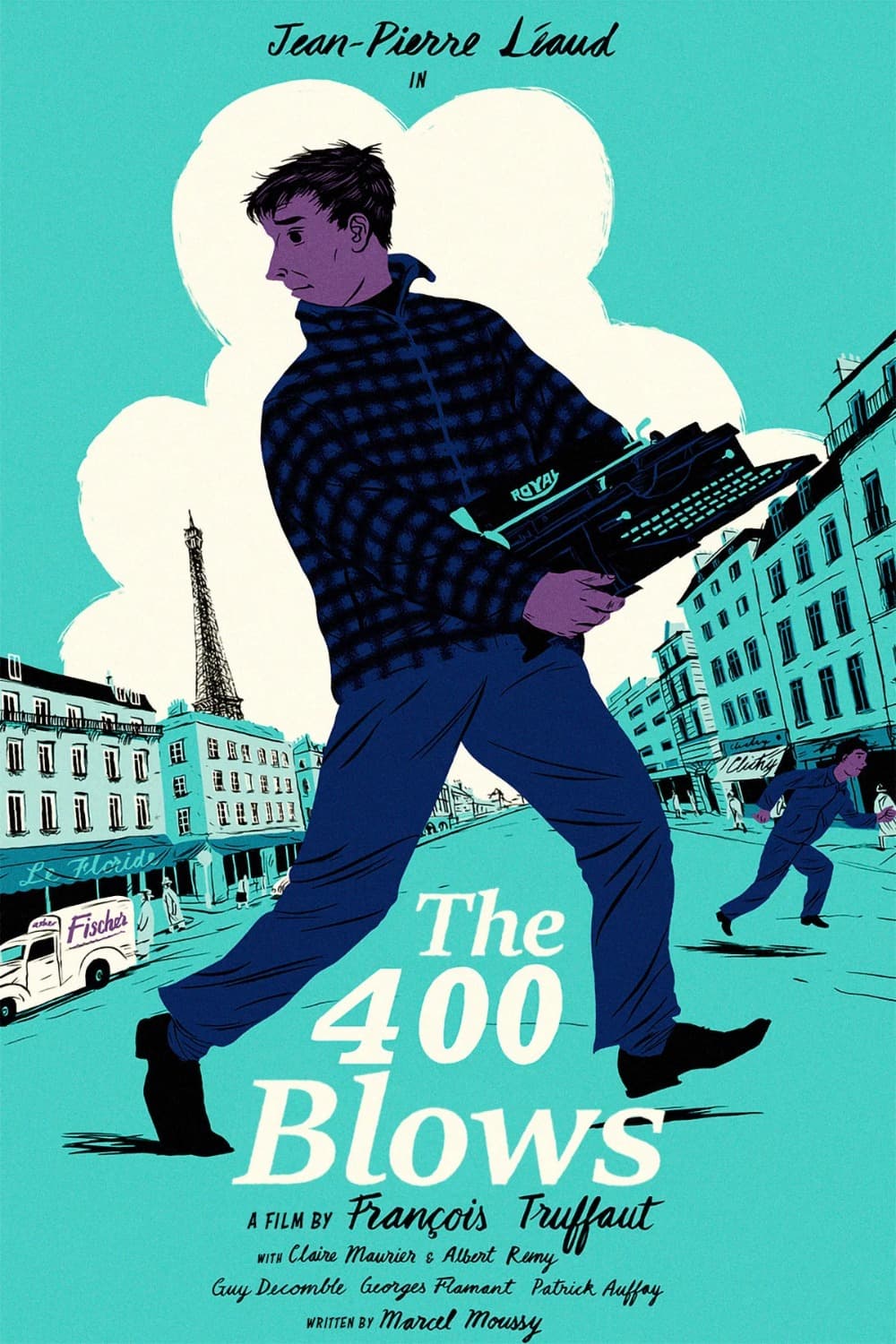
The French New Wave announces itself: Truffaut put his own miserable childhood on screen at twenty-seven, and the last shot changed what an ending was allowed to do.
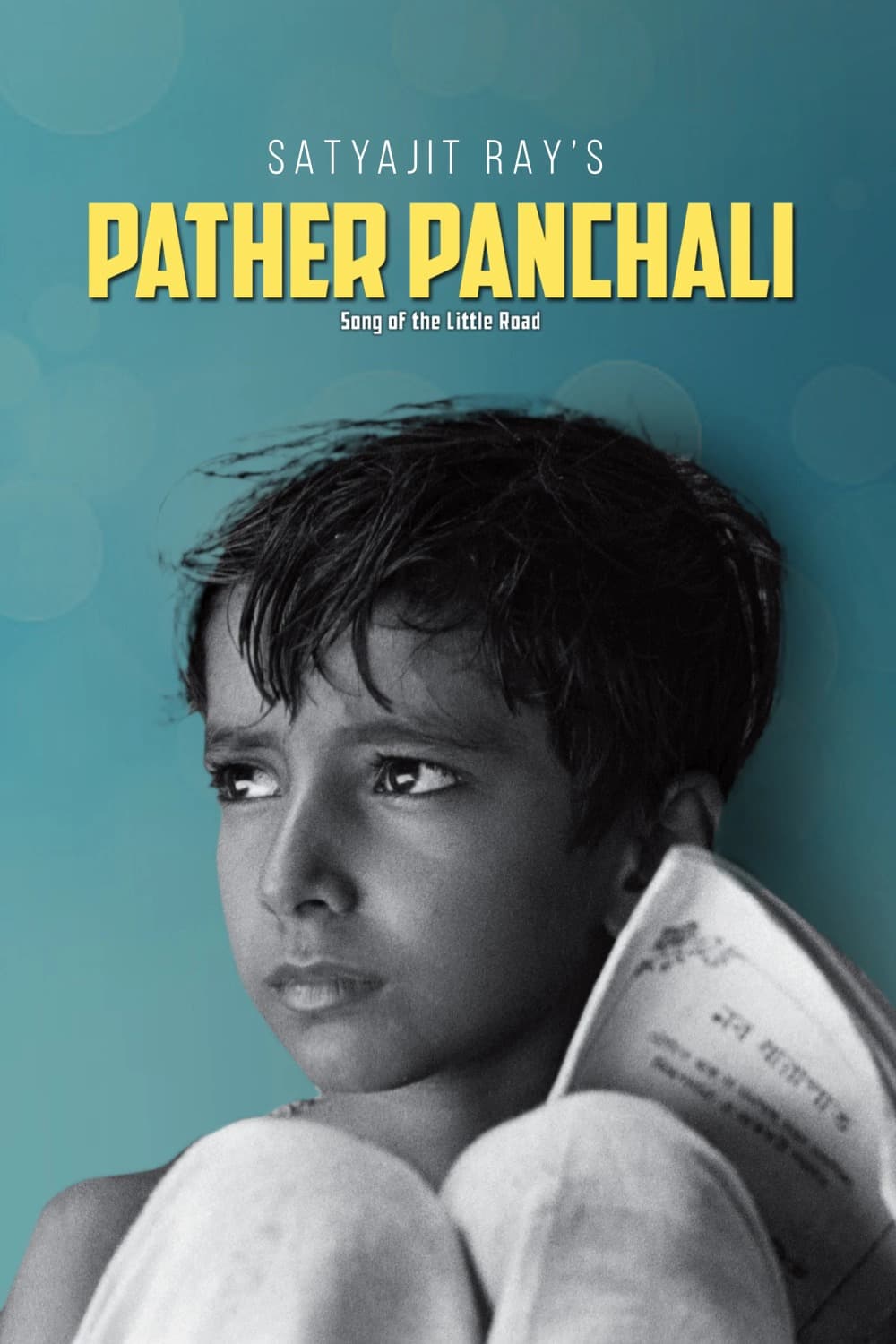
Indian cinema arrived in the world with this: Ray shot it on weekends with a first-time crew and no money, and the children seeing a train is pure wonder.
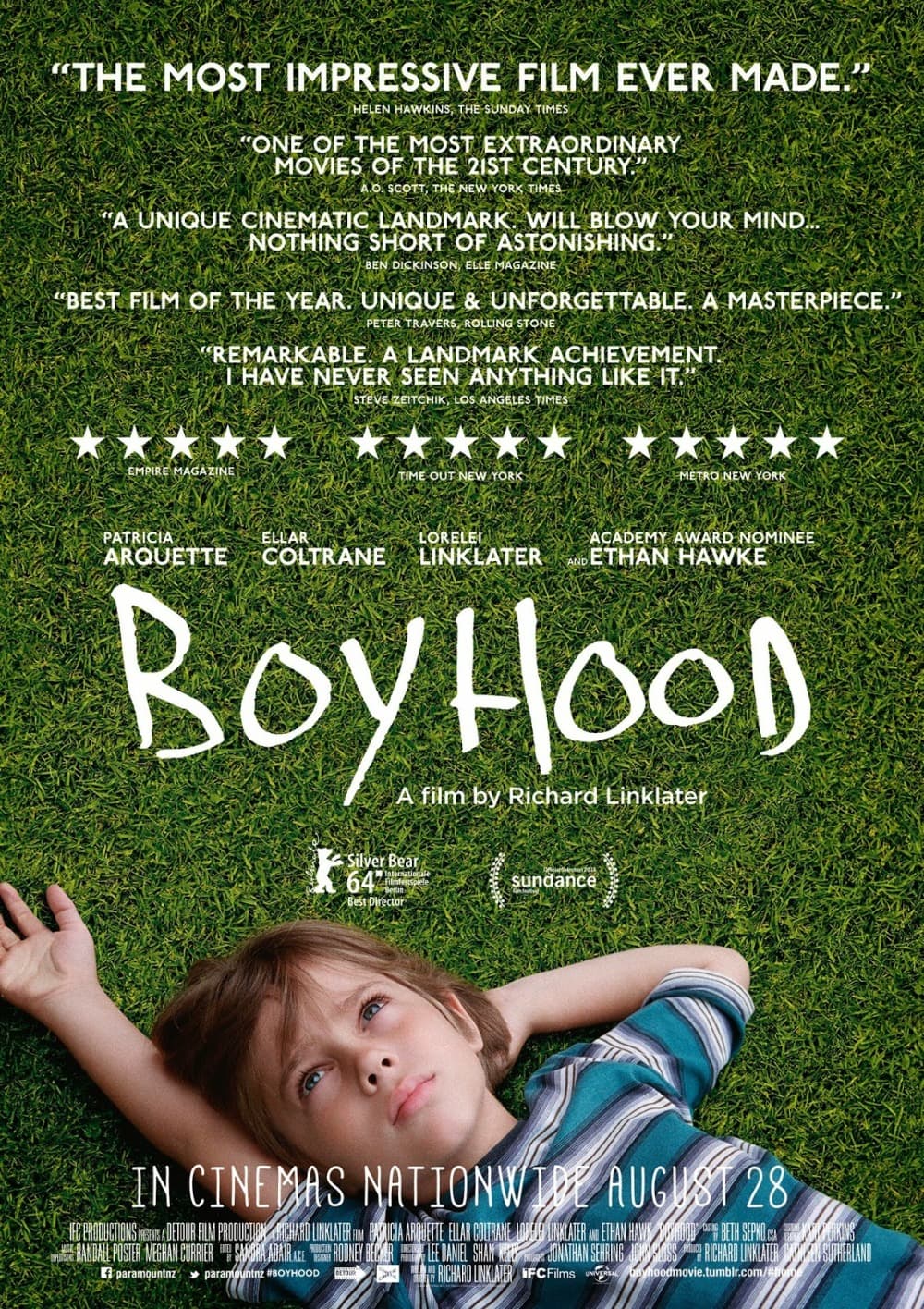
Nobody had tried this before: Linklater filmed the same cast a few days a year for twelve years, so you watch a real child turn into a real adult.
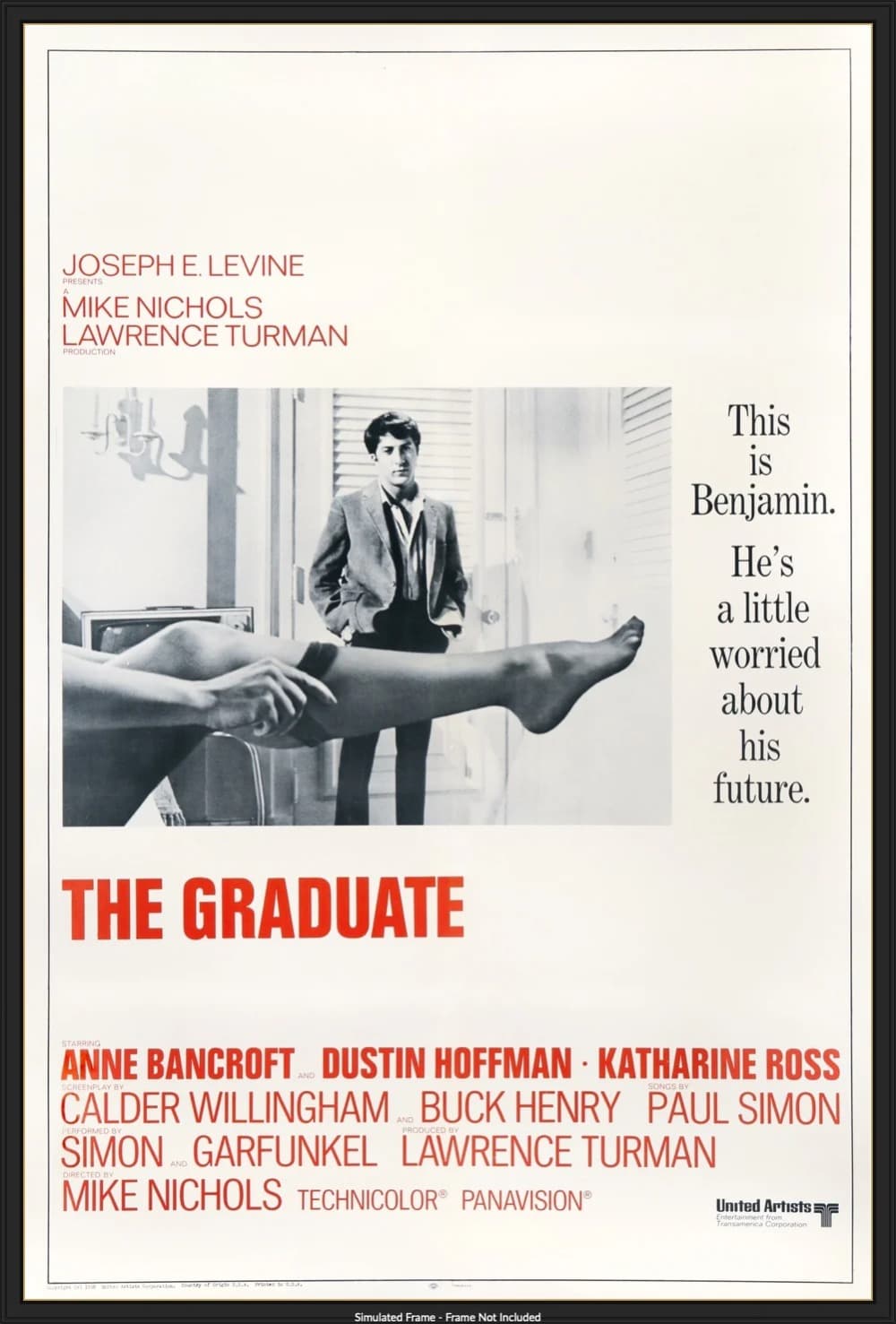
A generation was told their parents were wrong and believed it: Nichols made aimlessness look cinematic, and the soundtrack put Simon and Garfunkel into every house in America.
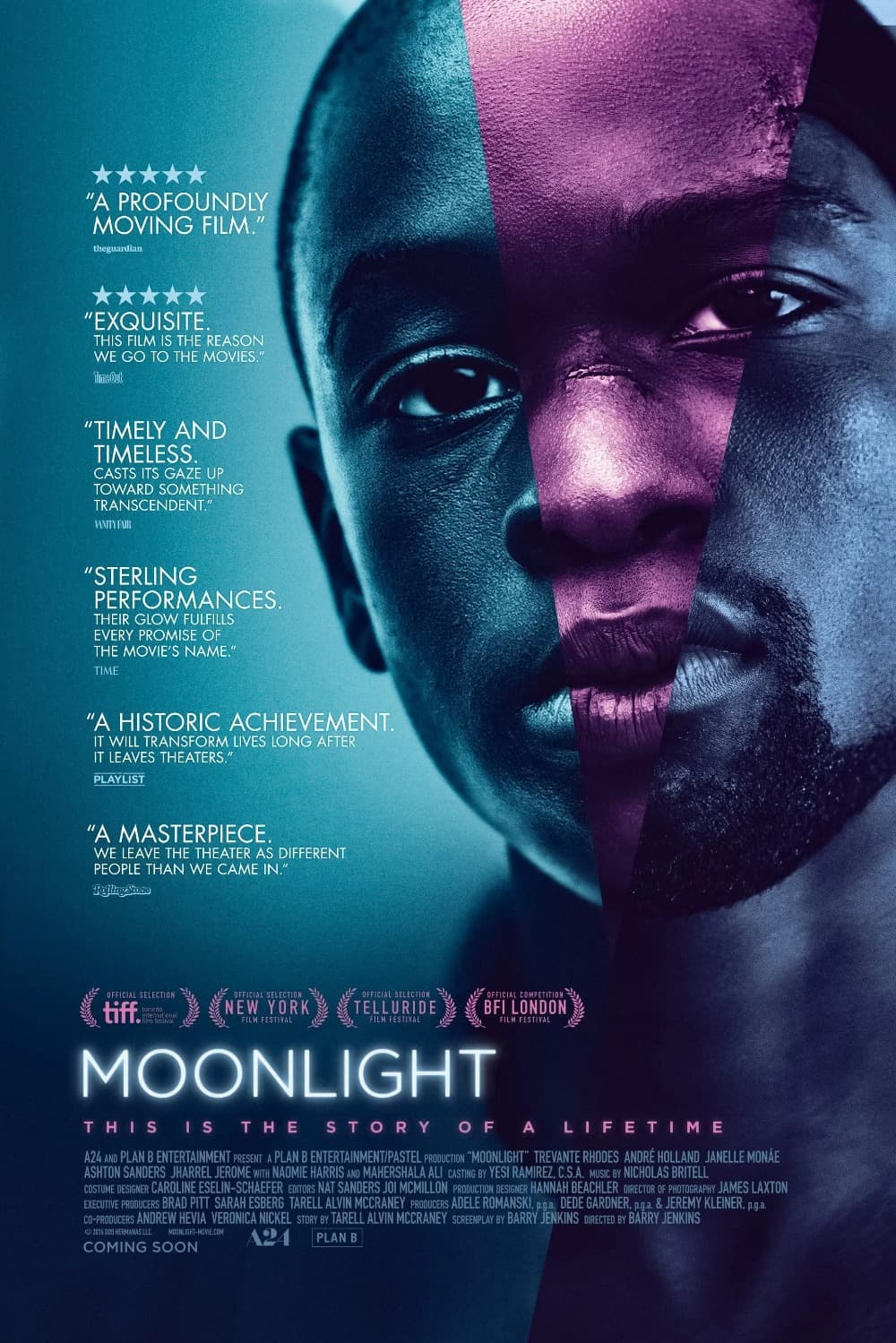
One life told in three chapters by three different actors, and shot in blues and purples so tender the film almost hums: nothing about it looks like anything else.
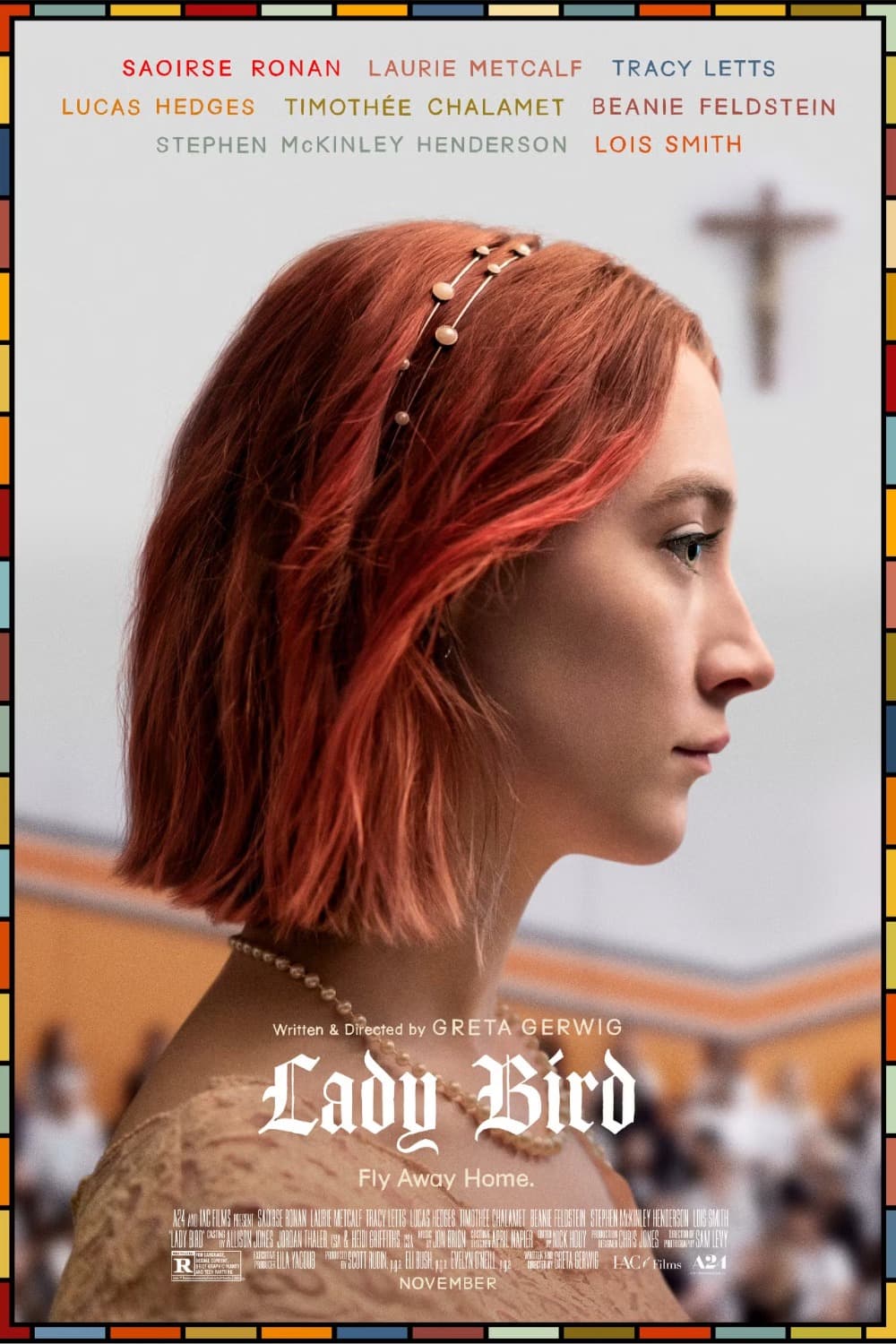
Gerwig's first solo film became the best reviewed of its year: a Sacramento teenager and her mother fight about everything, and the film refuses to take a side.
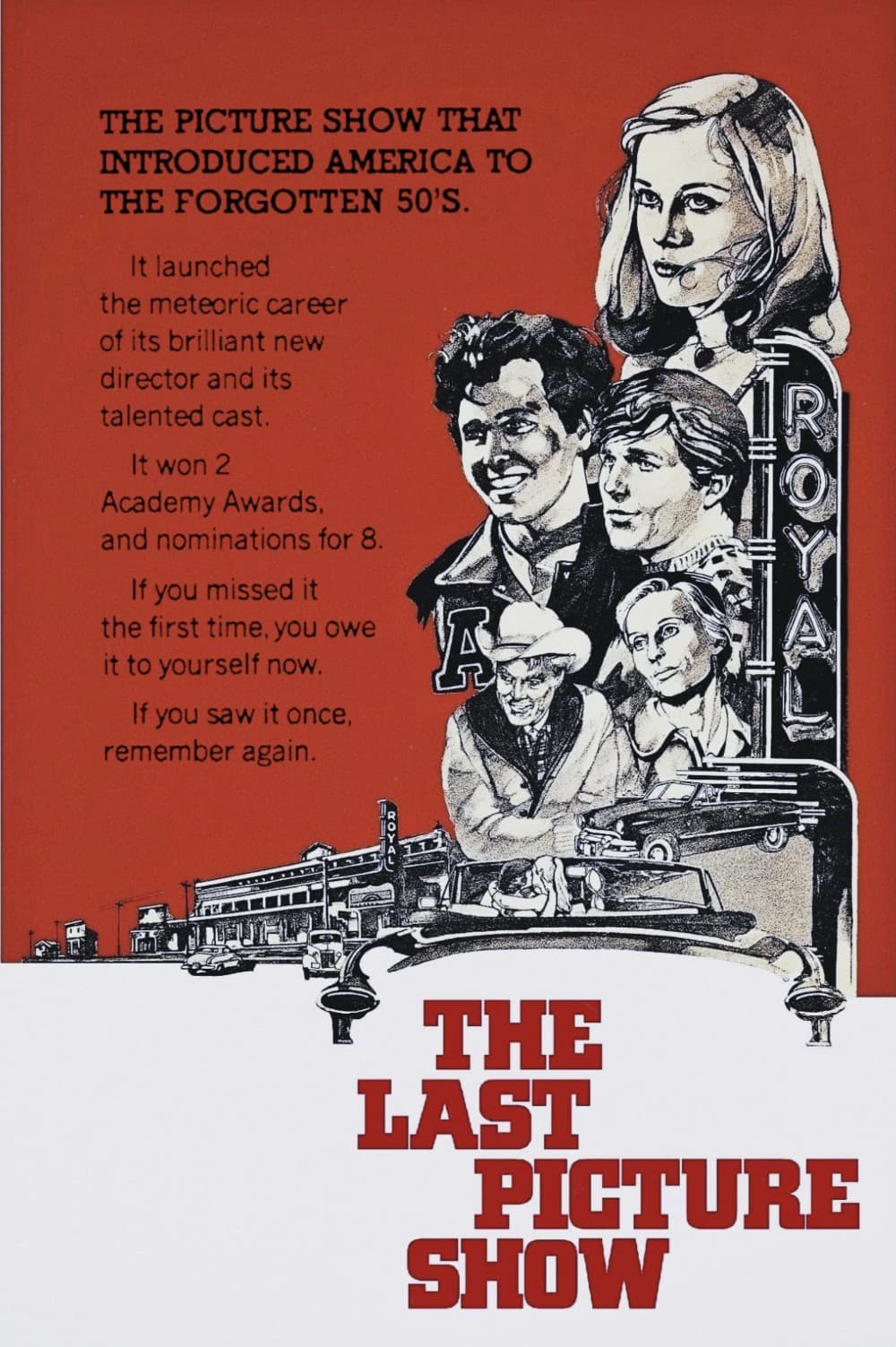
Bogdanovich insisted on monochrome in 1971, when absolutely nobody did that: a Texas town running out of reasons to exist, and the teenagers running out along with it.
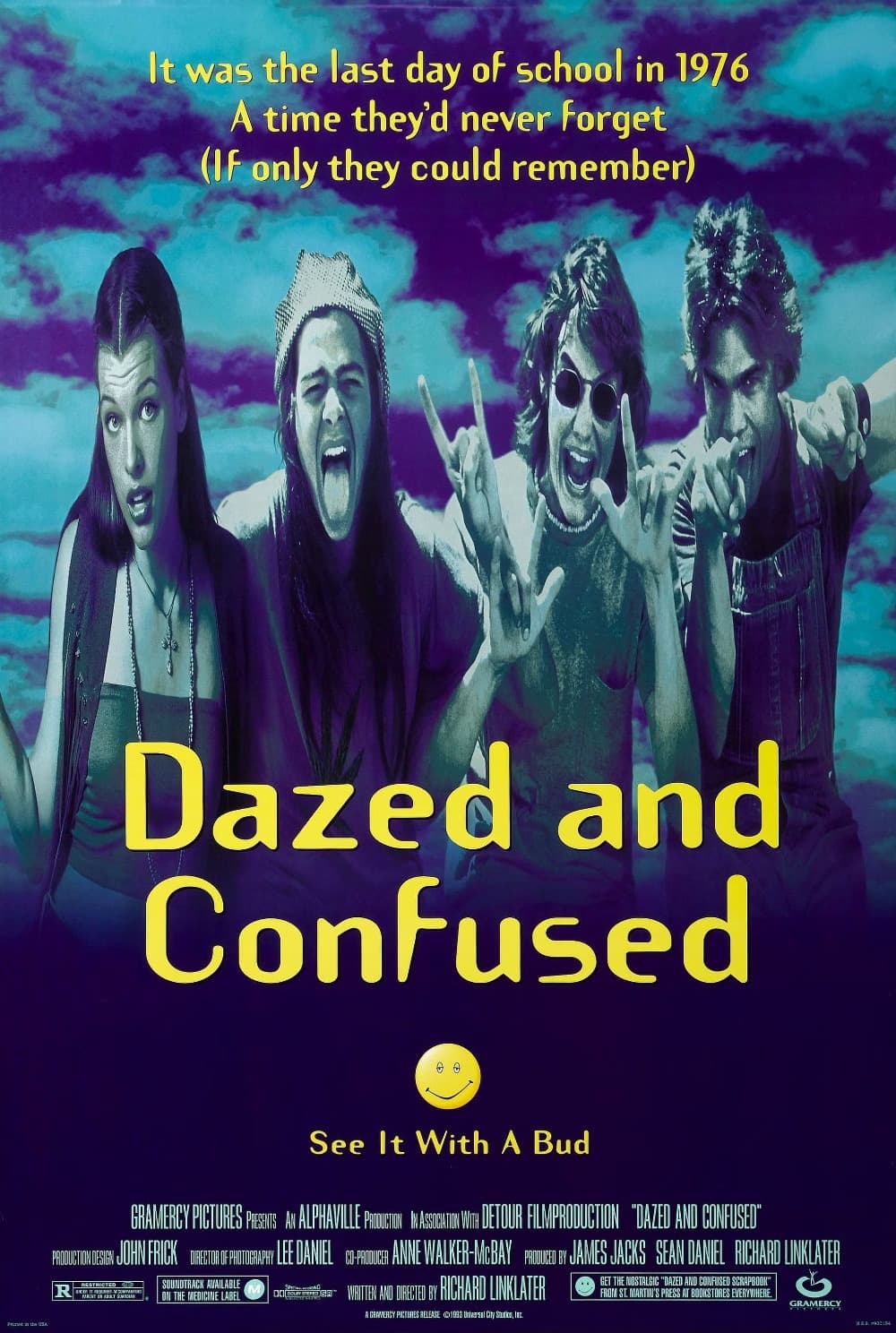
Nothing happens and that is the entire point: Linklater catches the last day of school in 1976 so exactly that people who were not there remember it anyway.
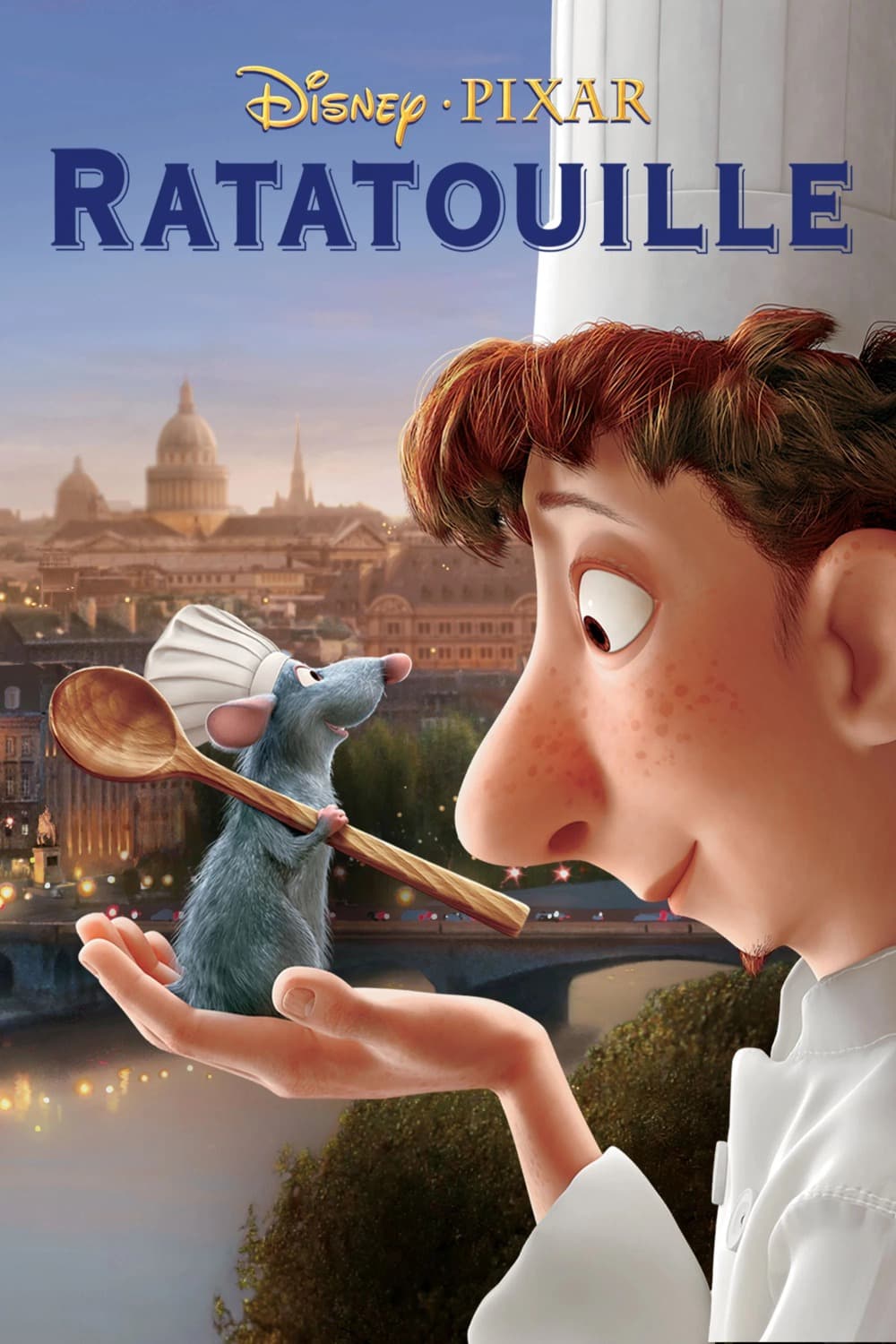
Almost nothing else takes both cooking and criticism this seriously: a rat with a palate steers a hapless human around a Paris kitchen, and the food looks extraordinary.
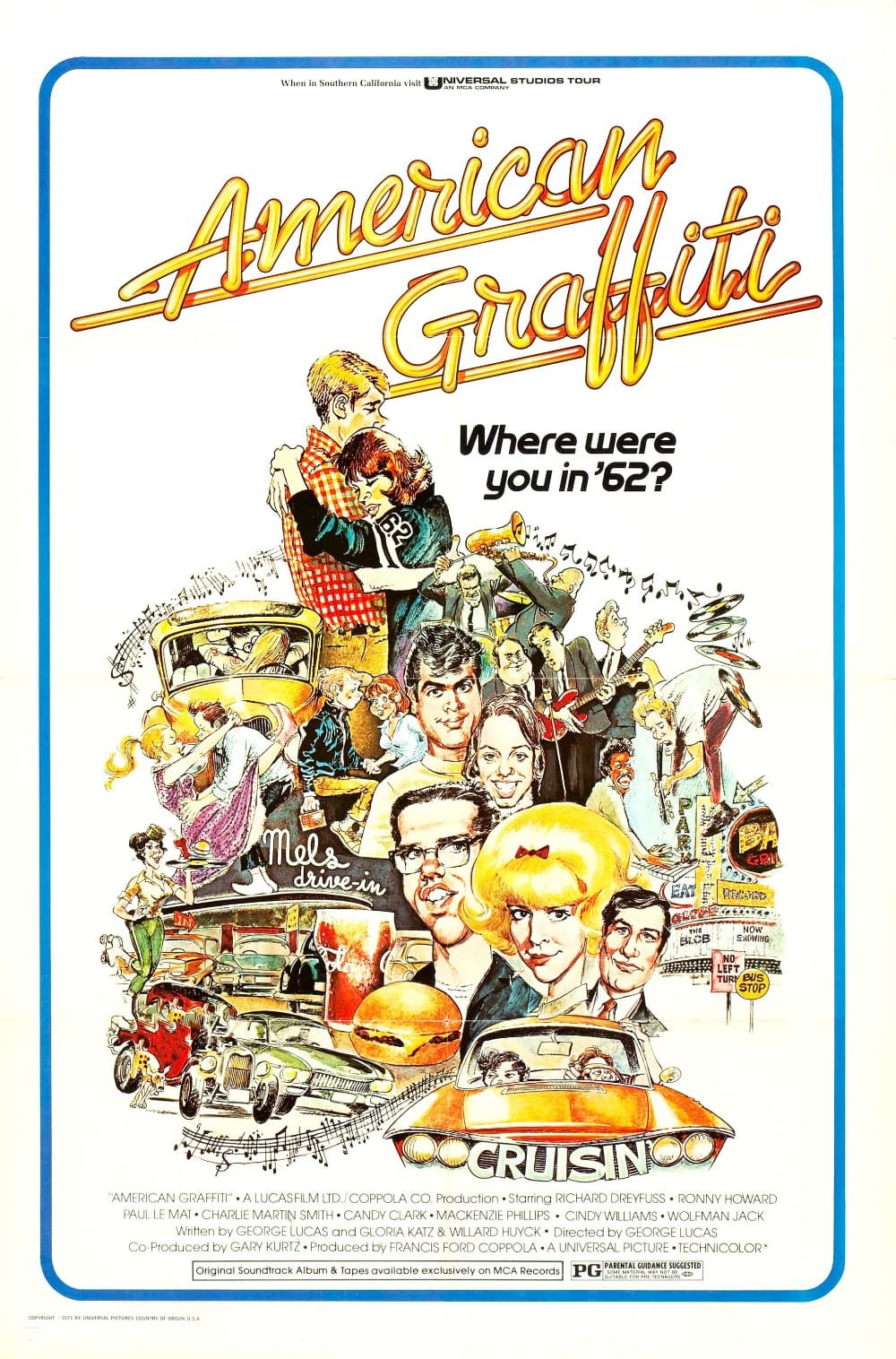
One night of cruising in 1962, with the radio playing wall to wall from start to finish: Lucas caught an America that was about to stop existing.
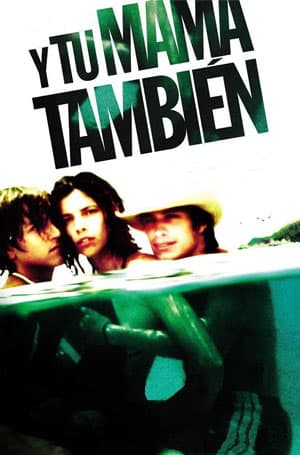
A road trip with a narrator who keeps interrupting to tell you things the characters will never know: Cuaron slips a portrait of Mexico under a teenage sex comedy.
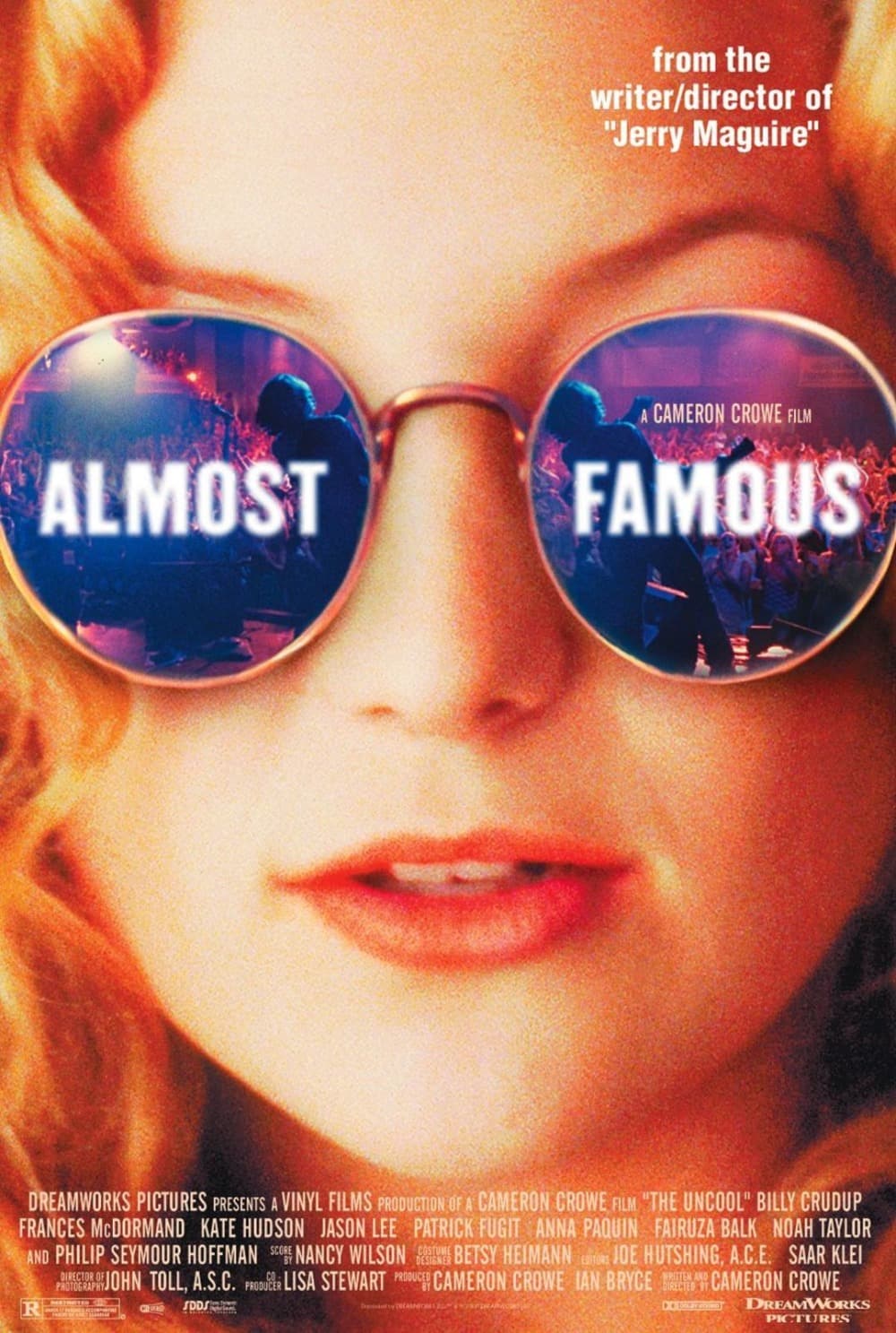
Cameron Crowe was writing for Rolling Stone at fifteen and on the road with the Allman Brothers at sixteen: the film gets every detail right, including the boredom.
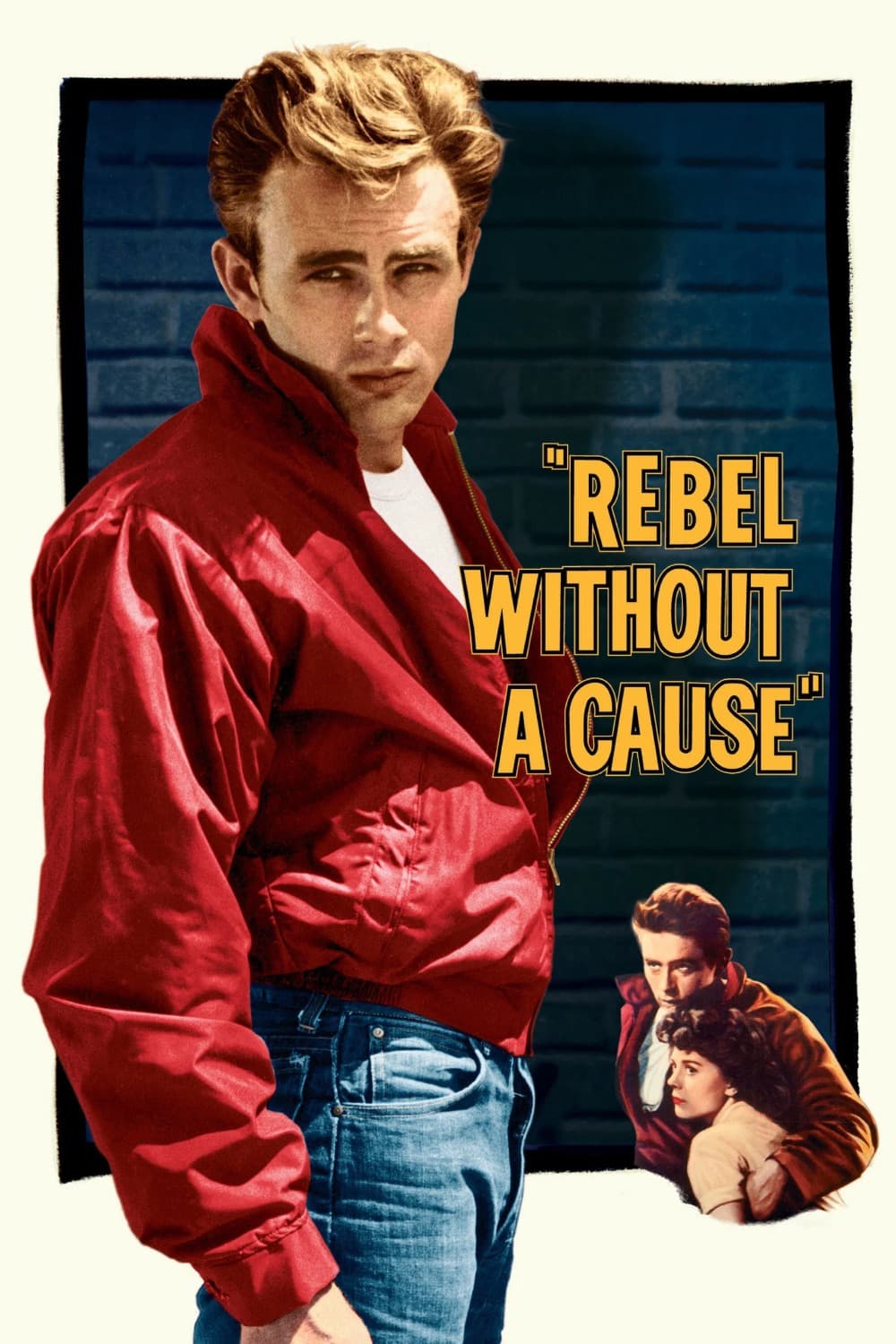
The teenager as a subject starts here: James Dean in a red jacket, a knife fight at an observatory, and parents who have no idea what is happening.
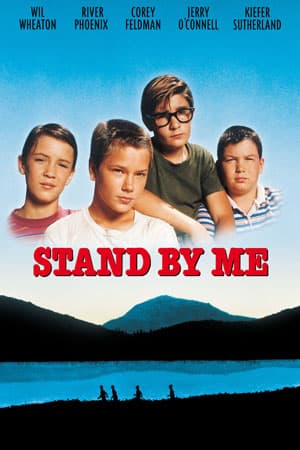
Nothing else captures being twelve years old this exactly: four boys walk along a railway line for two days, and the narration knows precisely how much it mattered.
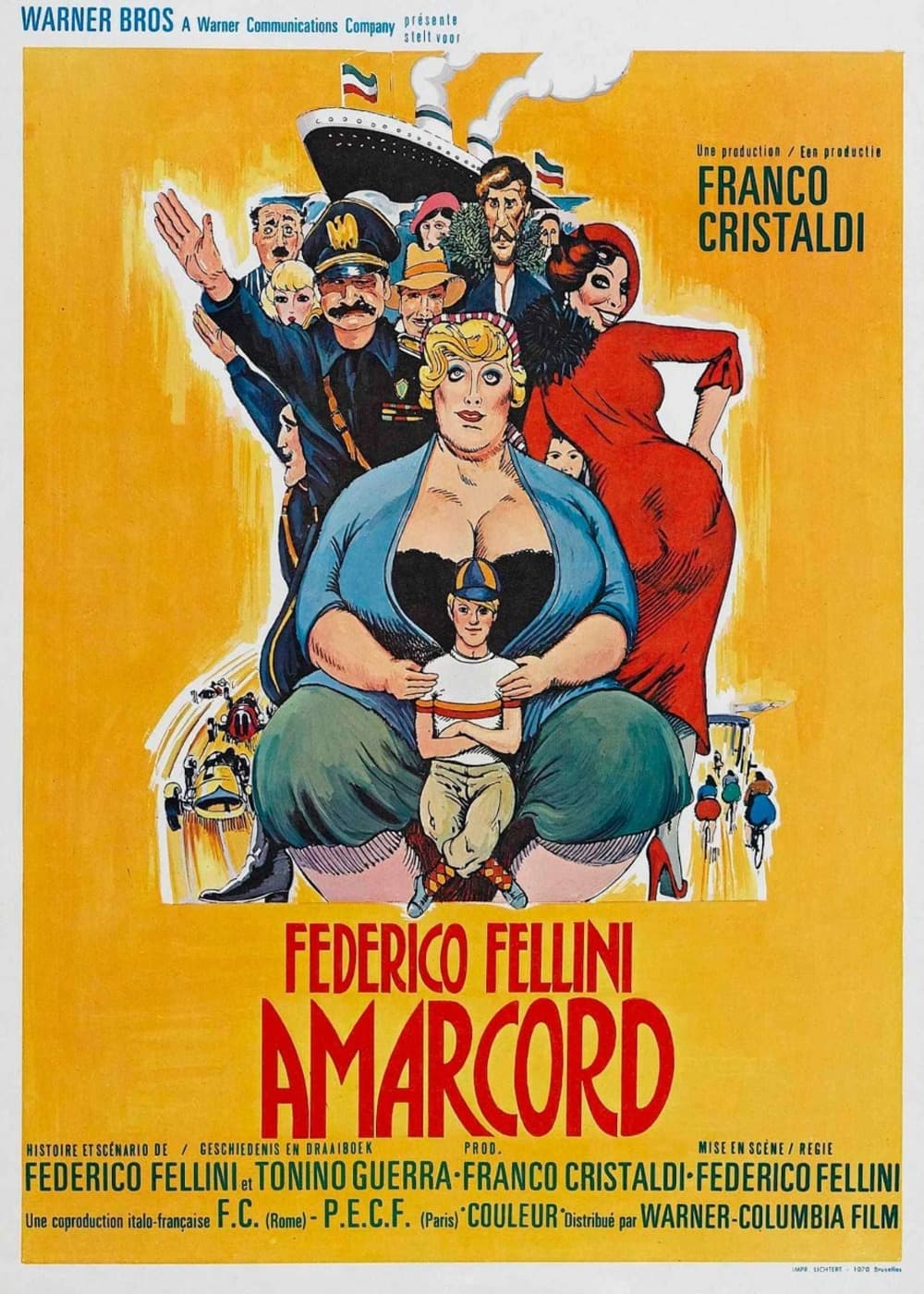
Fellini remembering his own seaside town under Mussolini and admitting he is embroidering it: no plot at all, just a year of weather, sex, food and fascism.
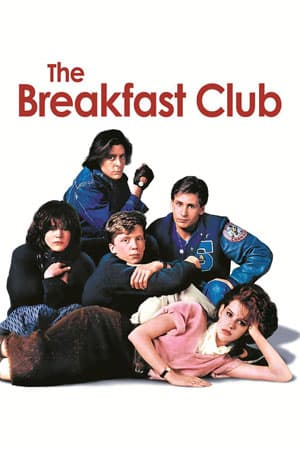
Five teenagers in one room for a Saturday detention, and every teen film since has been rearranging the same five: Hughes let them talk instead of doing anything.
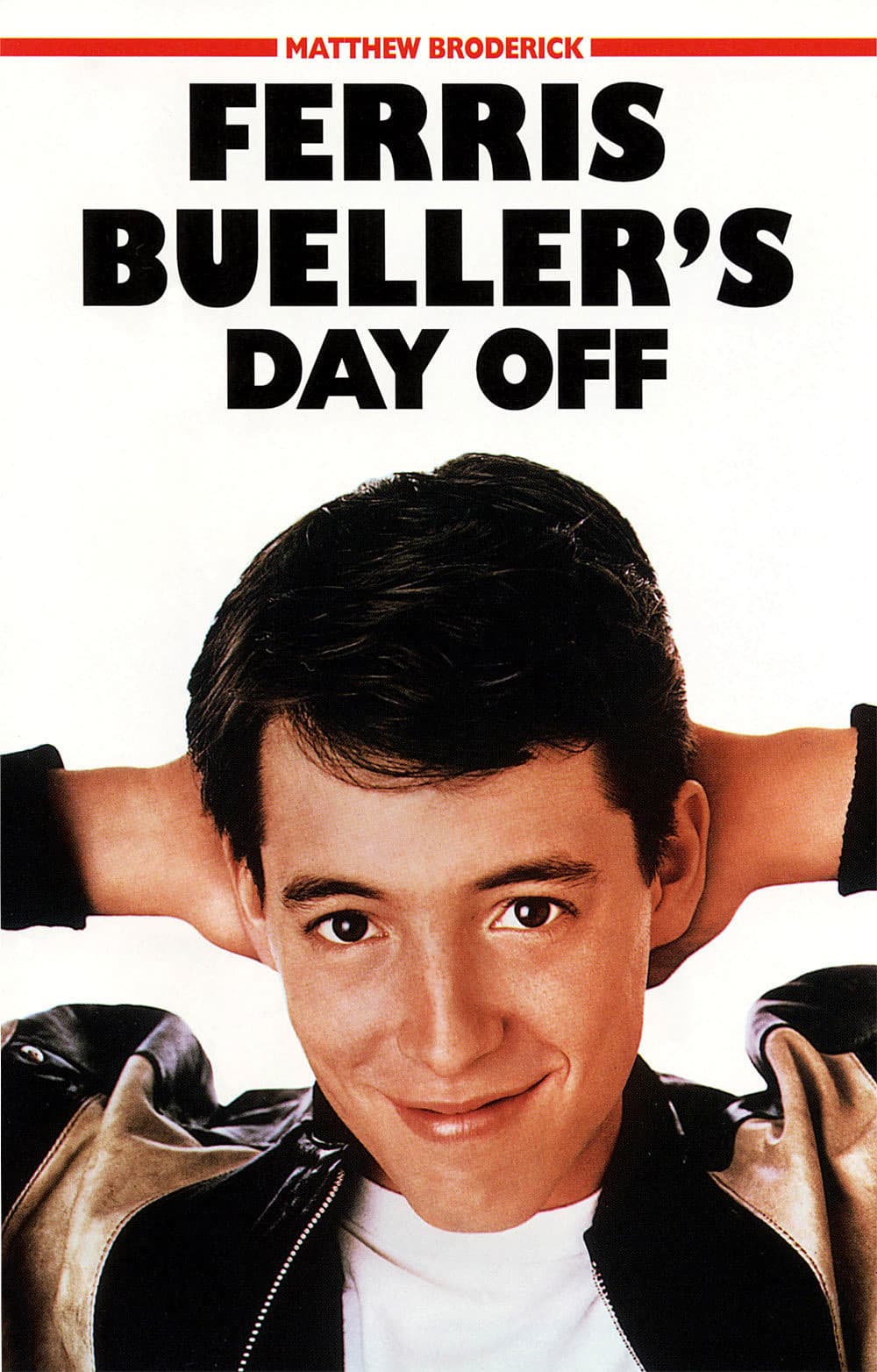
Truancy has never looked this appealing: Ferris talks straight to the audience, takes a Ferrari and a parade, and the whole film is completely on his side.
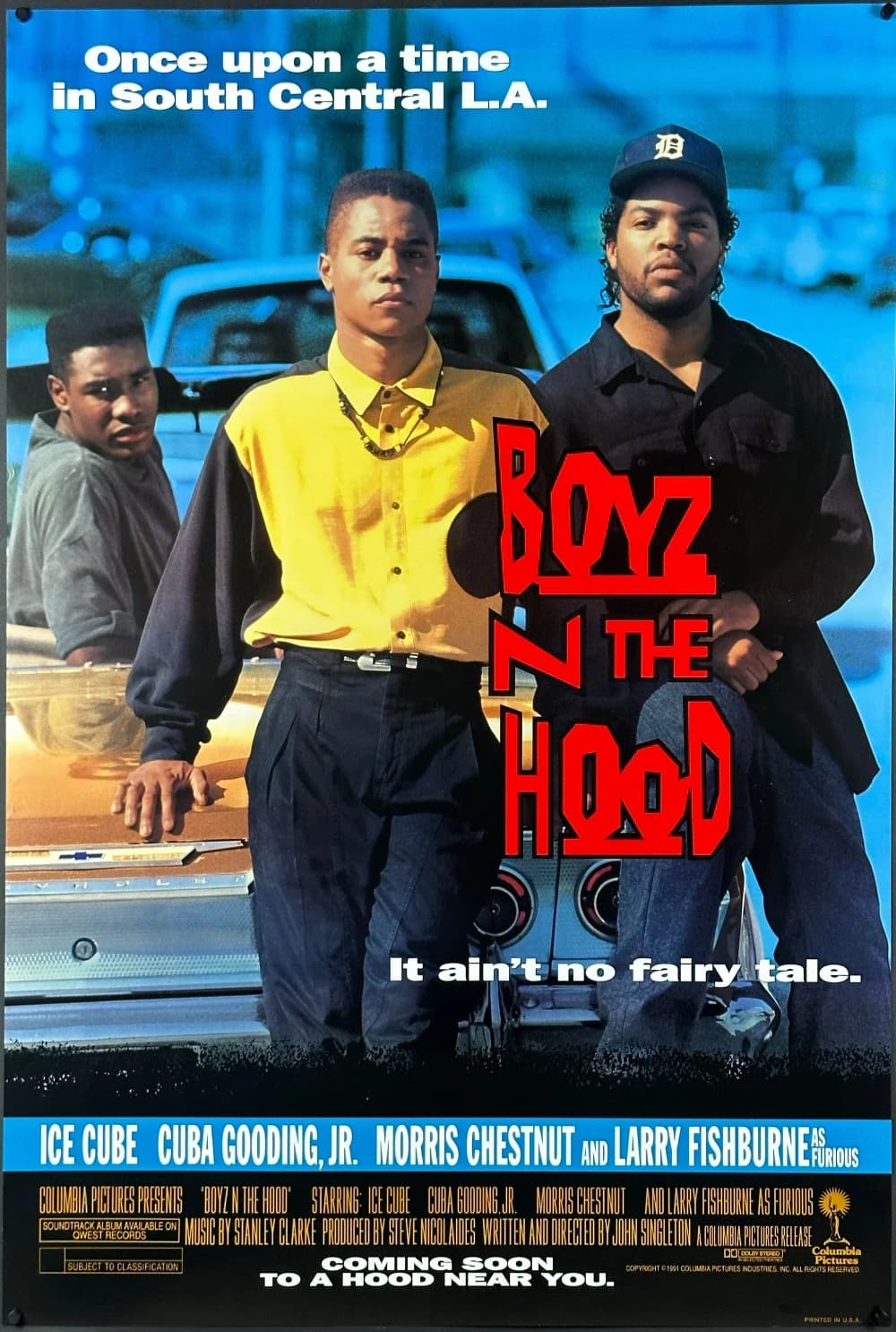
Singleton came straight out of USC film school and filmed the neighborhood he grew up in: South Central rendered as a place where a father raising his son is itself a full-time job.