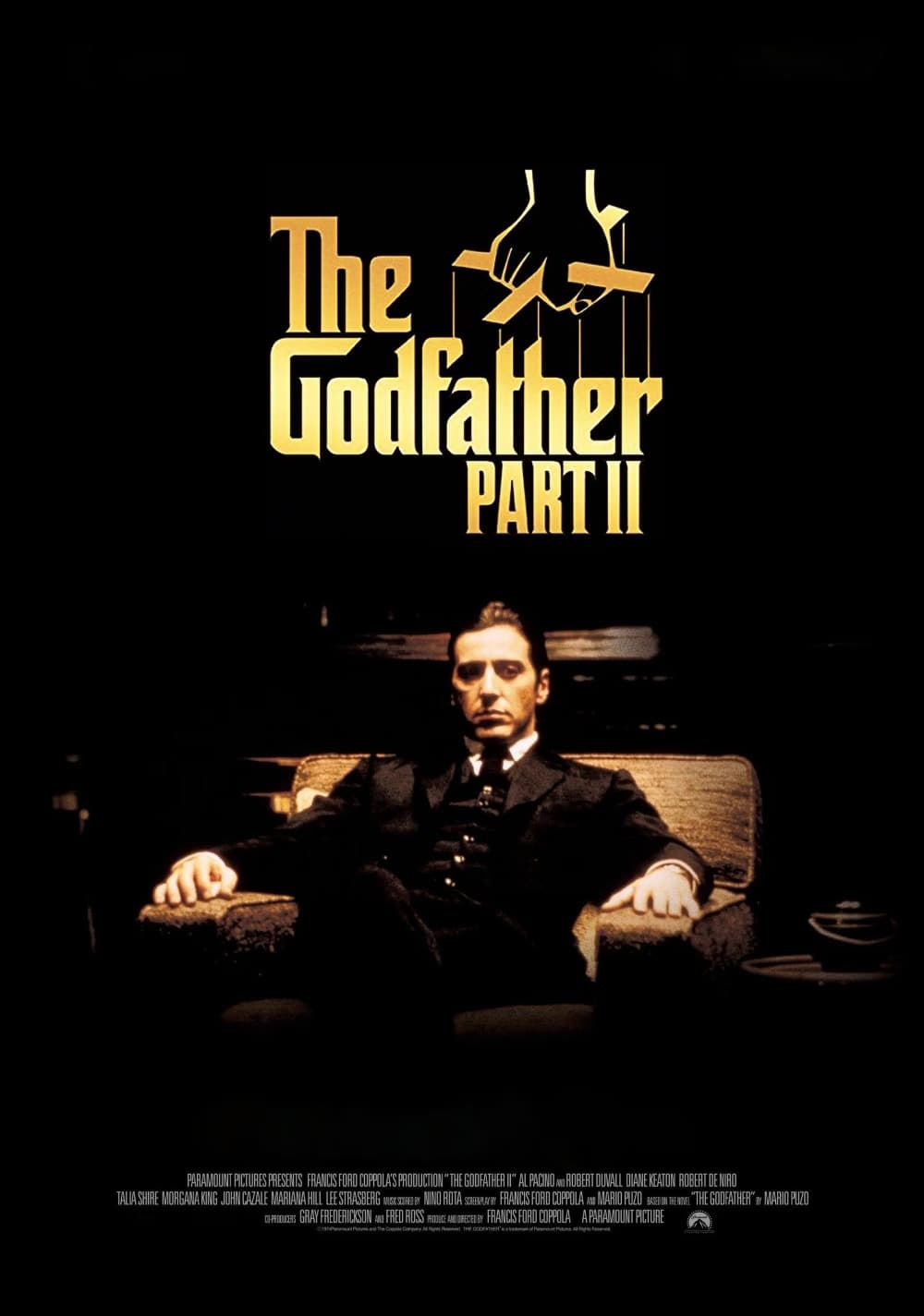
The Godfather: Part II
Directed by Francis Ford Coppola
1974
Coppola did what almost nobody manages, and made a sequel with a real claim to surpassing the original: two eras of one family run side by side, and the colder one wins.
★ 9.8
 skopia
Coppola did what almost nobody manages, and made a sequel with a real claim to surpassing the original: two eras of one family run side by side, and the colder one wins.
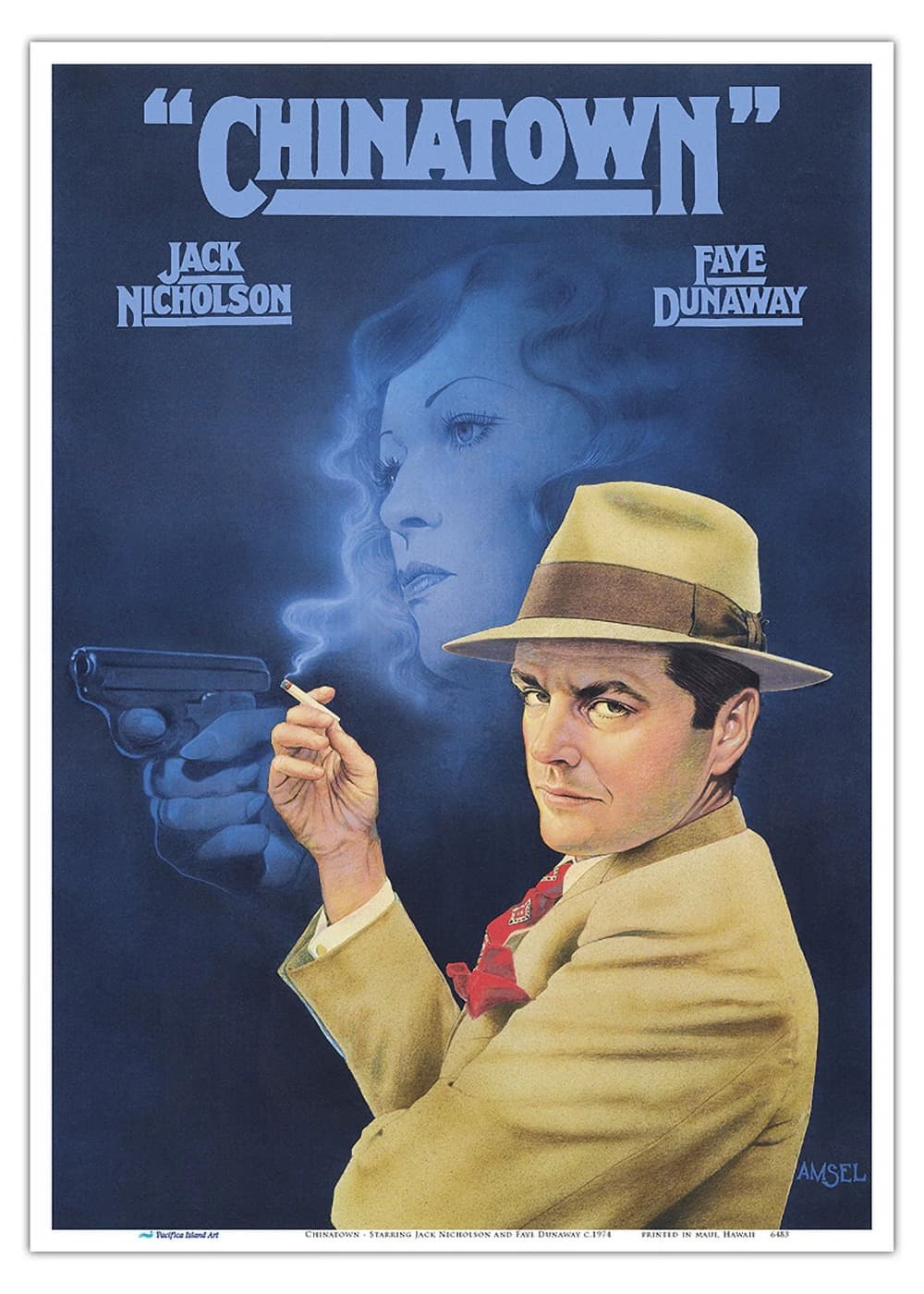
Screenwriters still take this one apart scene by scene to see how it works: Towne and Polanski built a mystery about stolen water that ends without a shred of mercy.
Written years before Watergate and released at its climax, it looked like prophecy: a surveillance expert starts hearing something terrible inside his own recording, and his paranoia does the rest.
Brooks has called it his best film and he shot it using the original 1931 laboratory equipment: black and white, played completely straight, and funnier for the discipline.
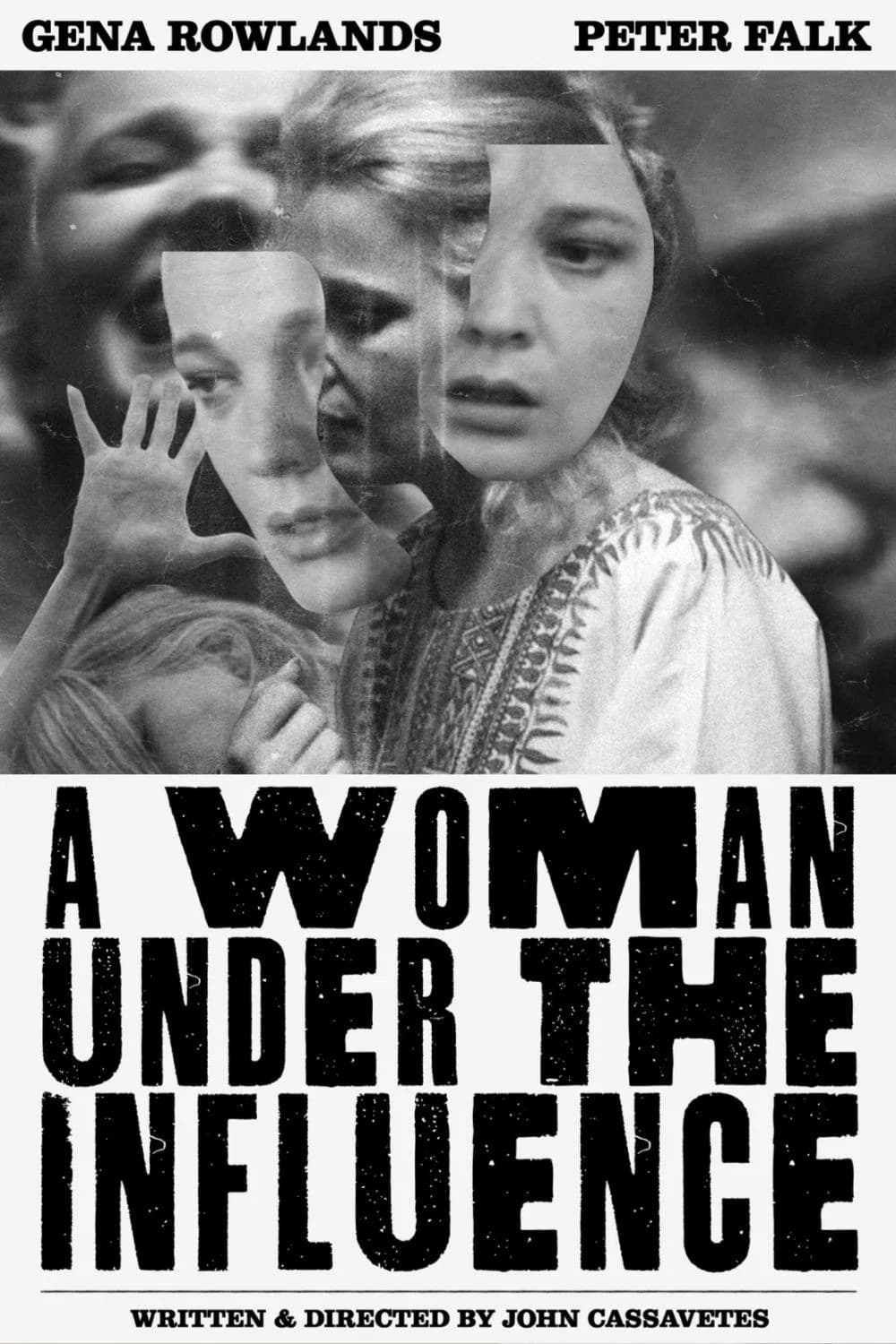
Cassavetes mortgaged his house to finance it, and Gena Rowlands gives the most exposed performance in American film: a marriage where love and damage cannot be separated.
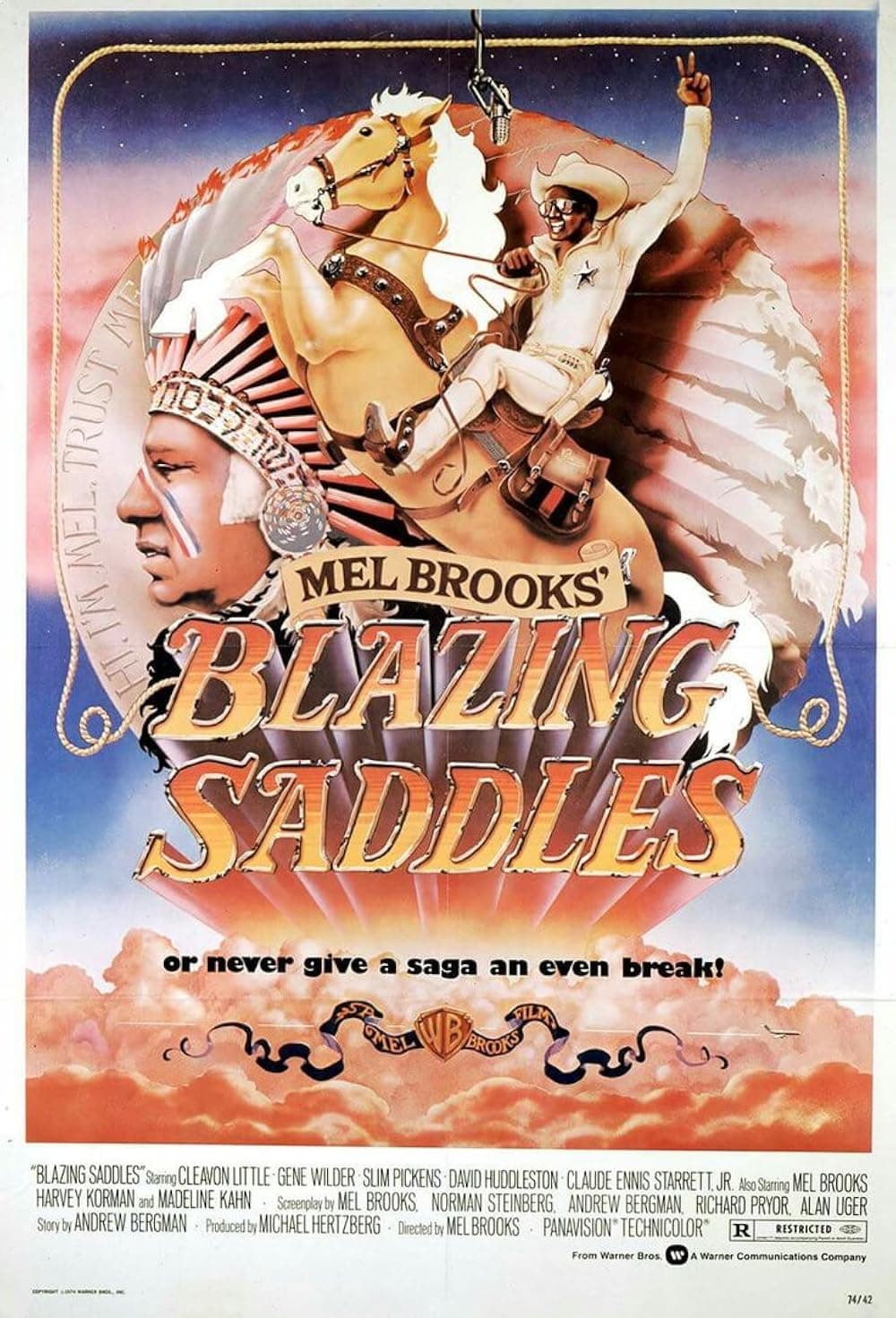
Brooks spent years saying it could not be made today and has since changed his mind: a Black sheriff arrives in a frontier town built on racism, and everybody gets hit.

Tarantino took the color-coded aliases straight from this for Reservoir Dogs: four men hijack a subway car under Manhattan and Walter Matthau negotiates with them by radio, entirely deadpan.
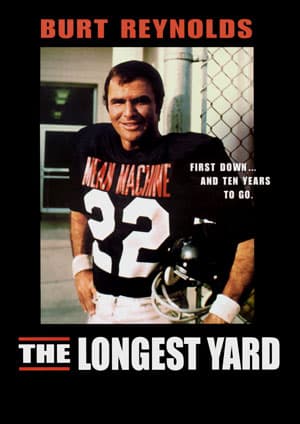
Burt Reynolds played college football and you can see it in every collision: a disgraced quarterback in a Georgia prison is ordered to build a team out of the inmates.